Solving word problems Worksheets for Ages 5-8
6 filtered results
-
From - To
Boost your child's critical thinking and math skills with our "Solving Word Problems Worksheets for Ages 5-8." Tailored for young learners, these engaging worksheets transform basic math into fun word problems, enhancing reading comprehension and problem-solving abilities. Each worksheet provides age-appropriate challenges, ranging from simple addition and subtraction to more complex scenarios. Perfect for home or classroom use, these activities help children apply math concepts to real-life situations while developing their analytical skills. Watch your students or children gain confidence and enjoy learning with our expertly designed resources. Visit Kids Academy for high-quality educational content.
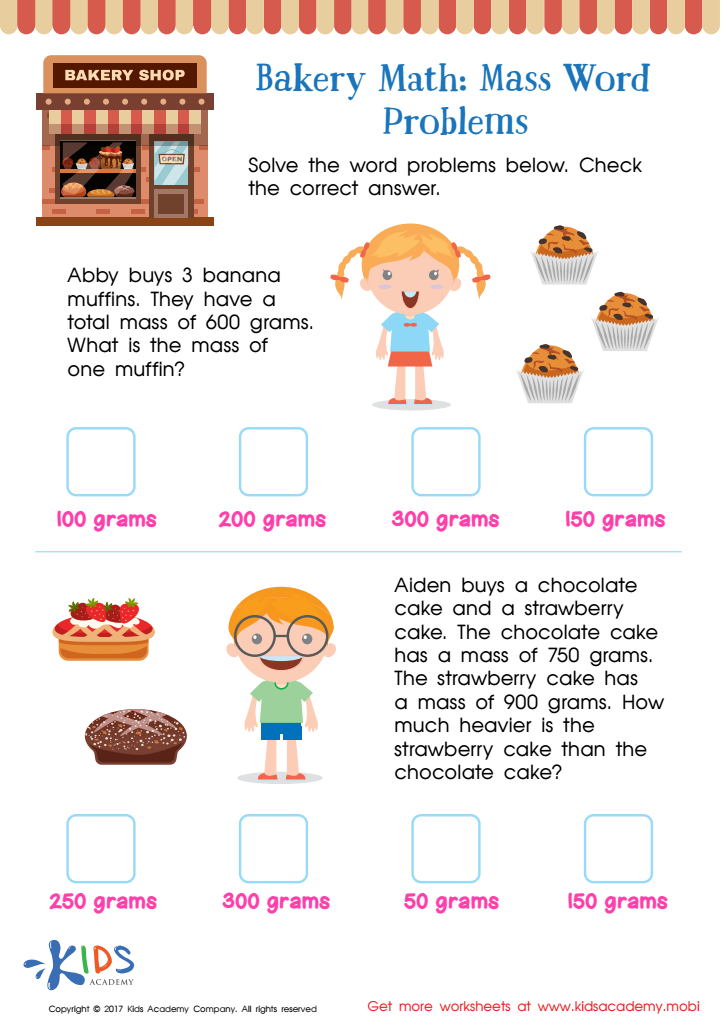
Mass Word Problems Worksheet
 Assign to My Students
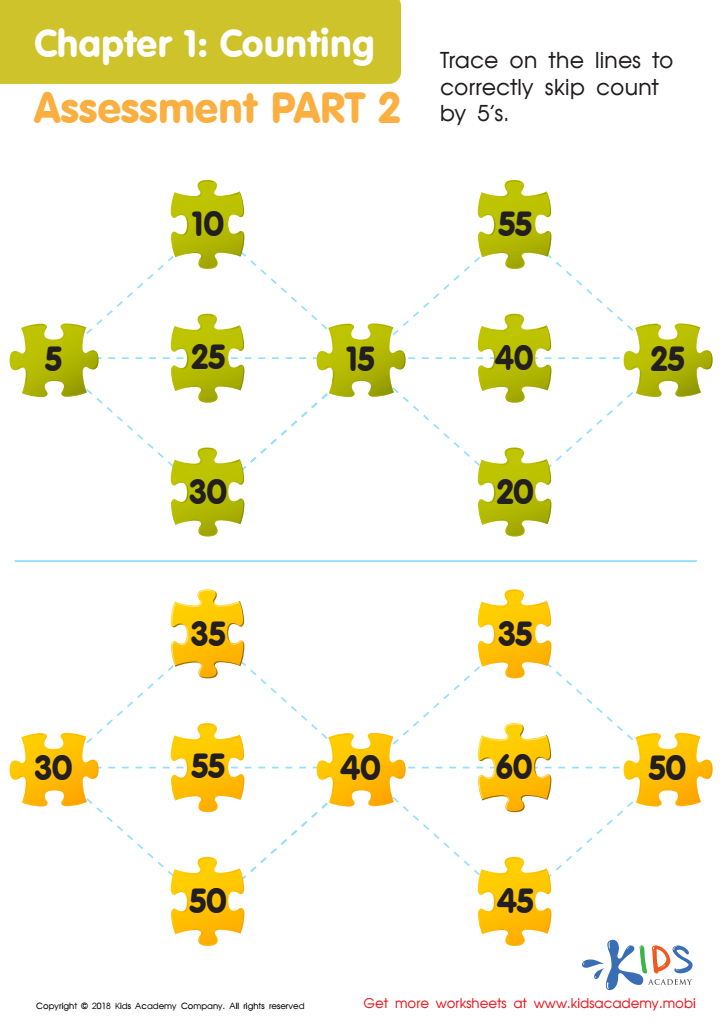
Counting: Assessment 2 Worksheet
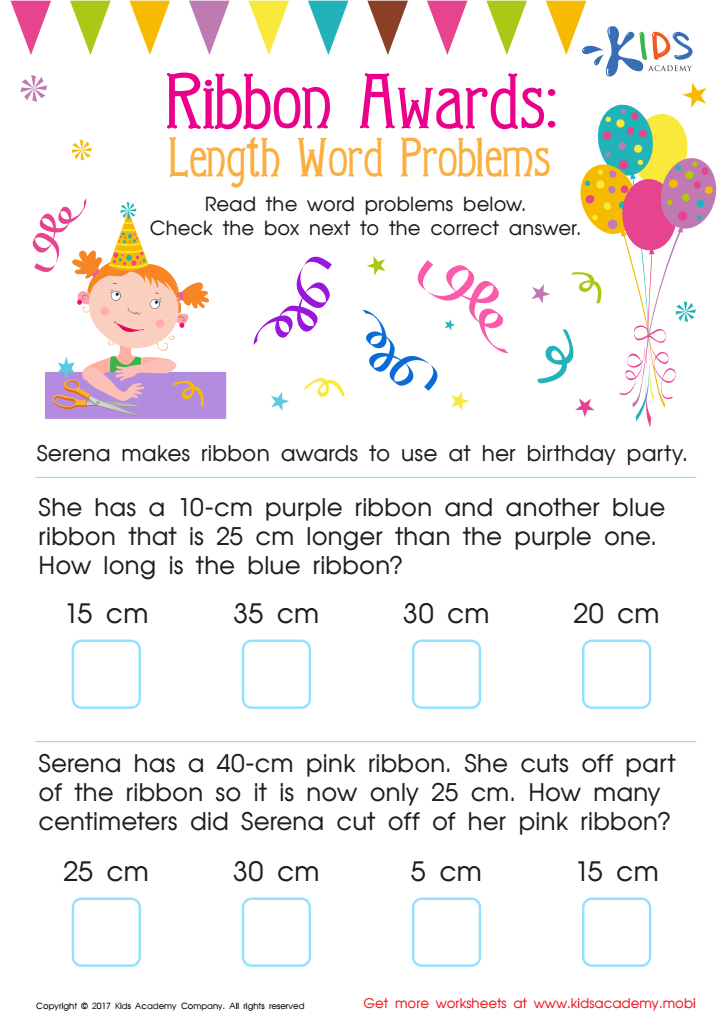
Length Word Problems Worksheet
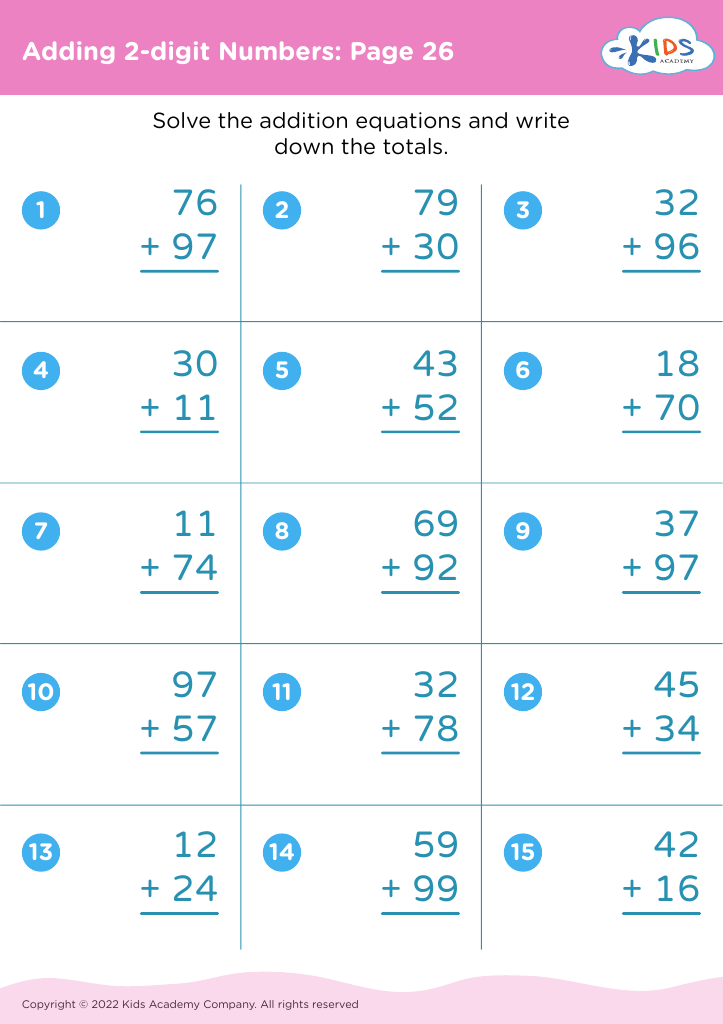
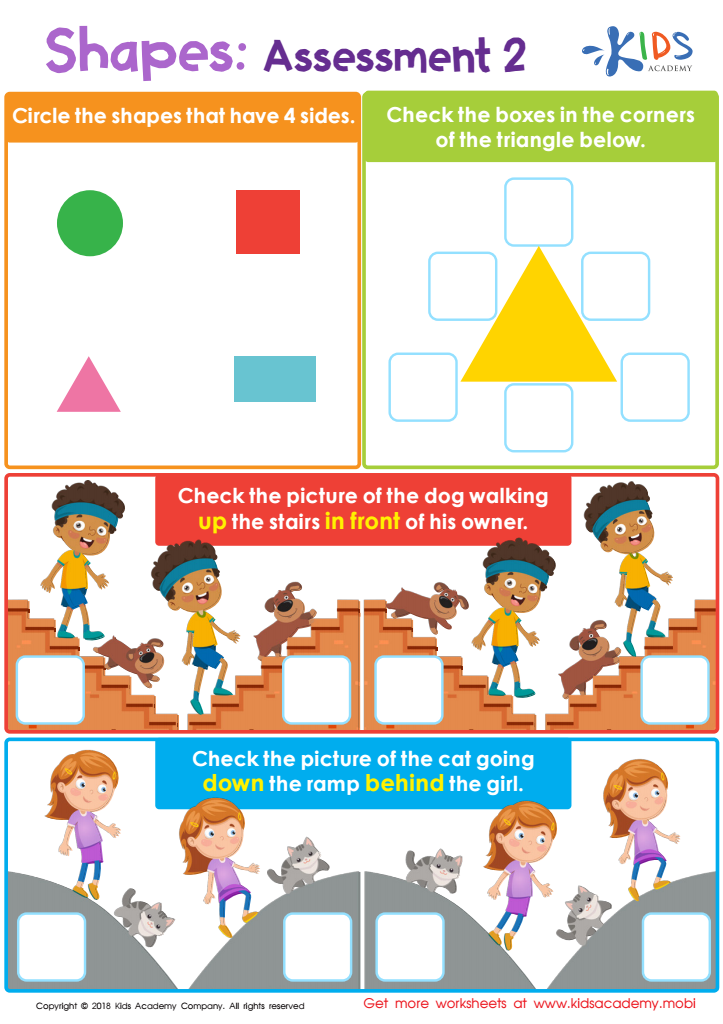
Shapes: Assessment 2 Worksheet
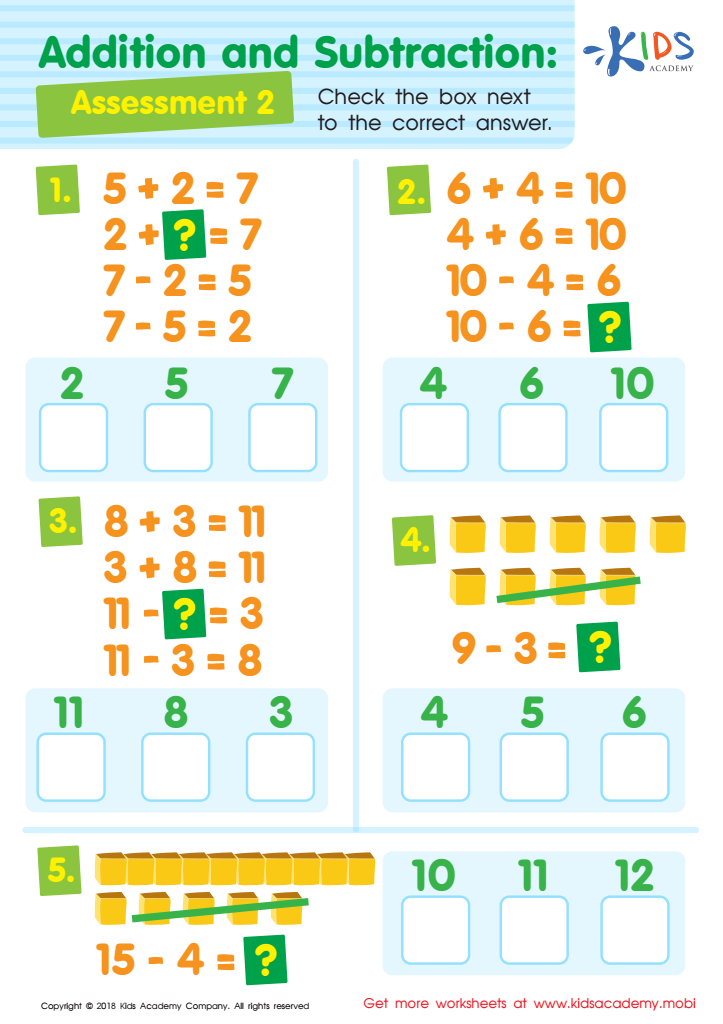
Addition and Subtraction Assessment 2 Worksheet








Solving word problems is essential for children aged 5-8 as it lays the foundation for critical thinking and practical application of mathematical concepts. At this developmental stage, young learners are highly impressionable, and cultivating problem-solving skills can foster a lifelong love for math. Parents and teachers should care because these problems help children understand math in the context of everyday life, making abstract concepts tangible and relevant.
Word problems encourage comprehension and reasoning as children must first understand the problem before solving it. This process-refined critical thinking improves language skills, as children decode text to identify key information. Solving these problems also enhances cognitive development by challenging young brains to think logically and make connections before coming to a solution.
Moreover, confidence gained from solving word problems independently can boost self-esteem and academic enthusiasm. It instills perseverance as children learn that problems can be tackled through various approaches. Parents and teachers should prioritize this as it prepares young minds for future academic and real-world challenges. The holistic development resulting from engaging with word problems not only benefits mathematical aptitude but also nurtures essential life skills, making it a critical aspect of early education curriculum.








