Explore our "Understanding Quantities Worksheets" designed specifically for children aged 5-8! These engaging worksheets help young learners grasp essential math concepts related to quantities, comparisons, and basic addition and subtraction. Through interactive exercises, children will develop their skills in identifying and counting objects, comparing sizes, and recognizing patterns. Our worksheets are not only educational but also fun, encouraging kids to apply their knowledge in stimulating activities. Perfect for both classroom use and at-home learning, these resources foster a strong mathematical foundation. Empower your child’s learning journey today with our thoughtfully crafted worksheets that make understanding quantities an enjoyable experience!
Check out this FREE "Understanding Quantities" Trial Lesson for age 5-8!

Adding with 3's

Favorites
With answer key
Interactive
  • 5-8
  • Understanding Quantities
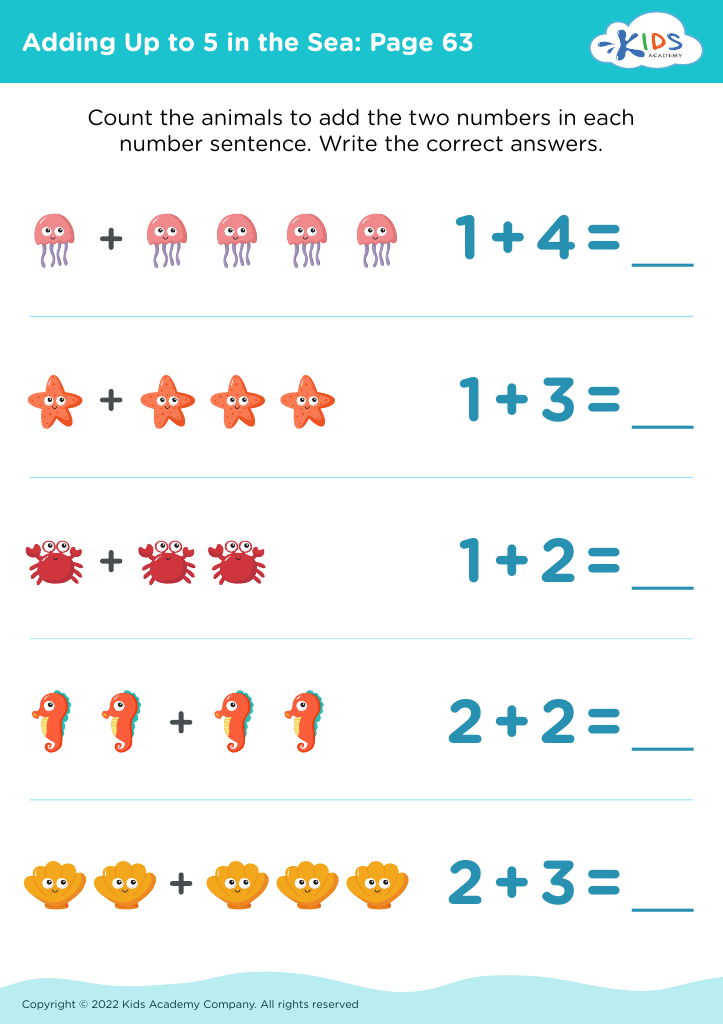
Adding Up to 5 in the Sea: Page 63
Worksheet
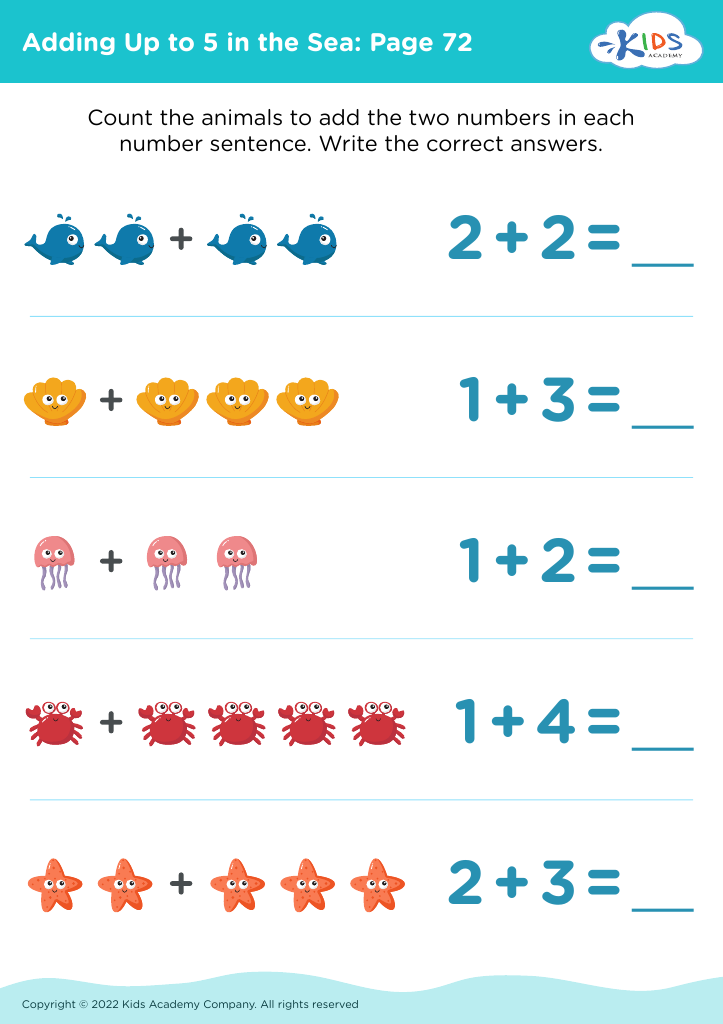
Adding Up to 5 in the Sea: Page 72
Worksheet
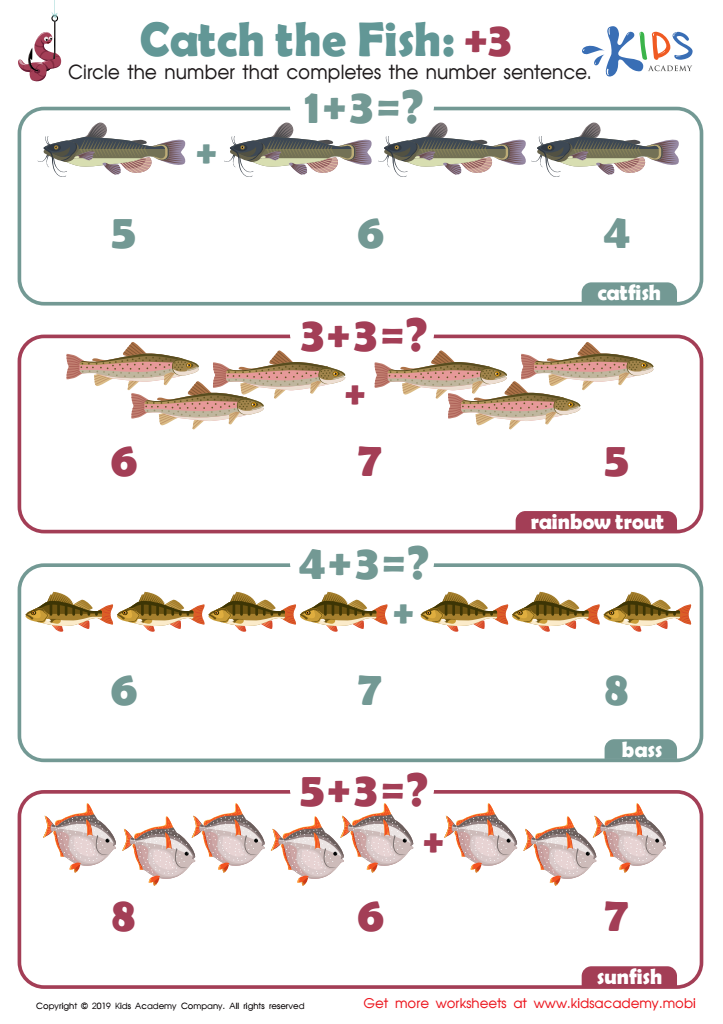
Catch the Fish: +3 Worksheet

Catch the Fish: +3 Worksheet

Math may be tricky for your child, with all the numbers and calculations. This worksheet can help them brush up. Ask them to identify the objects in the picture, then count them and help them circle the right number to complete the sentence. It's a simple and effective way to improve math skills.
Catch the Fish: +3 Worksheet
Worksheet
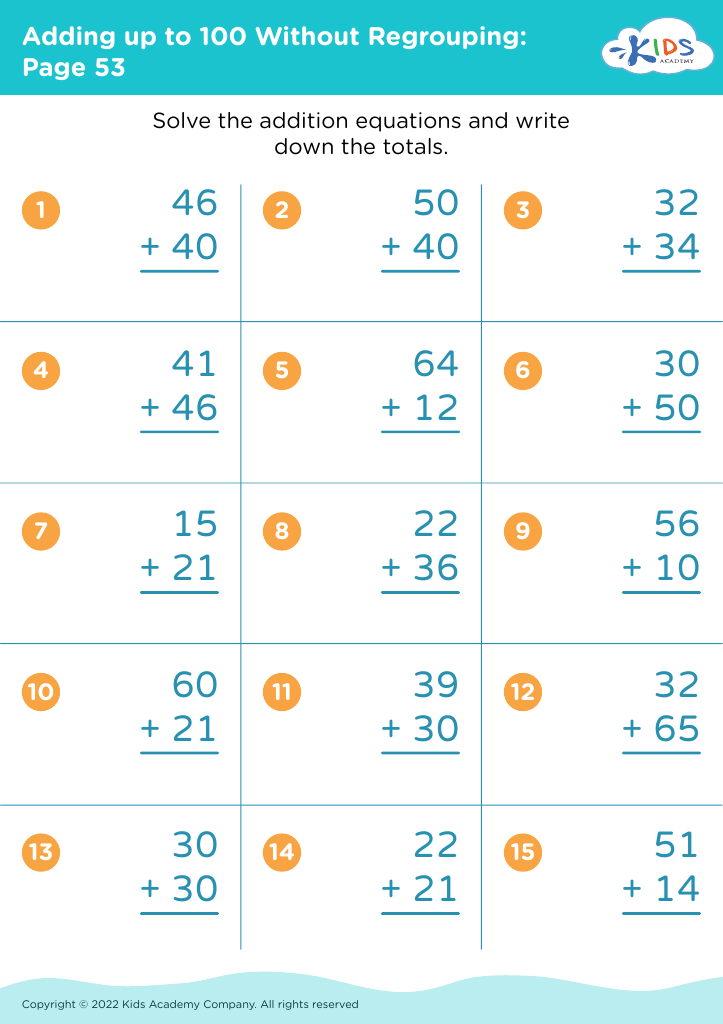
Adding up to 100 Without Regrouping: Page 53
Worksheet
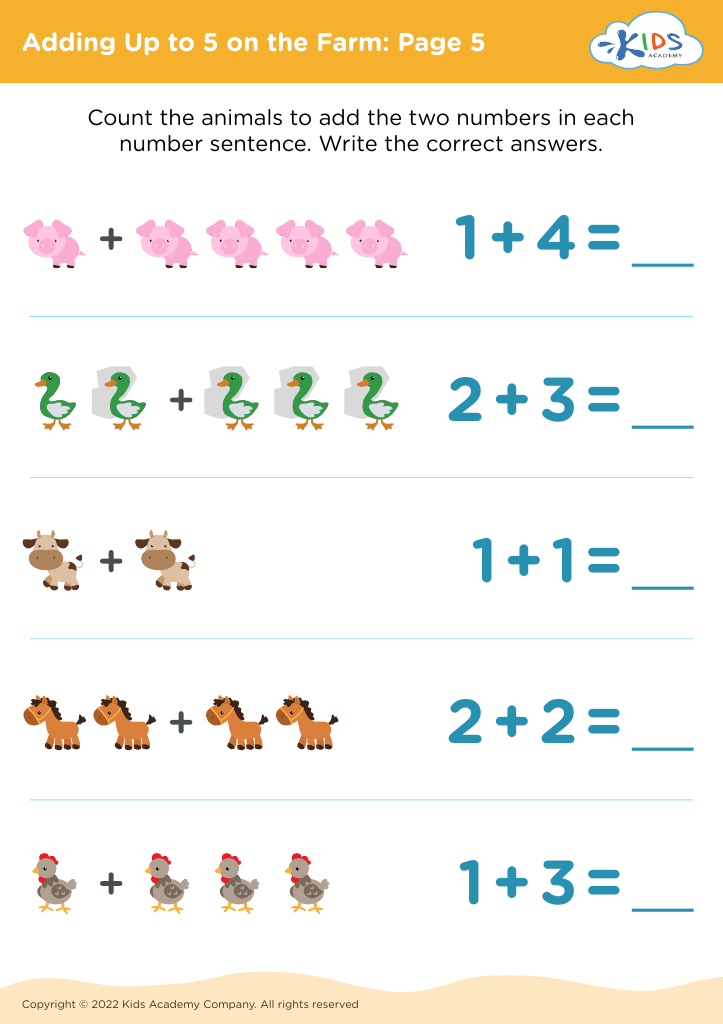
Adding Up to 5 on the Farm: Page 5
Worksheet
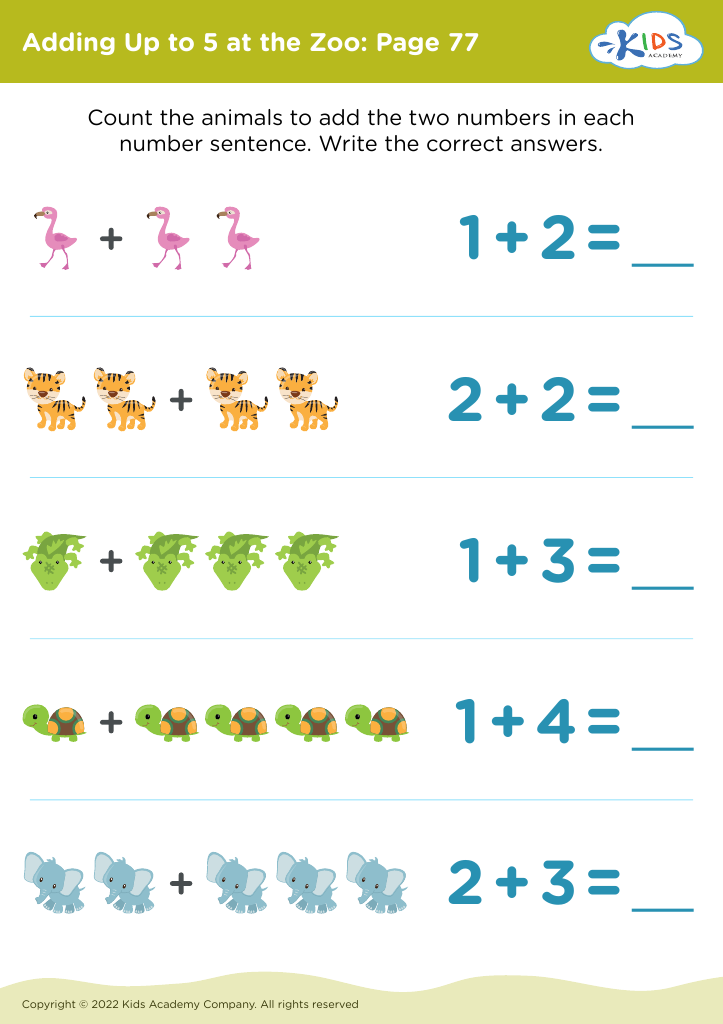
Adding Up to 5 at the Zoo: Page 77
Worksheet
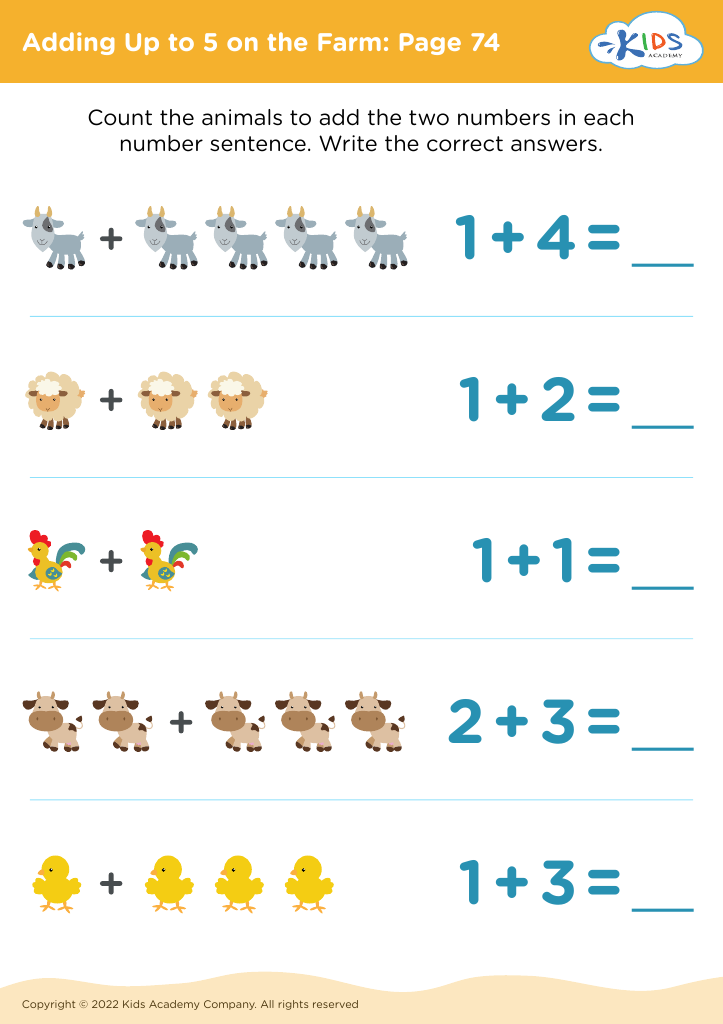
Adding Up to 5 on the Farm: Page 74
Worksheet
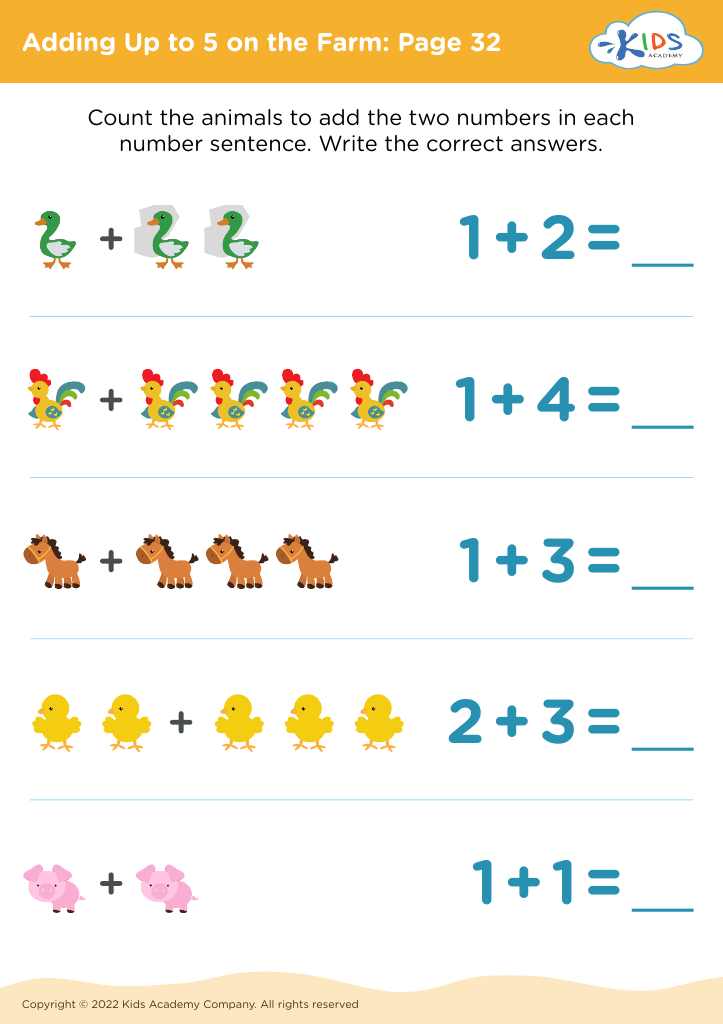
Adding Up to 5 on the Farm: Page 32
Worksheet
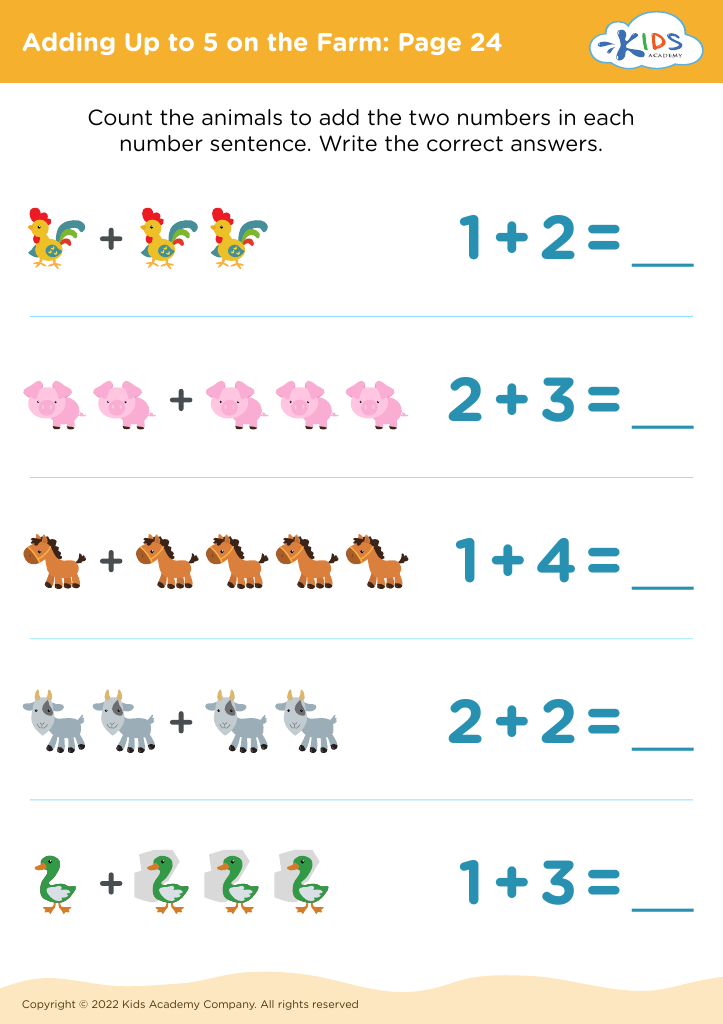
Adding Up to 5 on the Farm: Page 24
Worksheet
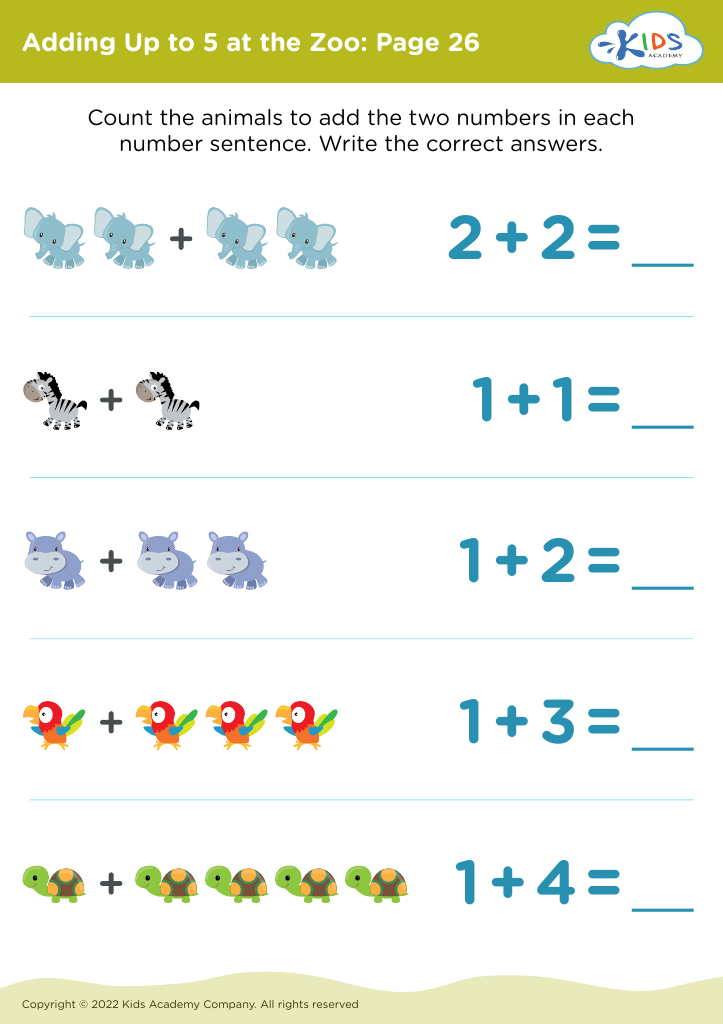
Adding Up to 5 at the Zoo: Page 26
Worksheet
Making 19 with Pizza! Worksheet
Making 19 with Pizza! Worksheet
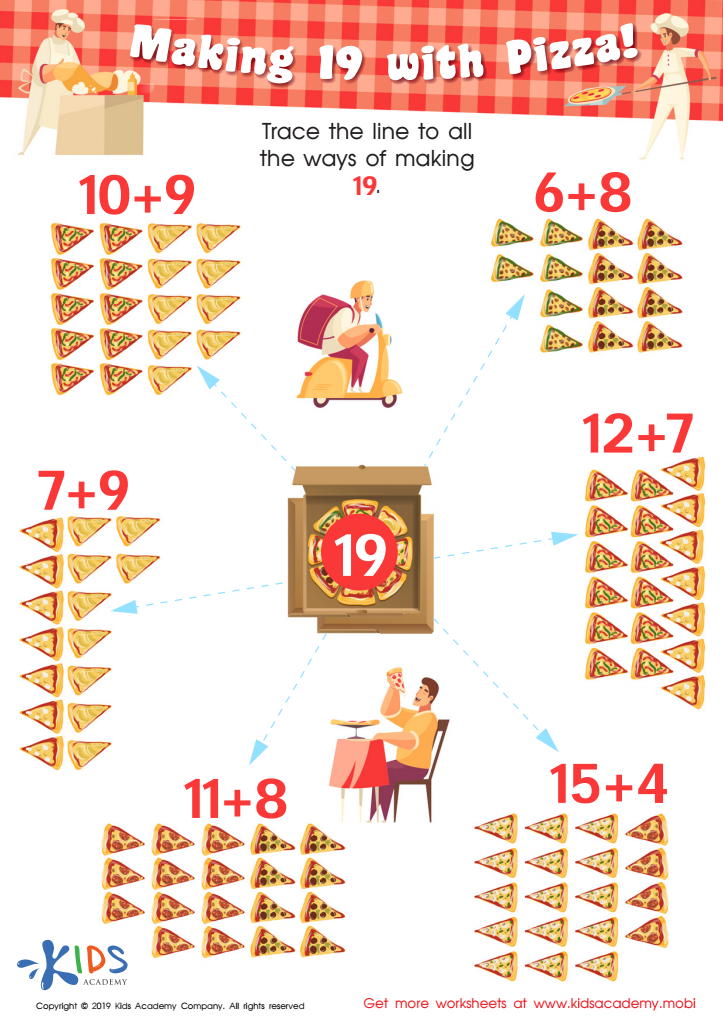
Who loves pizza? Your kids do! Next time you need to teach them math, make it fun by combining it with something they enjoy. This worksheet uses a pizza-themed problem to help them practice solving equations. Have them trace the line to figure out how to make 19. It's a great way to make learning math fun!
Making 19 with Pizza! Worksheet
Worksheet
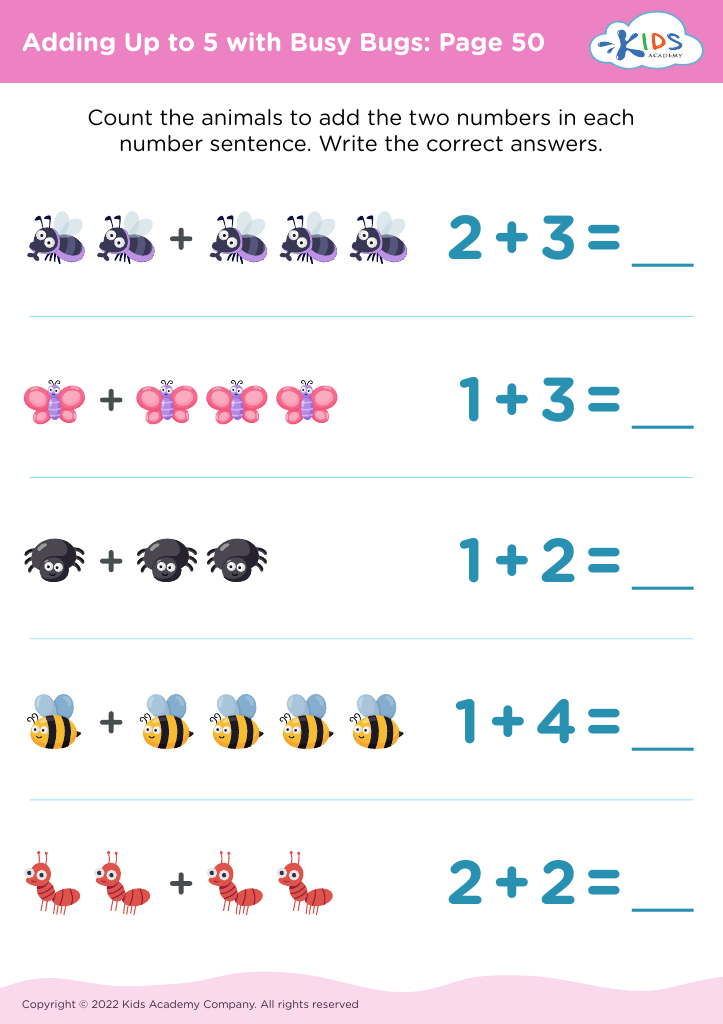
Adding Up to 5 with Busy Bugs: Page 50
Worksheet
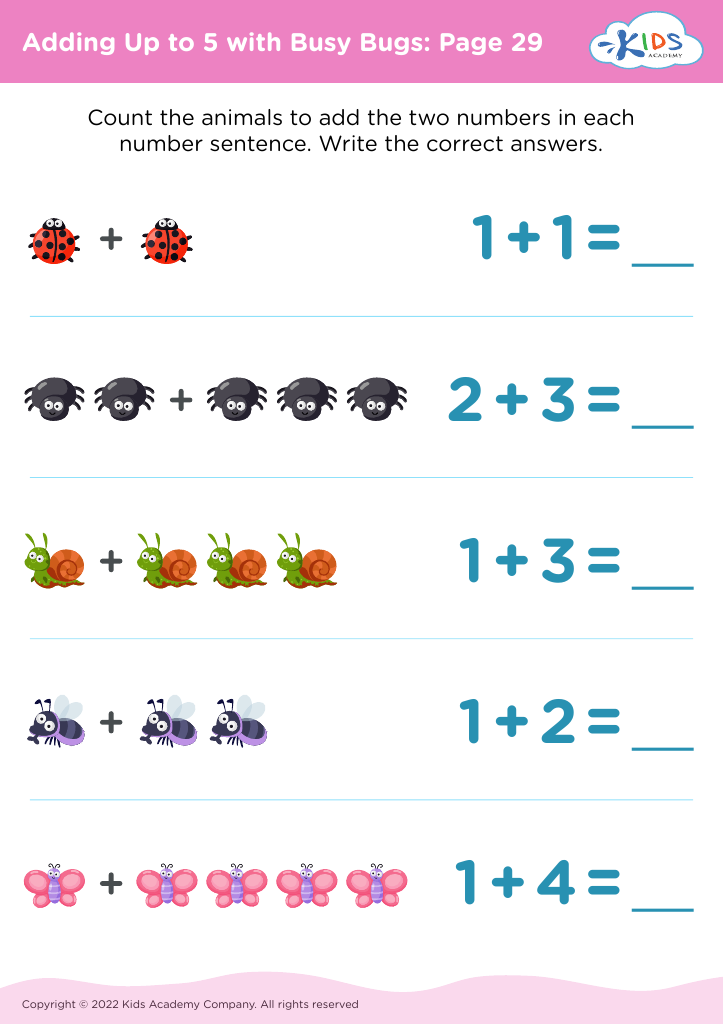
Adding Up to 5 with Busy Bugs: Page 29
Worksheet
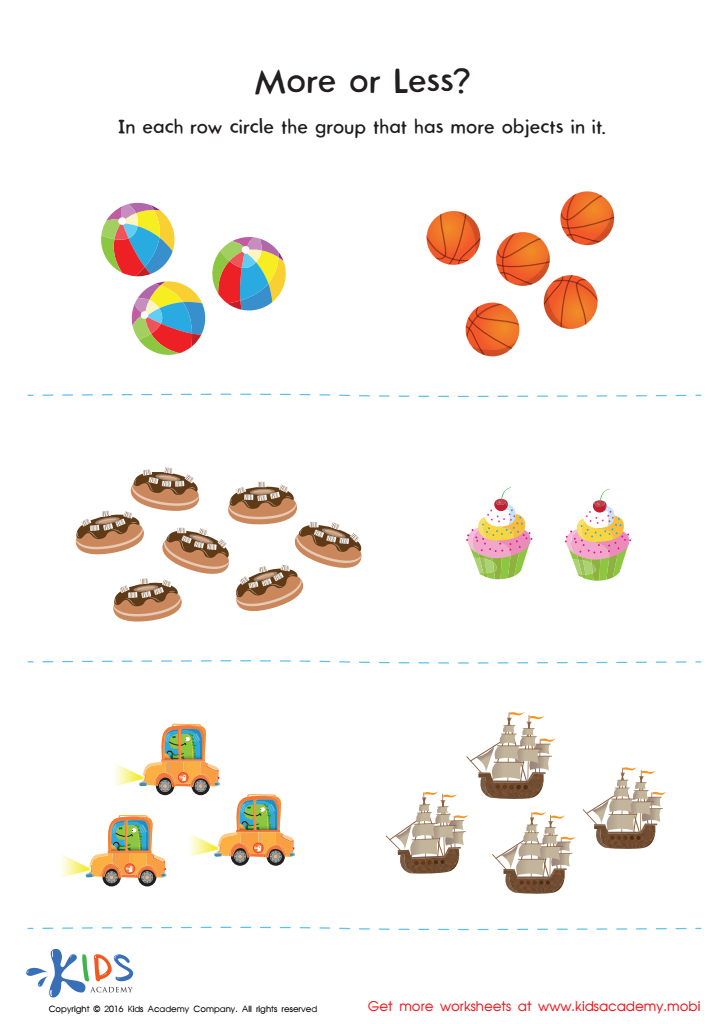
More or Less PDF Printable Worksheet

More or Less Size Worksheet

Try this "More or Less" PDF printable worksheet to help them out!
More or Less Size Worksheet
Worksheet
Place Value: Chapter 1 Worksheet
Place Value: Chapter 1 Worksheet
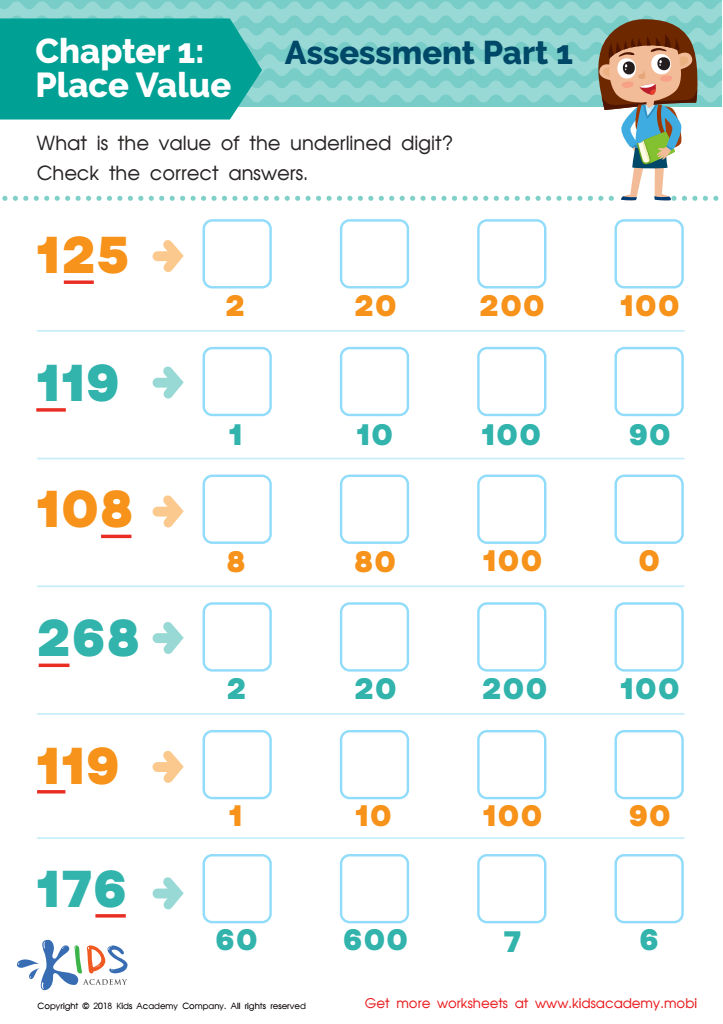
Check your kid's place value understanding with this assessment worksheet. It features 6 questions with one digit underlined for your child to determine the correct value of. Get the download and see if they can correctly choose the answer from the options given. It's a great way to test progress and keep their minds sharp!
Place Value: Chapter 1 Worksheet
Worksheet
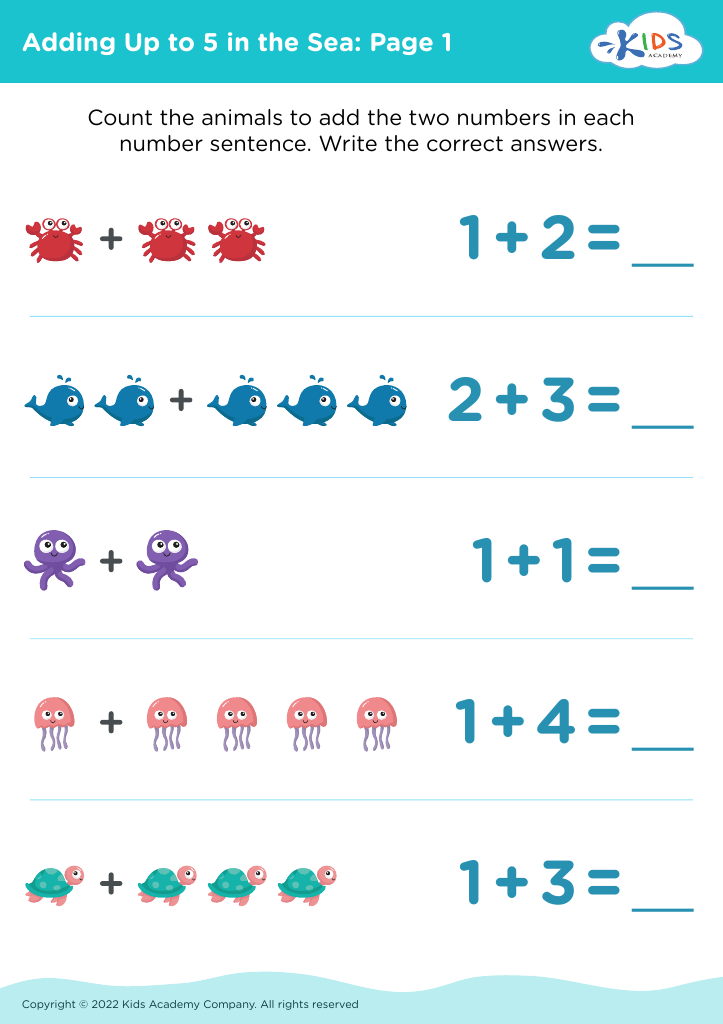
Adding Up to 5 in the Sea: Page 1

Adding Up to 5 in the Sea: Page 1

Adding Up to 5 in the Sea: Page 1
Worksheet
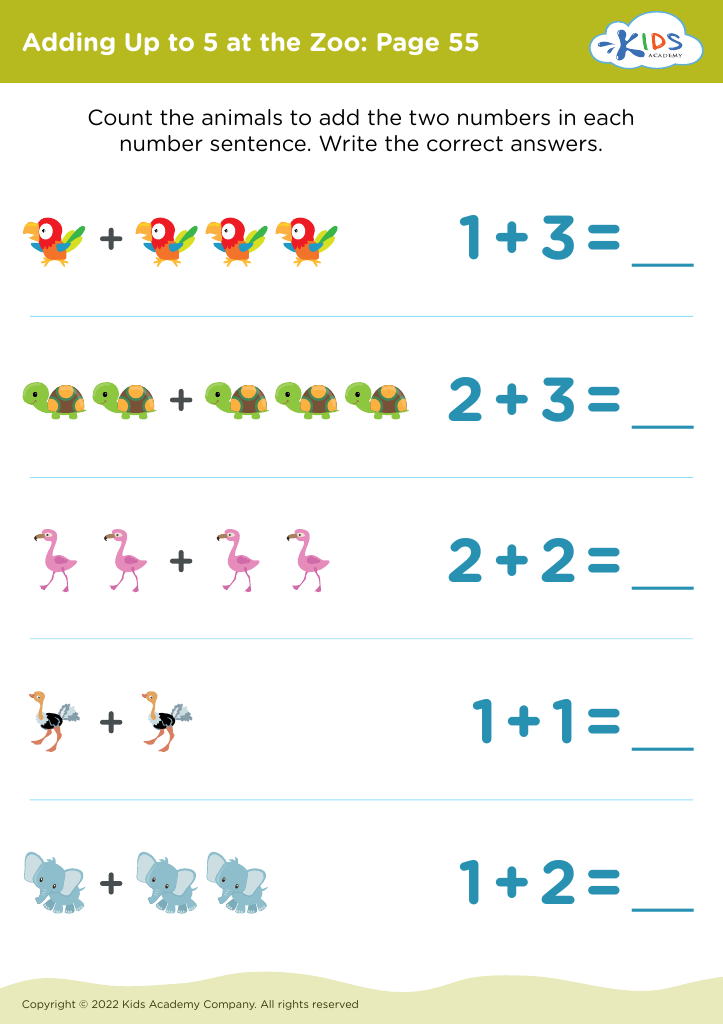
Adding Up to 5 at the Zoo: Page 55
Worksheet
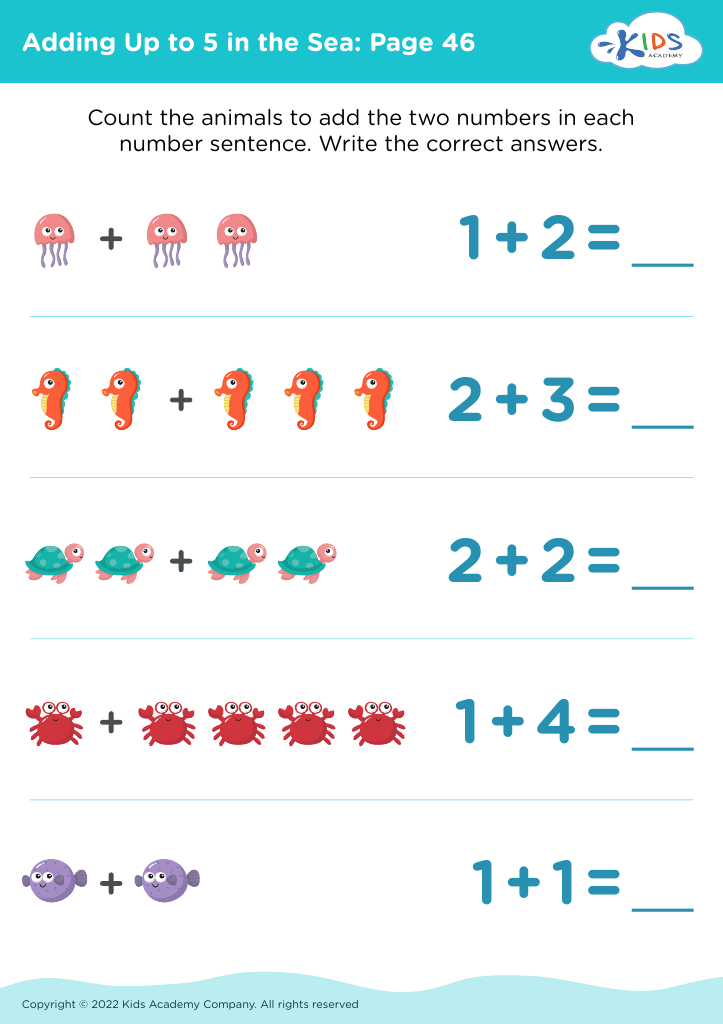
Adding Up to 5 in the Sea: Page 46
Worksheet
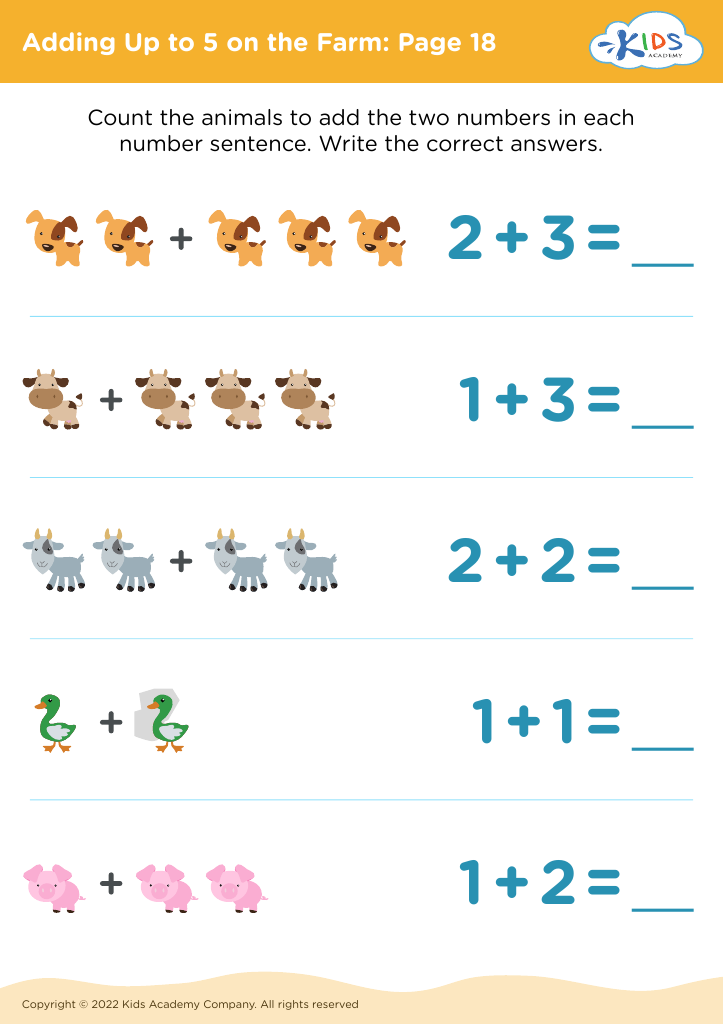
Adding Up to 5 on the Farm: Page 18
Worksheet
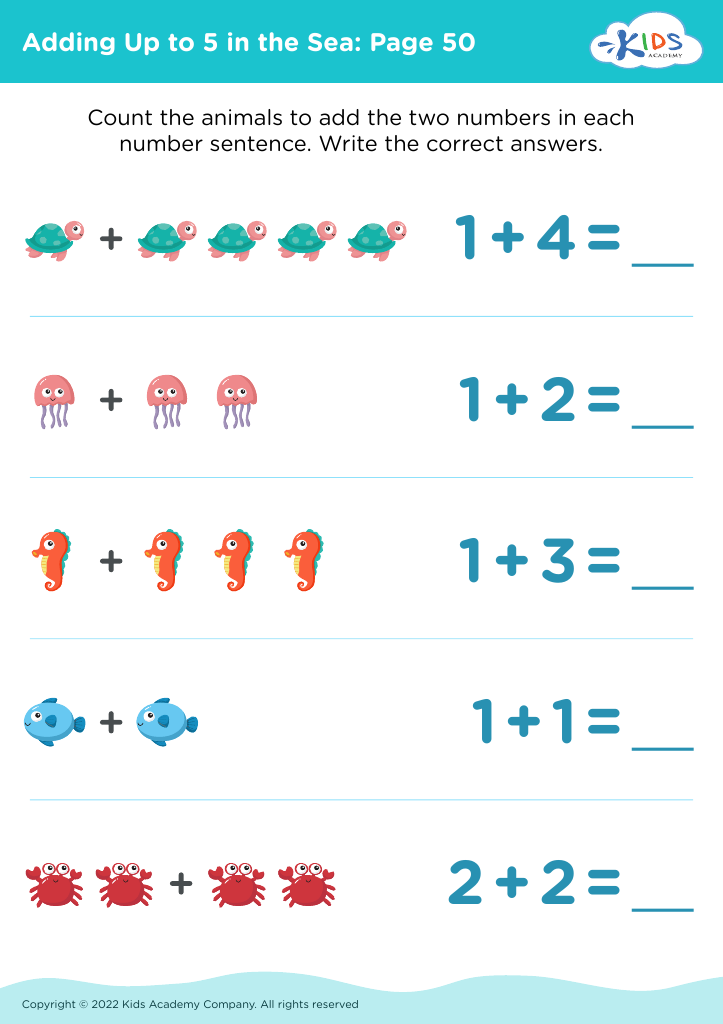
Adding Up to 5 in the Sea: Page 50
Worksheet
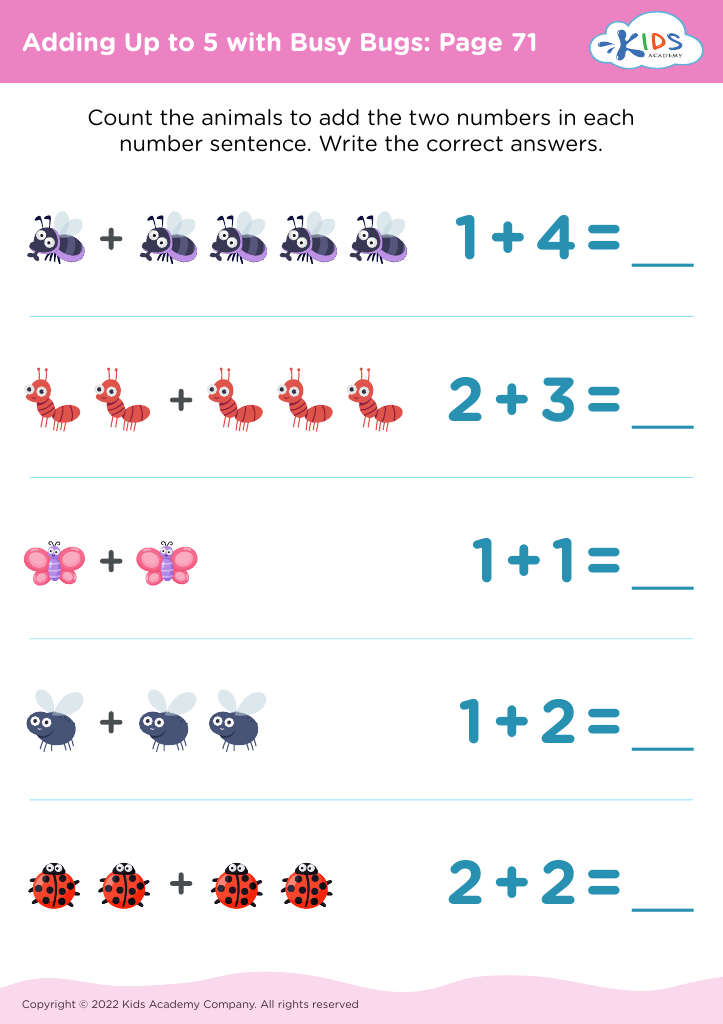
Adding Up to 5 with Busy Bugs: Page 71
Worksheet
Let's Check! Worksheet
Let's Check! Worksheet

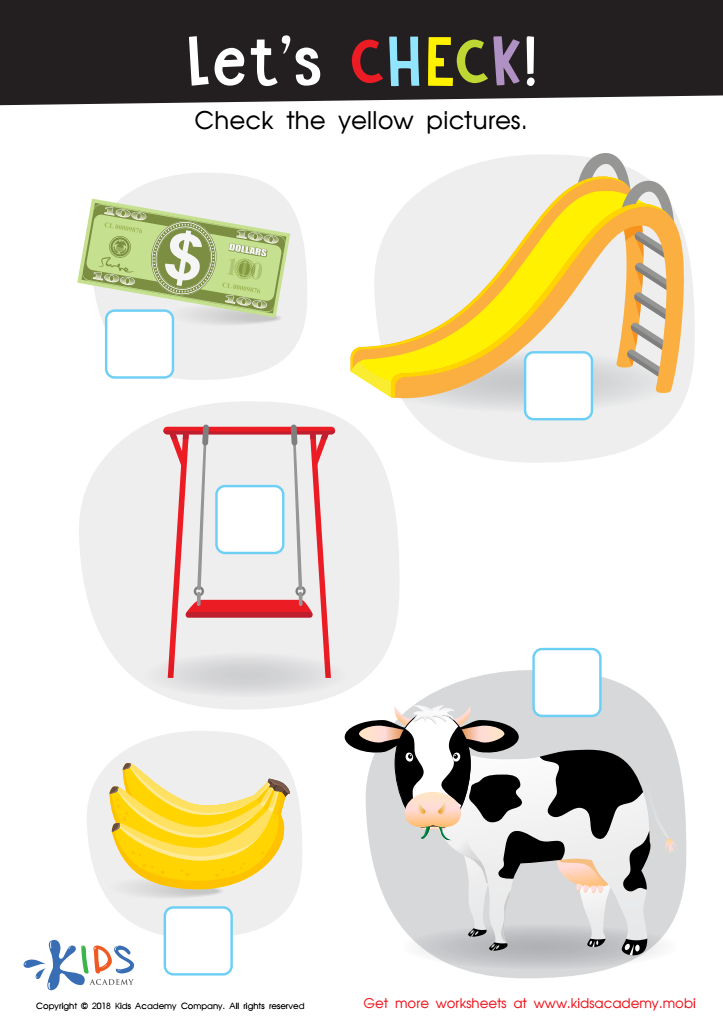
Before starting this coloring sheet, ask your kids to name some colors they know, or point to familiar items and ask them what color they are. Check if they can correctly identify the pictures of yellow objects. Then, you can begin the worksheet.
Let's Check! Worksheet
Worksheet
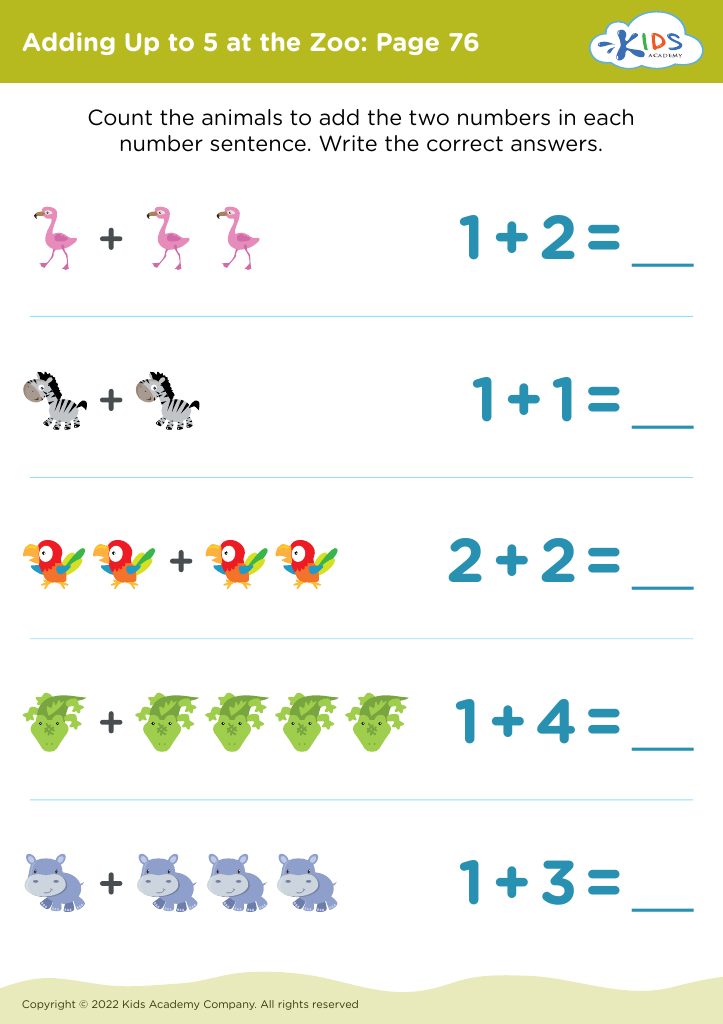
Adding Up to 5 at the Zoo: Page 76
Worksheet
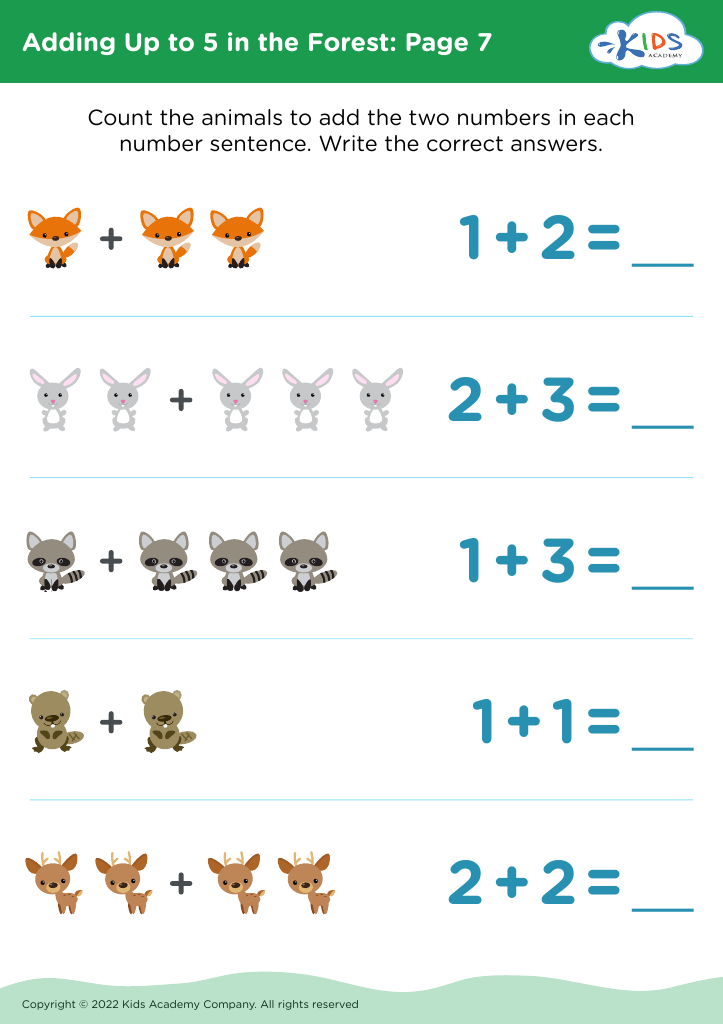
Adding Up to 5 in the Forest: Page 7
Worksheet


Understanding quantities is a fundamental skill that serves as the backbone of mathematical development for children ages 5-8. During this critical stage, children begin to explore numbers, counting, and the relationship between quantities, laying the groundwork for future mathematical concepts. Parents and teachers should care about this development because foundational skills in understanding quantities directly influence a child’s confidence and competence in math.

Mastering quantities helps children grasp essential concepts such as addition, subtraction, and early measurement, promoting logical thinking and problem-solving abilities. This understanding fosters a positive attitude toward math, making children more likely to engage with the subject rather than shy away from it.

Moreover, engaging with quantities sets the stage for real-world applications, including financial literacy and critical thinking necessary for everyday situations. It also encourages collaboration and communication as children learn to express their thoughts and strategies while interacting with peers during quantitative activities.

Early intervention and support in developing a strong foundation for understanding quantities can help prevent future learning gaps, paving the way for a smoother transition into more complex mathematical ideas. Therefore, parents and teachers play a crucial role in nurturing these skills, ensuring children are well-prepared for their educational journey ahead.