Visual Learning Worksheets for Ages 5-8 - Page 5
105 filtered results
-
From - To
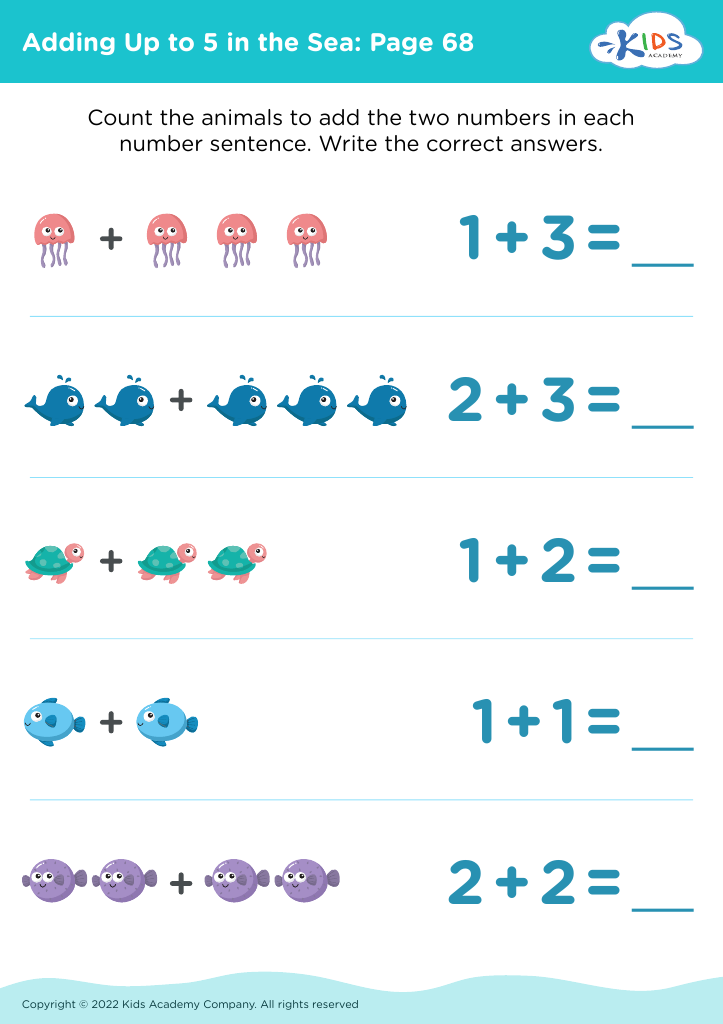
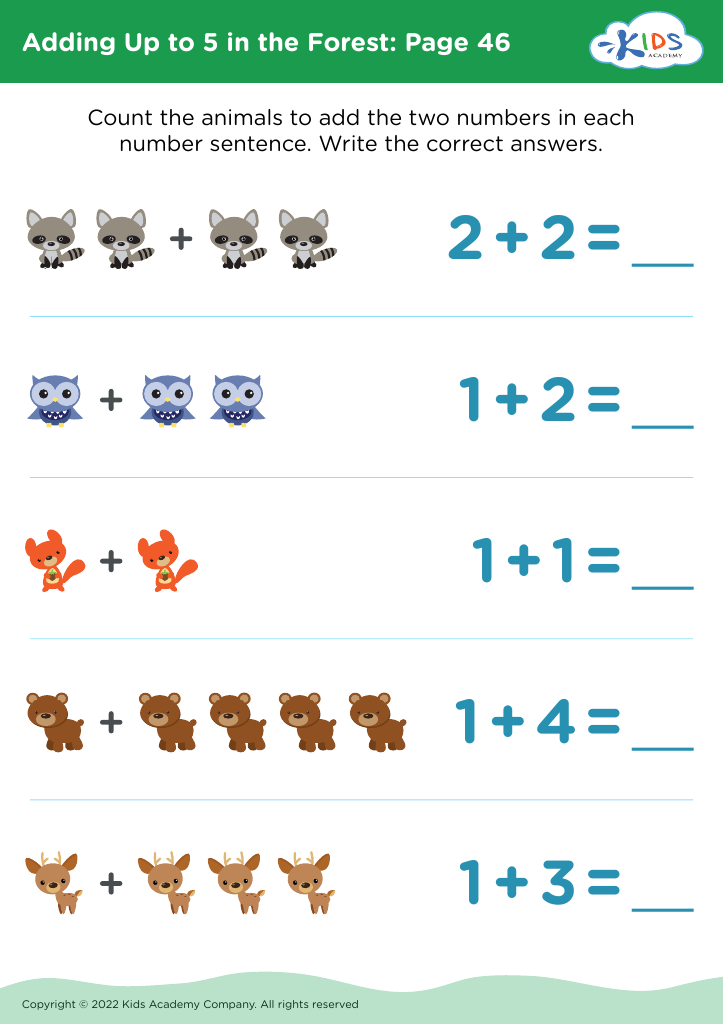
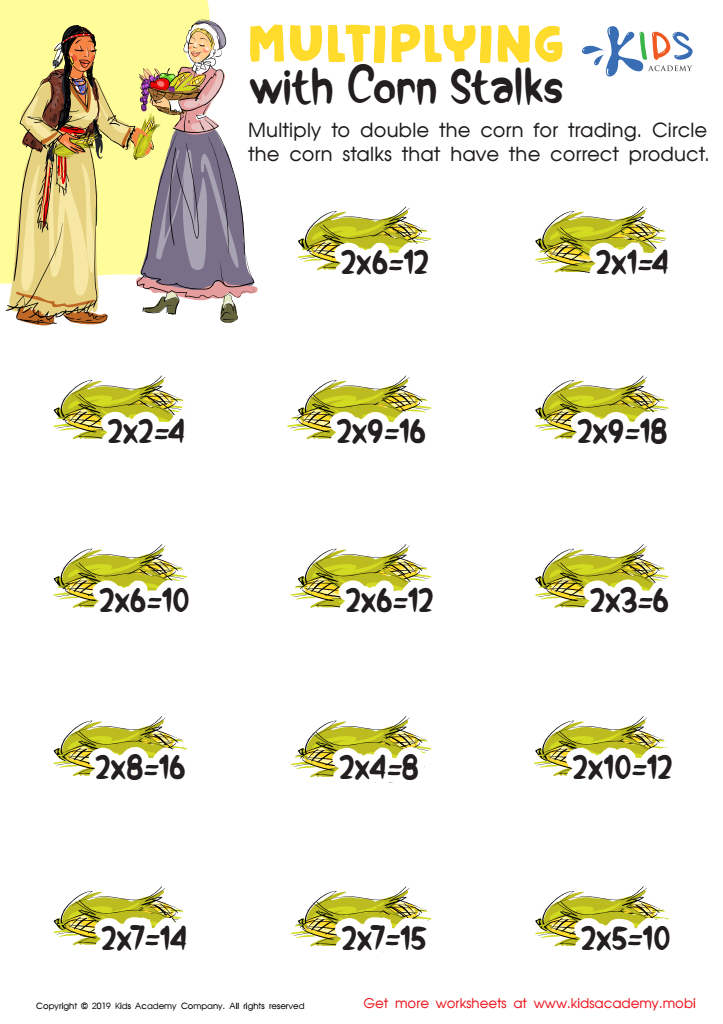
Multiplying With Corn Stalks Worksheet
 Assign to My Students
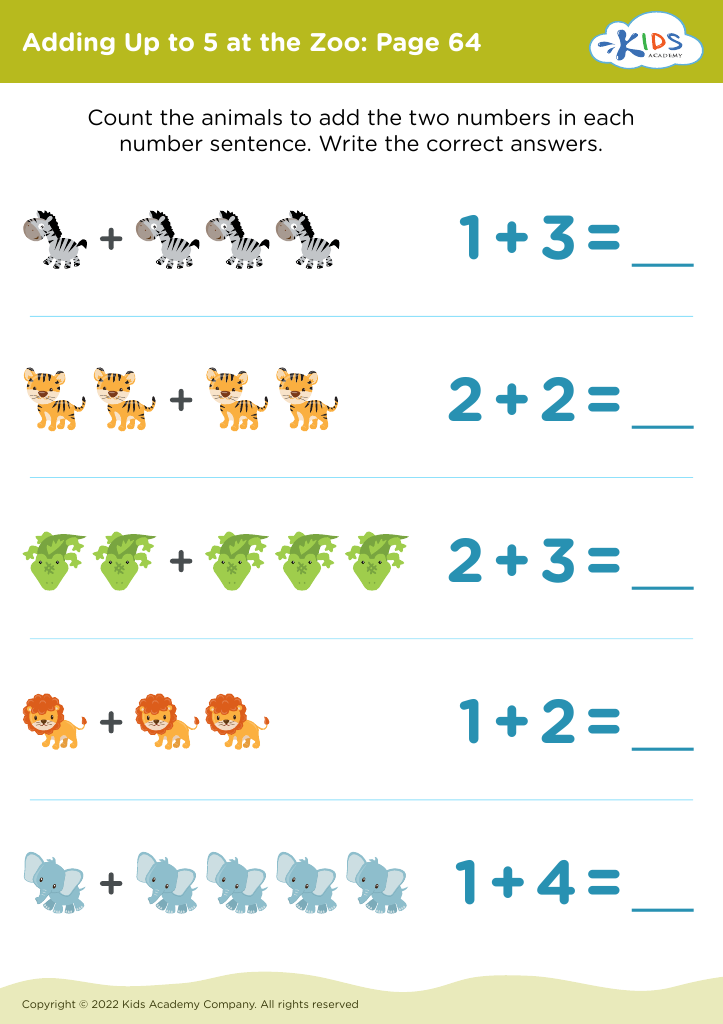
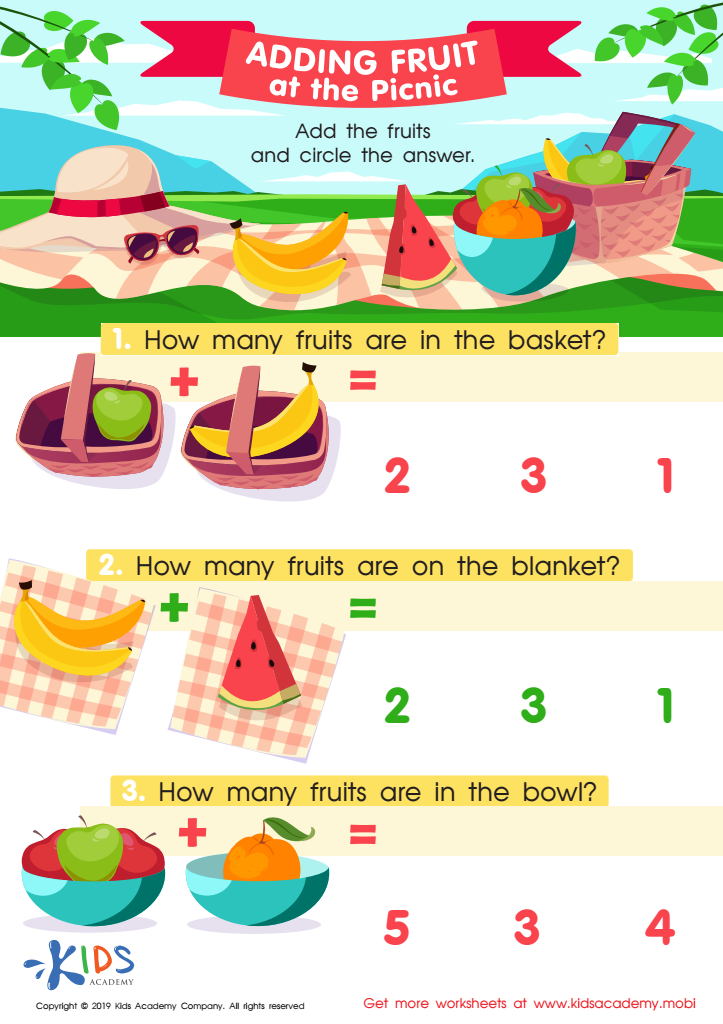
Adding Fruit at the Picnic Worksheet
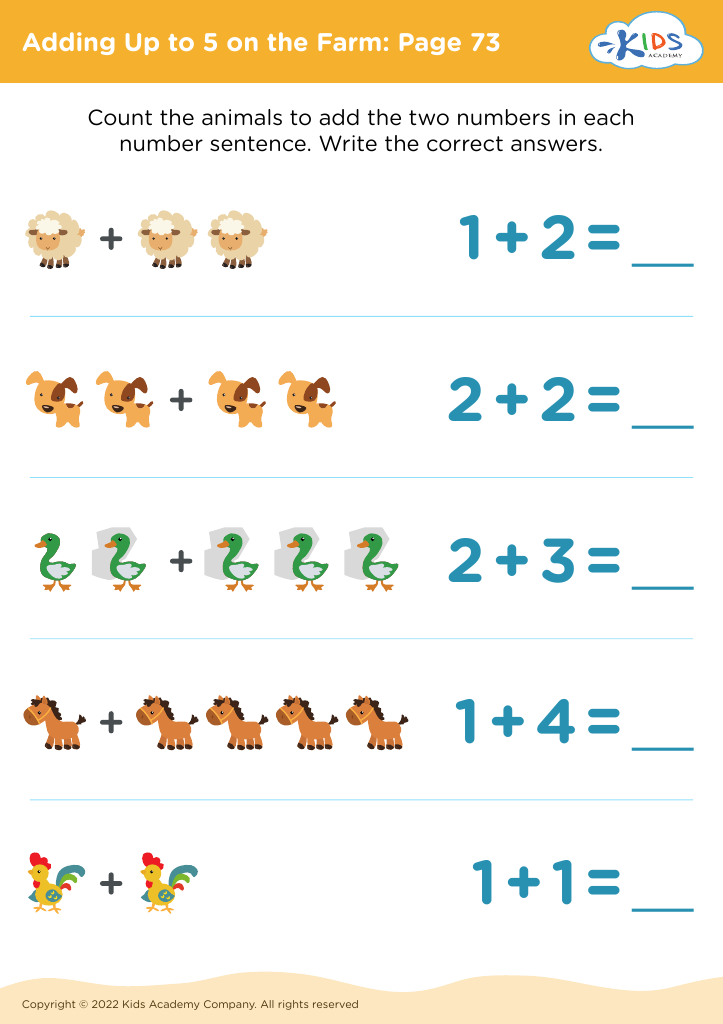
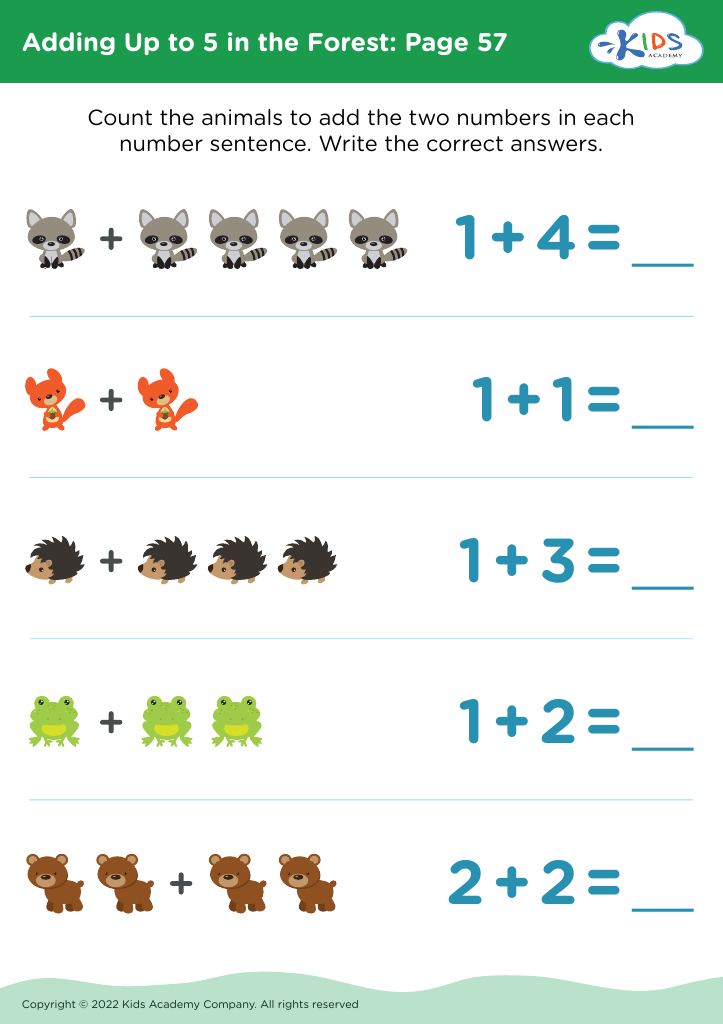
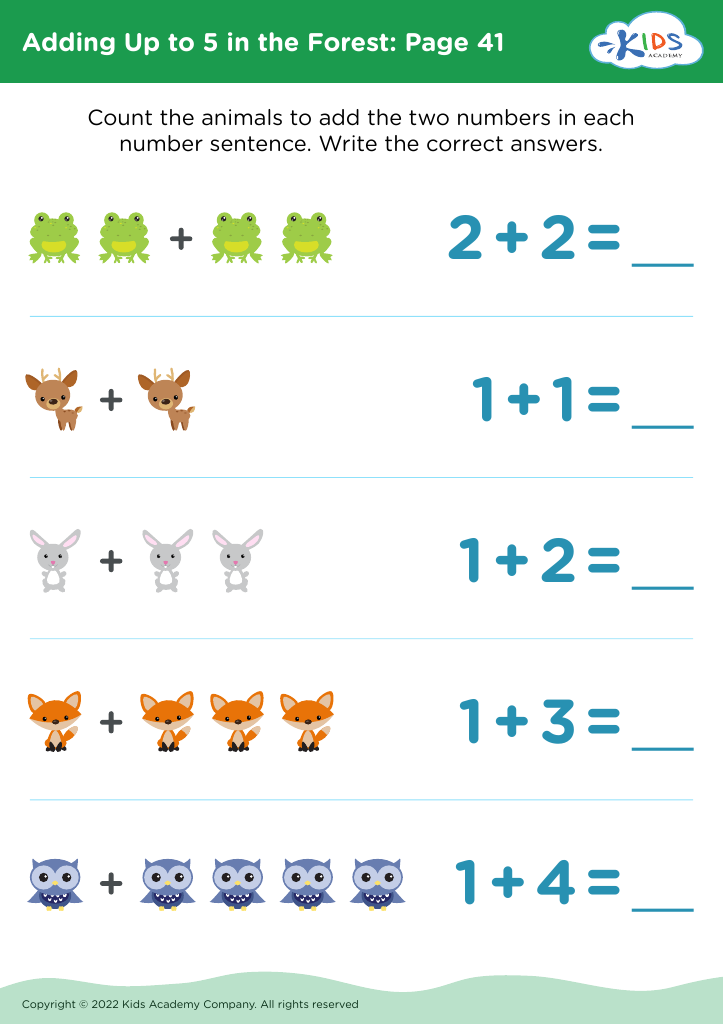
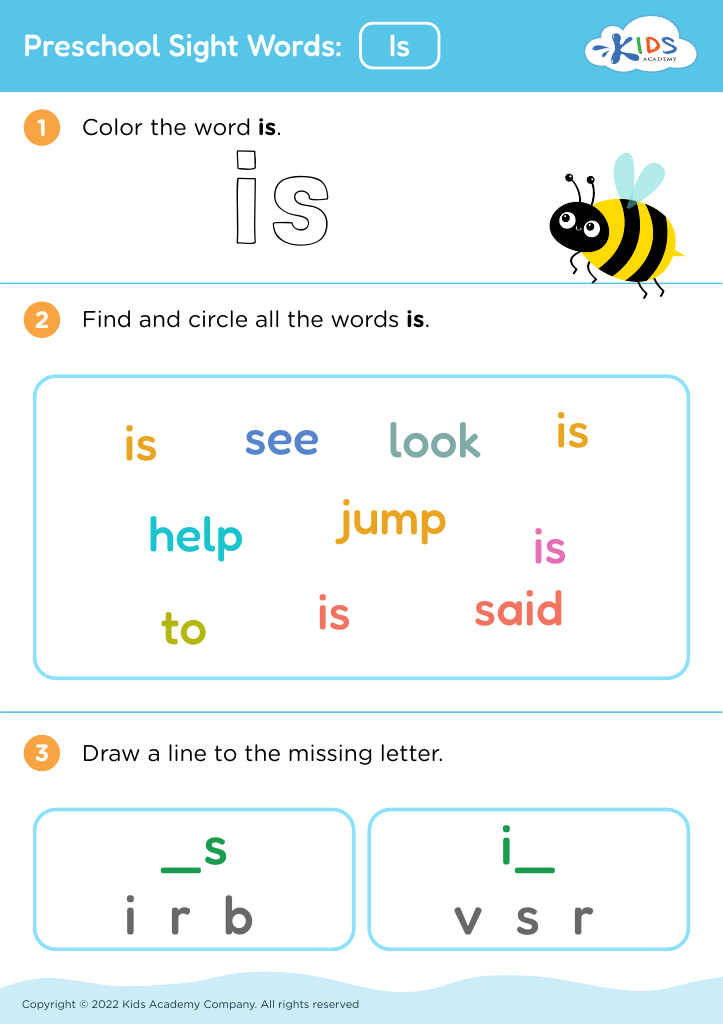






Parents and teachers should prioritize visual learning for children aged 5-8 because this period is critical for cognitive development, and young children are naturally inclined to process visual information effectively. At this age, children learn best through engaging, multi-sensory approaches, and visual aids can make complex ideas more concrete and tangible. Bright colors, pictures, charts, and videos can capture children's attention more effectively than verbal explanations alone, facilitating better understanding and retention of information.
Furthermore, visual learning also supports language development by providing context and meaning to new words and concepts. Pictures, storybooks with illustrations, and interactive digital tools can make it easier for young learners to grasp vocabulary and sentence structures. Incorporating visual elements in lessons can also address various learning styles, ensuring that visual-spatial learners, who understand and remember information through images and spatial understanding, receive the support they need.
Additionally, nurturing visual learning skills can foster creativity and critical thinking. Activities such as drawing, coloring, and building with blocks enhance fine motor skills and spatial awareness, laying a foundation for more complex subjects like mathematics and science. By integrating visual learning techniques, parents and teachers can create a stimulating and inclusive educational environment that is pivotal to a child's academic and personal growth.








