Filters

84 filtered results

Clear all filters
Favorites
With answer key
Interactive

84 filtered results

Difficulty Level

Grade


Check out this FREE Trial Lesson on Adding Up to 5 for age 5-8!

X

Favorites
With answer key
Interactive
  • 5-8
  • Visual Learning
  • Adding Up to 5
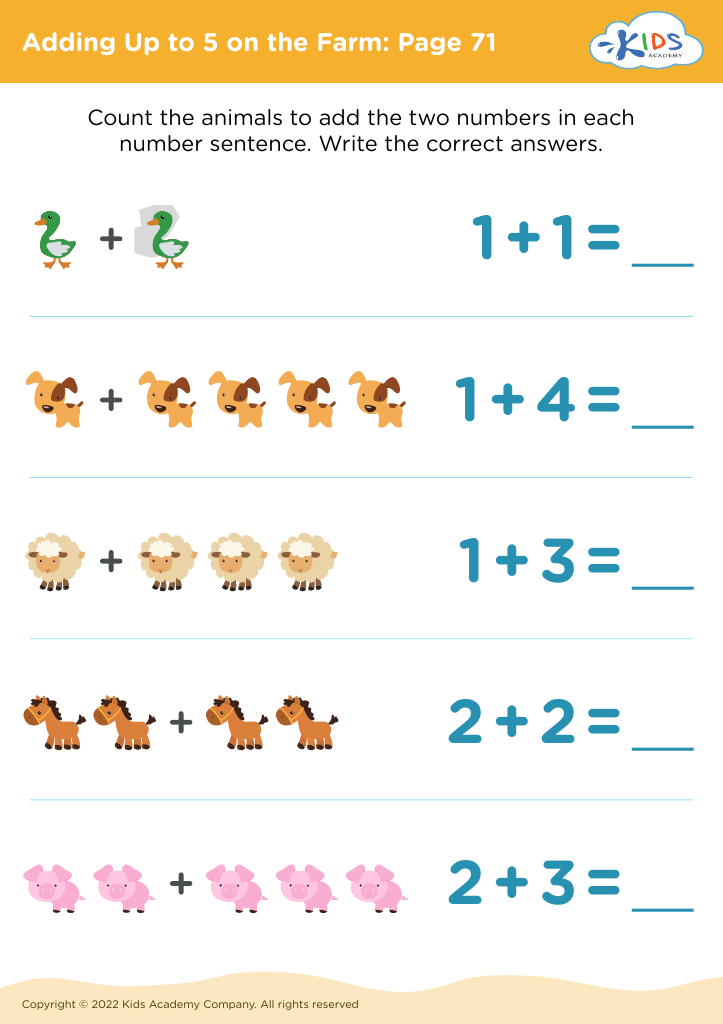
Adding Up to 5 on the Farm: Page 71
Worksheet
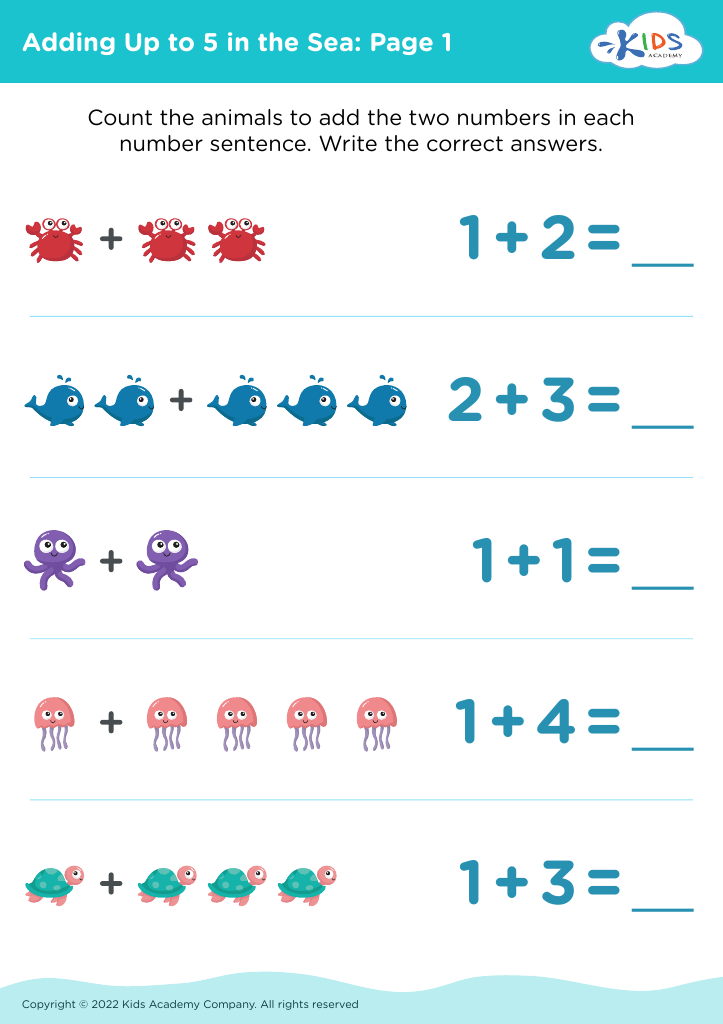
Adding Up to 5 in the Sea: Page 1

Adding Up to 5 in the Sea: Page 1

Adding Up to 5 in the Sea: Page 1
Worksheet
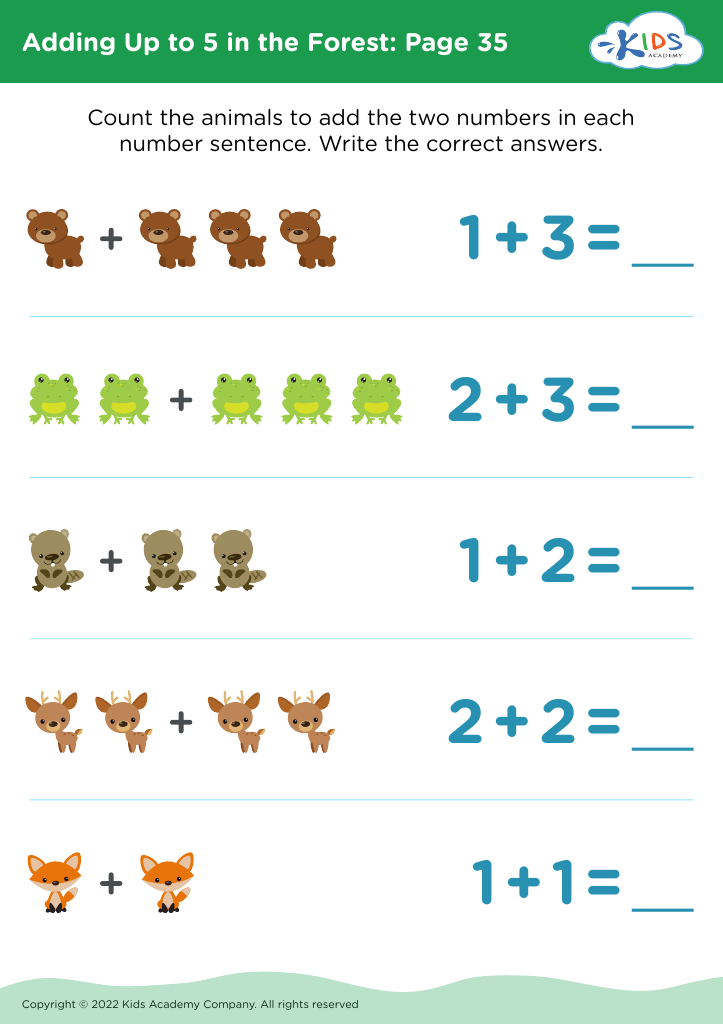
Adding Up to 5 in the Forest: Page 35
Worksheet
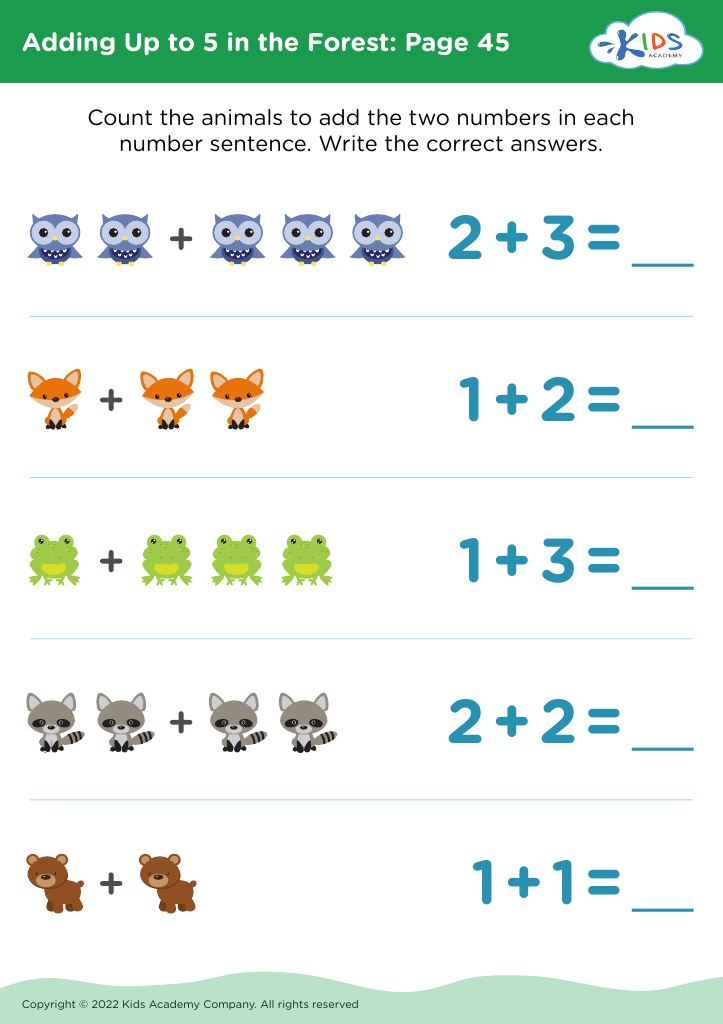
Adding Up to 5 in the Forest: Page 45
Worksheet
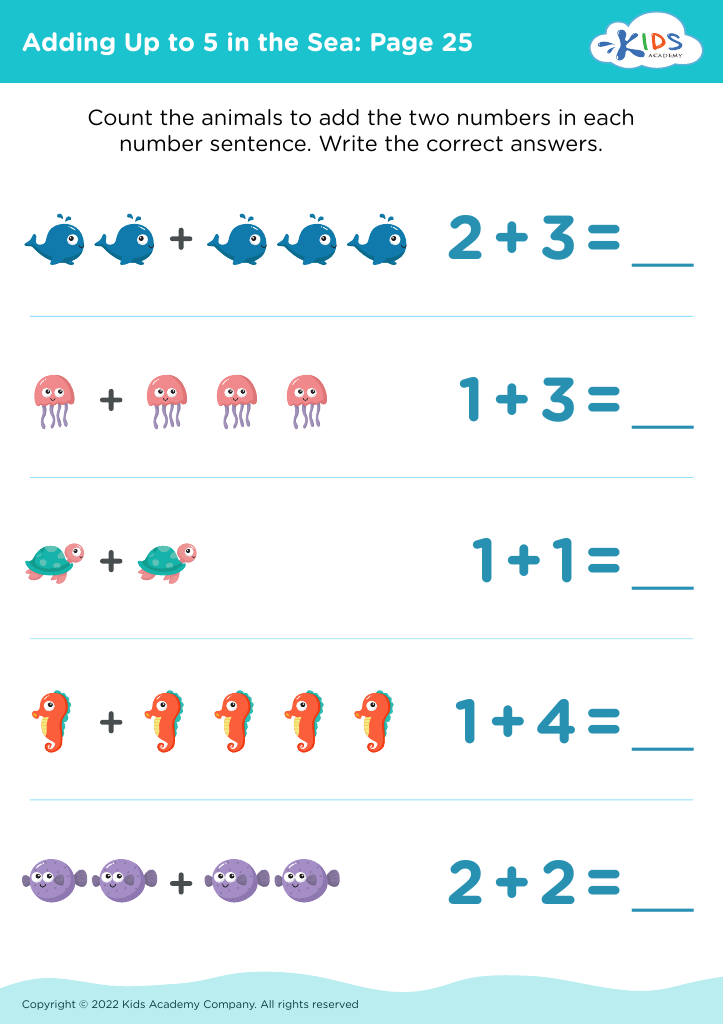
Adding Up to 5 in the Sea: Page 25
Worksheet
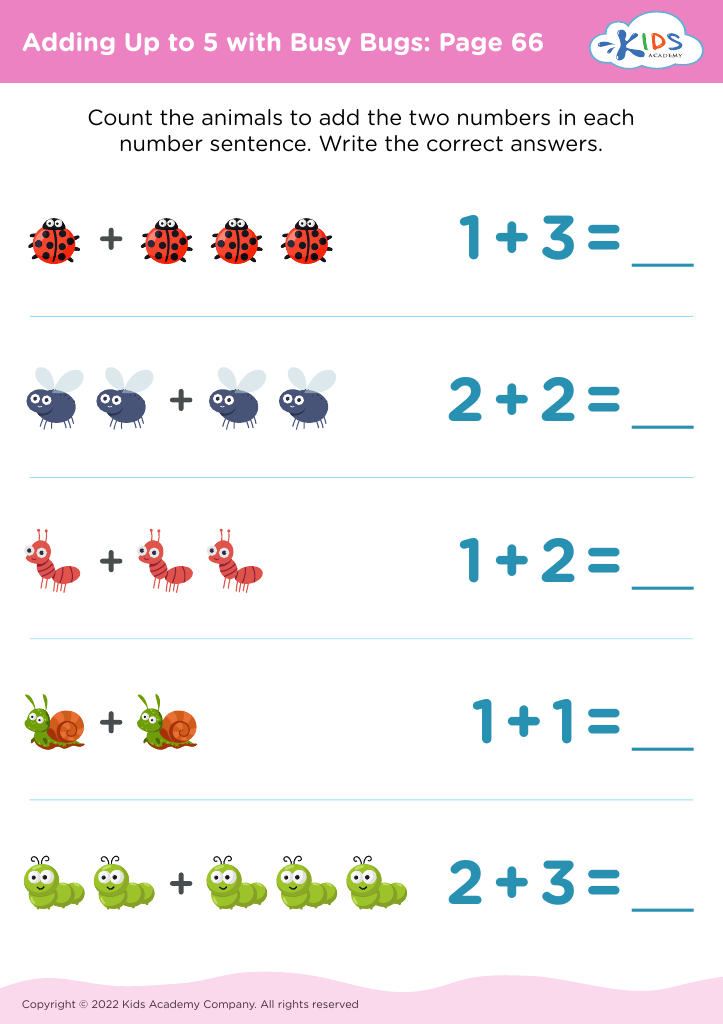
Adding Up to 5 with Busy Bugs: Page 66
Worksheet
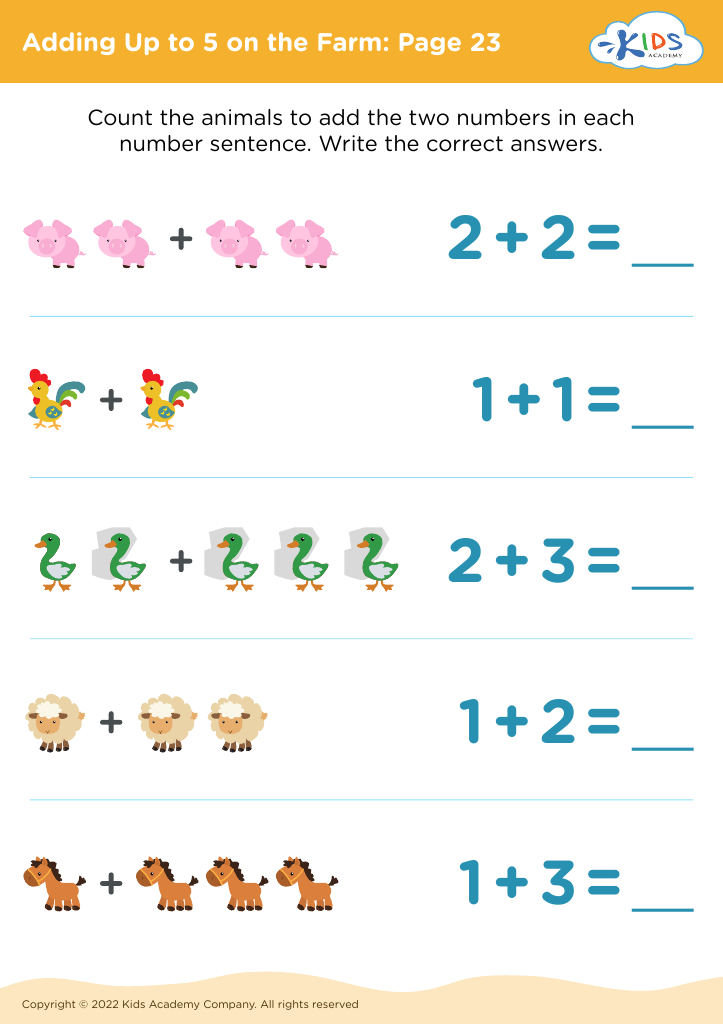
Adding Up to 5 on the Farm: Page 23
Worksheet
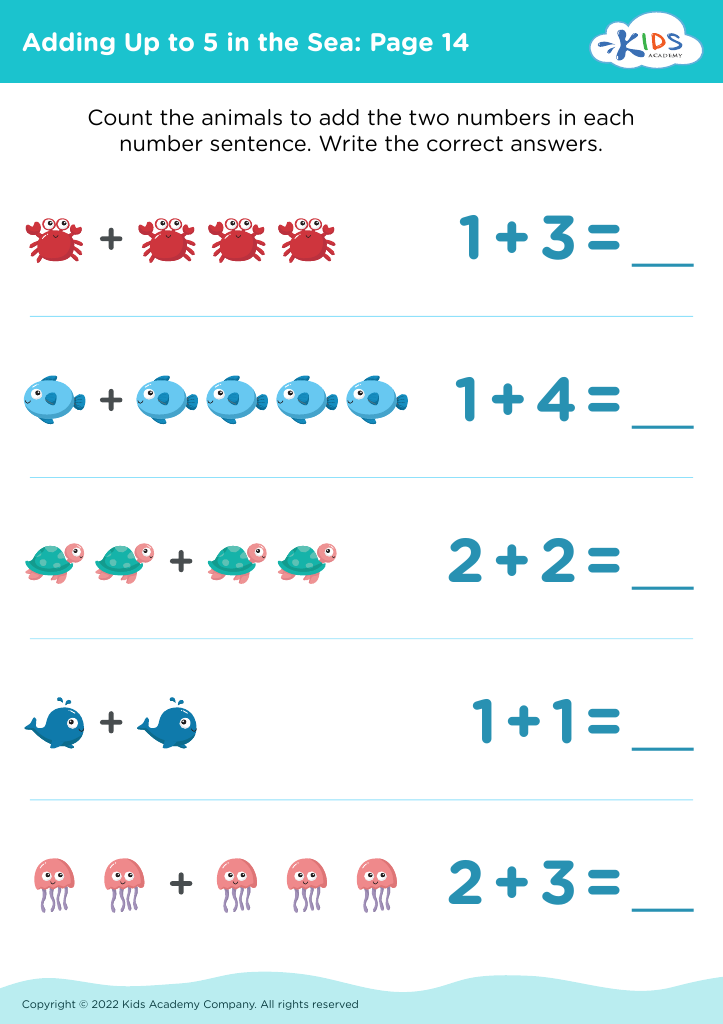
Adding Up to 5 in the Sea: Page 14
Worksheet
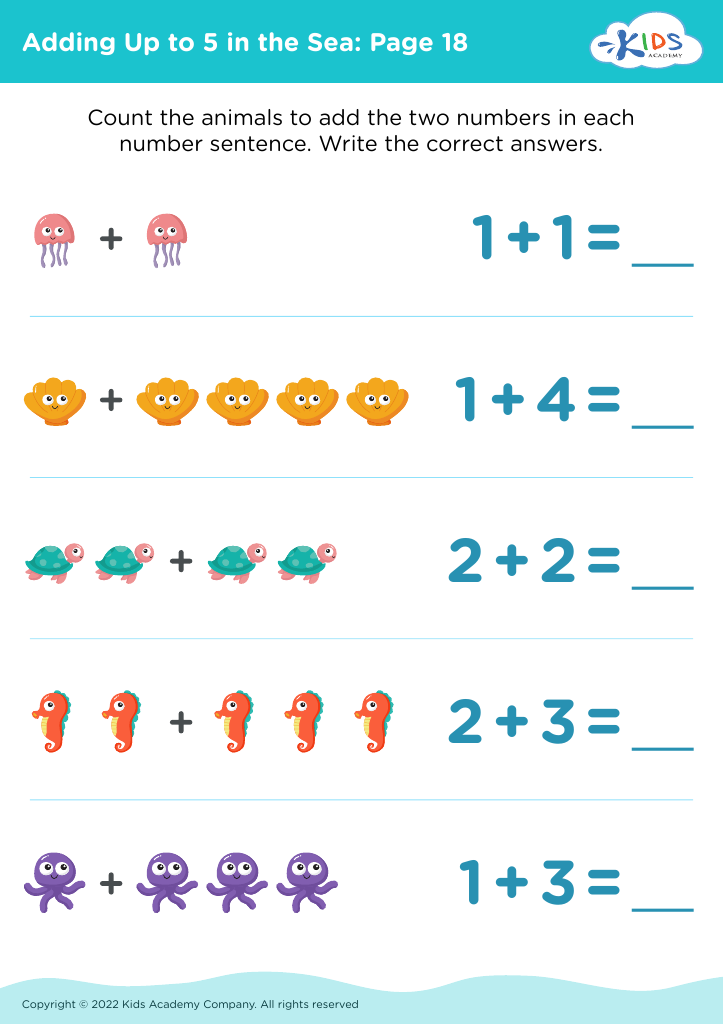
Adding Up to 5 in the Sea: Page 18
Worksheet
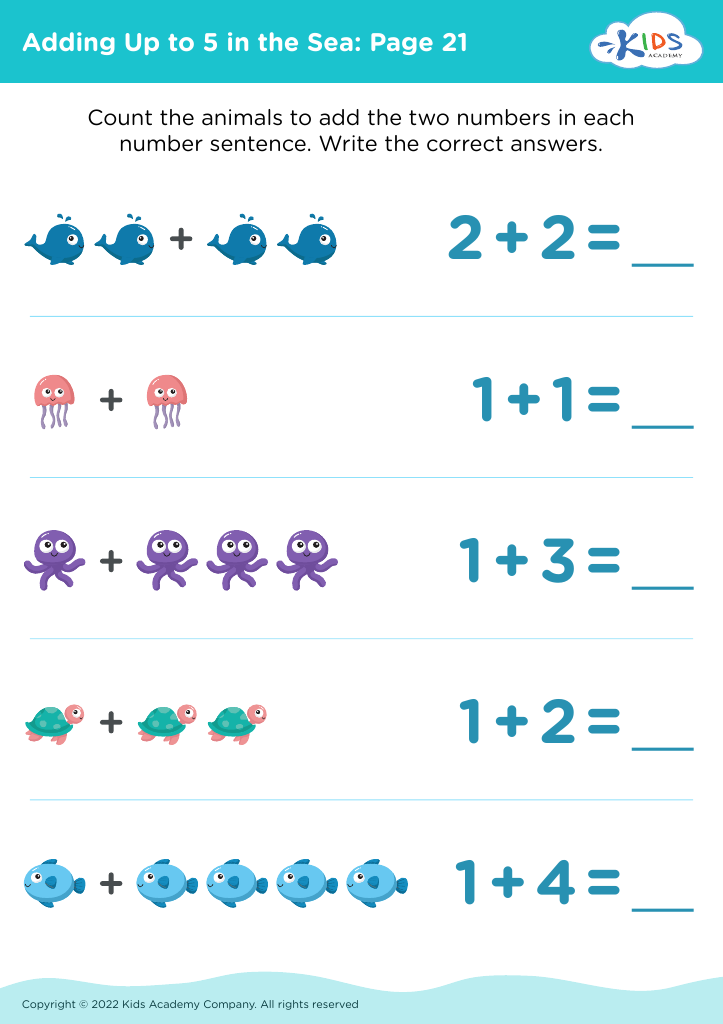
Adding Up to 5 in the Sea: Page 21
Worksheet
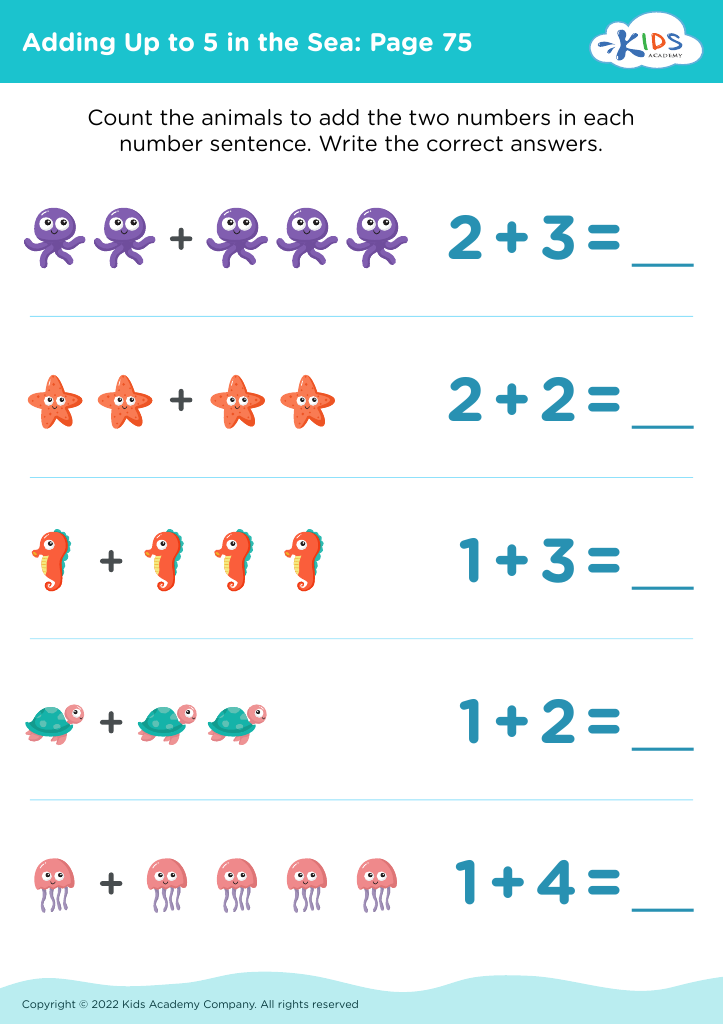
Adding Up to 5 in the Sea: Page 75
Worksheet
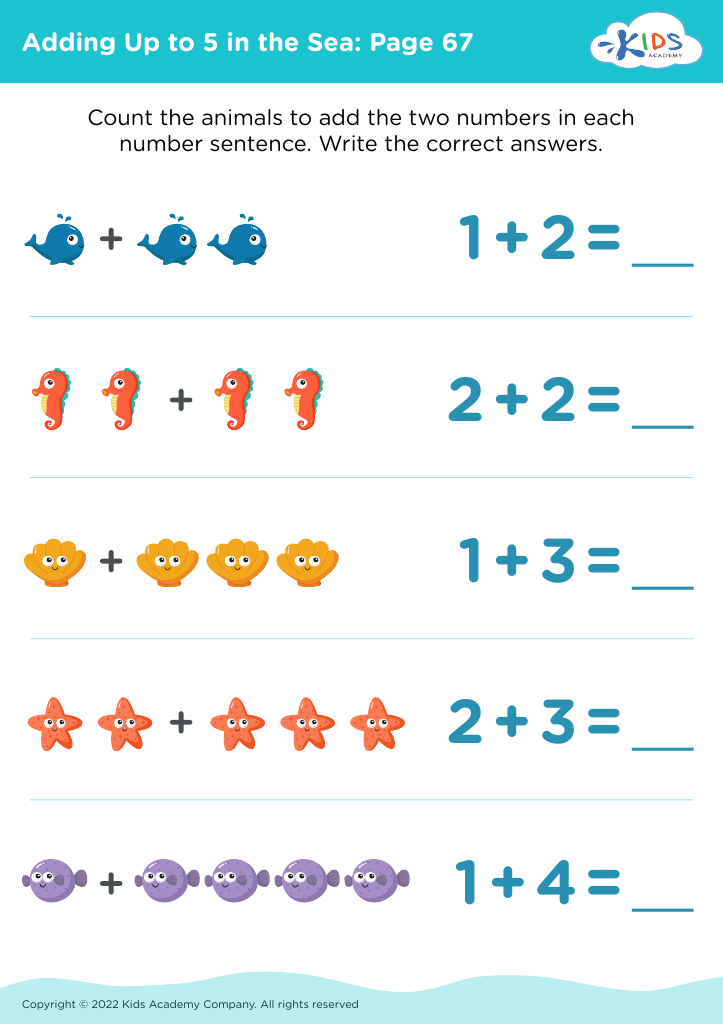
Adding Up to 5 in the Sea: Page 67
Worksheet
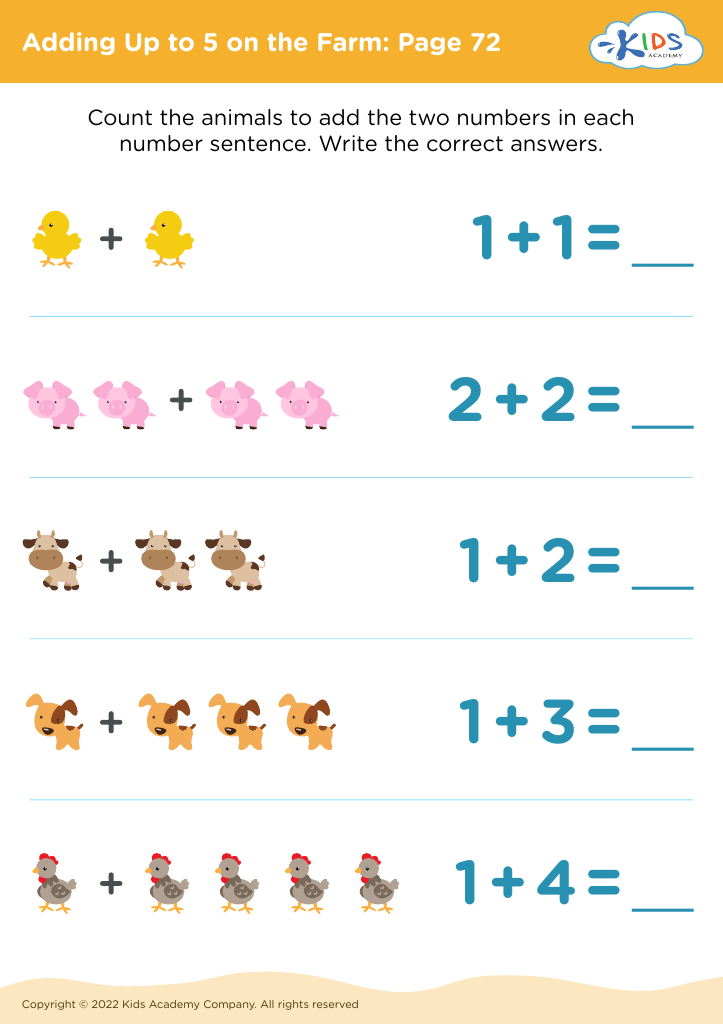
Adding Up to 5 on the Farm: Page 72
Worksheet
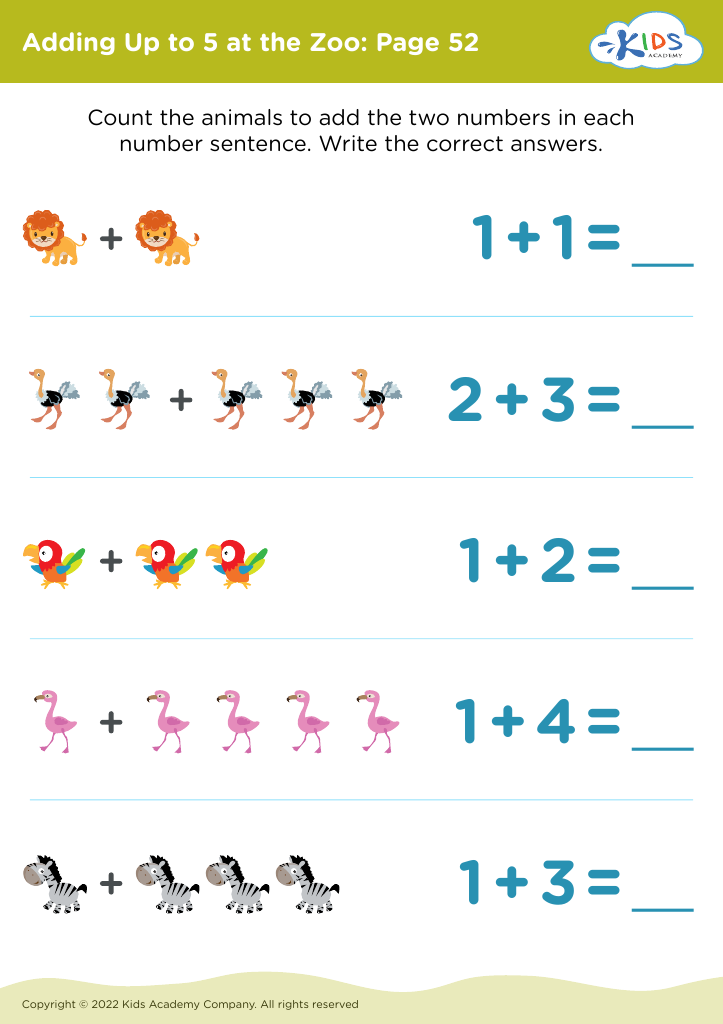
Adding Up to 5 at the Zoo: Page 52
Worksheet
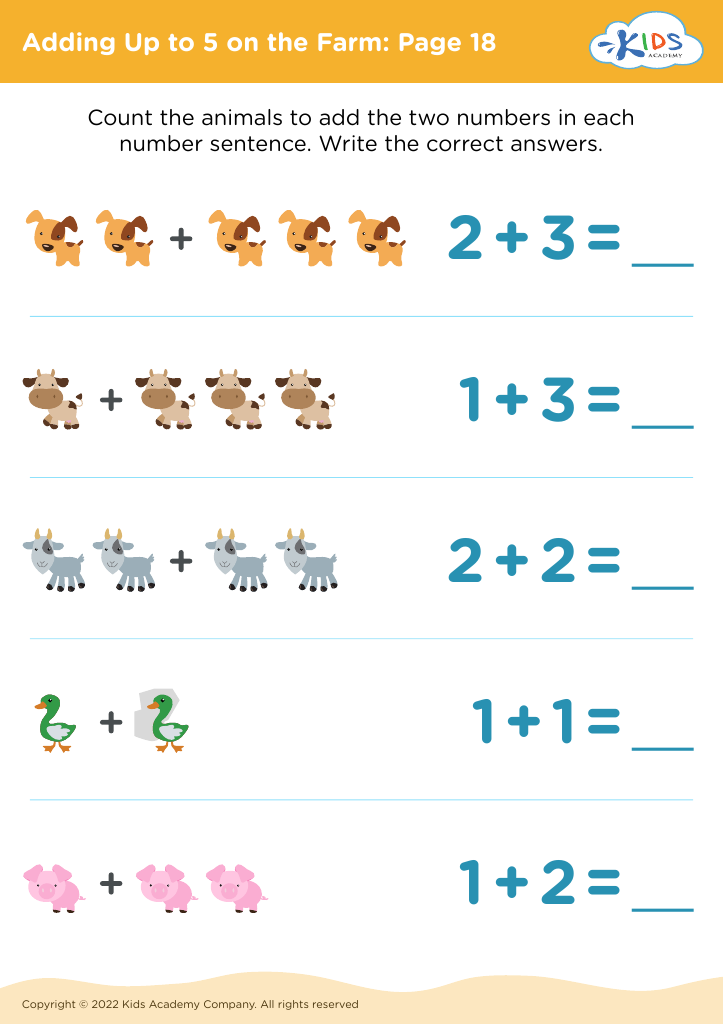
Adding Up to 5 on the Farm: Page 18
Worksheet
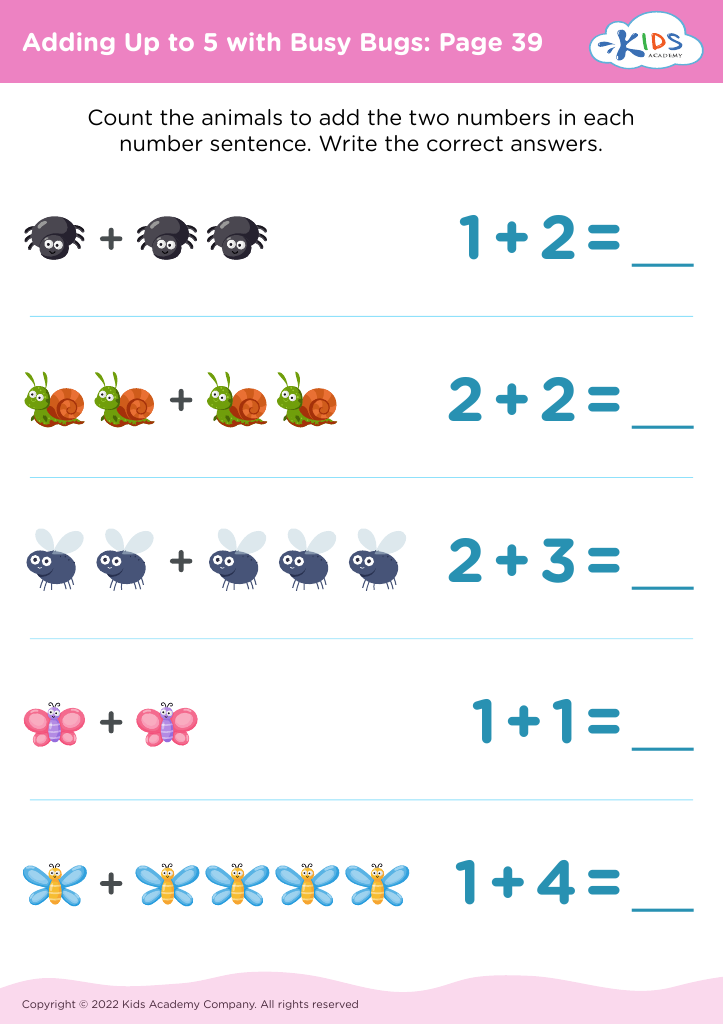
Adding Up to 5 with Busy Bugs: Page 39
Worksheet
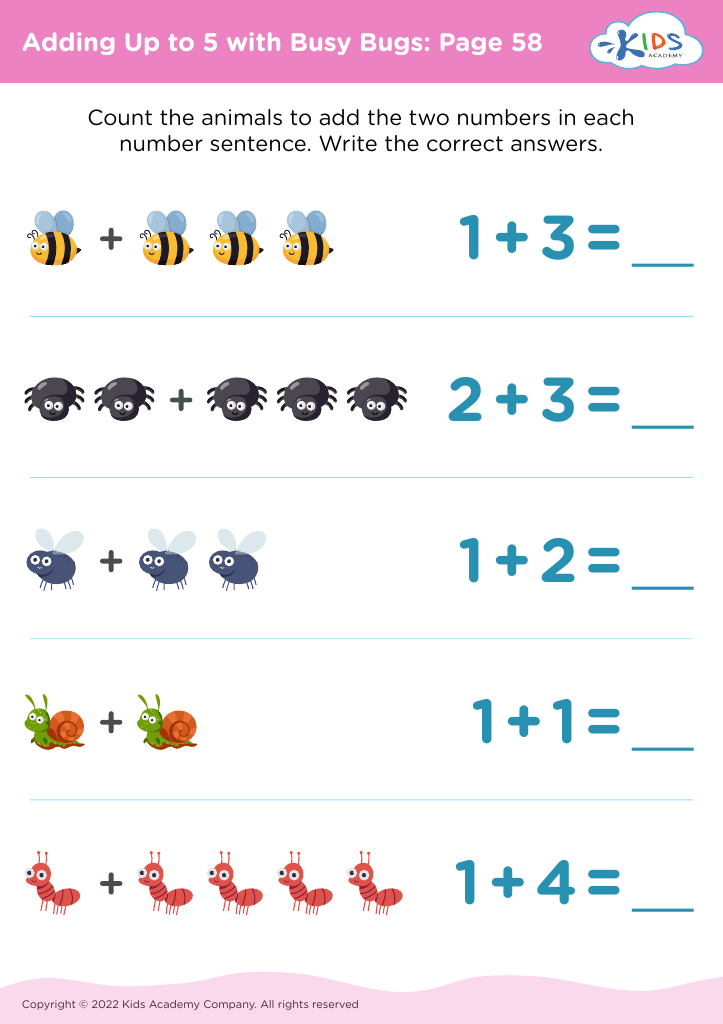
Adding Up to 5 with Busy Bugs: Page 58
Worksheet
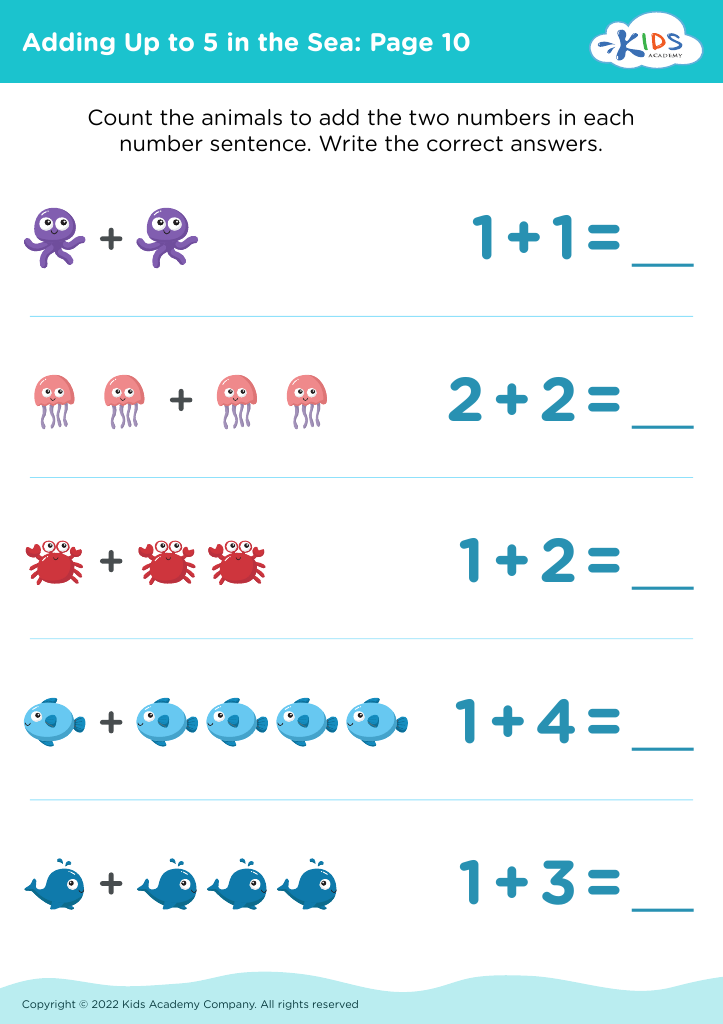
Adding Up to 5 in the Sea: Page 10
Worksheet
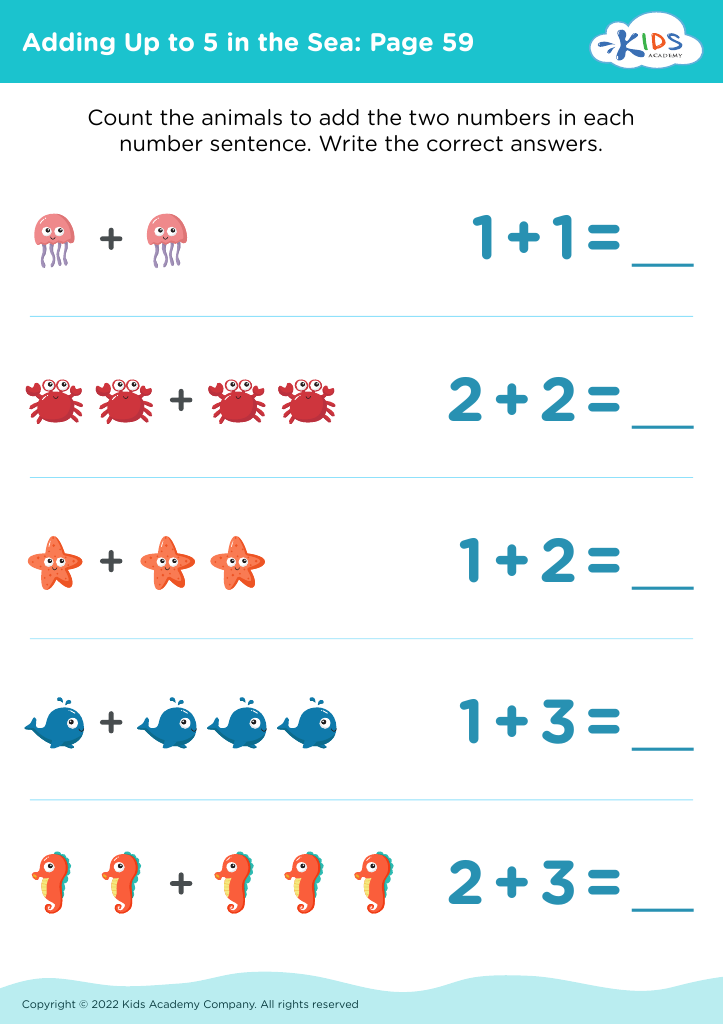
Adding Up to 5 in the Sea: Page 59
Worksheet
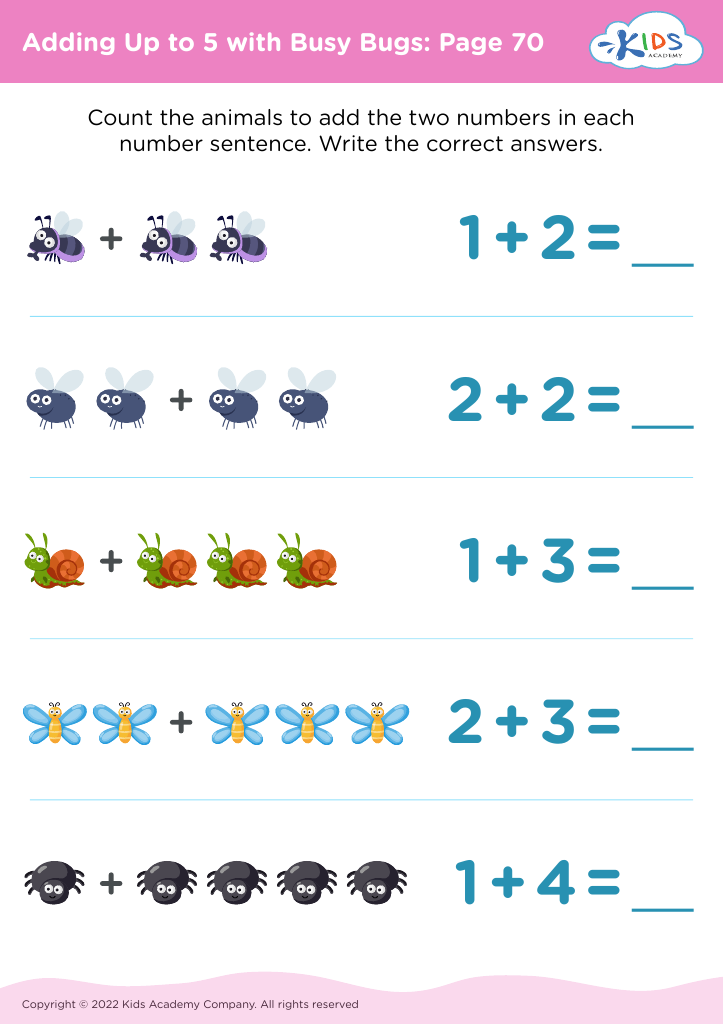
Adding Up to 5 with Busy Bugs: Page 70
Worksheet
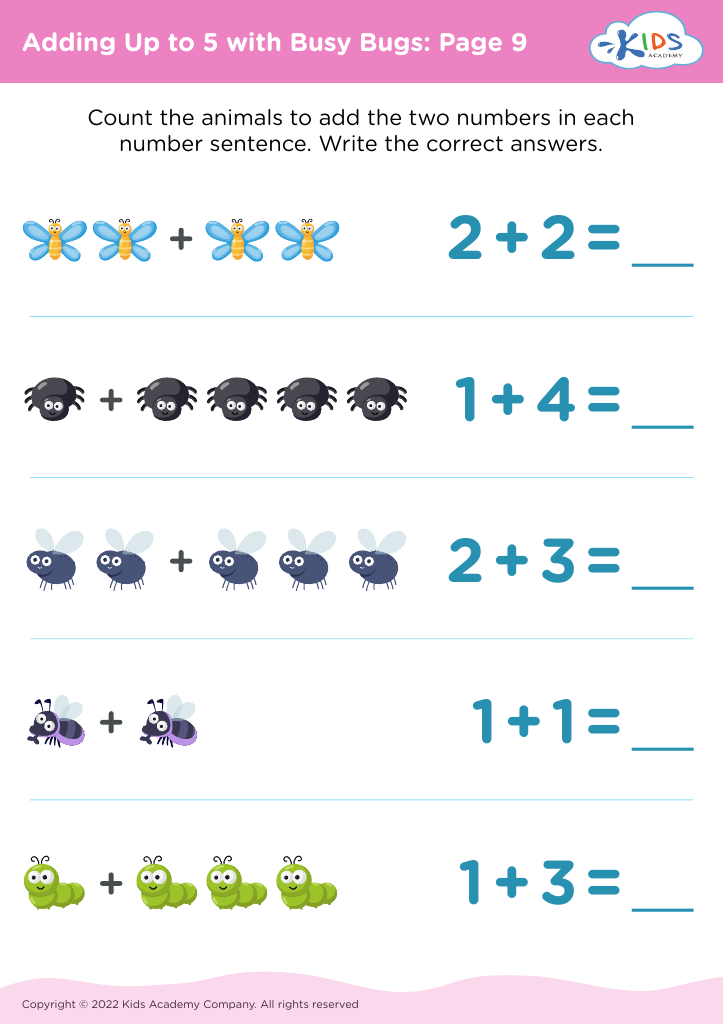
Adding Up to 5 with Busy Bugs: Page 9
Worksheet
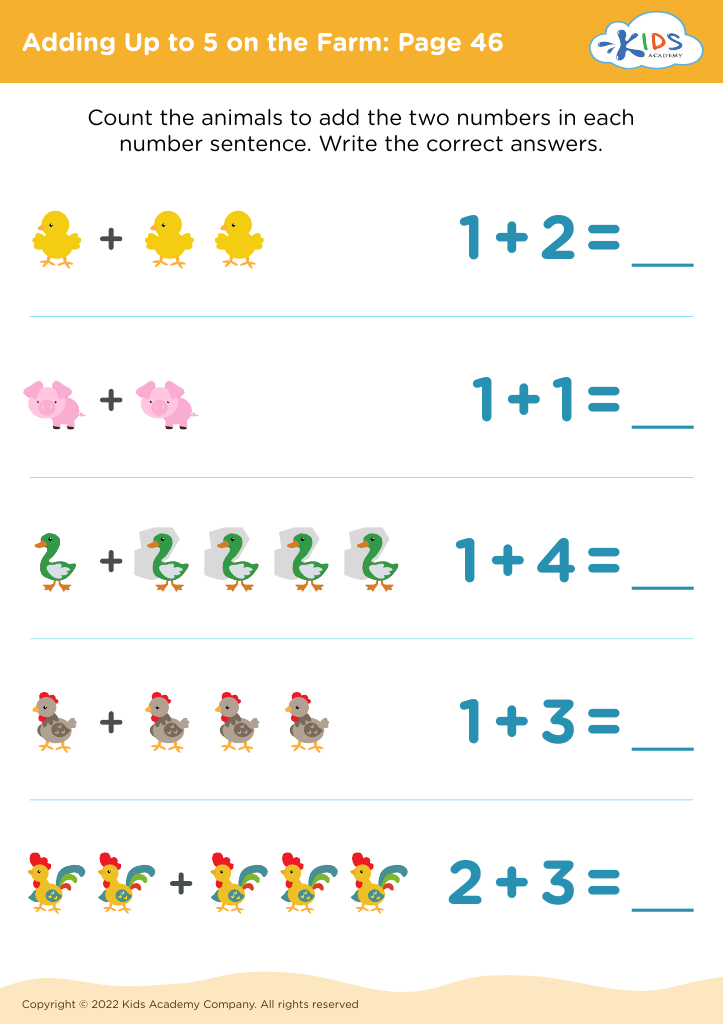
Adding Up to 5 on the Farm: Page 46
Worksheet
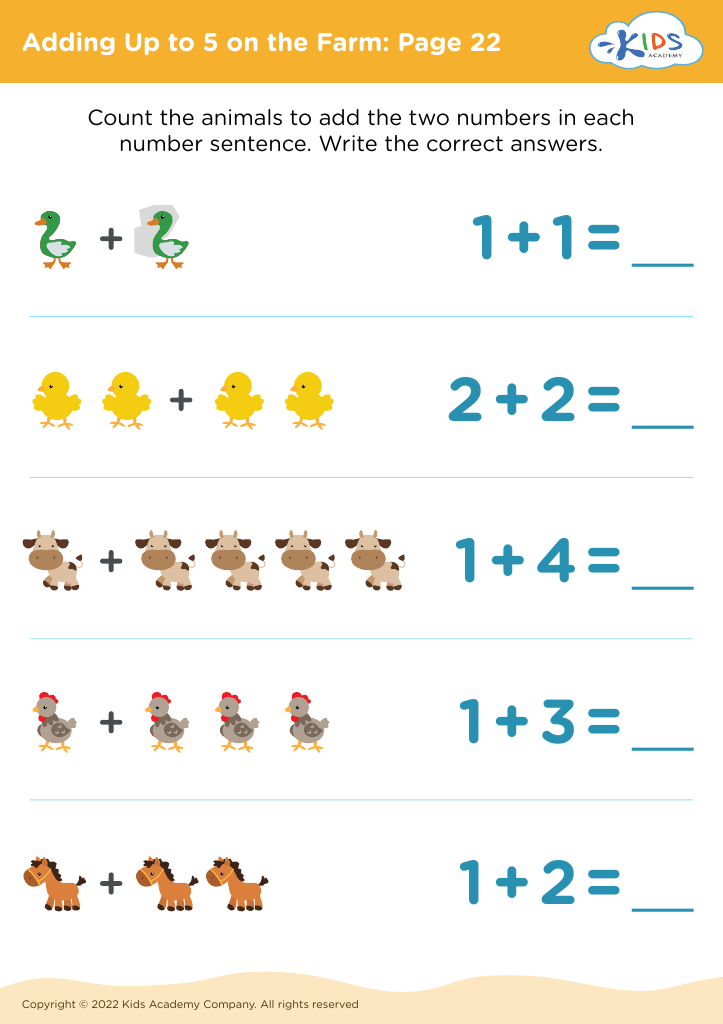
Adding Up to 5 on the Farm: Page 22
Worksheet
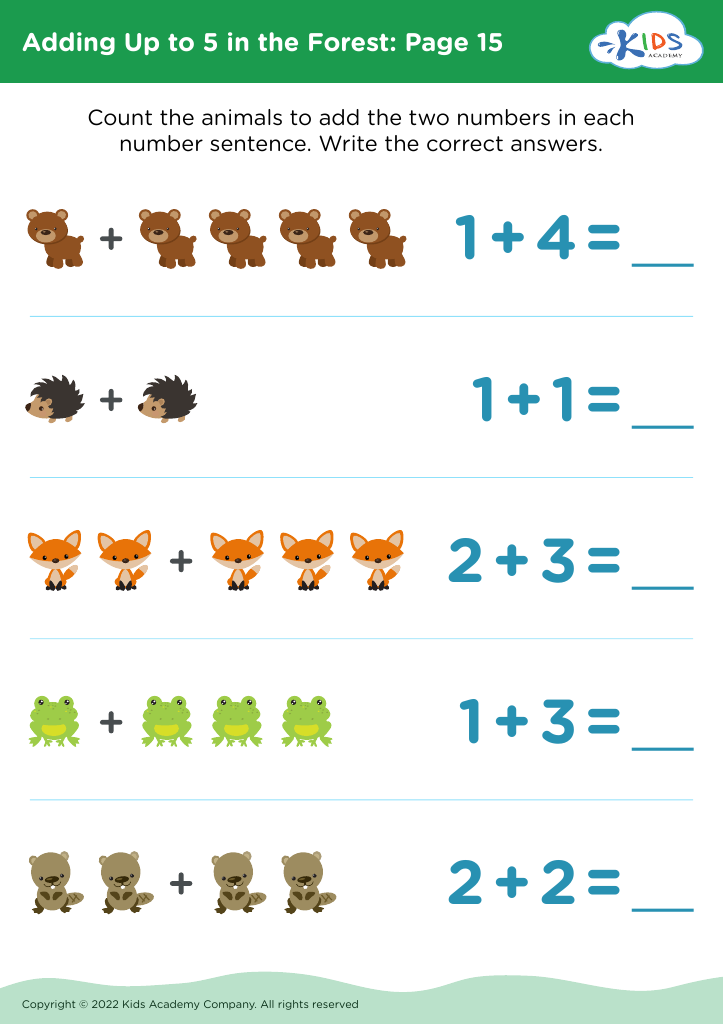
Adding Up to 5 in the Forest: Page 15
Worksheet


Visual learning is crucial for children aged 5-8 as it engages multiple senses, enhancing their comprehension and retention of mathematical concepts, such as adding up to 5. At this developmental stage, children are often more visually oriented; they understand and process information better through images, diagrams, and visual aids. Incorporating visual learning strategies can make abstract concepts more concrete, helping students grasp the importance of numbers and addition.

Furthermore, visual aids like counters, number lines, or colorful illustrations can stimulate interest and cater to various learning styles. These tools not only foster engagement but also encourage active participation, which is essential for young learners. By presenting addition visually, children can better see and understand the relationships between numbers, paving the way for more complex math skills in the future.

Ultimately, fostering an environment that values visual learning supports cognitive development, boosts confidence, and inspired a genuine love for math. Parents and teachers should care deeply about visual learning, especially when introducing fundamental concepts. By integrating these methods, we encourage comprehension and enjoyment during crucial early learning years, laying a strong foundation for future academic success.