Problem-Solving Skills Addition and Subtraction Word Problems Worksheets for Ages 5-8 - Page 2
33 filtered results
-
From - To
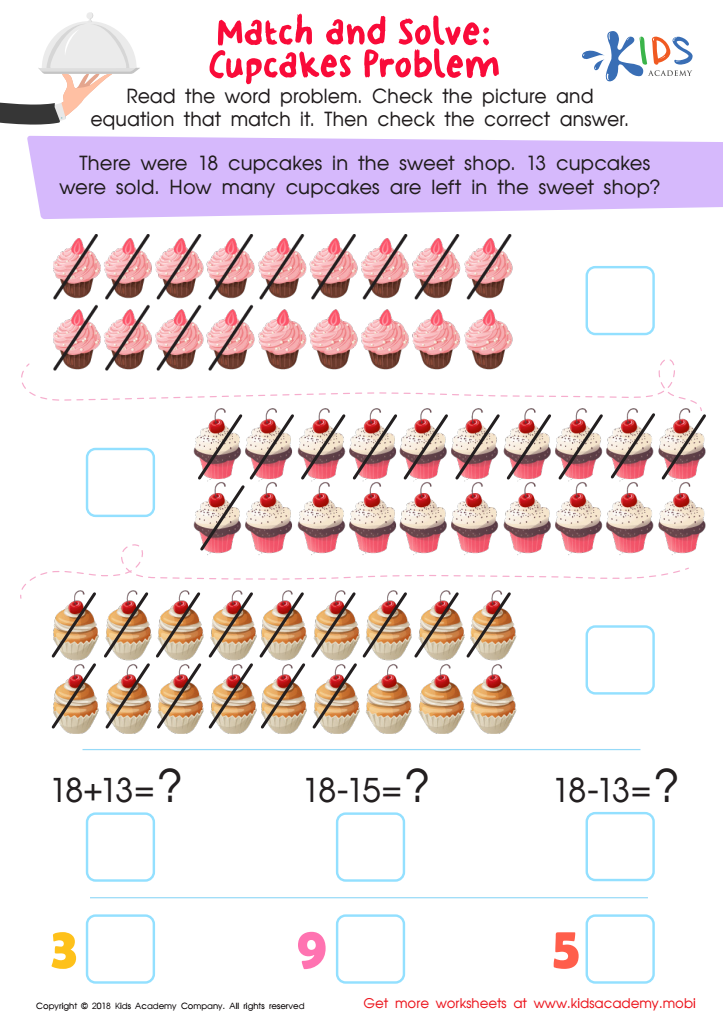
Match and Solve: Cupcakes Problem Worksheet
 Assign to My Students
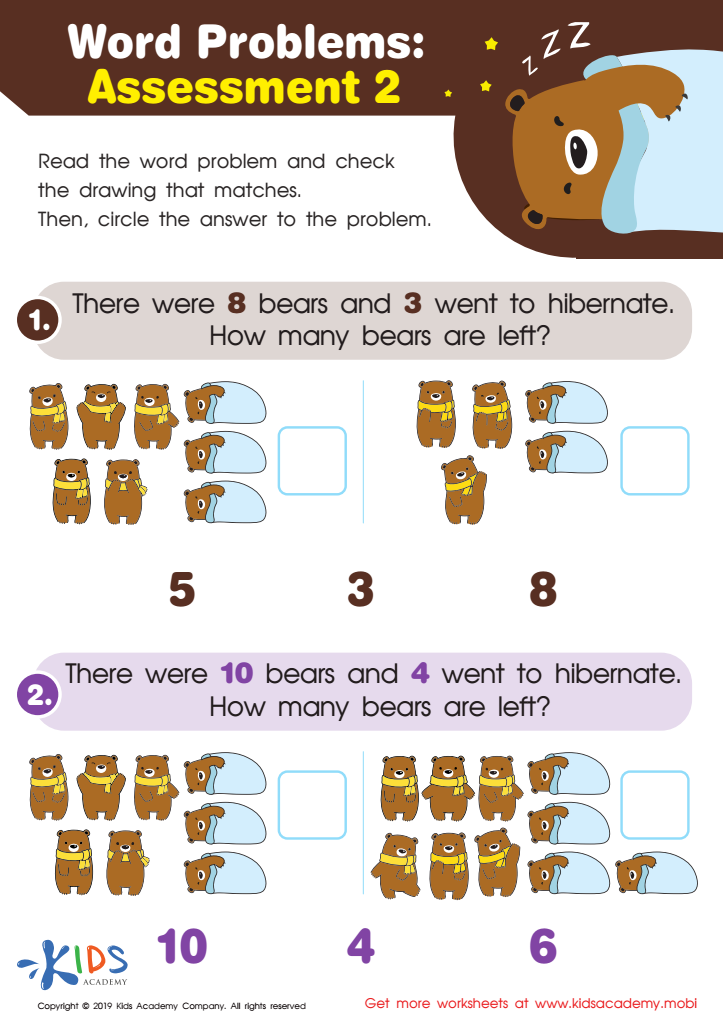
Word Problems: Assessment 2 Worksheet
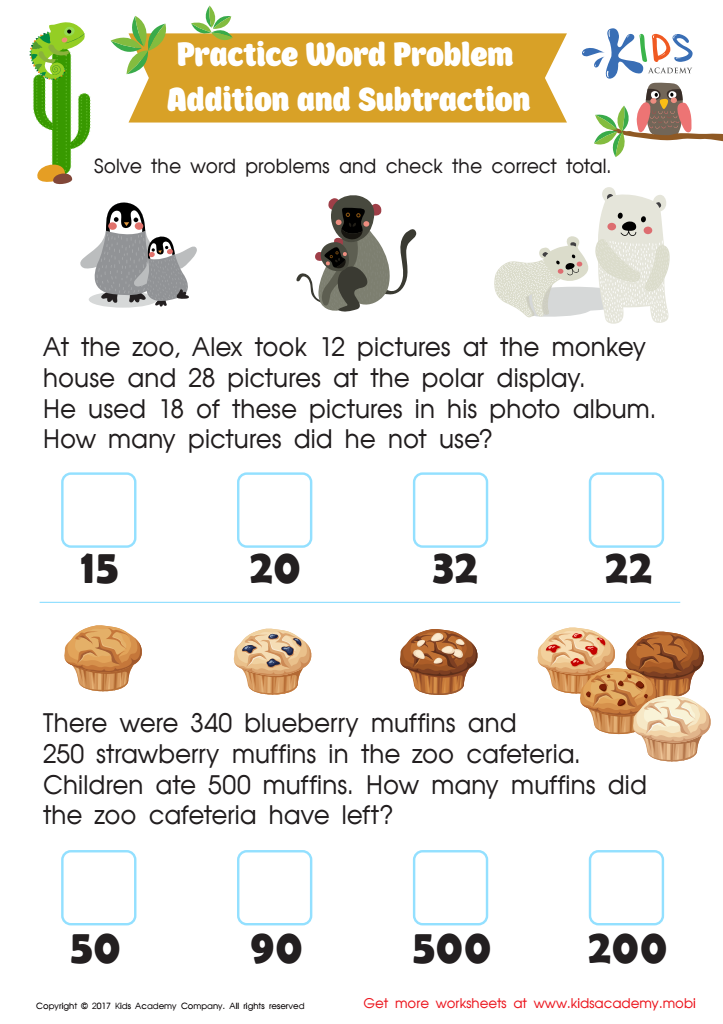
Addition and Subtraction: Word Problems Worksheet
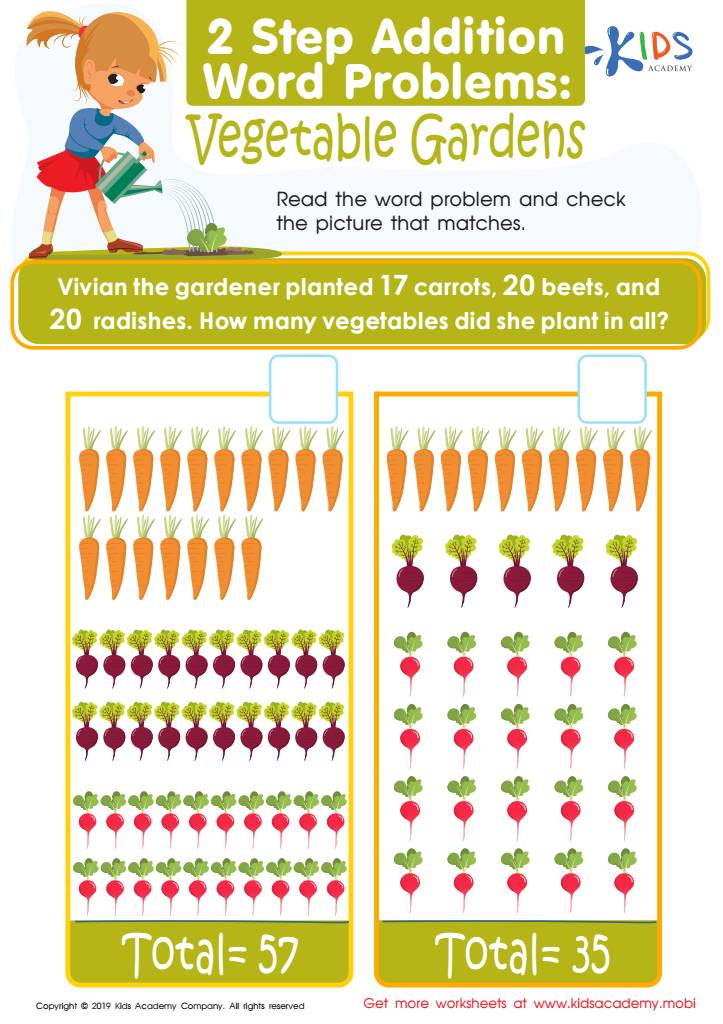
Vegetable Gardens Worksheet
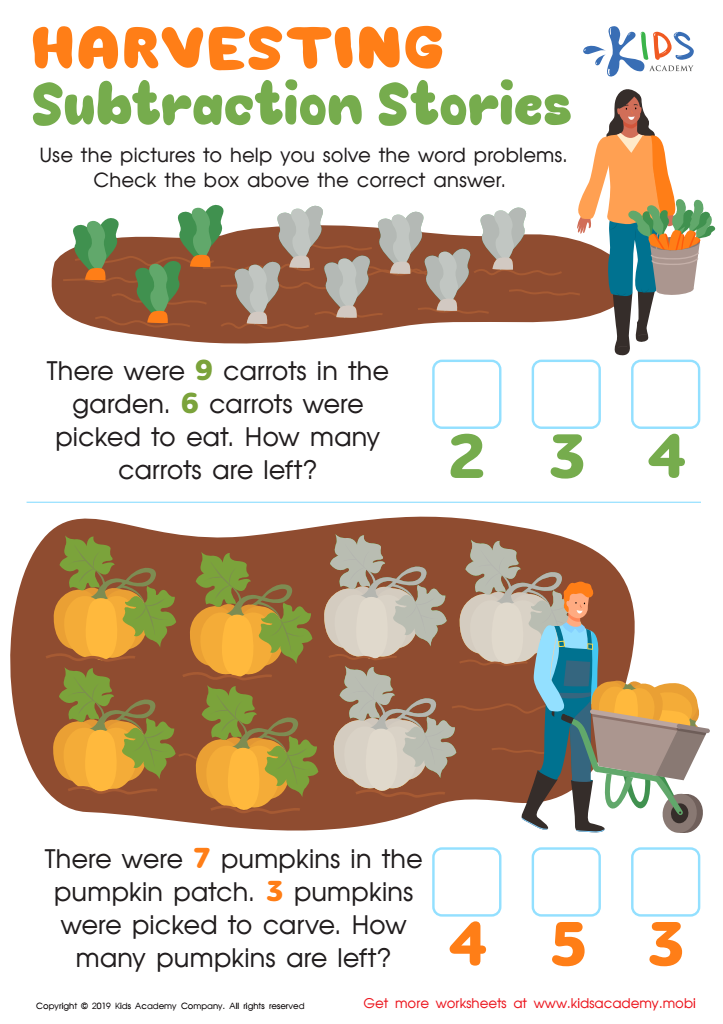
Harvesting Subtraction Stories Worksheet
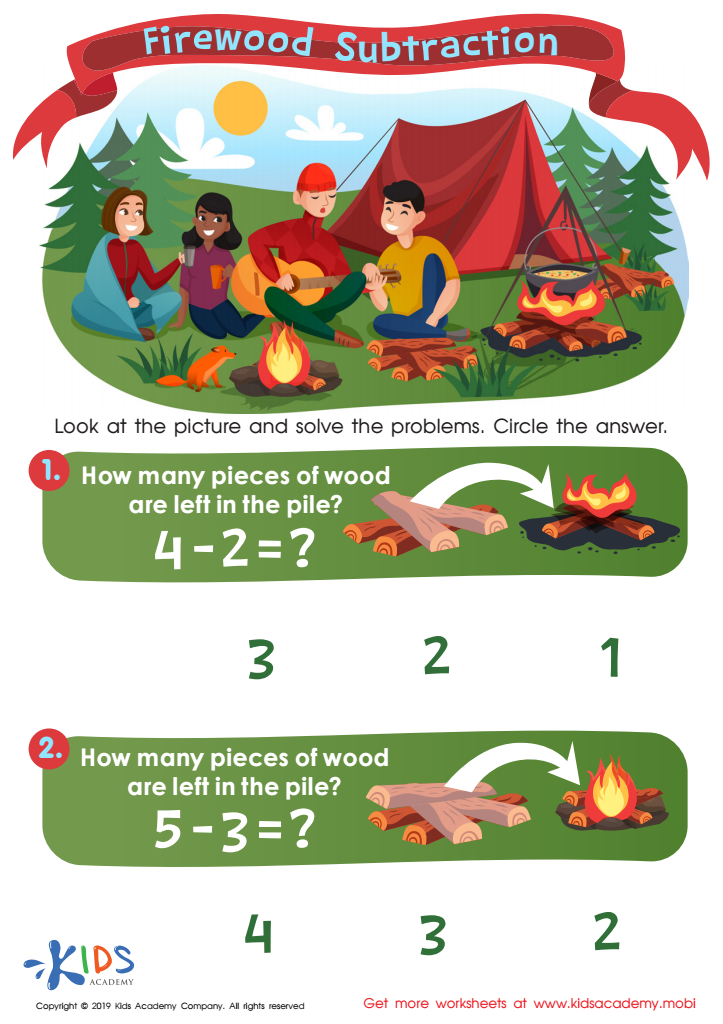
Firewood Subtraction Worksheet
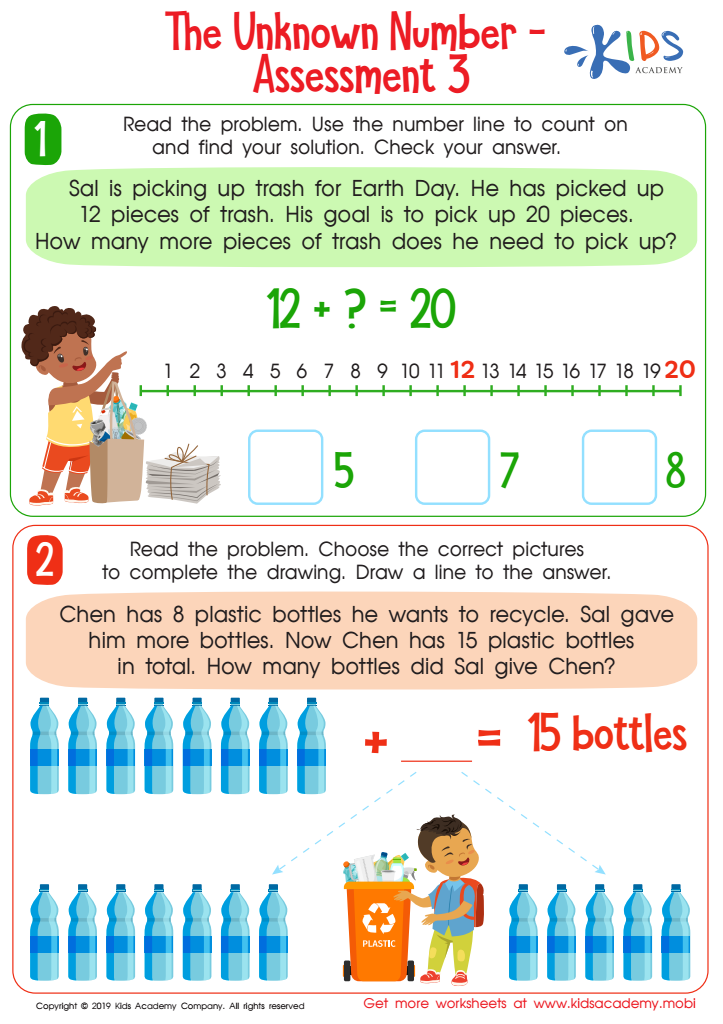
The Unknown Number - Assessment 3 Worksheet
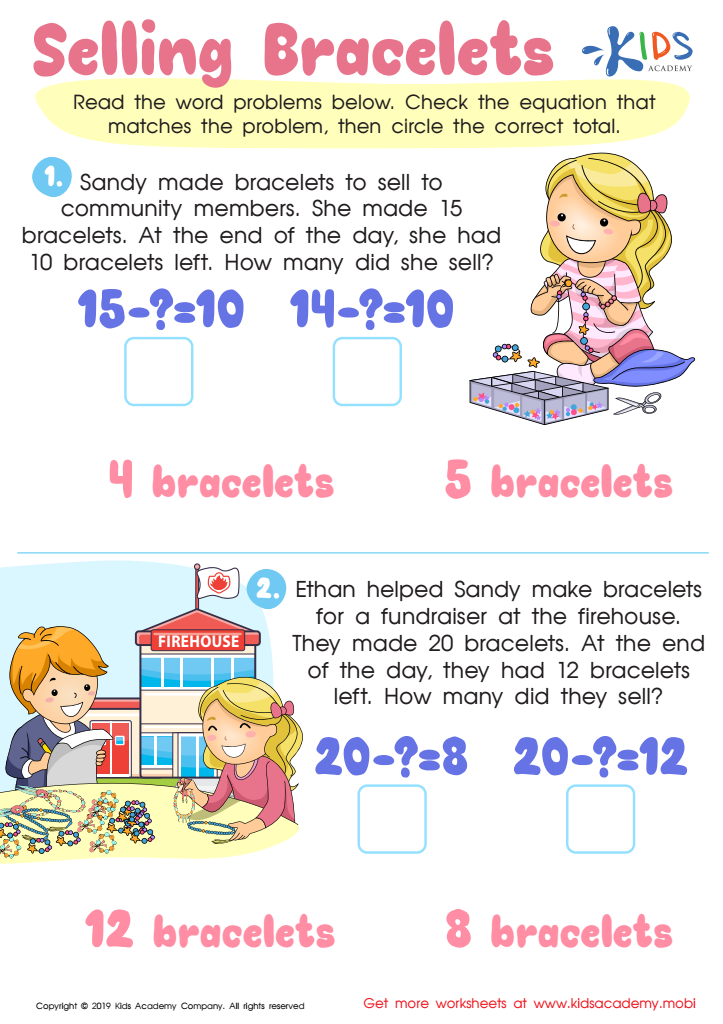
Selling the Bracelets Worksheet
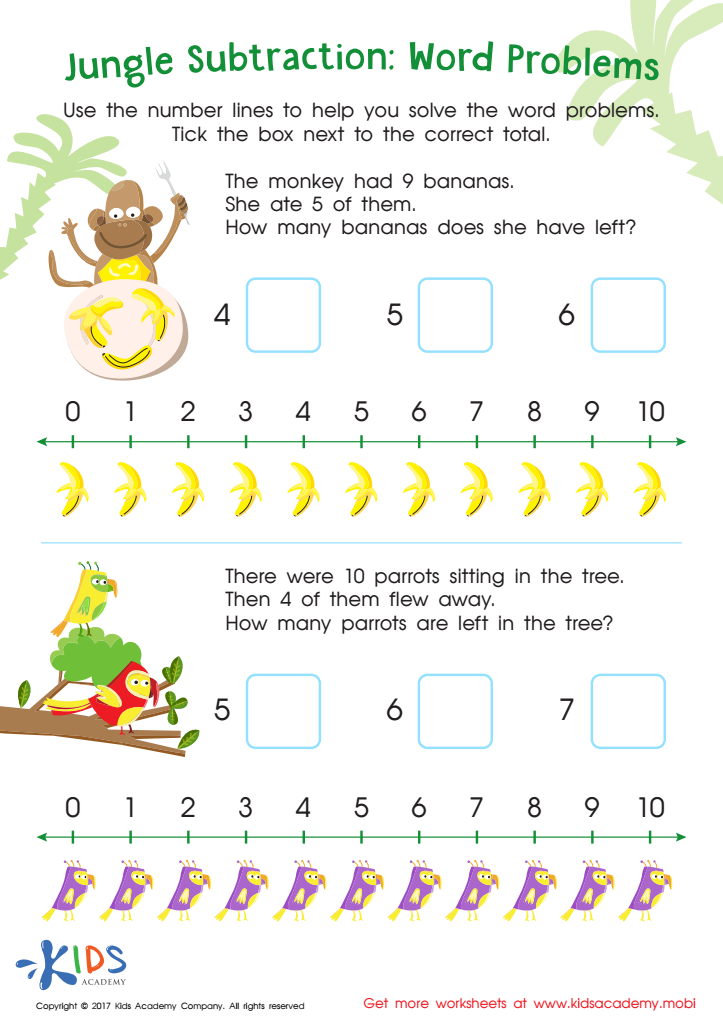
Jungle Subtraction Word Problems Substraction Worksheet








Teaching problem-solving skills in addition and subtraction word problems is vital for children aged 5-8 because it lays the foundation for mathematical reasoning and critical thinking. At this stage, children are not just learning how to calculate; they are developing the ability to interpret information and make connections between concepts. Word problems require students to understand context, identify operations needed, and apply their math skills effectively.
When parents and teachers emphasize these skills, they create opportunities for children to practice real-world application of math. This not only aids retention but also fosters a mindset for tackling complex problems in the future. Additionally, engaging students in problem-solving can boost their confidence, as they learn to approach challenges systematically and with persistence.
Moreover, developing problem-solving abilities in early learners supports social-emotional growth. It encourages resilience, patience, and logic, equipping children for various challenges they might encounter beyond academics. In essence, nurturing these skills empowers children to become better decision-makers, adapting their knowledge to solve everyday issues, a competency that extends well into adulthood. Supporting this developmental phase is a crucial investment in their overall success in both mathematics and broader life skills.