Enhance Vocabulary Addition & Subtraction Worksheets for Ages 5-8
4 filtered results
-
From - To
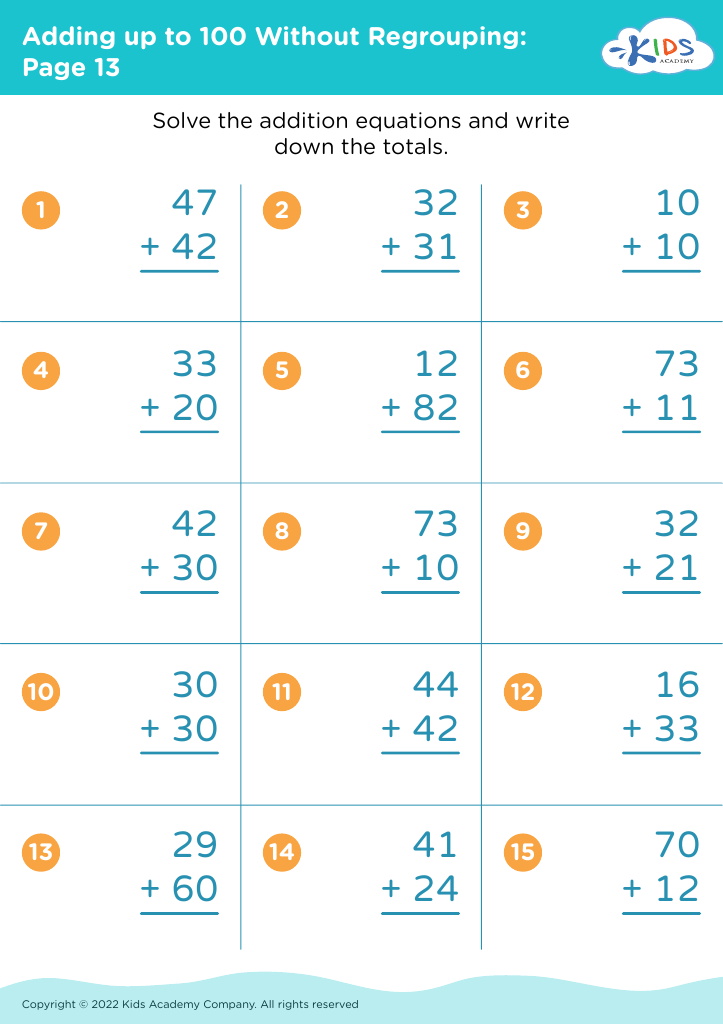
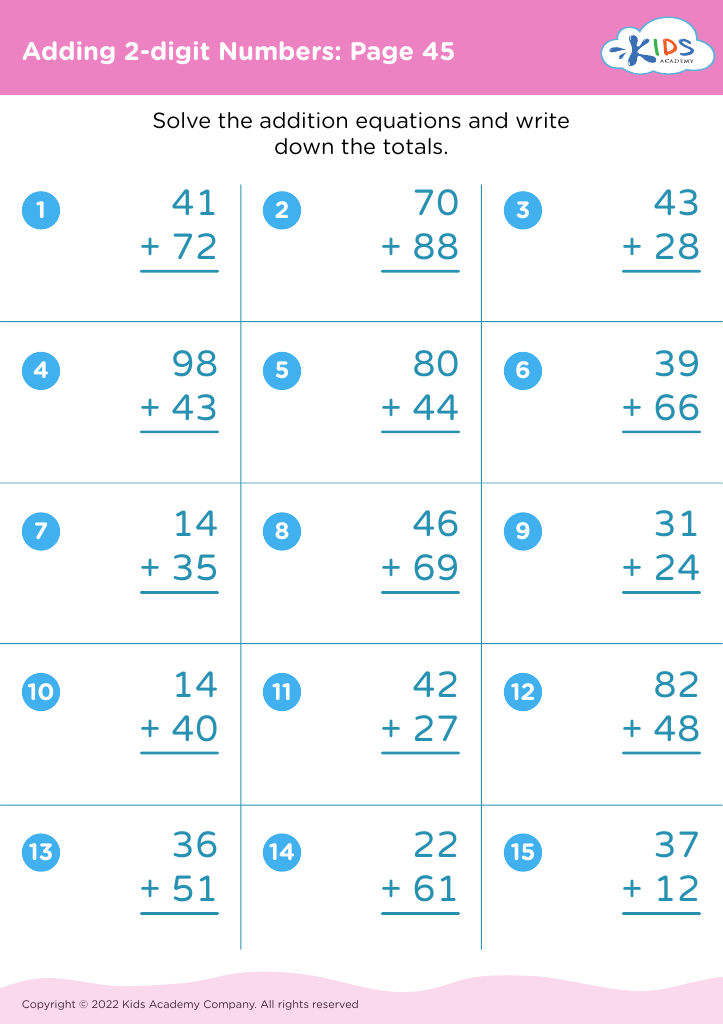
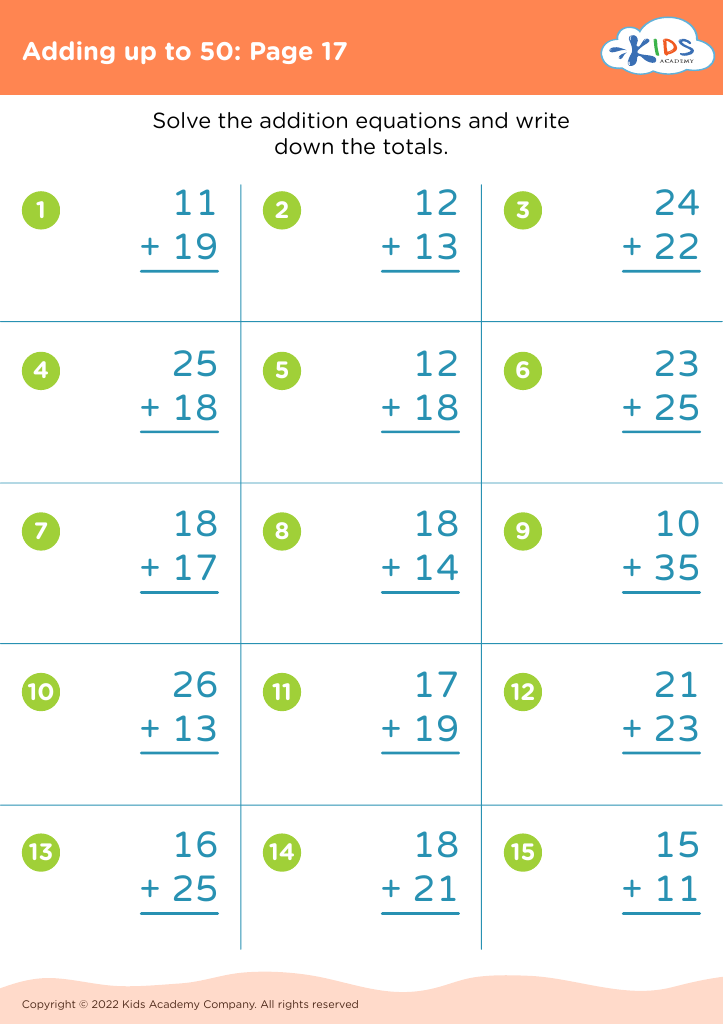
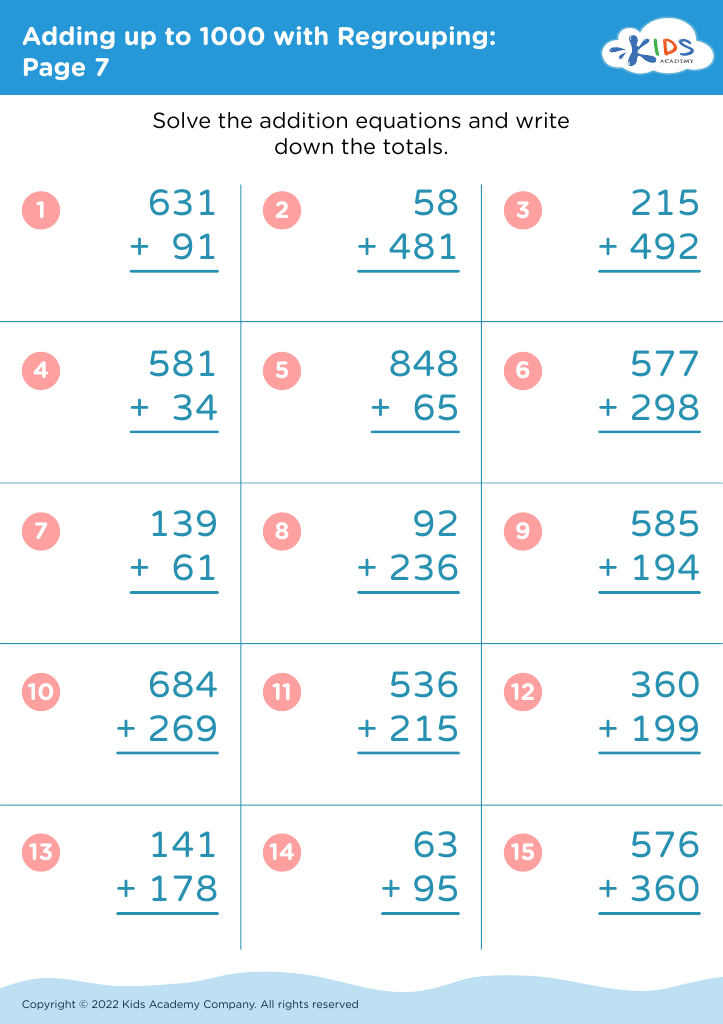
Boost your child's math and language skills with our Enhance Vocabulary Addition & Subtraction Worksheets for ages 5-8. Designed to make learning fun, these interactive worksheets integrate fundamental addition and subtraction concepts with vocabulary enrichment. Children will not only improve their math abilities but also expand their word knowledge through engaging activities that connect mathematical terms to real-world context. Ideal for classroom or home use, our resources foster a love for learning while catering to diverse learning styles. Equip your young learners with essential skills that promote both numerical and linguistic confidence. Download and start enhancing their learning journey today!








Enhancing vocabulary in the context of addition and subtraction is crucial for children aged 5-8 for several compelling reasons. First, a strong vocabulary helps children understand mathematical concepts and language, which is essential for problem-solving. As they learn to articulate their thoughts and describe their reasoning, they become more confident in their abilities.
Additionally, integrating vocabulary with math helps create a richer learning environment, making connections between language and math. Terms like "sum," "difference," "more than," and "less than" are foundational for mathematical success. By understanding these terms, students can grasp more complex concepts in the future.
Another key aspect is literacy development. The approach to teaching vocabulary in mathematics encourages children to read and listen actively, enhancing their overall language skills. This dual focus inspires curiosity and fosters a love for learning.
Moreover, as children explain their problem-solving processes using accurate terminology, gaps in understanding become clearer to teachers and parents. This enables targeted support in areas where children struggle.
By prioritizing vocabulary enhancement in maths, parents and teachers nurture holistic development—fostering cognitive skills, critical thinking, and effective communication, all of which are vital for academic achievement and lifelong learning.








