Fraction simplification Addition & Subtraction Worksheets for Ages 5-8 - Page 3
58 filtered results
-
From - To
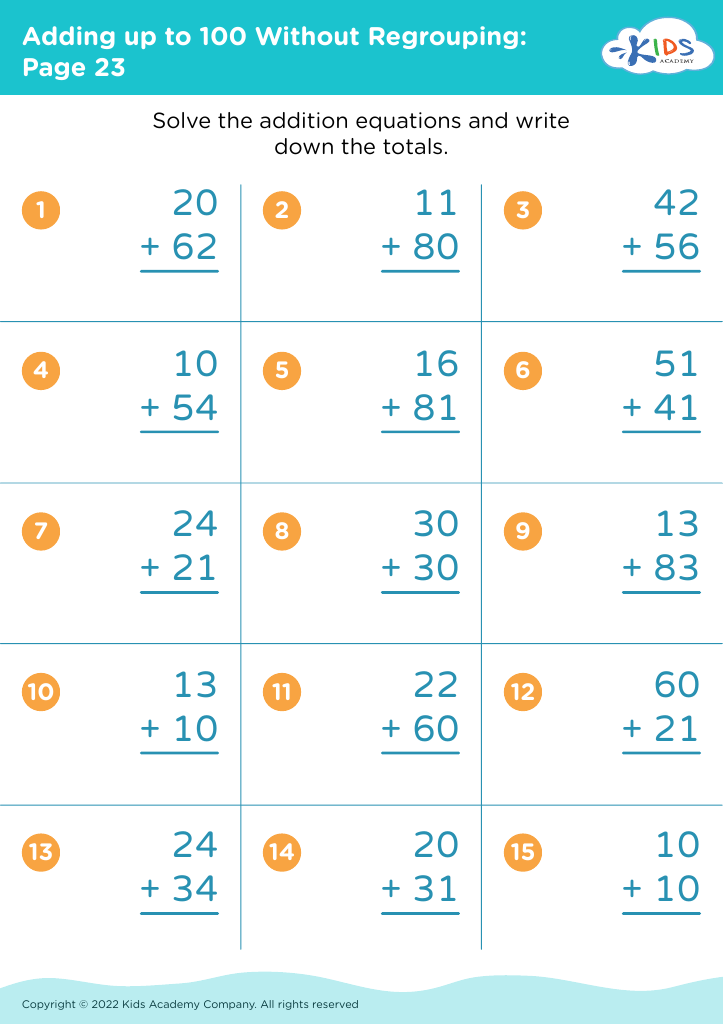
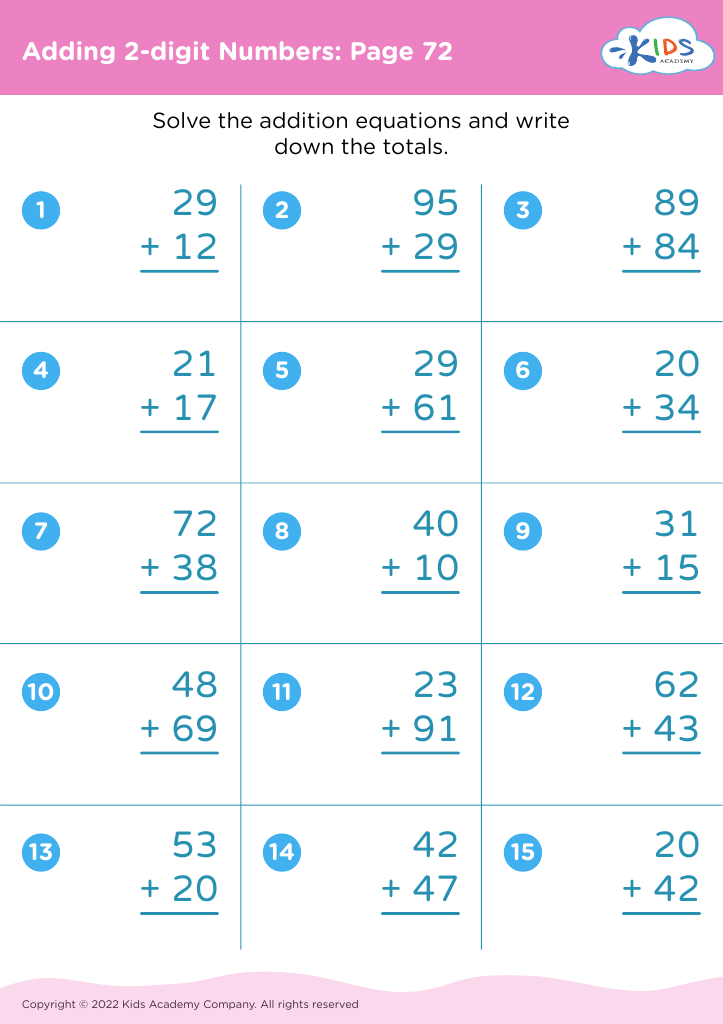
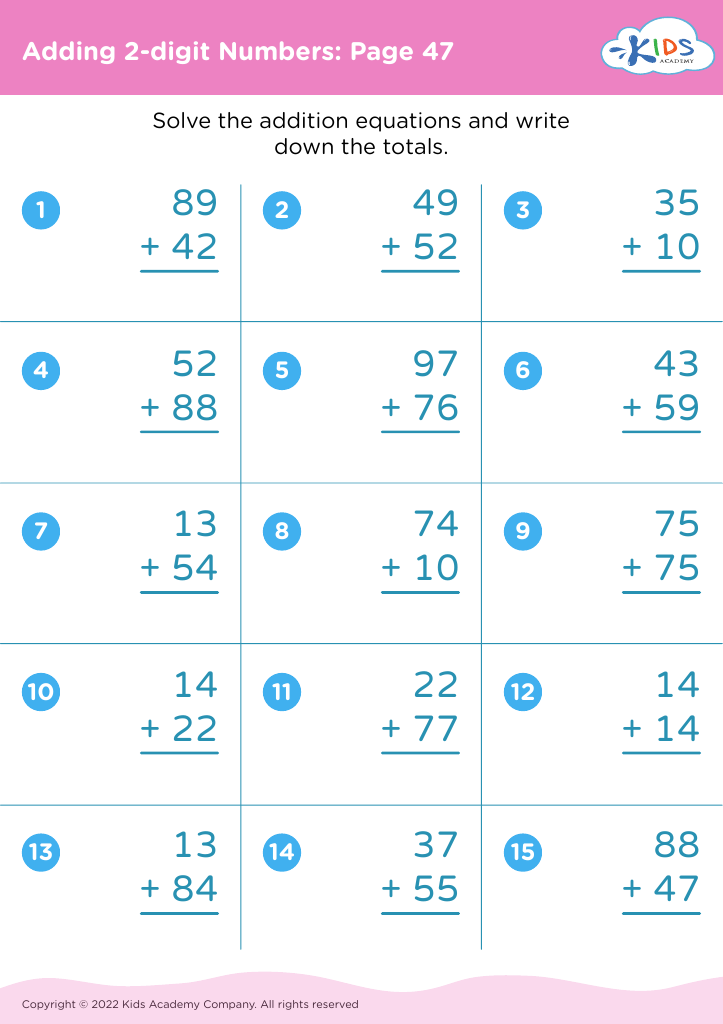
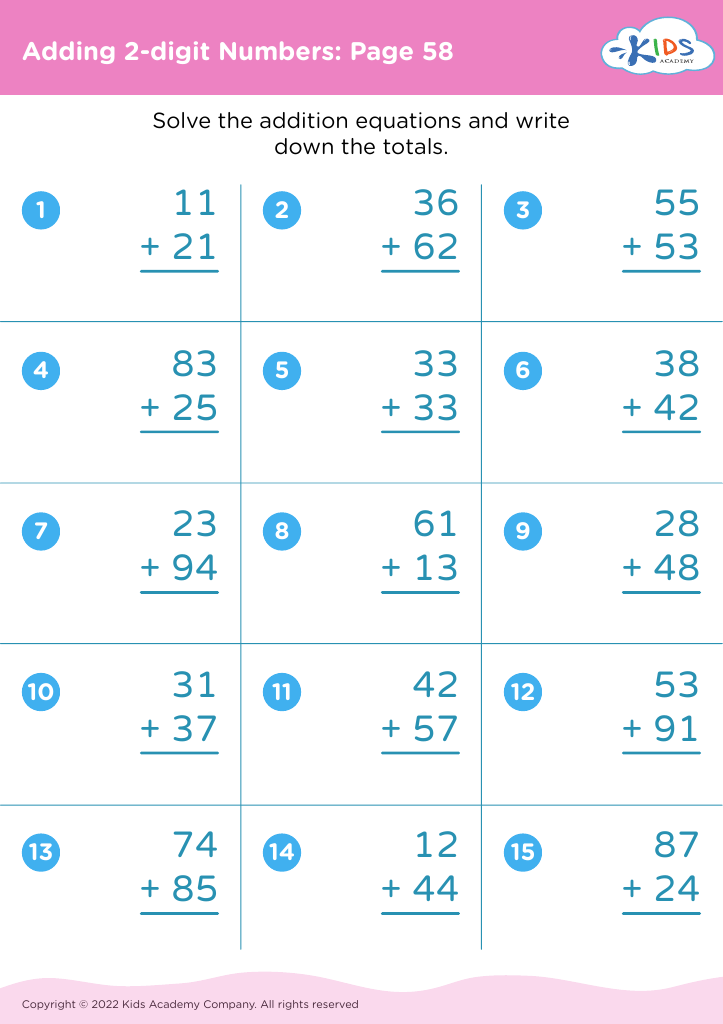
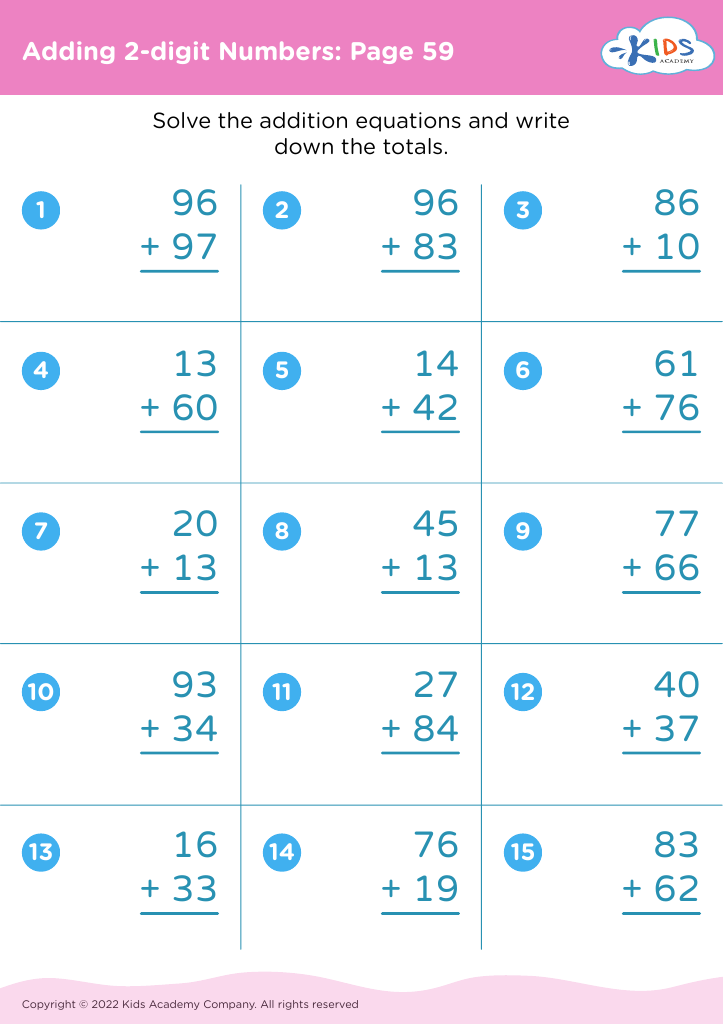
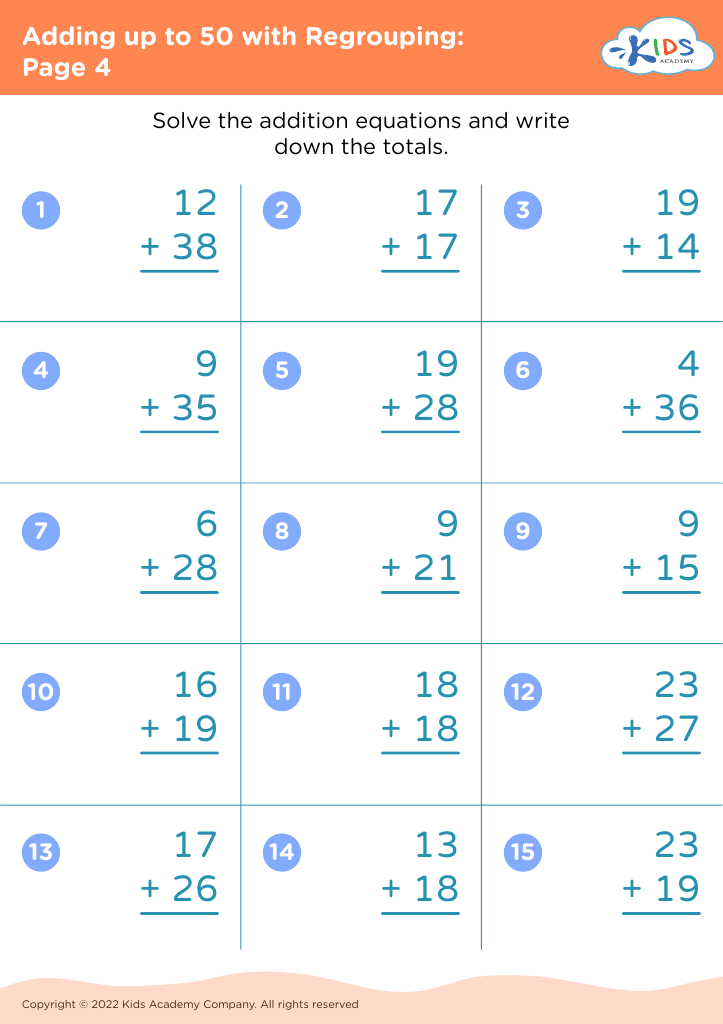
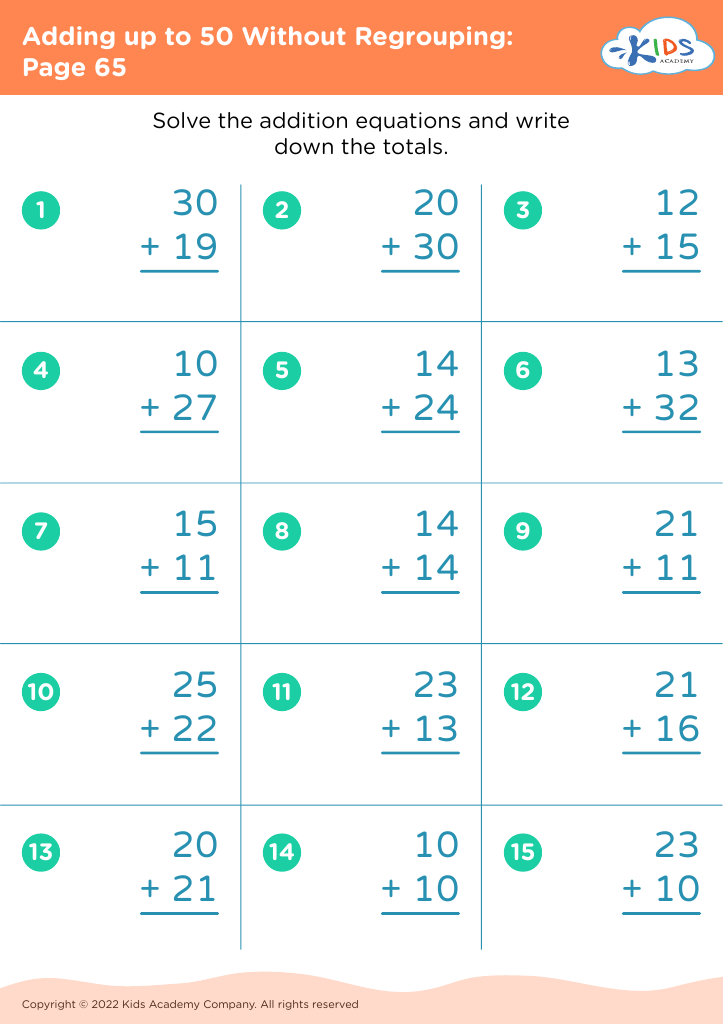
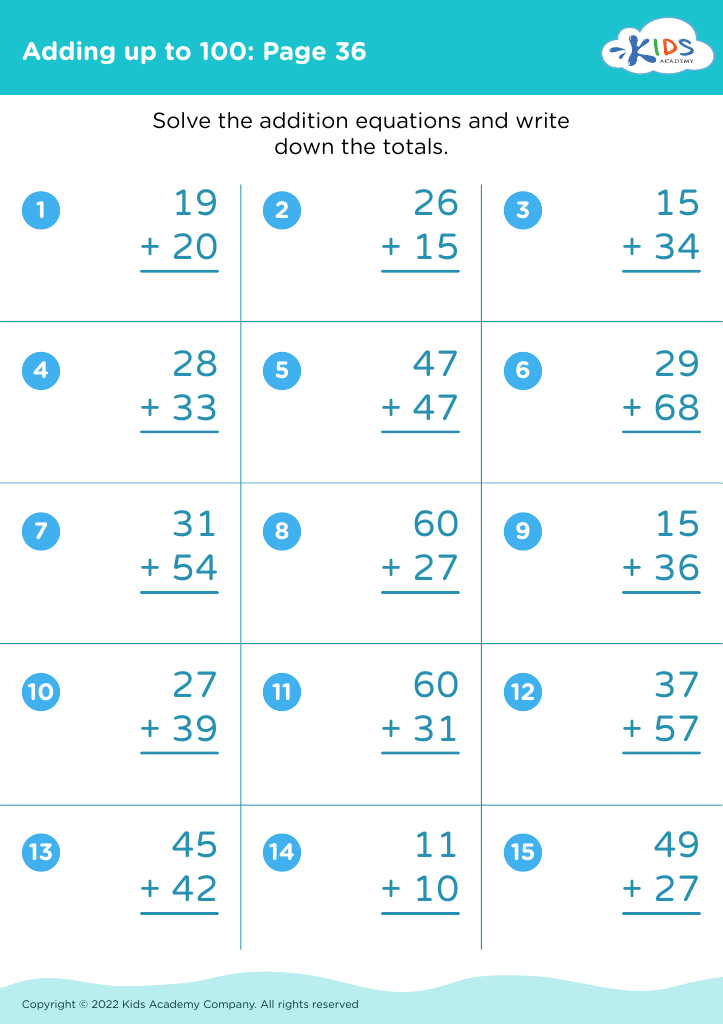
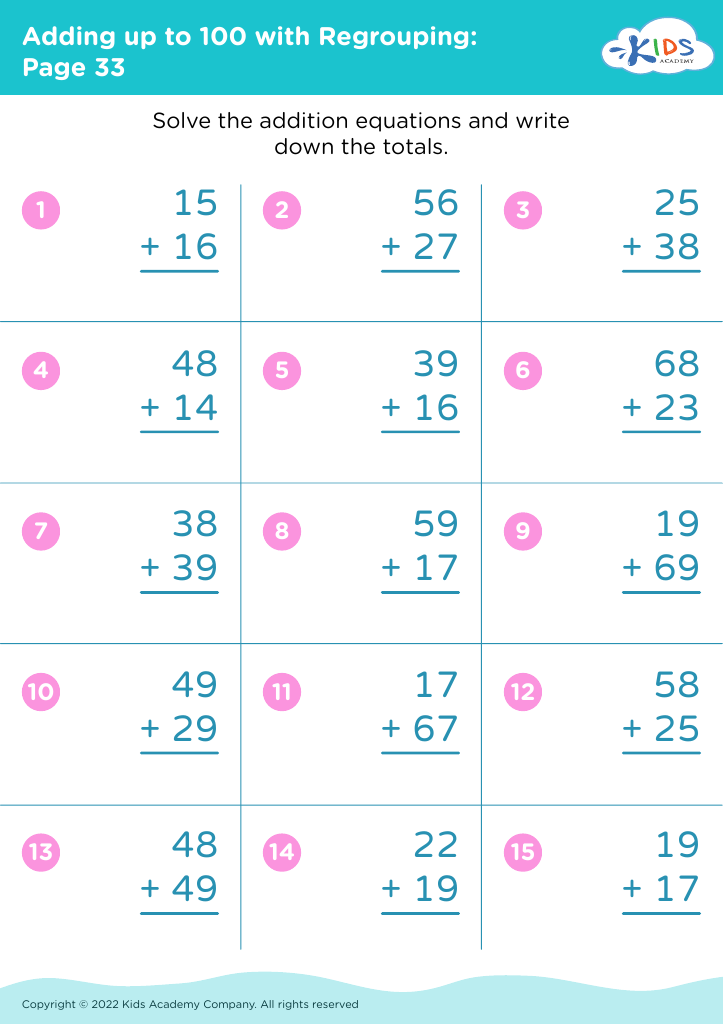
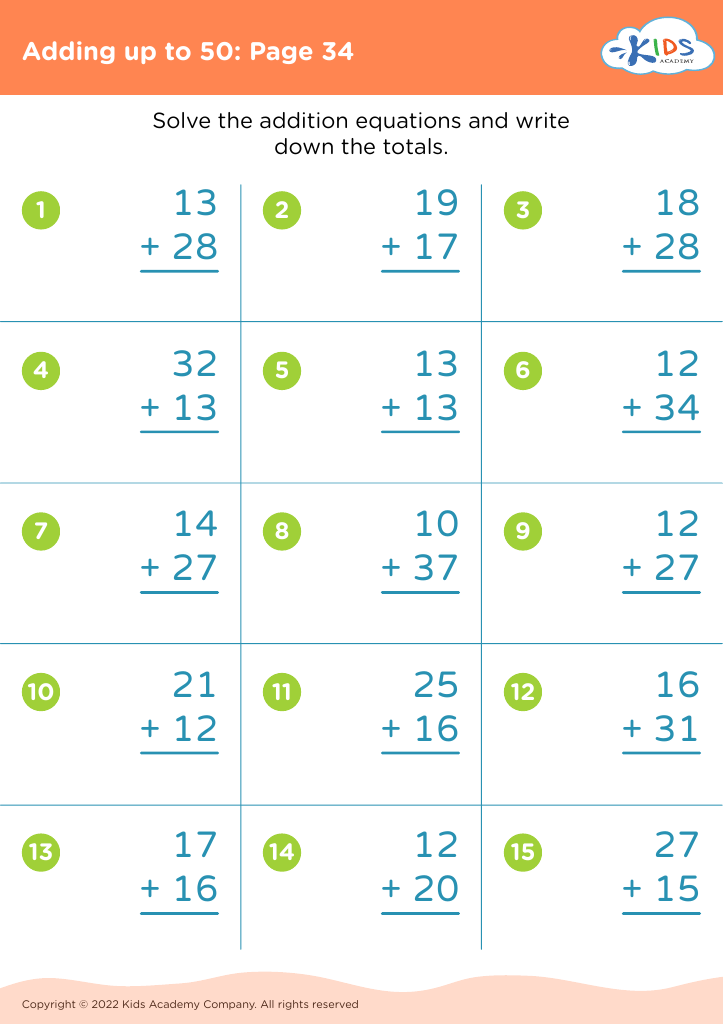








Understanding fraction simplification, addition, and subtraction is crucial for young learners aged 5-8, as it lays the foundation for future mathematical concepts. For parents and teachers, knowing how to simplify fractions helps children grasp the idea of equivalence and encourages their problem-solving skills. At this age, kids are developing their reasoning abilities, and engaging with fractions introduces them to critical thinking as they learn to recognize patterns and relationships between numbers.
Moreover, these concepts support overall mathematical fluency. As youngsters become familiar with fractions, they build confidence in their abilities, fostering a positive attitude toward math. This age is pivotal, and how children perceive mathematics can influence their long-term interest. When parents and teachers emphasize practical applications through real-life scenarios, like sharing food or measuring ingredients, they make learning relevant and engaging.
Lastly, understanding fractions is key to subsequently tackling more advanced math topics such as ratios, proportions, and percentages. When educators and parents invest time in teaching fraction simplification, addition, and subtraction, they equip children with essential skills that empower them for continued academic success and application in everyday life. Through this learning journey, children not only enhance their math skills but also develop a critical life skill in numerical understanding.








