Mathematical reasoning Addition & Subtraction Worksheets for Ages 5-8 - Page 2
39 filtered results
-
From - To
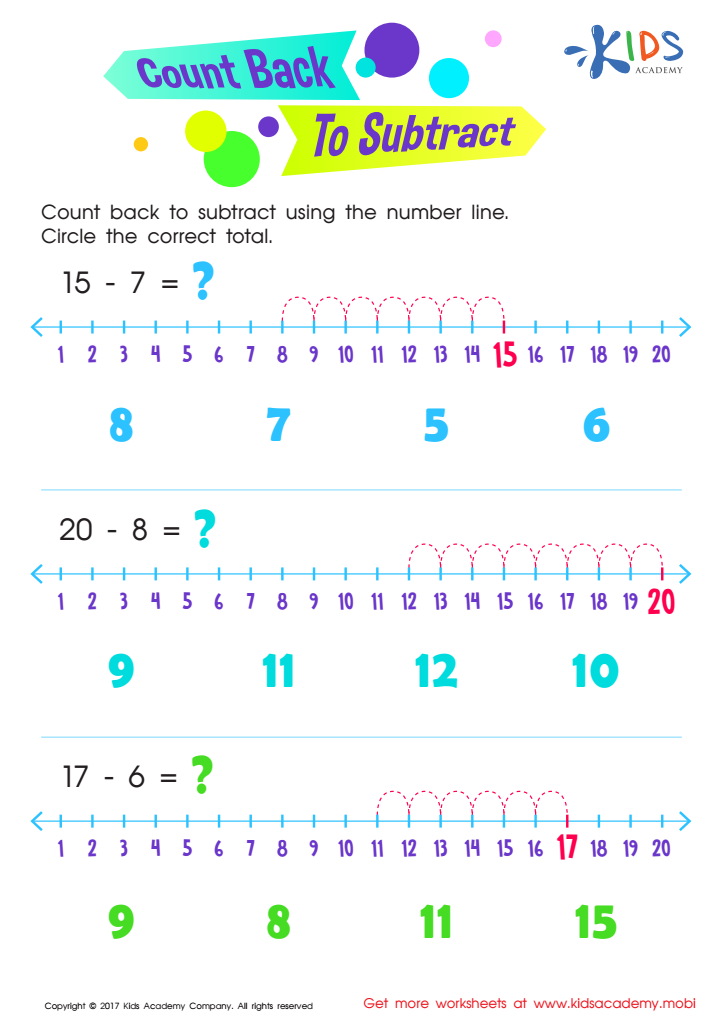
Count Back to Subtract Substraction Worksheet
 Assign to My Students
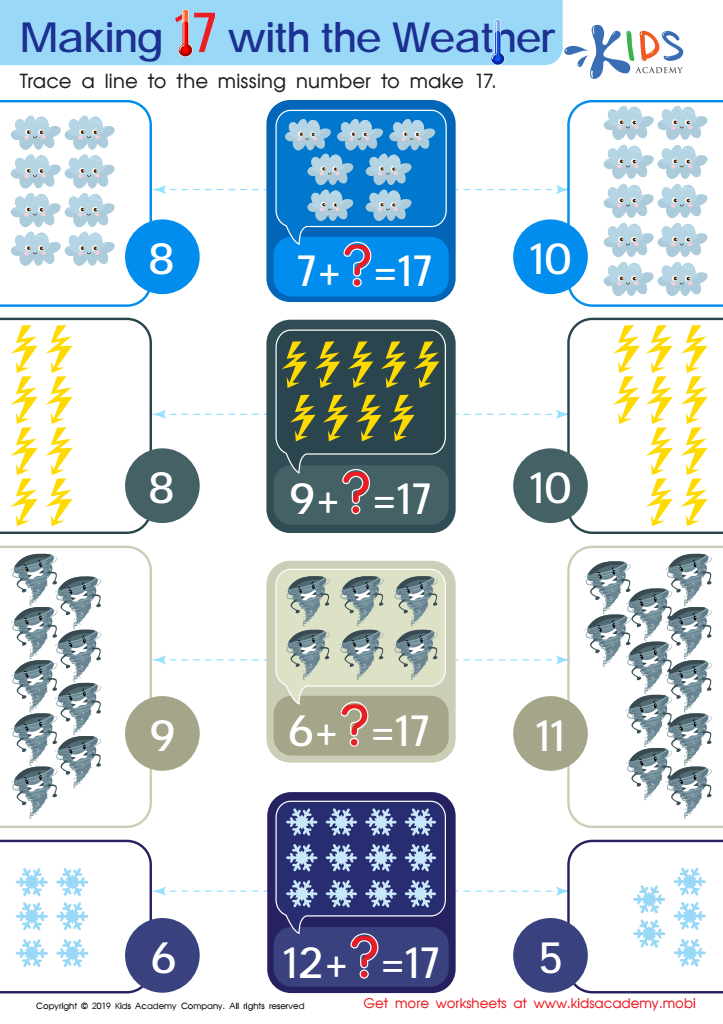
Making 17 with the Weather Worksheet
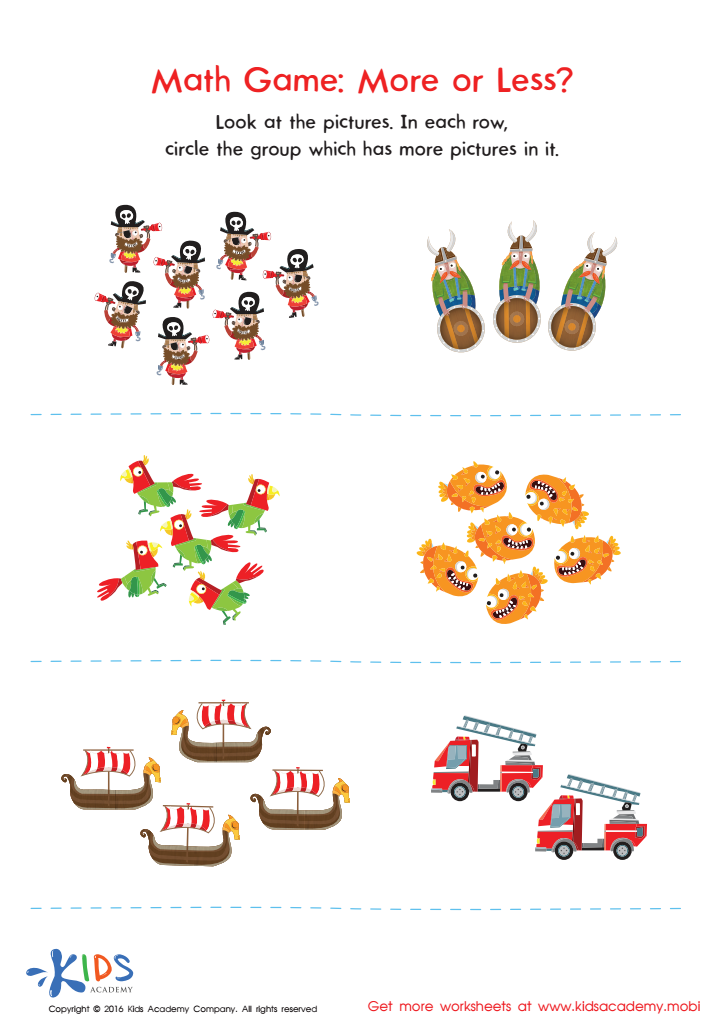
More or Less Worksheet
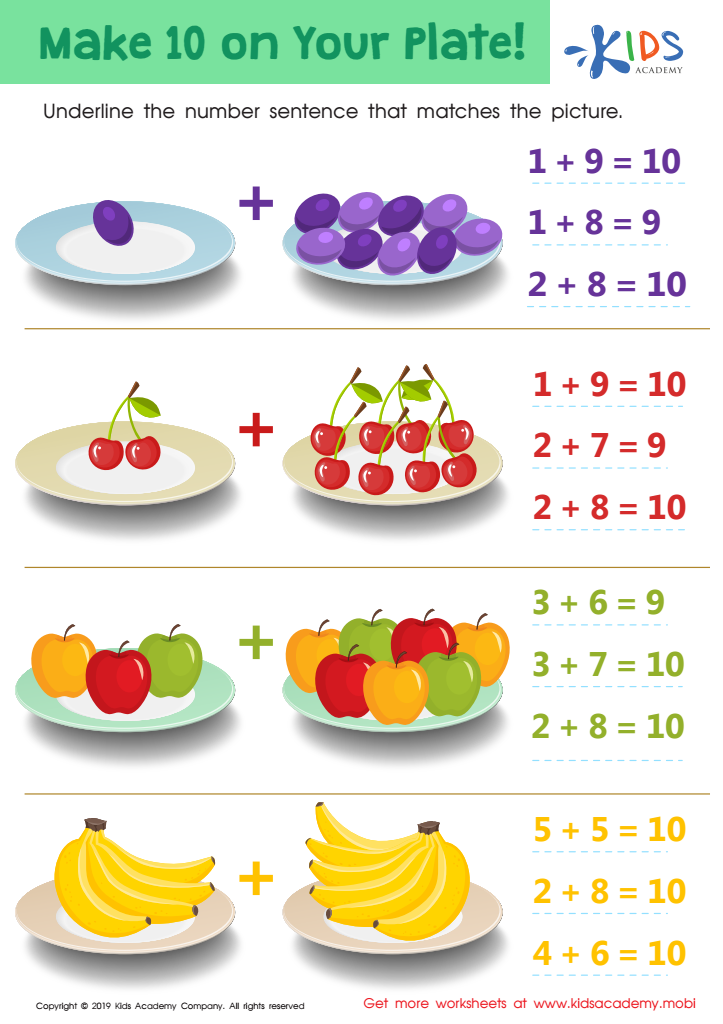
Make 10 on Your Plate! Worksheet
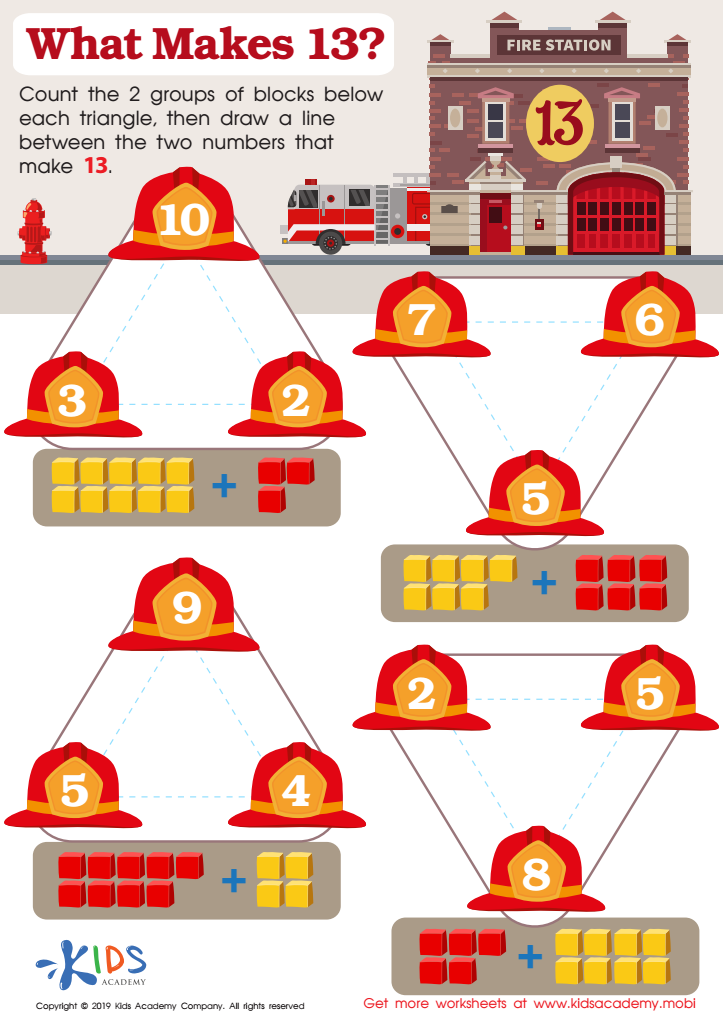
What Makes 13 Worksheet
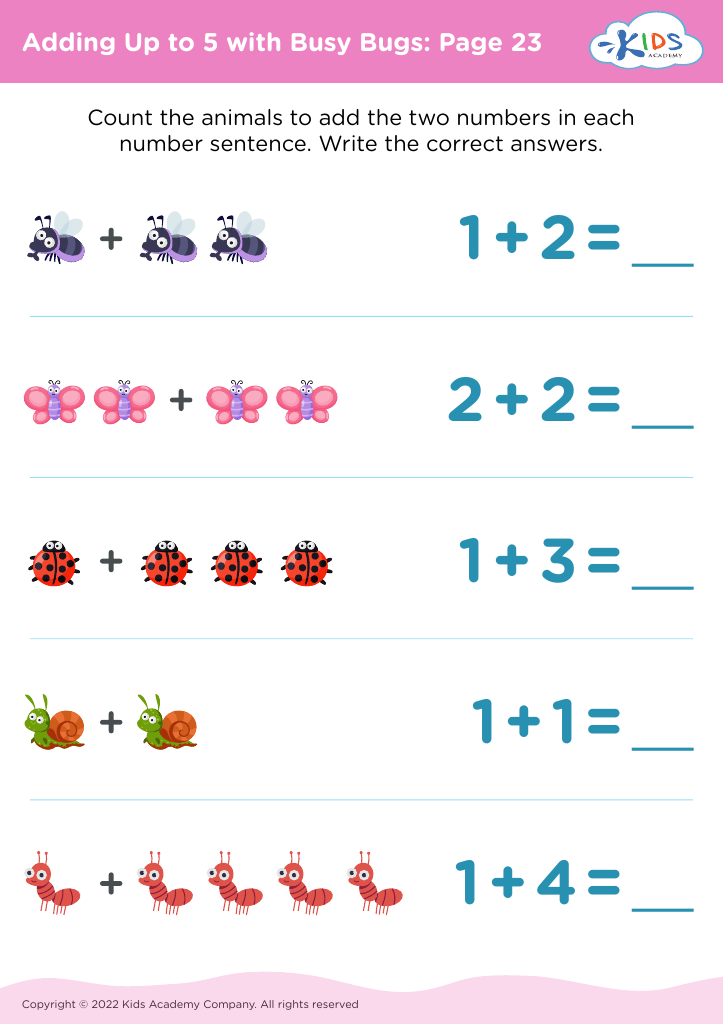
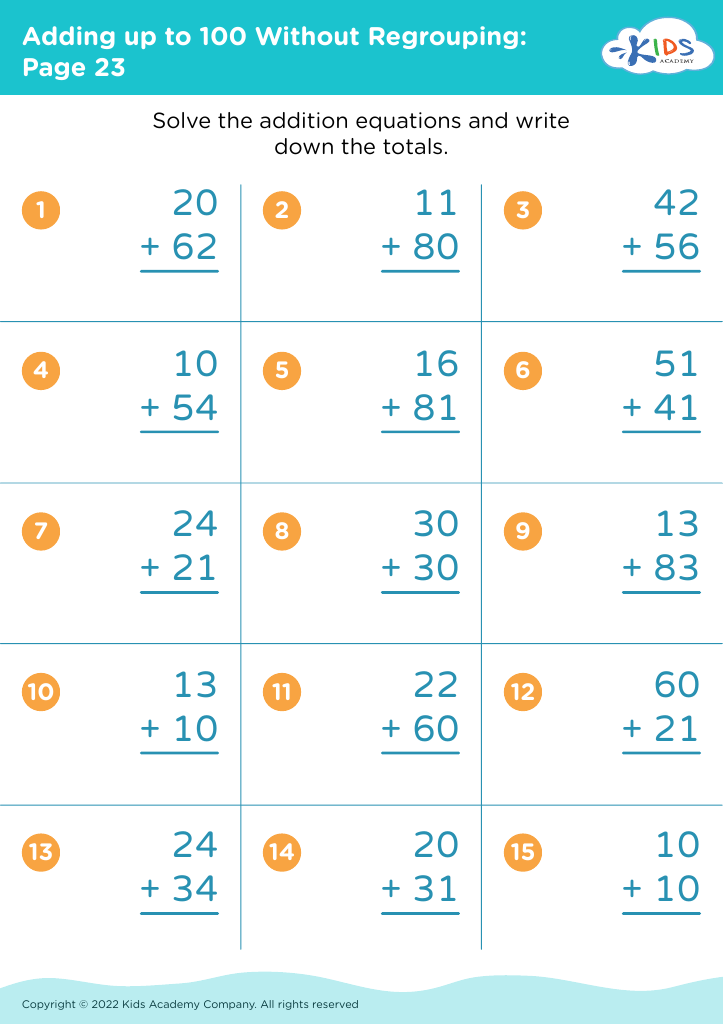
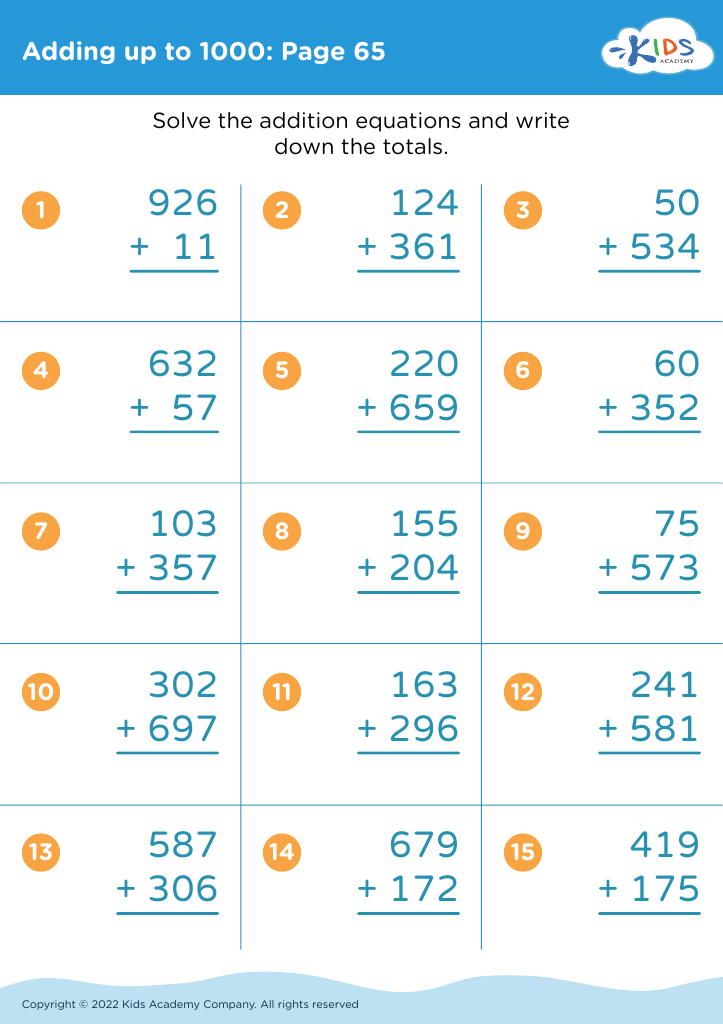
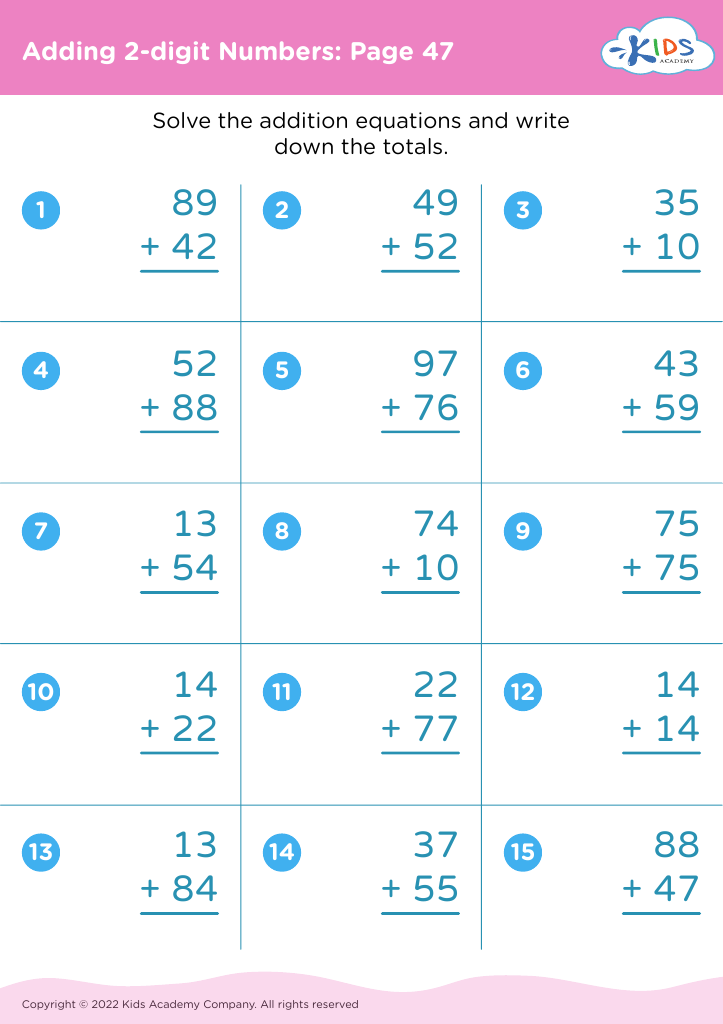
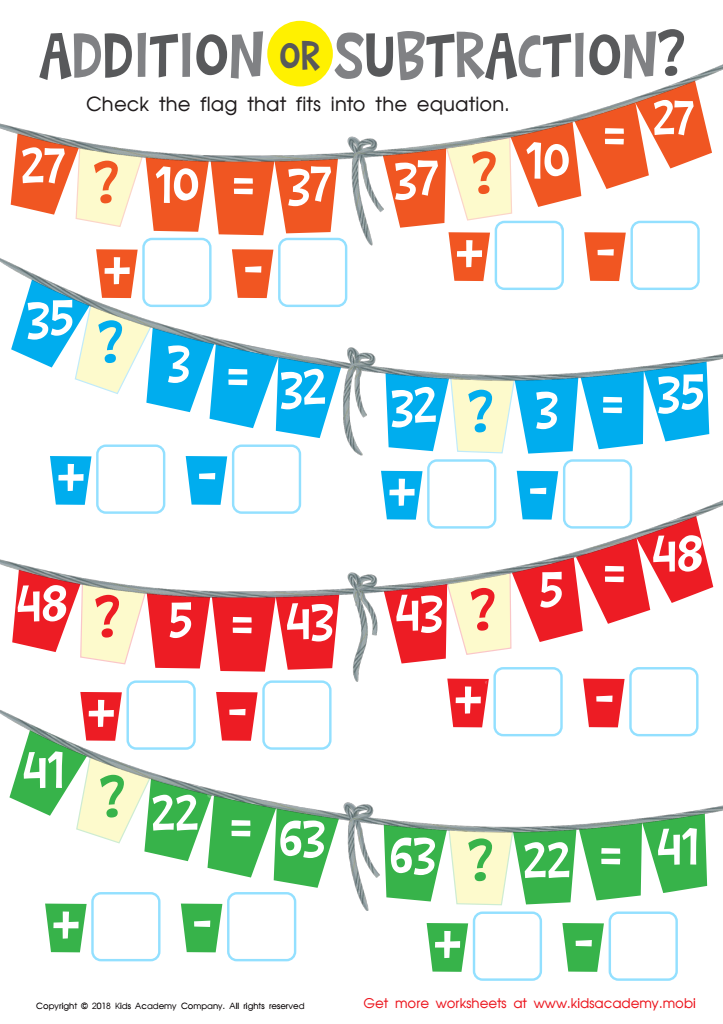
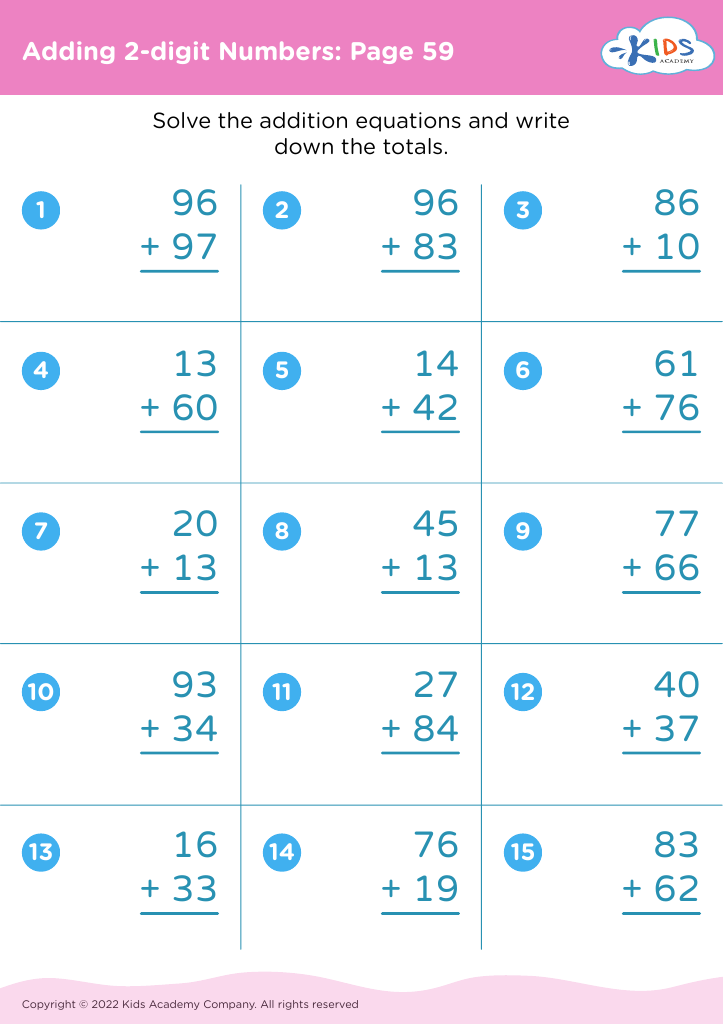
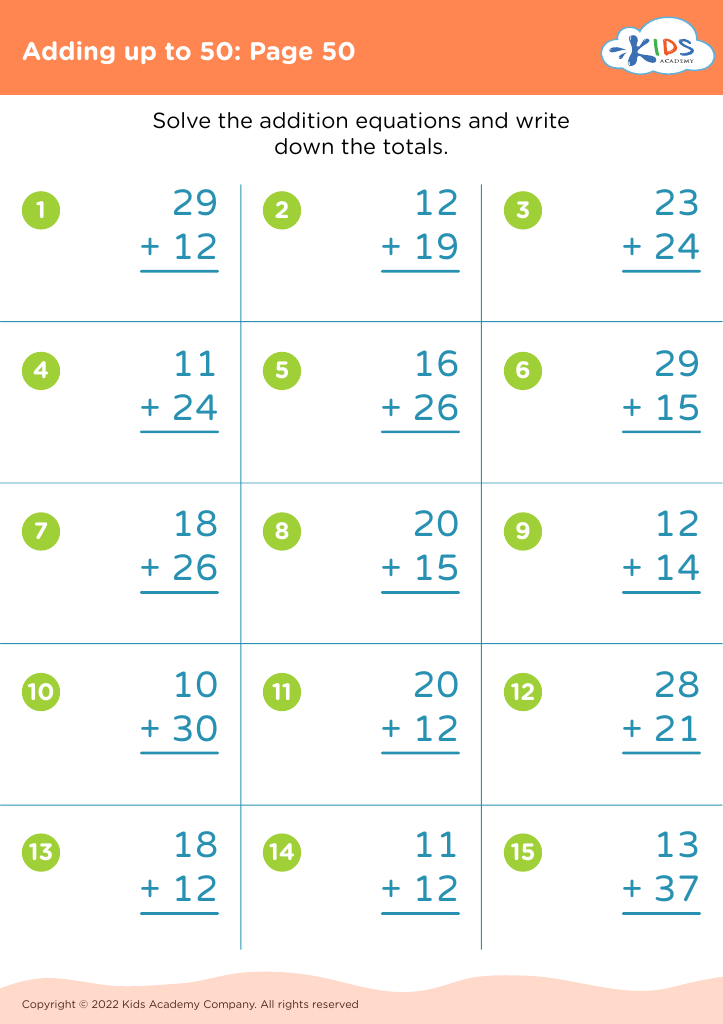
Addition or Subtraction? Worksheet
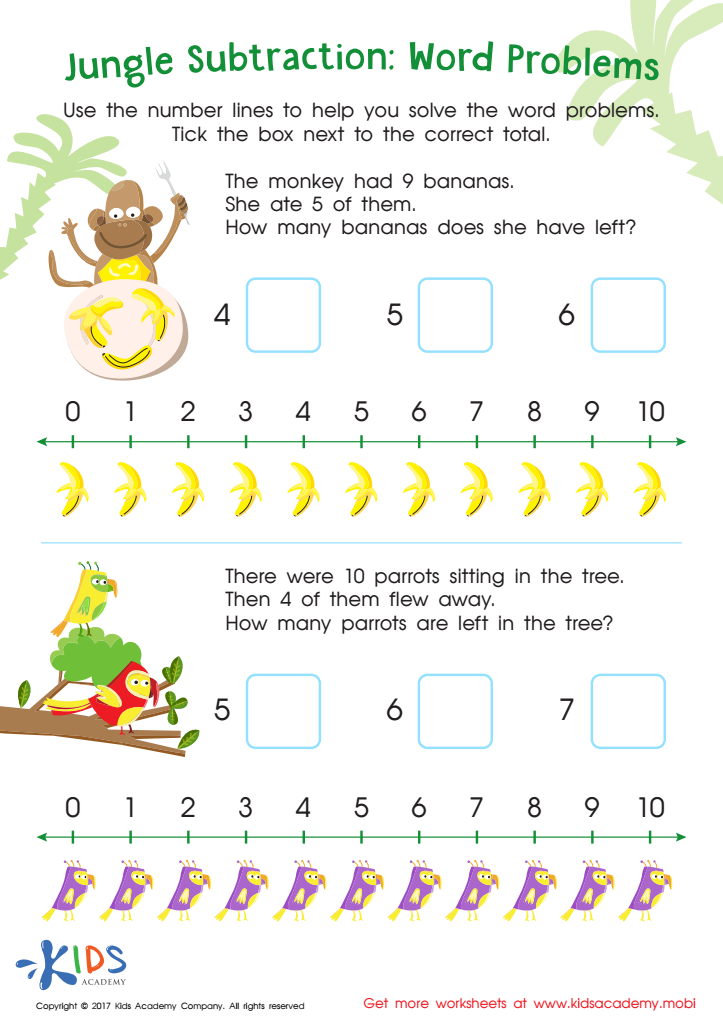
Jungle Subtraction Word Problems Substraction Worksheet
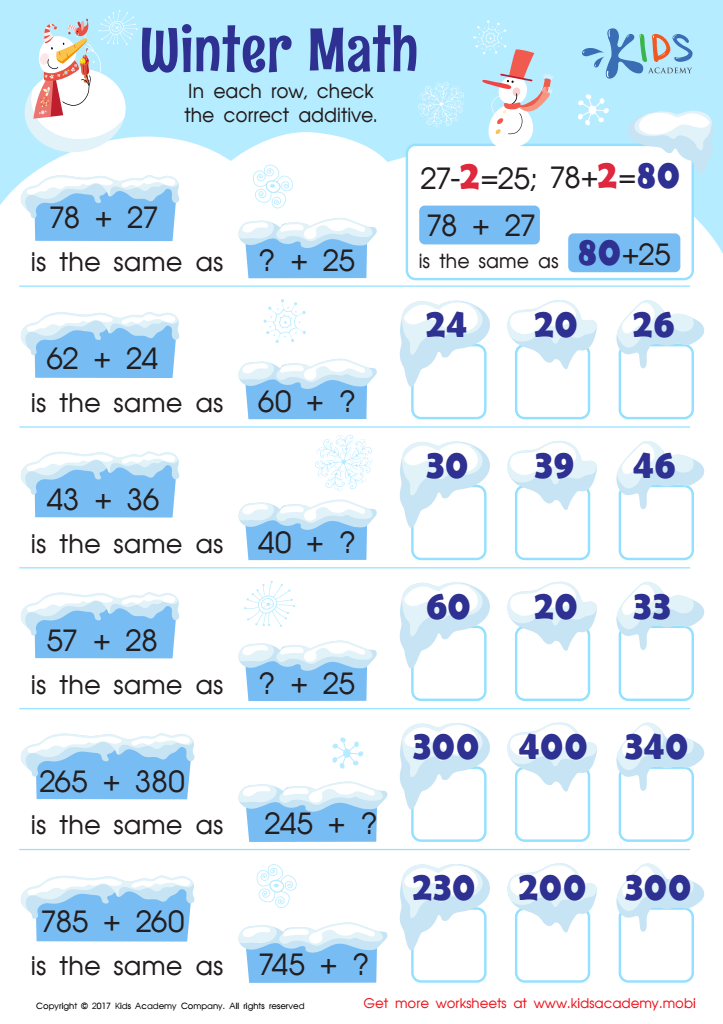
Free Addition Worksheet
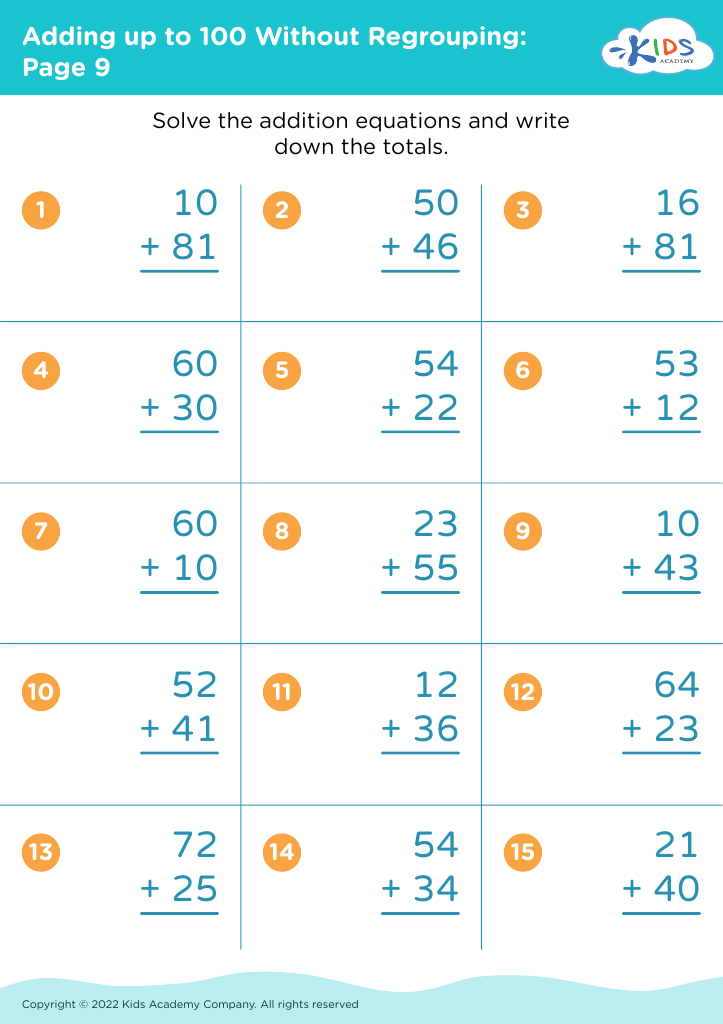








Parents and teachers should prioritize mathematical reasoning in addition and subtraction for children aged 5 to 8 because this foundational skill set underpins future learning and cognitive development. At this age, children are beginning to grasp the concept of numbers and their relationships, which is essential for building mathematical understanding. Strong reasoning in addition and subtraction helps children develop problem-solving skills, critical thinking abilities, and the confidence to tackle more complex mathematical concepts later on.
Furthermore, mathematical reasoning fosters a growth mindset as children learn to approach challenges, explore different strategies, and understand that making mistakes is part of the learning process. Engaging in discussions about mathematical ideas, such as the commutative and associative properties, encourages children to verbalize their thought processes, enhancing their comprehension and retention of concepts.
Moreover, these skills are not only vital in academics but also relate to real-life situations, such as handling money, measuring ingredients for cooking, or planning events. By nurturing mathematical reasoning in young learners, parents and teachers set the foundation for a lifelong appreciation of mathematics, empowering children to become capable, resilient thinkers who can tackle the demands of modern life.








