Filters

570 filtered results

Clear all filters
Favorites
With answer key
Interactive

570 filtered results

Difficulty Level

Grade


Check out this FREE Trial Lesson on Addition & Subtraction for age 5-8!

A

Favorites
With answer key
Interactive
  • 5-8
  • Number Recognition
  • Addition & Subtraction
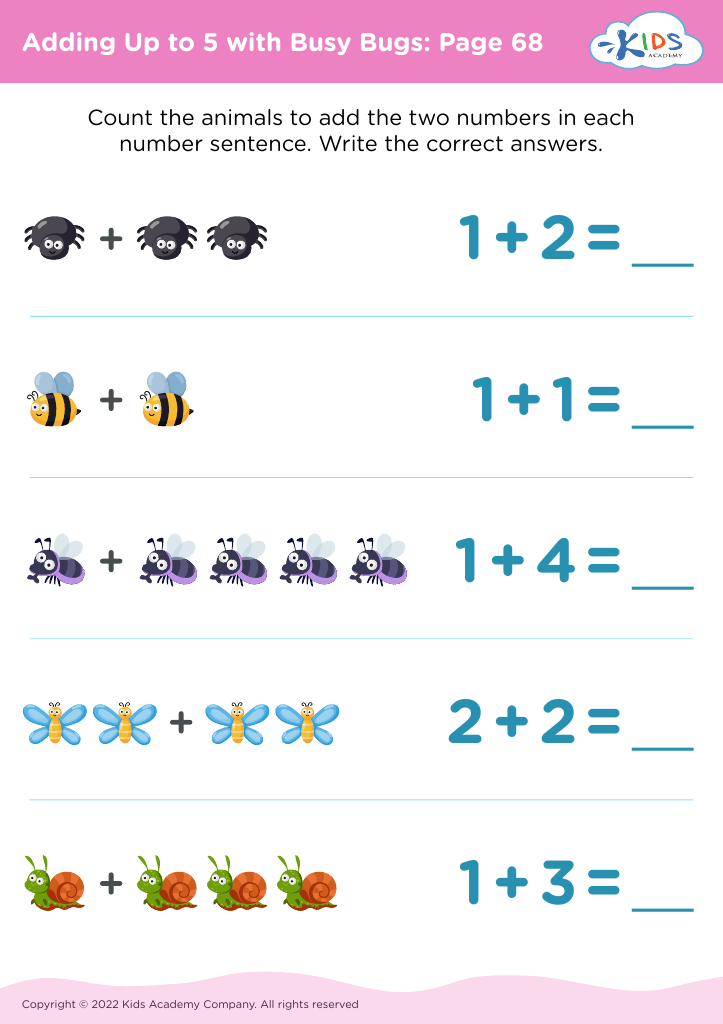
Adding Up to 5 with Busy Bugs: Page 68
Worksheet
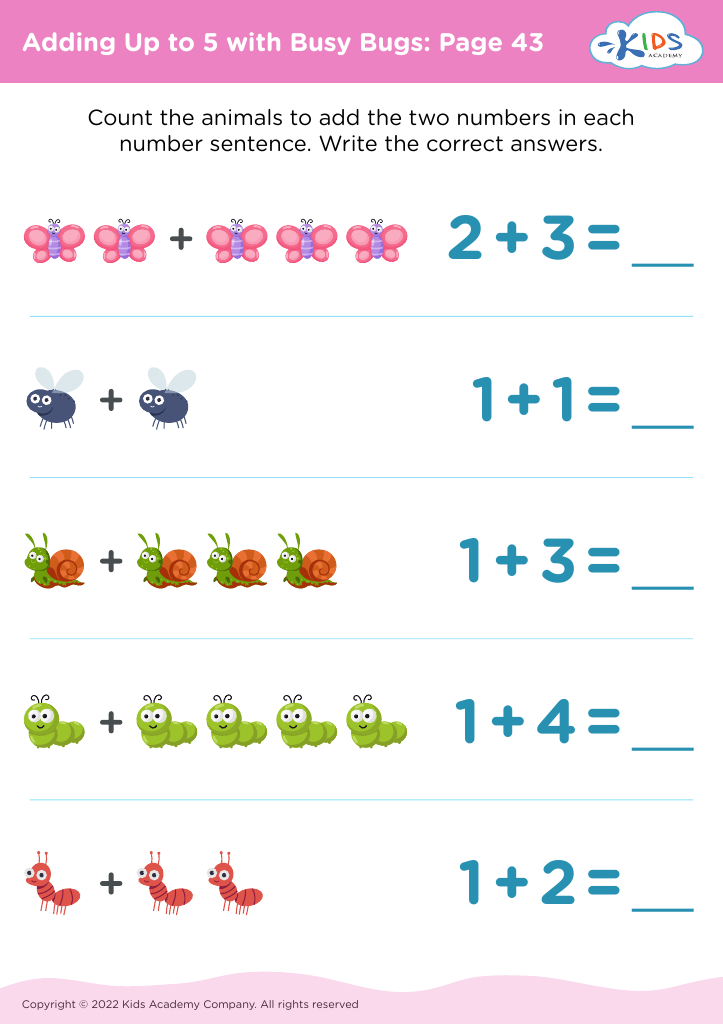
Adding Up to 5 with Busy Bugs: Page 43
Worksheet
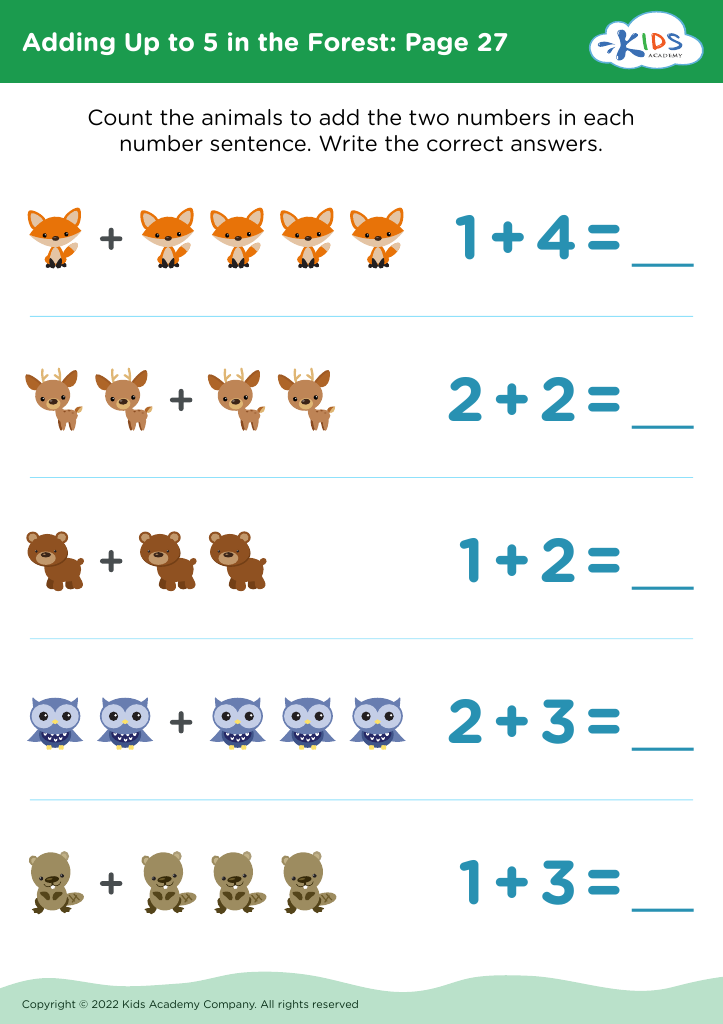
Adding Up to 5 in the Forest: Page 27
Worksheet
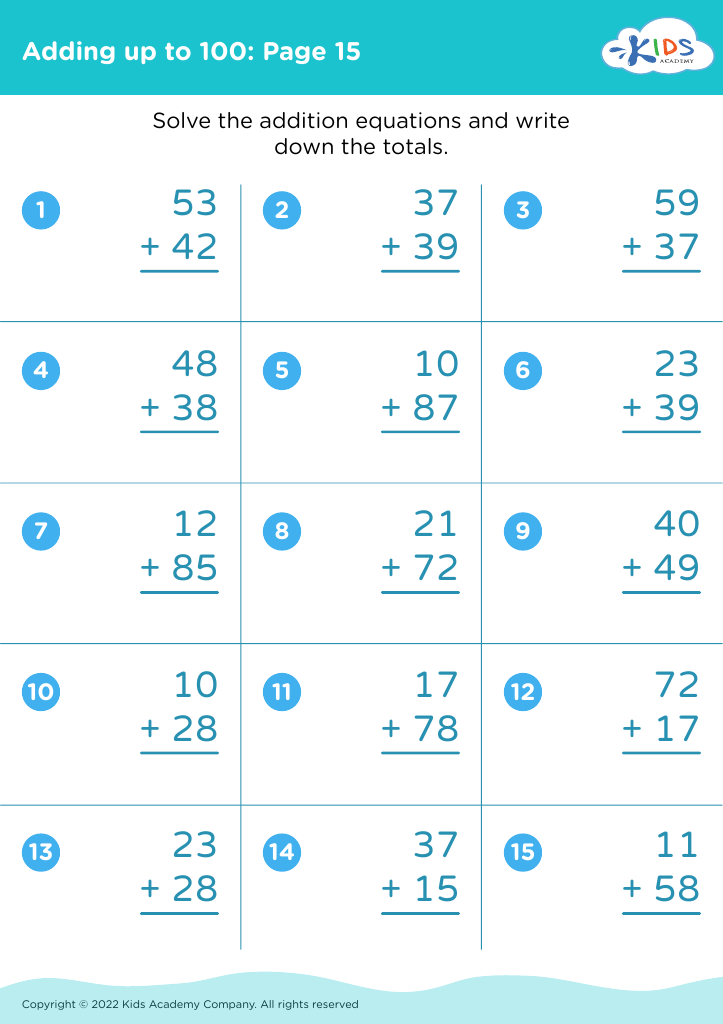
Adding up to 100: Page 15

Adding up to 100: Page 15

Adding up to 100: Page 15
Worksheet
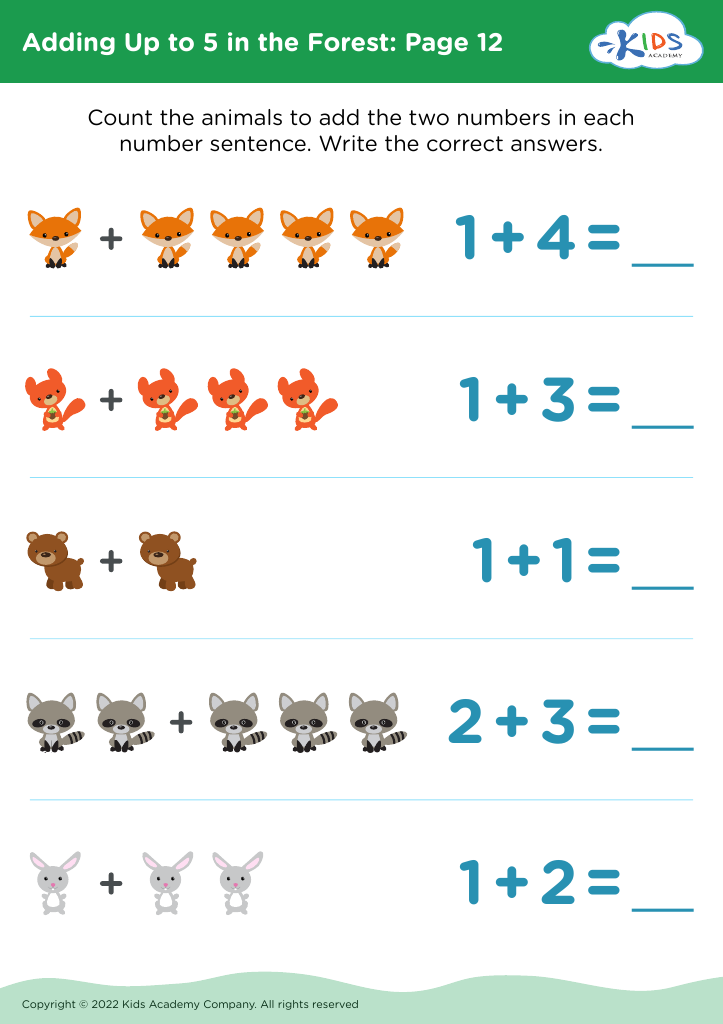
Adding Up to 5 in the Forest: Page 12
Worksheet
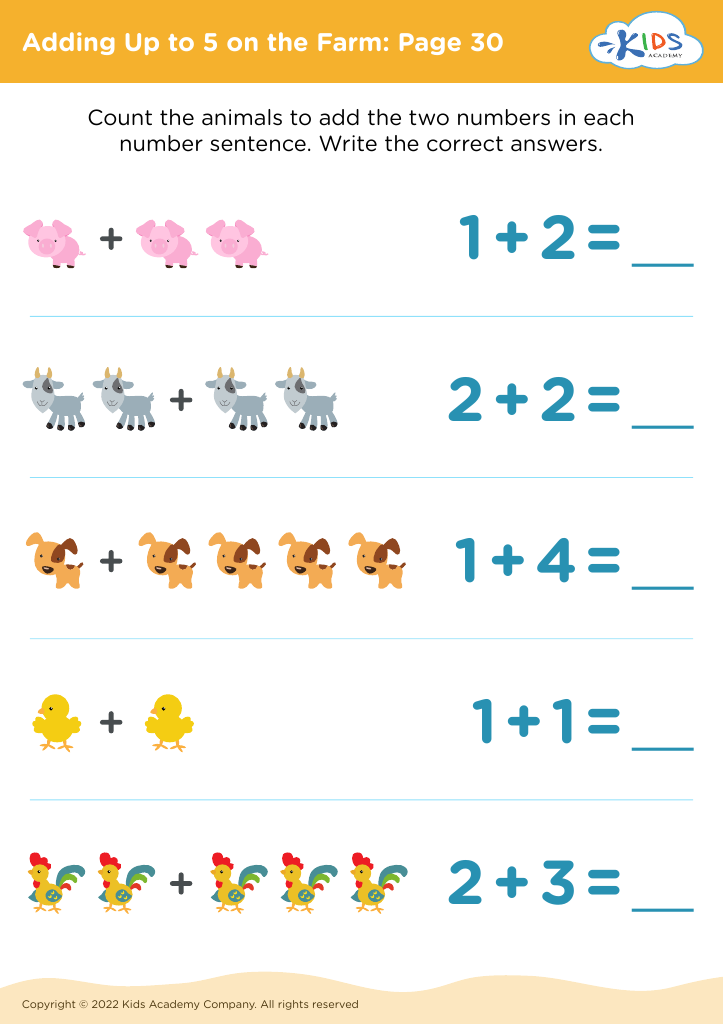
Adding Up to 5 on the Farm: Page 30
Worksheet
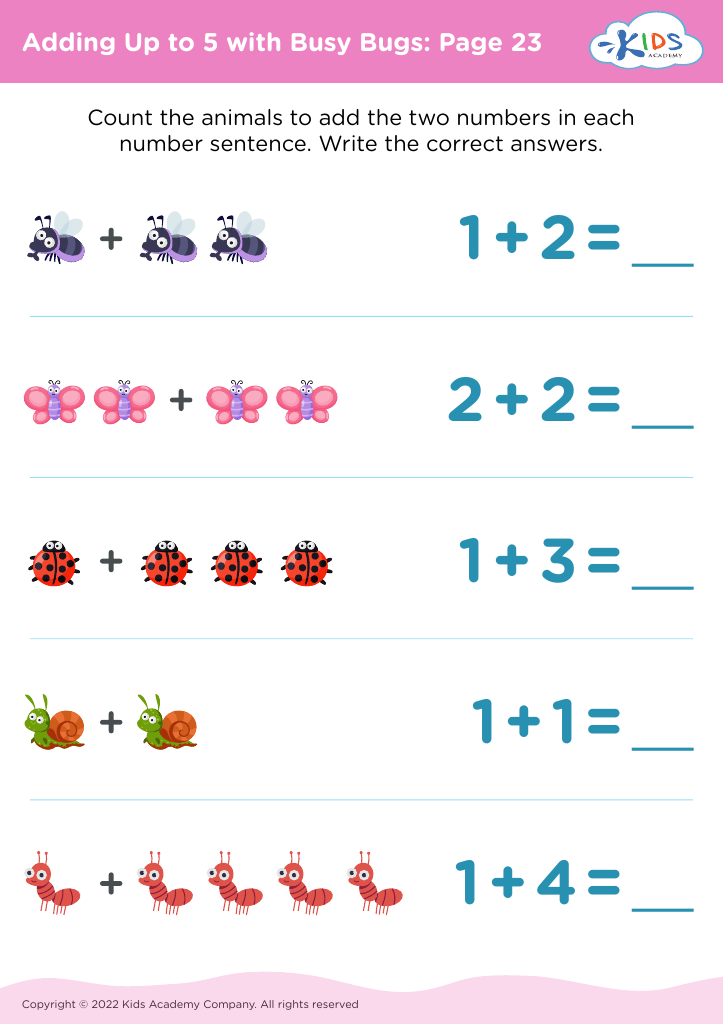
Adding Up to 5 with Busy Bugs: Page 23
Worksheet
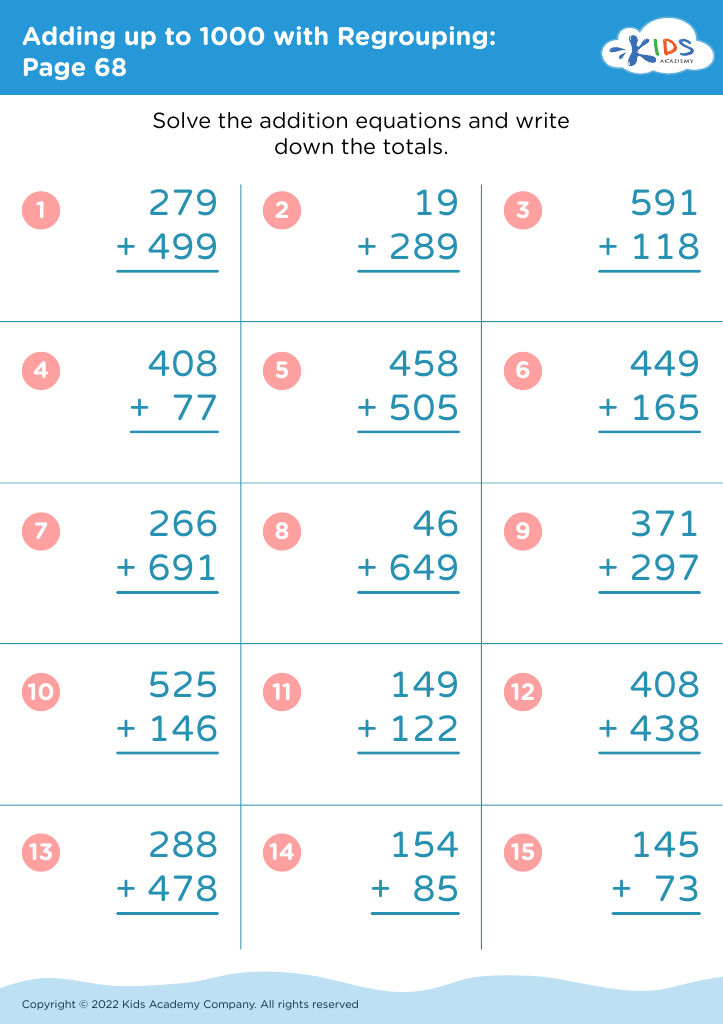
Adding up to 1000 with Regrouping: Page 68
Worksheet
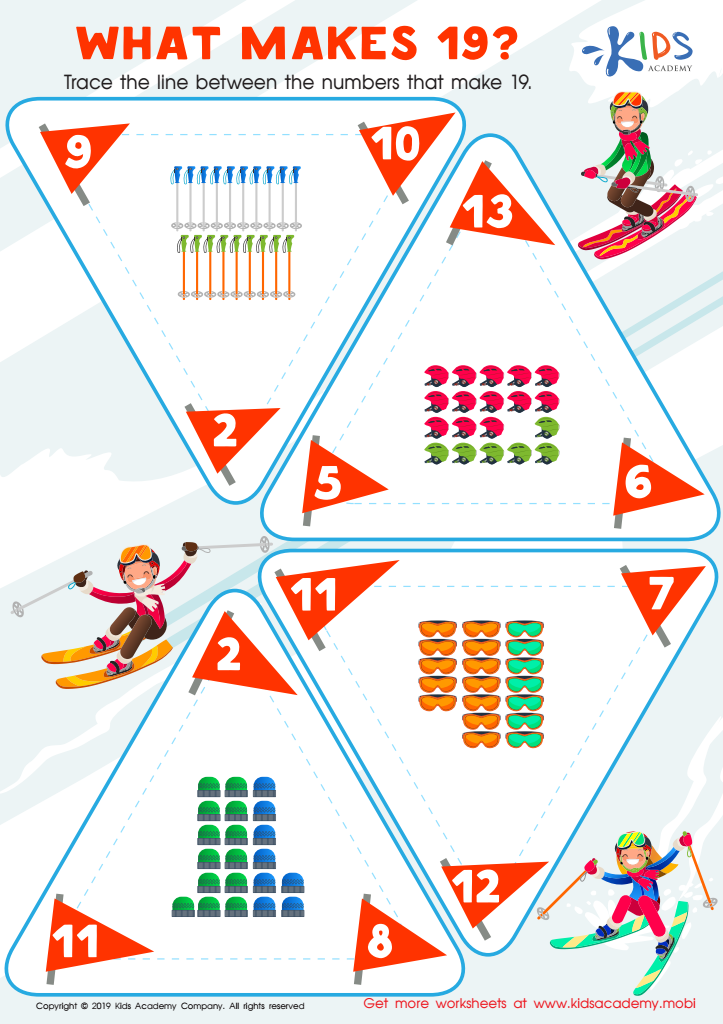
What Makes 19? Worksheet

What Makes 19? Worksheet

As a parent, it's your responsibility to help your kids learn. Put on the teacher hat and use this worksheet to teach them addition tricks. Help them count and add the objects, trace a line between the numbers that make 19, and take their learning a step further.
What Makes 19? Worksheet
Worksheet
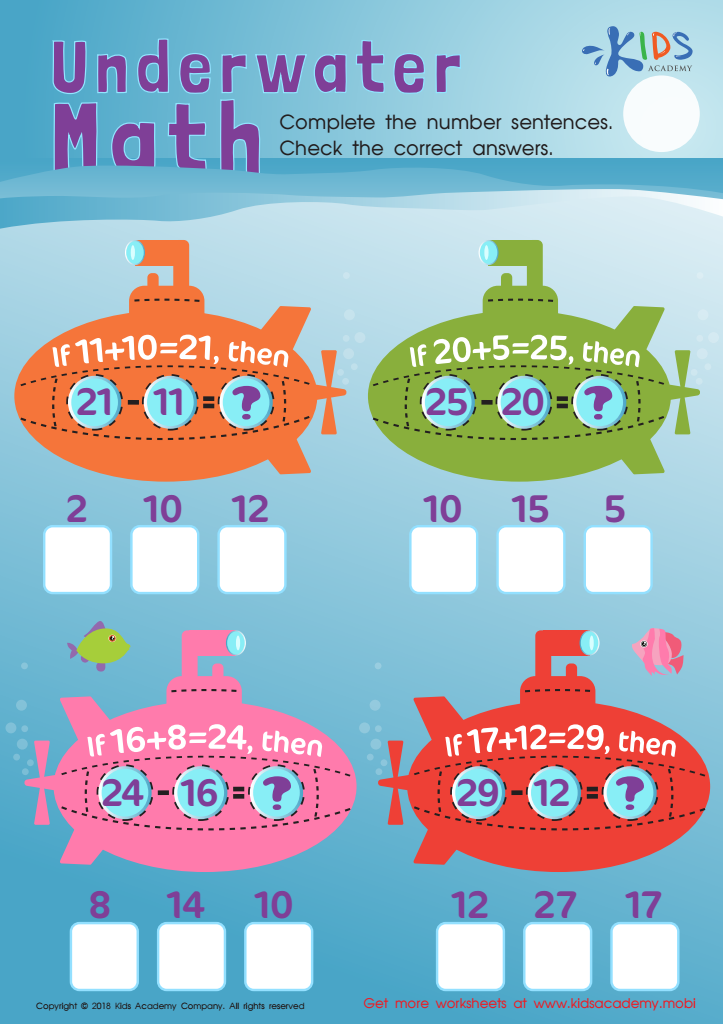
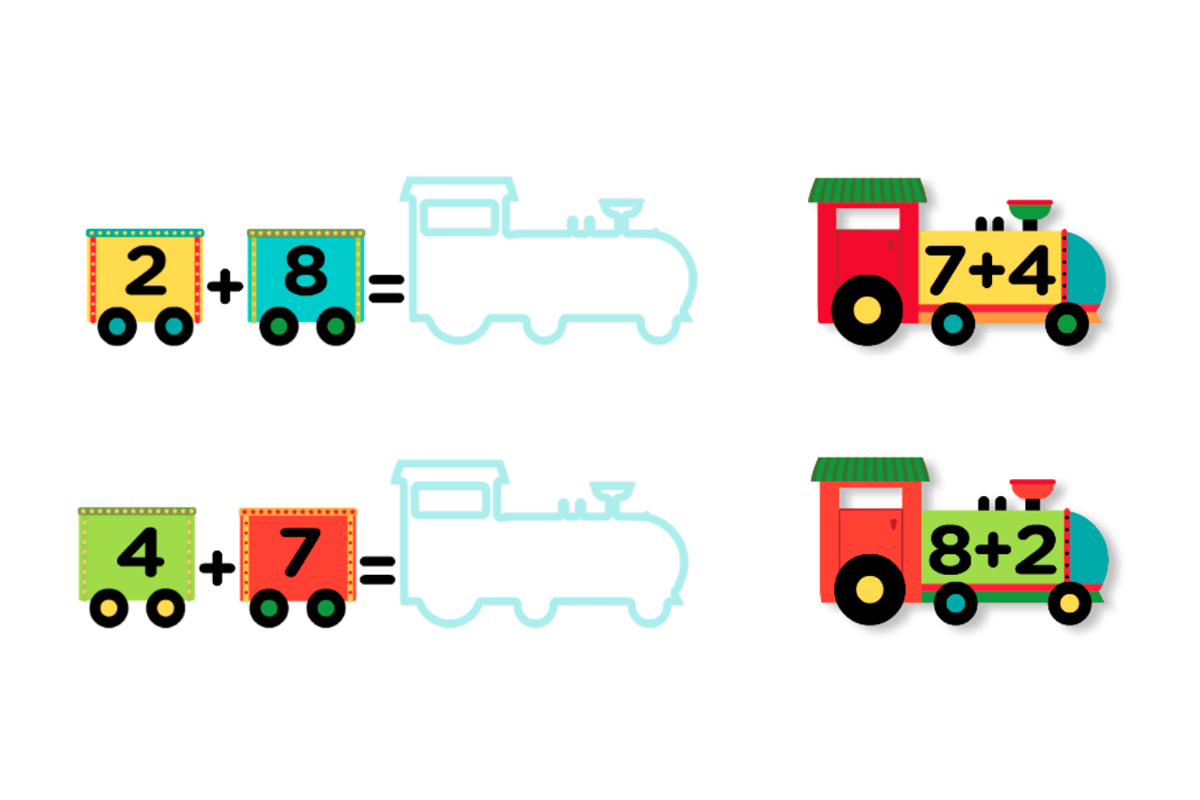
Addition and Subtraction: Underwater Math Worksheet
Addition and Subtraction: Underwater Math Worksheet
Take your little mathematicians on an undersea adventure as they work to solve number sentences. With fun worksheets, they'll analyze numbers, orders of operation and use if/then statements. They'll learn addition and subtraction are opposites, helping them solve more problems!
Addition and Subtraction: Underwater Math Worksheet
Worksheet
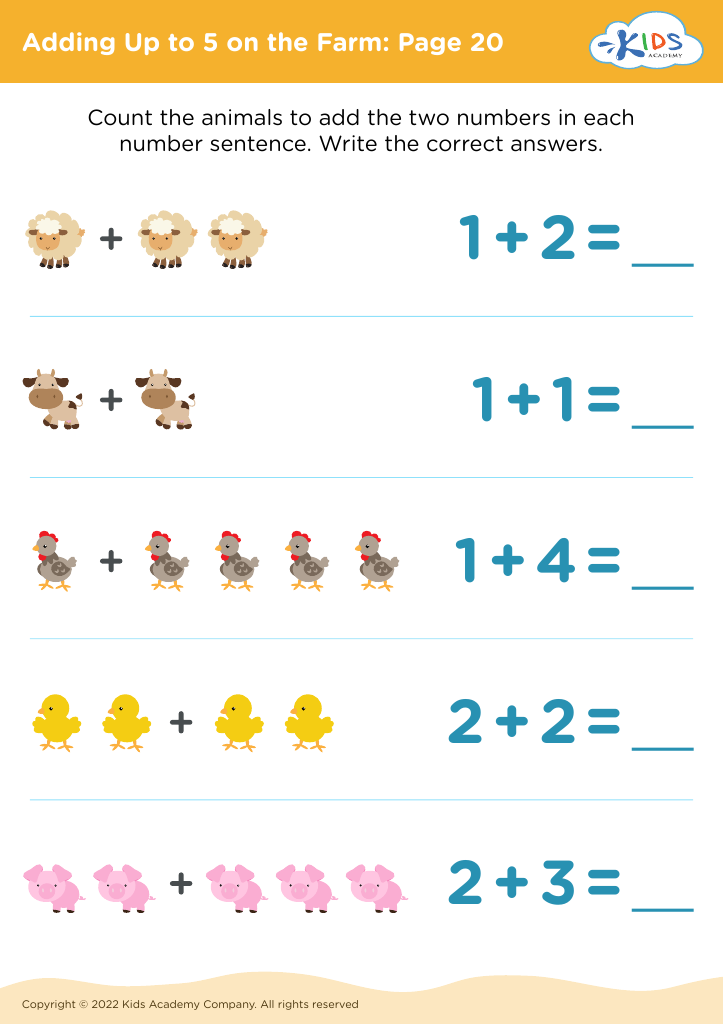
Adding Up to 5 on the Farm: Page 20
Worksheet
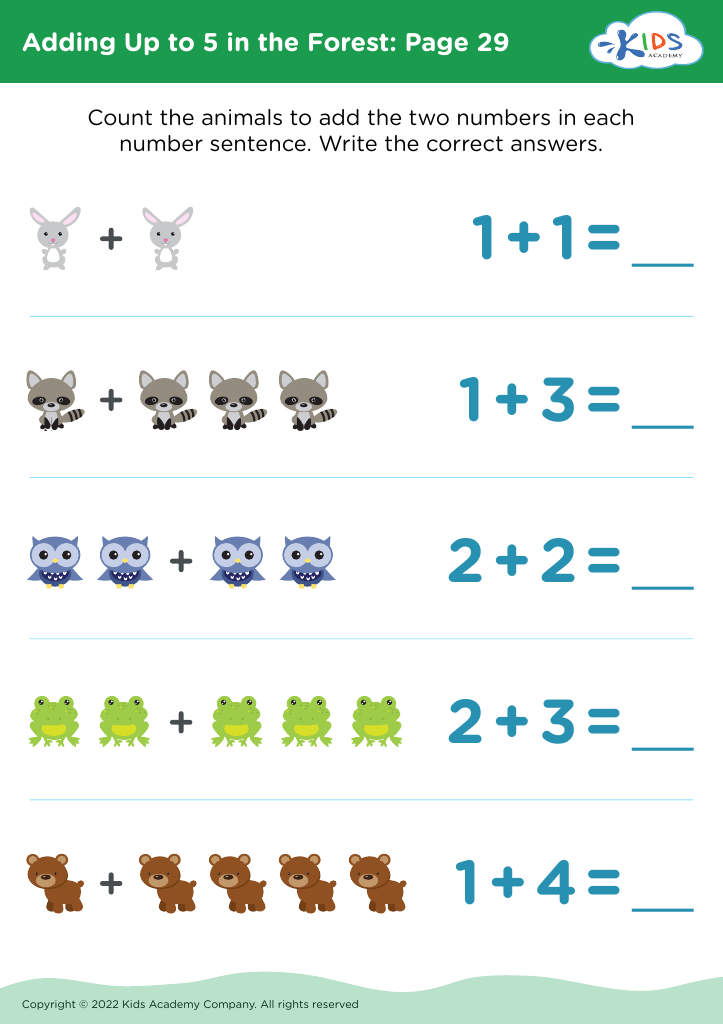
Adding Up to 5 in the Forest: Page 29
Worksheet
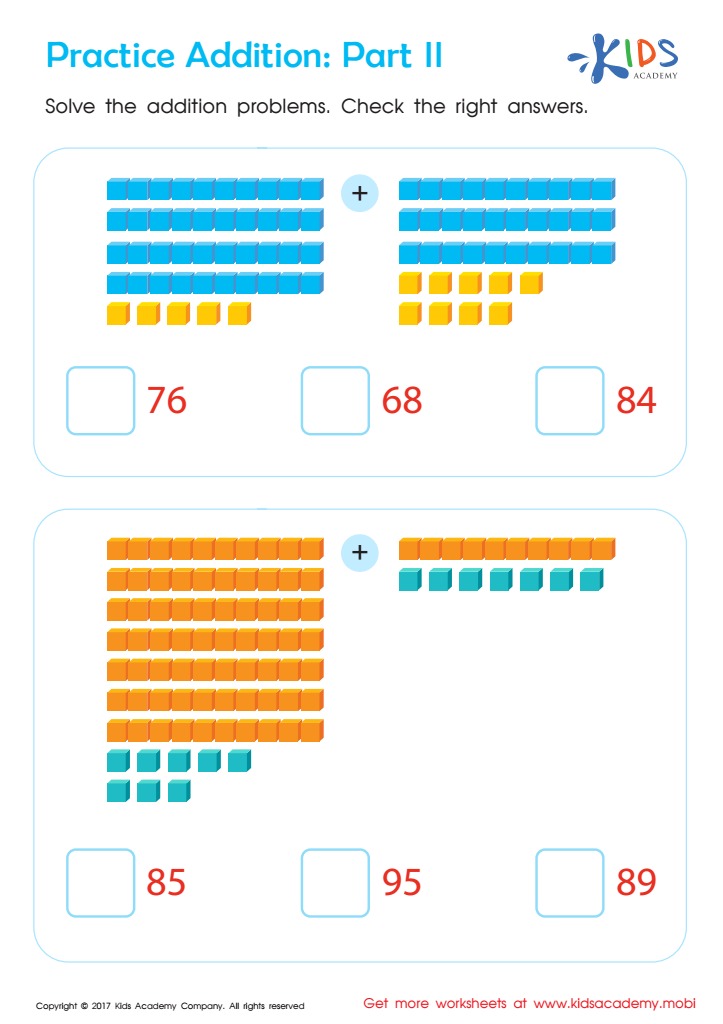
Practice Addition: Part 2 Worksheet
Practice Addition: Part 2 Worksheet
Try this printable worksheet to practice addition! It contains longer, tougher addition equations for 1st graders. Colorful blocks give kids the opportunity to visualize how big numbers are combined. Multiple choice answers help kids gain confidence in problem solving.
Practice Addition: Part 2 Worksheet
Worksheet
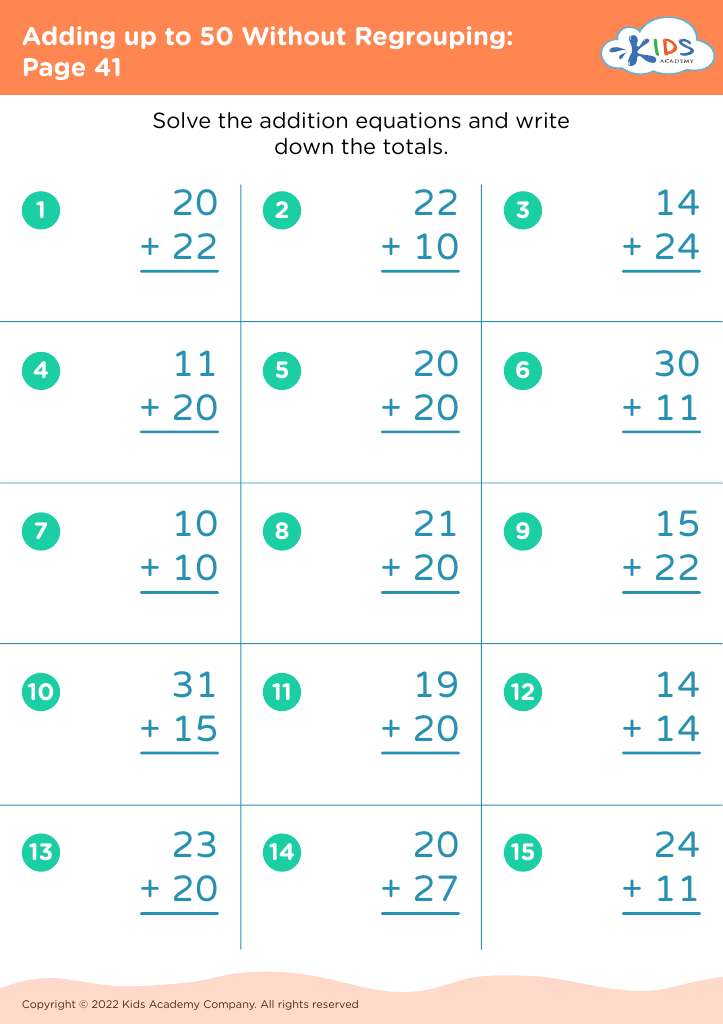
Adding up to 50 Without Regrouping: Page 41
Worksheet
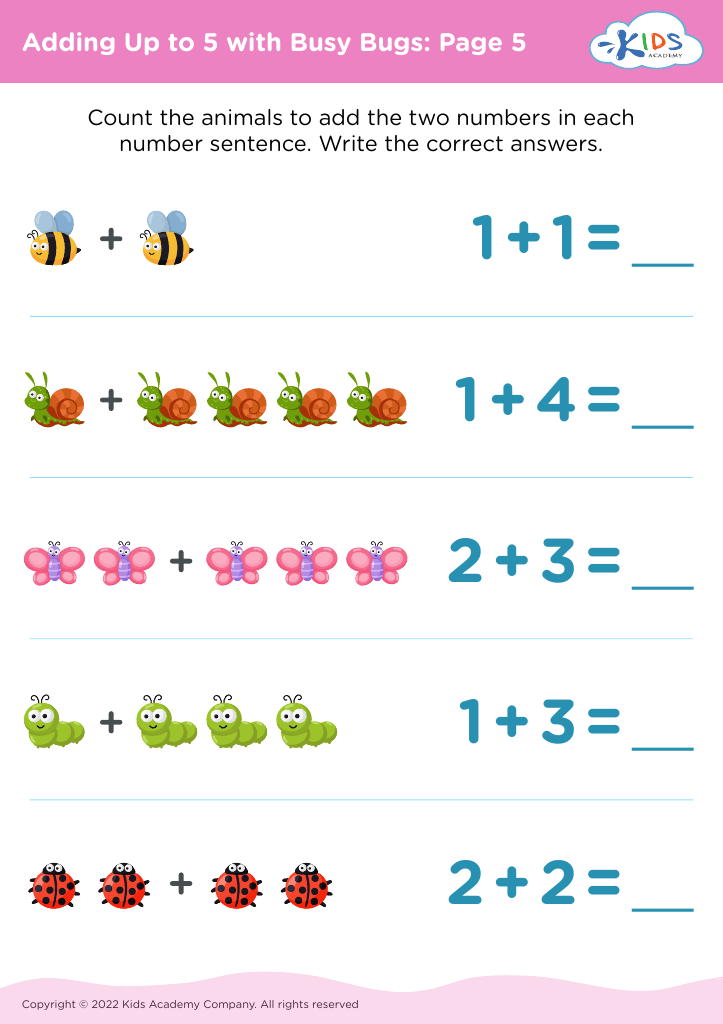
Adding Up to 5 with Busy Bugs: Page 5
Worksheet
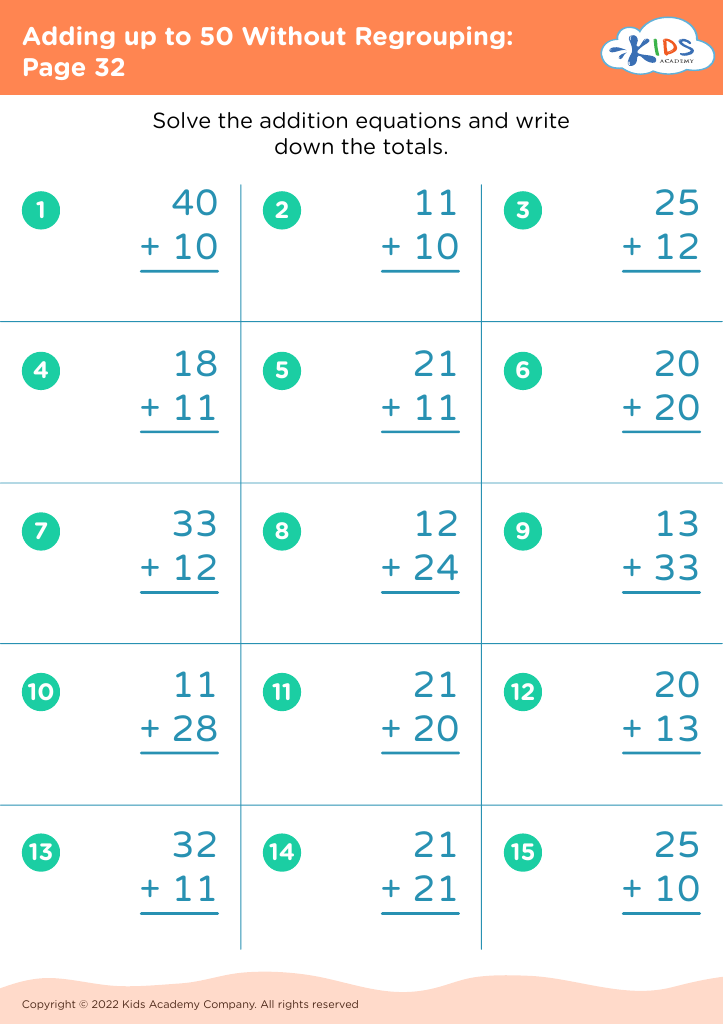
Adding up to 50 Without Regrouping: Page 32
Worksheet
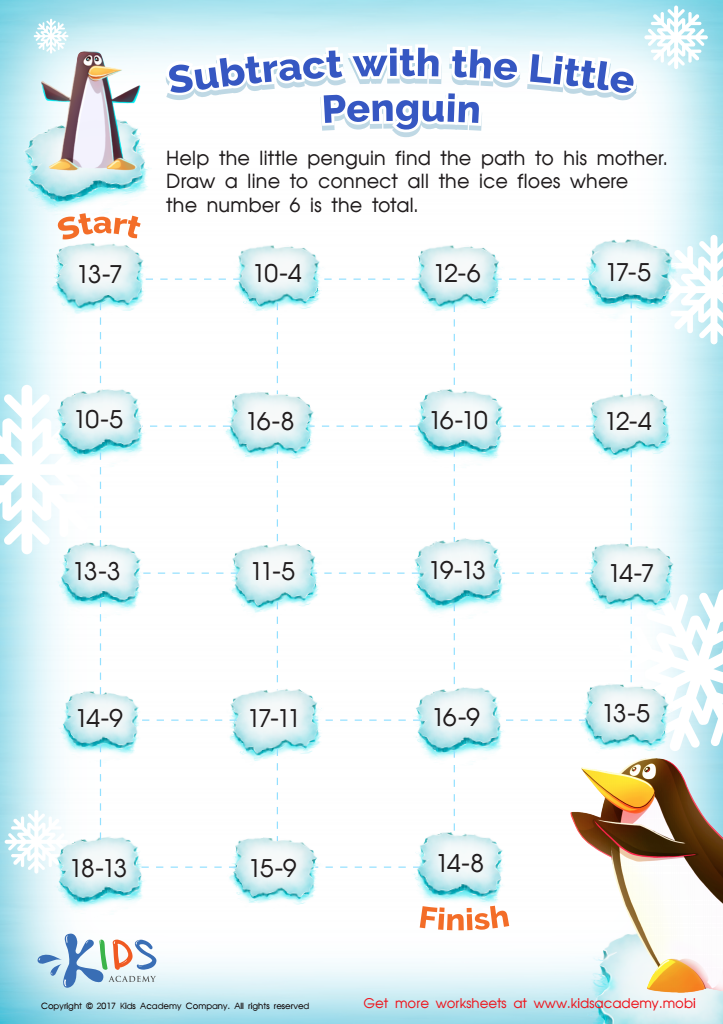
Subtraction puzzle worksheet

Subtract With The Little Penguin Substraction Worksheet
Uh oh! Little penguin needs help finding mommy! Delight your child with a fun subtraction puzzle. Complete each problem and guide little penguin home with this charming worksheet! Challenge and capture their hearts with this adorable game!
Subtract With The Little Penguin Substraction Worksheet
Worksheet
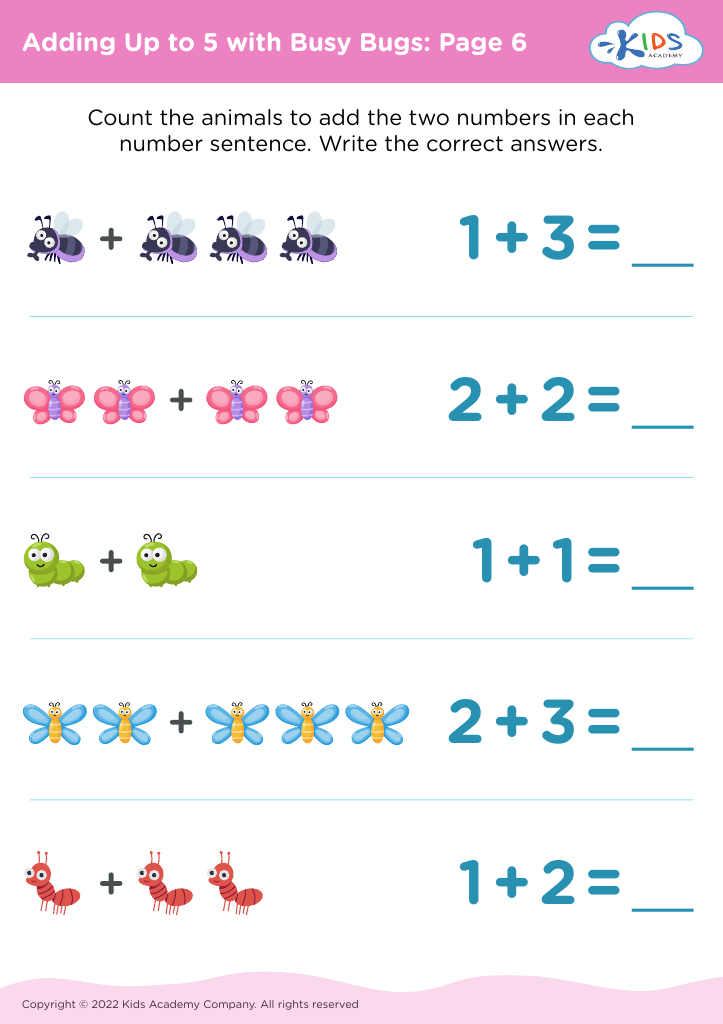
Adding Up to 5 with Busy Bugs: Page 6
Worksheet
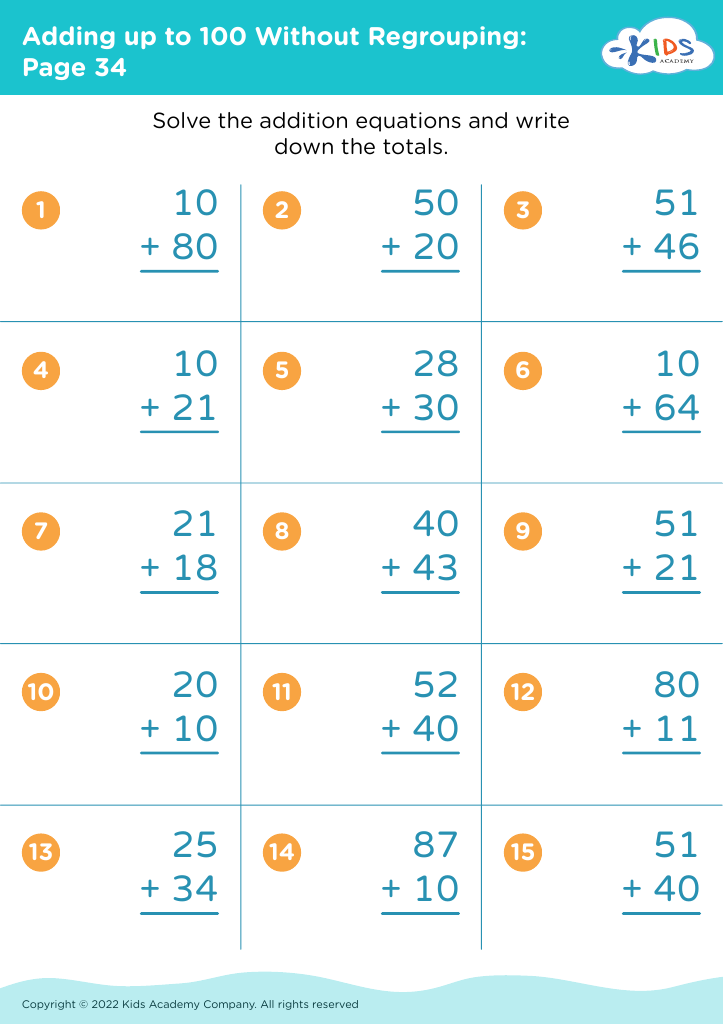
Adding up to 100 Without Regrouping: Page 34
Worksheet
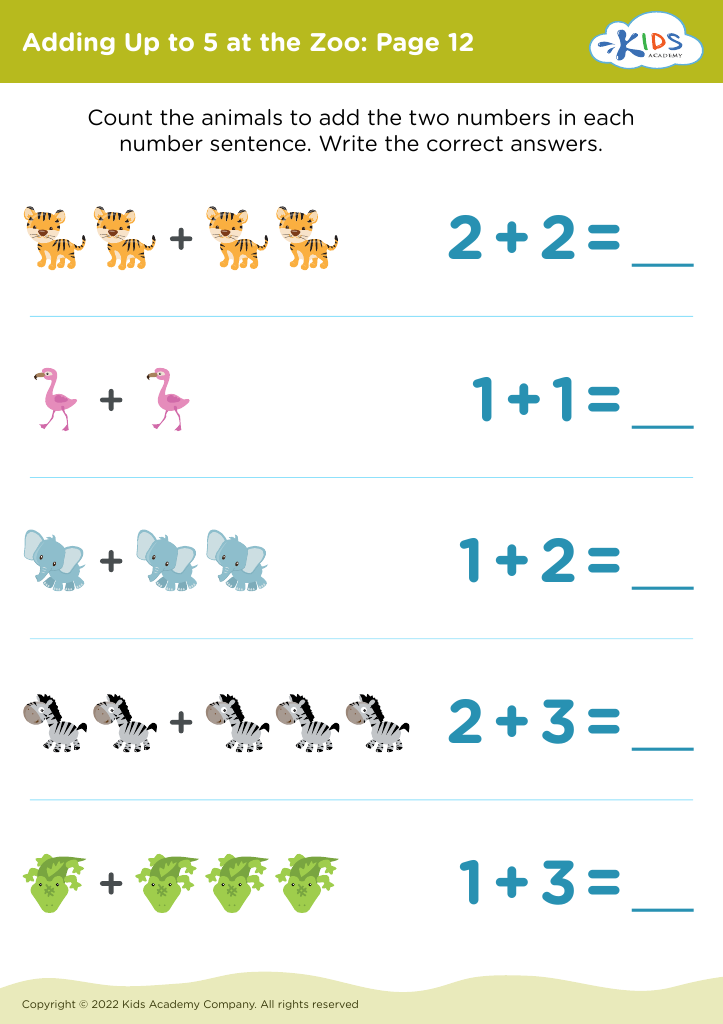
Adding Up to 5 at the Zoo: Page 12
Worksheet
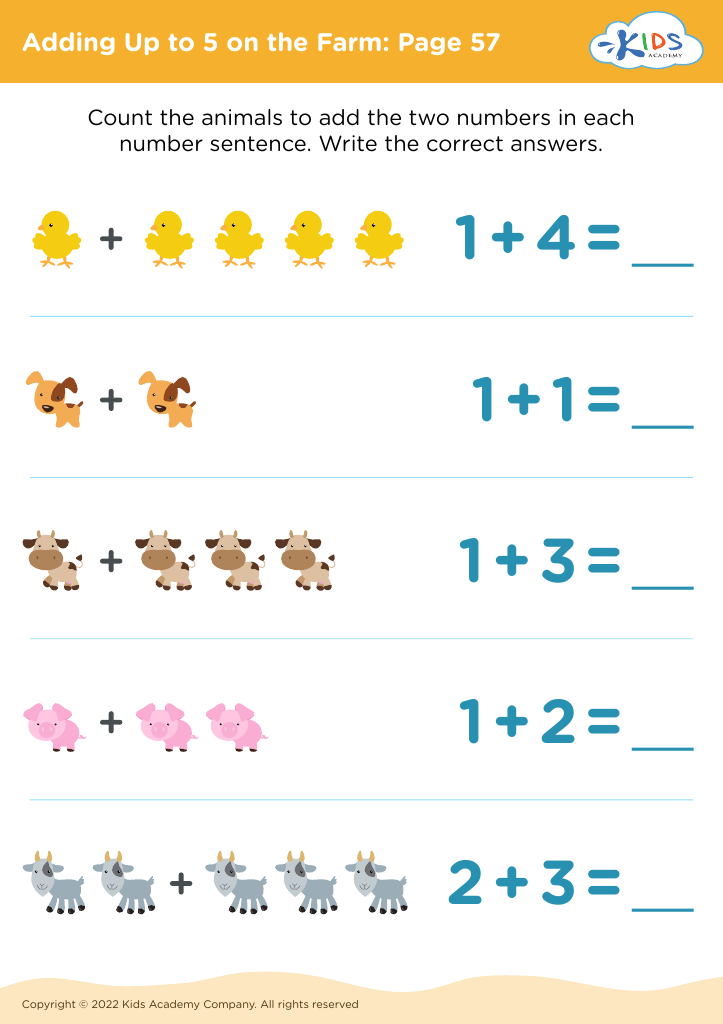
Adding Up to 5 on the Farm: Page 57
Worksheet
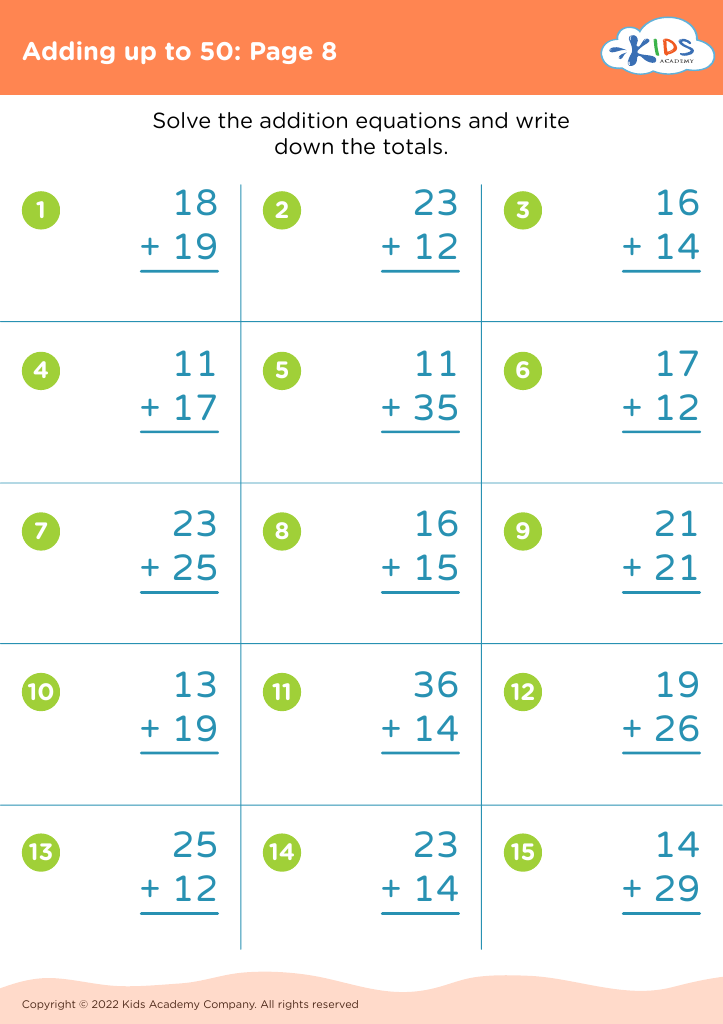
Adding up to 50: Page 8

Adding up to 50: Page 8

Adding up to 50: Page 8
Worksheet
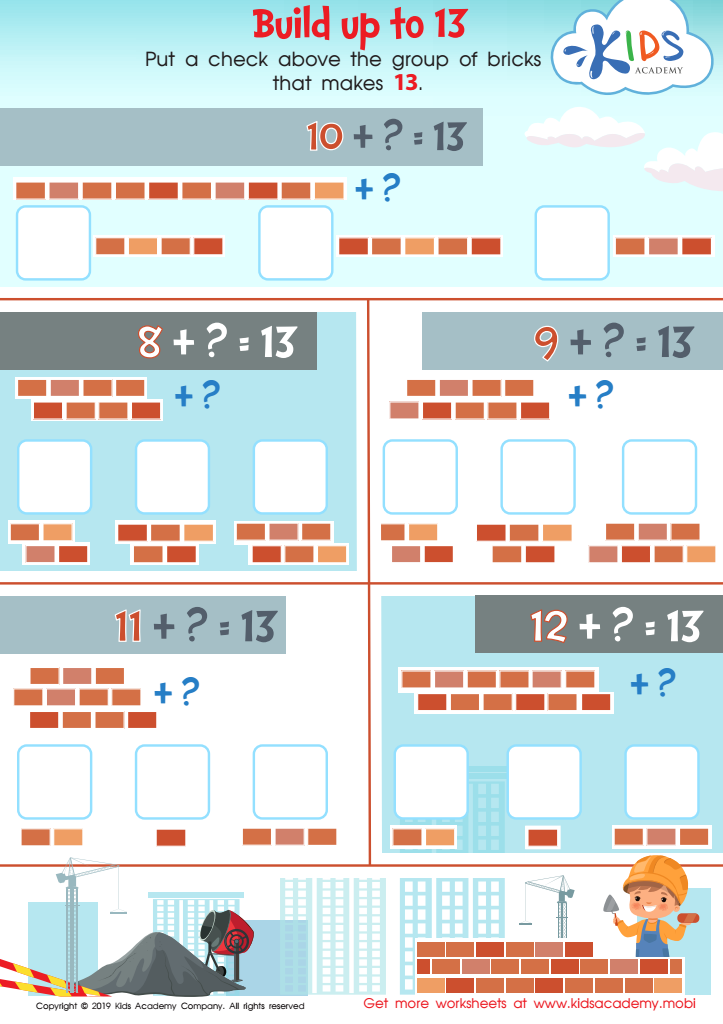
Build up to 13 Worksheet

Build up to 13 Worksheet

Help your kids master addition and subtraction with this worksheet! It'll help clear up any confusion they may have with adding different numbers. Have them add up the simple equations and mark the group of bricks that makes 13. It's a great way for them to get familiar with the basics.
Build up to 13 Worksheet

Worksheet
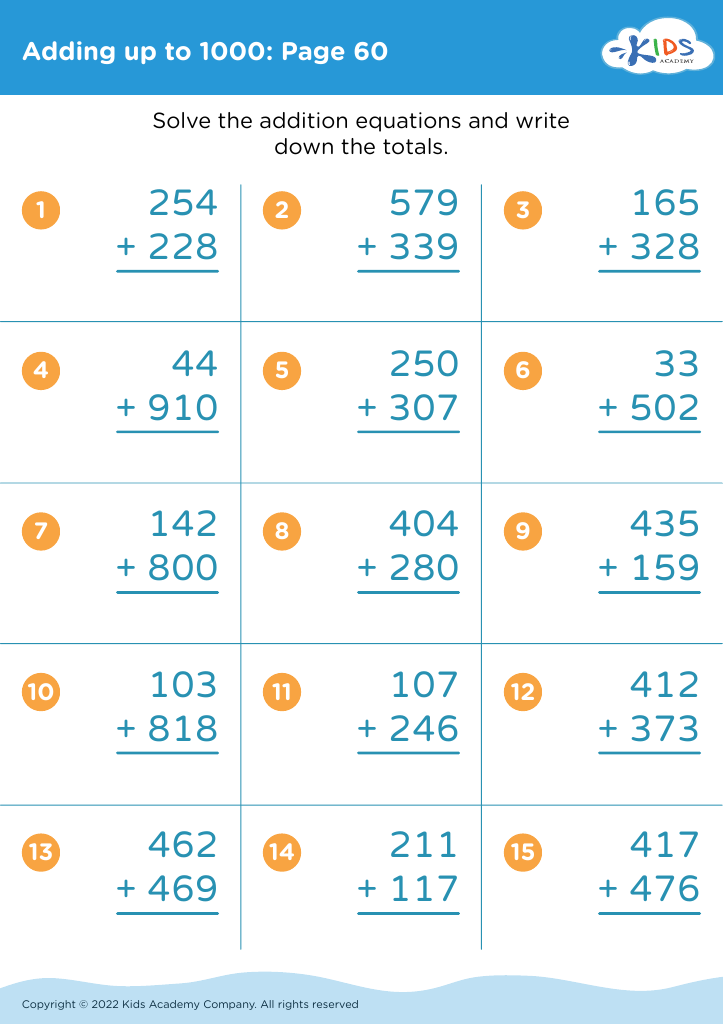
Adding up to 1000: Page 60

Adding up to 1000: Page 60

Adding up to 1000: Page 60
Worksheet


Understanding number recognition, addition, and subtraction by ages 5-8 is crucial for early childhood development, which sets the foundation for later success in mathematics and everyday problem-solving. This period is often referred to as a critical window for cognitive development, where children’s brains are highly receptive to learning basic concepts that will be continuously built upon.

Number recognition helps children make sense of the world around them by allowing them to identify and understand the meaning of numbers, which is a fundamental proficiency for more advanced mathematical operations. When children start recognizing numbers, they can begin counting, sequencing, and comprehending the relationship between numbers, which is the bedrock of their arithmetic skills.

Addition and subtraction, or basic arithmetic operations, introduce young children to the concept of combining and separating, which are critical life skills. These early math experiences improve their logical thinking and problem-solving abilities. When these competencies are developed at an early age, children are more likely to find mathematics engaging and rewarding, rather than intimidating.

Parents and teachers play a vital role by providing positive and supportive learning environments, engaging activities, and manipulative tools such as blocks or counters to make abstract concepts tangible. Prioritizing these early math skills fosters confidence, keen interest, and long-term achievement in mathematics and other related disciplines.