Shape Recognition Addition & Subtraction Worksheets for Ages 5-8 - Page 2
34 filtered results
-
From - To
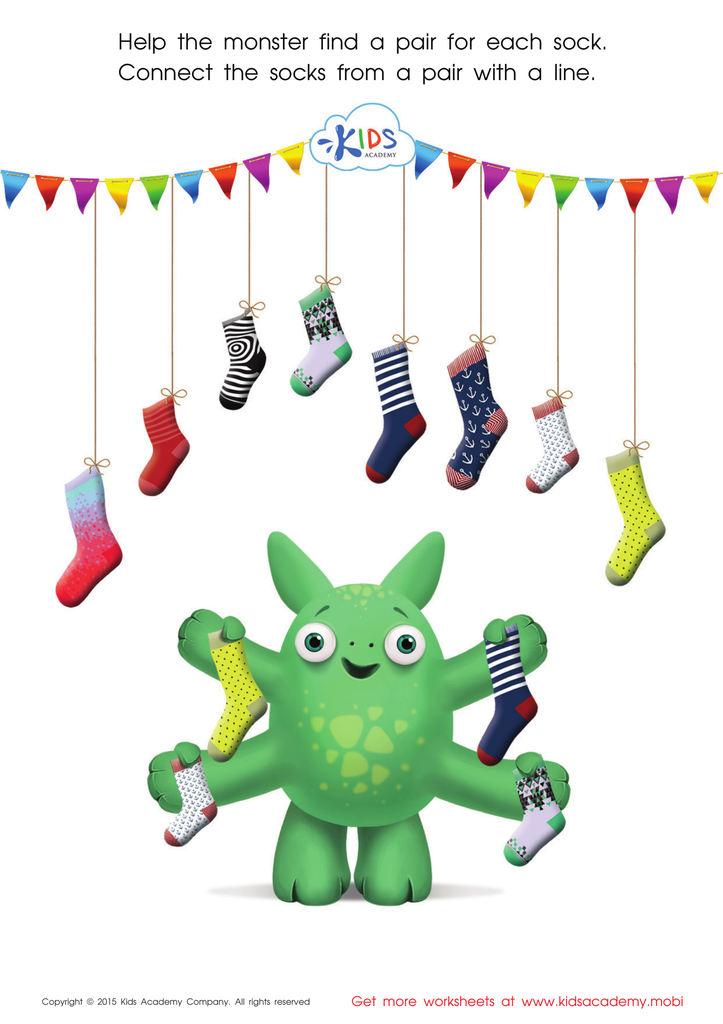
Math Matching Pairs Game: Monsterв's Socks Worksheet
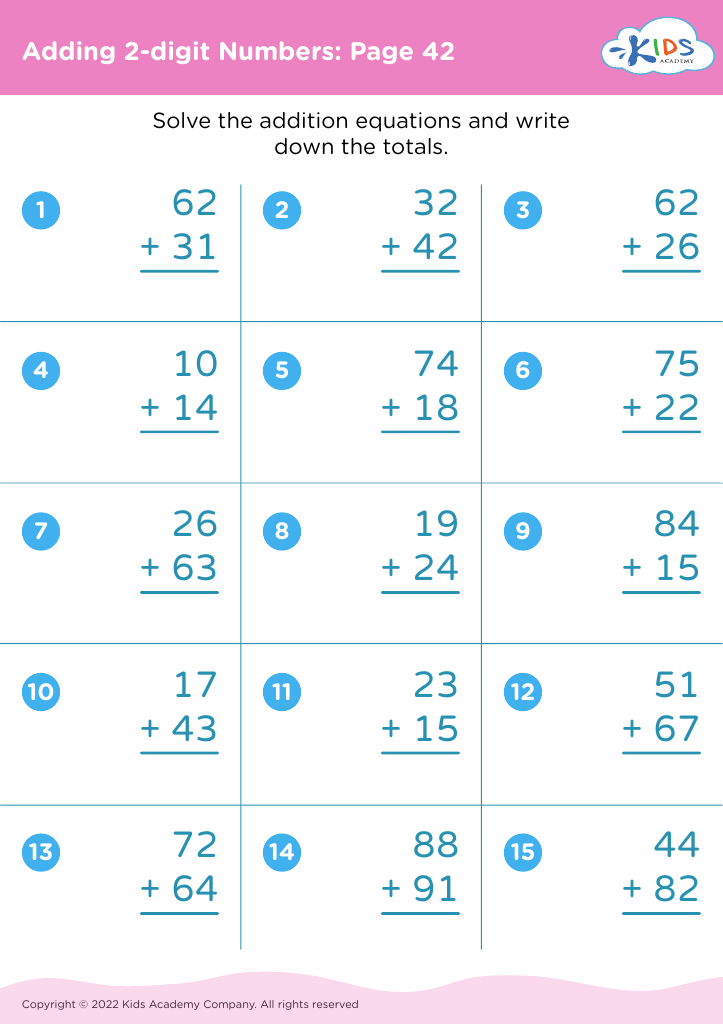
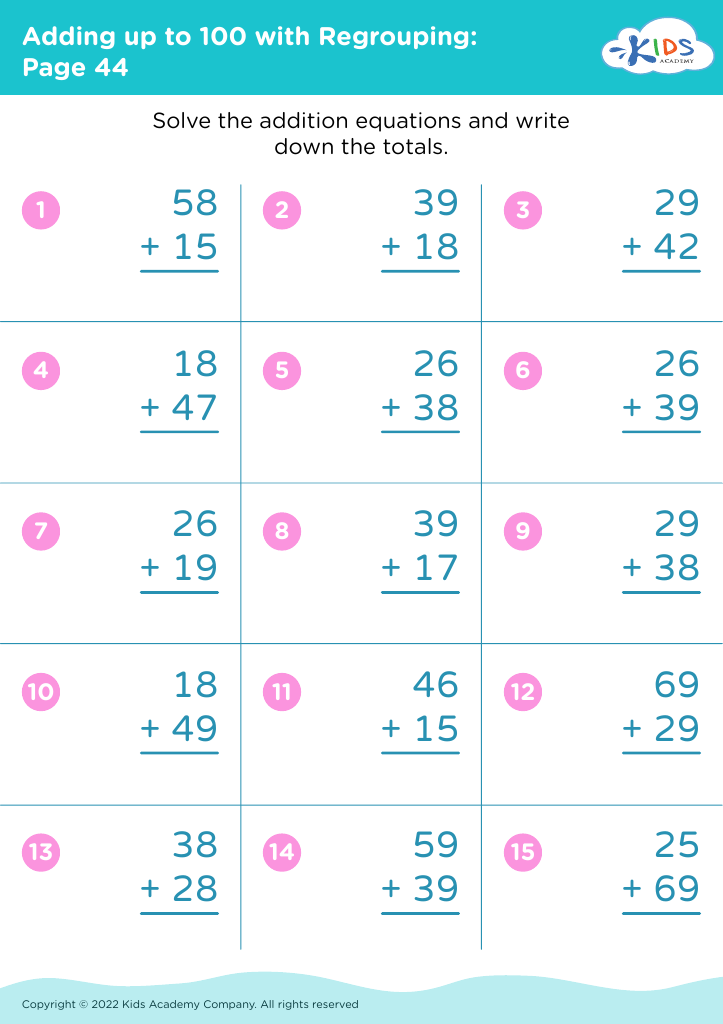








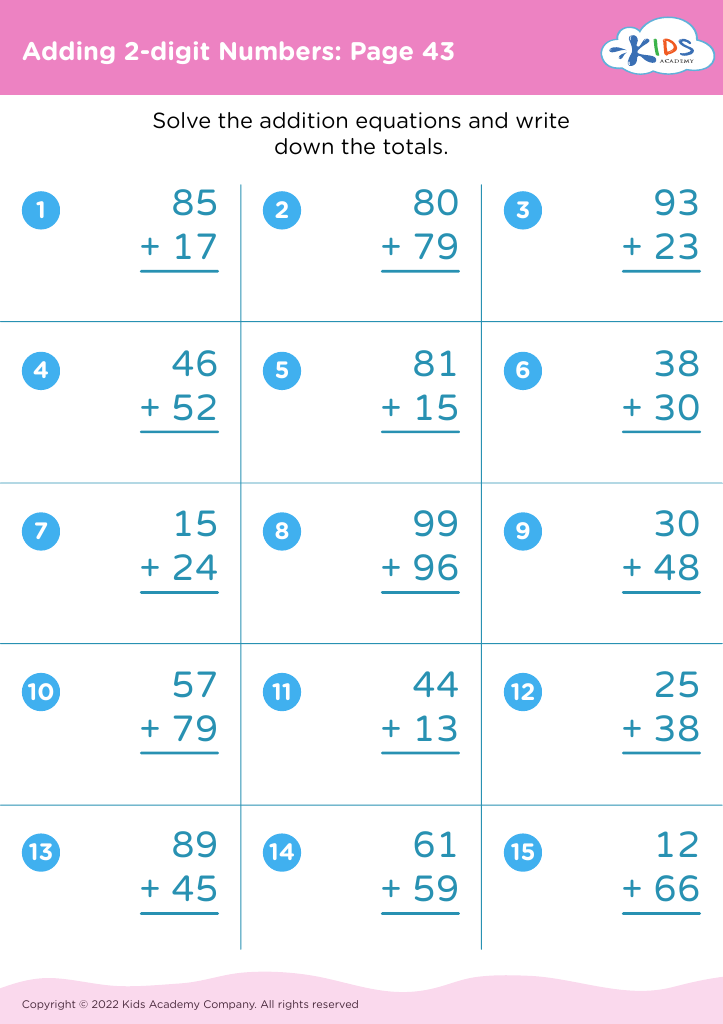
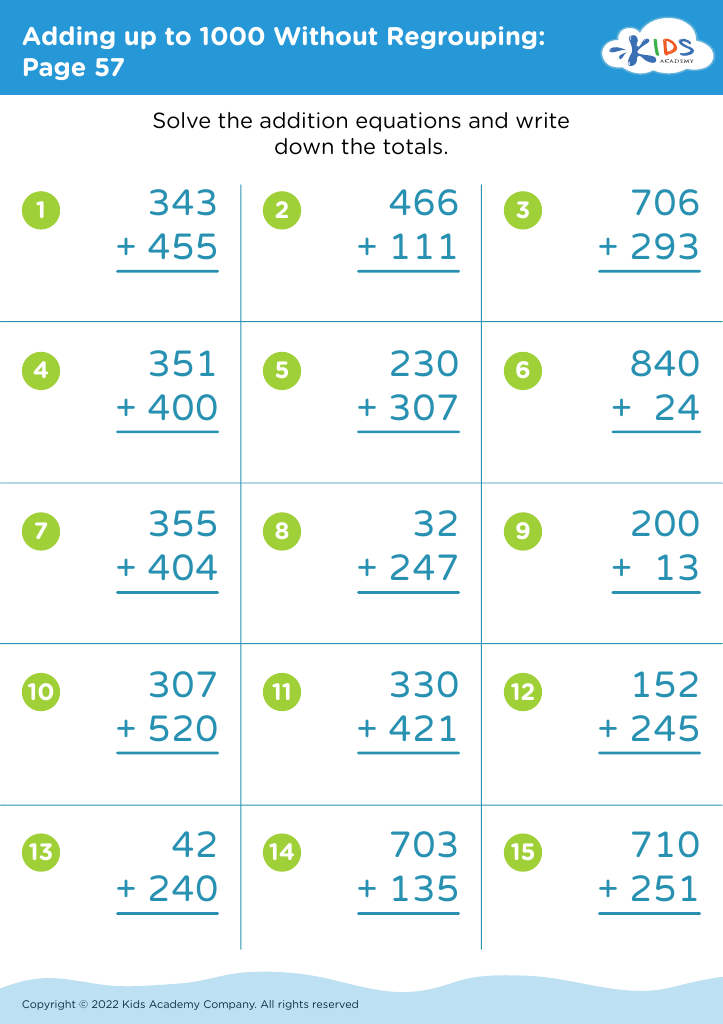
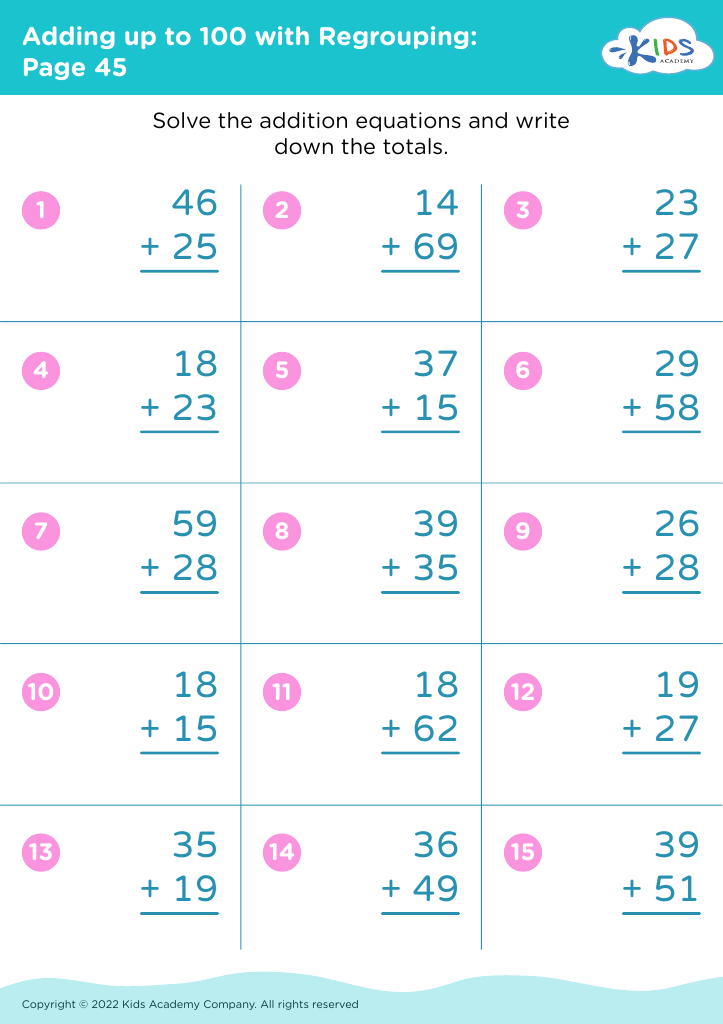
Shape recognition, addition, and subtraction are foundational skills for children aged 5-8 that foster cognitive development and mathematical understanding. Early exposure to these concepts helps children develop critical thinking and problem-solving abilities. Recognizing shapes enables children to categorize objects, understand spatial relationships, and build a strong visual foundation that connects directly to geometry.
Addition and subtraction are essential mathematical operations that children need for everyday life. By incorporating shape recognition with these arithmetic skills, educators and parents can create engaging learning experiences. For instance, using shapes such as circles or triangles to introduce addition or subtraction can make the concepts more relatable and enjoyable. Integrating visual elements supports various learning styles and enhances memory retention.
Additionally, mastering these skills in early childhood prepares children for more complex mathematical concepts in the future. These foundational skills not only bolster their academic performance but also build confidence in their abilities. Engaging activities such as games, puzzles, and hands-on learning with shapes can transform mathematics from a daunting subject into a fun and interactive experience. Ultimately, understanding shape recognition alongside addition and subtraction lays the groundwork for a lifetime of learning in mathematics and beyond, making it vital for both parents and teachers to emphasize these skills.








