Welcome to our "Simplifying Fractions Addition & Subtraction Worksheets" tailored for children ages 5-8! Our engaging and interactive worksheets are designed to help young learners develop essential fraction skills, making math both fun and accessible. By practicing addition and subtraction with fractions, children will build a strong foundation in critical thinking and problem-solving. Our clear instructions and vibrant illustrations ensure that each activity fosters understanding and confidence in math. Kids will enjoy exploring fractions in a creative way, helping them excel in early mathematics. Perfect for teachers and parents, these worksheets make learning fractions enjoyable and easy!
Check out this FREE Trial Lesson on Addition & Subtraction for age 5-8!

Sorting Objects into 3 Categories

Favorites
With answer key
Interactive
  • 5-8
  • Simplifying Fractions
  • Addition & Subtraction
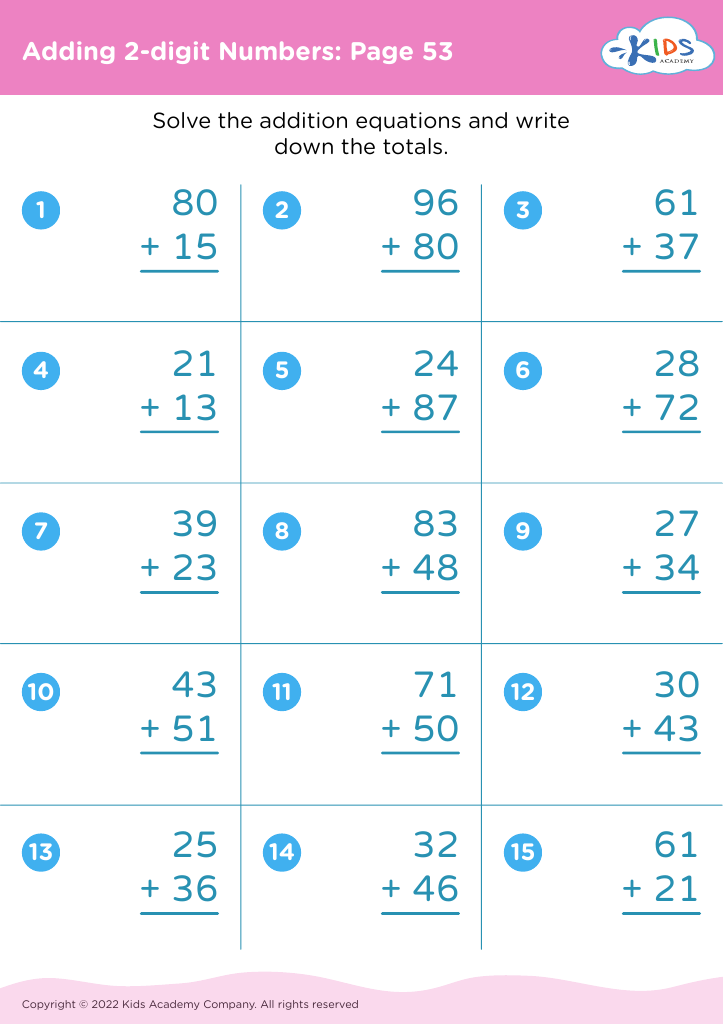
Adding 2-digit Numbers: Page 53

Adding 2-digit Numbers: Page 53

Adding 2-digit Numbers: Page 53
Worksheet
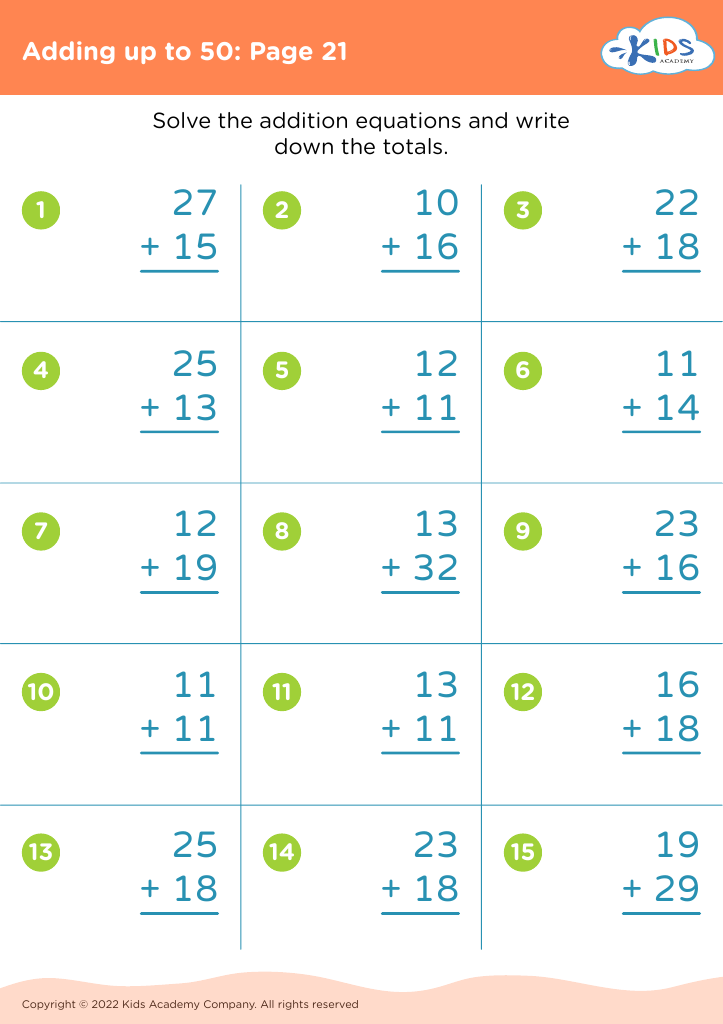
Adding up to 50: Page 21

Adding up to 50: Page 21

Adding up to 50: Page 21
Worksheet
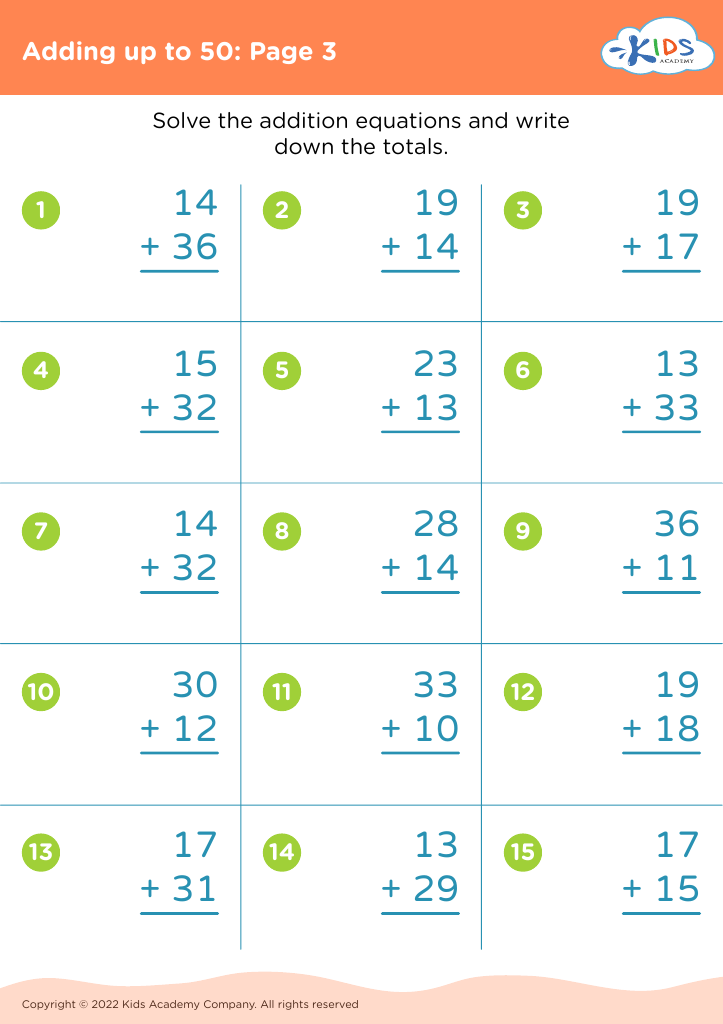
Adding up to 50: Page 3

Adding up to 50: Page 3

Adding up to 50: Page 3
Worksheet
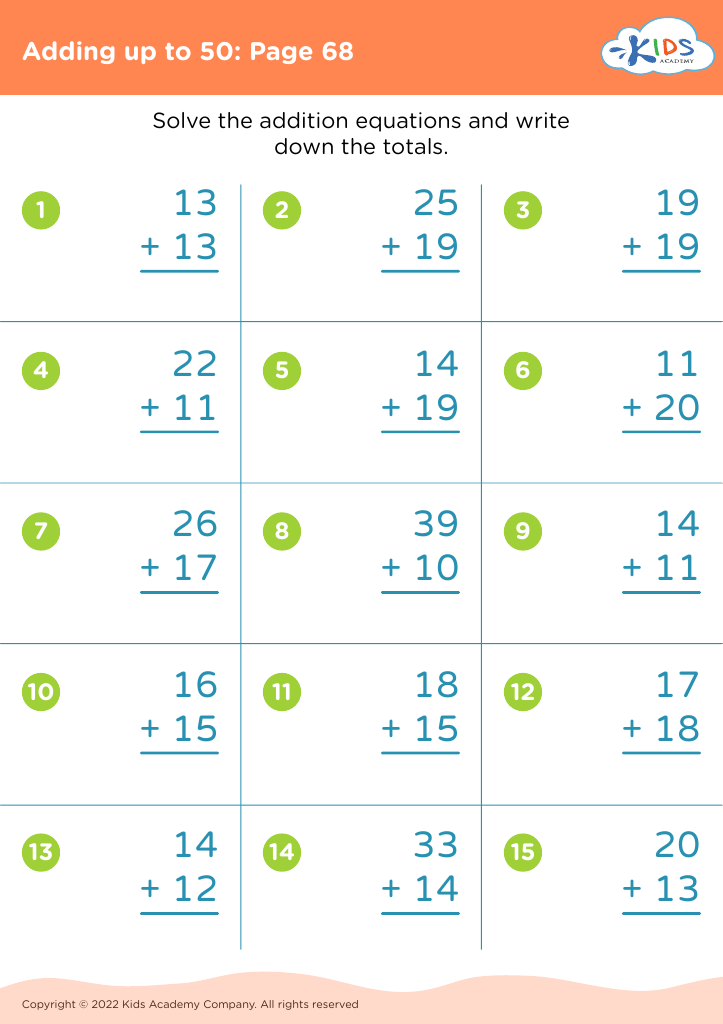
Adding up to 50: Page 68

Adding up to 50: Page 68

Adding up to 50: Page 68
Worksheet
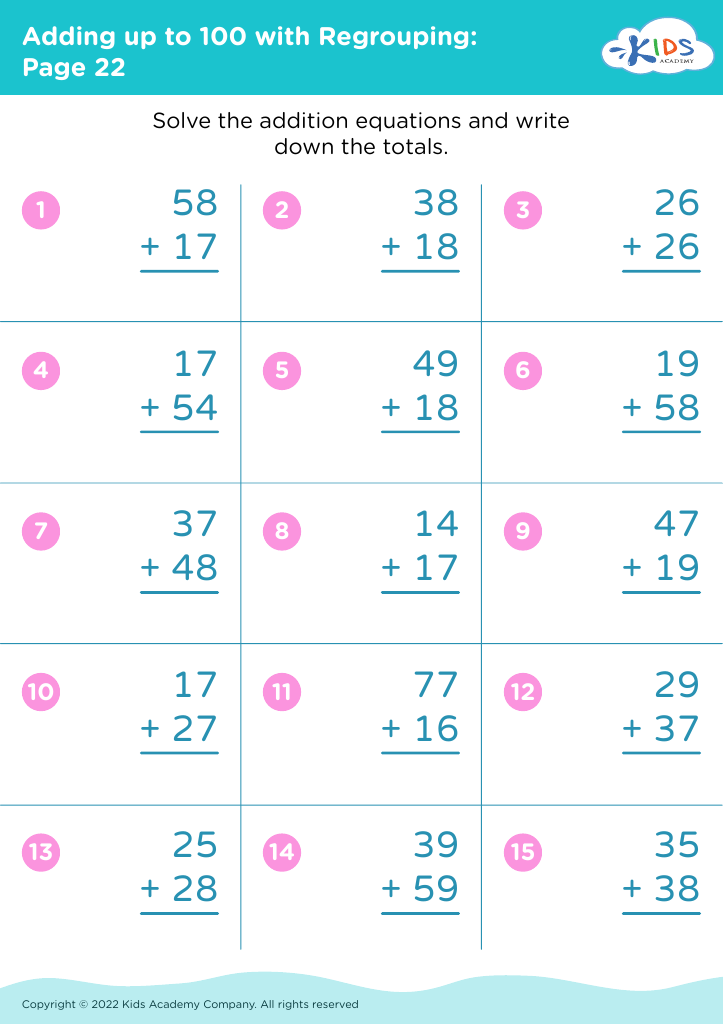
Adding up to 100 with Regrouping: Page 22
Worksheet
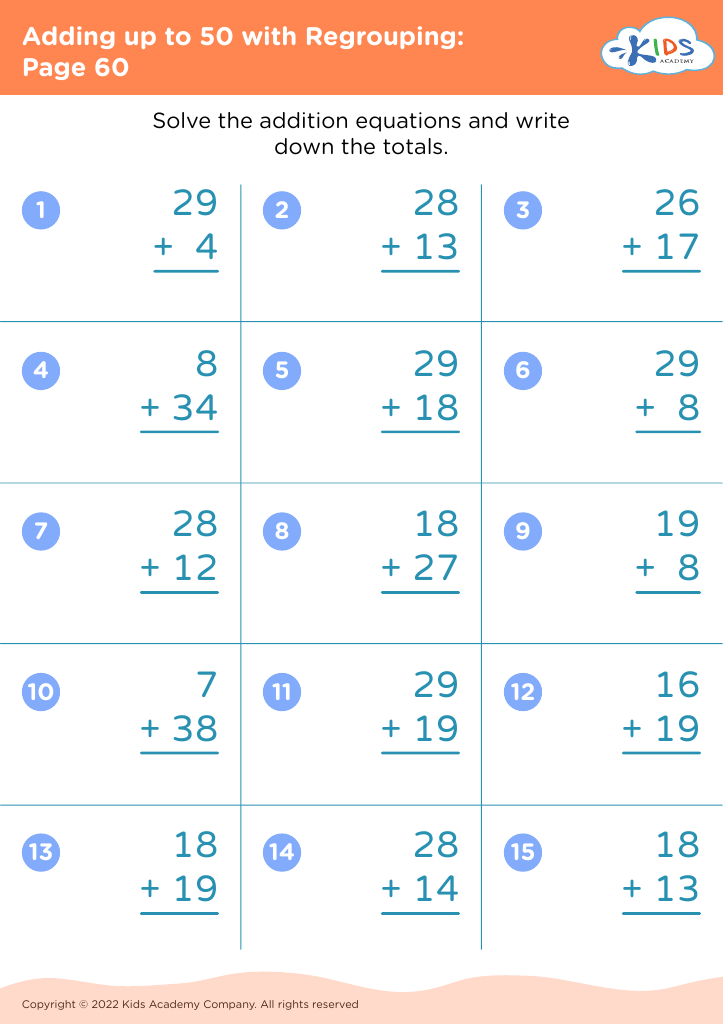
Adding up to 50 with Regrouping: Page 60
Worksheet
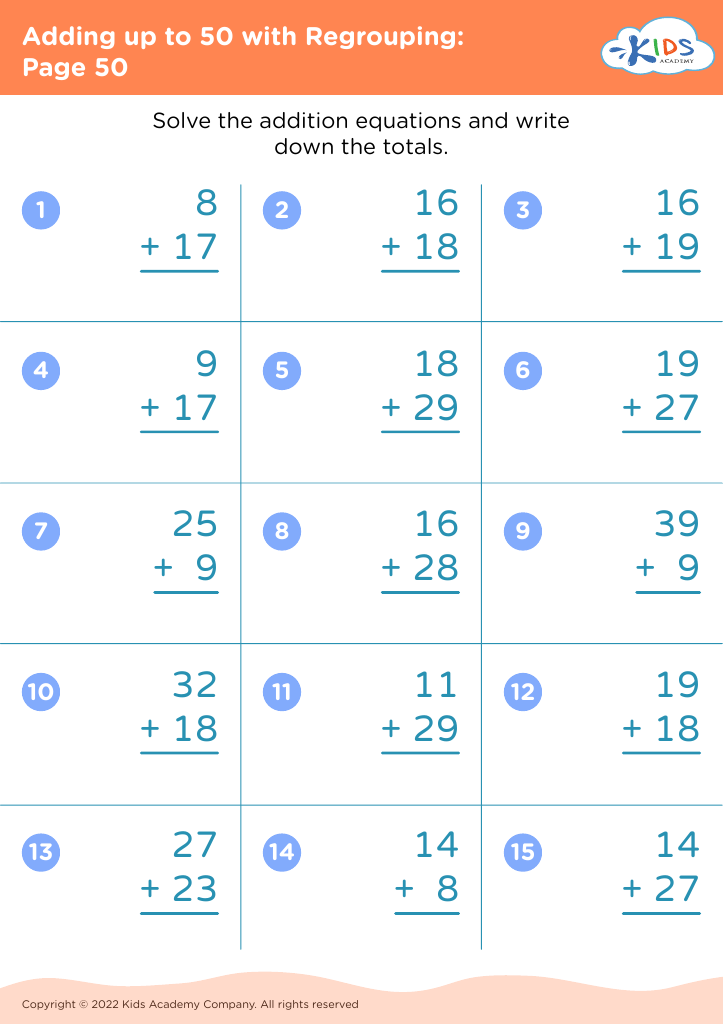
Adding up to 50 with Regrouping: Page 50
Worksheet
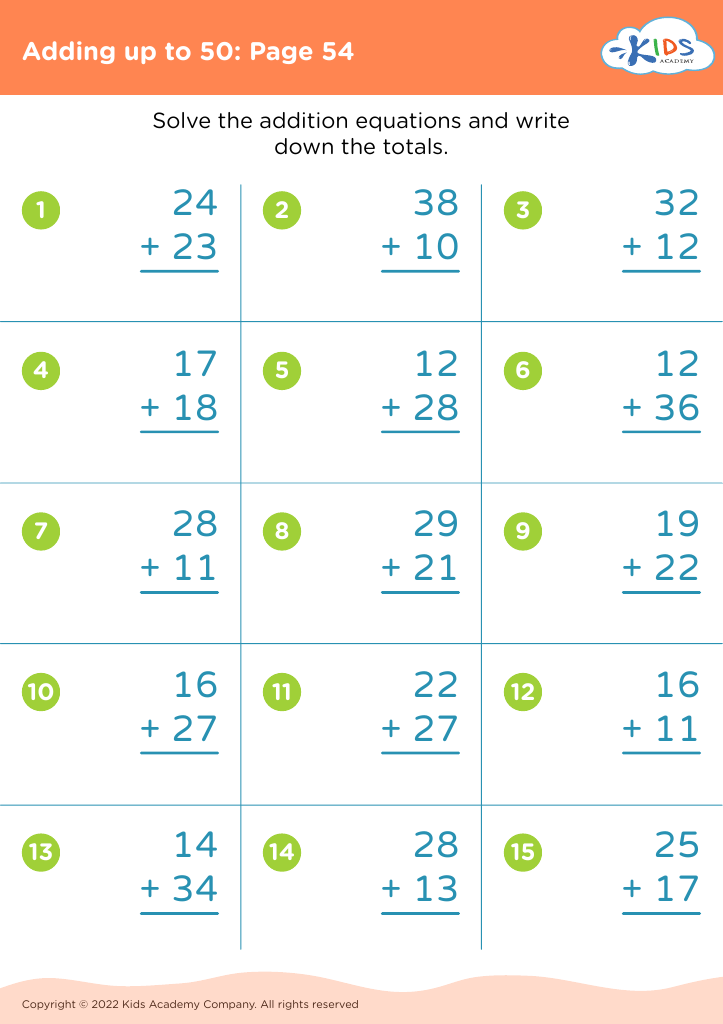
Adding up to 50: Page 54

Adding up to 50: Page 54

Adding up to 50: Page 54
Worksheet
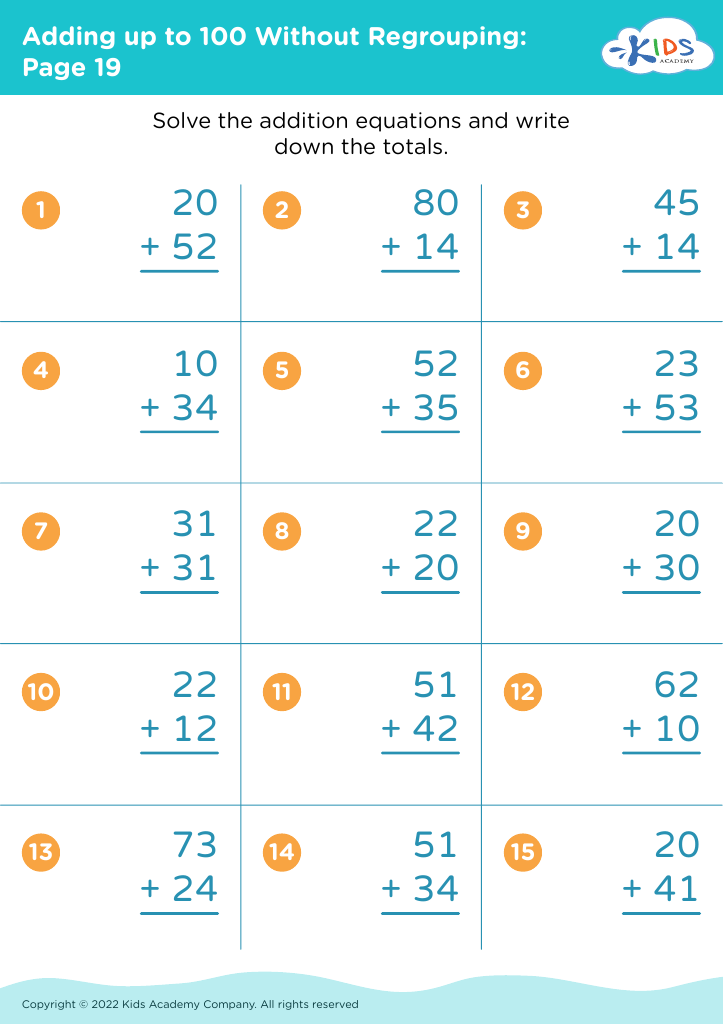
Adding up to 100 Without Regrouping: Page 19
Worksheet
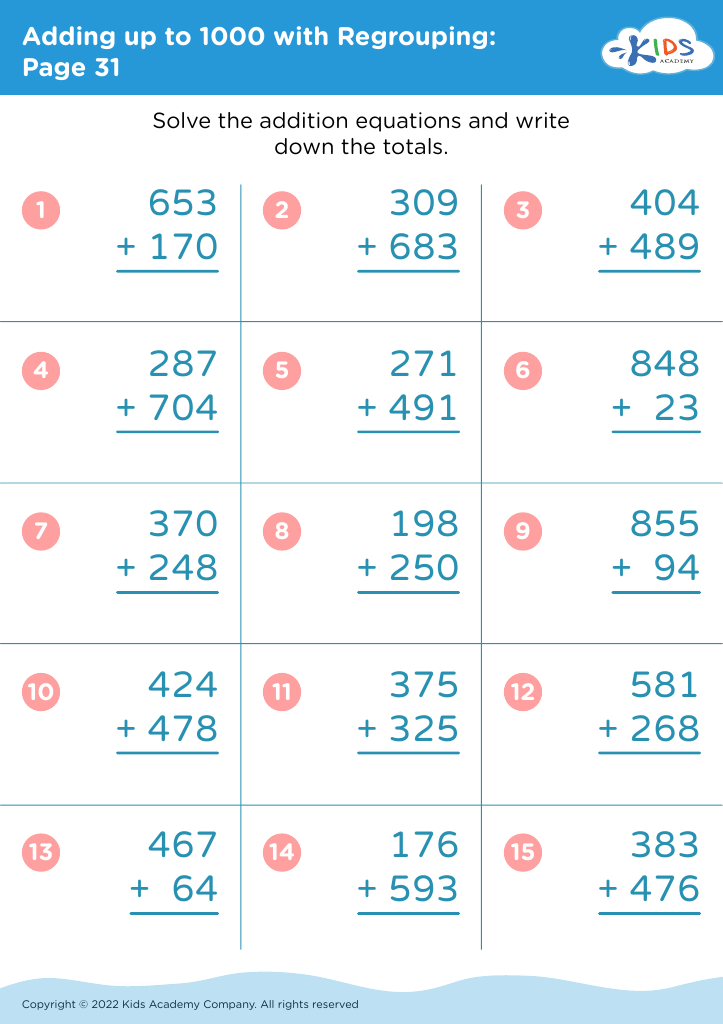
Adding up to 1000 with Regrouping: Page 31
Worksheet
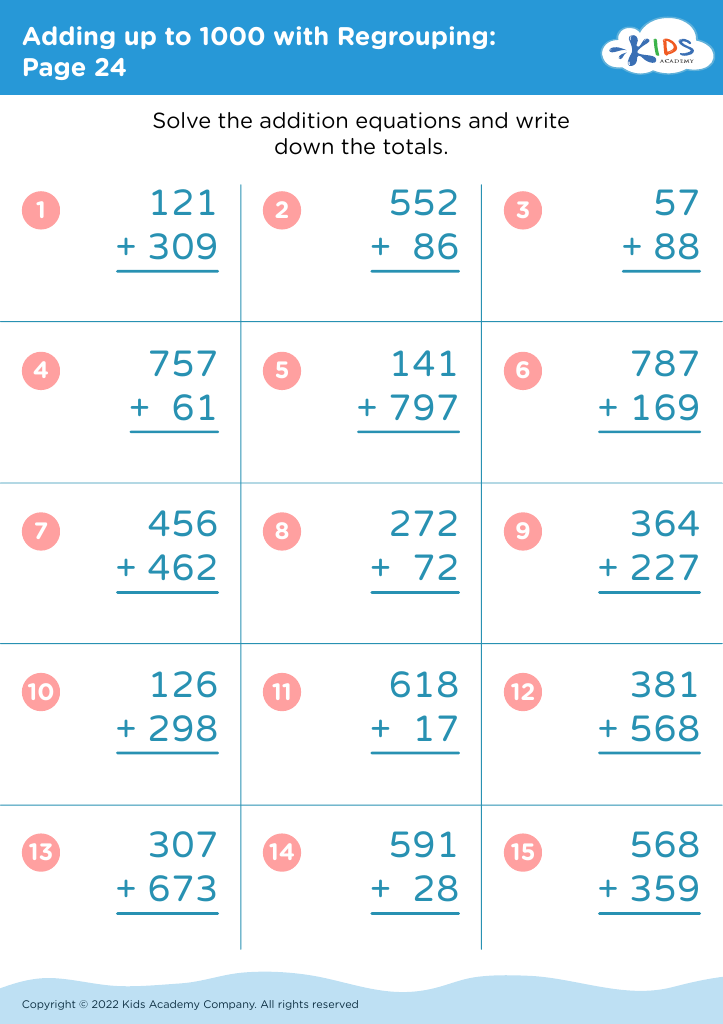
Adding up to 1000 with Regrouping: Page 24
Worksheet
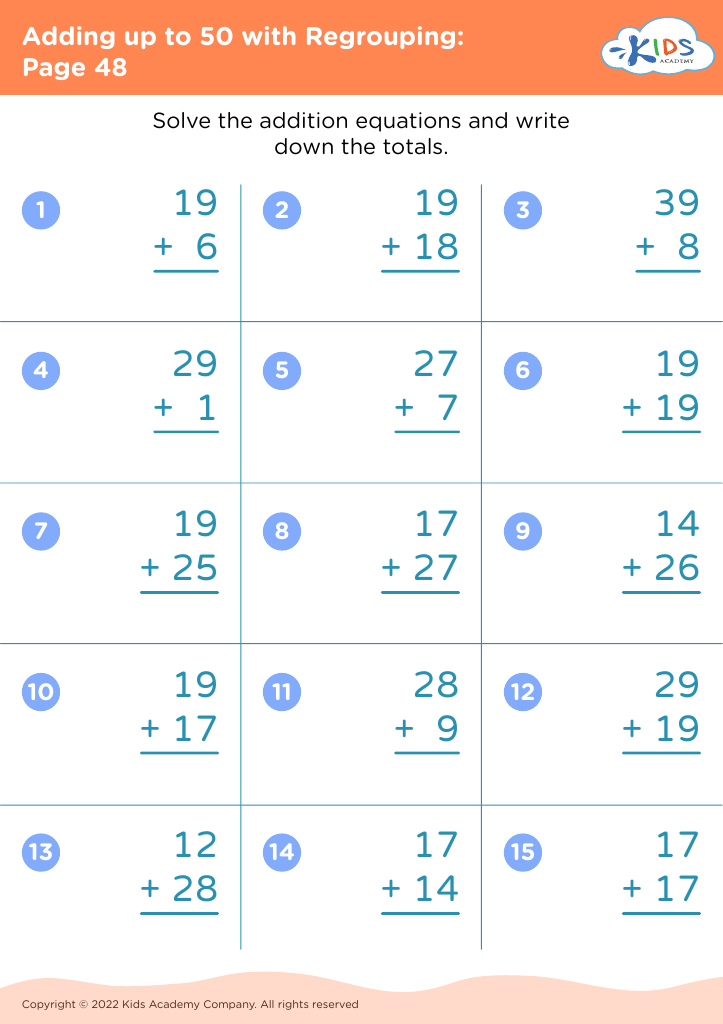
Adding up to 50 with Regrouping: Page 48
Worksheet
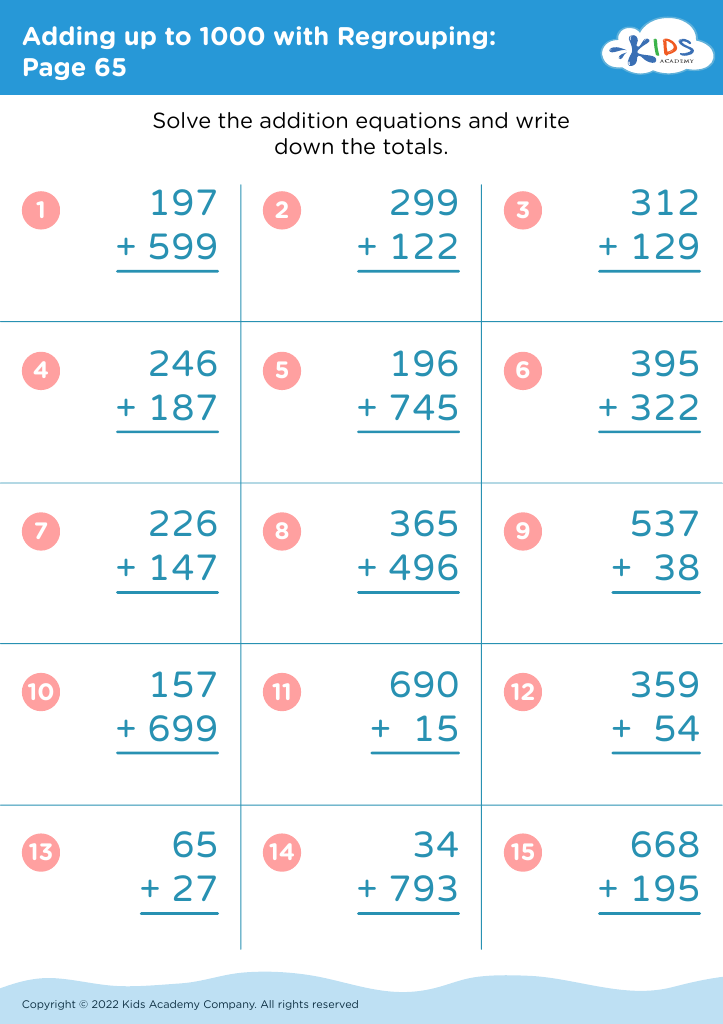
Adding up to 1000 with Regrouping: Page 65
Worksheet
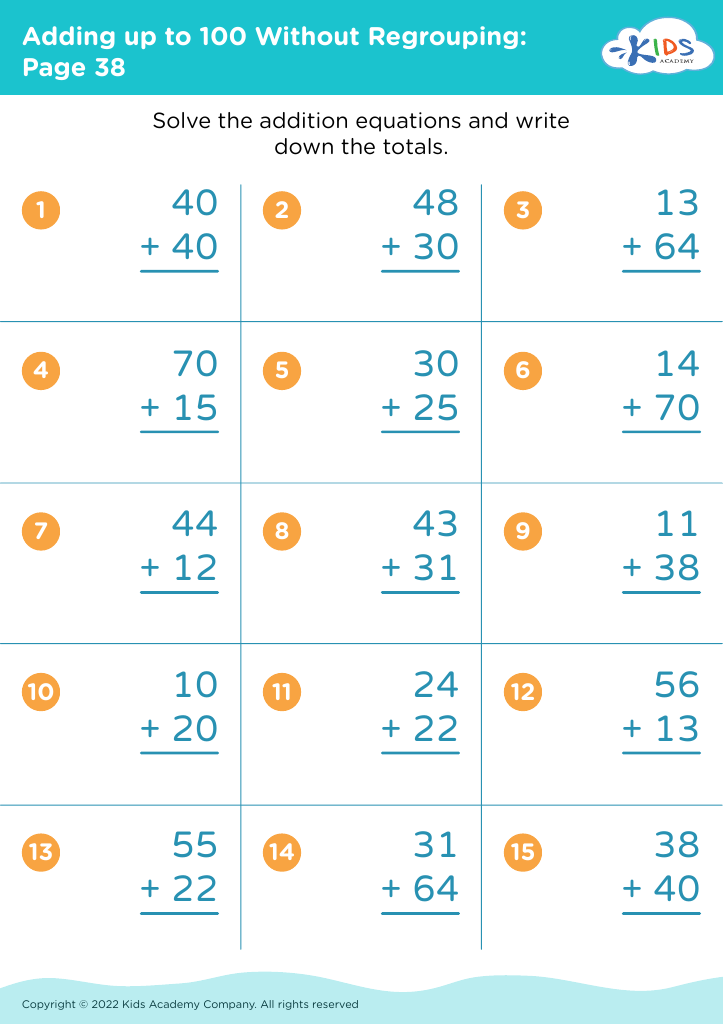
Adding up to 100 Without Regrouping: Page 38
Worksheet
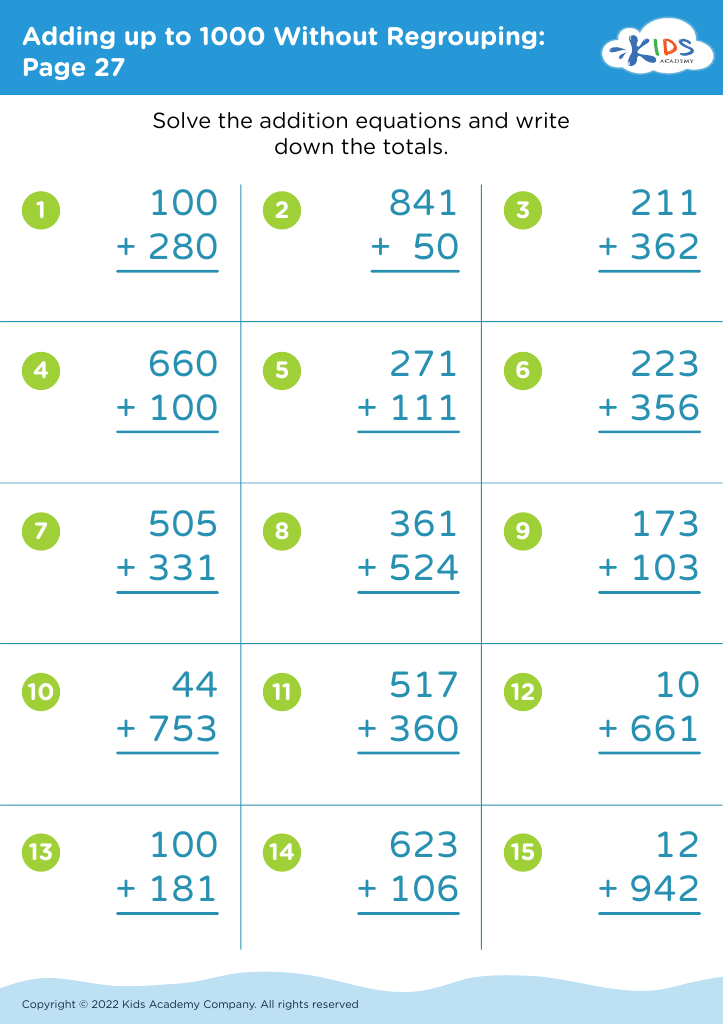
Adding up to 1000 Without Regrouping: Page 27
Worksheet
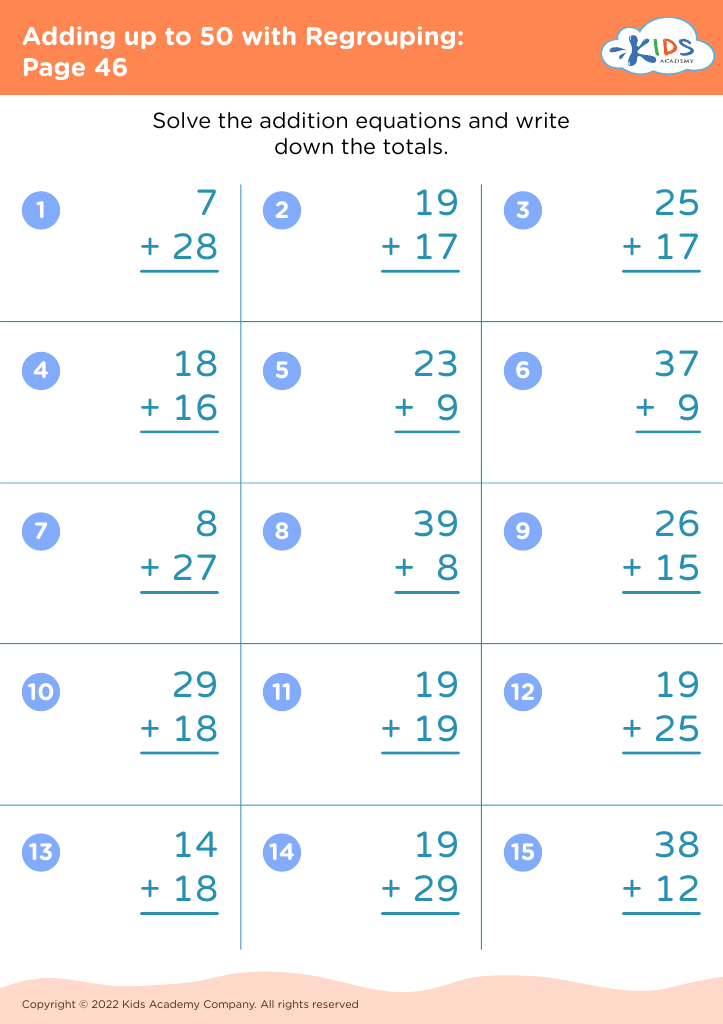
Adding up to 50 with Regrouping: Page 46
Worksheet
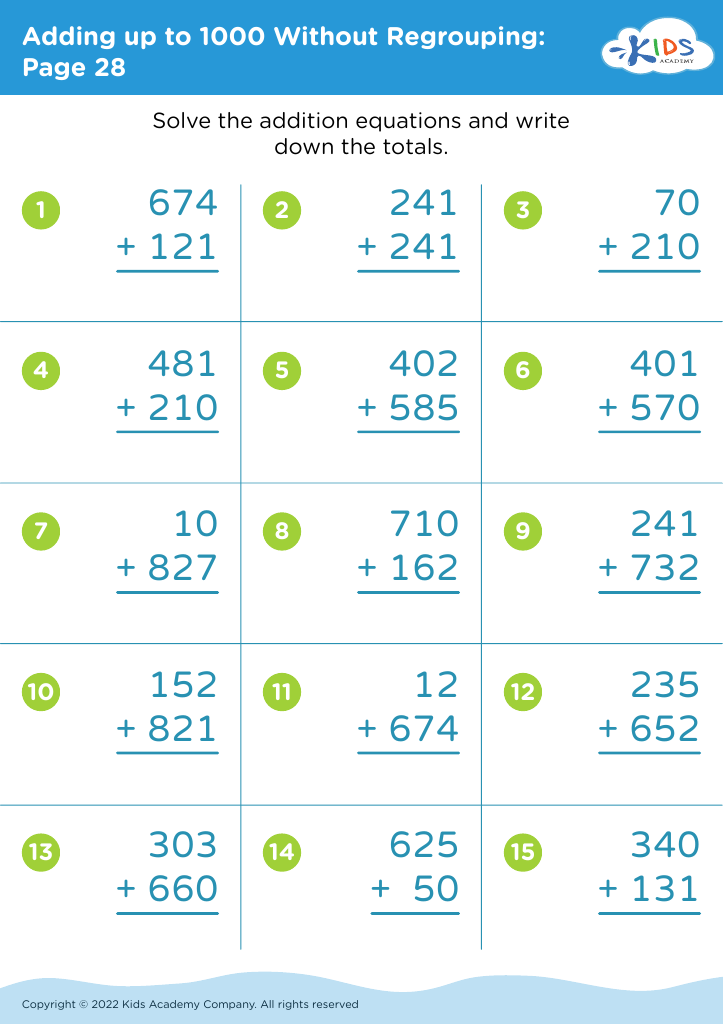
Adding up to 1000 Without Regrouping: Page 28
Worksheet
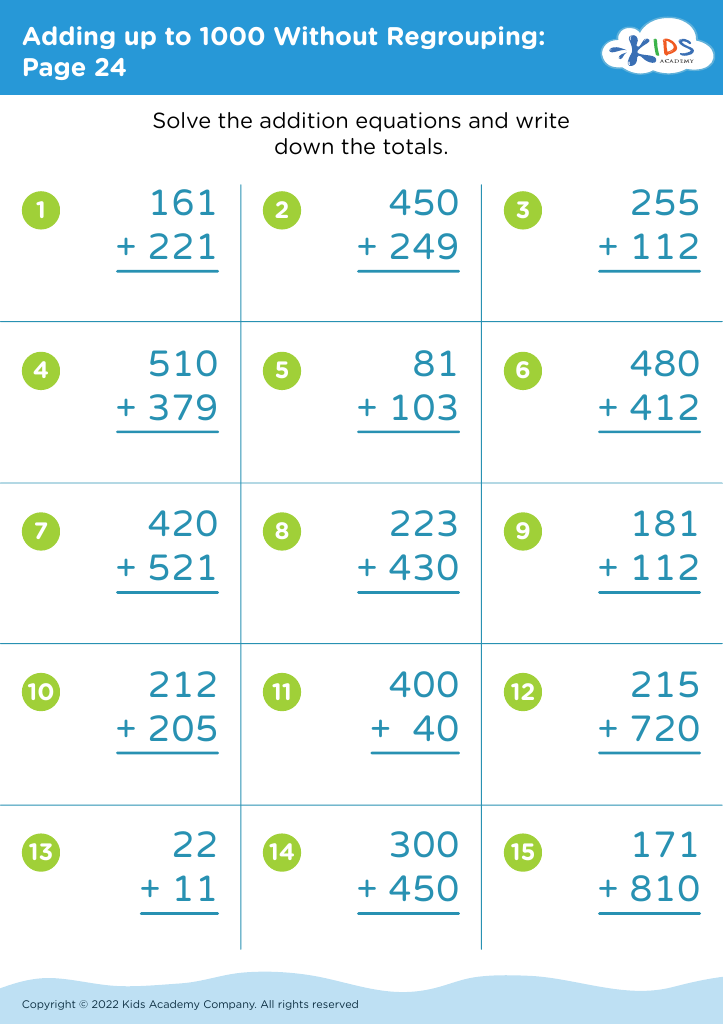
Adding up to 1000 Without Regrouping: Page 24
Worksheet


Simplifying fractions addition and subtraction is crucial for children ages 5-8 as it lays a strong mathematical foundation essential for their future learning. At this age, children are developing critical thinking skills, and understanding how to simplify fractions helps strengthen their ability to compare, interpret, and manipulate numbers. Simplifying concepts helps make math more accessible and less intimidating, fostering a positive attitude toward learning.

From a developmental perspective, learning to simplify fractions encourages problem-solving and logical reasoning. It allows young learners to identify common denominators and understand the relationship between different fractions, reinforcing the idea that numbers can represent part of a whole. This understanding stimulates cognitive growth and builds a framework for more complex mathematical operations encountered later on.

Moreover, mastering these skills early equips students with confidence and a sense of accomplishment, which are crucial for long-term engagement with mathematics. For parents and teachers, it’s vital to create a supportive learning environment that fosters curiosity and encourages practice in simplifying fractions. Doing so enables children to develop essential life skills in addition to math capabilities, preparing them for real-world scenarios where fractions play a significant role. Engaging kids with fun, simplified methods ensures their foundational skills are strong.