Visual interpretation Addition & Subtraction Worksheets for Ages 5-8
5 filtered results
-
From - To
Discover exciting "Visual Interpretation Addition & Subtraction Worksheets for Ages 5-8" that make learning math fun and engaging! Perfectly designed for young learners, these worksheets combine vibrant visuals with mathematical concepts to boost understanding and retention. Kids will enjoy practicing addition and subtraction while developing essential visual interpretation skills. Aligned with curriculum standards, our activities guide children in recognizing patterns, shapes, and numbers, enhancing their problem-solving abilities. Ideal for classroom or at-home use, these worksheets transform math practice into an enjoyable adventure. Empower your child’s early math journey with our innovative and educational resources!
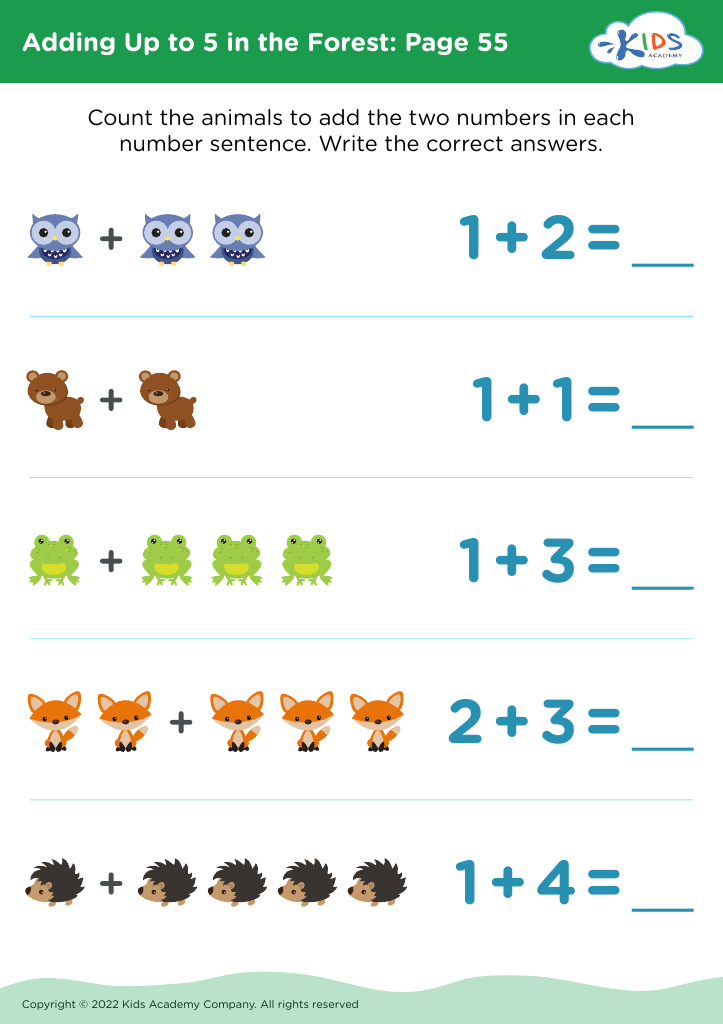
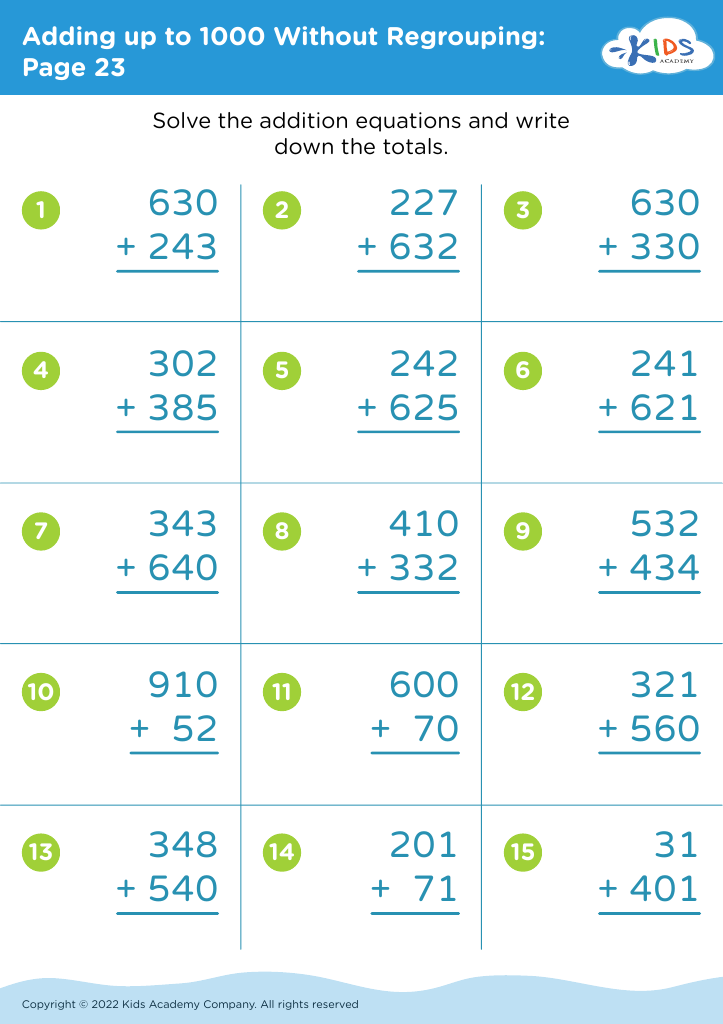
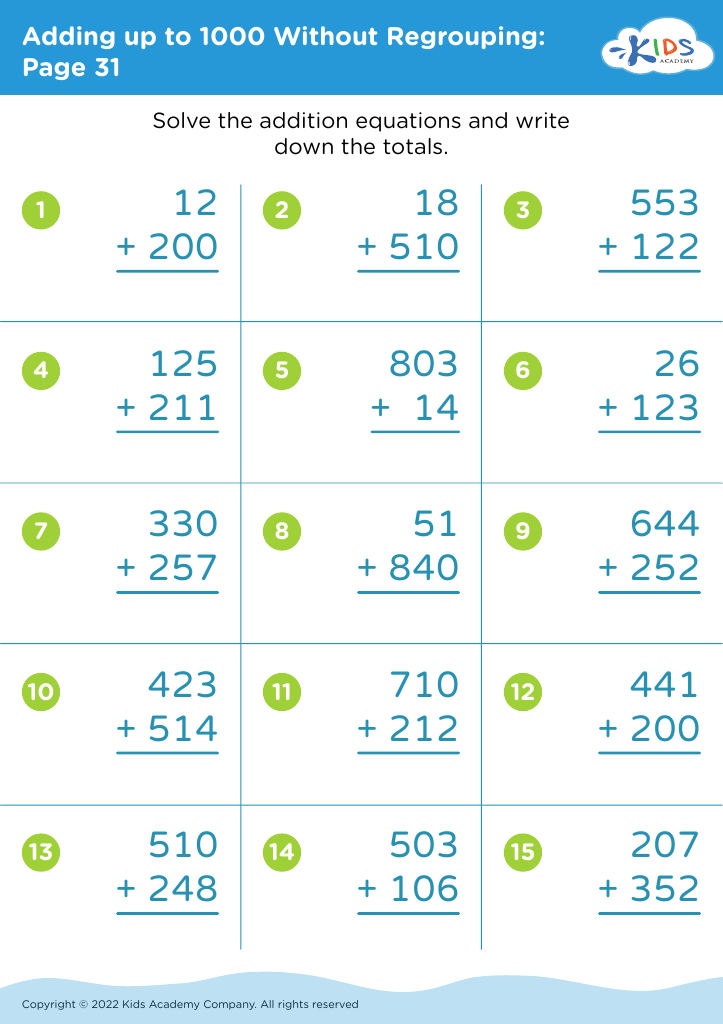
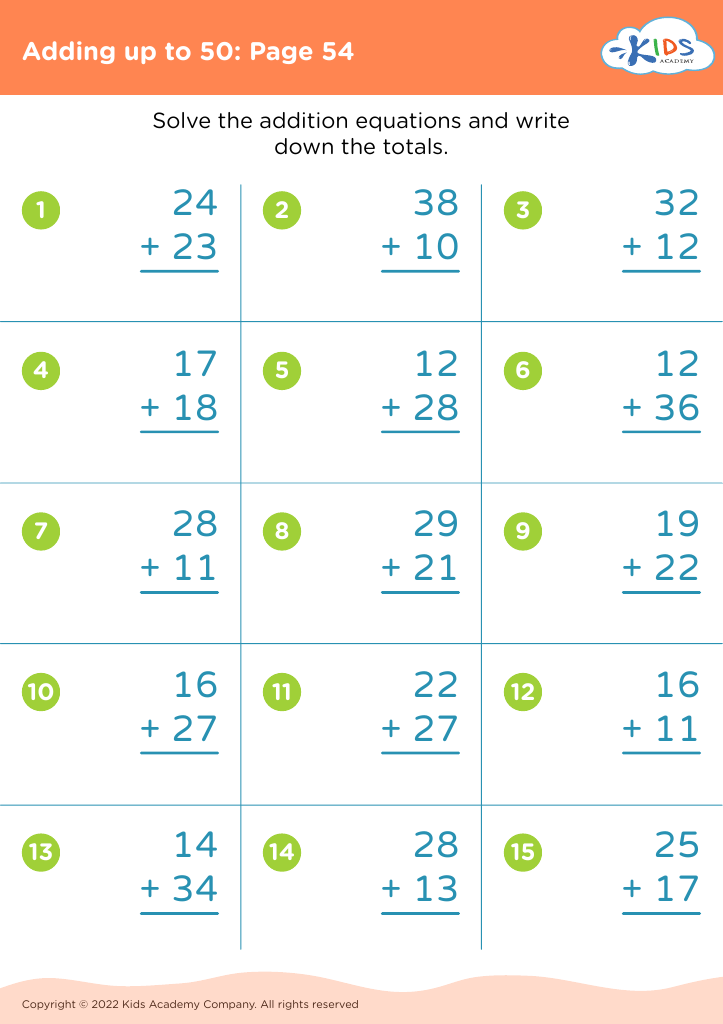
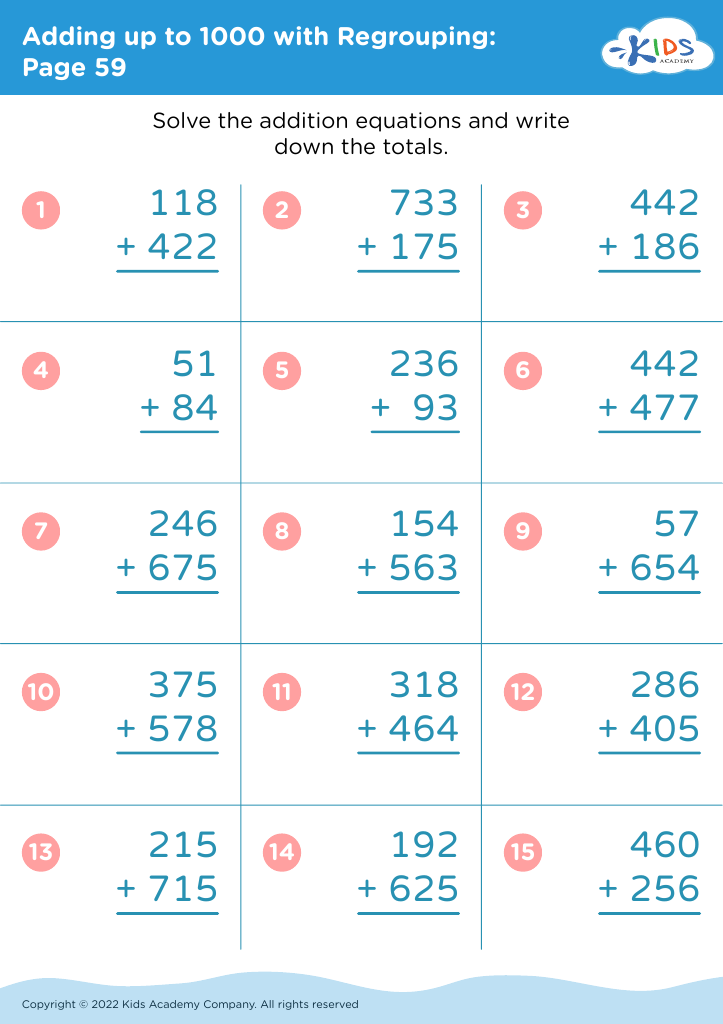








Visual interpretation of addition and subtraction is vital for young learners aged 5-8 as it lays the foundation for their mathematical understanding. Children at this age are typically developing their cognitive skills and making connections between abstract concepts and concrete experiences. Visual aids, like number lines, counters, and pictorial representations, make arithmetic concepts more tangible, helping young minds grasp them more effectively.
When children see and manipulate physical objects, they understand the concepts of 'more' and 'less' intuitively. For instance, adding five apples to three apples can be visually demonstrated using real apples or illustrative drawings, making the numbers come alive. This method encourages active participation and engagement, transforming math from an abstract idea into a series of interactive activities grounded in real-world context.
Furthermore, visual interpretation helps bridge language barriers and offers alternative ways for children who may struggle with traditional numeral-based methods. It promotes problem-solving skills and critical thinking, making math enjoyable and reducing anxiety associated with numbers.
For parents and teachers, leveraging visual tools transforms the learning experience. It fosters an inclusive environment where every child can thrive, nurtures a solid mathematical foundation, and cultivates a positive attitude toward learning—critical components for lifelong academic success.








