Visual Learning Addition & Subtraction Worksheets for Ages 5-8 - Page 4
94 filtered results
-
From - To
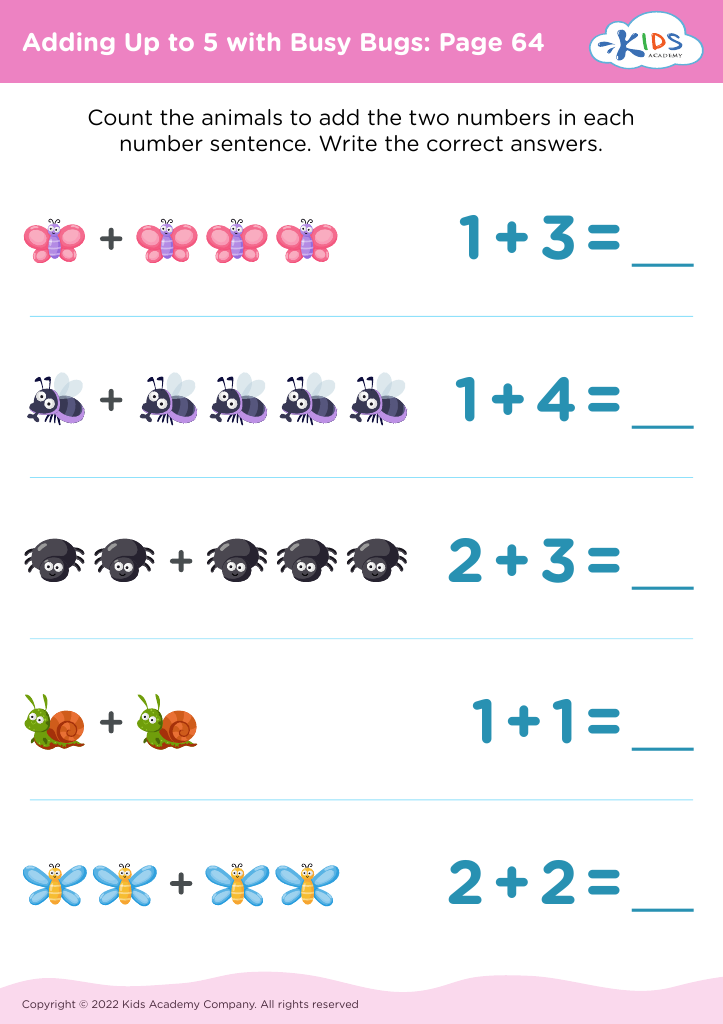
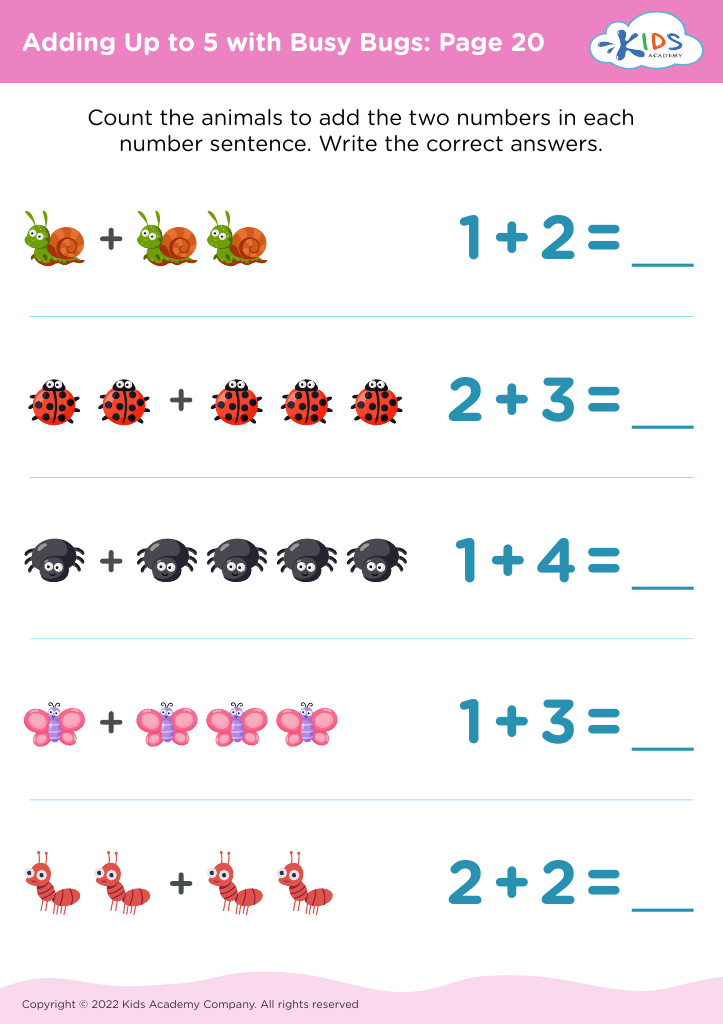
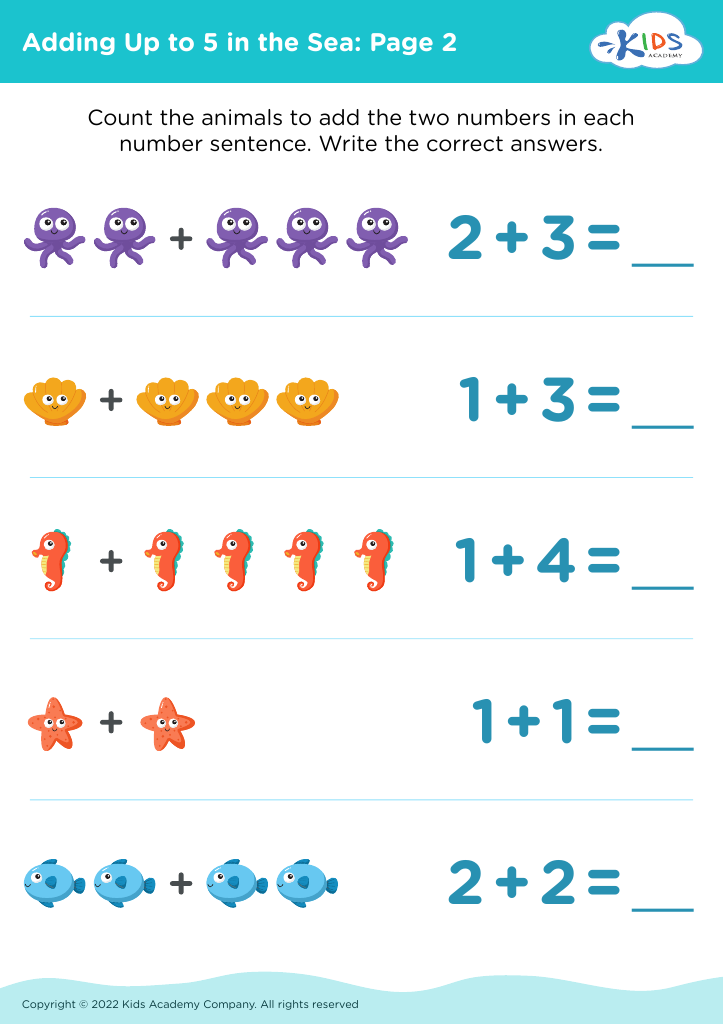
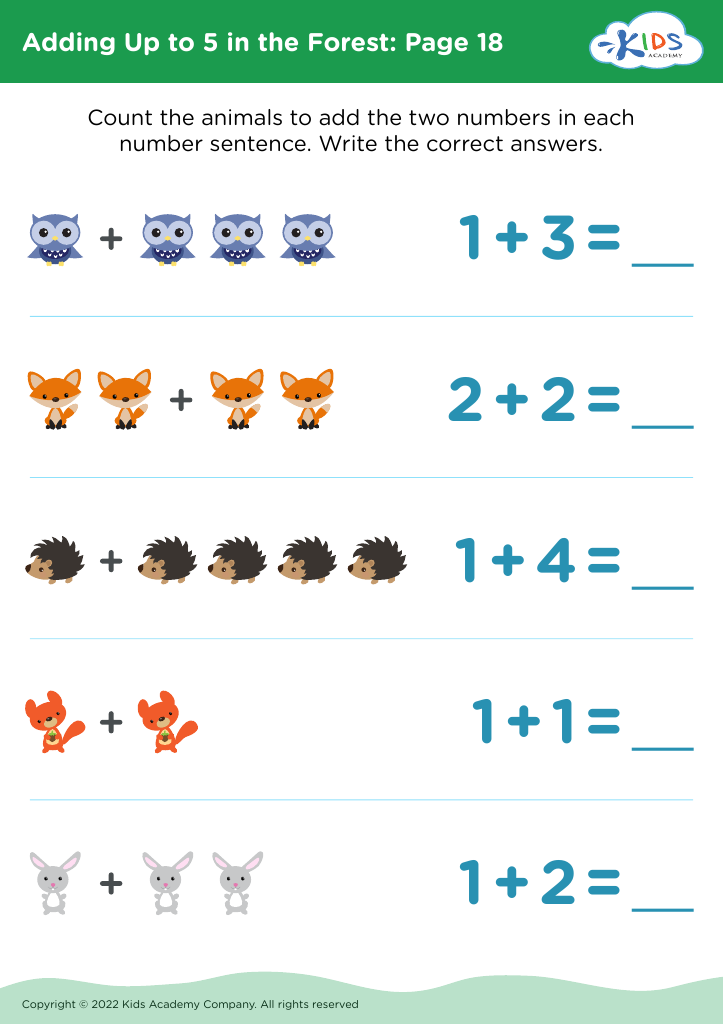
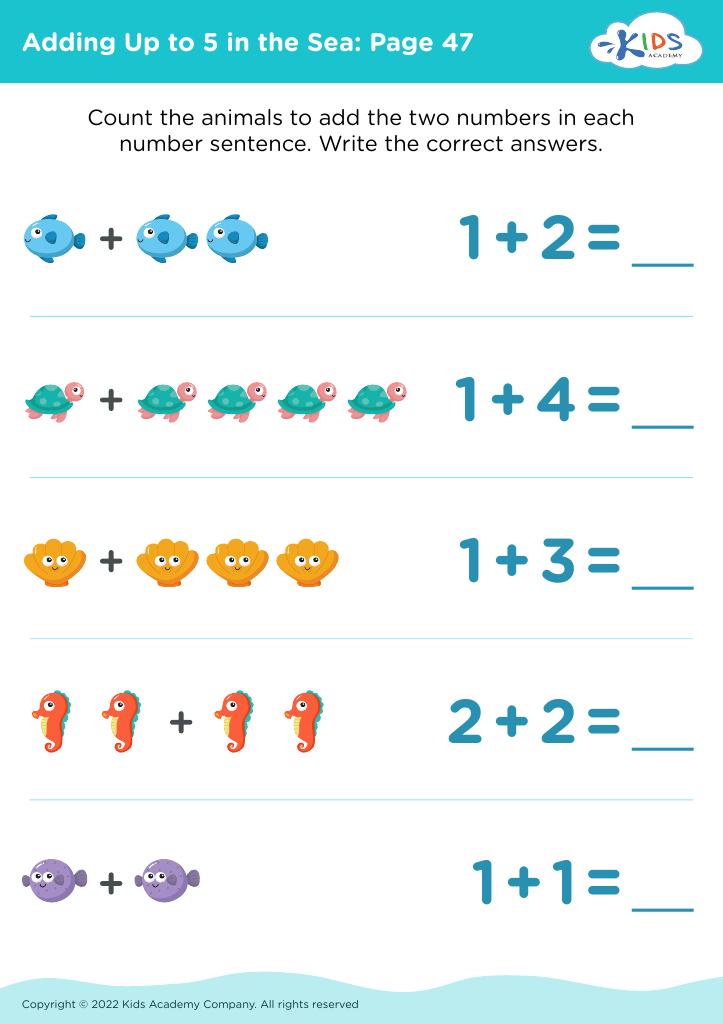
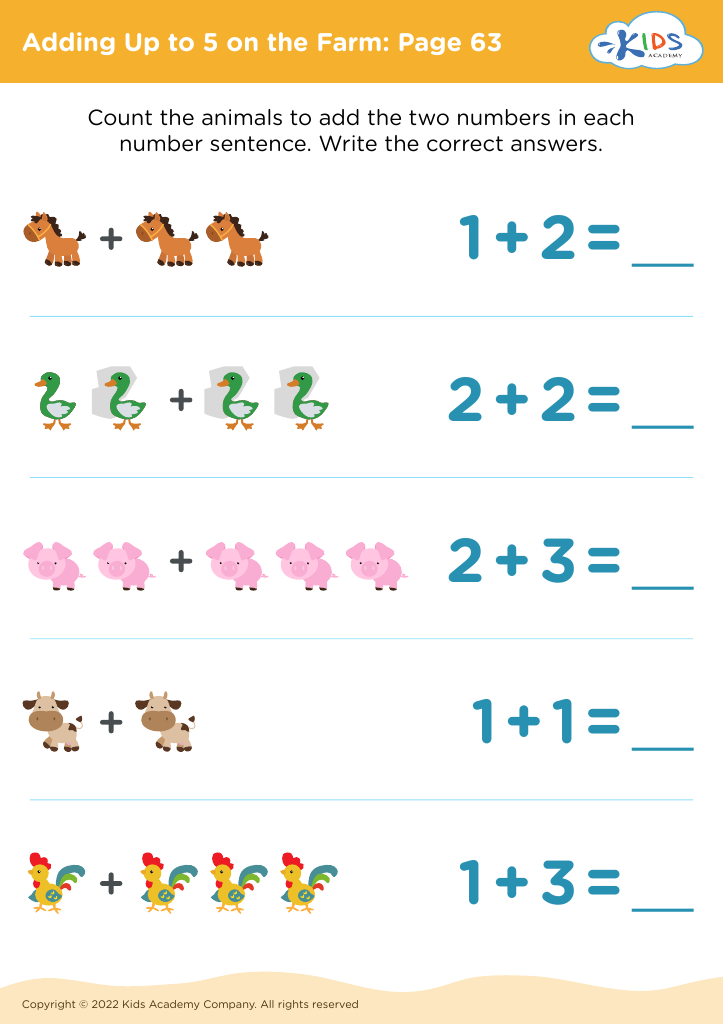
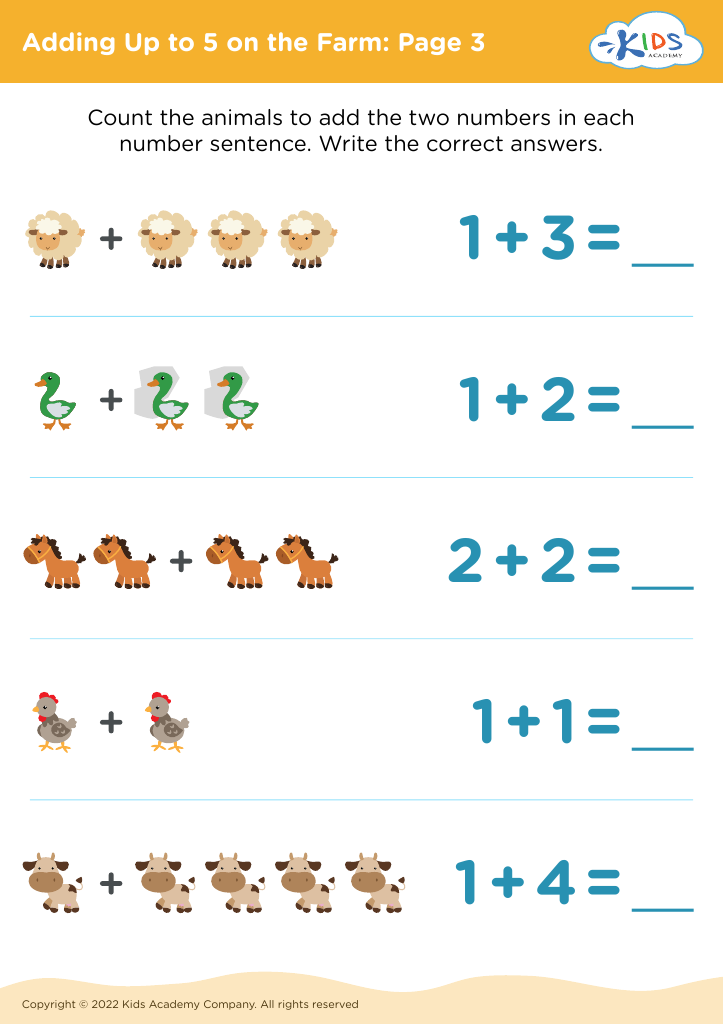
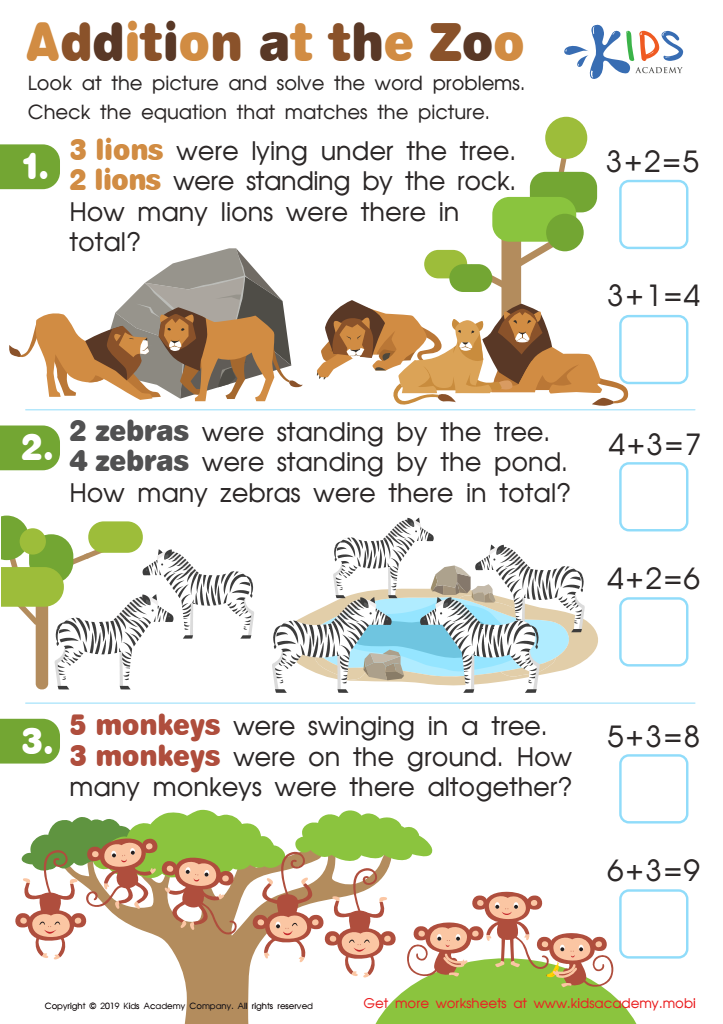
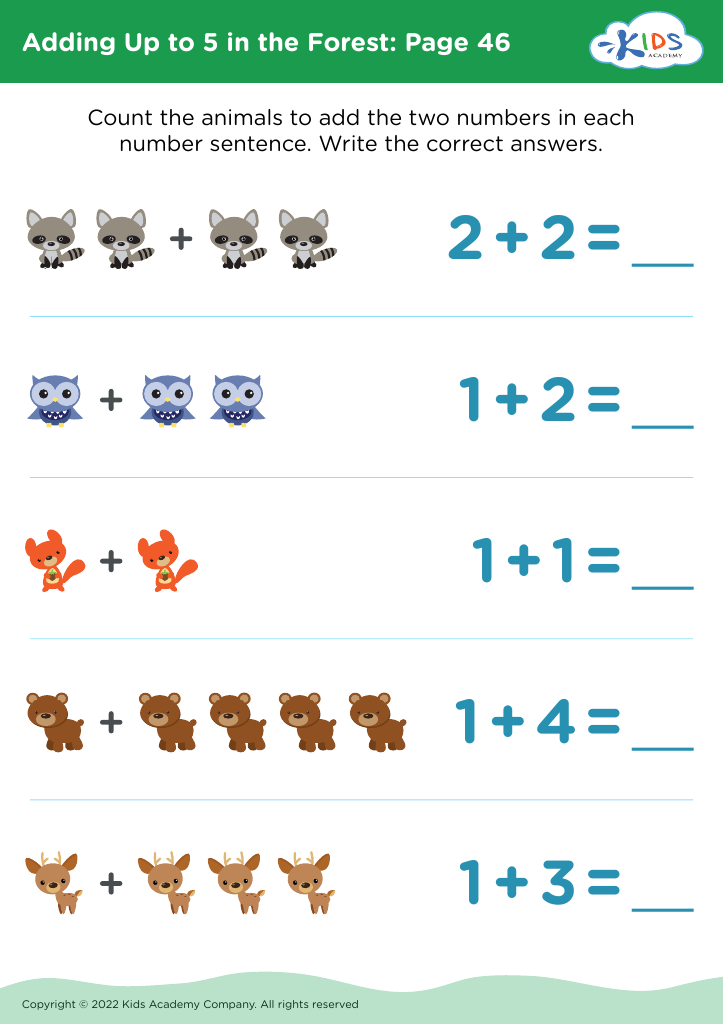
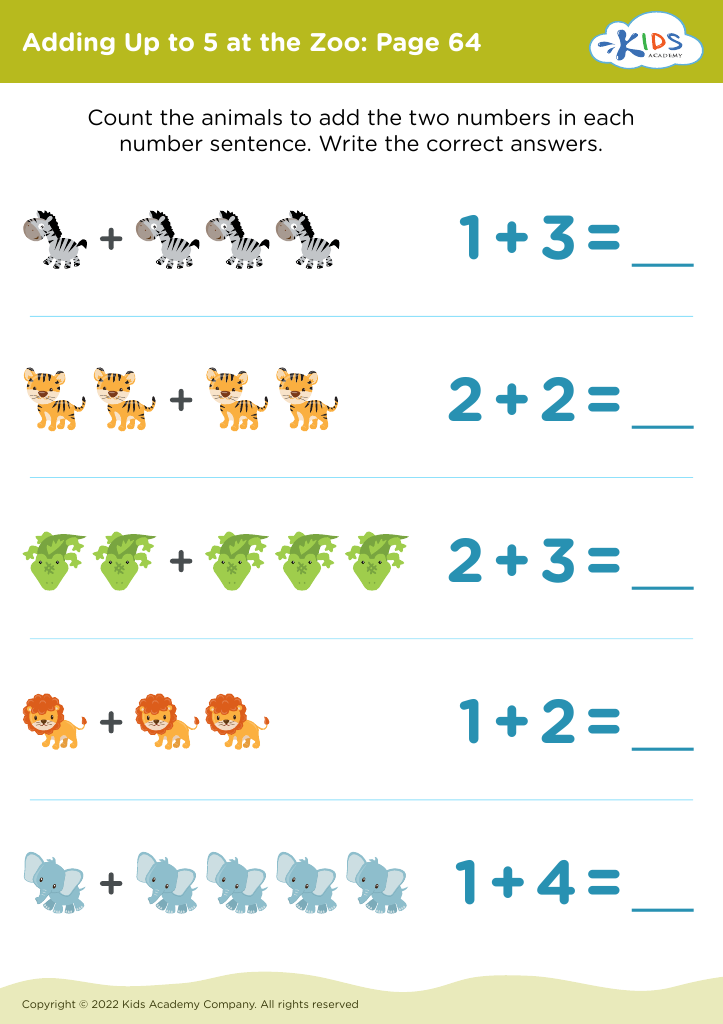
Addition at the Zoo Worksheet
 Assign to My Students
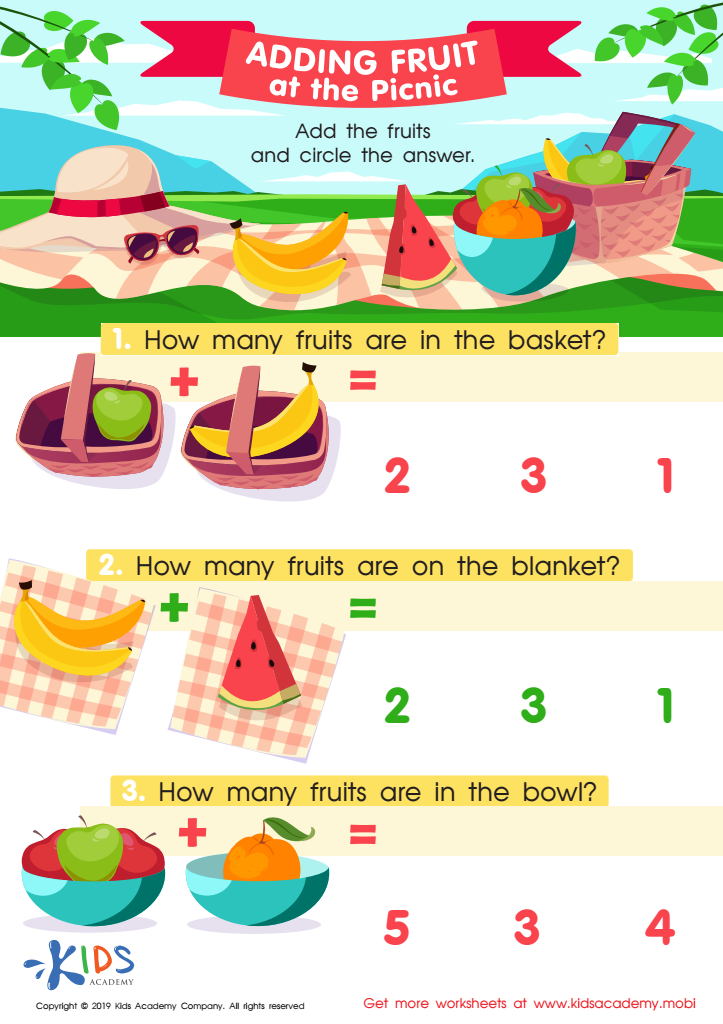
Adding Fruit at the Picnic Worksheet
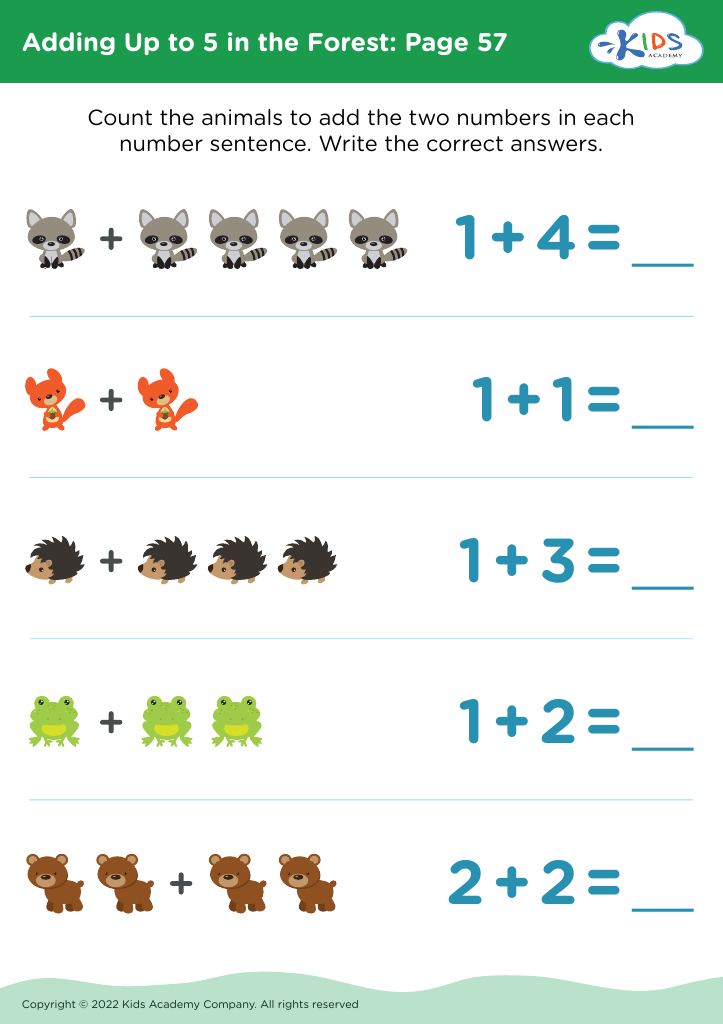
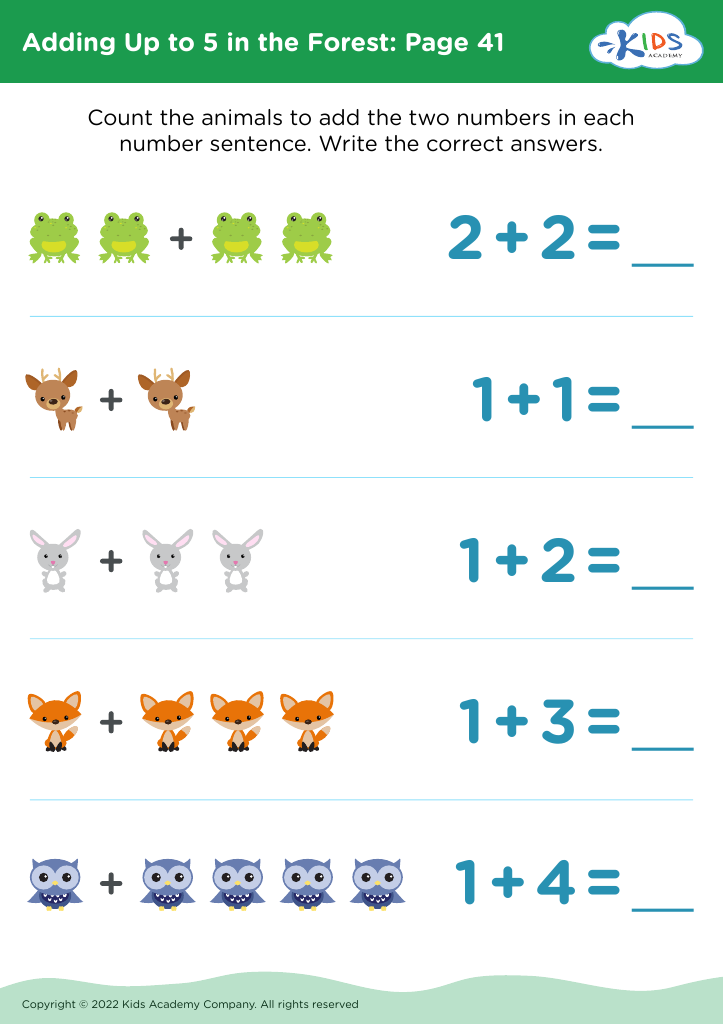








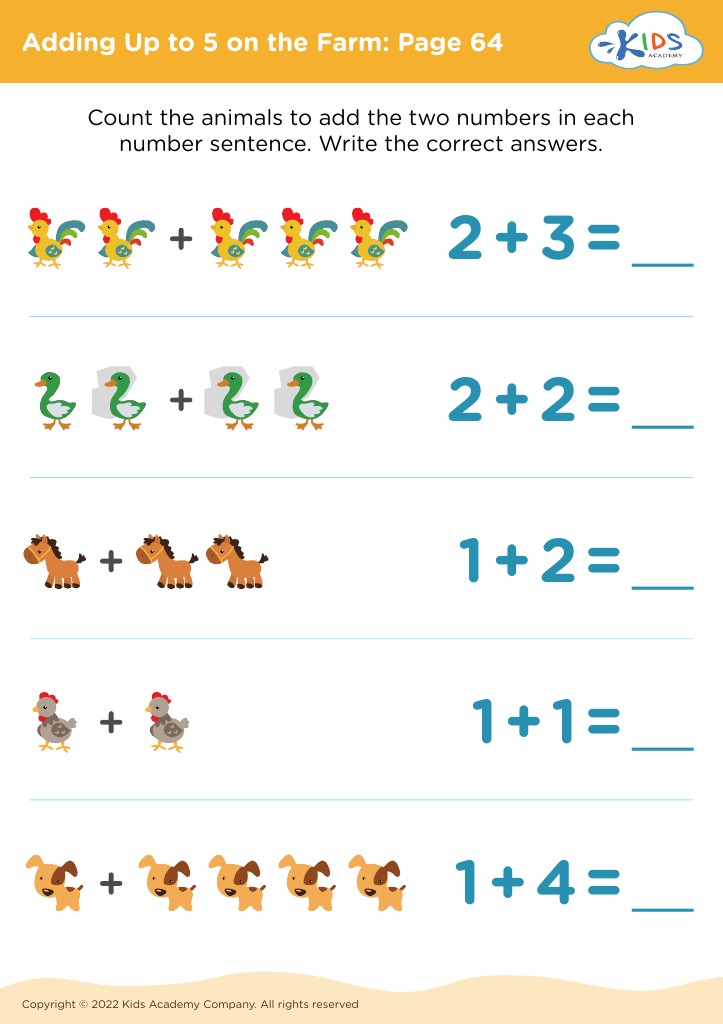
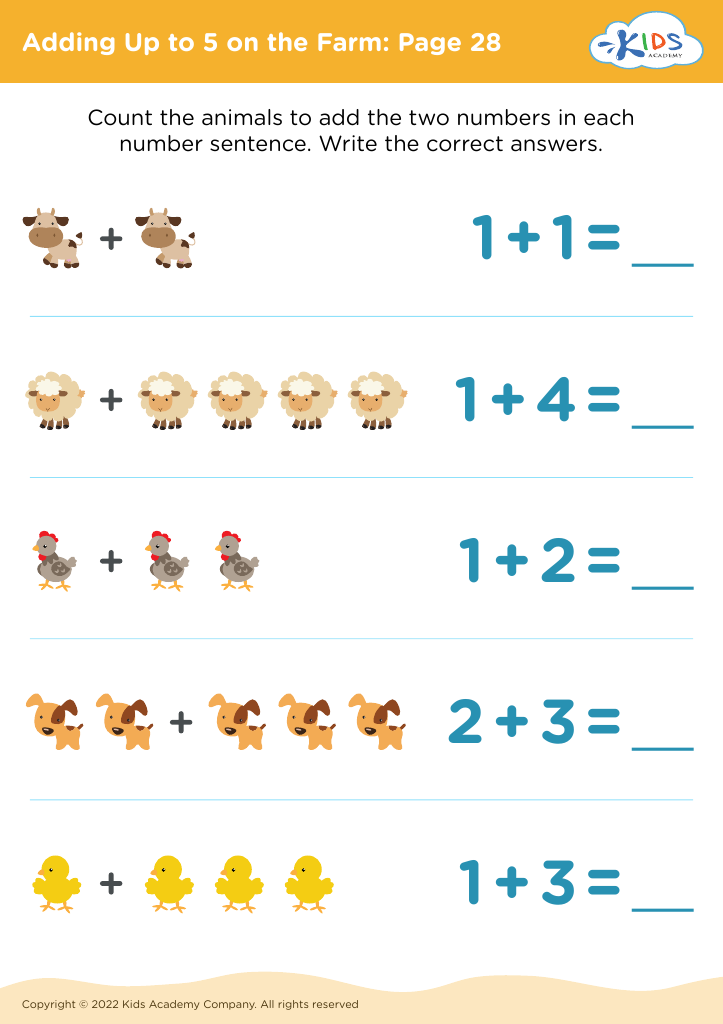
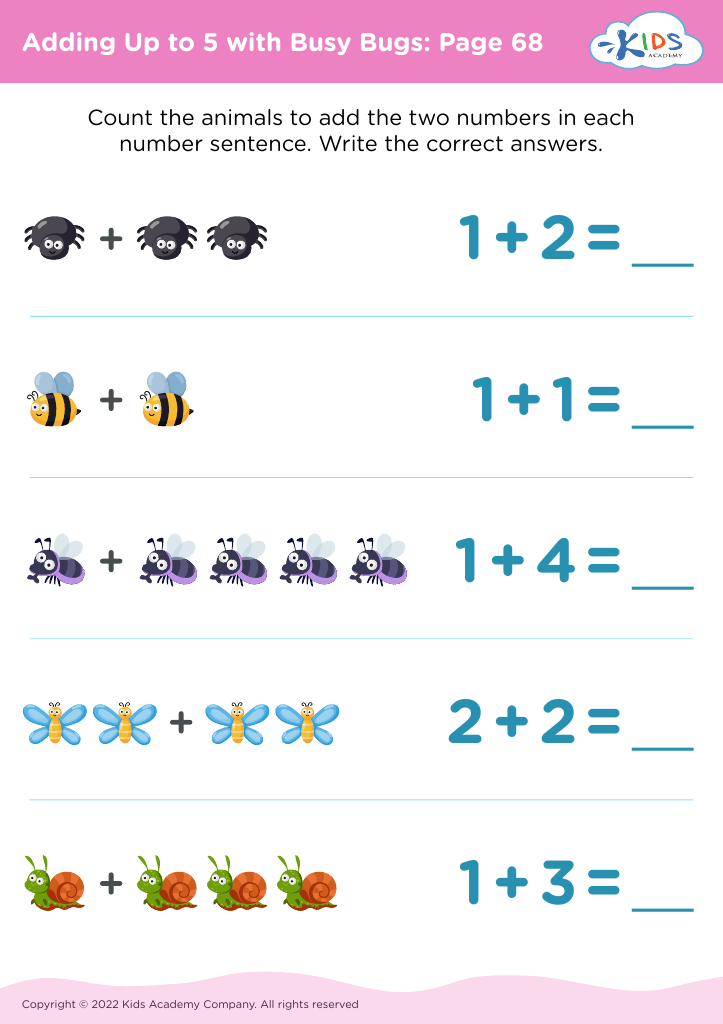
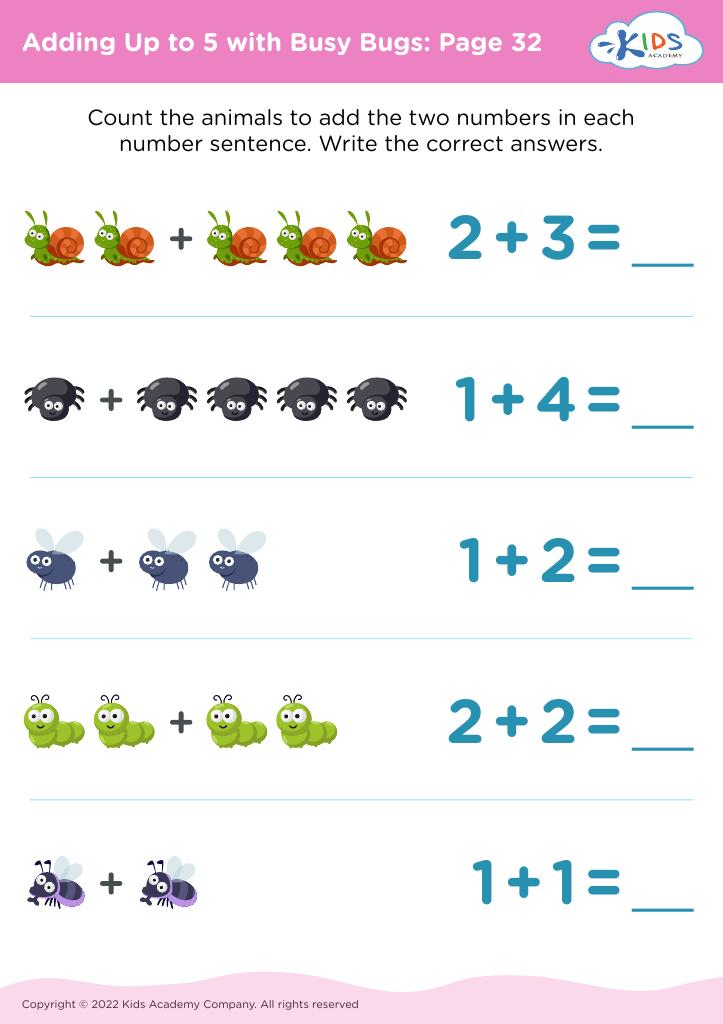
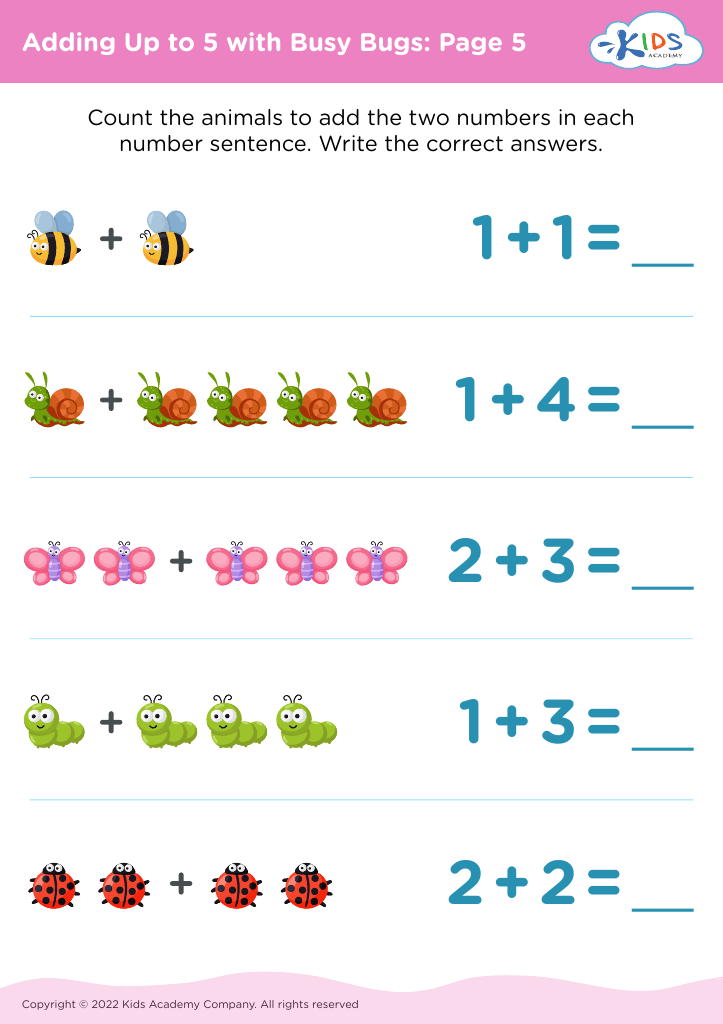
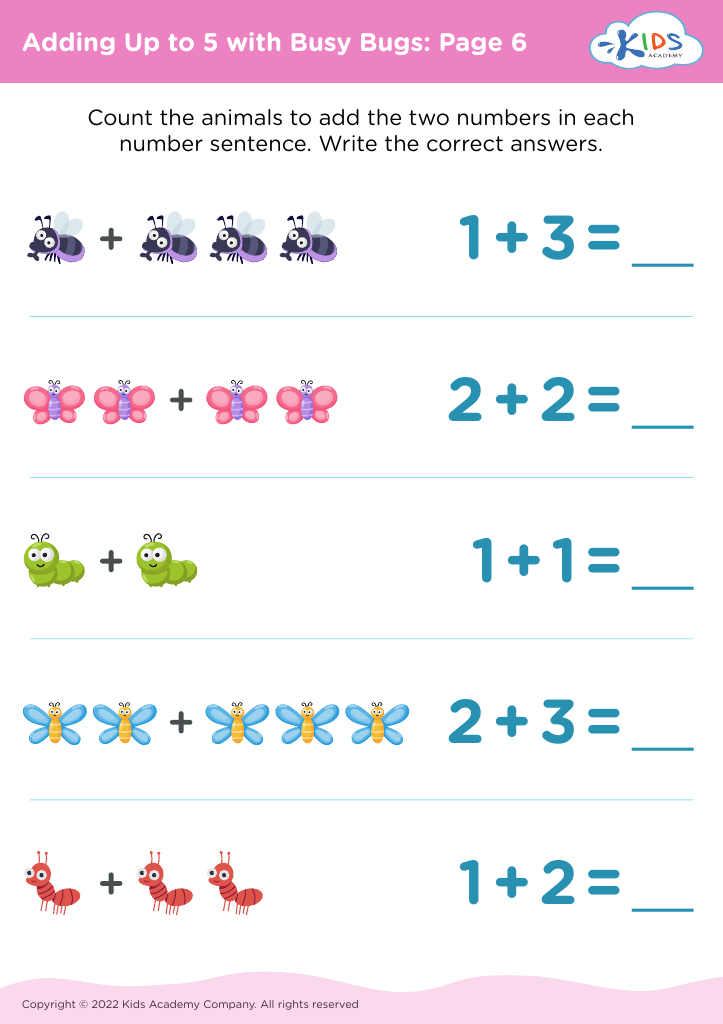
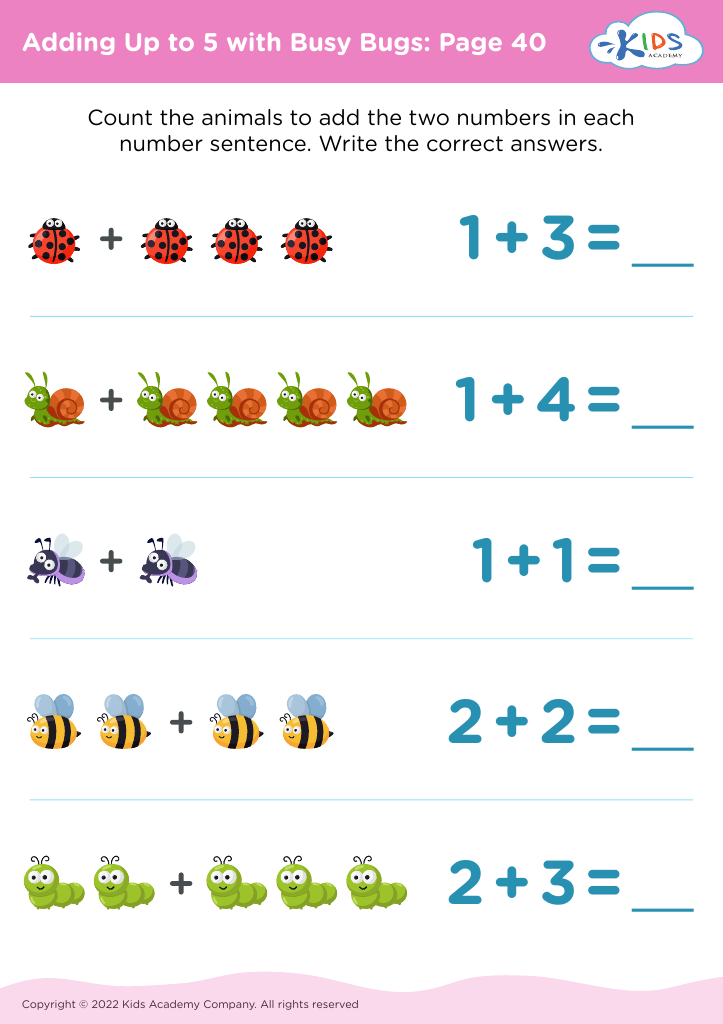
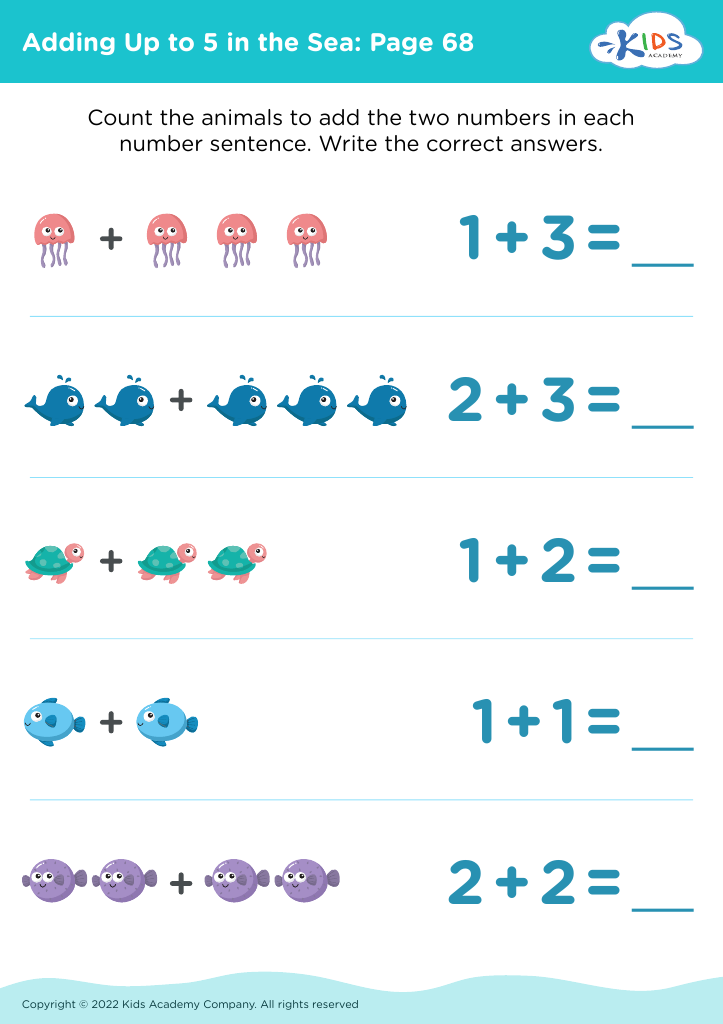
Visual learning is a powerful approach that significantly benefits children aged 5-8, especially in mastering addition and subtraction. At this developmental stage, children are typically concrete thinkers, which means they grasp mathematical concepts more easily through visual aids and hands-on experiences. Using visual learning techniques—like manipulatives, number lines, and colorful illustrations—can enhance their understanding by allowing them to see and interact with numbers, making abstract concepts more tangible.
Moreover, visual learning helps cater to various learning styles, ensuring that children who may struggle with traditional methods can engage with the material in a way that resonates with them. It also encourages a more positive attitude toward math, reducing anxiety and boosting confidence by providing immediate, clear feedback as they manipulate objects to solve problems.
By incorporating visual learning strategies, parents and teachers can promote deeper comprehension of mathematics, which lays a strong foundation for future academic success. Engaging kids through visuals not only helps them develop critical thinking skills but also encourages creativity and exploration, vital components of a well-rounded education. Hence, prioritizing visual learning in addition and subtraction is essential to empower young learners and foster a lifelong love for math.








