Filters

69 filtered results

Clear all filters
Favorites
With answer key
Interactive

69 filtered results

Difficulty Level

Grade


Subject

    Unlock your child's potential with our engaging Fine Motor Skills Addition Worksheets designed for ages 5-8! These printable activities seamlessly blend math practice with essential fine motor skill development. Your little learners will enjoy completing various fun exercises, from tracing numbers to connecting dots, enhancing their hand-eye coordination while mastering addition. Each worksheet is crafted to support early math readiness, ensuring kids gain confidence as they hone their skills. Perfect for parents and educators, these resources will make learning addition a playful and productive experience. Inspire a love for math today while fostering dexterity—download the worksheets and watch your child thrive!
    Check out this FREE Trial Lesson on Addition for age 5-8!

    A

    Favorites
    With answer key
    Interactive
    • 5-8
    • Fine Motor Skills
    • Addition
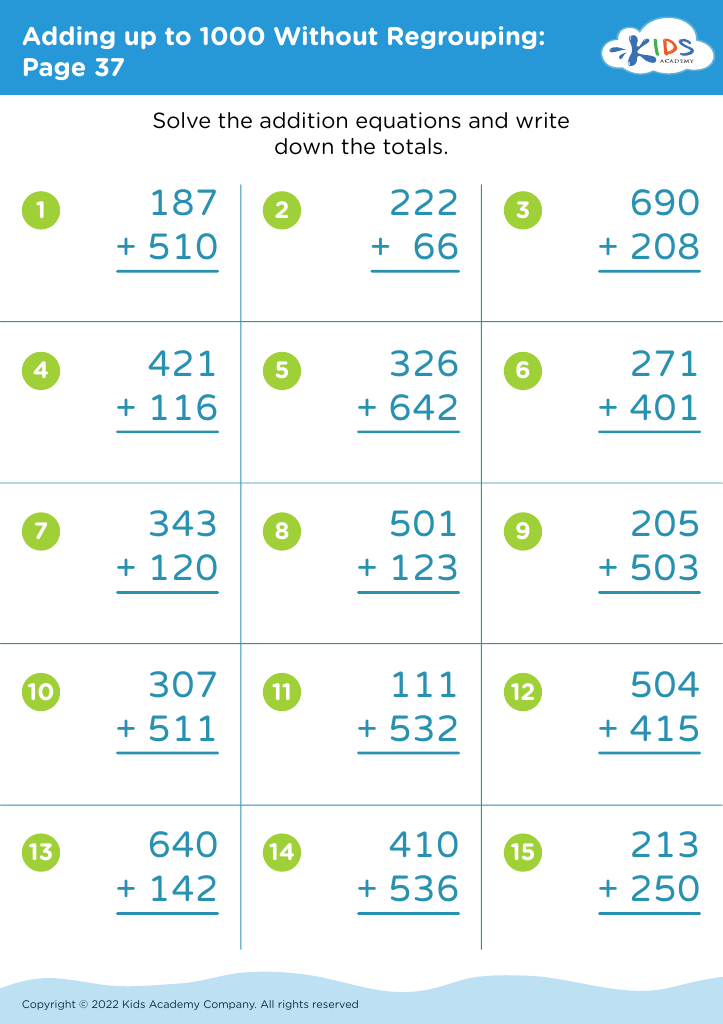
    Adding up to 1000 Without Regrouping: Page 37
    Adding up to 1000 Without Regrouping: Page 37
    Adding up to 1000 Without Regrouping: Page 37
    Worksheet
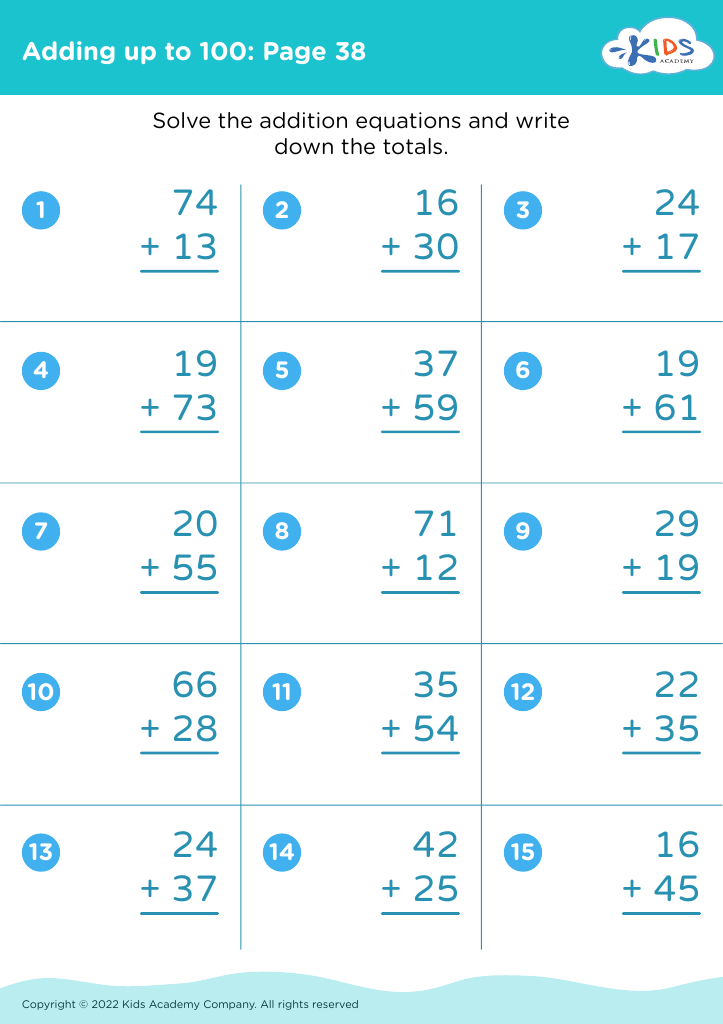
    Adding up to 100: Page 38
    Adding up to 100: Page 38

    Adding up to 100: Page 38

    Adding up to 100: Page 38
    Worksheet
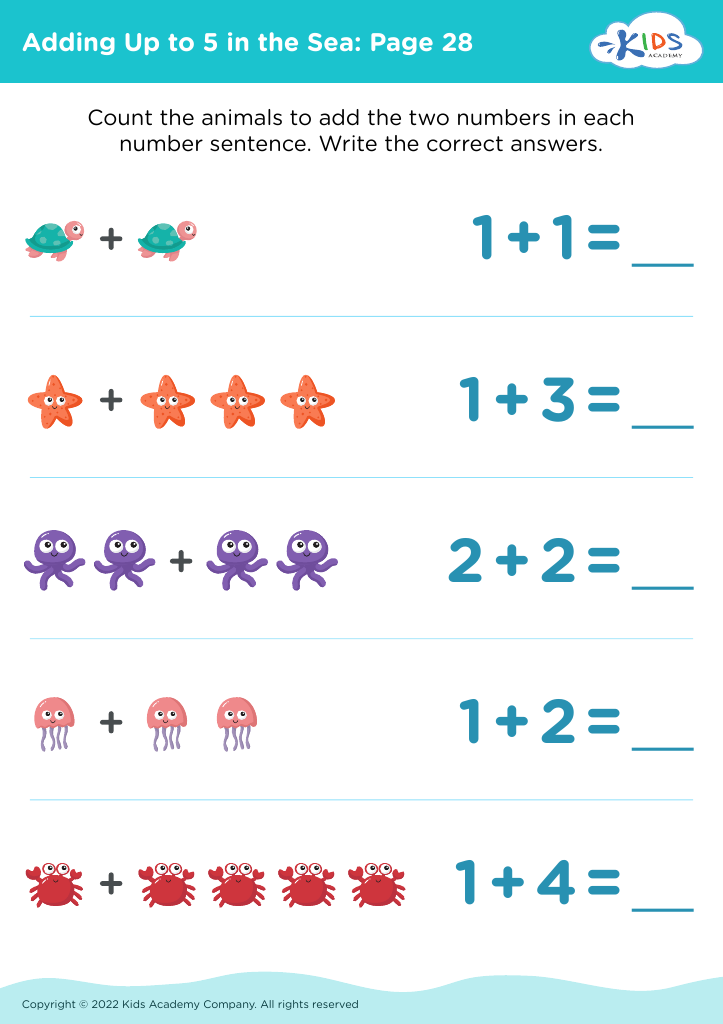
    Adding Up to 5 in the Sea: Page 28
    Adding Up to 5 in the Sea: Page 28
    Adding Up to 5 in the Sea: Page 28
    Worksheet
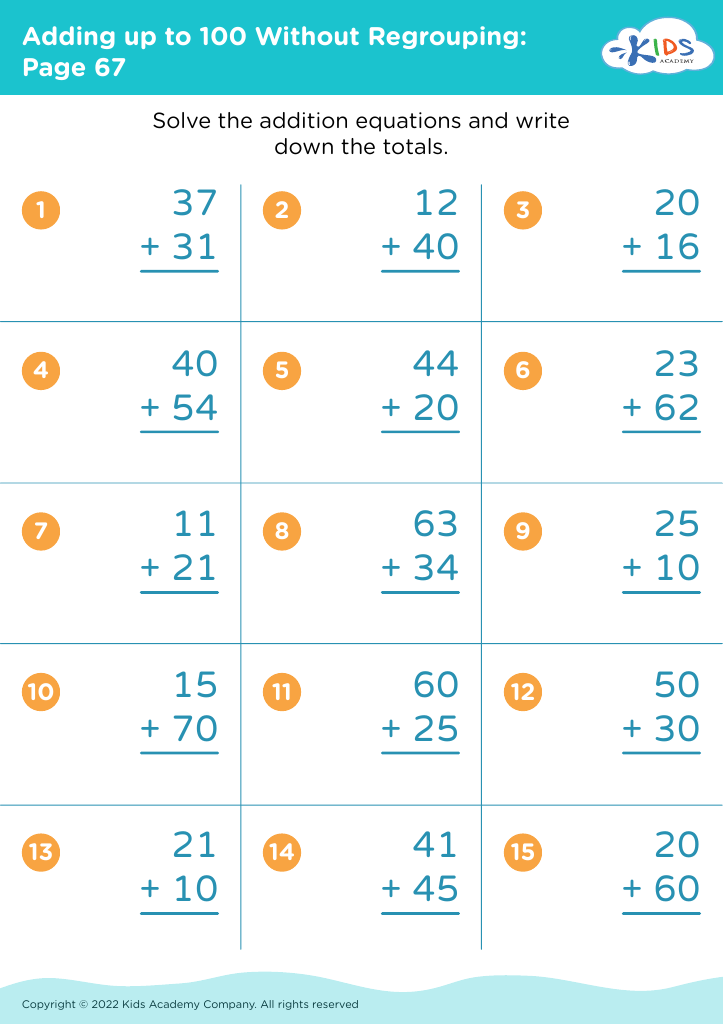
    Adding up to 100 Without Regrouping: Page 67
    Adding up to 100 Without Regrouping: Page 67
    Adding up to 100 Without Regrouping: Page 67
    Worksheet
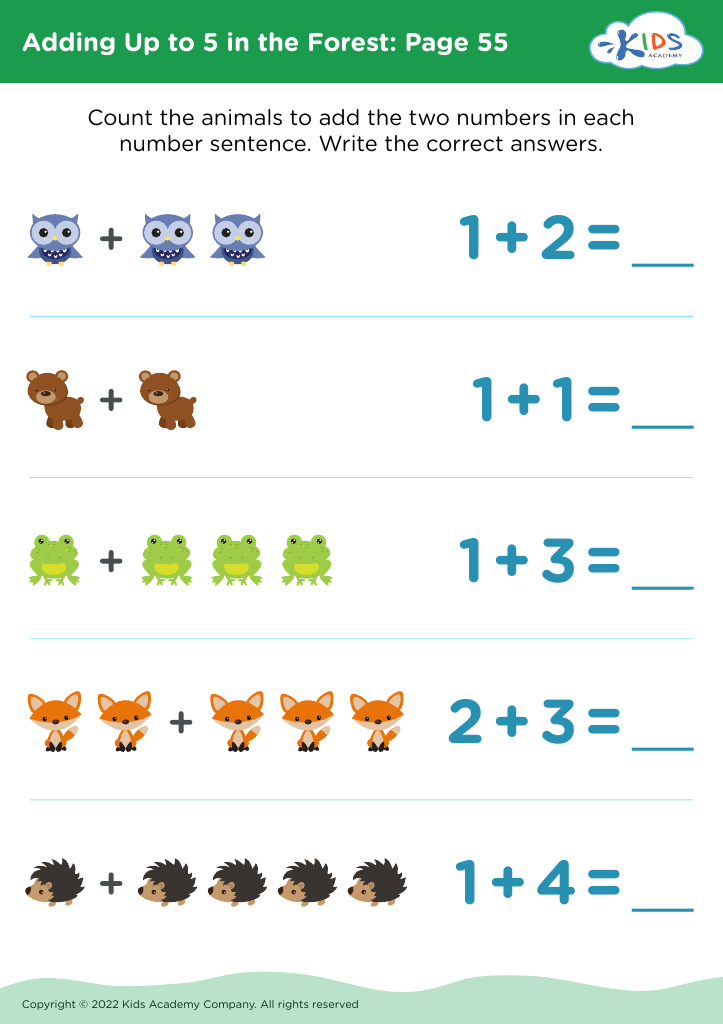
    Adding Up to 5 in the Forest: Page 55
    Adding Up to 5 in the Forest: Page 55
    Adding Up to 5 in the Forest: Page 55
    Worksheet
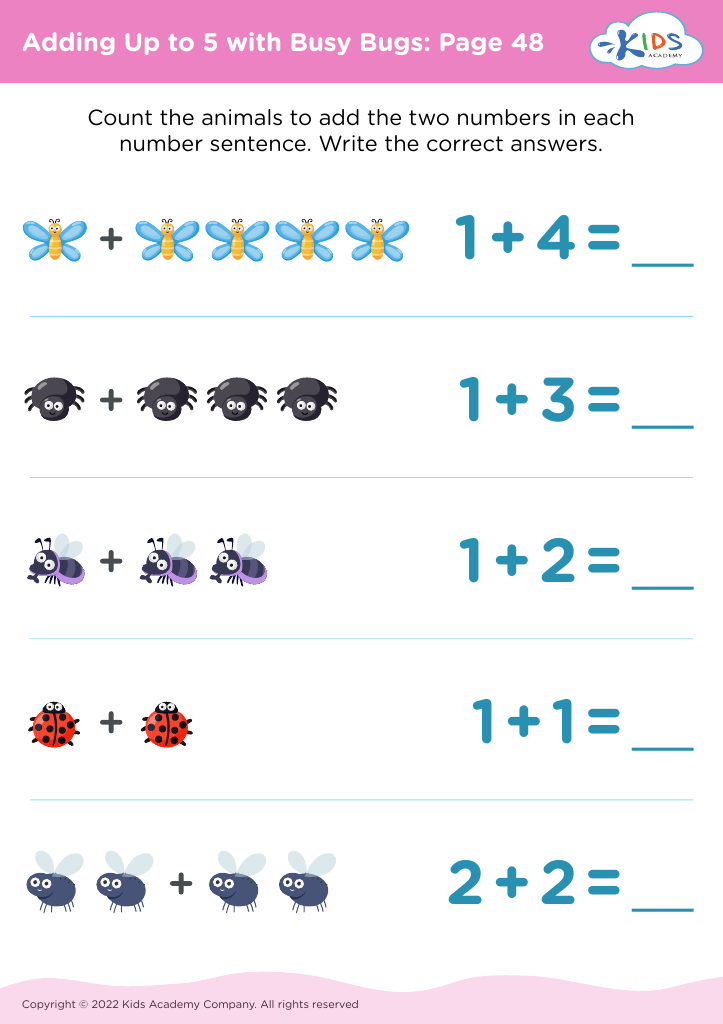
    Adding Up to 5 with Busy Bugs: Page 48
    Adding Up to 5 with Busy Bugs: Page 48
    Adding Up to 5 with Busy Bugs: Page 48
    Worksheet
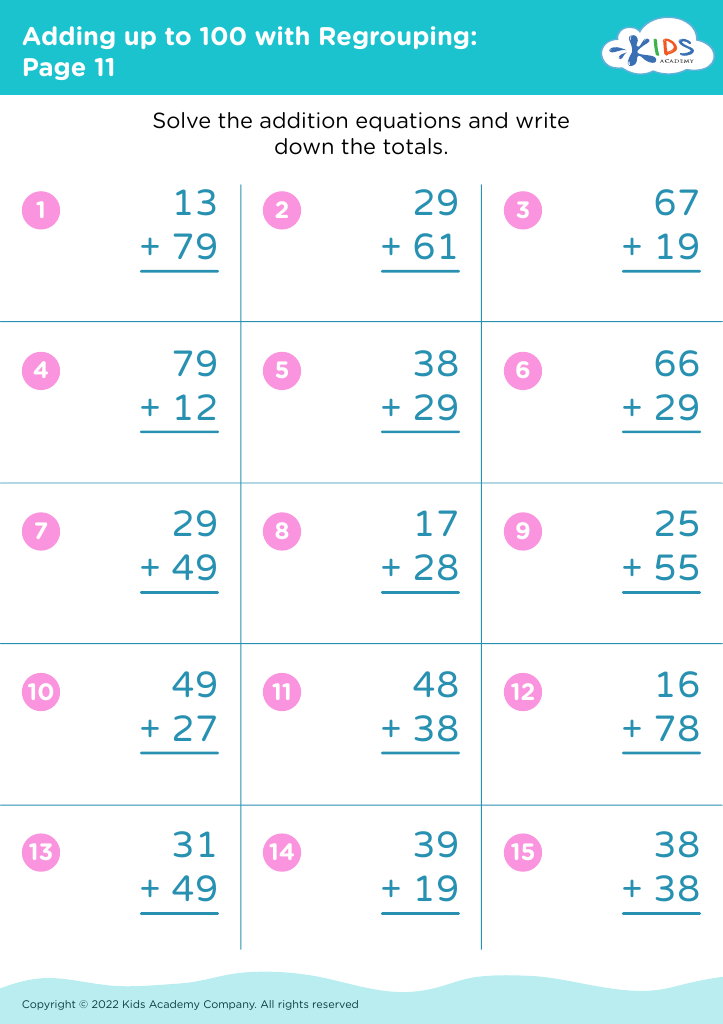
    Adding up to 100 with Regrouping: Page 11
    Adding up to 100 with Regrouping: Page 11
    Adding up to 100 with Regrouping: Page 11
    Worksheet
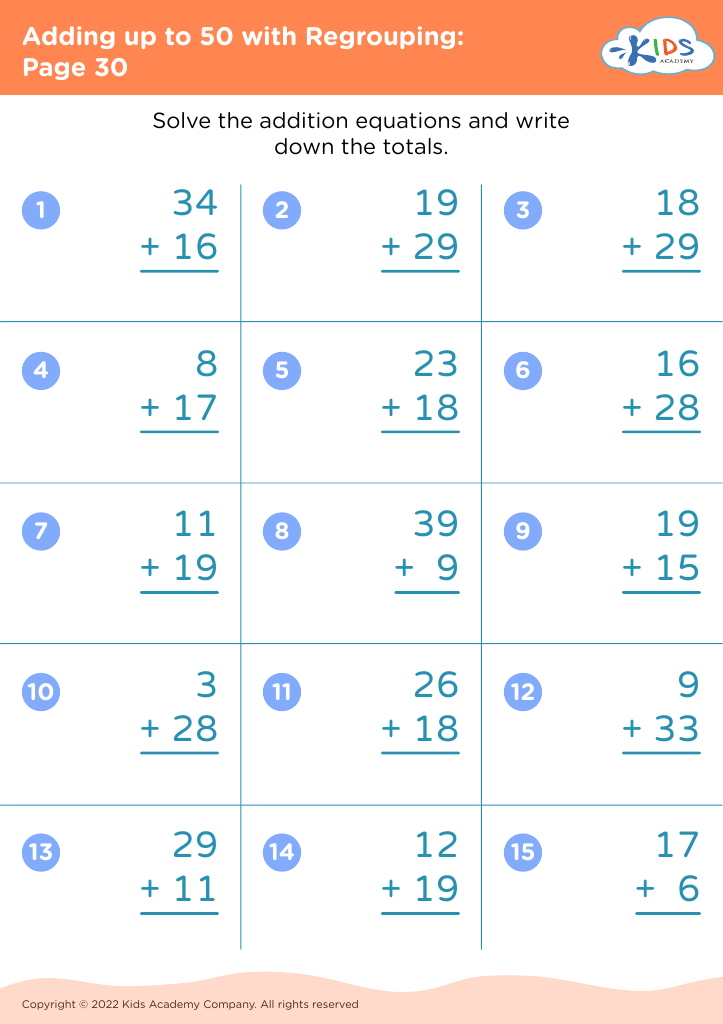
    Adding up to 50 with Regrouping: Page 30
    Adding up to 50 with Regrouping: Page 30
    Adding up to 50 with Regrouping: Page 30
    Worksheet
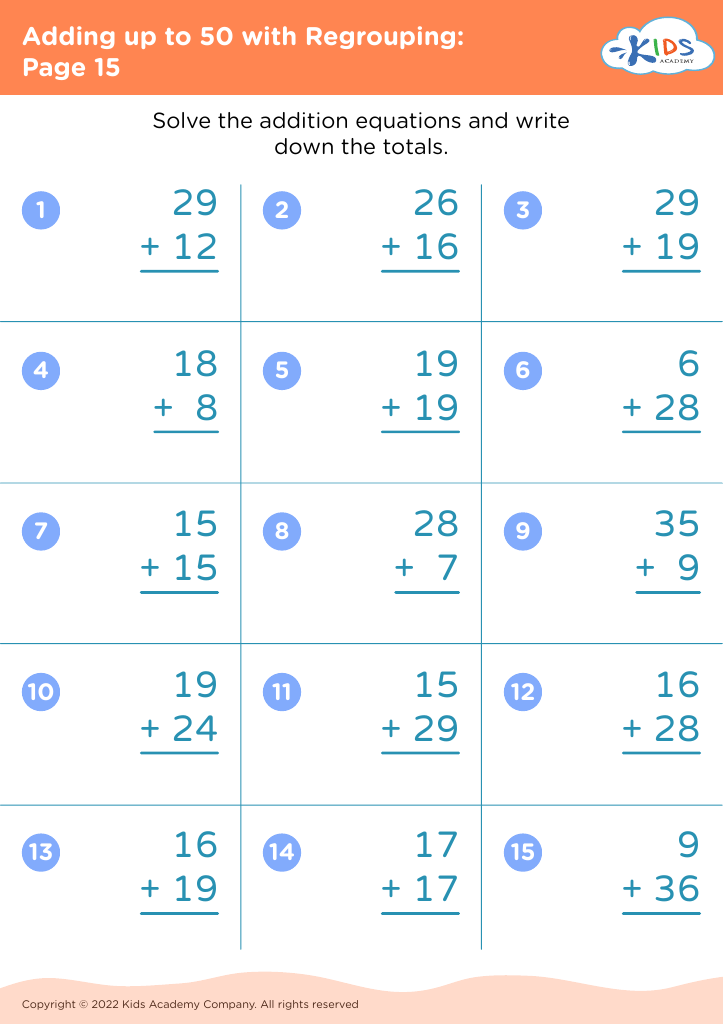
    Adding up to 50 with Regrouping: Page 15
    Adding up to 50 with Regrouping: Page 15
    Adding up to 50 with Regrouping: Page 15
    Worksheet
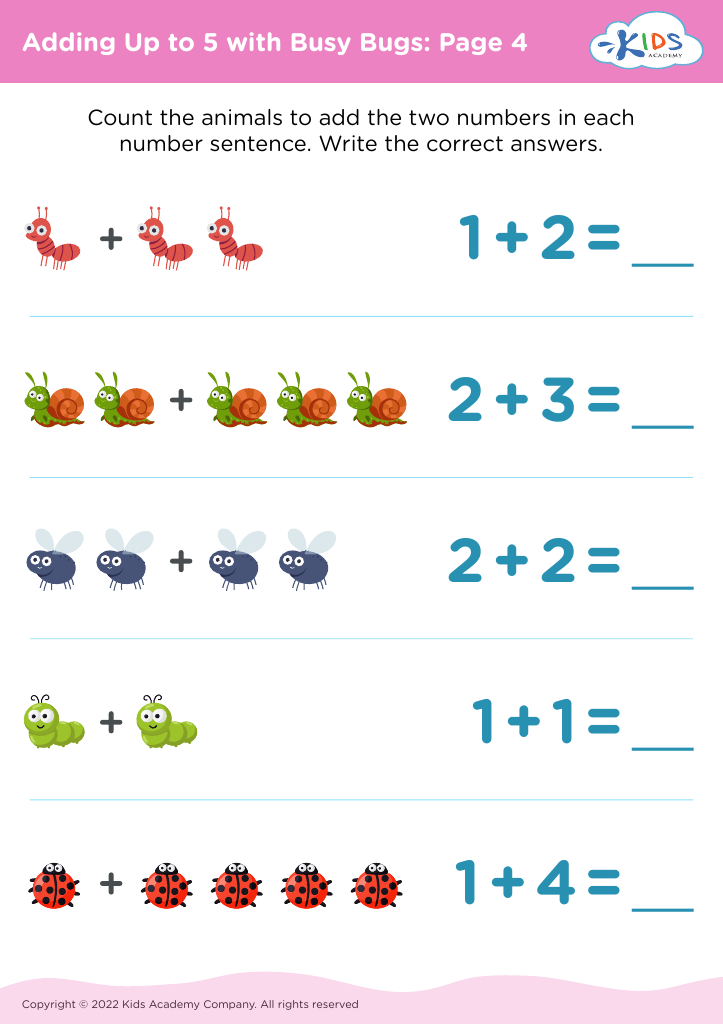
    Adding Up to 5 with Busy Bugs: Page 4
    Adding Up to 5 with Busy Bugs: Page 4
    Adding Up to 5 with Busy Bugs: Page 4
    Worksheet
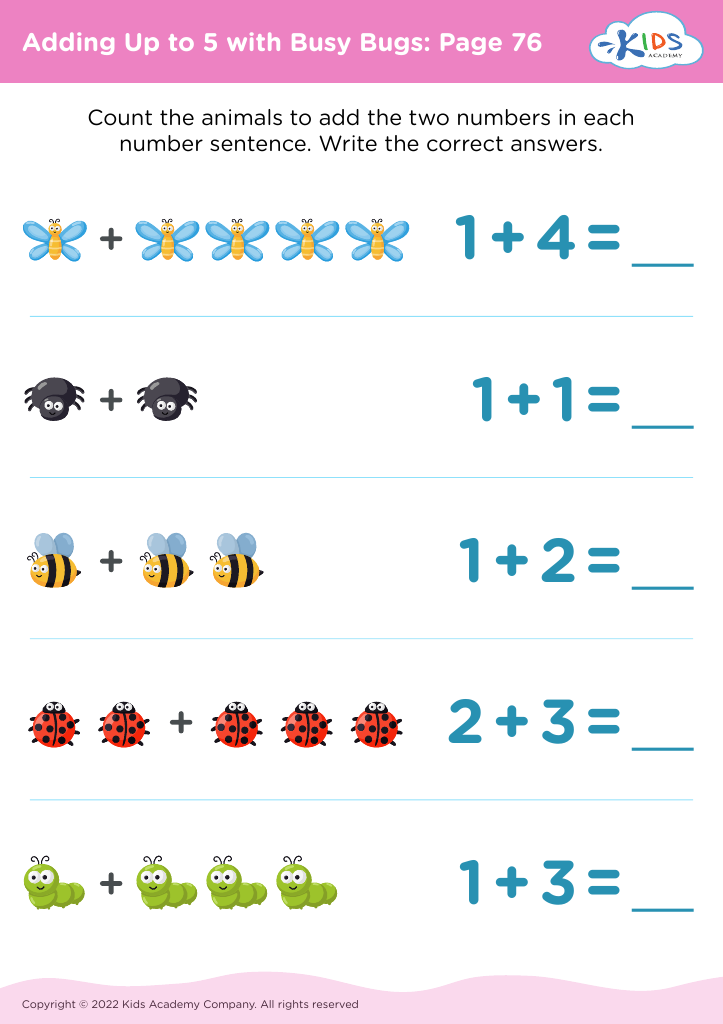
    Adding Up to 5 with Busy Bugs: Page 76
    Adding Up to 5 with Busy Bugs: Page 76
    Adding Up to 5 with Busy Bugs: Page 76
    Worksheet
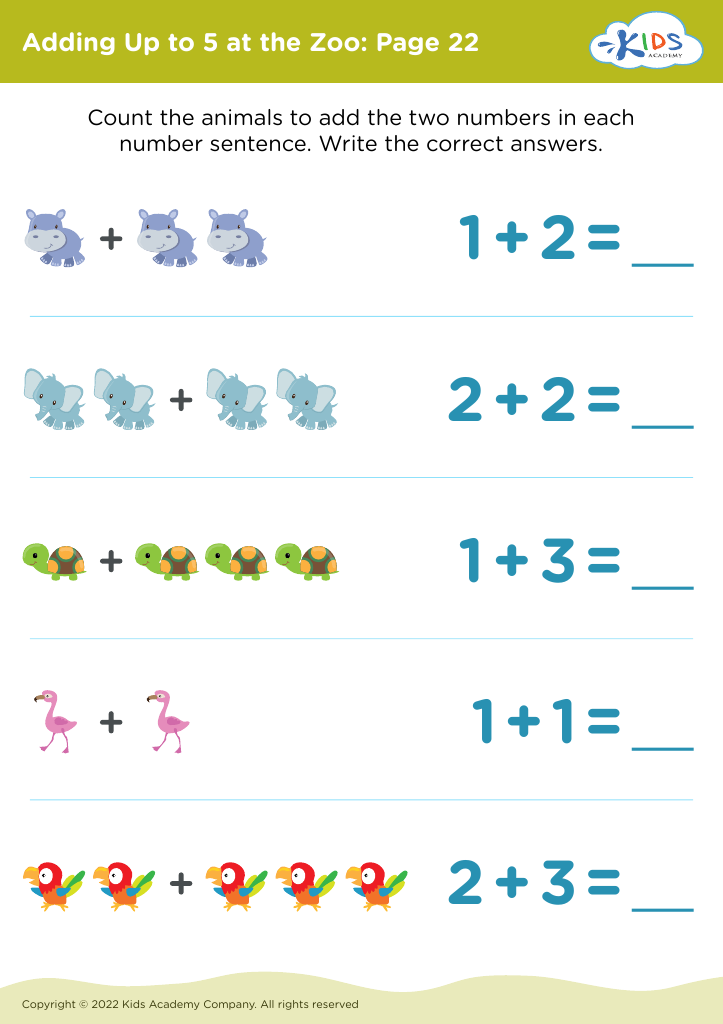
    Adding Up to 5 at the Zoo: Page 22
    Adding Up to 5 at the Zoo: Page 22
    Adding Up to 5 at the Zoo: Page 22
    Worksheet
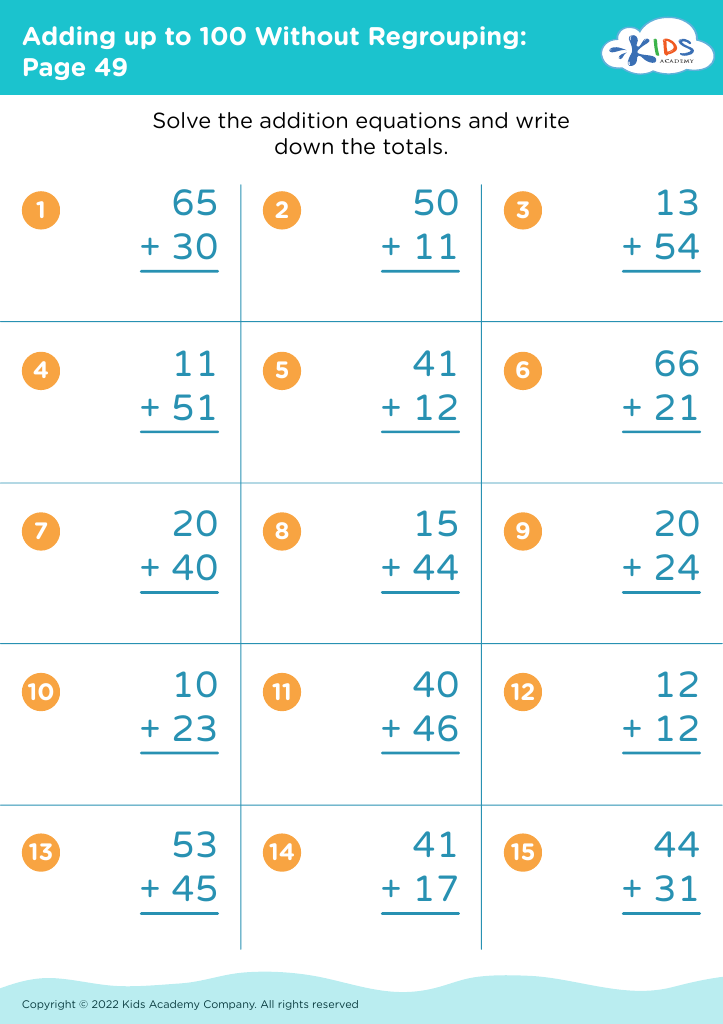
    Adding up to 100 Without Regrouping: Page 49
    Adding up to 100 Without Regrouping: Page 49
    Adding up to 100 Without Regrouping: Page 49
    Worksheet
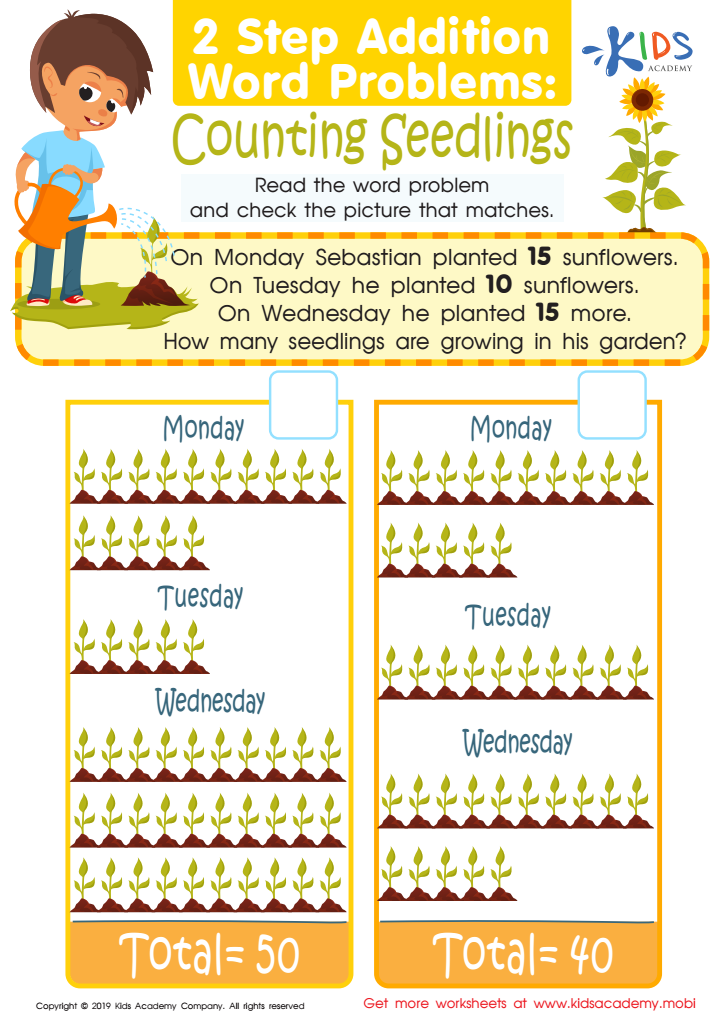
    Counting Seedlings Worksheet
    Counting Seedlings Worksheet

    Counting Seedlings Worksheet

    Understanding math word problems is key. Multiple steps can prove challenging - this free worksheet provides one-to-one picture representation to help kids solve multi-step addition word problems. Strengthen addition skills by choosing the matching picture to the answer.
    Counting Seedlings Worksheet
    Worksheet
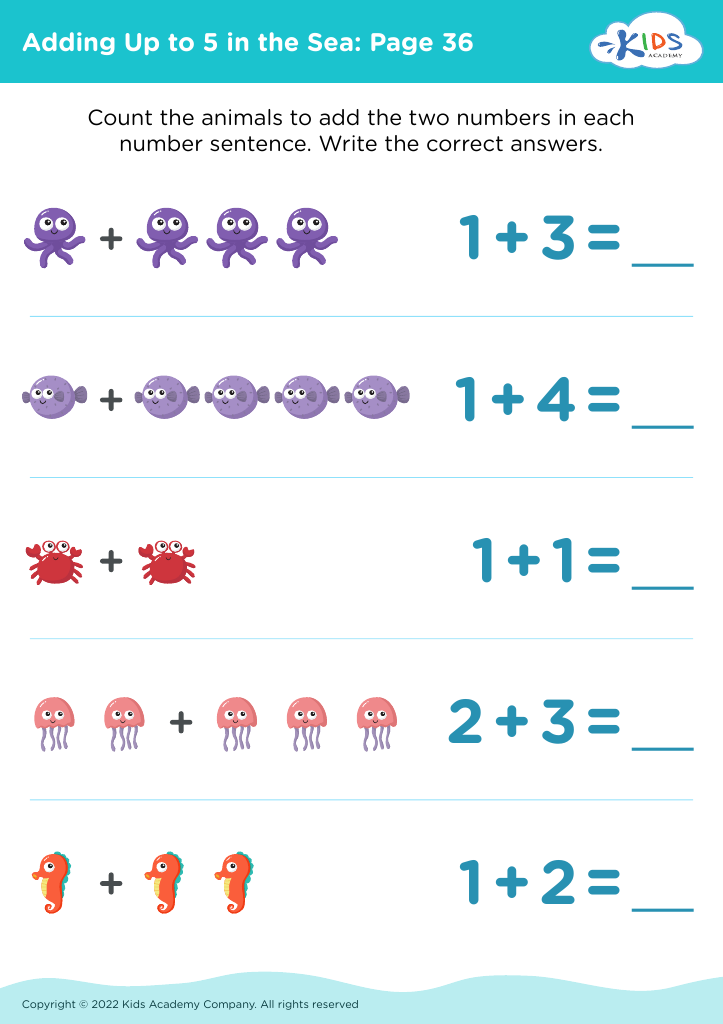
    Adding Up to 5 in the Sea: Page 36
    Adding Up to 5 in the Sea: Page 36
    Adding Up to 5 in the Sea: Page 36
    Worksheet
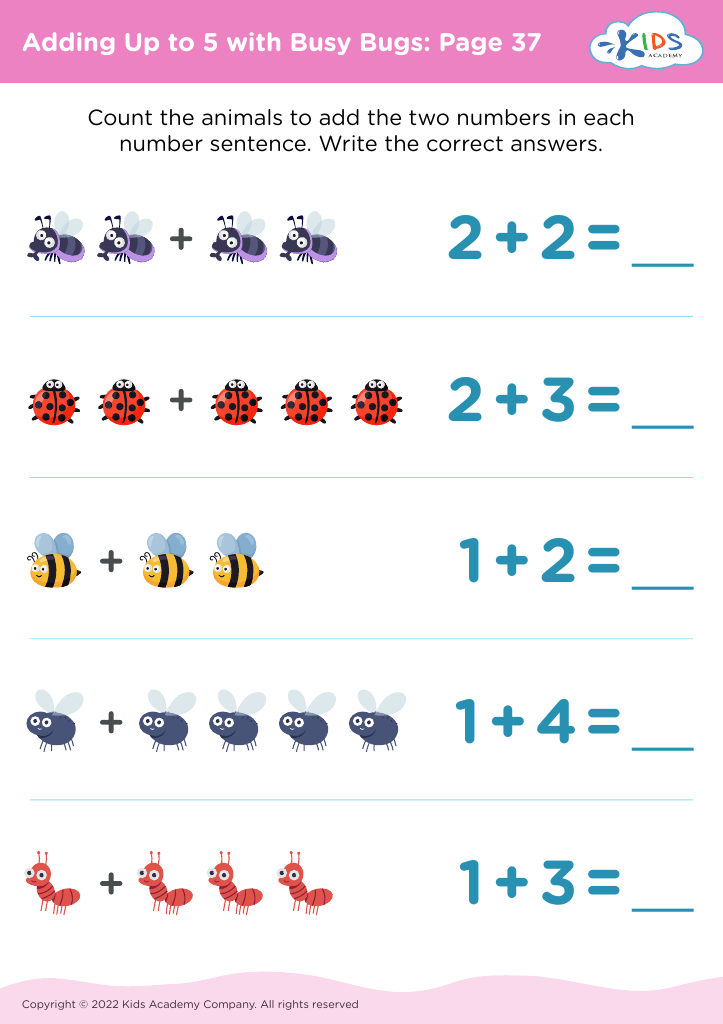
    Adding Up to 5 with Busy Bugs: Page 37
    Adding Up to 5 with Busy Bugs: Page 37
    Adding Up to 5 with Busy Bugs: Page 37
    Worksheet
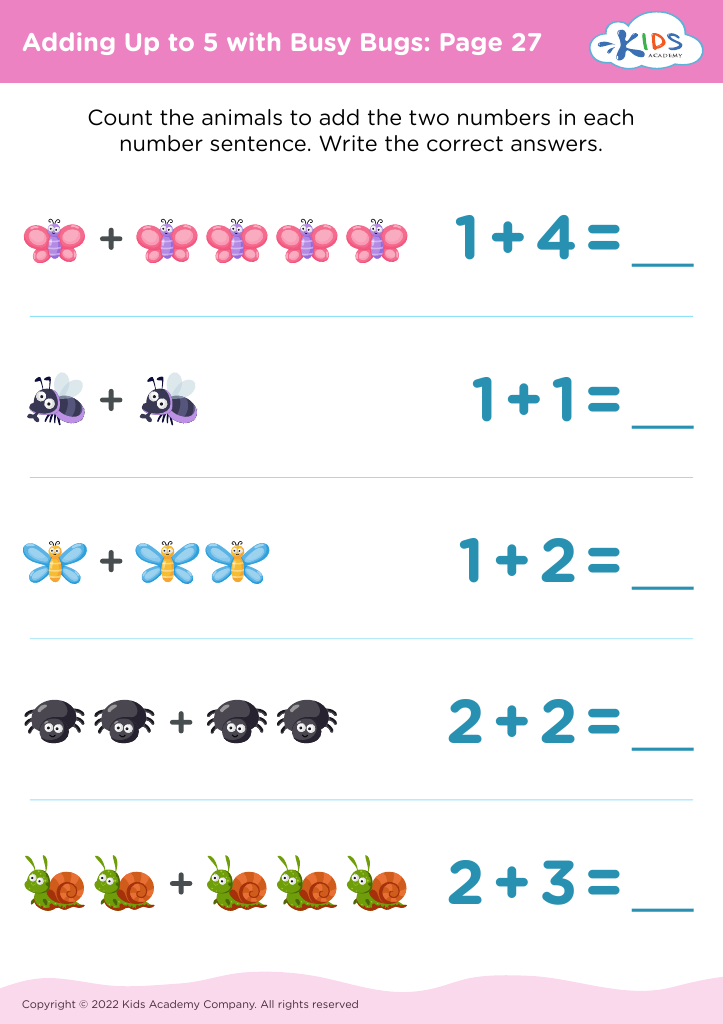
    Adding Up to 5 with Busy Bugs: Page 27
    Adding Up to 5 with Busy Bugs: Page 27
    Adding Up to 5 with Busy Bugs: Page 27
    Worksheet
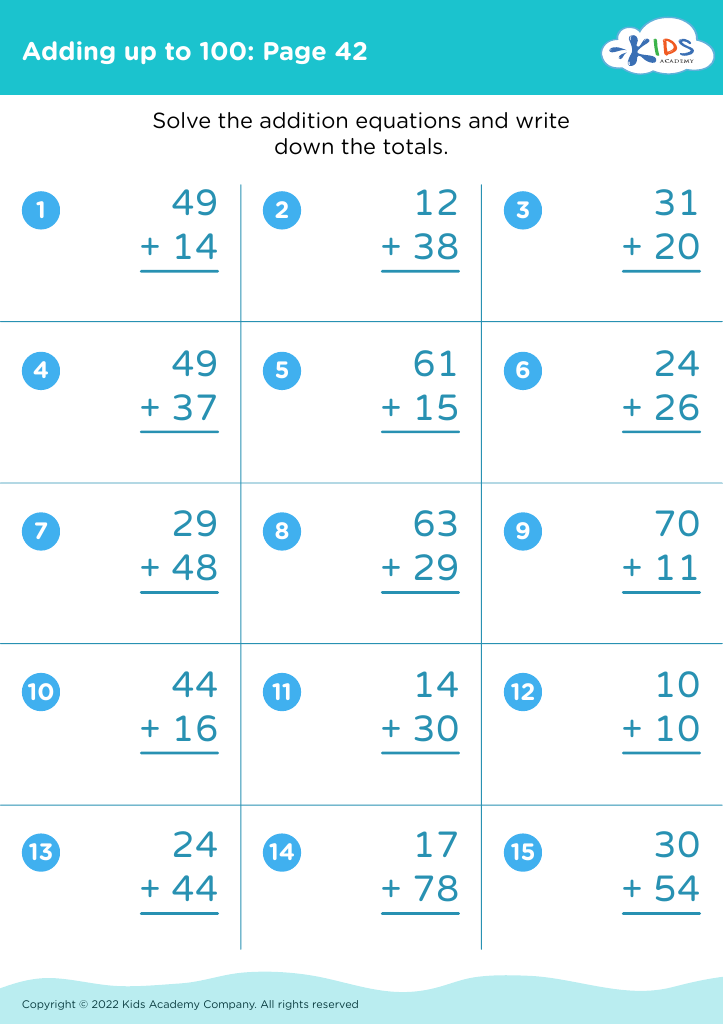
    Adding up to 100: Page 42
    Adding up to 100: Page 42

    Adding up to 100: Page 42

    Adding up to 100: Page 42
    Worksheet
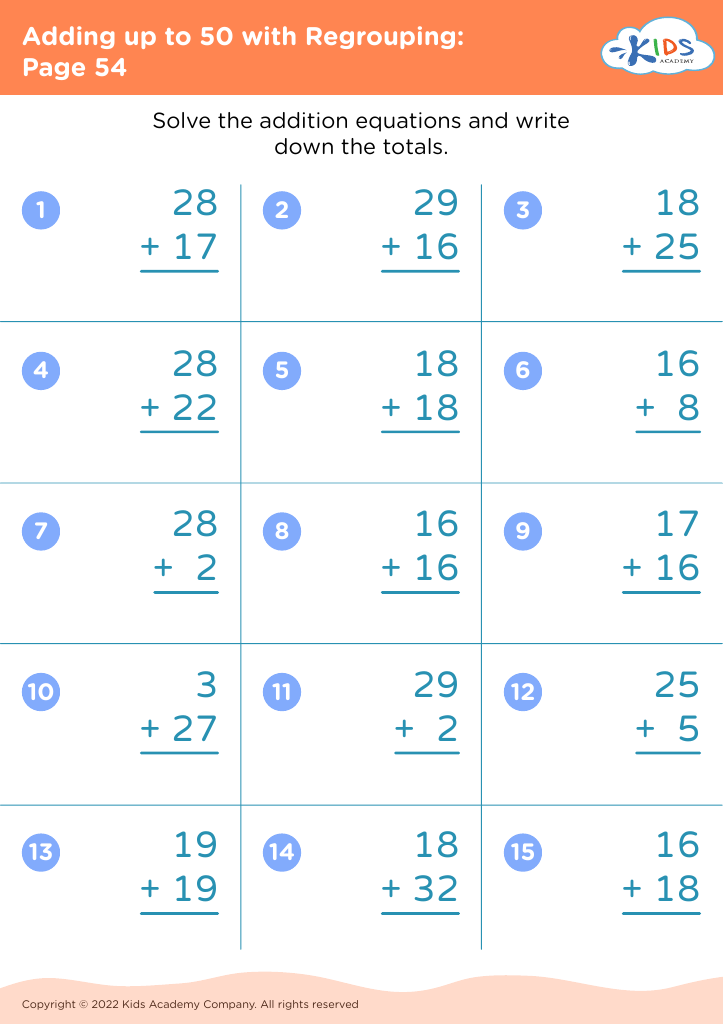
    Adding up to 50 with Regrouping: Page 54
    Adding up to 50 with Regrouping: Page 54
    Adding up to 50 with Regrouping: Page 54
    Worksheet
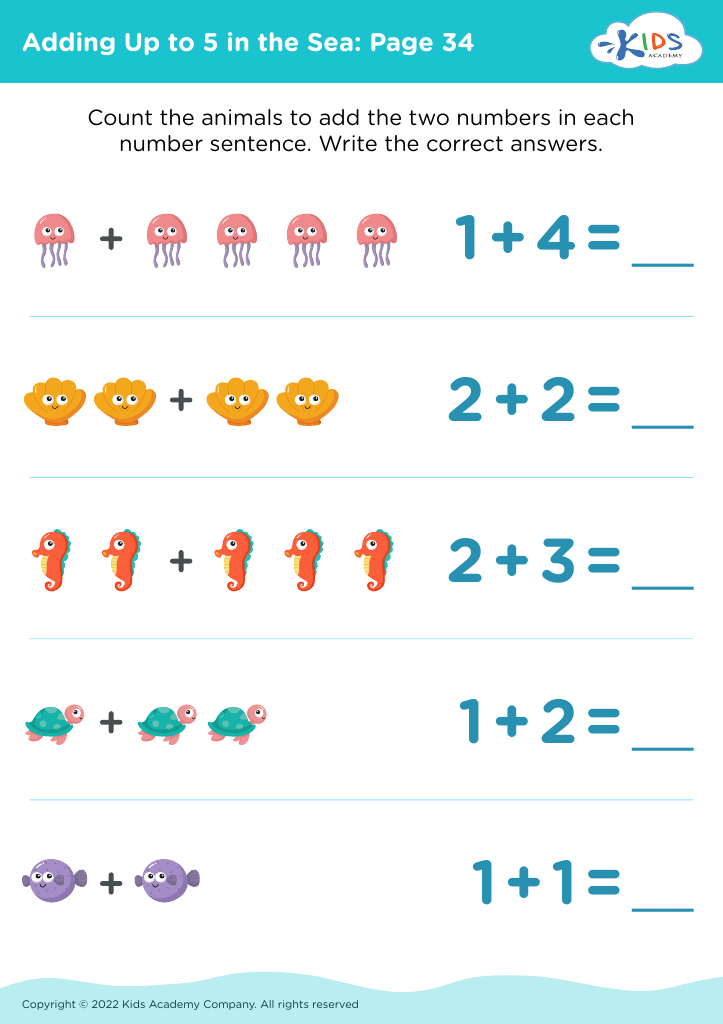
    Adding Up to 5 in the Sea: Page 34
    Adding Up to 5 in the Sea: Page 34
    Adding Up to 5 in the Sea: Page 34
    Worksheet
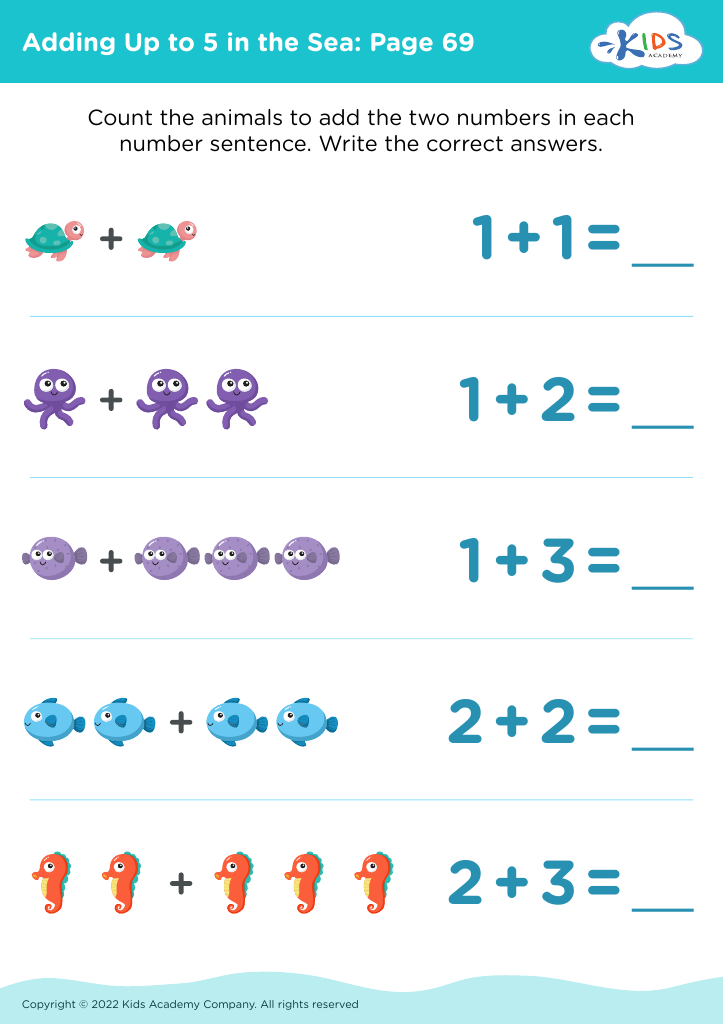
    Adding Up to 5 in the Sea: Page 69
    Adding Up to 5 in the Sea: Page 69
    Adding Up to 5 in the Sea: Page 69
    Worksheet
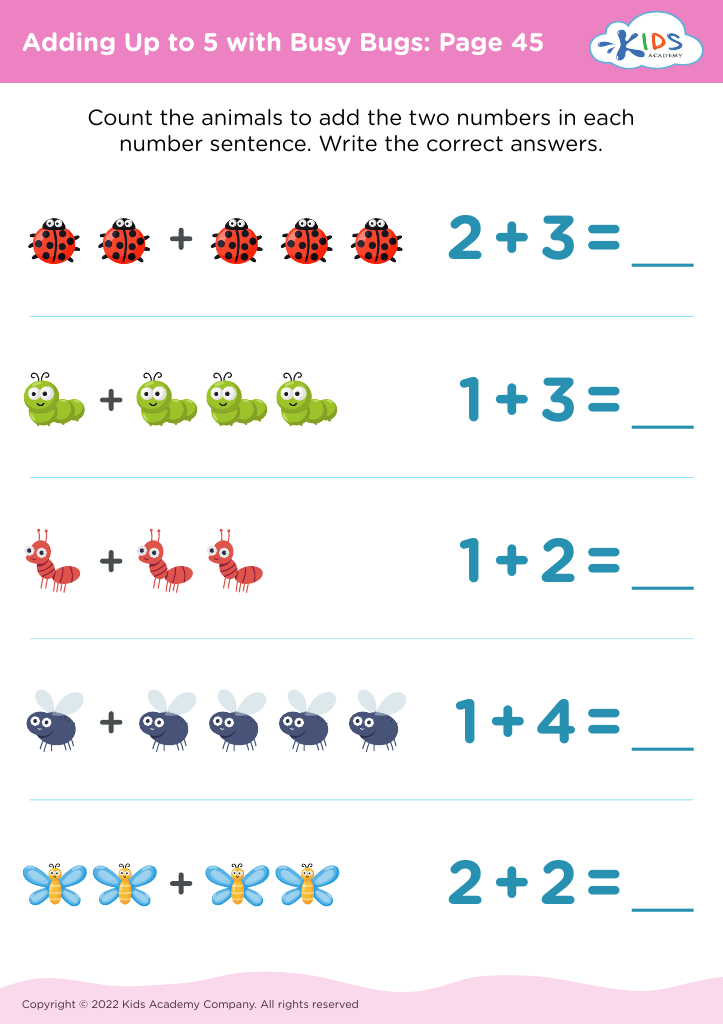
    Adding Up to 5 with Busy Bugs: Page 45
    Adding Up to 5 with Busy Bugs: Page 45
    Adding Up to 5 with Busy Bugs: Page 45
    Worksheet
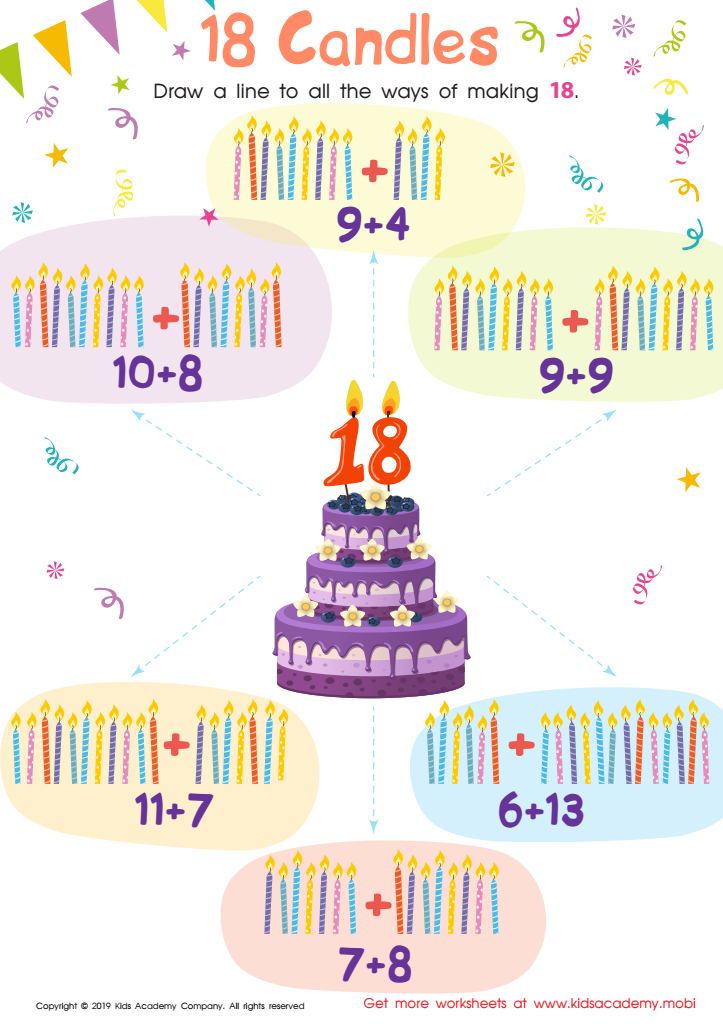
    18 Candles Worksheet
    18 Candles Worksheet

    18 Candles Worksheet

    This worksheet is great for introducing your students to addition and subtraction. Help your kids solve the simple equations on it and draw a line from the birthday cake with 18 on it to all the solutions. Practice like this will prepare them to tackle more complex math problems.
    18 Candles Worksheet
    Worksheet
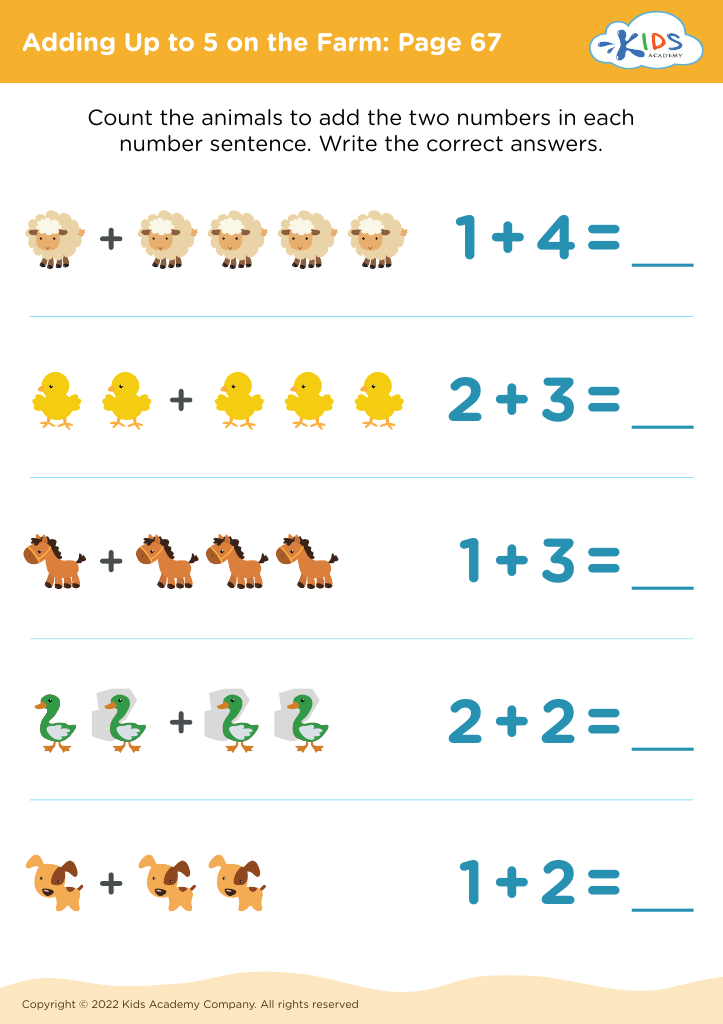
    Adding Up to 5 on the Farm: Page 67
    Adding Up to 5 on the Farm: Page 67
    Adding Up to 5 on the Farm: Page 67
    Worksheet


    Fine motor skills are crucial for children aged 5-8 as they lay the foundation for numerous everyday tasks and academic success. These skills involve the small muscles in the hands and fingers, facilitating activities like writing, using scissors, buttoning clothes, and personal grooming. Parents and teachers should prioritize fine motor skills development because they directly correlate with a child's cognitive and social development.

    Strong fine motor abilities enhance a child's ability to focus, engage in classroom activities, and express creativity. For instance, children with well-developed fine motor skills can manipulate art supplies with ease, fostering artistic expression, while also boosting confidence as they experience success in completing tasks. Moreover, children who struggle with fine motor skills may face challenges in writing, which can affect their academic performance and self-esteem.

    Encouraging activities like finger painting, playing with building blocks, or engaging in crafts can support fine motor development effectively. By integrating enjoyable activities into daily routines, parents and teachers can create a supportive environment that builds these skills, inherently promoting independence and problem-solving abilities. Thus, prioritizing fine motor skills development is essential for preparing children for the complexities of both academic and everyday life.