Fraction simplification Addition Worksheets for Ages 5-8 - Page 2
56 filtered results
-
From - To
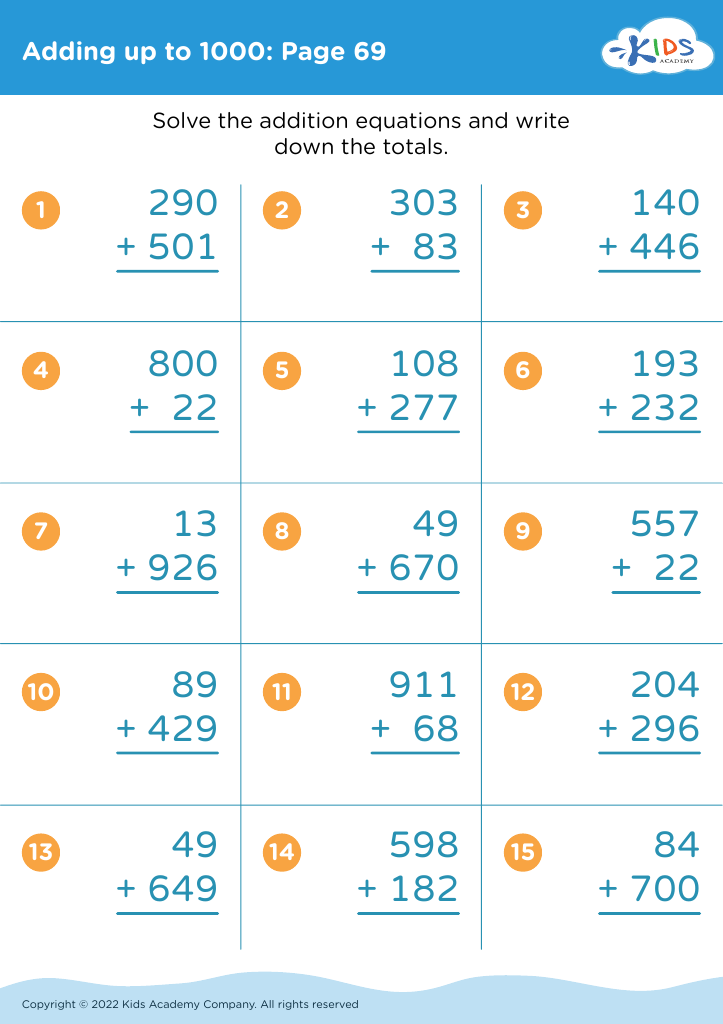
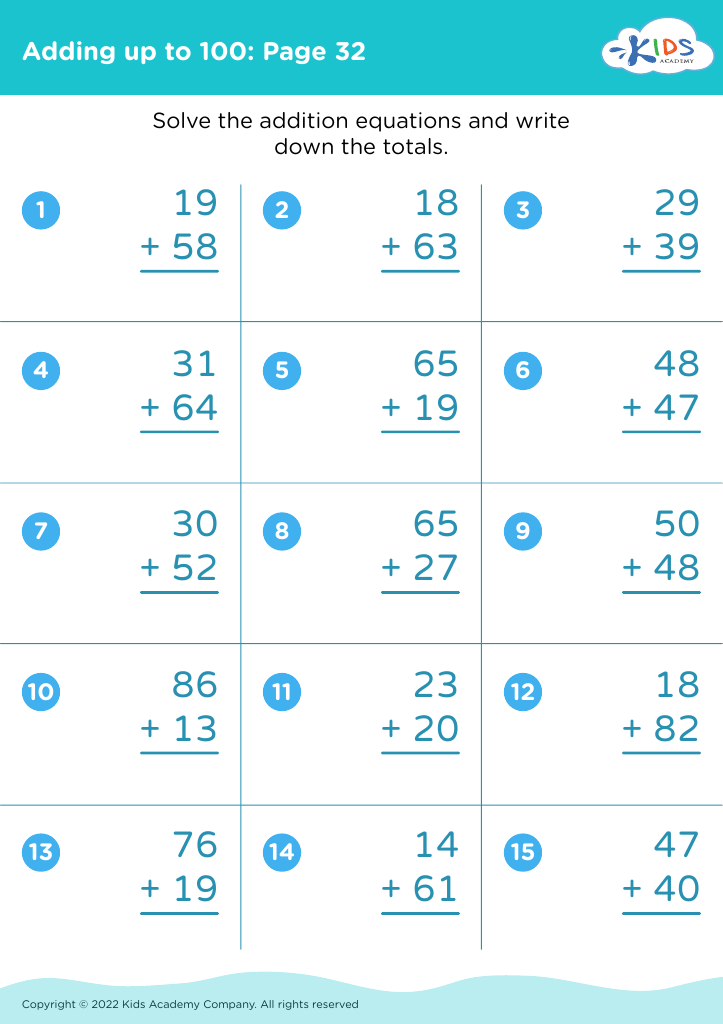
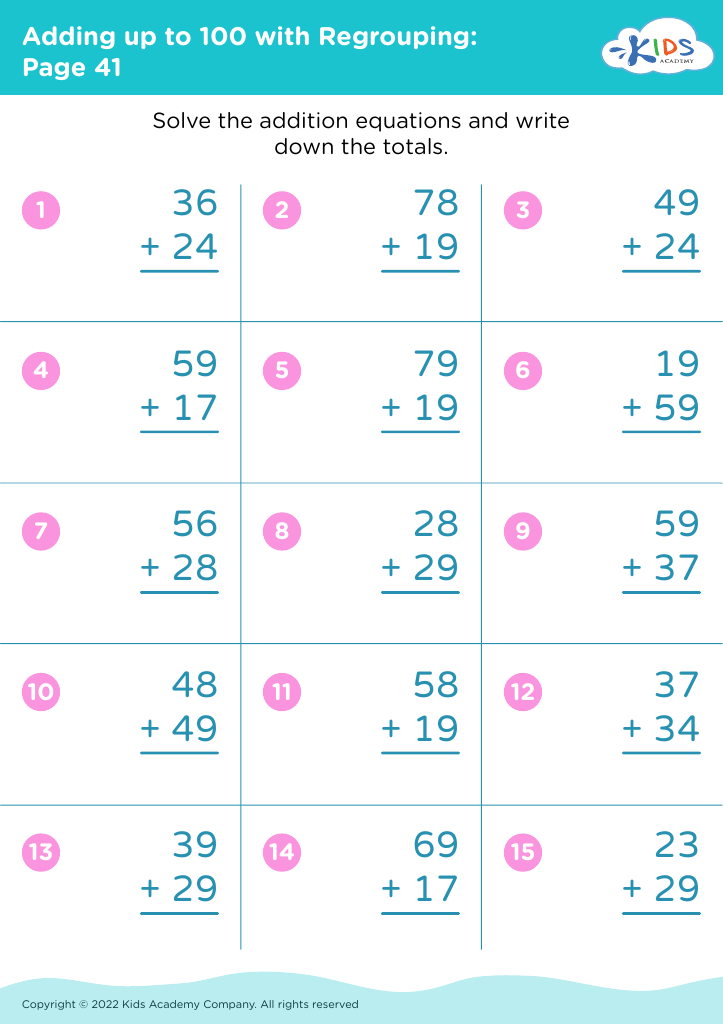
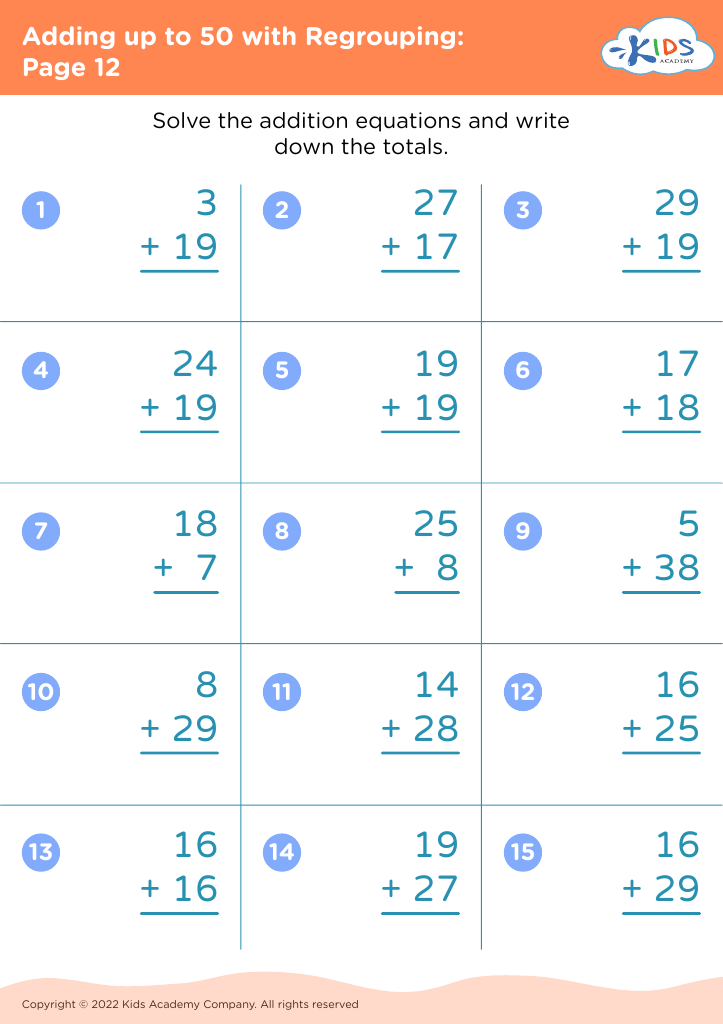
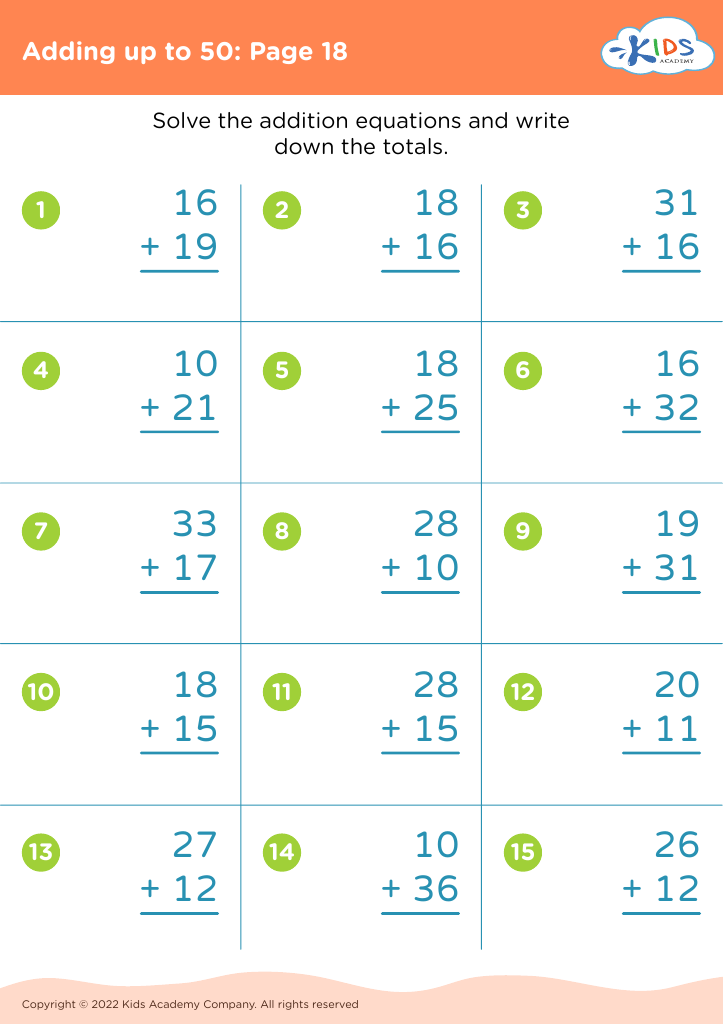
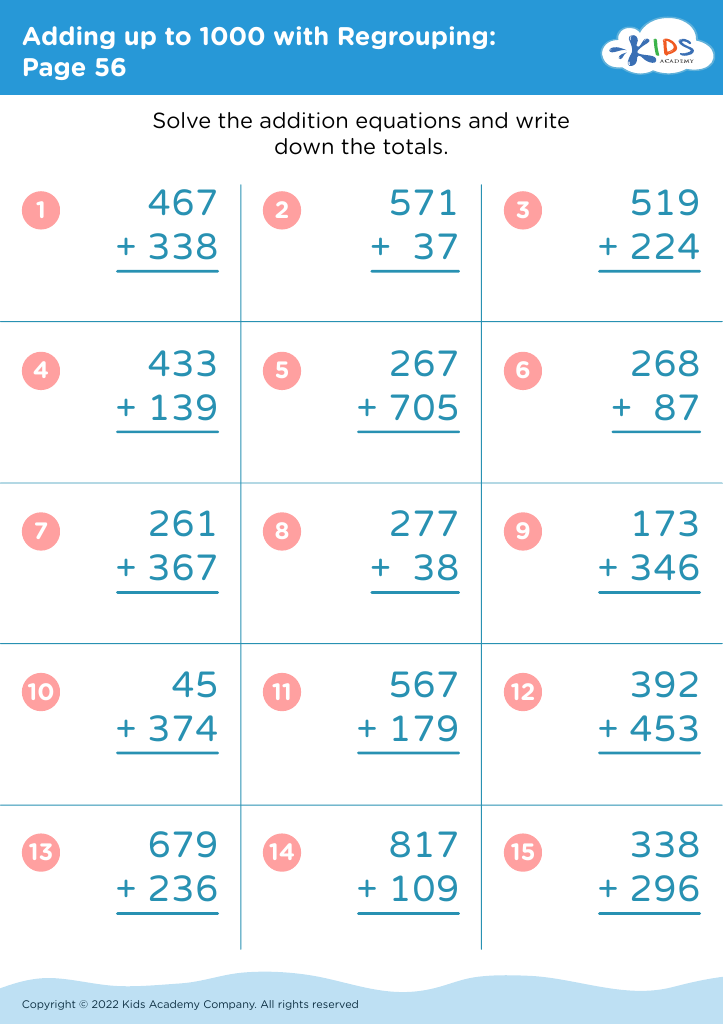
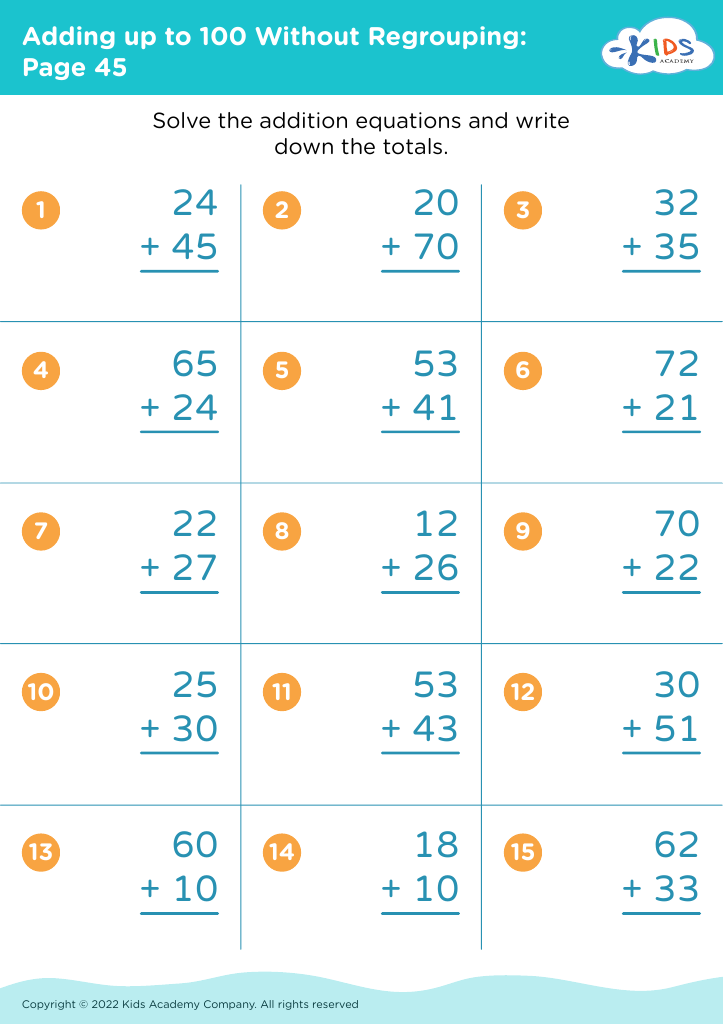
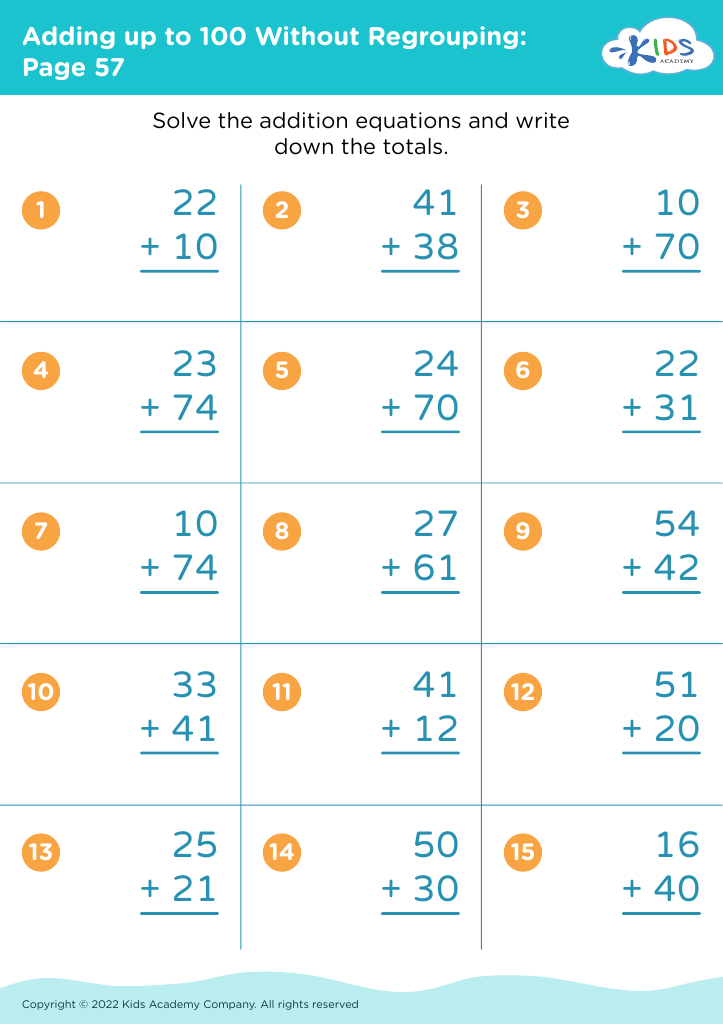
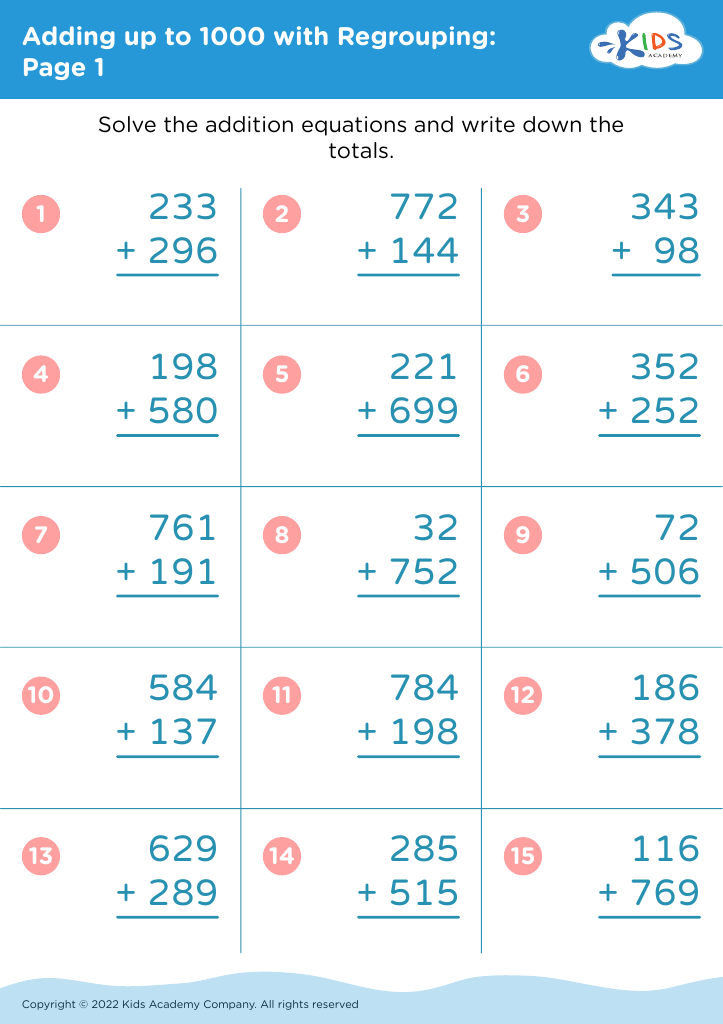
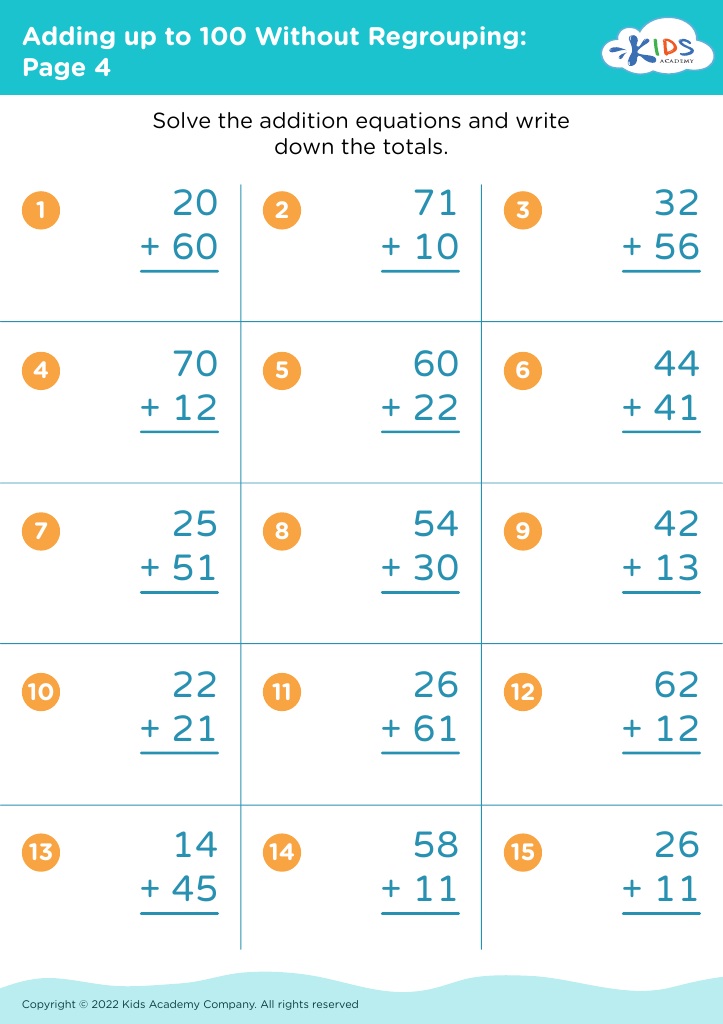
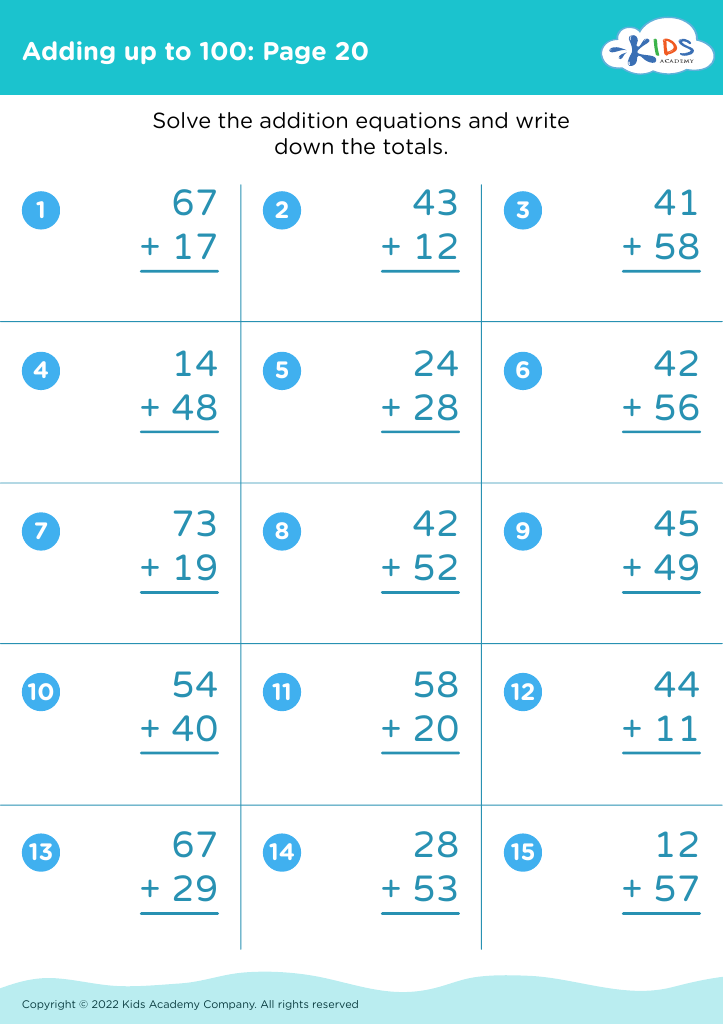
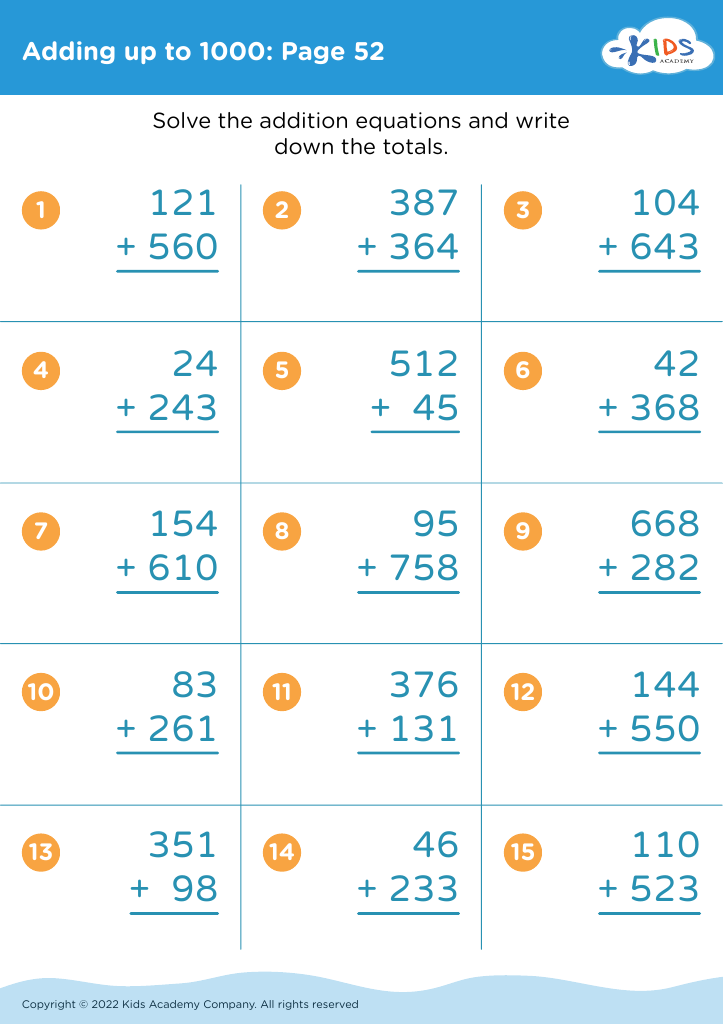
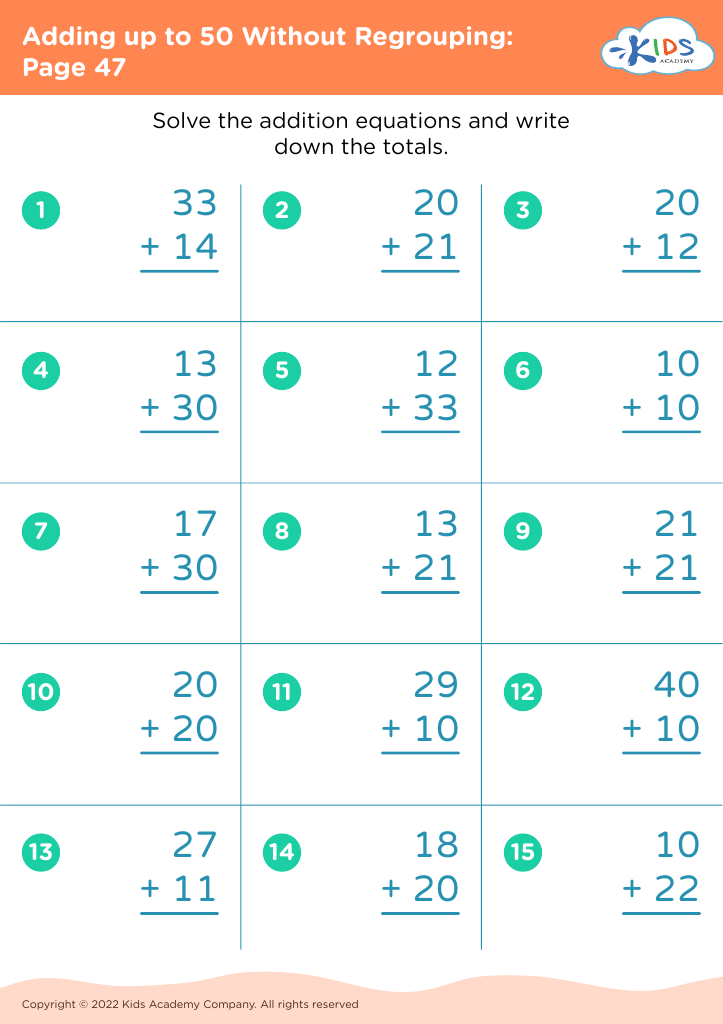
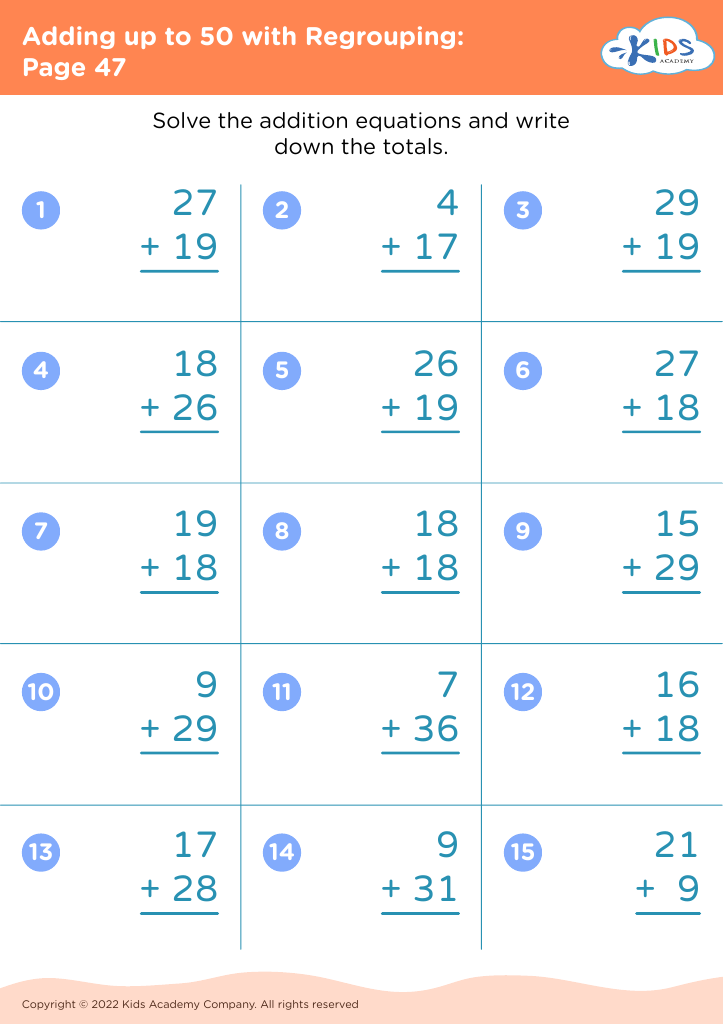
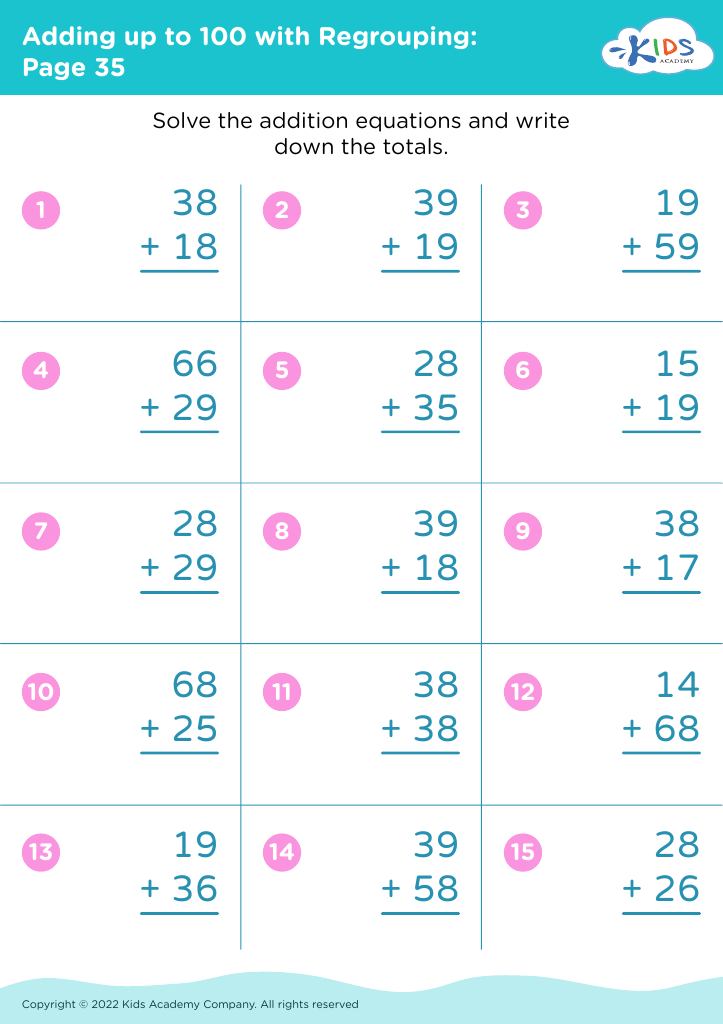
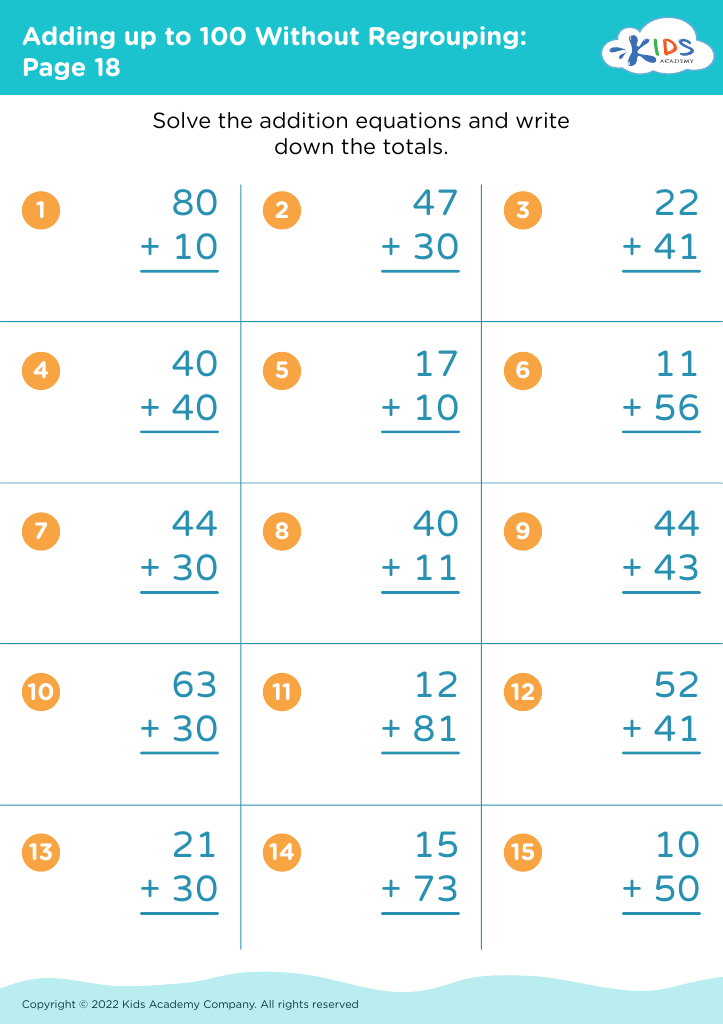
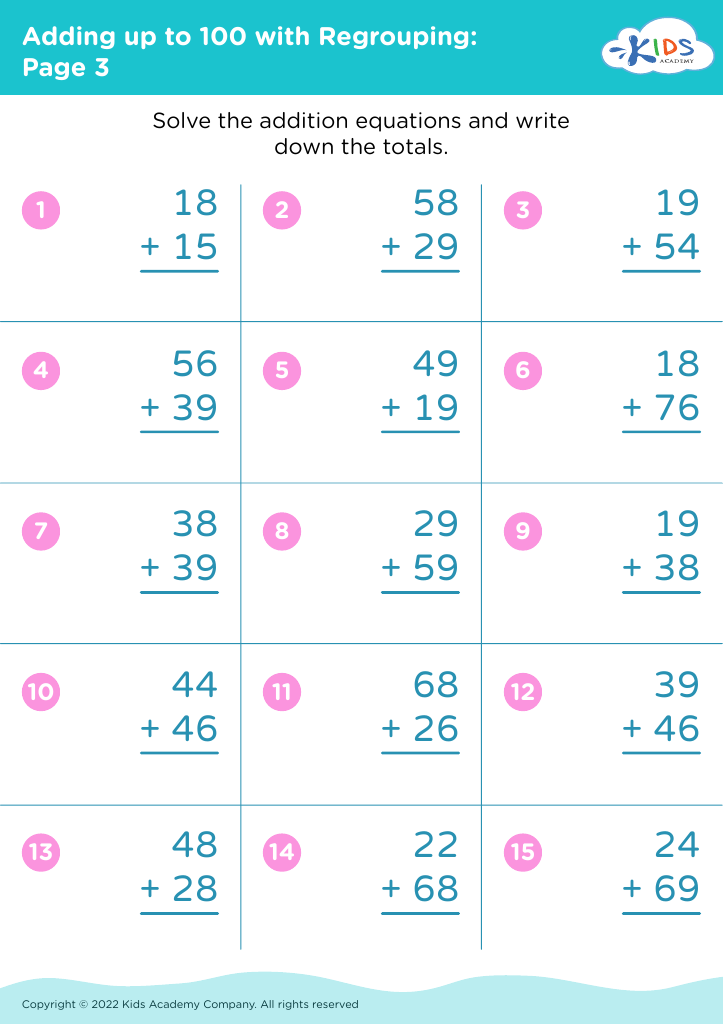
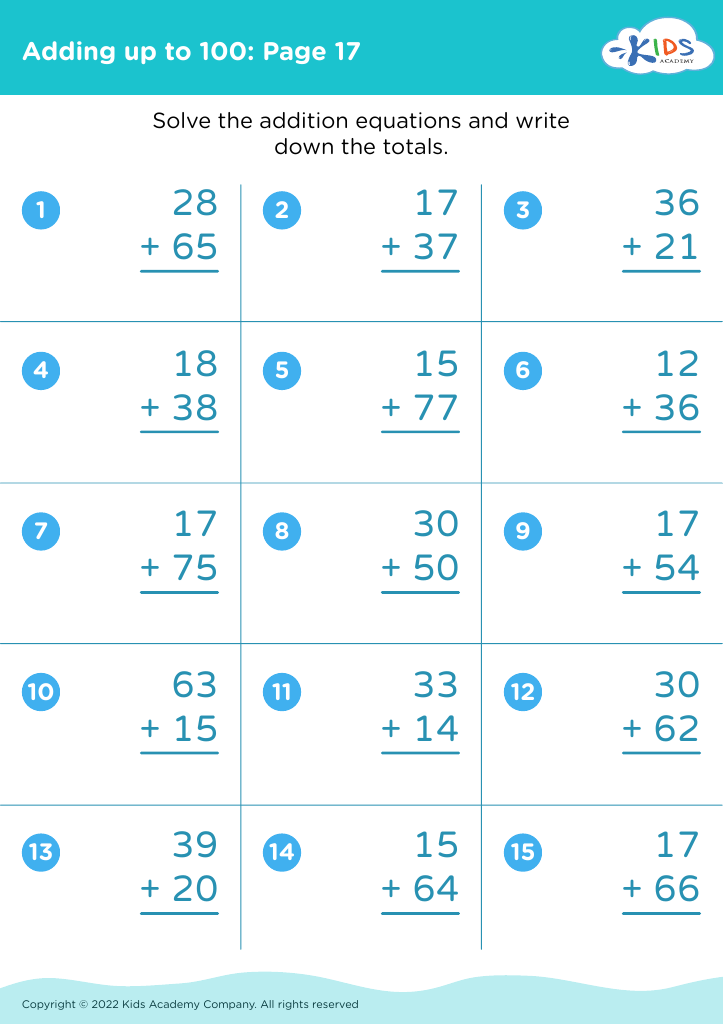
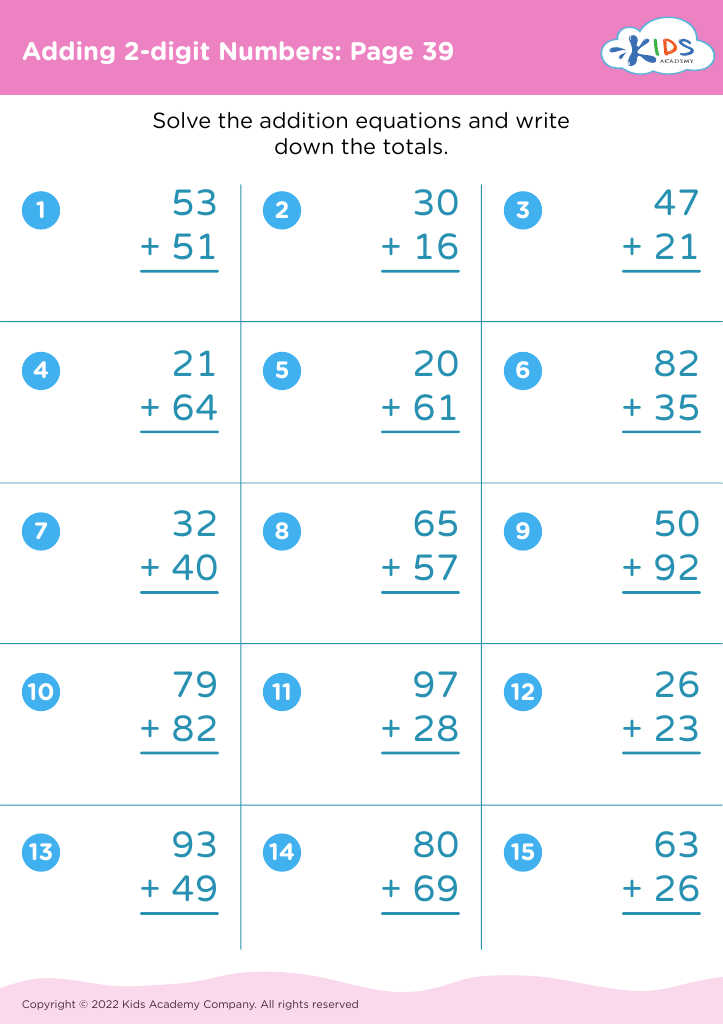
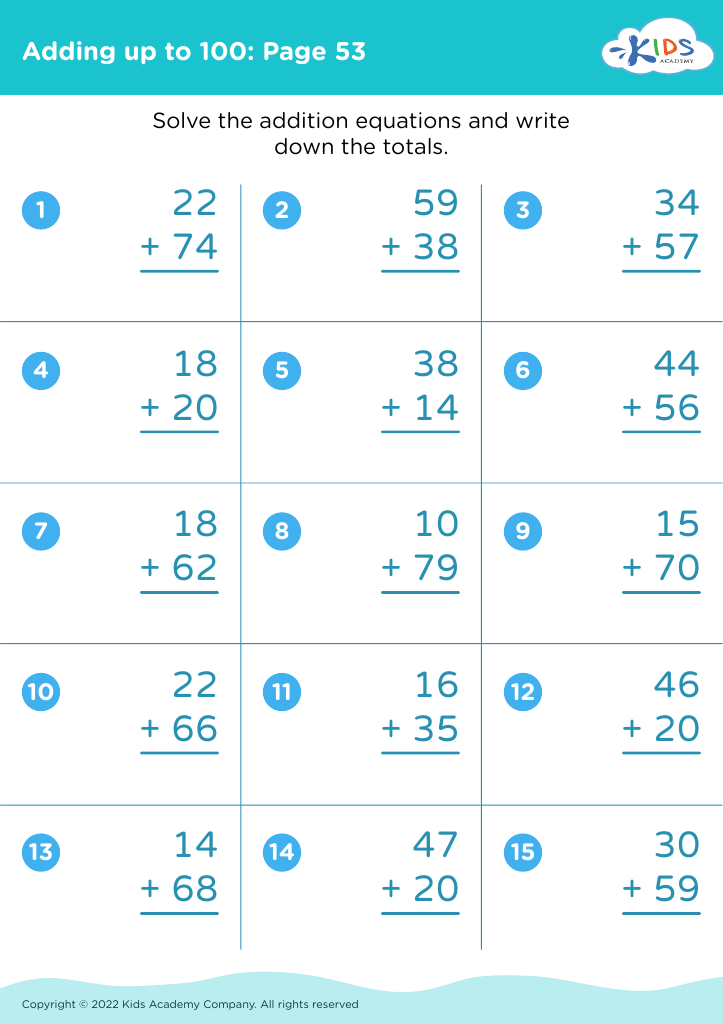
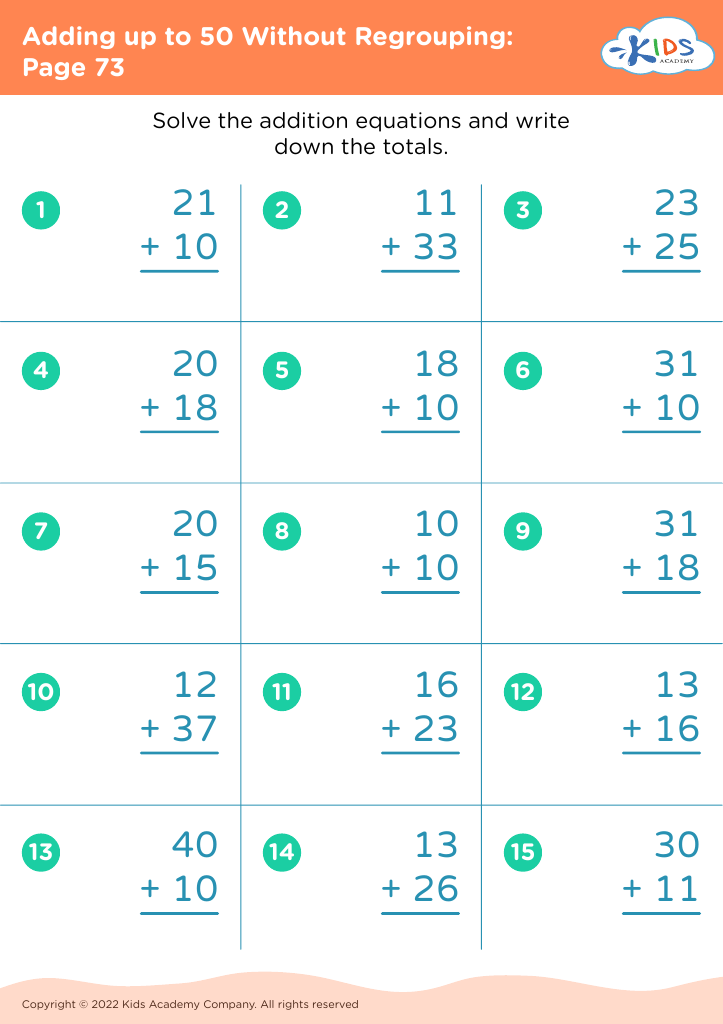
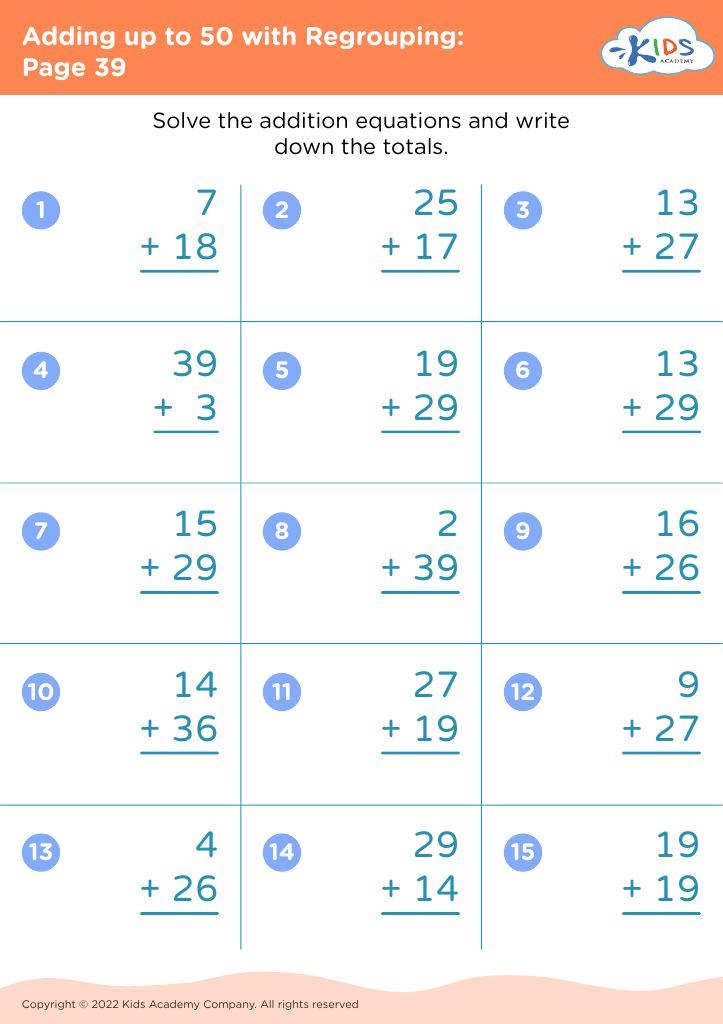
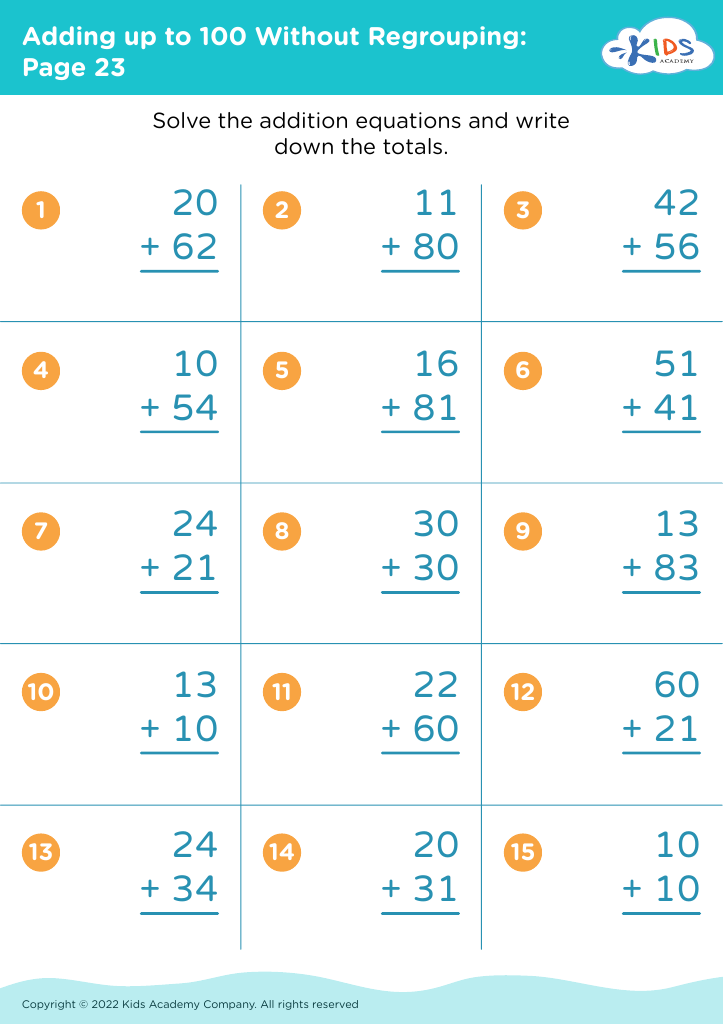
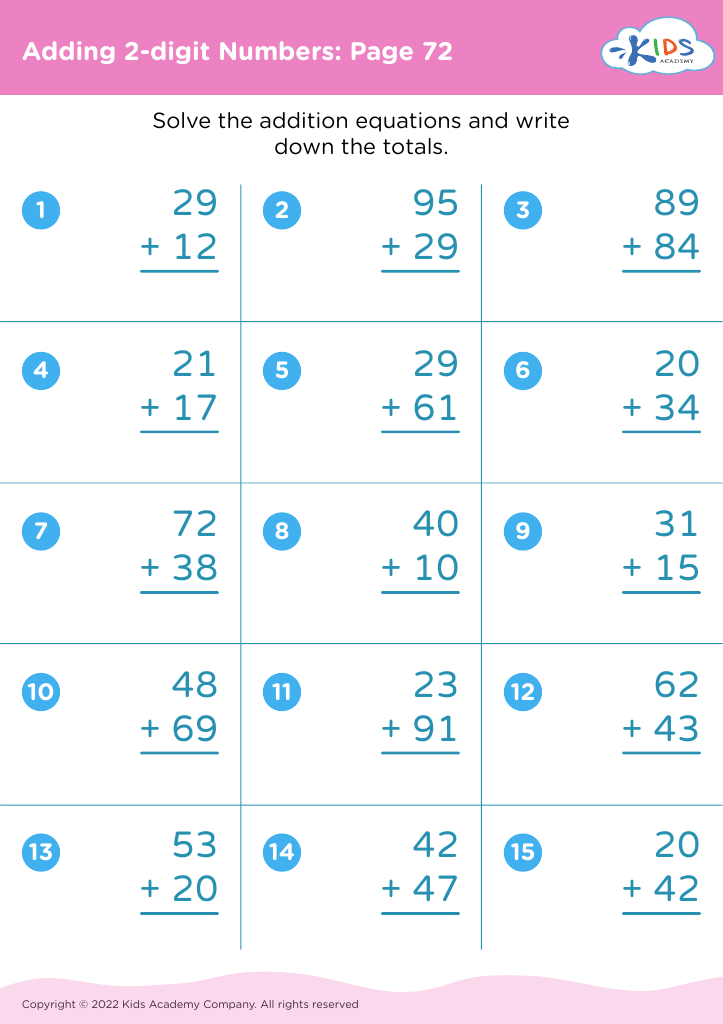








Teaching fraction simplification and addition to children aged 5-8 forms a critical foundation for later math skills and number sense. At this young age, children are developing their understanding of how numbers work and relate to each other. Simplifying fractions helps kids understand the concept of equivalency, which is essential for adding fractions and managing more complex math problems down the road.
When teachers and parents invest time in teaching these skills early, they help children grasp the idea that a fraction represents a part of a whole, which is a fundamental mathematical concept. Simplification makes fractions easier to work with, preparing kids for real-world applications such as measuring ingredients in cooking or dividing items among friends.
Furthermore, adding fractions provides opportunities to practice skills like finding common denominators, reinforcing addition strategies, and understanding larger, composite numbers. These skills are not only pivotal in math but are also applicable in subjects like science, engineering, and technology.
Early mastery leads to increased confidence in math, which can diminish math anxiety and encourage a lifelong interest in the subject. Overall, fractions form a crucial bridge from basic arithmetic to advanced mathematical concepts, making early instruction in fraction simplification and addition essential for children's academic growth.








