Recognizing numbers Addition Worksheets for Ages 5-8
4 filtered results
-
From - To
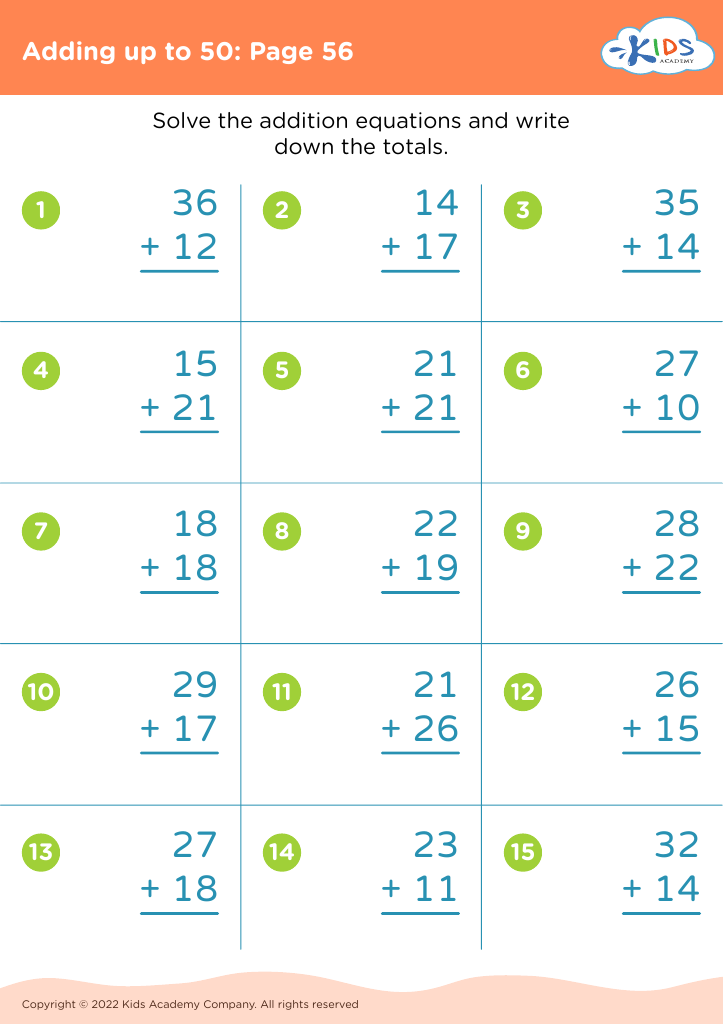
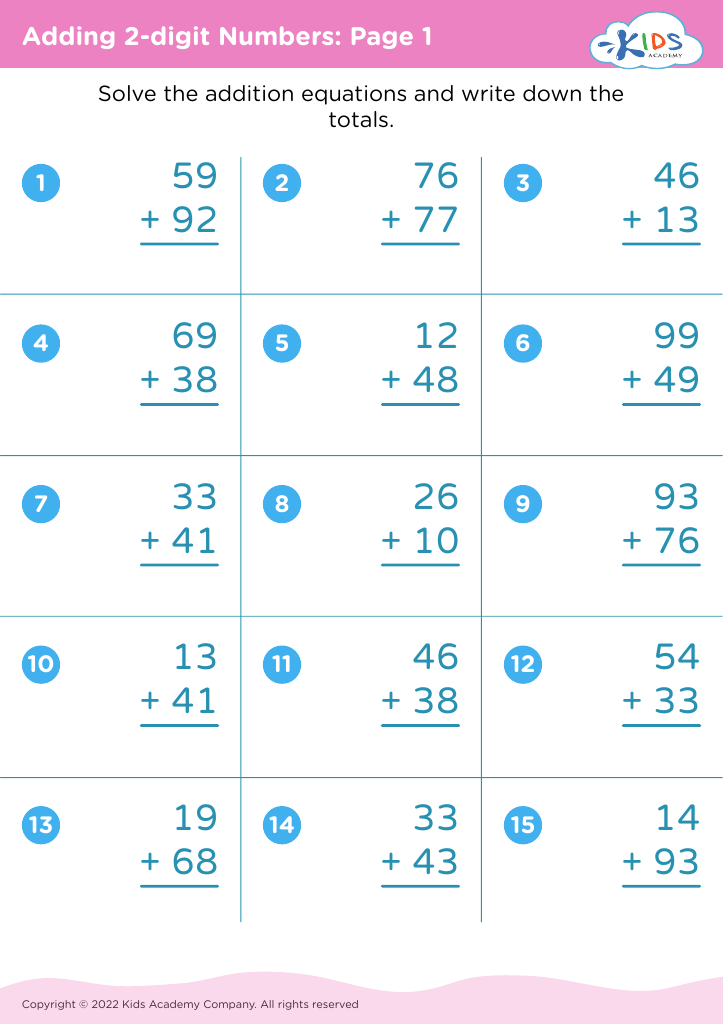
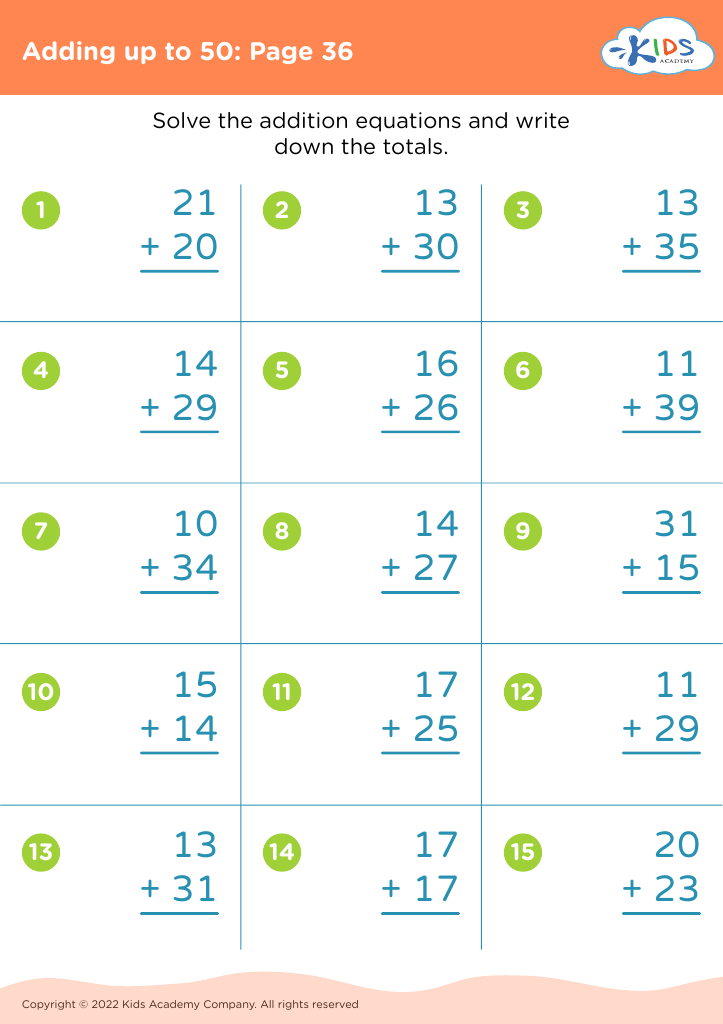
Discover the joy of learning with our Recognizing Numbers Addition Worksheets designed for ages 5-8! At Kids Academy, our engaging and educational worksheets help young learners confidently recognize numbers and enhance their addition skills. Perfectly crafted for children starting their math journey, these printable resources combine fun activities with effective learning strategies. Each worksheet aims to boost number familiarity and arithmetic proficiency. Make math an enjoyable adventure for your child with colorful, interactive exercises. Browse our wide selection and watch your young mathematician blossom, one number at a time! Explore more at Kids Academy.
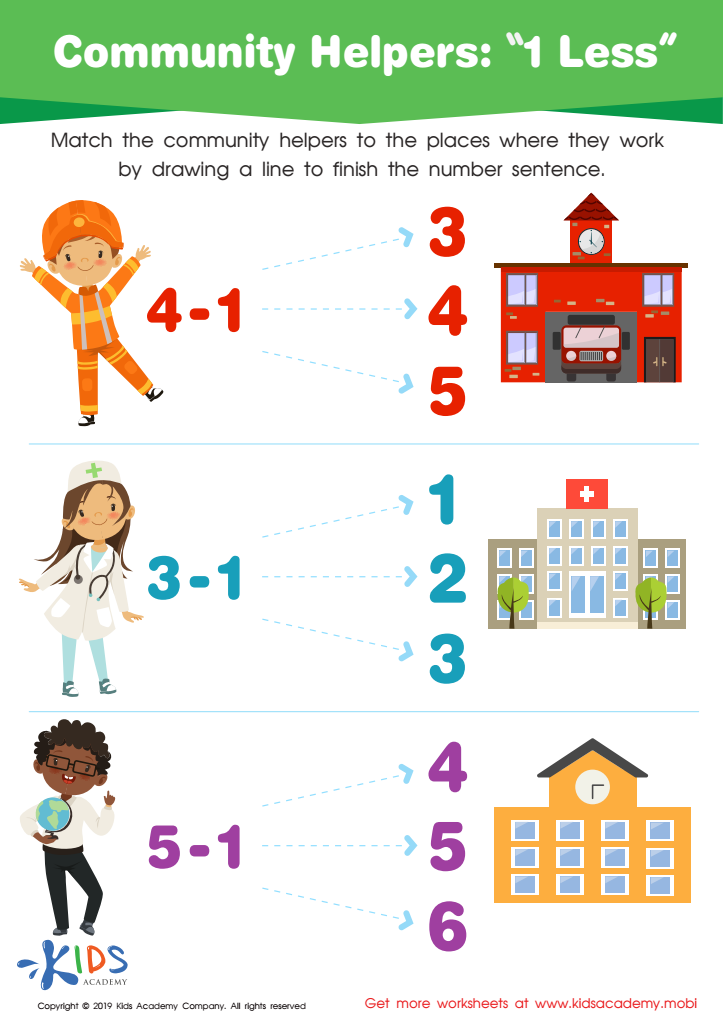
Community Helpers: 1 less Worksheet
 Assign to My Students








Recognizing and understanding numbers and basic addition are foundational skills for children ages 5-8. This early stage of numeracy is crucial for several reasons. First, it builds the groundwork for all future mathematical learning. Grasping these fundamental concepts equips children with the tools they need to tackle more complex mathematical operations as they progress through their education.
Second, early math skills are strongly linked to academic success in other areas. Studies have shown that children who perform well in early math tend to excel in other subjects, including reading and science. Recognizing numbers and understanding addition foster critical thinking, problem-solving, and logical reasoning—skills that are essential across the curriculum.
Moreover, early proficiency in numbers and addition boosts children's confidence in their abilities, encouraging a positive attitude towards learning and reducing math anxiety. This confidence can lead to greater academic engagement and a willingness to take on new challenges.
Parents and teachers play a vital role in nurturing these skills. By creating an encouraging and supportive environment, using playful and interactive methods, and integrating math into everyday activities, they make learning math a fun and exciting adventure. Investing time and effort into teaching these early math skills can set children on a path to lifelong learning and success.








