Understanding symmetry Addition Worksheets for Ages 5-8
24 filtered results
-
From - To
Discover our engaging "Understanding Symmetry Addition Worksheets" designed for children ages 5-8. These interactive resources combine foundational math skills with the exciting concept of symmetry, making learning a fun adventure! Each worksheet encourages young learners to identify symmetrical patterns and enhance their addition skills simultaneously. By successfully completing exercises, kids will strengthen their number recognition, improve fine motor skills, and develop critical thinking as they engage with colorful visuals and fun problems. Perfect for classroom use or home learning, these worksheets are an excellent tool for fostering a love of math and art in young learners. Get started today!
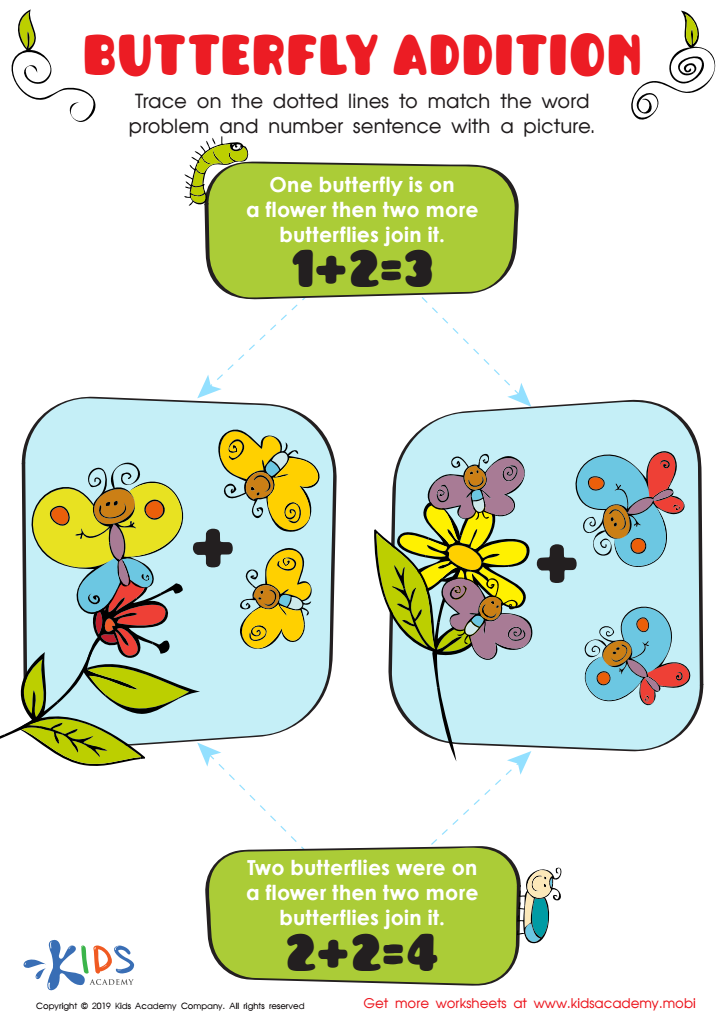
Butterfly Addition Worksheet
 Assign to My Students
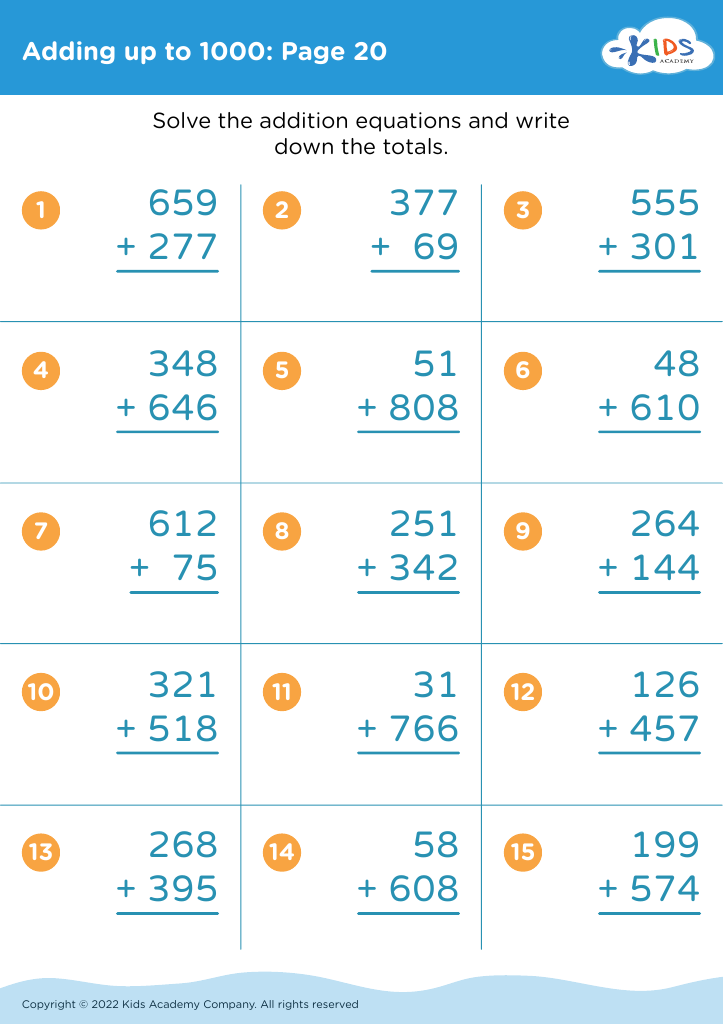
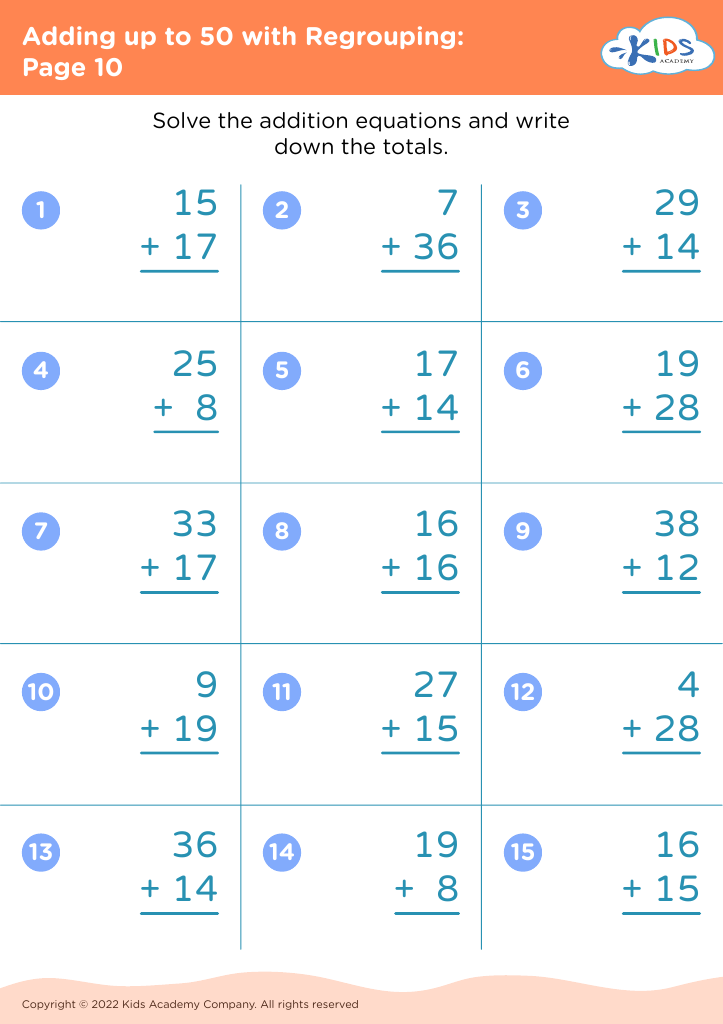
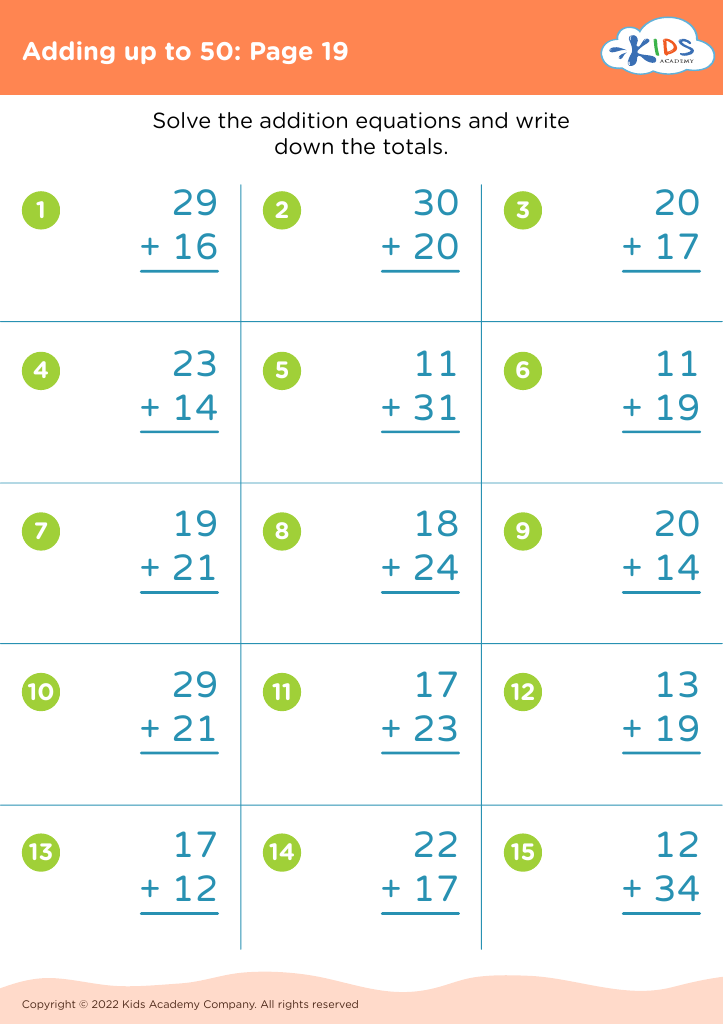
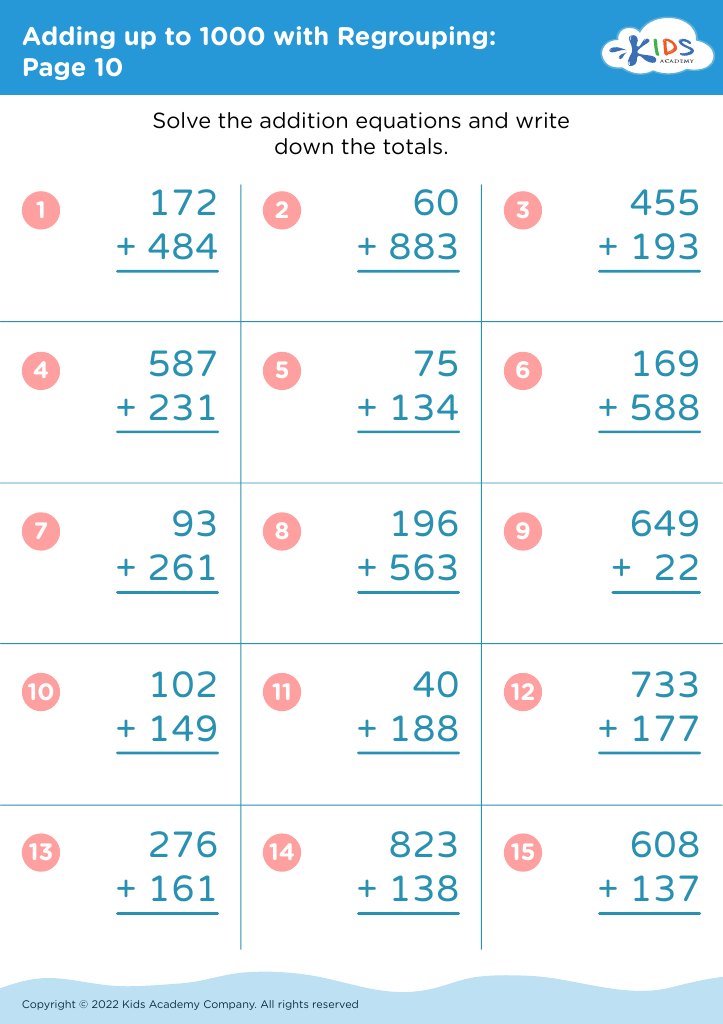
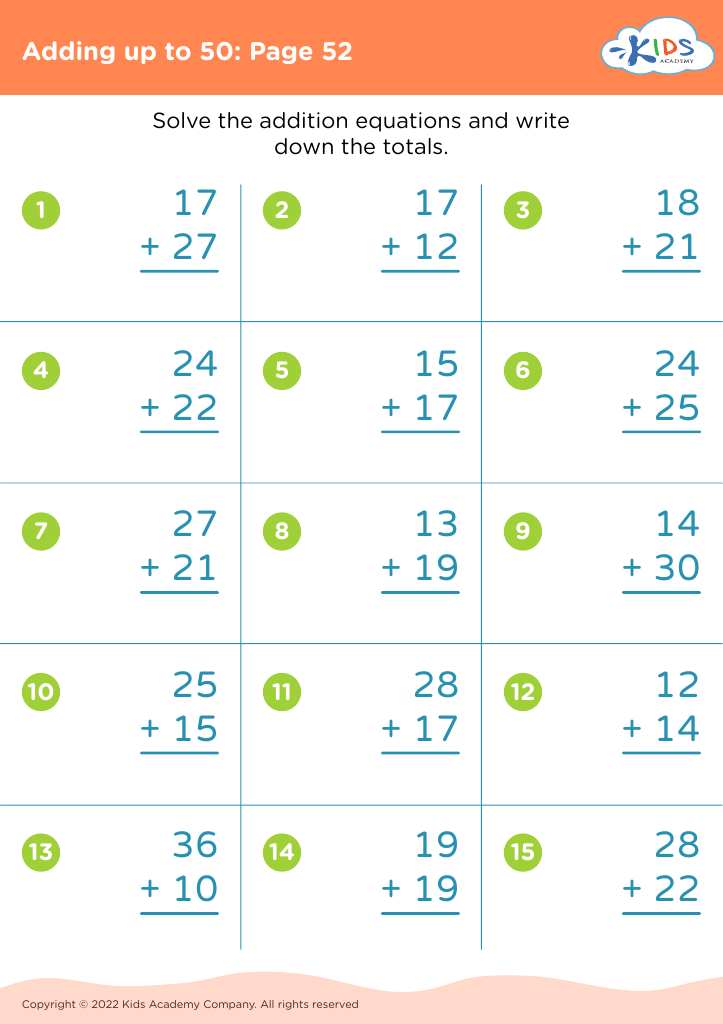
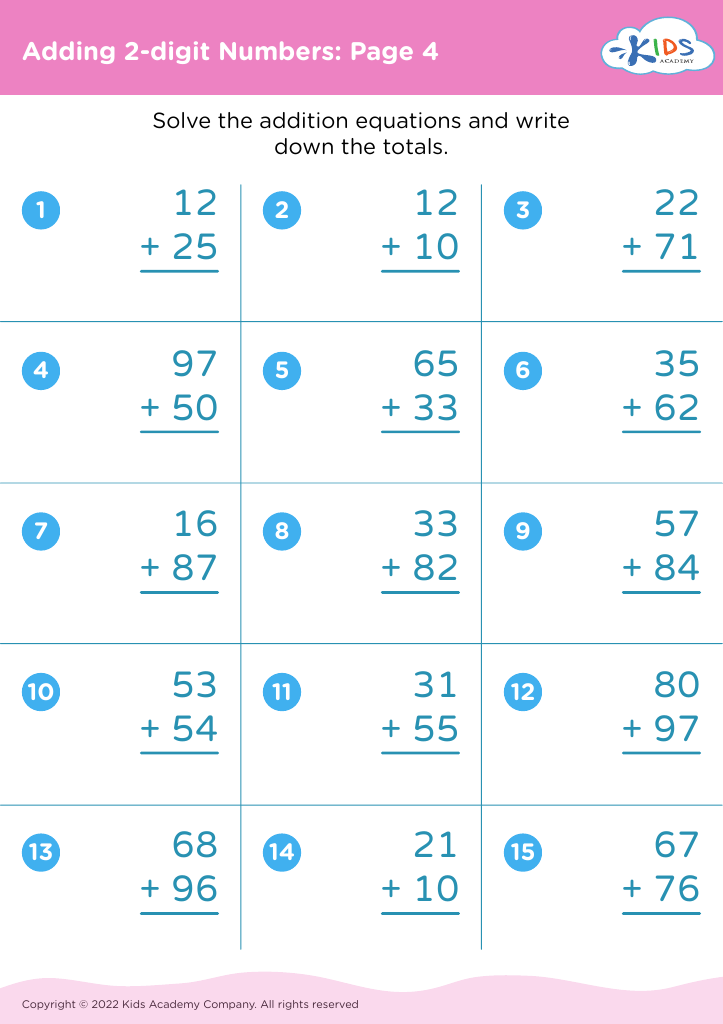
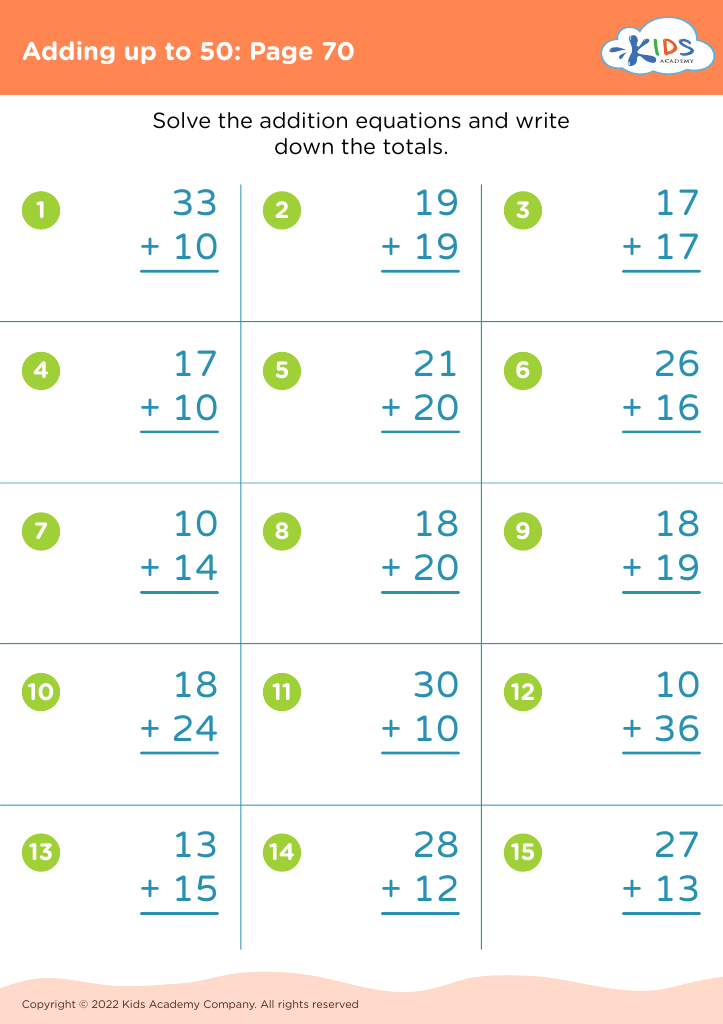
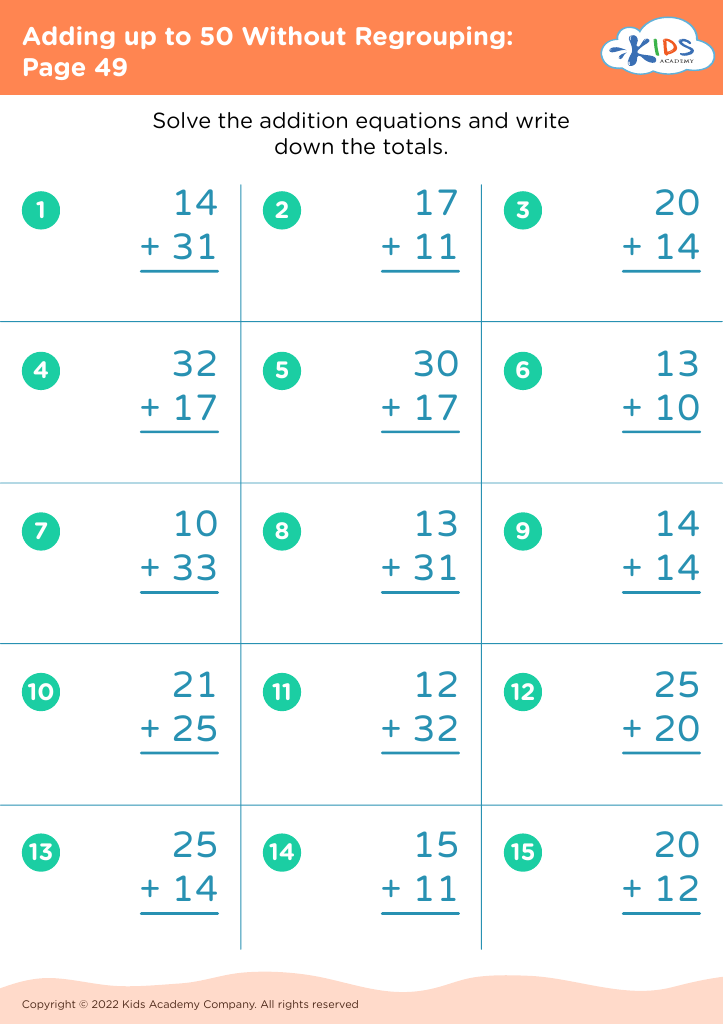
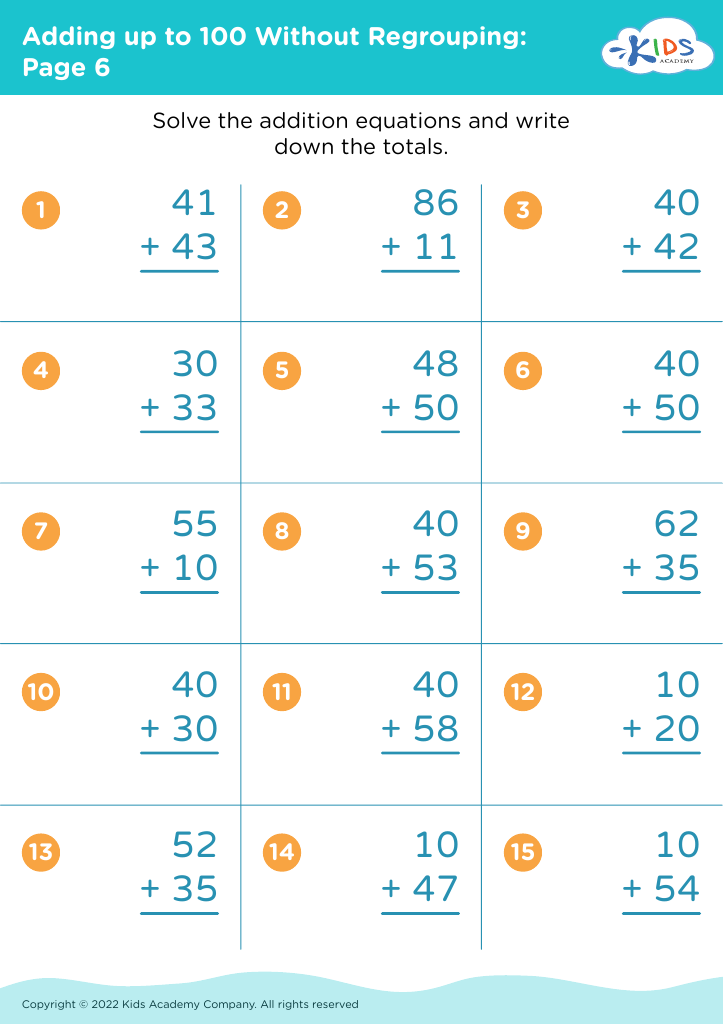
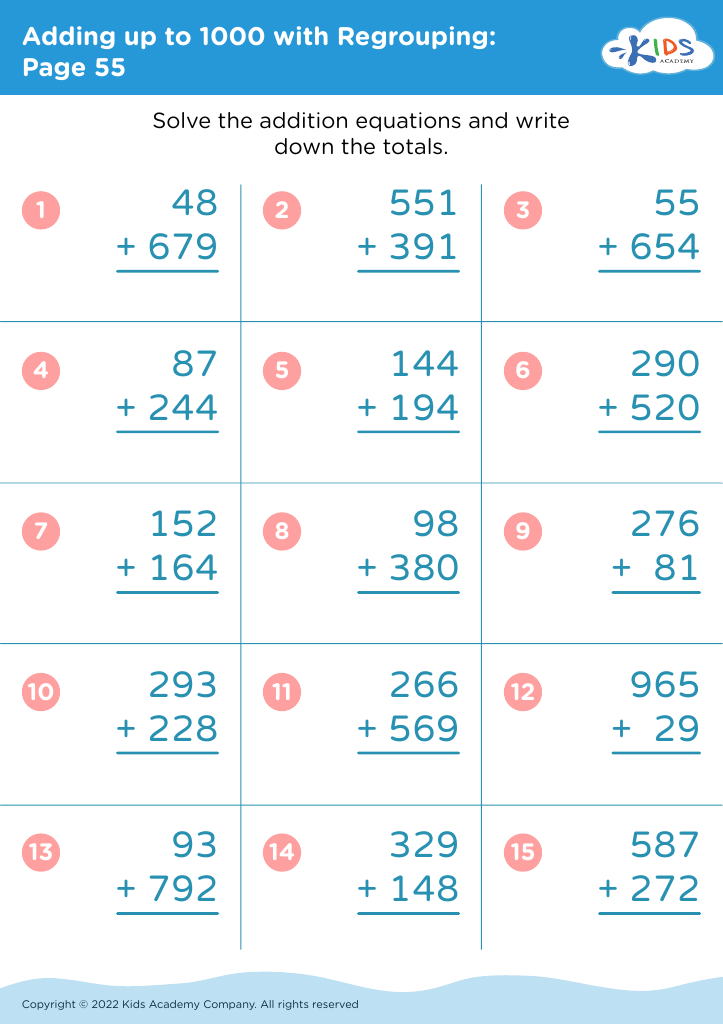
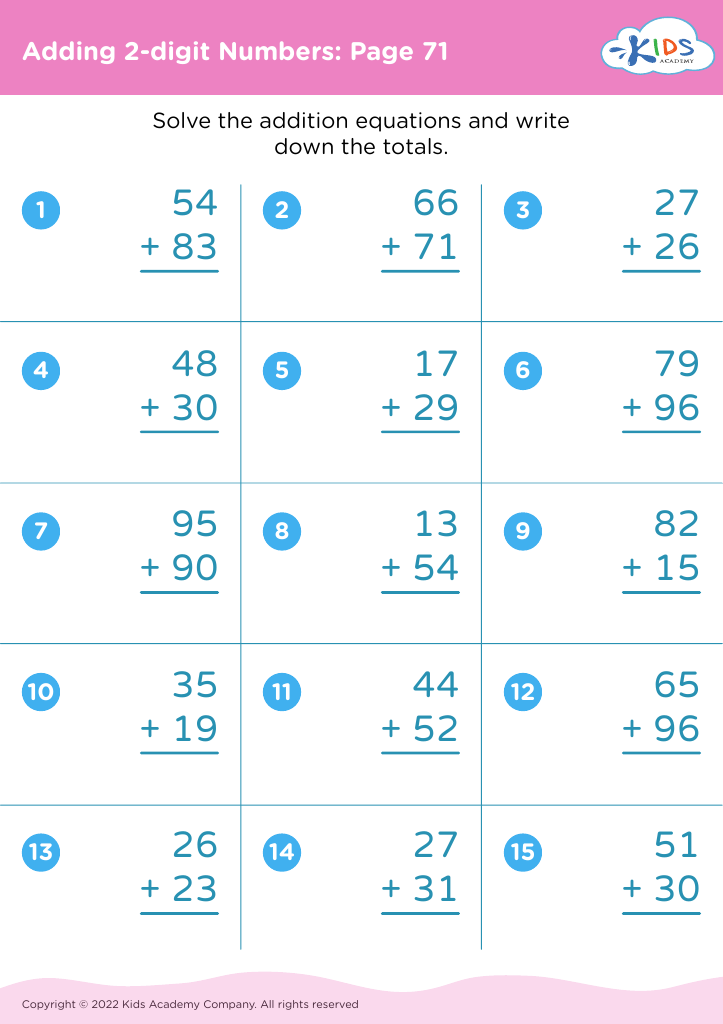
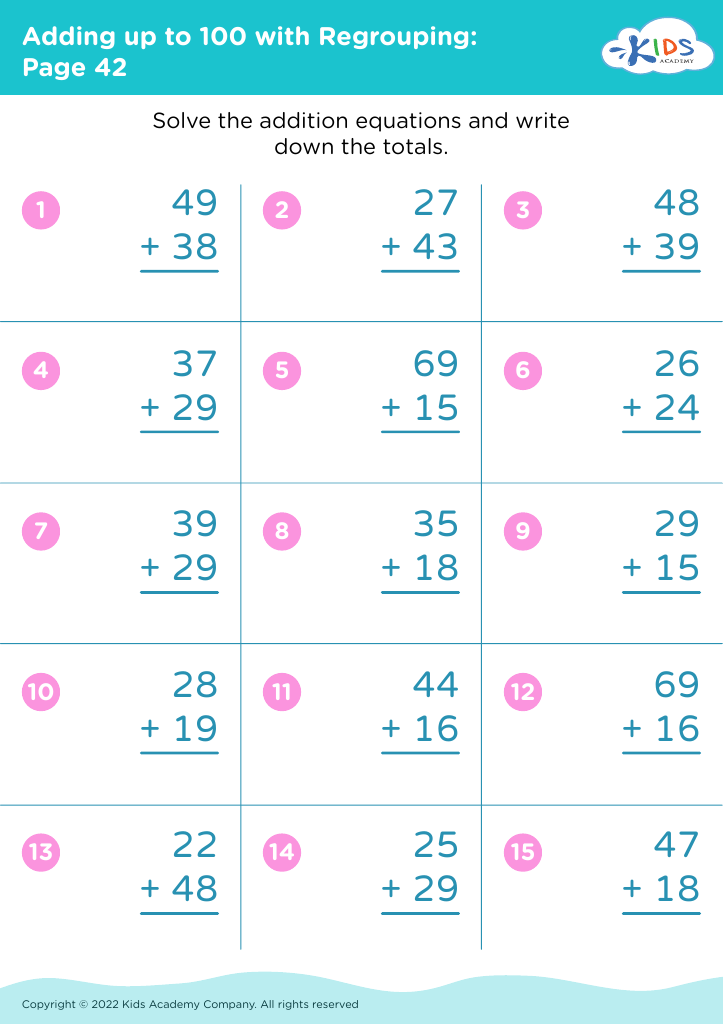
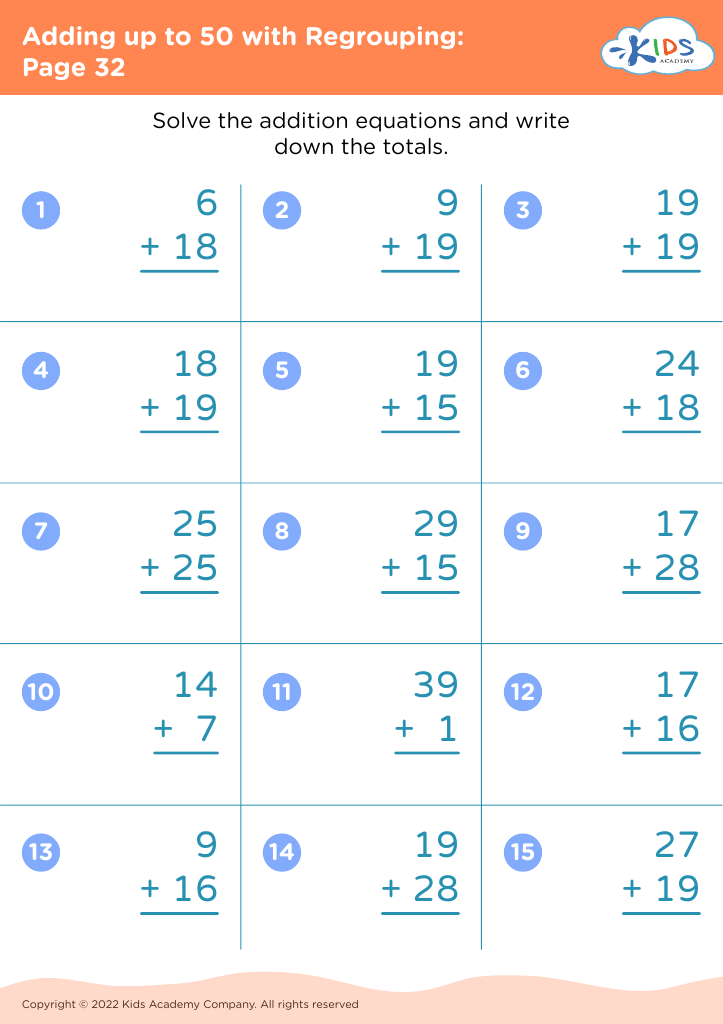
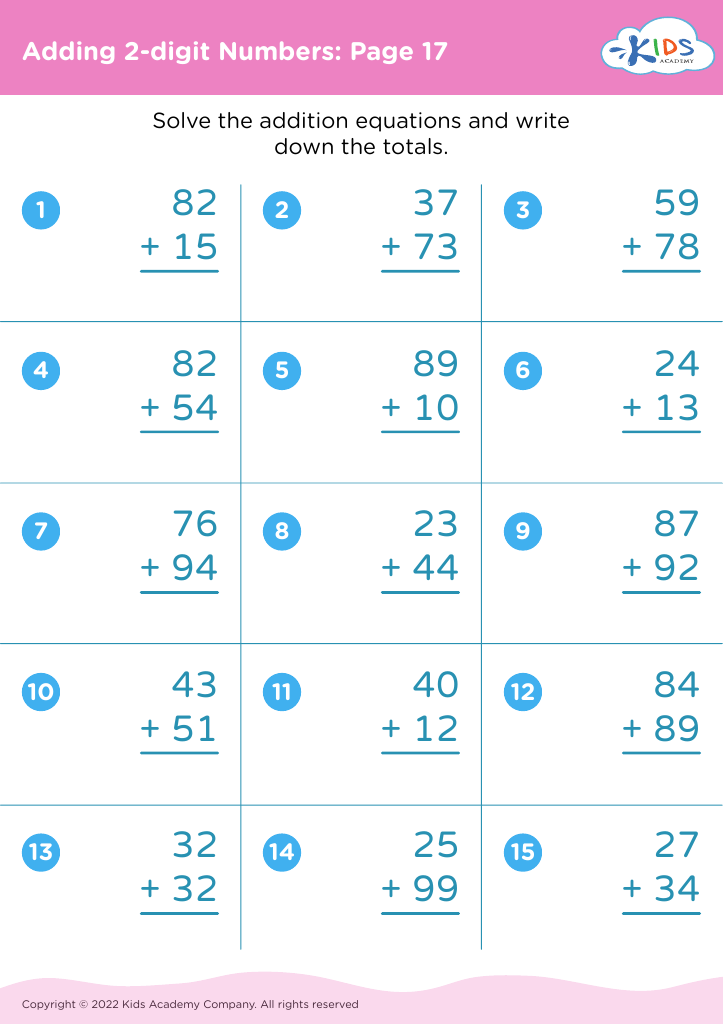
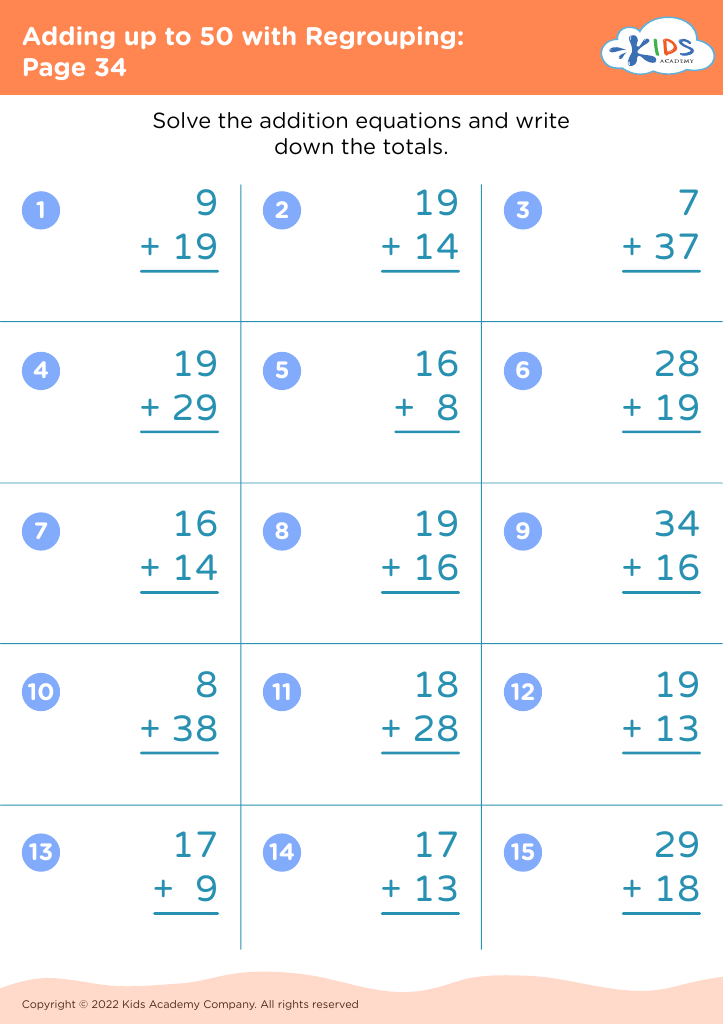
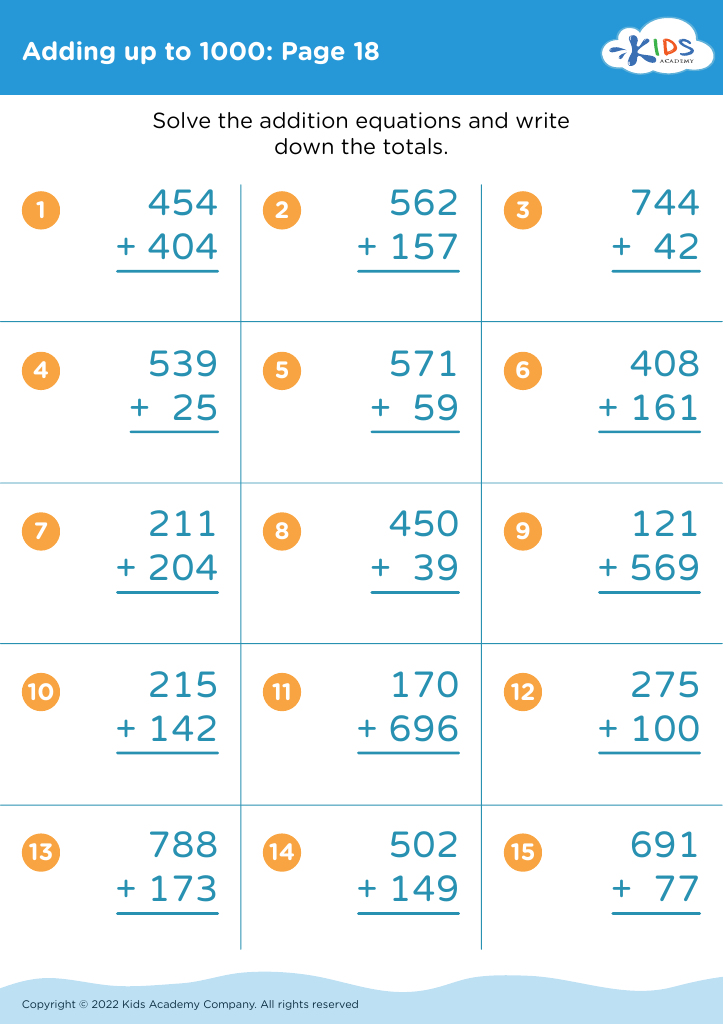
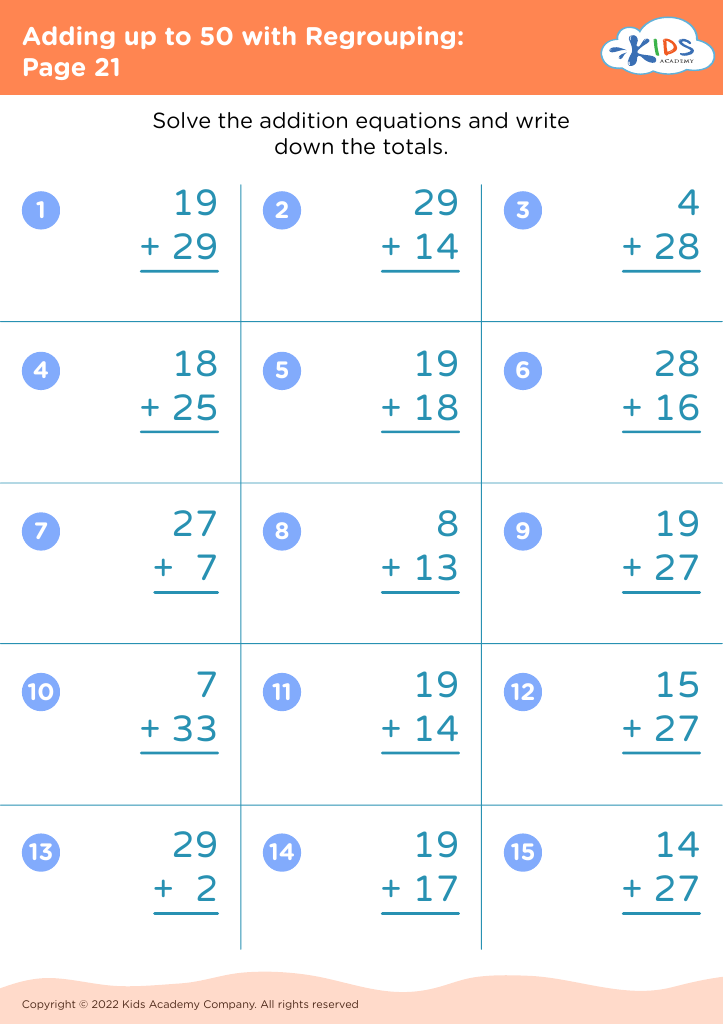
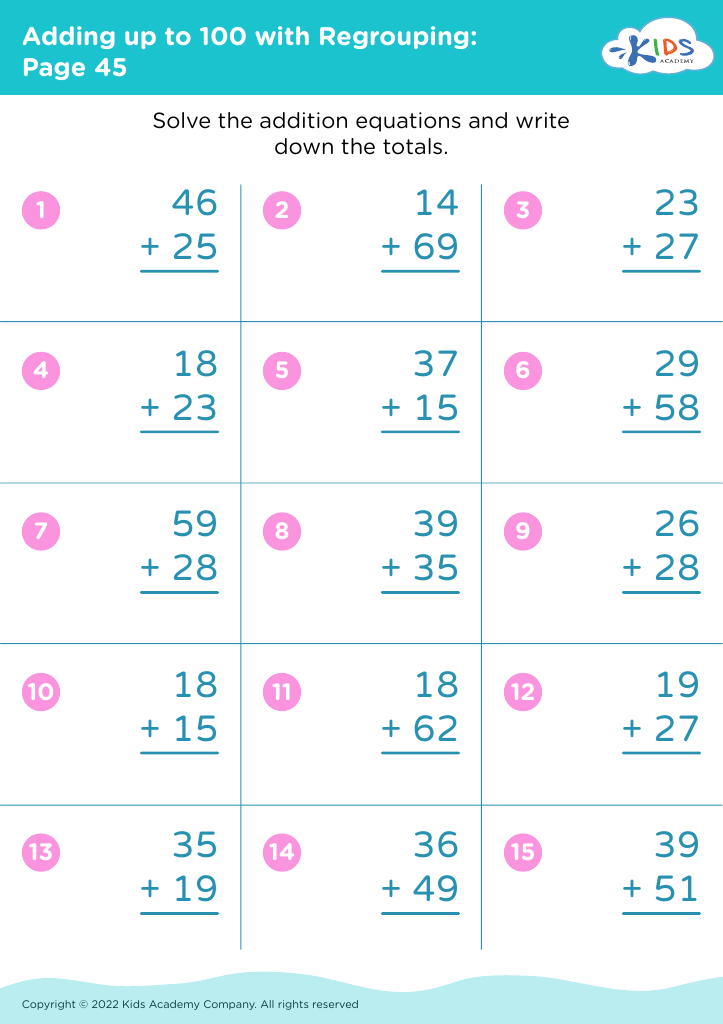
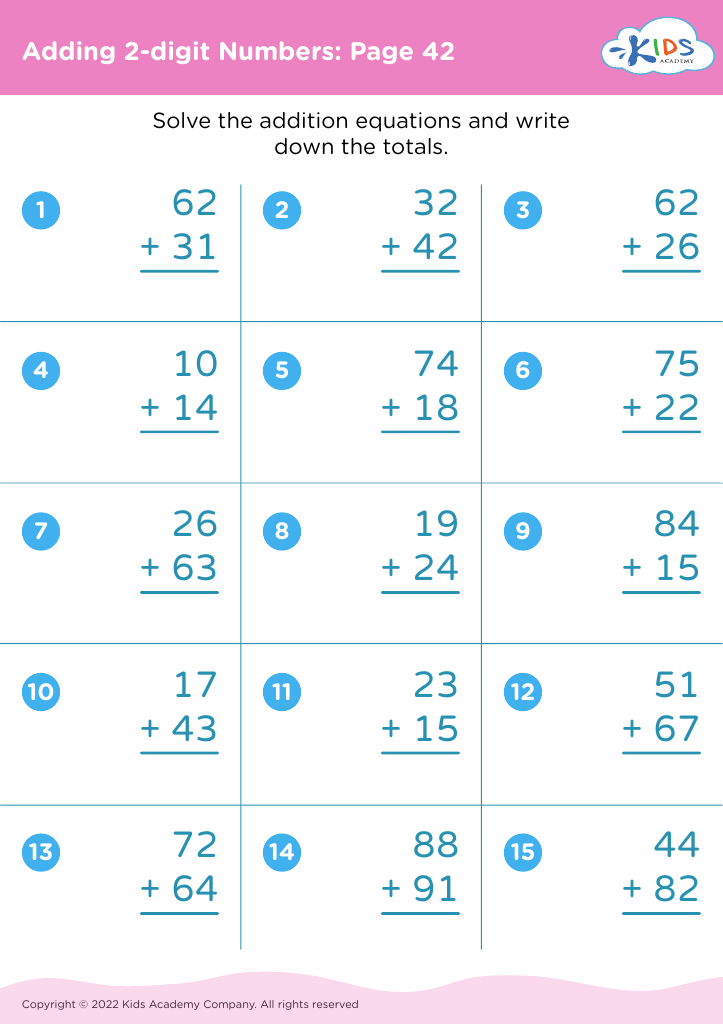
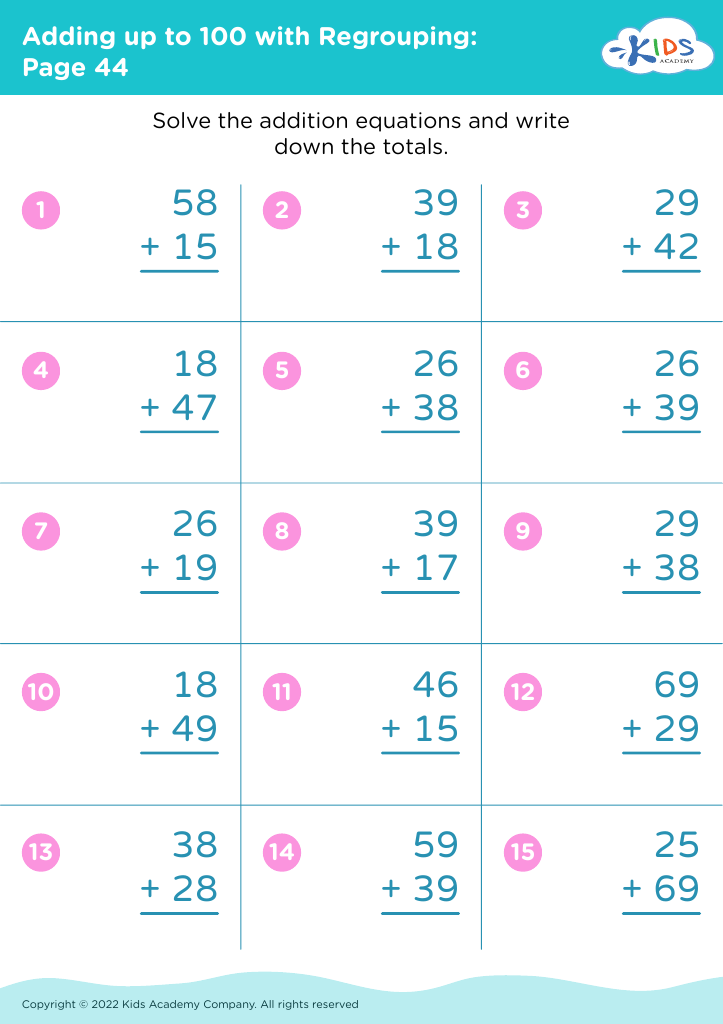








Understanding symmetry and addition is crucial for children ages 5-8 as it lays the foundation for mathematical thinking and problem-solving skills. Symmetry helps children recognize patterns and shapes, which are important not only in math but also in art and nature. When children can identify symmetrical objects, they're developing spatial awareness and visual skills that enhance their overall cognitive abilities.
In addition, mastering basic addition within this age group is essential for building confidence in mathematics. It equips children with fundamental arithmetic skills needed for everyday life, as well as for more complex mathematical concepts in the future. Activities combining symmetry and addition, such as creating symmetrical patterns with blocks or adding symmetrical objects, engage young learners effectively, making math enjoyable.
Both skills foster critical thinking, as children learn to visualize and manipulate objects, encouraging curiosity and exploration. As parents and teachers, supporting these concepts helps create a strong mathematical foundation, paving the way for academic success. Children who understand symmetry and addition develop better reasoning abilities, which can impact their lifetime love for learning and problem-solving. Overall, investing time in these early math skills pays dividends in children's educational journeys.








