Comparing lengths Comparing Numbers Worksheets for Ages 5-8
4 filtered results
Difficulty Level
Grade
Age
-
From - To
Subject
Activity
Standards
Discover engaging "Comparing Lengths, Comparing Numbers Worksheets" designed specifically for ages 5-8. Our expertly crafted worksheets help young learners develop essential math skills by comparing lengths and numbers in fun, interactive ways. With colorful illustrations and age-appropriate challenges, these worksheets foster critical thinking and foundational math abilities. Perfect for classroom use or at-home practice, our printable resources make learning enjoyable and effective. Enhance your child's math confidence and proficiency by exploring our diverse selection of comparing lengths and numbers worksheets, tailored to inspire and educate young minds. Start your child's math journey today!
Favorites
With answer key
Interactive
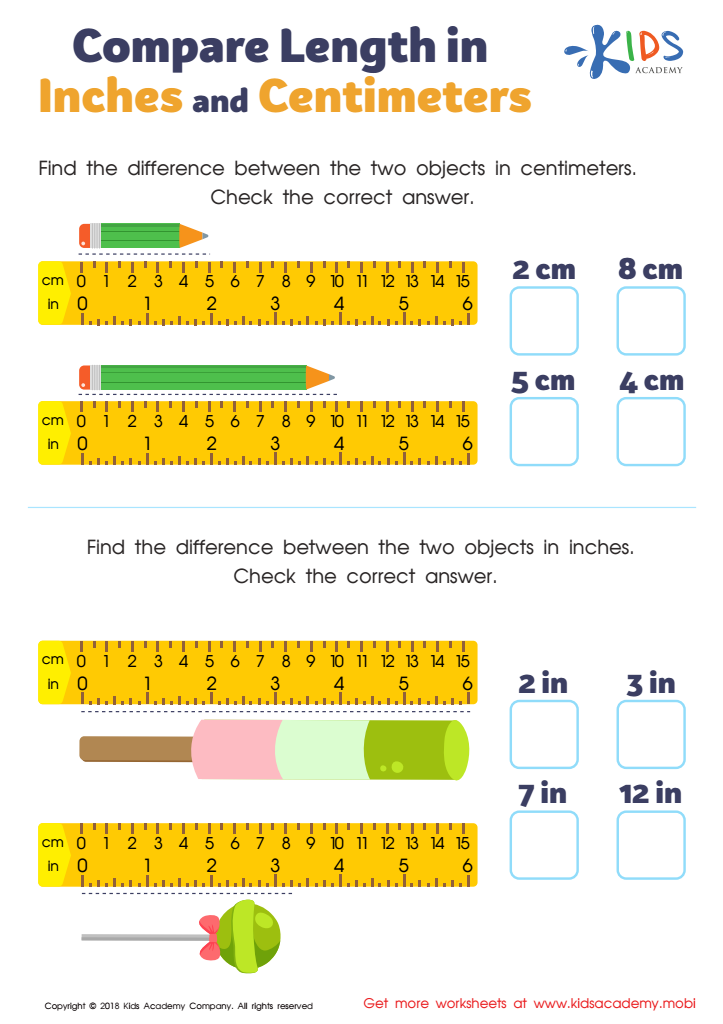
Compare Length in Inches and Centimeters Worksheet
This worksheet has your child measuring objects in both centimeters and inches. The first task requires measuring both objects in centimeters, then finding their difference. The second task is the same but in inches.
 Assign to My Students
Compare Length in Inches and Centimeters Worksheet
Worksheet

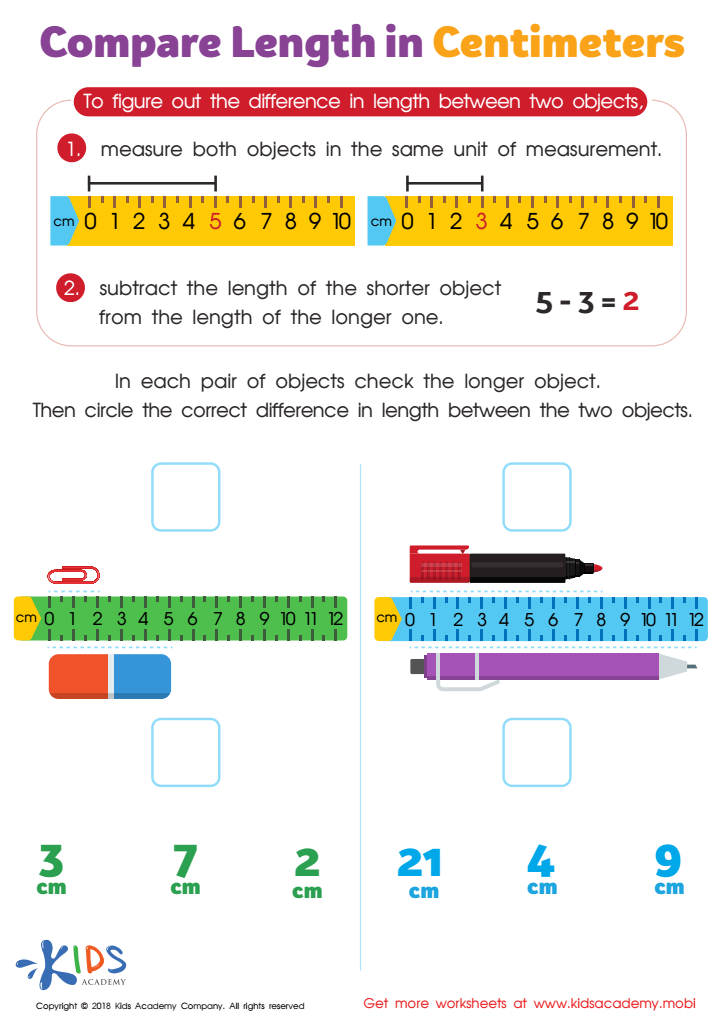
Compare Length in Centimeters Worksheet
To do this worksheet, your child needs to be able to measure accurately, add and subtract. They must measure both items and subtract the shorter from the longer to work out the difference in length.
Compare Length in Centimeters Worksheet
Worksheet
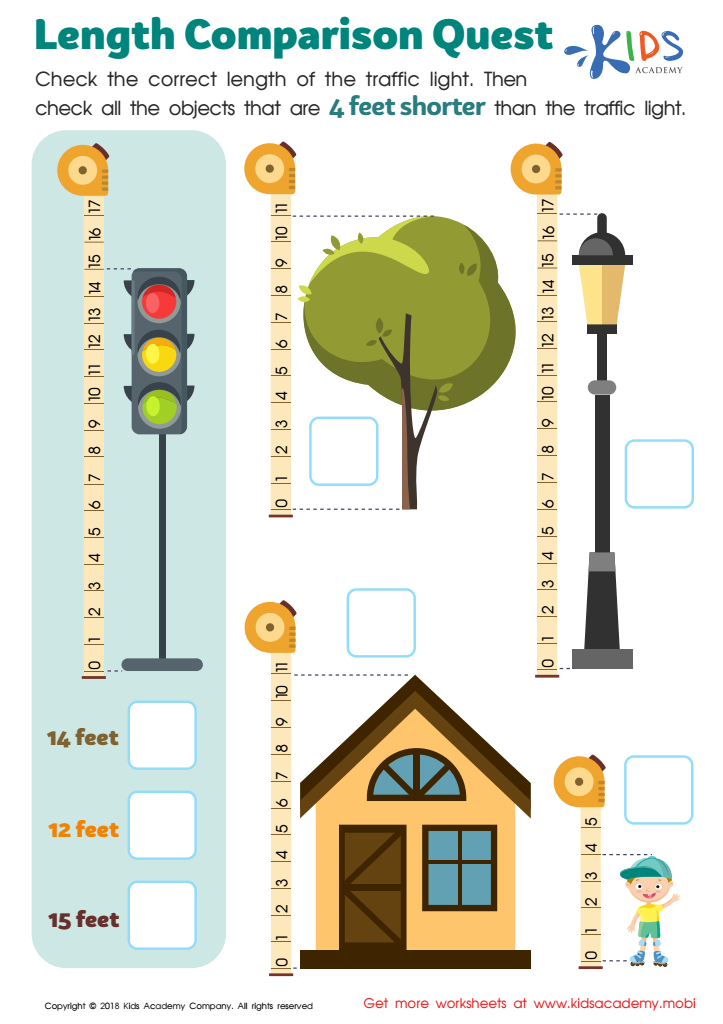
Length Comparison Quest Worksheet
Knowing measurement tools and how to use them is just the start. To be proficient, your kid must be able to accurately compare objects and their lengths. With the 'Length Comparison Quest' worksheet, they will check the correct length of the traffic light in the picture and then compare other objects to it, marking those that measure 4 feet shorter.
Length Comparison Quest Worksheet
Worksheet
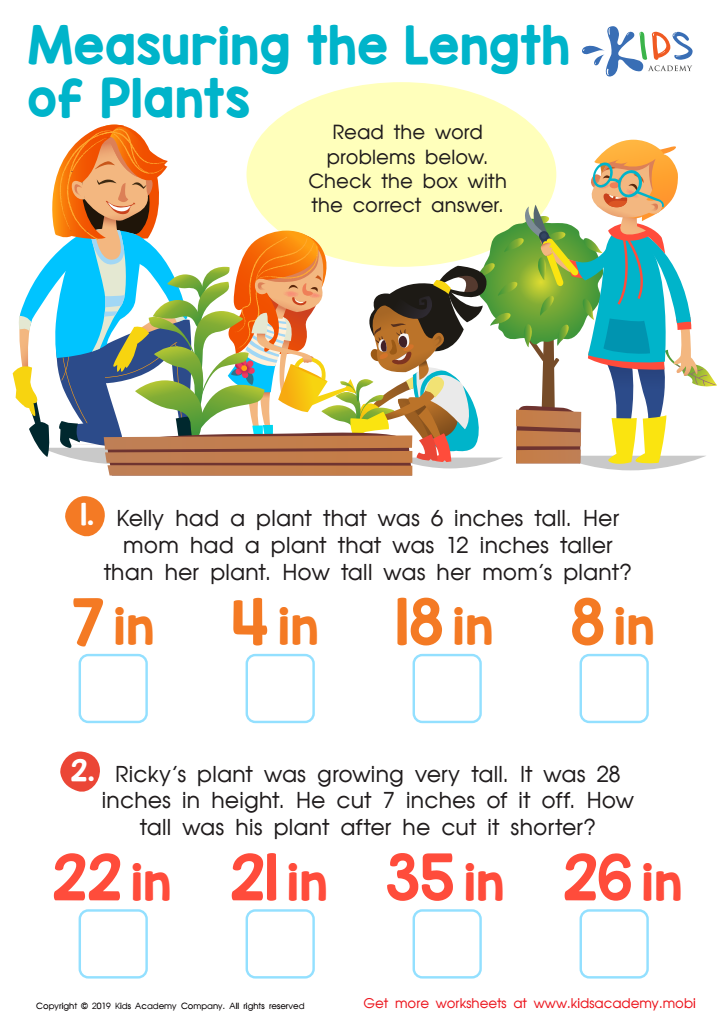
Measuring the Length of Plants Worksheet
Help your kids practice their math skills with this worksheet. Read the word problems in the picture and help them check the correct box. Word problems are equations written in sentence form, so they must be interpreted and understood to be solved correctly.
Measuring the Length of Plants Worksheet
Worksheet
Join Kids Academy for Free
Who is primarily going to use this learning content?








Comparing lengths and numbers for children ages 5-8 lays a crucial foundation for their mathematical development. Engaging in these activities fosters essential cognitive skills. Comparing lengths inherently teaches children the basics of measurement and spatial awareness, vital for understanding size, distance, and dimensions—concepts crucial in everyday life and advanced STEM fields. For example, determining which object is longer cultivates their reasoning and problem-solving skills and introduces scientific inquiry concepts.
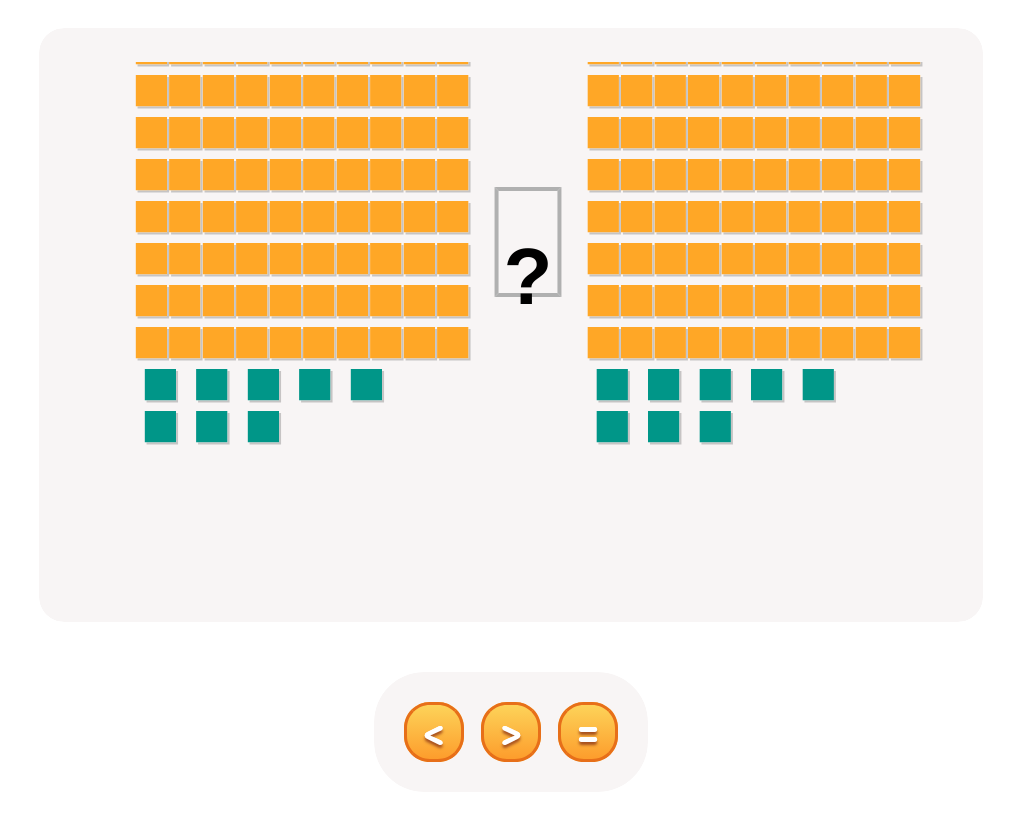
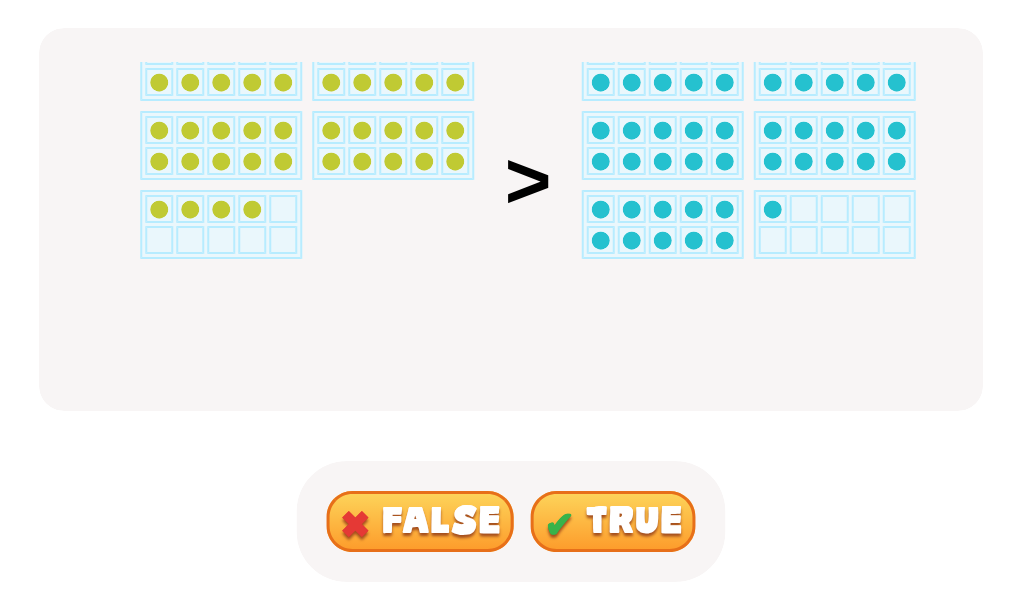
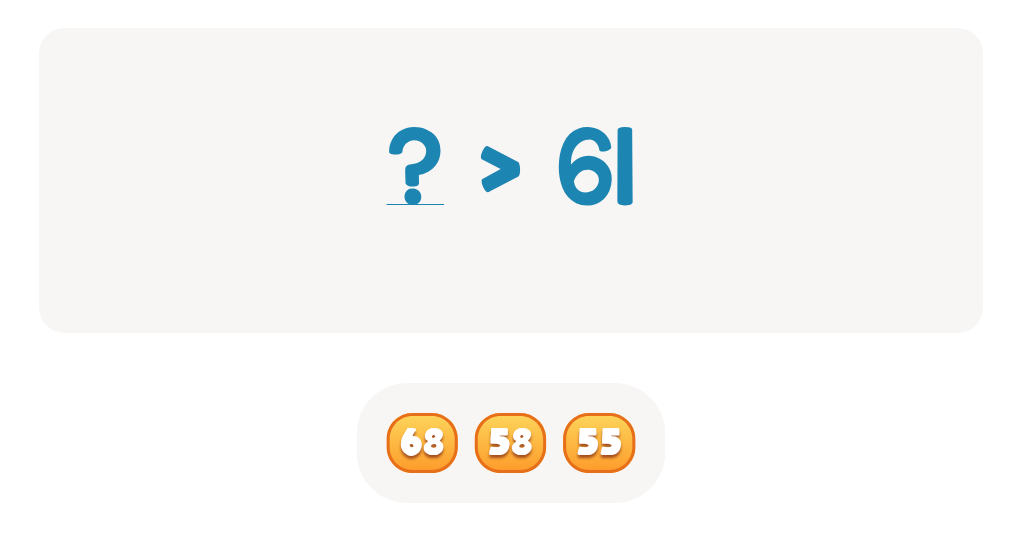
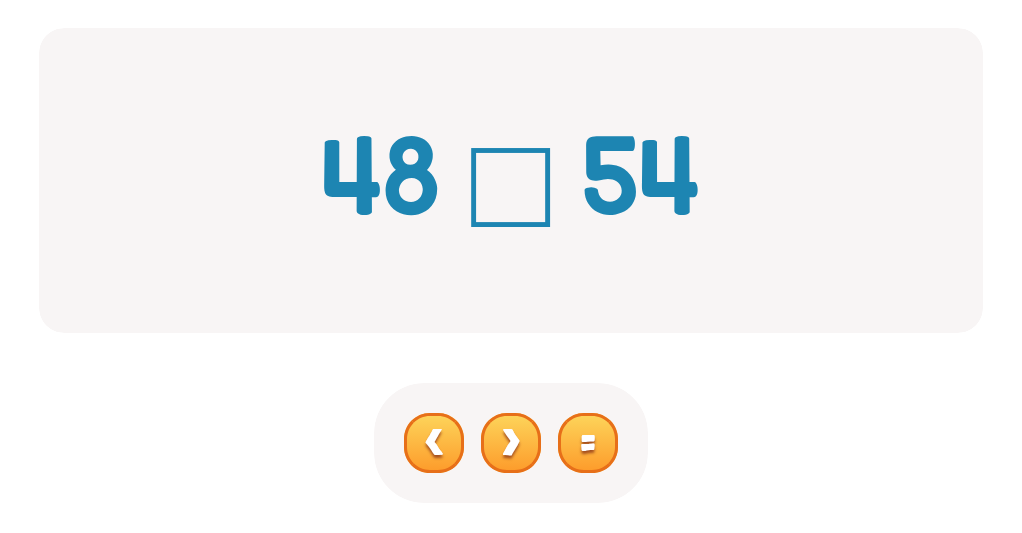
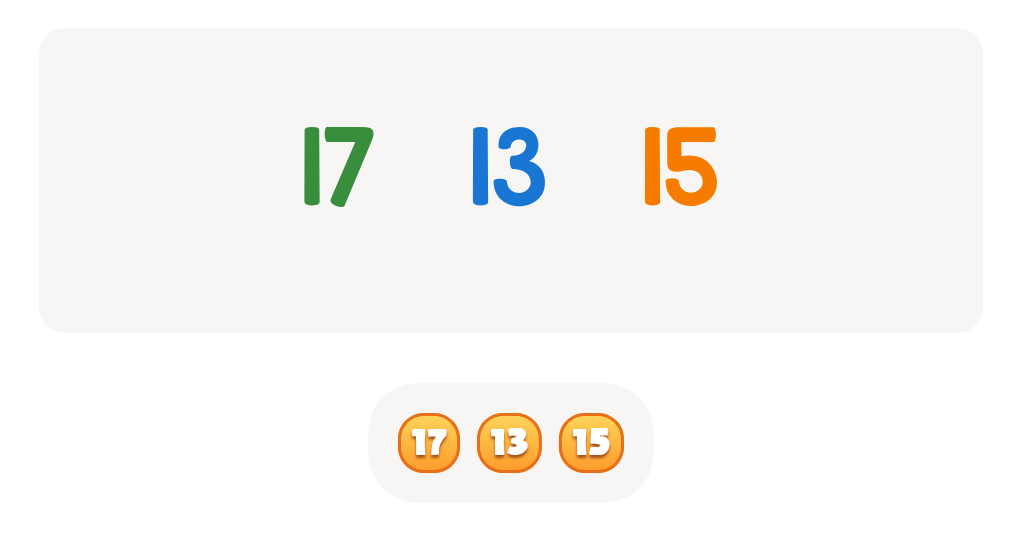
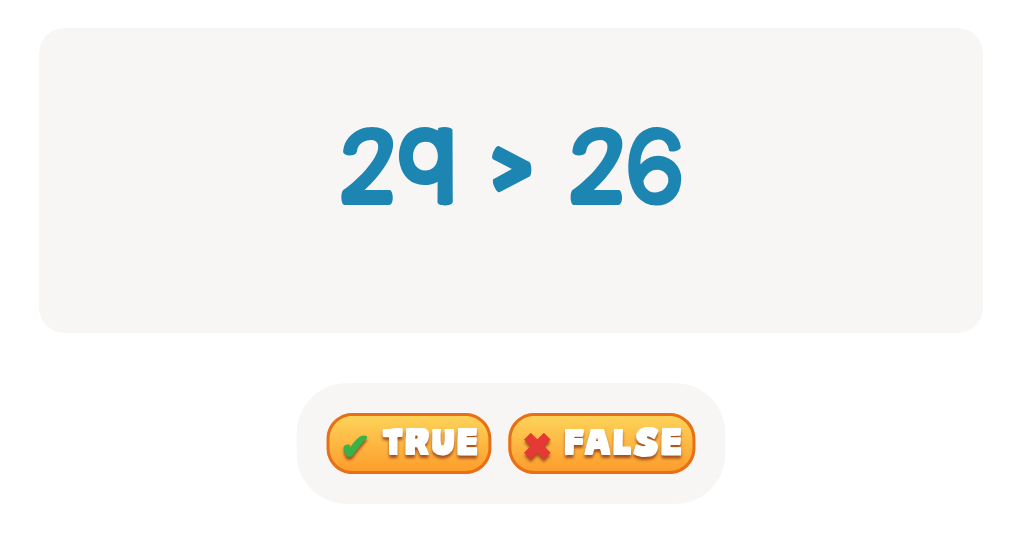
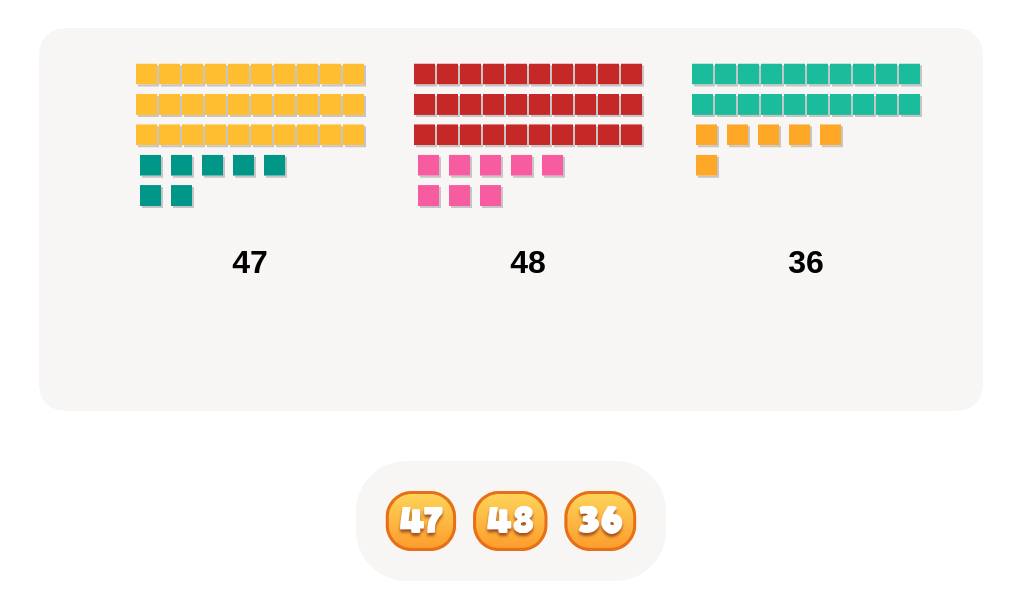
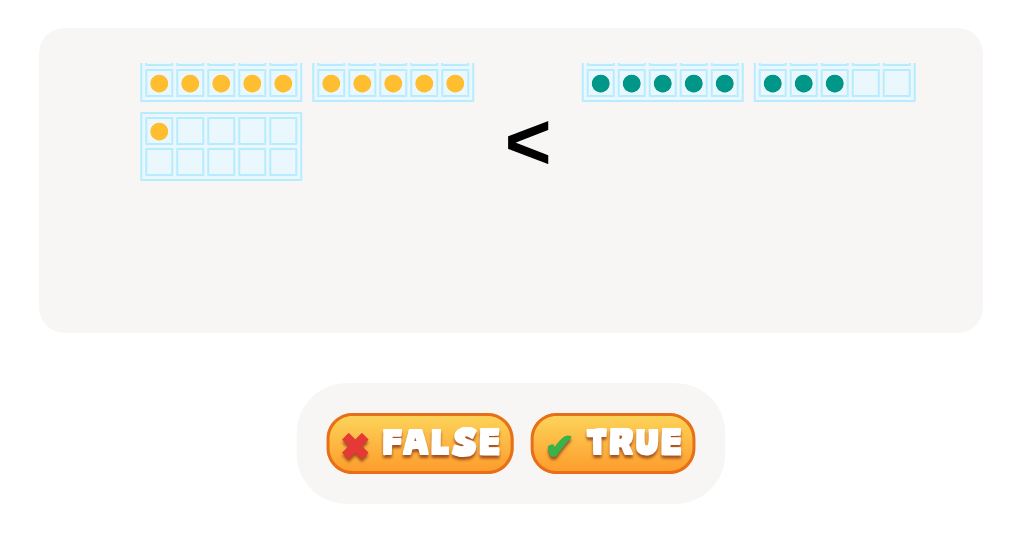
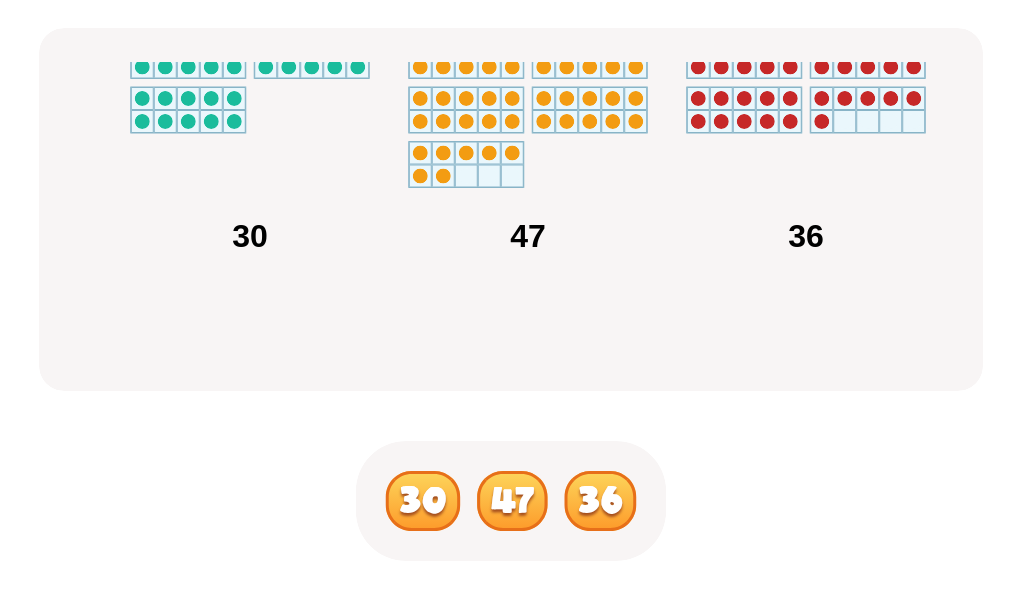
Comparing numbers is equally significant as it enhances numerical fluency, encourages number sense, and promotes logical thinking. By understanding number hierarchies—like knowing 5 is less than 8—children strengthen their grasp of mathematical relationships, pivotal for more complex arithmetic. This skill is a stepping stone towards mastering addition, subtraction, and eventually multiplication and division.
Moreover, comparing quantities involves language development. Phrases like "greater than," "less than," and "equal to" expand their vocabulary and comprehension, linking math to literacy.
For teachers and parents, nurturing these skills fits into everyday activities seamlessly. Whether comparing the height of two plants or counting apples, incorporating these comparisons makes learning enjoyable and applicable. These foundational skills not only support academic growth but also create a lifelong curiosity and enthusiasm for learning. In essence, mastering these comparisons equips children with critical thinking tools they will repeatedly use throughout their education and daily life.