Understanding skip-counting Counting Worksheets for Ages 5-8
3 filtered results
-
From - To
Skip-counting is a foundational math skill that helps kids develop arithmetic readiness. Our "Understanding Skip-Counting" worksheets, tailored for ages 5-8, engage young learners through fun, interactive exercises. These printable resources guide children to count by 2s, 5s, and 10s, bolstering number sense and preparation for more advanced math concepts. Bright illustrations and approachable problem formats make learning enjoyable while laying the groundwork for multiplication and division. Join the journey to math proficiency with Kids Academy and watch your child's confidence soar as they master the essential ability to skip-count clearly and effectively.
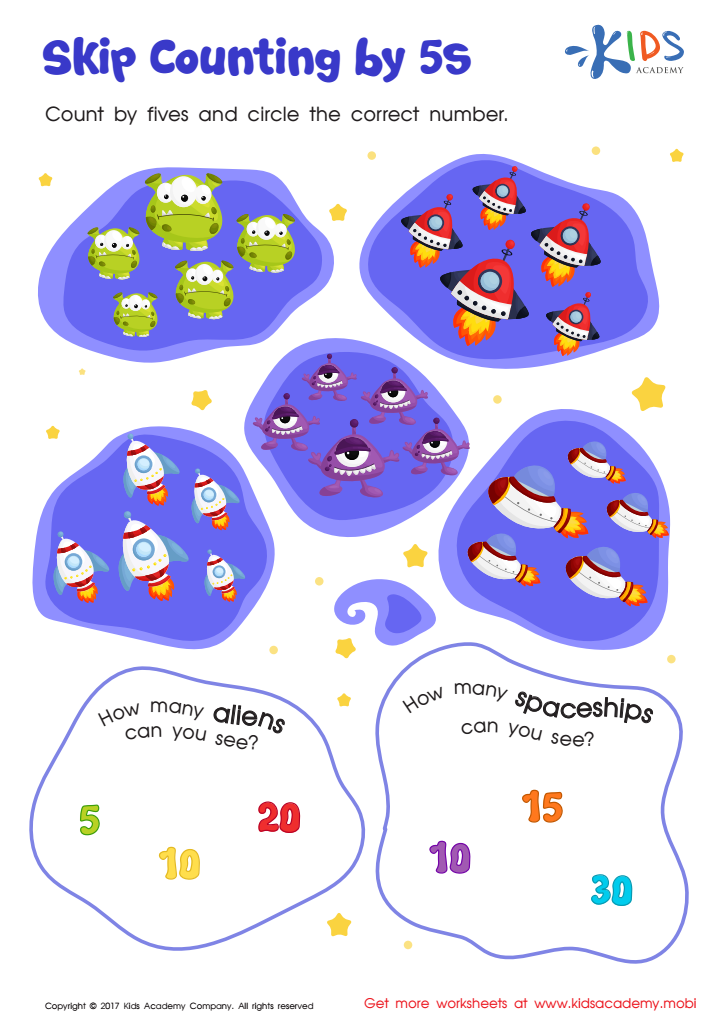
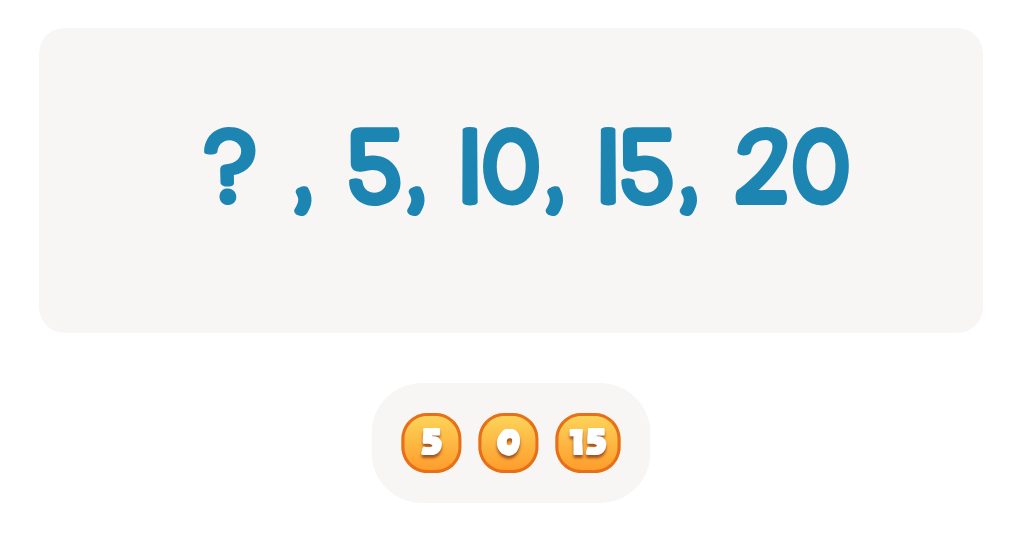
Skip Counting by 5s: Aliens and Spaceships Printable
 Assign to My Students


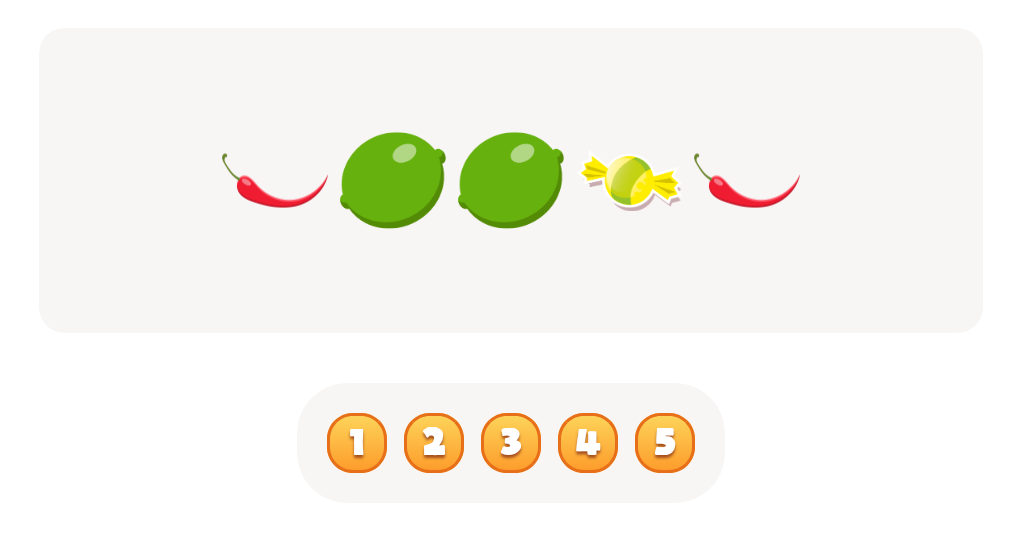
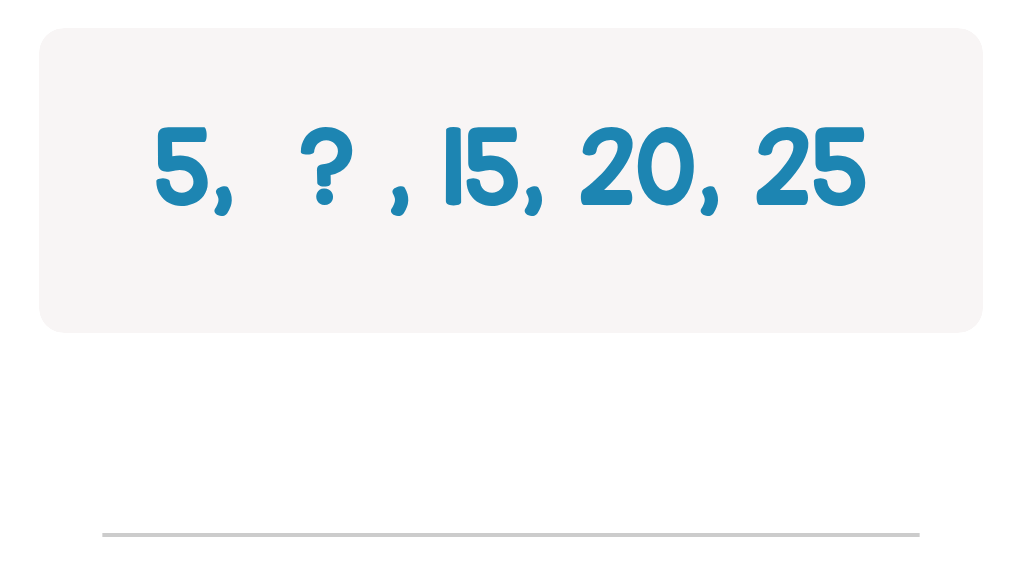
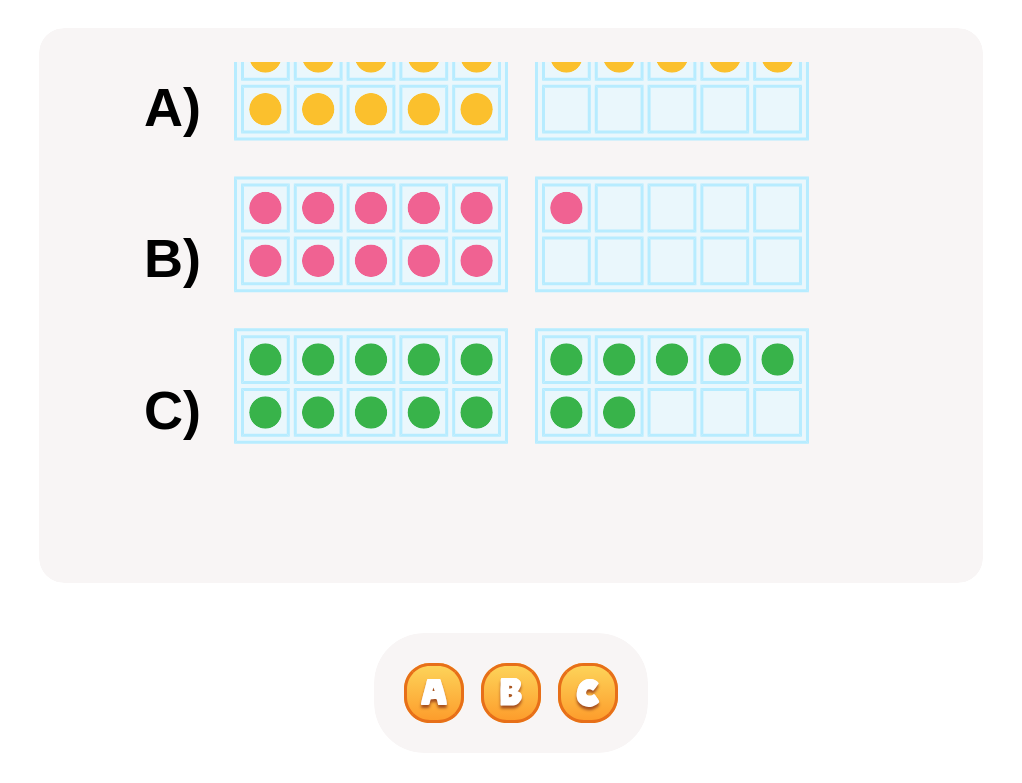
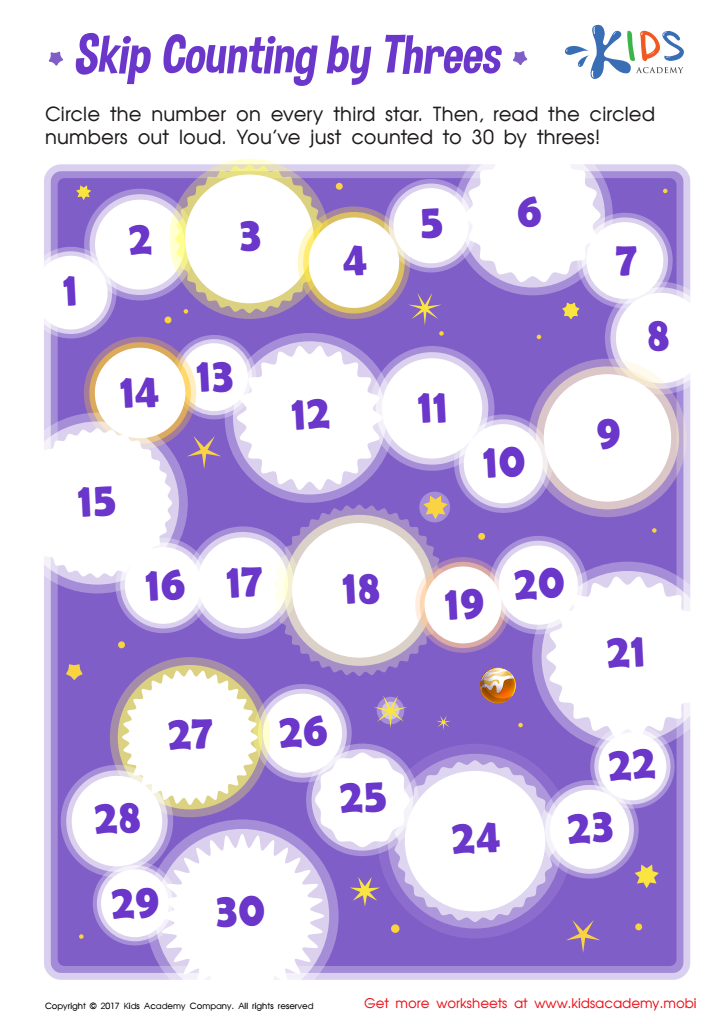
Skip Counting By Three Printable
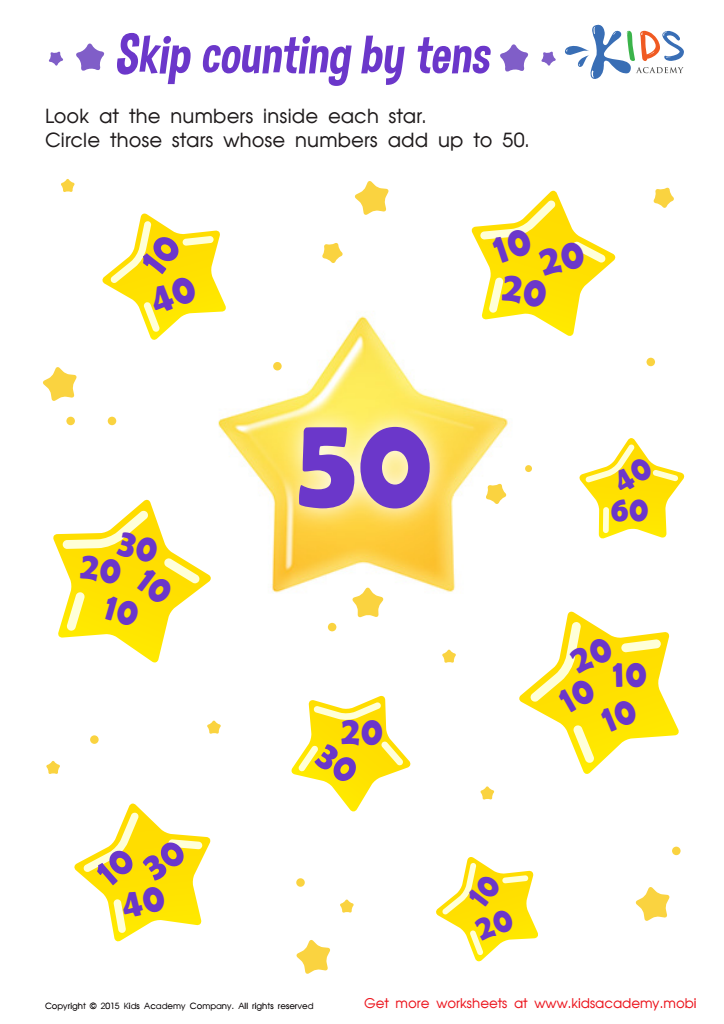
Learn Dozens: Skip Counting by Tens Printable








Understanding skip-counting is a crucial stepping stone in the mathematical development of children aged 5-8. Skip-counting is the process of counting forward by numbers other than one, such as by 2s, 5s, or 10s. This simple technique holds immense importance for several reasons.
Firstly, skip-counting builds a strong numerical sense and lays the groundwork for understanding multiplication. It helps children perceive patterns in numbers, which is fundamental for grasping more advanced mathematical concepts. Recognizing that 2, 4, 6, 8, and 10 follows a pattern helps kids transition smoothly to multiplying by 2 and so on.
Secondly, skip-counting aids in visualizing and comprehending quantities quickly, enhancing both addition and subtraction skills. For example, if a child understands that counting by 5s from 10 gets them to 15, they quickly see that 10 + 5 = 15.
Moreover, it’s directly applicable to real-life scenarios such as counting coins, telling time, or measuring distances. This real-world connect helps solidify abstract concepts.
Lastly, mastering skip-counting builds confidence. As children see their foundational math skills grow, their confidence in approaching new, harder problems increases. This enthusiasm can foster a lifelong love for mathematics and learning.
In summary, skip-counting is an essential component in early education that helps in developing mathematical thinking and practical problem-solving skills.








