Analyzing data Numbers Worksheets for Ages 5-8
3 filtered results
-
From - To
Discover our comprehensive "Analyzing Data Numbers Worksheets for Ages 5-8," specially designed to enhance young learners' math skills. These engaging worksheets help children master the essential concepts of data analysis, including sorting, comparing, and interpreting visual information through fun and interactive activities. Perfect for classroom use or at-home practice, our carefully crafted exercises improve critical thinking and problem-solving abilities. By exploring patterns and drawing conclusions, kids build a solid foundation for future math success. Start your little one's data discovery journey today with our thoughtfully designed, age-appropriate resources.
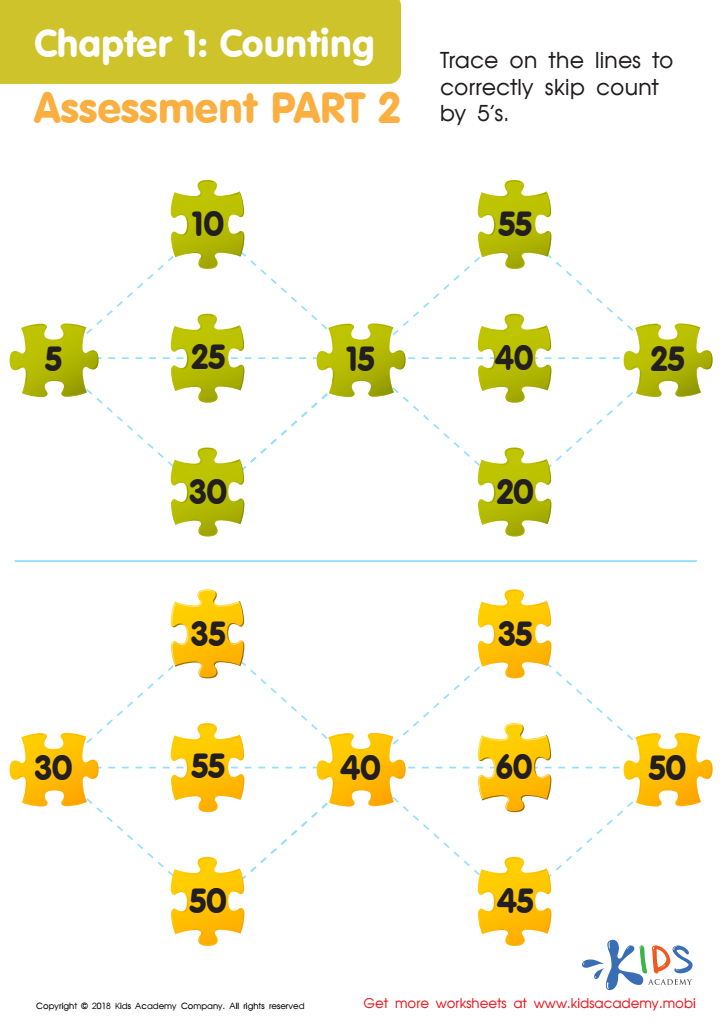
Counting: Assessment 2 Worksheet
 Assign to My Students
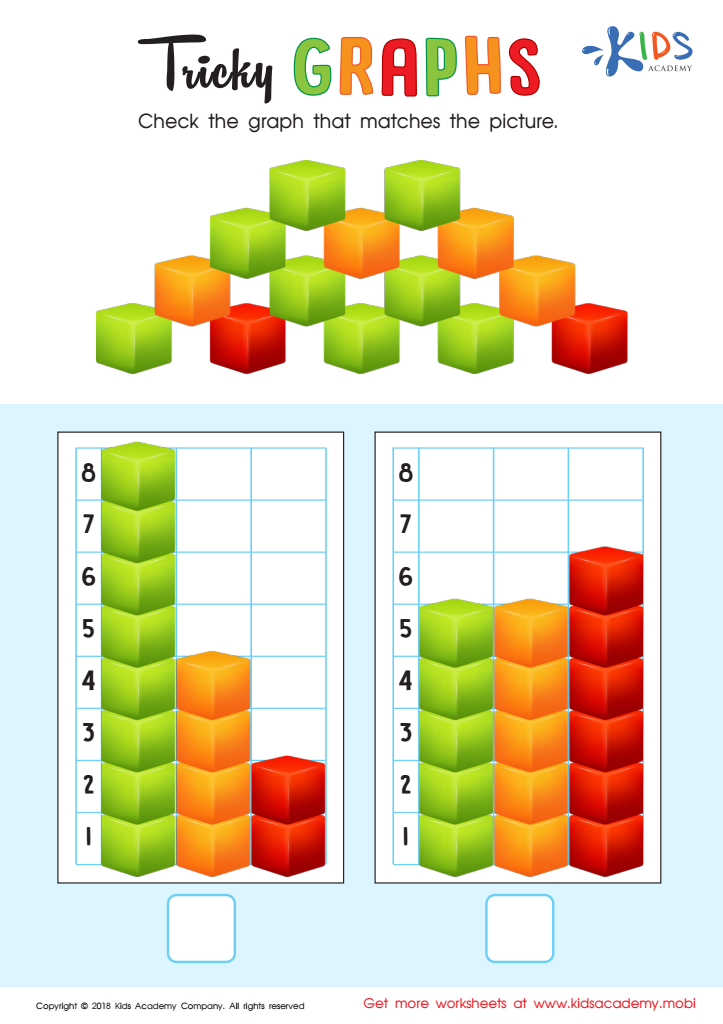
Tricky Graphs Worksheet
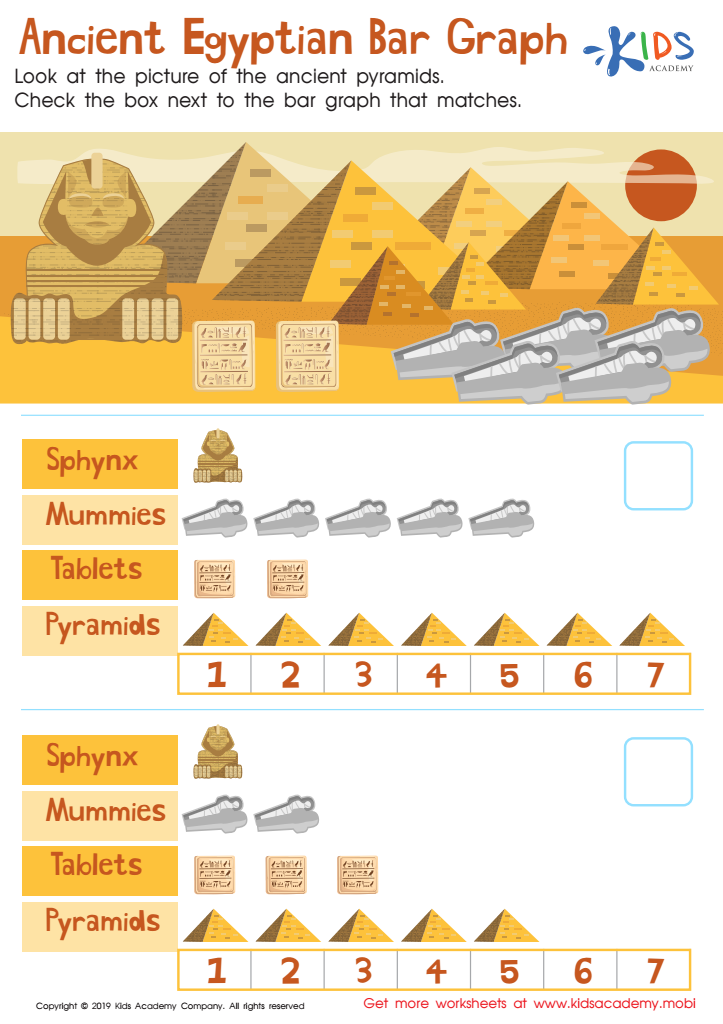
Egyptian Bar Graph Worksheet








Analyzing data numbers for ages 5-8 is crucial for both parents and teachers as it lays a strong foundation for future learning and cognitive development. At this early stage, children are developing crucial skills like pattern recognition, critical thinking, and problem-solving. When parents and teachers focus on data analysis, they help young learners interpret information in a structured manner, fostering a deeper understanding of basic math concepts such as counting, categorizing, and comparing.
For parents, investing in these skills ensures their child can handle more complex academic challenges ahead. It also provides an opportunity for meaningful interaction that can strengthen parent-child bonds. For teachers, gathering and analyzing data helps them tailor their instruction to meet the unique needs of each student. They can identify trends, strengths, and areas needing improvement, enabling them to provide targeted support that can enhance overall classroom performance.
Moreover, a solid grasp of data analysis skills can enhance a child's everyday decision-making processes. When children learn to analyze simple data sets—like which fruit they eat the most—they start to understand the world around them in quantifiable terms. This early competency makes them better prepared for advanced subjects and everyday situations, fostering lifelong numeracy and analytical skills.








