Hand-eye Coordination Numbers Worksheets for Ages 5-8 - Page 2
27 filtered results
-
From - To
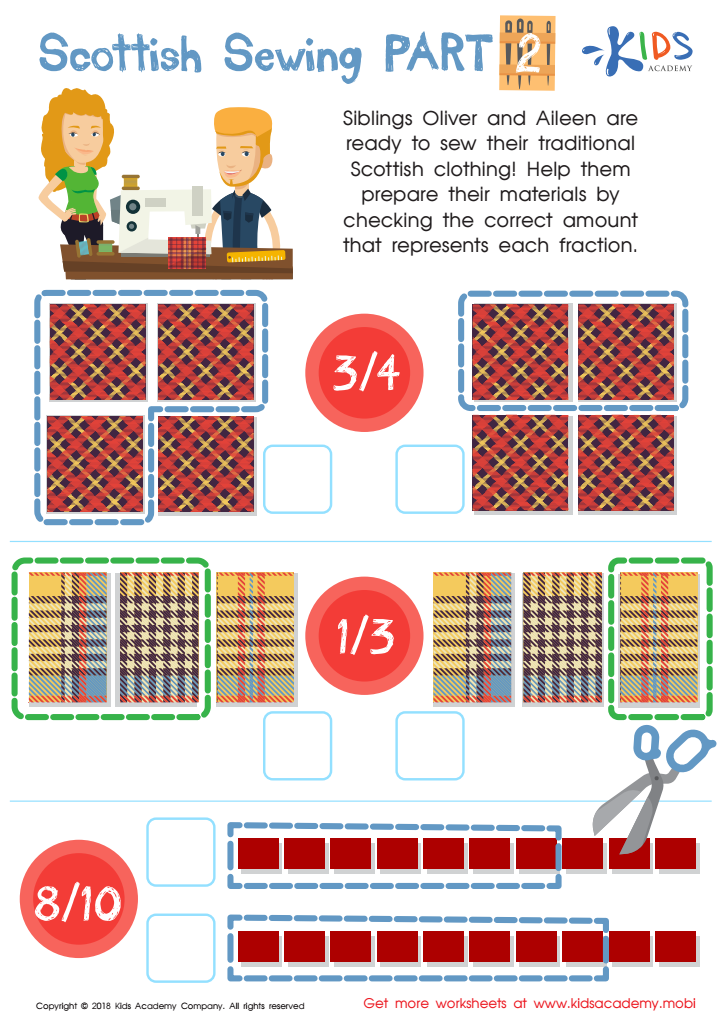
Scottish Sewing Part 2 Worksheet
 Assign to My Students
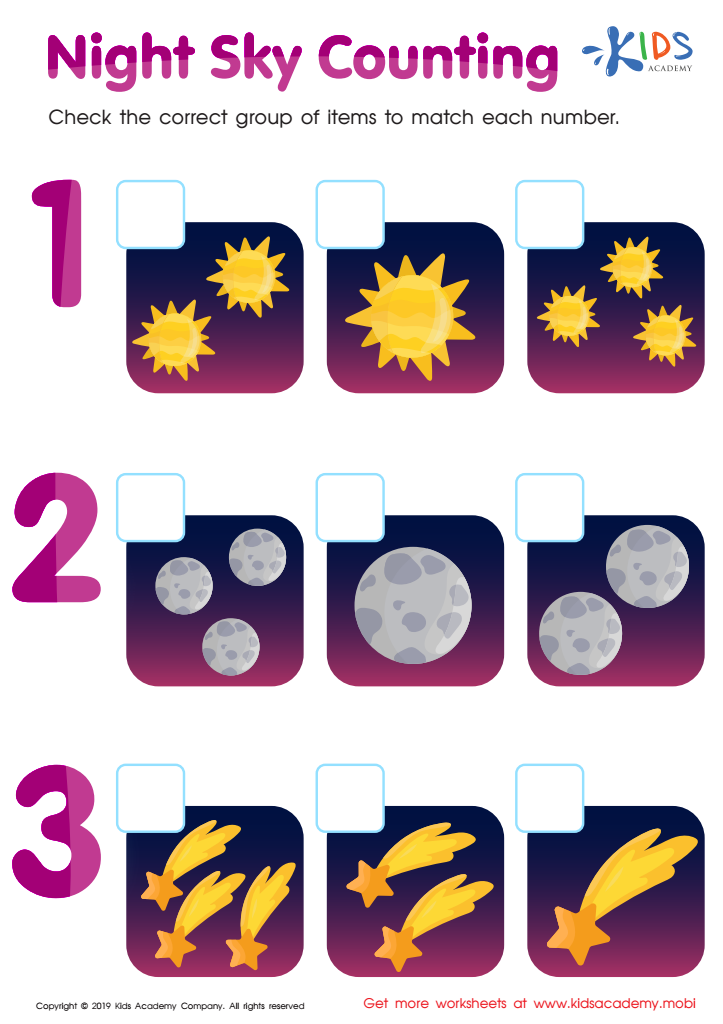
Night Sky Counting Worksheet
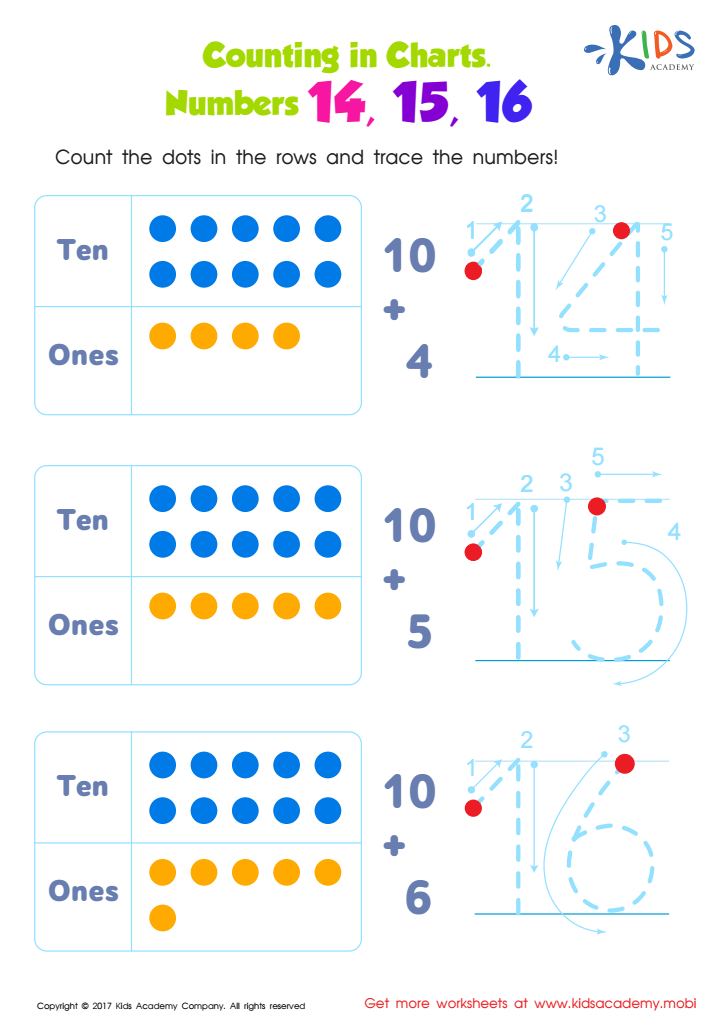
Number Tracing Worksheet








Hand-eye coordination is a pivotal skill for children aged 5-8 as it forms the foundation for a myriad of activities ranging from academic tasks to everyday functions. By emphasizing hand-eye coordination, parents and teachers can foster overall development, enhancing both cognitive and motor skills. When children successfully coordinate their hands with what they see, it underscores their ability to perform tasks such as writing, cutting, and drawing, which are vital for academic achievement.
Moreover, strong hand-eye coordination aids in developing fine motor skills, which are essential for activities like tying shoes or buttoning shirts, bolstering children's independence and self-confidence. Physical activities, including sports and playground games, also rely heavily on this coordination; mastering these core physical skills contributes to a child’s social and mental well-being by promoting active, healthy lifestyles and supporting teamwork.
Engaging children in playful exercises and structured activities, such as puzzles, ball games, or even simple crafts, reinforces neural pathways that improve spatial awareness and problem-solving abilities. Hence, enhancing hand-eye coordination is not just about immediate physical skill acquisition—it also paves the way for future learning and development, ensuring that children are well-equipped to tackle both academic challenges and daily life tasks with efficiency.








