Number identification Numbers Worksheets for Ages 5-8
6 filtered results
-
From - To
Introduce your young learners to the magical world of numbers with our Number Identification Worksheets, designed specifically for ages 5-8. Spark curiosity and build foundational math skills with engaging activities that make learning numbers fun and interactive. Our carefully curated worksheets aid in recognizing, tracing, and connecting numerals to everyday life. With visual aids and gradual complexity, children develop confidence in number recognition and understanding. Perfect for classroom or at-home practice, these worksheets enhance cognitive skills and numerical fluency, giving your child a strong start in math. Explore our collection to support and enrich your child’s mathematical journey today!
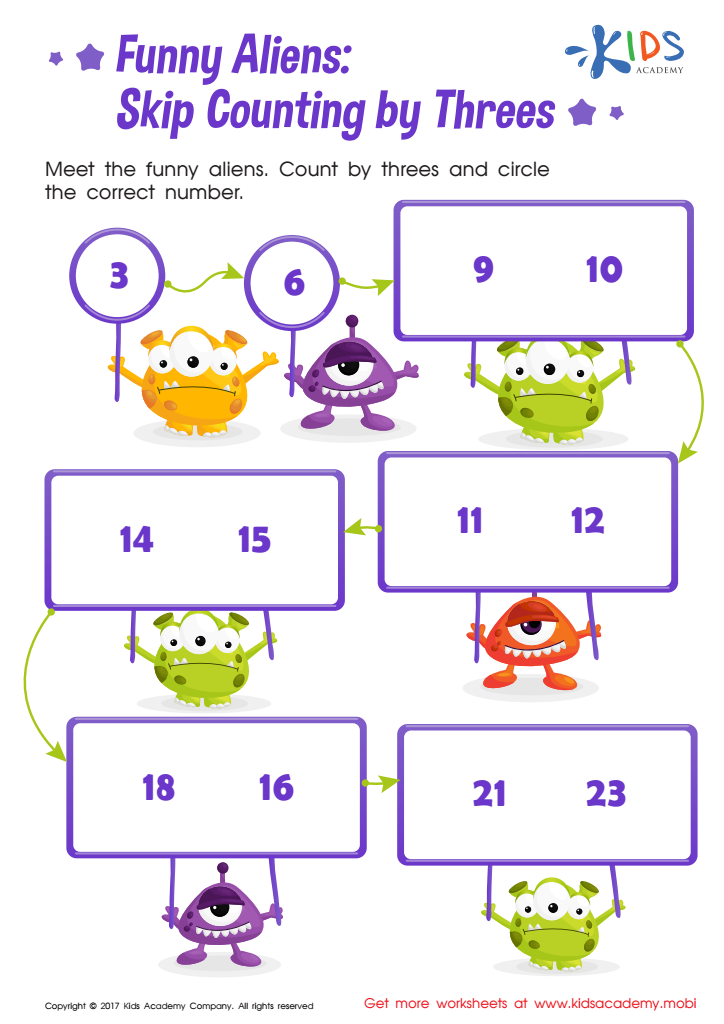
Skip Counting by 3s: Funny Aliens Printable
 Assign to My Students
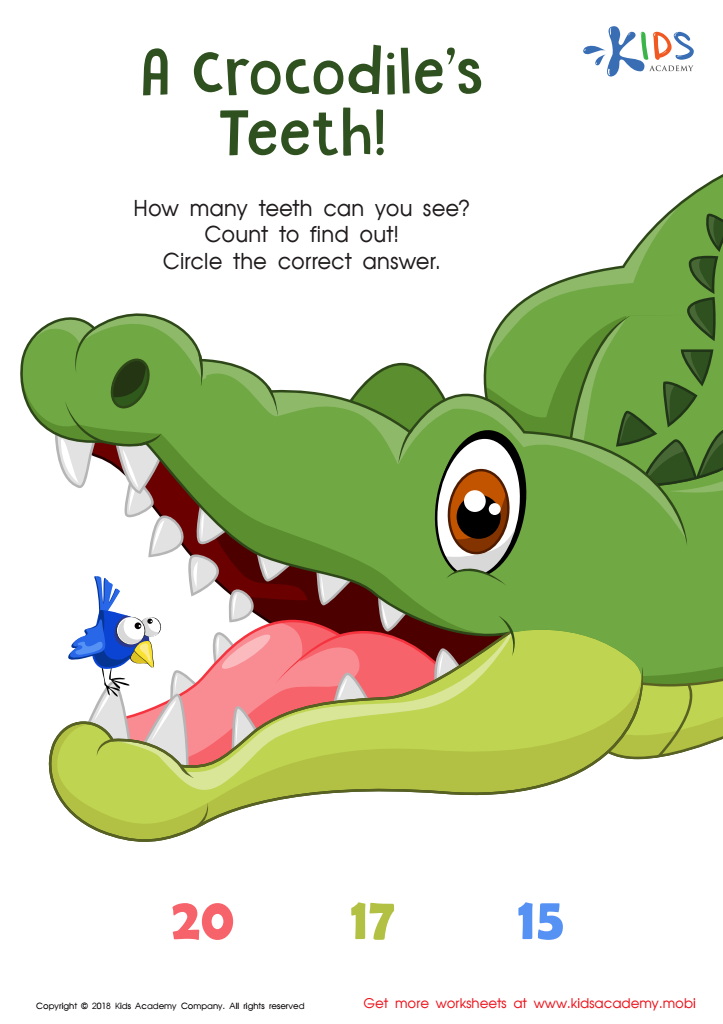
A Crocodile's Teeth Worksheet
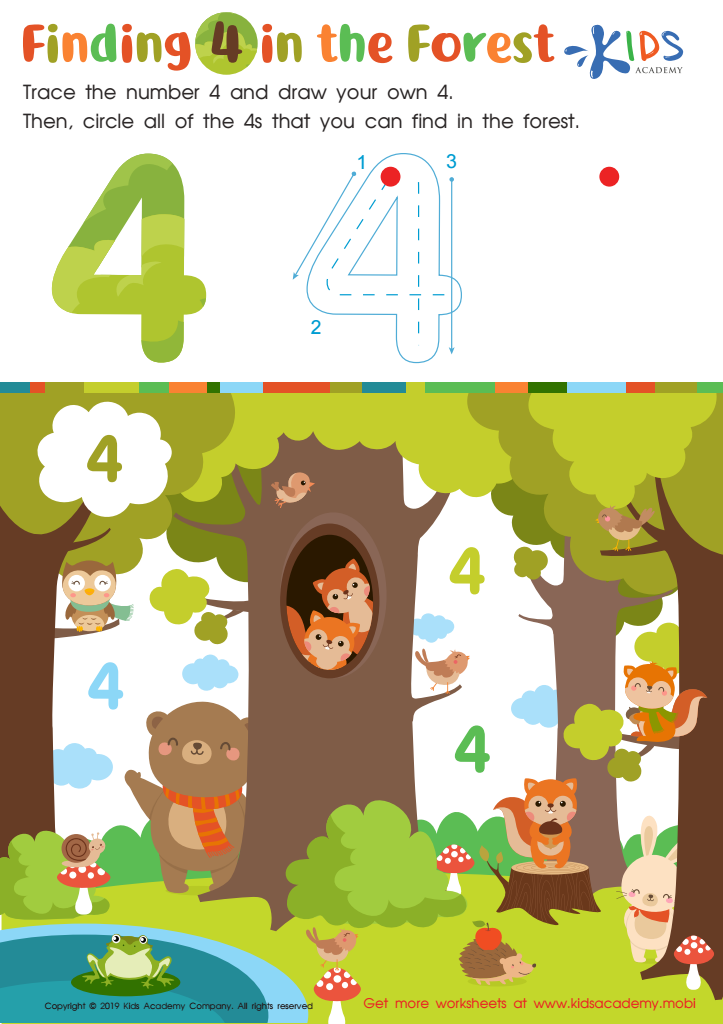
Finding 4 in the Forest Worksheet
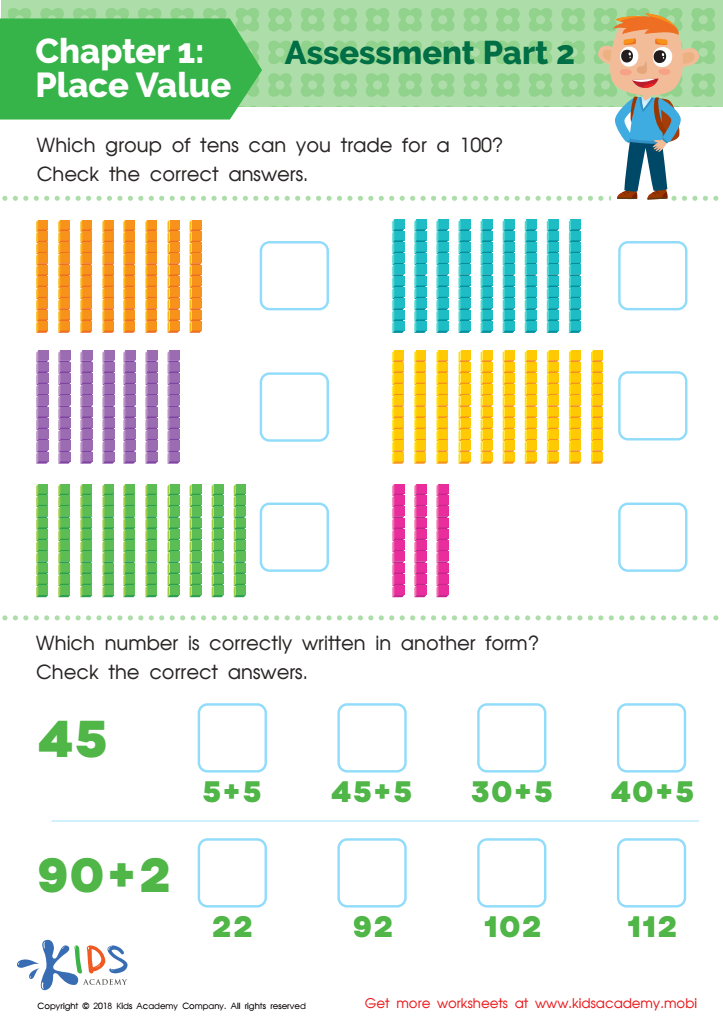
Place Value: Chapter 2 Worksheet
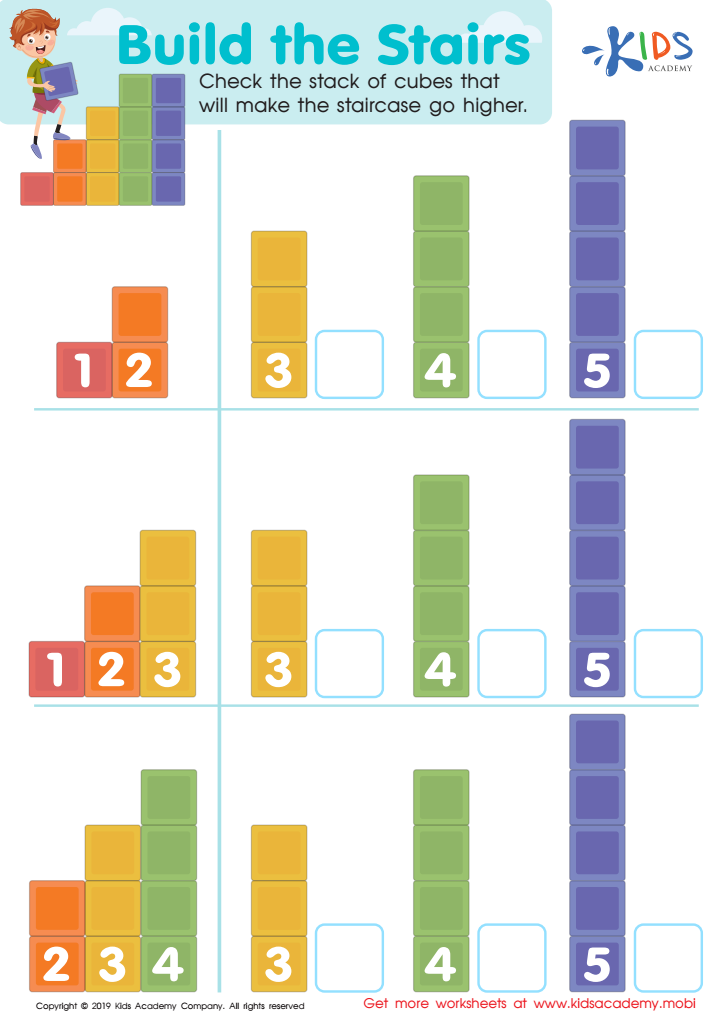
Build the Stairs Worksheet
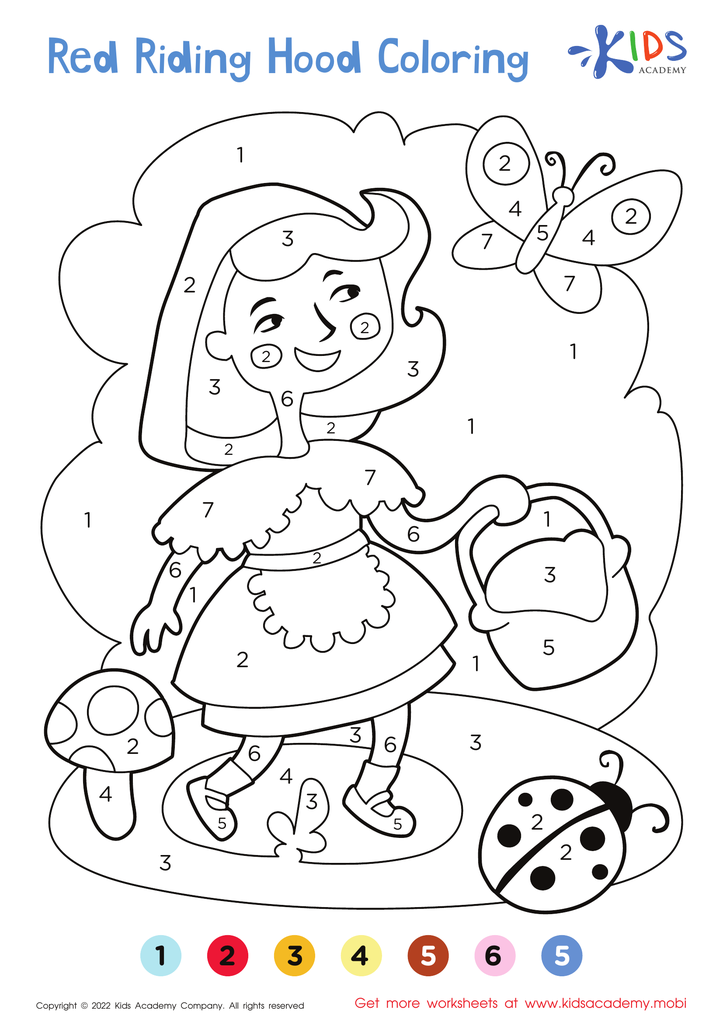
Little Red Riding Hood – Coloring by Numbers



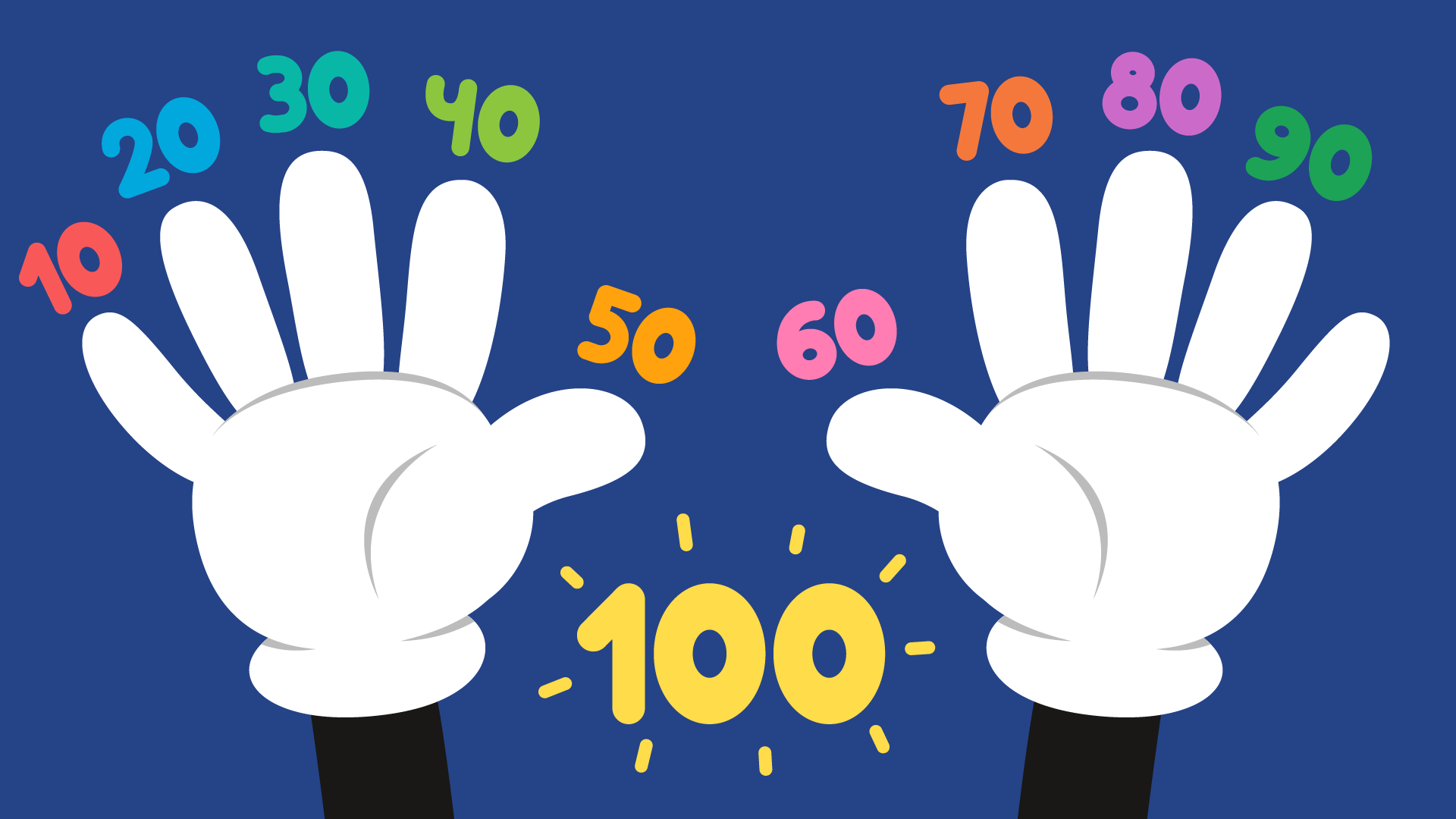




Number identification is a critical skill for children aged 5-8. At this age, kids are in the early stages of their academic journey, where foundational math skills are formed. Parents and teachers should place significant emphasis on number identification because it serves as the building block for virtually all future mathematical learning. Understanding numbers not only helps children grasp basic concepts, such as counting and ordering, but also paves the way for more complex operations like addition, subtraction, and even early multiplication and division.
Number identification also contributes to cognitive development. Recognizing numbers requires memory skills, attention to detail, and pattern recognition, which are essential cognitive processes. Early competence in these areas can lead to more confident and capable learners.
Moreover, number identification plays a vital role in everyday life. From telling time to understanding money, numerical literacy is essential. Encouraging children to recognize and understand numbers can make their day-to-day interactions less frustrating and more rewarding, boosting their self-esteem.
Poor number identification skills can lead to difficulties in school, impacting not just math performance but overall academic confidence. Therefore, parental and educator involvement in nurturing these skills can lay the groundwork for future academic and life success.








