Understanding Sequences Numbers Worksheets for Ages 5-8
5 filtered results
-
From - To
Unlock the fun of learning with our "Understanding Sequences Numbers Worksheets" designed specifically for children aged 5-8! These engaging worksheets help young learners grasp the concept of number sequences through colorful, interactive activities. Students will explore patterns, fill in missing numbers, and strengthen their math skills while enjoying a hands-on learning experience. Ideal for classroom use or at-home practice, our worksheets cater to various learning styles, promoting critical thinking and problem-solving abilities. Help your child build a strong foundation in math with our carefully crafted sequences worksheets, ensuring they develop confidence and competence as they embark on their educational journey!
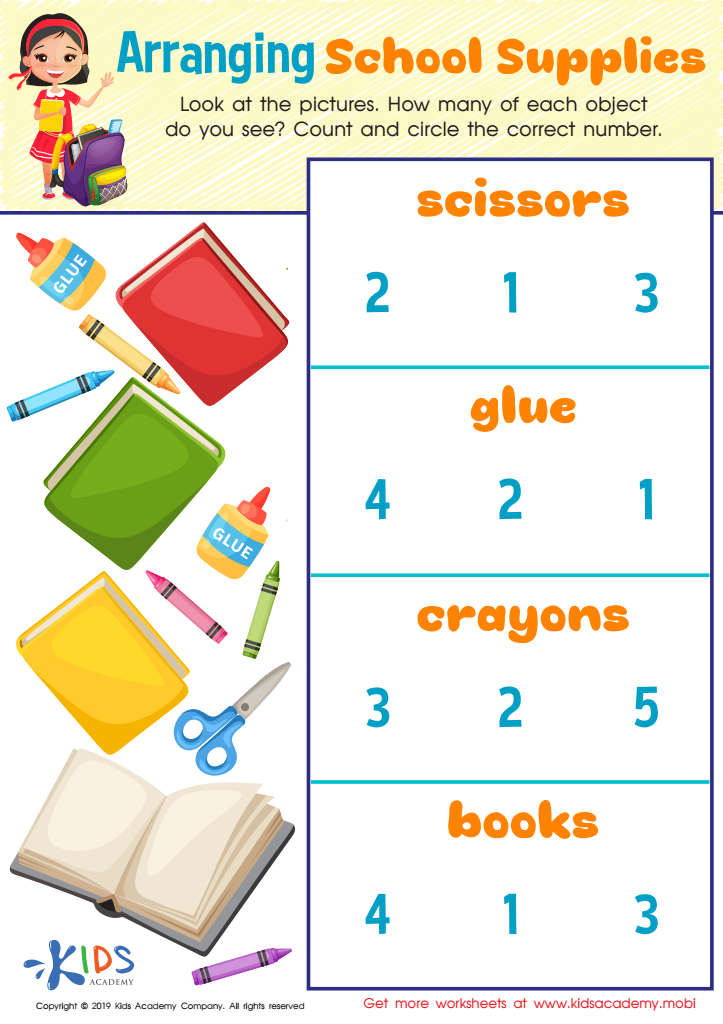
Arranging School Supplies Worksheet
 Assign to My Students
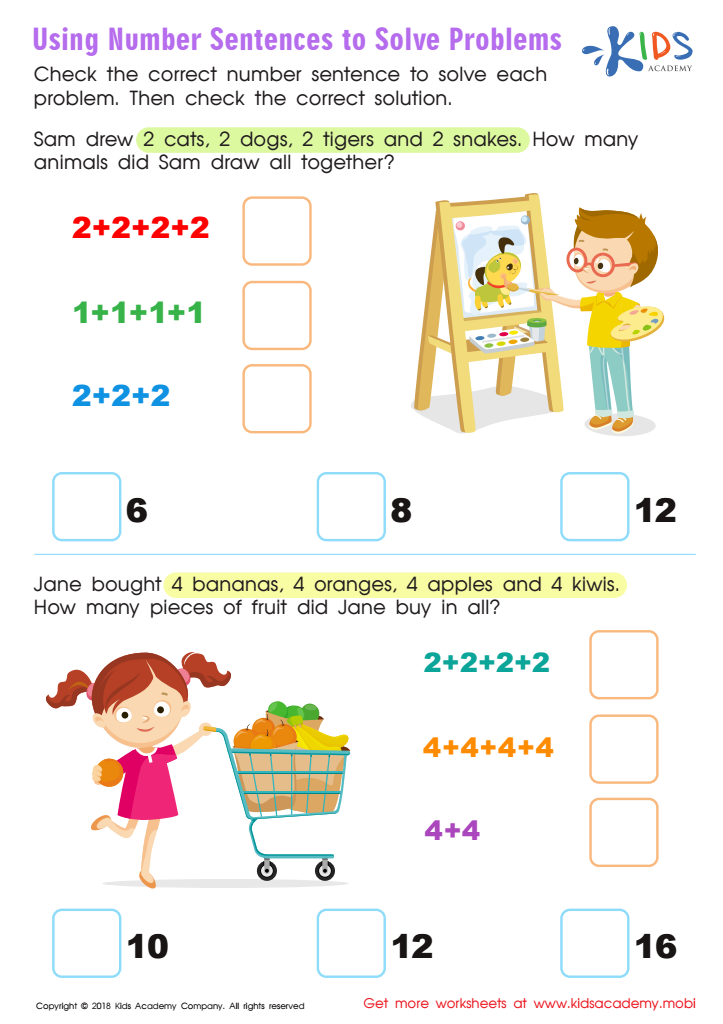
Using Number Sentences to Solve Problems Worksheet
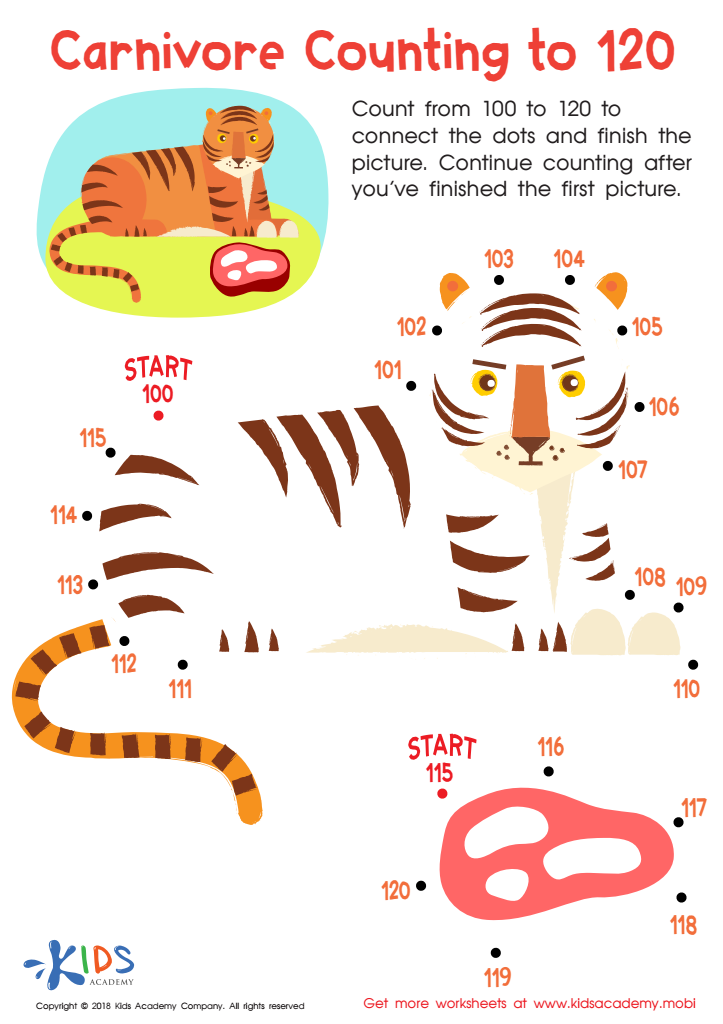
Carnivore Counting to 120 Worksheet
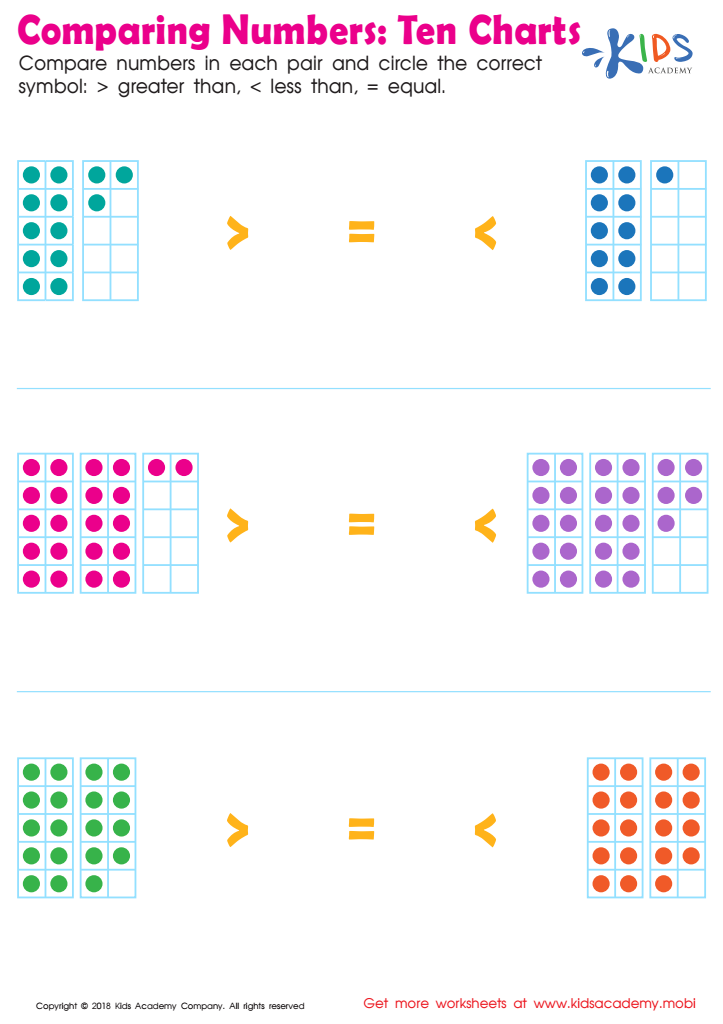
Ten Charts Worksheet
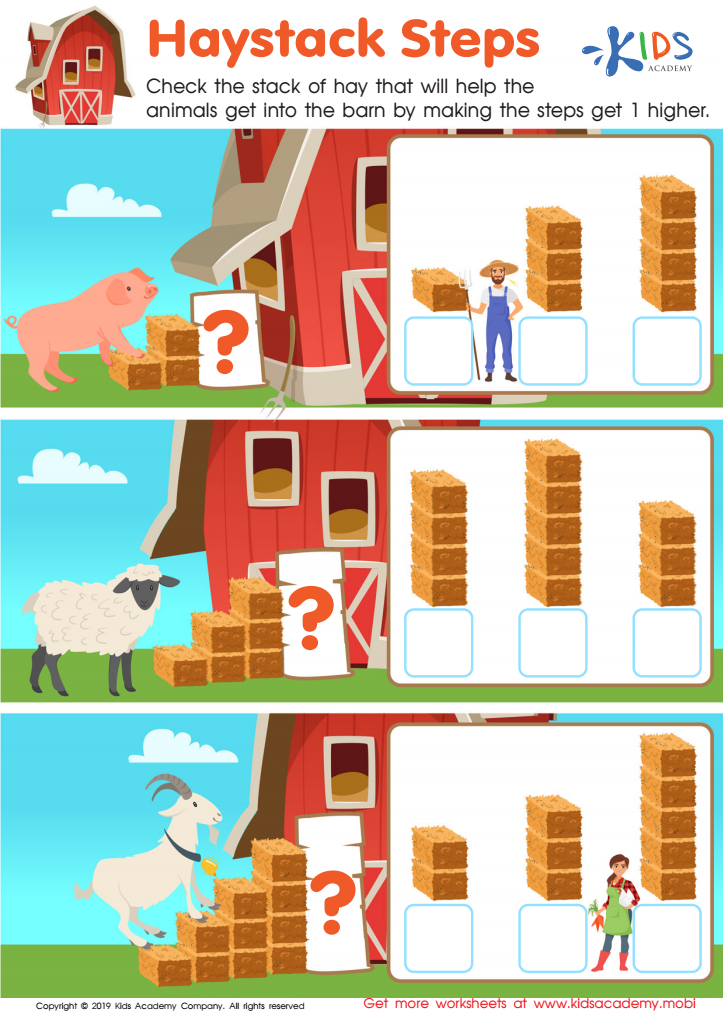
Haystack Steps Worksheet








Understanding sequences and numbers is a fundamental skill for children aged 5-8, forming the basis for more complex mathematical concepts later in their education. For parents and teachers, promoting this understanding is crucial for a variety of reasons.
First, learning sequences helps children develop critical thinking and pattern recognition skills. Recognizing patterns in numbers not only aids in math but also applies to problem-solving in everyday life. It builds a foundation for algebraic thinking, which is essential as they progress in their education.
Moreover, grasping sequences enhances children’s number sense, enabling them to understand concepts like addition, subtraction, and even multiplication in a more comprehensive way. Children who can identify numeric patterns are often more adept in math-related activities and tests, leading to greater confidence and a positive attitude towards learning.
In addition, understanding sequences fosters perseverance and patience, as children learn to recognize and articulate patterns over time. For parents and teachers, implementing engaging activities to teach sequences, such as games and interactive exercises, can reinforce these skills while making learning enjoyable. Ultimately, investing time in teaching sequences provides children with invaluable tools that support their ongoing academic journey and lifelong learning.








