Boost critical thinking Math Worksheets for Ages 5-8
4 filtered results
-
From - To
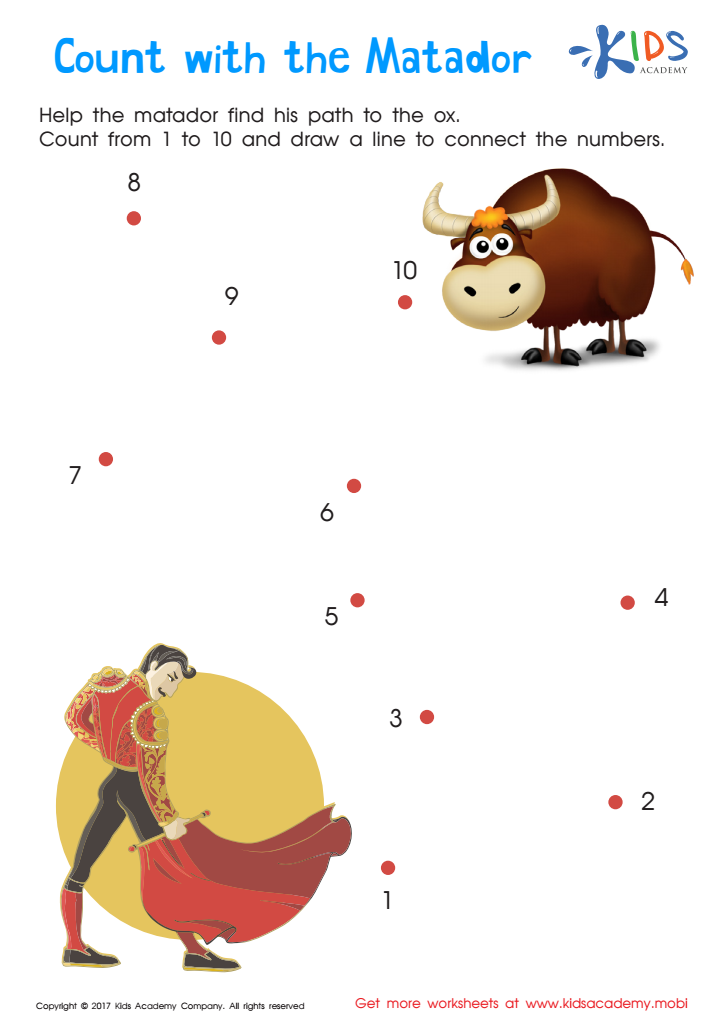
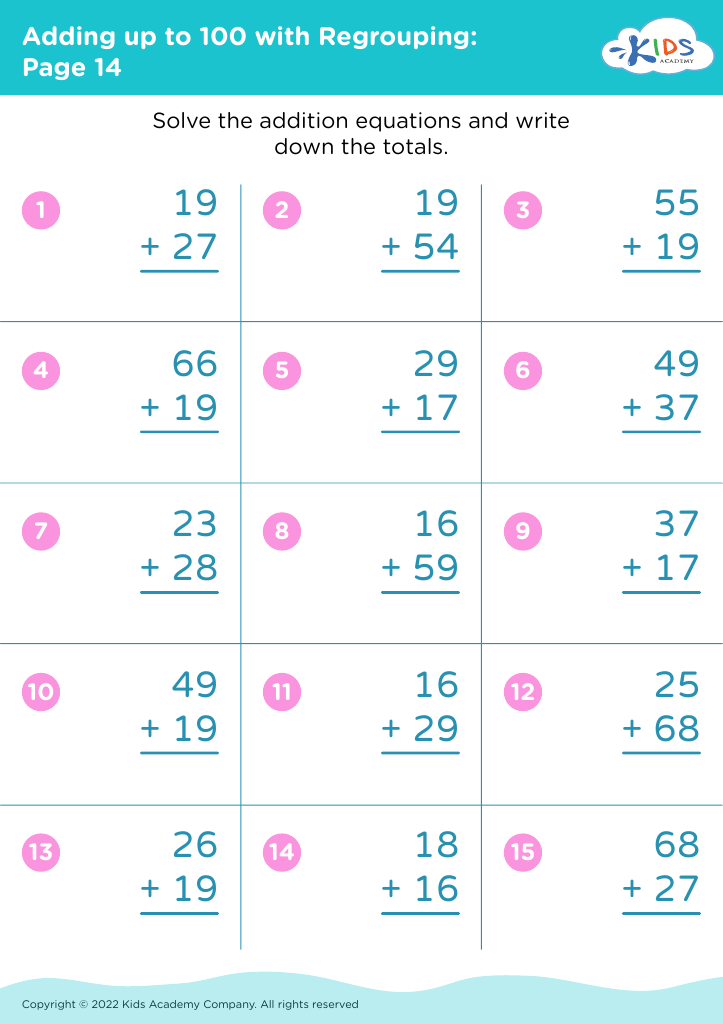
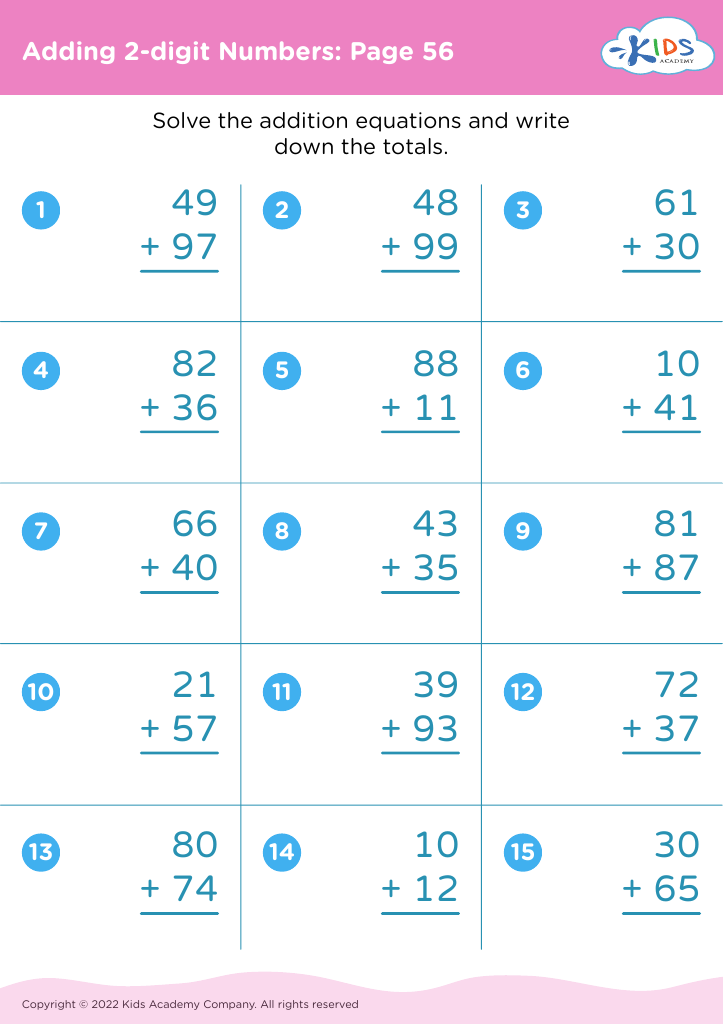
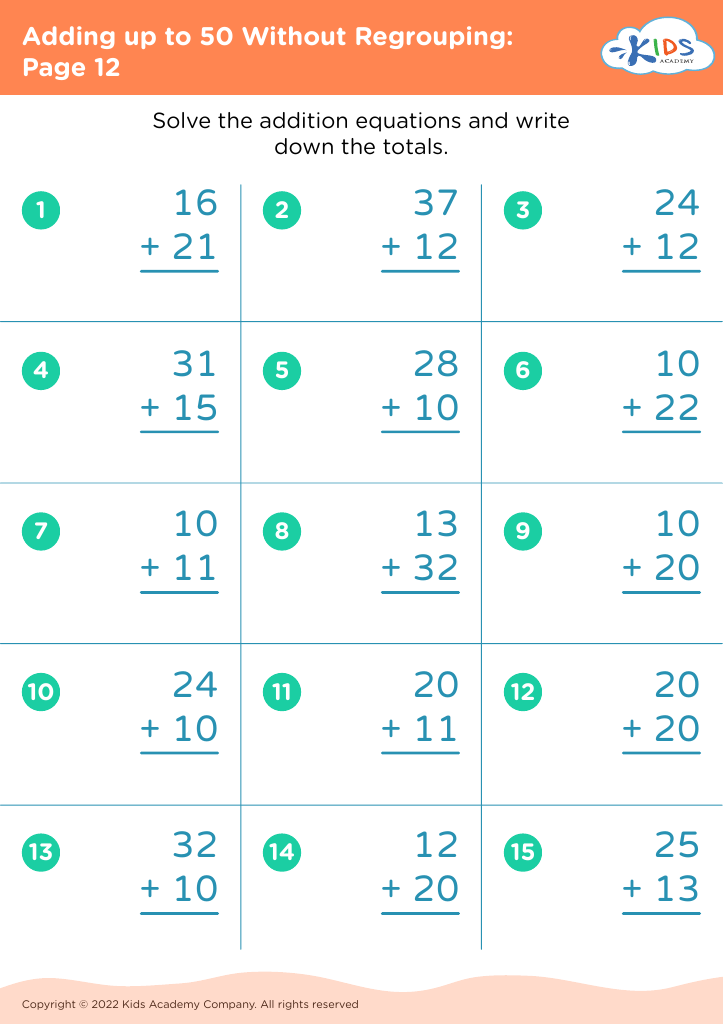
Unlock Your Child’s Potential with Our Boost Critical Thinking Math Worksheets for Ages 5-8! Our expertly designed worksheets engage young minds with fun, challenging activities, strengthening problem-solving and logical reasoning skills. These printable resources cover essential math topics like addition, subtraction, shapes, and patterns, encouraging analytical thinking from an early age. Perfect for complementing classroom learning or at-home practice, each worksheet promotes an interactive and enjoyable learning experience. Invest in your child’s future with our Boost Critical Thinking Math Worksheets and watch them thrive both academically and beyond!
 Assign to My Students





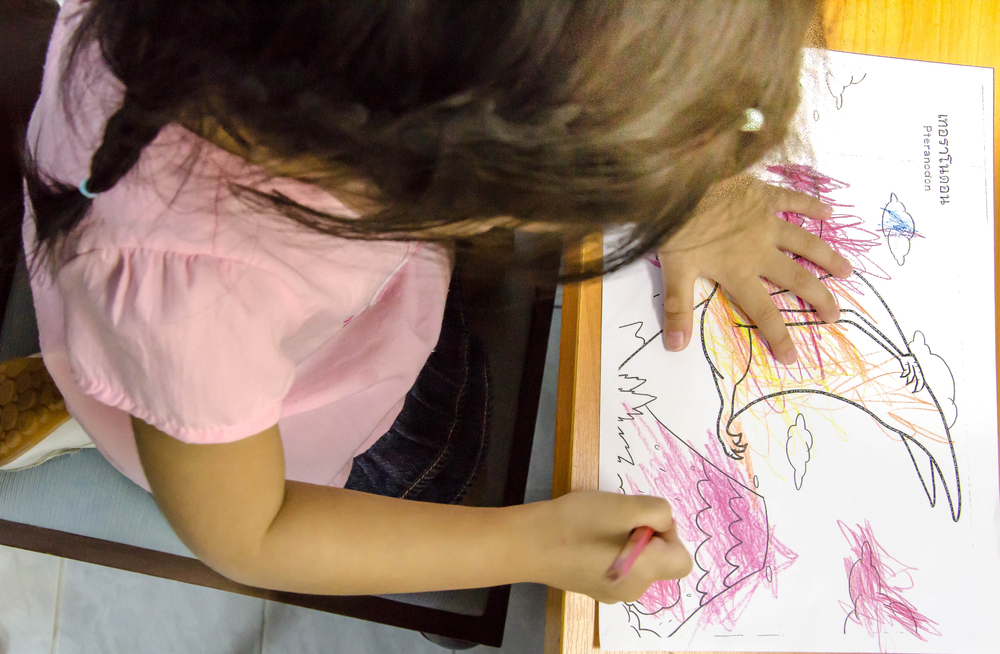


Fostering critical thinking in math for children aged 5-8 is essential as it forms the bedrock for future academic success and problem-solving abilities. At this formative age, young minds are particularly receptive to new ways of thinking, and enhancing their critical thinking skills can significantly impact their overall cognitive development. Learning math goes beyond mere number crunching; it involves logical reasoning, pattern recognition, and the ability to approach problems from multiple angles.
When parents and teachers prioritize critical thinking in math, they equip children with tools to understand concepts deeply rather than just memorizing procedures. Early exposure to these skills nurtures curiosity, encourages questioning, and fosters a growth mindset. Children learn to make connections between different pieces of information, which is not only crucial in math but also in everyday decision-making.
Moreover, boosting critical thinking at a young age can alleviate math anxiety, making the subject enjoyable and approachable. It prepares children for more complex math in later grades and instills confidence in their problem-solving abilities. In a world increasingly driven by data and technology, these foundational skills are indispensable, setting children on a path to becoming thoughtful, resourceful, and independent thinkers. Investing in children's critical thinking in math today is an investment in their future problem-solving skills and overall academic and life success.








