Color recognition Math Worksheets for Ages 5-8 - Page 2
36 filtered results
-
From - To
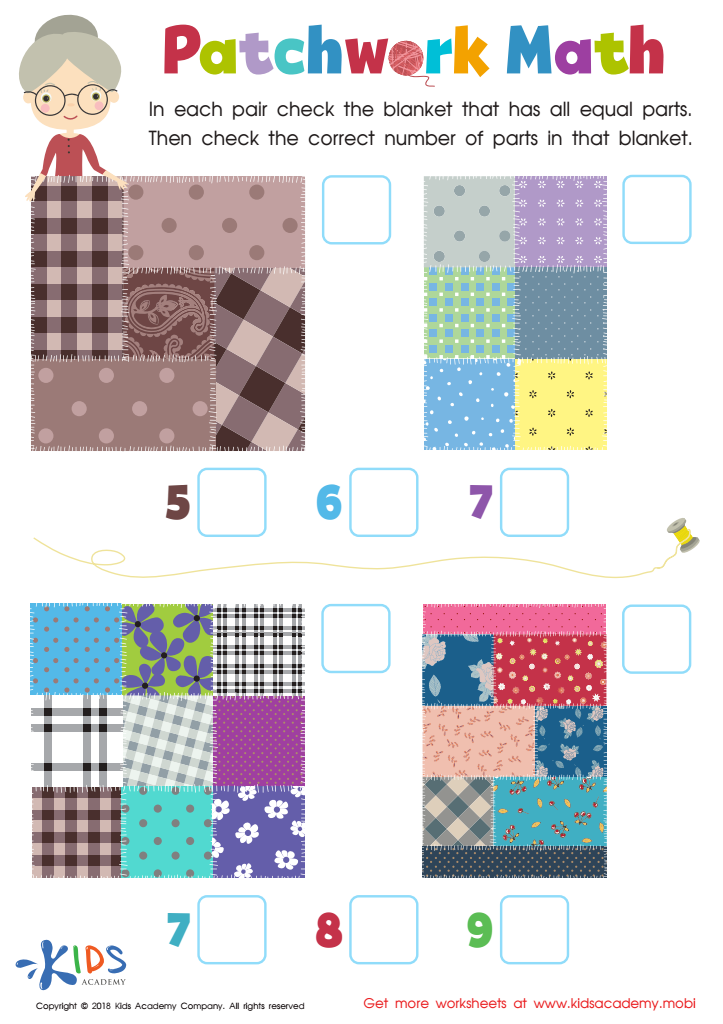
Patchwork Math Worksheet
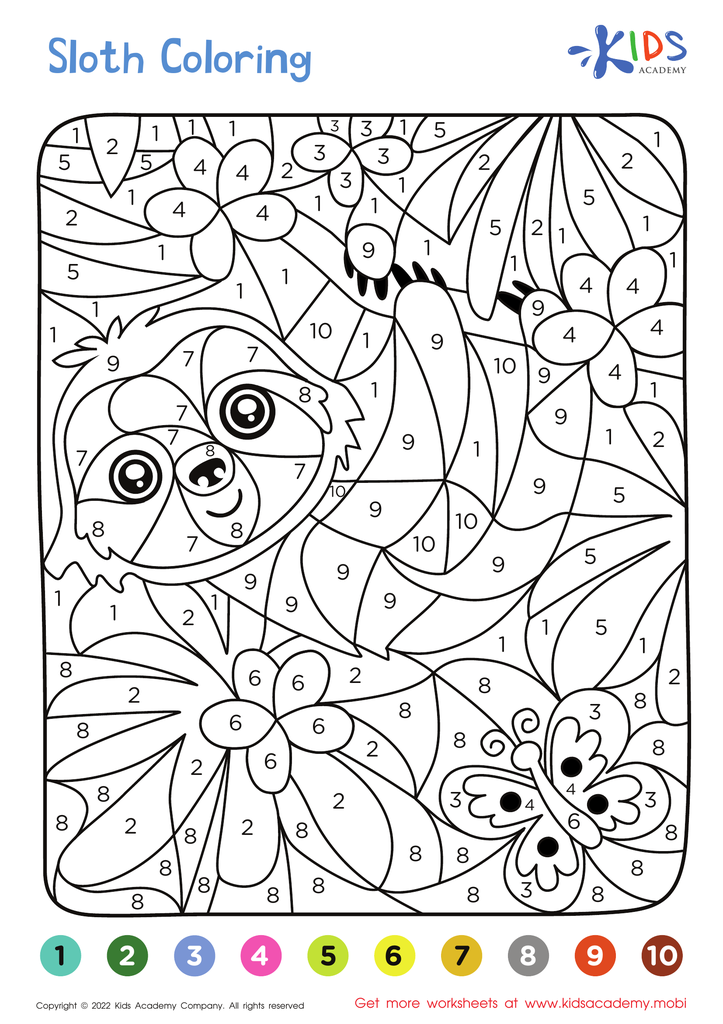
Sloth – Coloring by Numbers
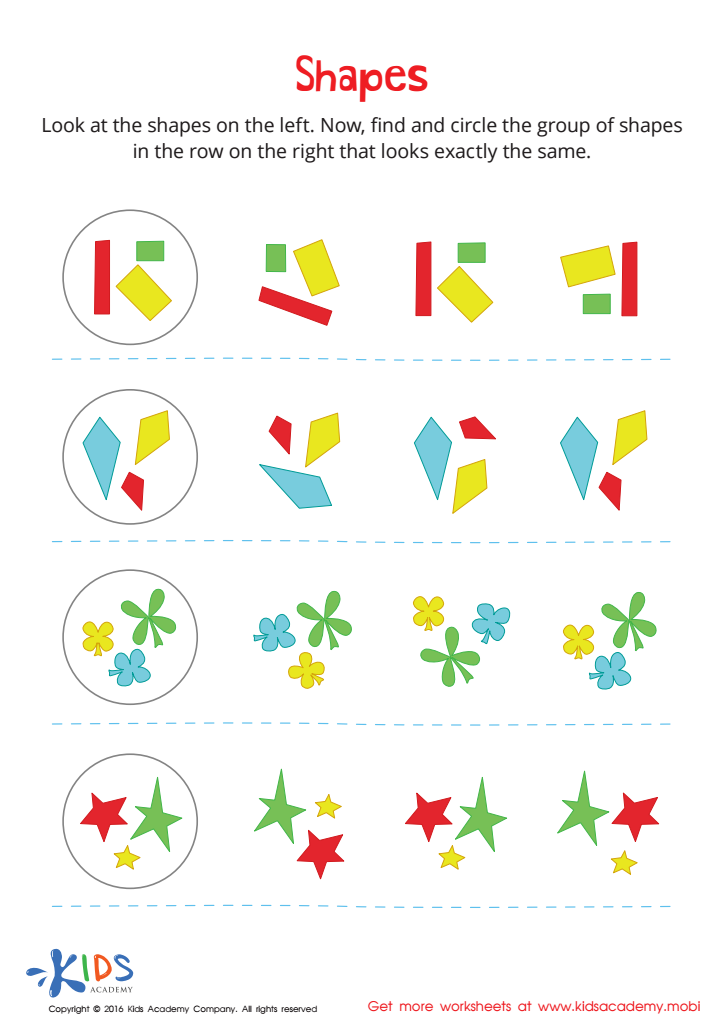
Shapes Worksheet
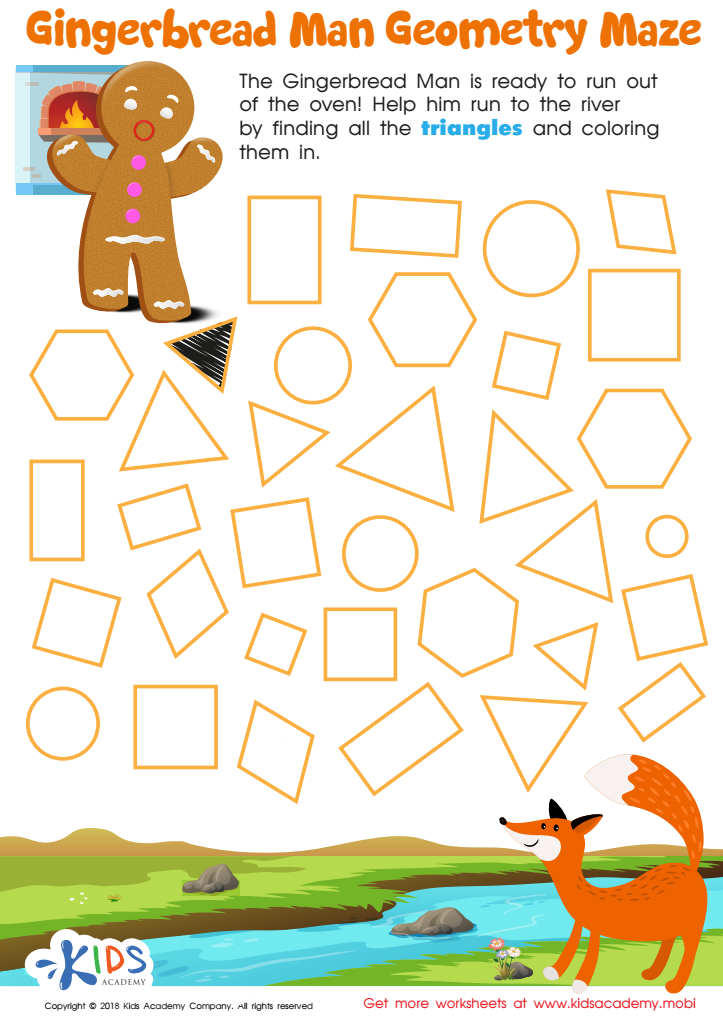
Gingerbread Man Geometry Maze Worksheet
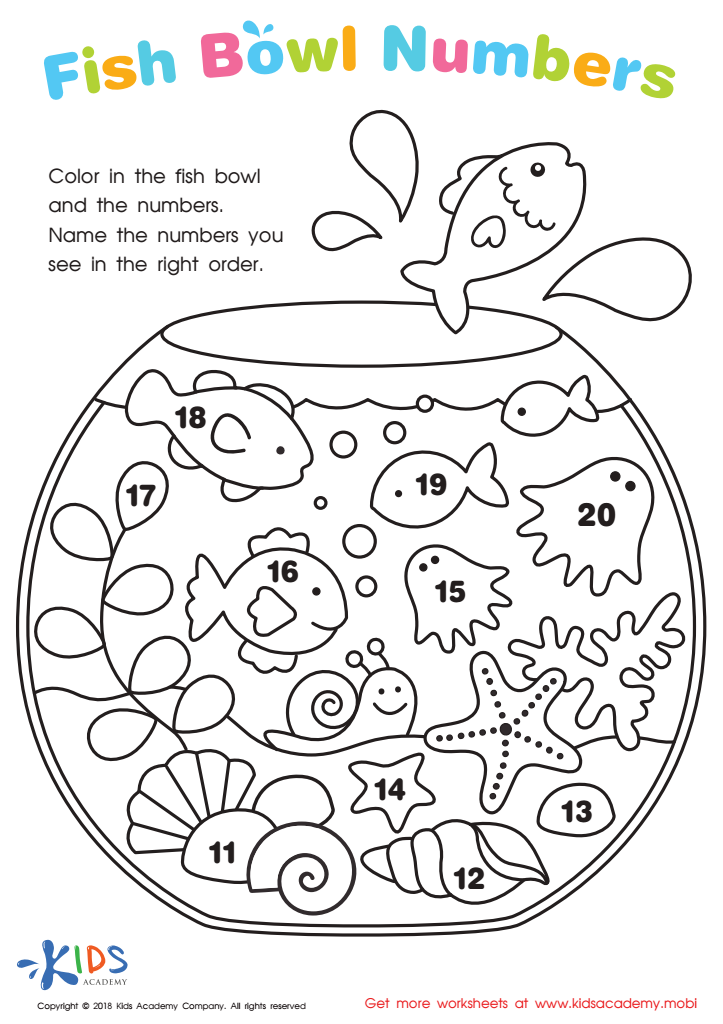
Fish Bowl Numbers Worksheet
 Assign to My Students
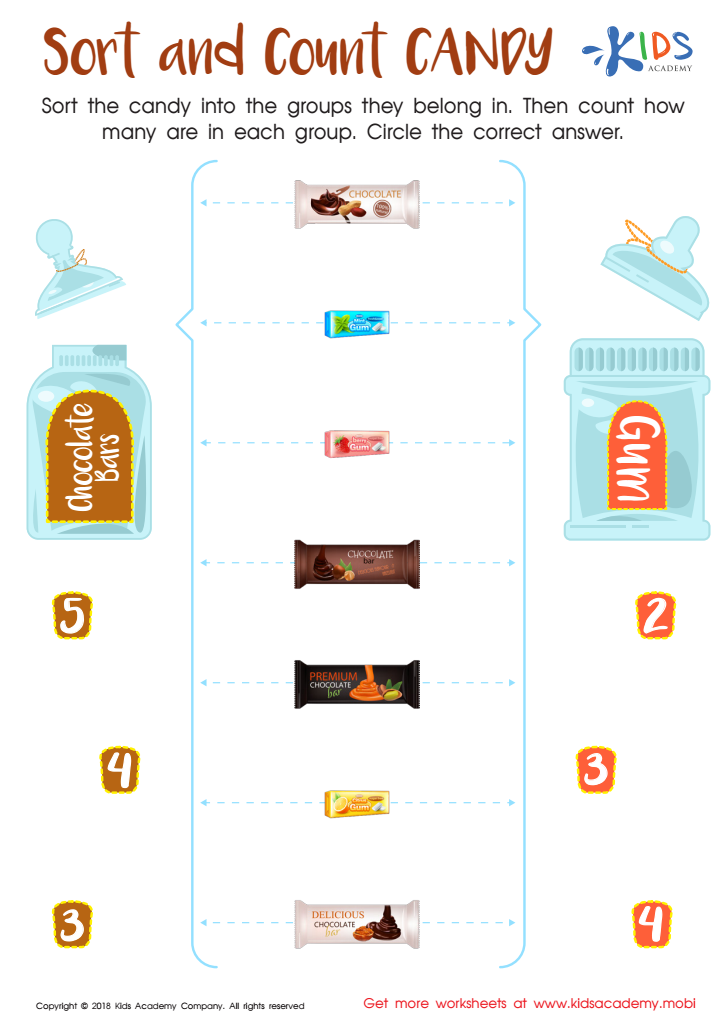
Sort and Count Candy Worksheet
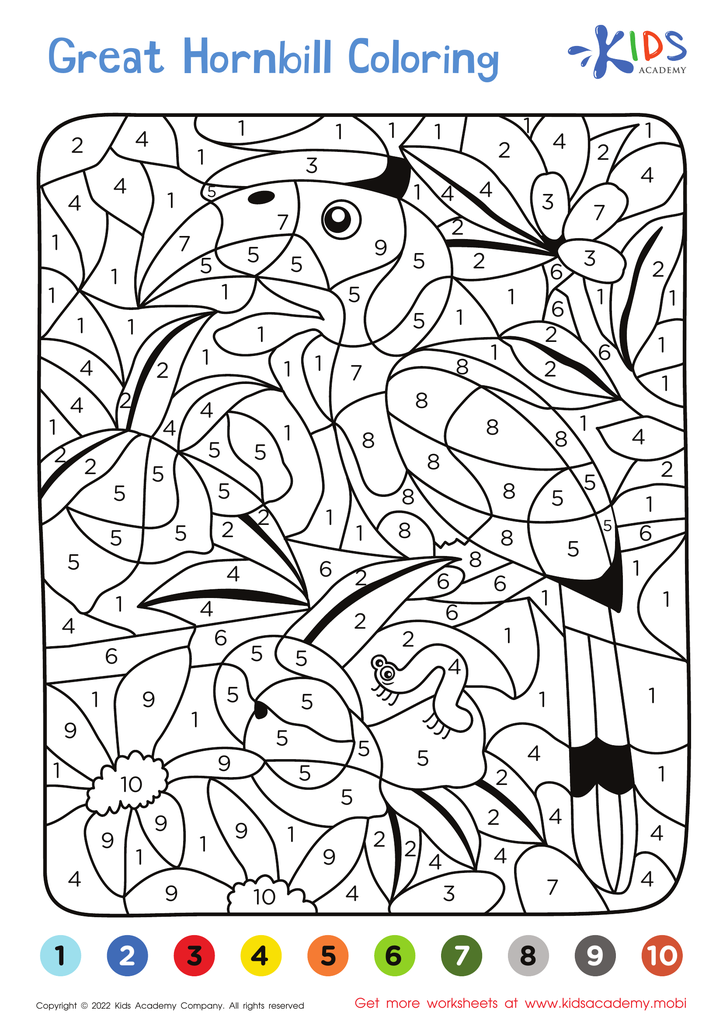
Great Hornbill – Coloring by Numbers
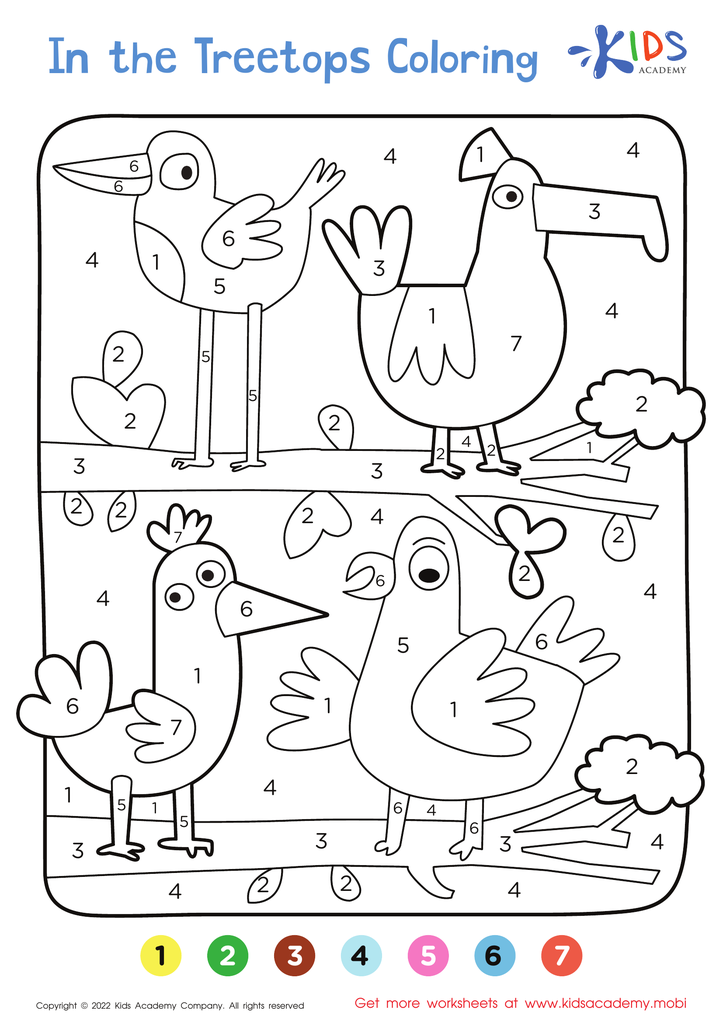
In the Treetops – Coloring Page
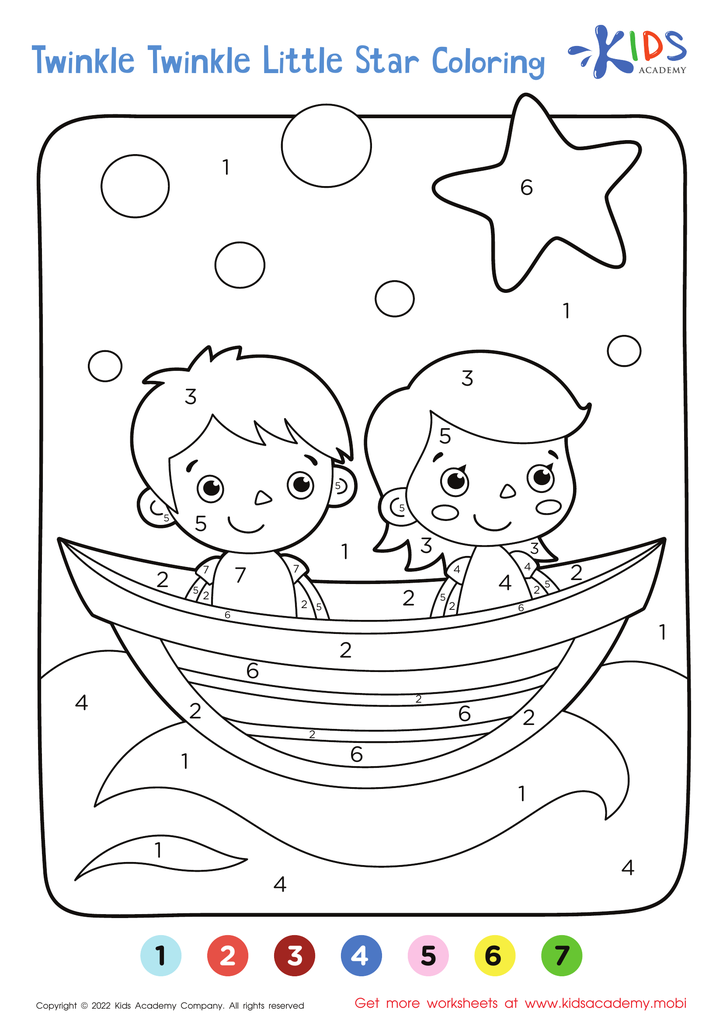
Twinkle, Twinkle, Little Star – Coloring by Numbers
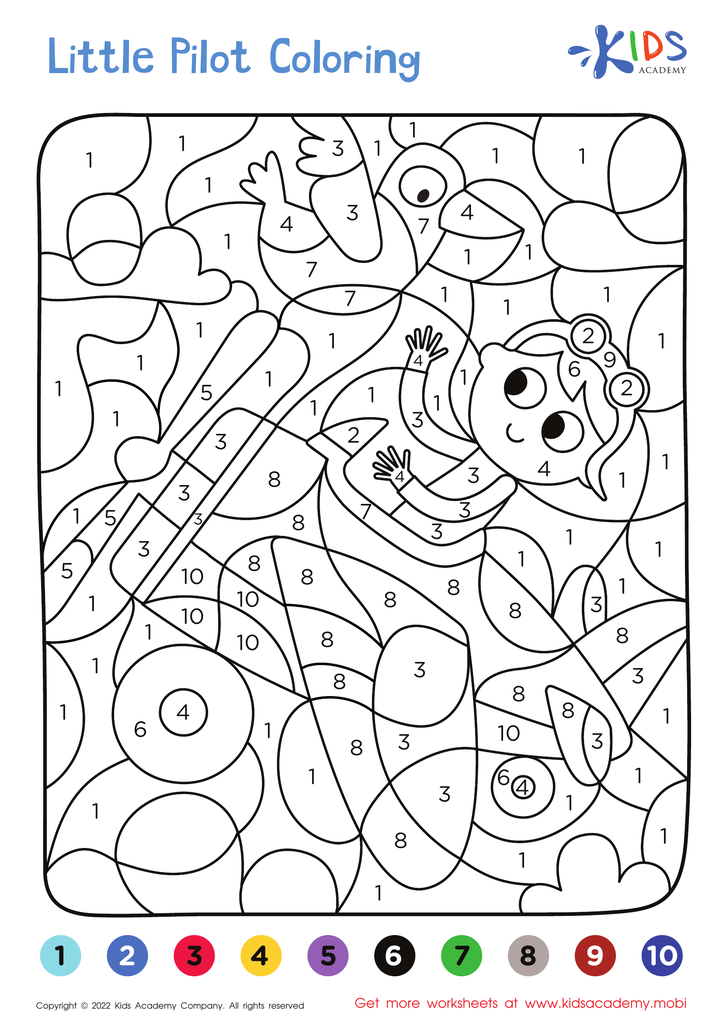
Little Pilot – Coloring by Numbers
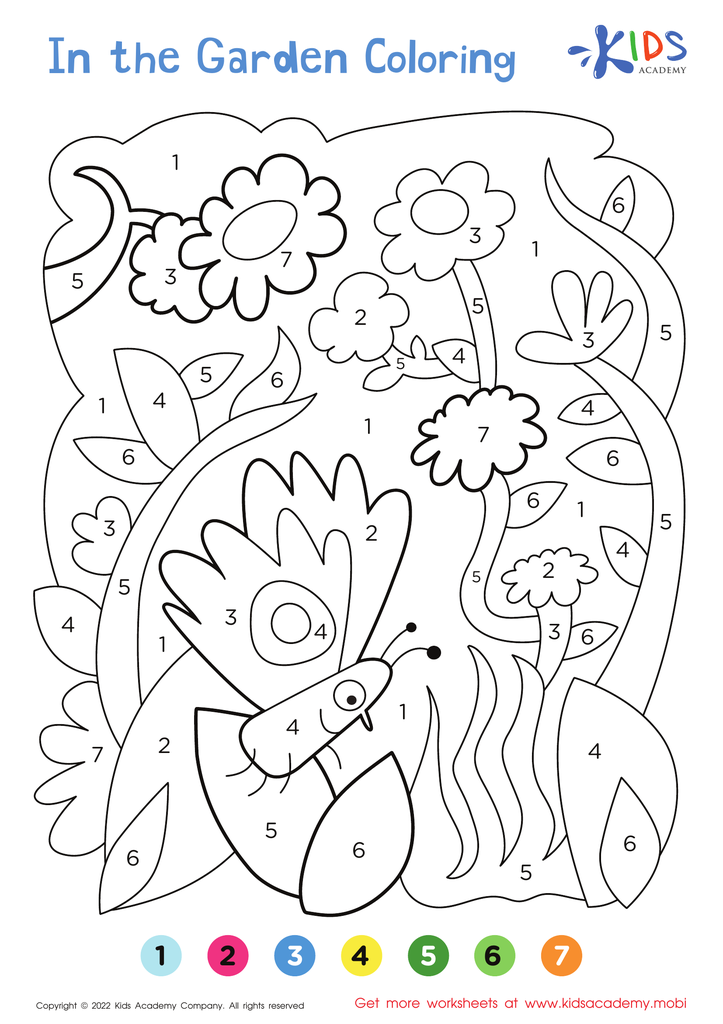
In the Garden – Coloring by Numbers
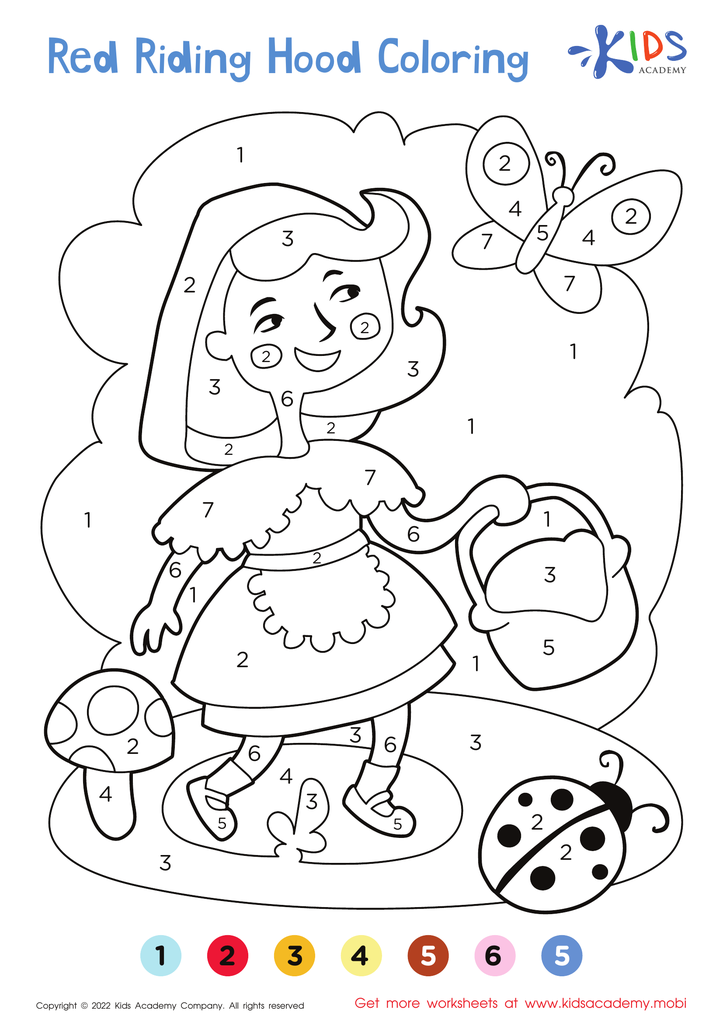
Little Red Riding Hood – Coloring by Numbers







%20(1).jpg)
Color recognition plays a crucial role in the early education of children aged 5-8, particularly within the realm of math learning. Understanding colors not only aids in the development of cognitive and observational skills but also enhances children's ability to categorize and differentiate objects, which is foundational for mathematical concepts. For instance, kids learn to group numbers or shapes by color, which fosters mathematical thinking such as sorting, pattern recognition, and even basic addition and subtraction.
Moreover, incorporating color recognition into math activities makes learning engaging and fun, helping to maintain children's attention and interest. This age group is naturally drawn to bright colors and playful interactions, making it easier for them to grasp complex ideas through visual stimuli.
Teachers and parents play an essential role by integrating color identification into daily activities—like sorting colorful blocks or using color-coded math games—which promotes teamwork, communication, and cognitive flexibility. By emphasizing color recognition in math, adults can support holistic development while making math relatable and accessible. Thus, nurturing these skills enhances children's ability to succeed in more advanced mathematical concepts later, laying a firm foundation for their educational journey.








