
Comparative analysis Math Worksheets for Ages 5-8
6 filtered results
Difficulty Level
Grade
Age
-
From - To
Subject
Activity
Standards
Discover top-rated, expertly designed math worksheets tailored for children aged 5-8. On our page, you'll find comprehensive comparative analysis resources to help young learners master essential math skills, from counting and basic addition to recognizing patterns and understanding shapes. Our worksheets are crafted to promote critical thinking, visual learning, and problem-solving with engaging activities that make math fun and accessible. Explore our collection and give your child the tools to succeed in math through structured, step-by-step guidance that supports their cognitive development and enhances their learning experience. Prepare them for a bright academic future today!
Favorites
With answer key
Interactive
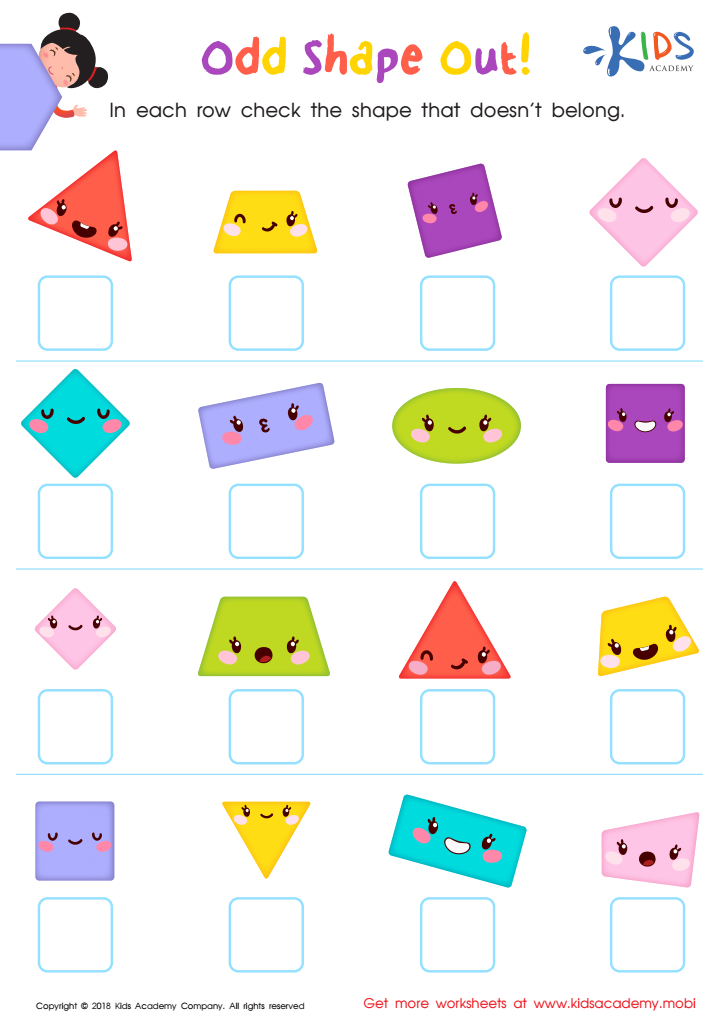
Odd Shape Out Worksheet for Grade 3
Time to test your child's shape knowledge! With this worksheet, help them find the odd shape out in each row and check the box under it. Print out the pdf and look through it with them – each row has four brightly colored shapes. See if they can spot any differences among them and then check the box below the shape that does not belong.
 Assign to My Students
Odd Shape Out Worksheet for Grade 3
Worksheet
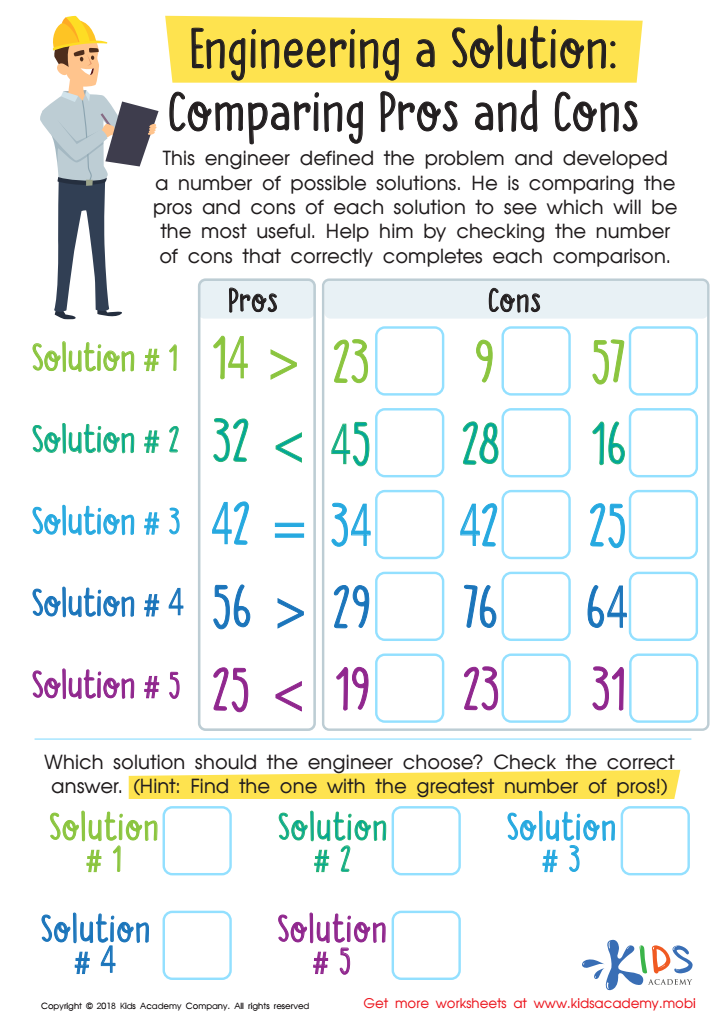
Engineering a Solution: Comparing Pros and Cons Worksheet
Help our little engineers assist the engineer in making a decision! They will solve the equations using greater than, less than, and equal to, and then decide the best solution for the problem using the pros and cons of each.
Engineering a Solution: Comparing Pros and Cons Worksheet
Worksheet
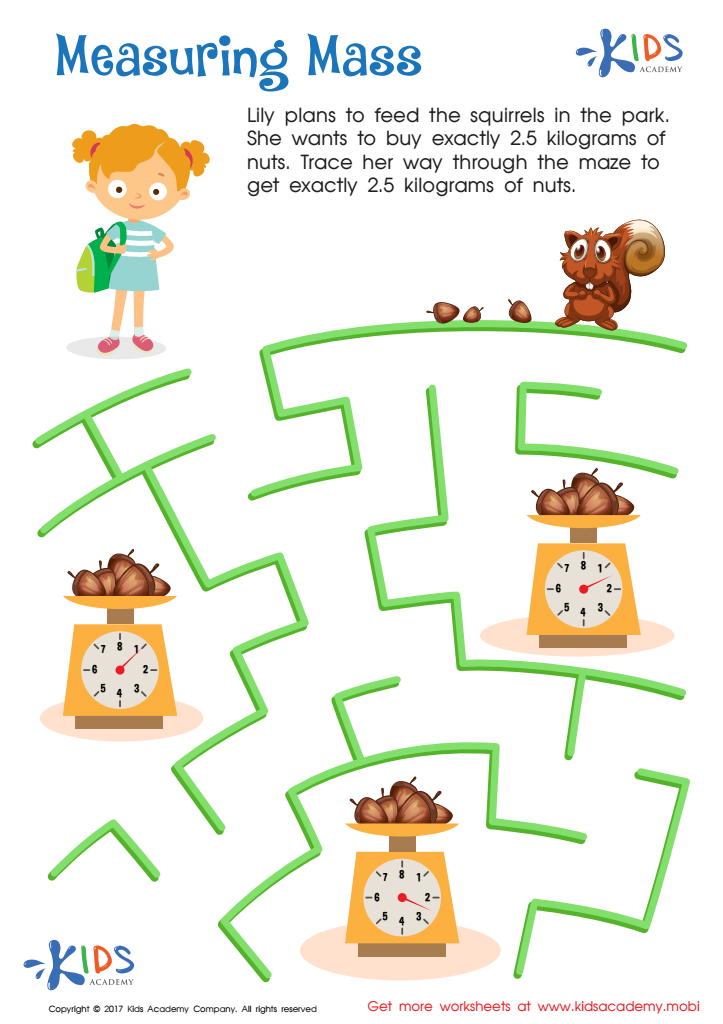
Measuring Mass Worksheet
Lily needs your child's help to find the right number of nuts to feed the squirrels. Ideal for 3rd grade!
Measuring Mass Worksheet
Worksheet
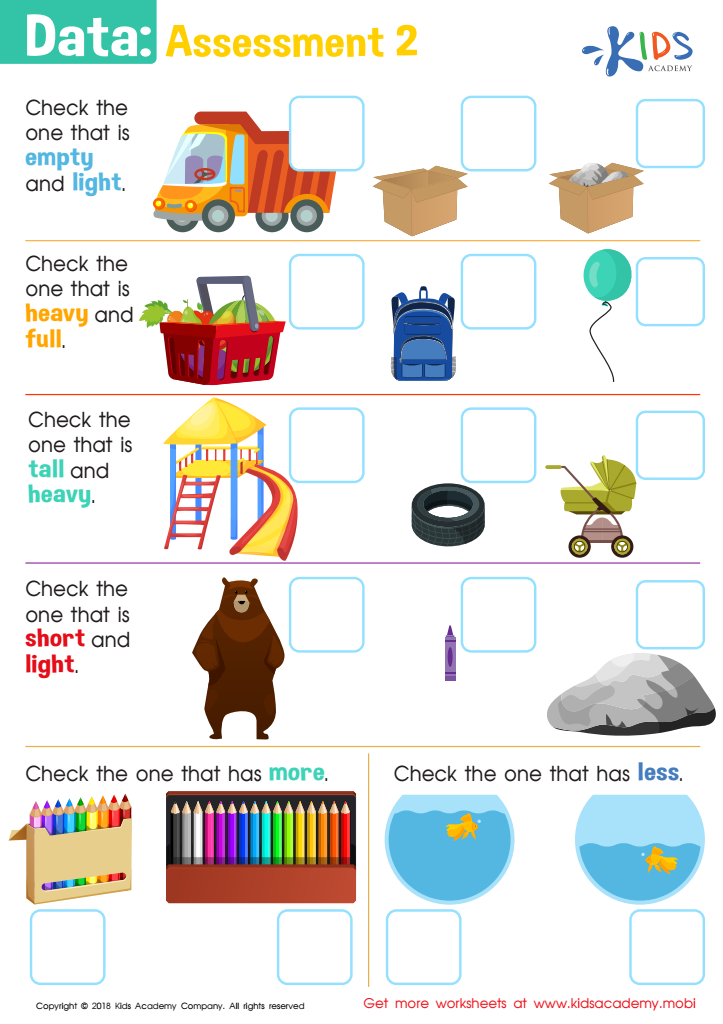
Data: Assessment 2 Worksheet
This PDF helps you assess your students' understanding of concepts like empty/light, full/heavy, tall/short, and more/less. With this worksheet, students use pictures to answer questions and check off the appropriate box. It's a fast, easy way to determine what concepts they have learned and which need more work.
Data: Assessment 2 Worksheet
Worksheet
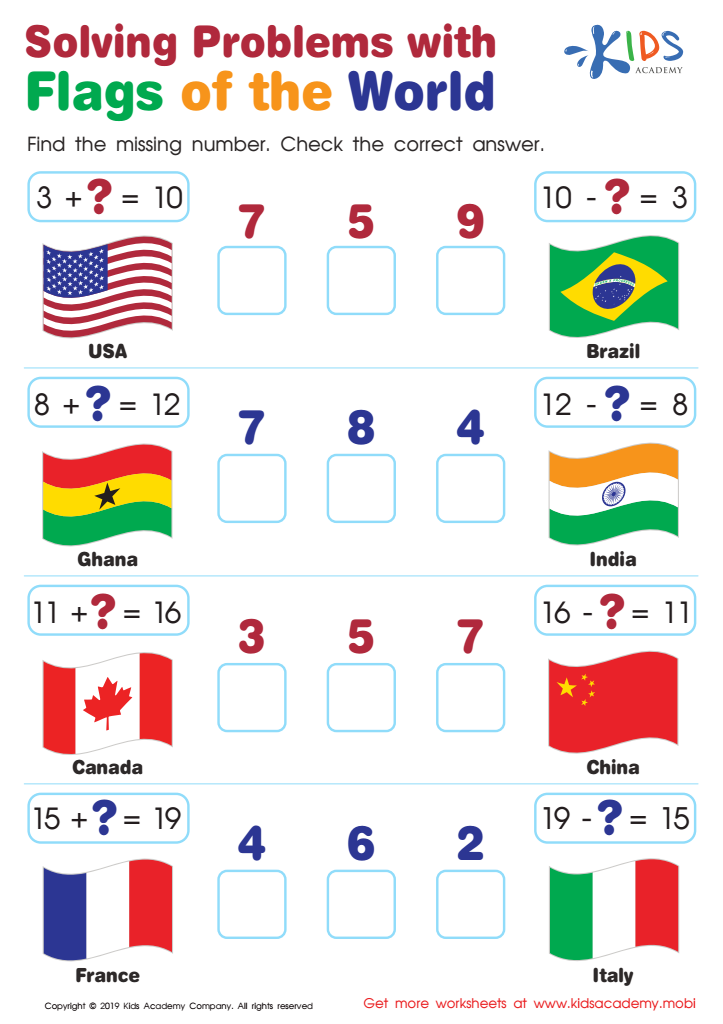
Solving Problems with Flags of the World Worksheet
Name some countries you know with your kids, then introduce their flags with this worksheet. Help them find the missing number in each addition problem, and then check the answer. It's a fun way to learn about different countries near and far.
Solving Problems with Flags of the World Worksheet
Worksheet
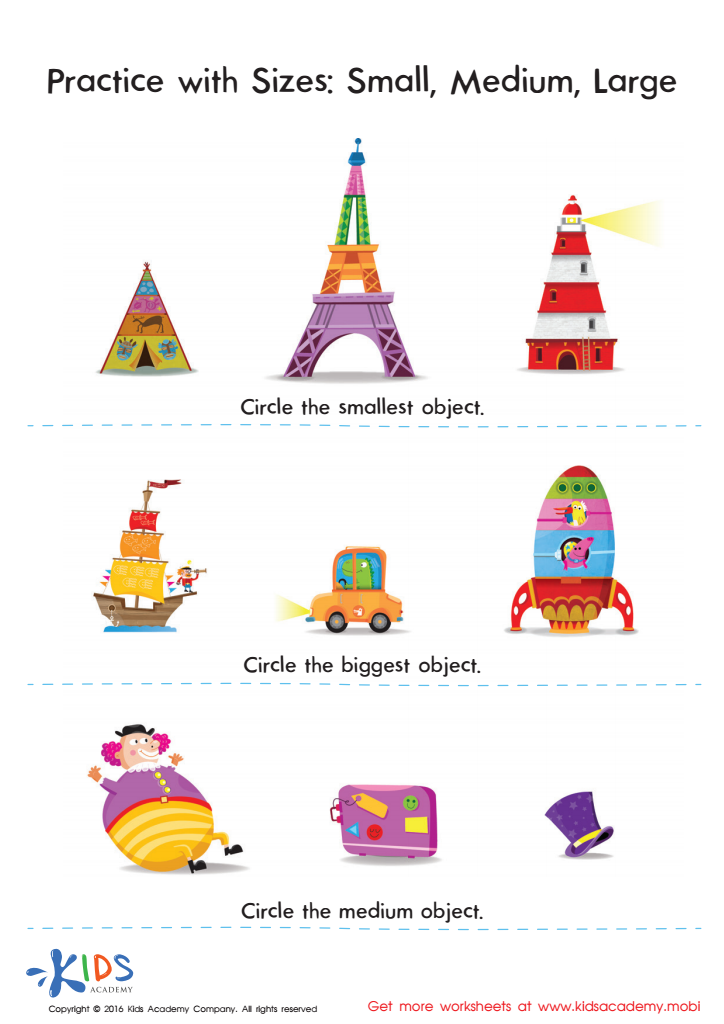
Join Kids Academy for Free
Who is primarily going to use this learning content?



%20(1).jpg)




Comparative Analysis Math for ages 5-8 is crucial for young learners because it fosters foundational cognitive skills that are essential for future academic success and everyday decision-making. Comparative analysis involves evaluating similarities and differences among numbers, shapes, and quantities, helping children develop strong critical thinking and problem-solving abilities early on.
For parents and teachers, promoting this type of mathematical thinking provides numerous benefits. First, it helps reinforce a child's understanding of basic math concepts such as greater than, less than, and equal to, which are pivotal for tackling more complex math problems later. Early exposure to these concepts ensures that children build a solid mathematical foundation, making future learning less intimidating and more intuitive.
Moreover, comparative analysis nurtures a child's ability to categorize and organize information. By comparing sizes, amounts, and patterns, children start to understand order and sequencing, skills that are valuable not just in math but in reading comprehension and science too. Such analytical skills are transferable, aiding children in diverse areas of learning.
Therefore, both parents and teachers should care about incorporating comparative analysis into math instruction for young children. Doing so equips kids with vital skills for their educational journey and builds their confidence in their ability to understand and manipulate the world around them through comparative thinking.








