
Developing observation skills Math Worksheets for Ages 5-8
6 filtered results
Difficulty Level
Grade
Age
-
From - To
Subject
Activity
Standards
Enhance your child's learning experience with our engaging "Developing Observation Skills Math Worksheets" designed specifically for ages 5-8. These worksheets focus on cultivating critical observation skills through fun and interactive activities that integrate math concepts. Children will explore and analyze various patterns, shapes, and numbers while improving their attention to detail. Our specially curated worksheets aim to foster curiosity, enhance cognitive development, and build a strong foundation in mathematics through visualization and hands-on practice. Perfect for classroom or home learning, our resources ensure that young learners develop confidence and a love for math in a supportive and enjoyable environment.
Favorites
With answer key
Interactive
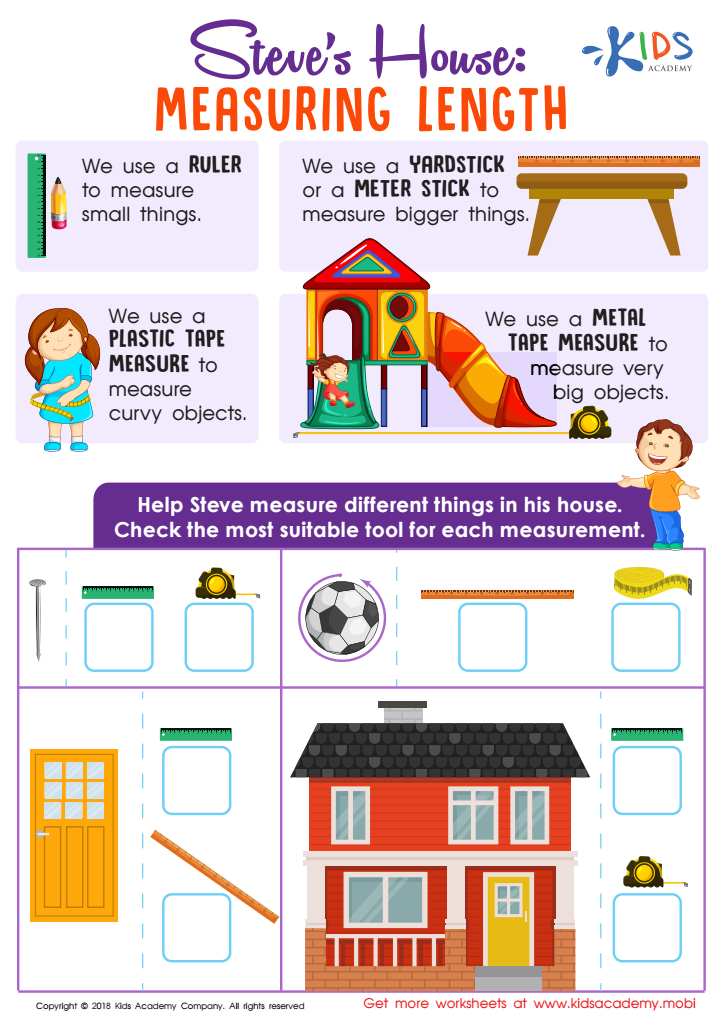
Steve's House: Measuring Length Worksheet
Introduce your kids to the various measuring tools and their uses. Explain how a ruler, plastic tape, yard stick, and metal tape measure are used to measure different objects. Guide them as they help Steve measure things in his home with the correct tool.
 Assign to My Students
Steve's House: Measuring Length Worksheet
Worksheet
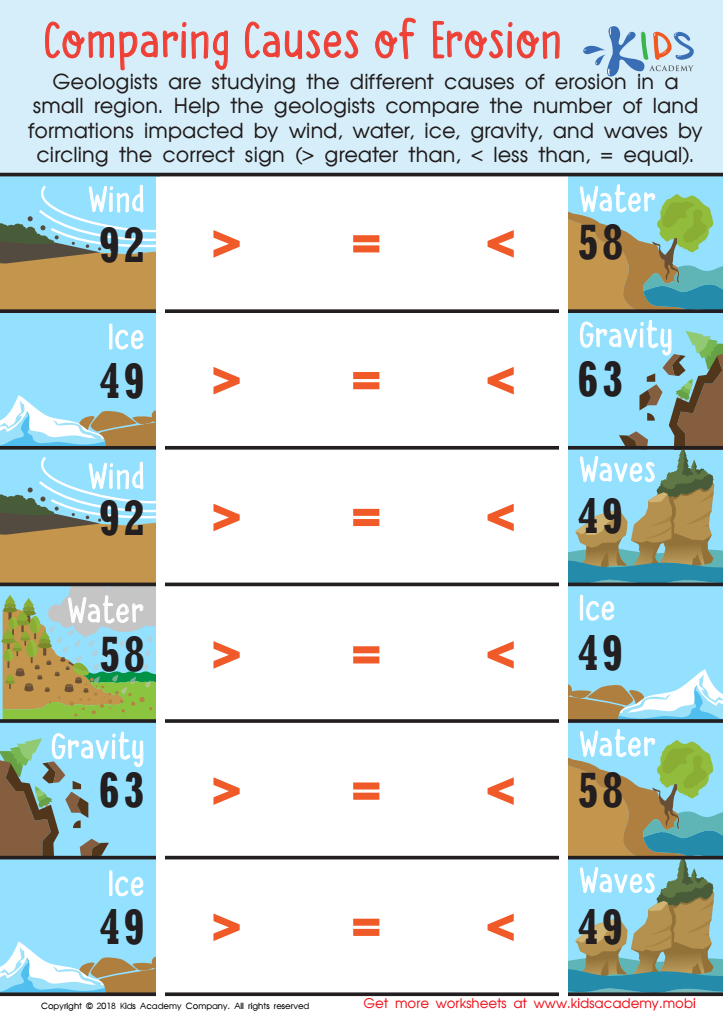
Comparing Causes of Erosion Worksheet
This free PDF worksheet combines science, number sense and comparing numbers to teach kids about the causes of erosion. They'll compare numbers related to ice, wind, water, gravity and waves and decide if each cause is greater, less than or equal to another. It's an interdisciplinary and meaningful way to learn that kids will enjoy.
Comparing Causes of Erosion Worksheet
Worksheet
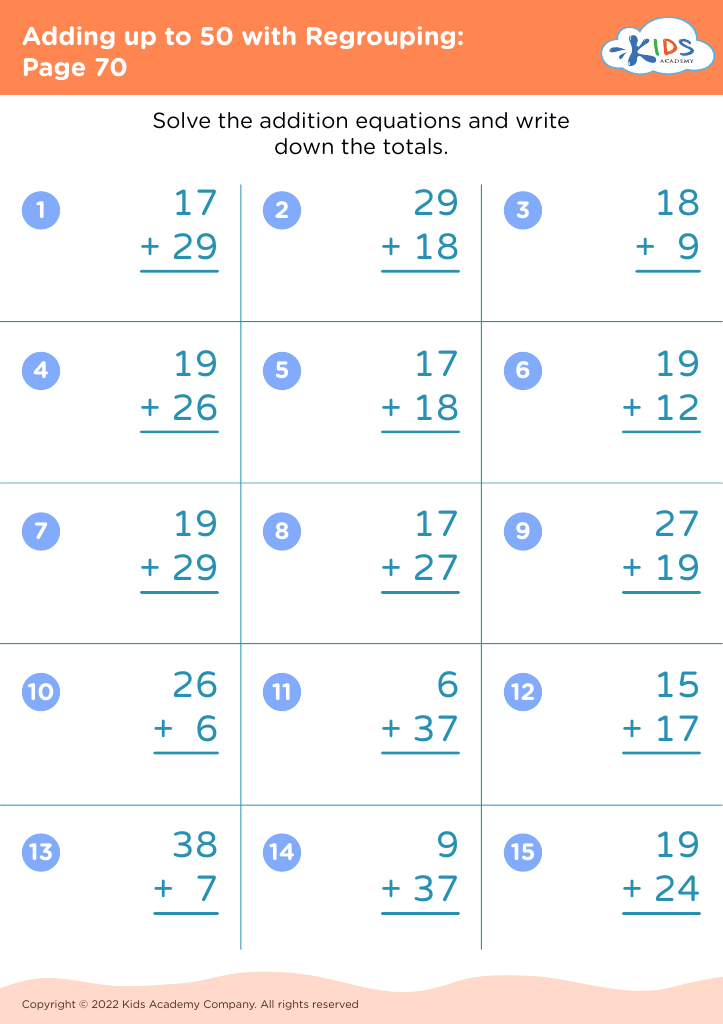
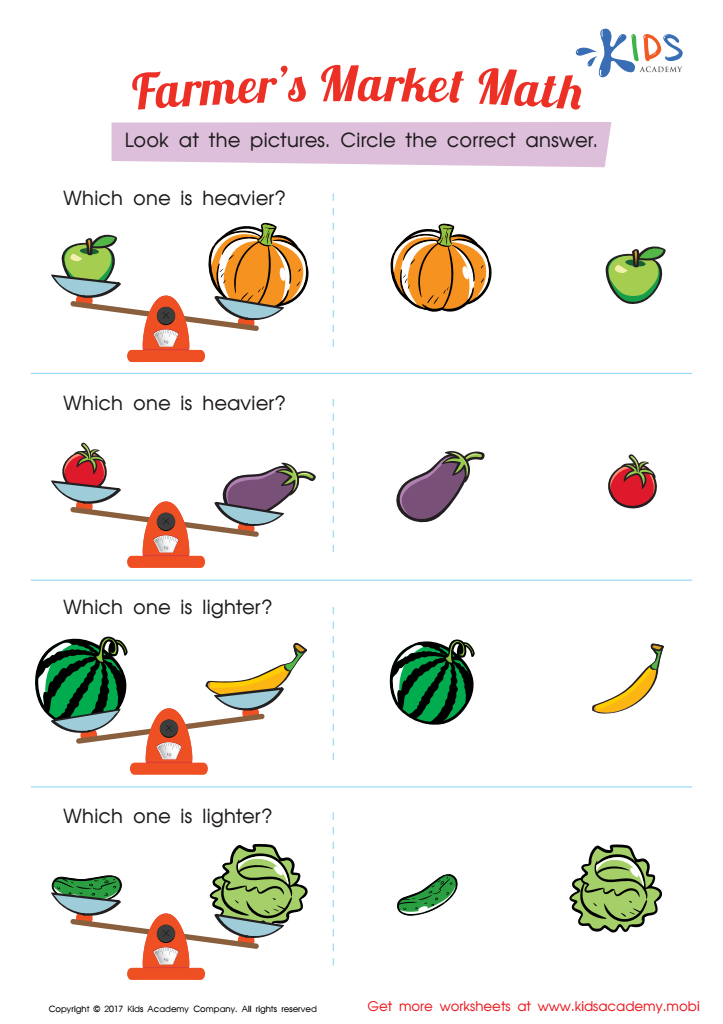
Which One Is Heavier Worksheet
Kindergartners can learn weight easily with this worksheet, featuring images of familiar fruits and veggies. Comparing which one is heavier helps them understand the concept better.
Which One Is Heavier Worksheet
Worksheet
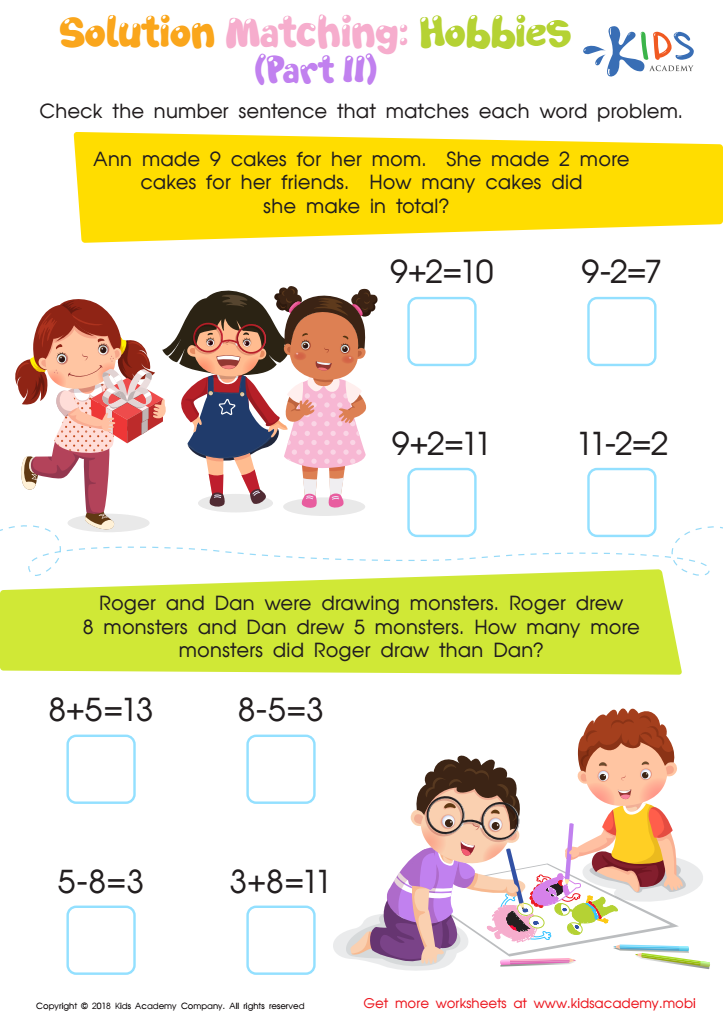
Solution Matching: Hobbies. Part 2 Worksheet
This fun printable worksheet has word problems featuring hobbies your children enjoy! With your child, read through each problem, understanding the numbers and key phrases indicating addition or subtraction. Then, match the correct equation with the solution by checking the box. Math problems are more enjoyable to solve when they’re realistic and engaging!
Solution Matching: Hobbies. Part 2 Worksheet
Worksheet
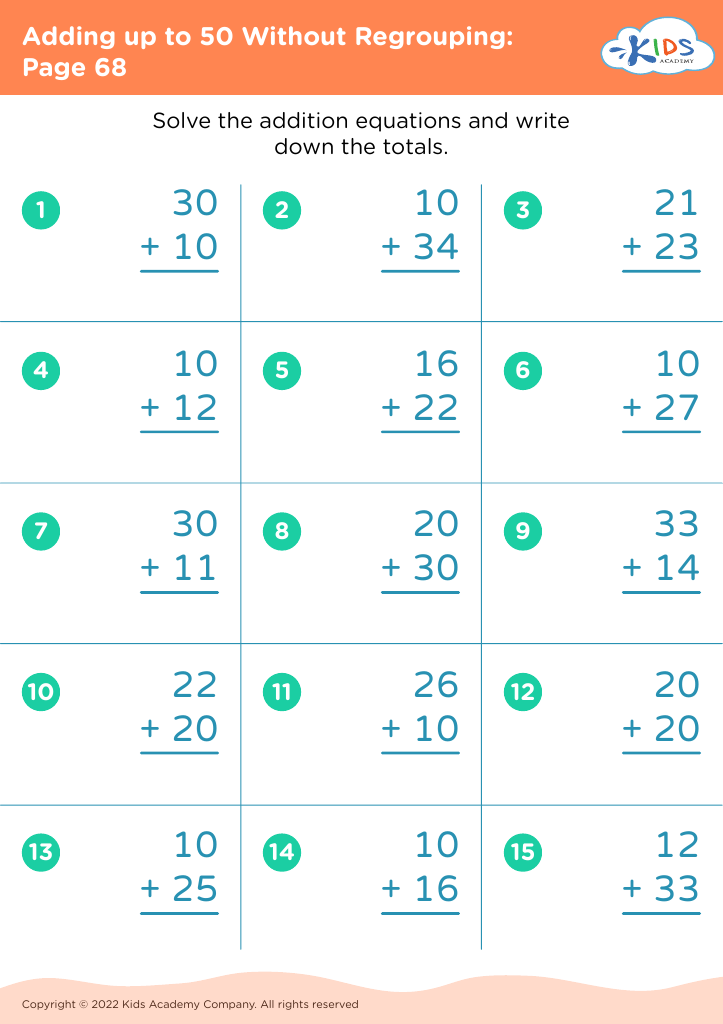
Join Kids Academy for Free
Who is primarily going to use this learning content?




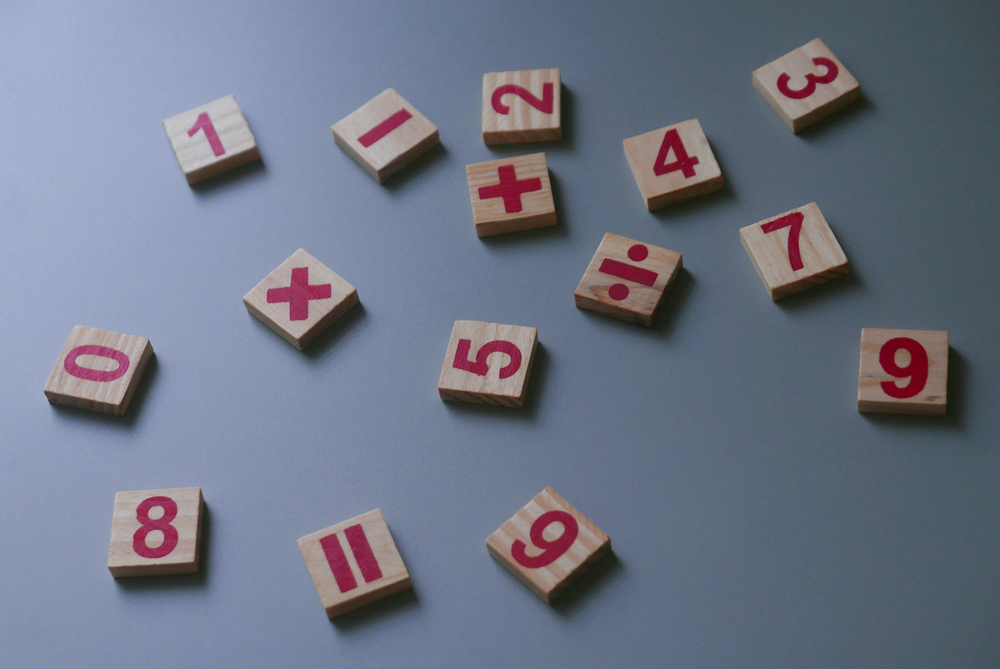



Developing observation skills in math for children aged 5-8 is crucial for fostering foundational comprehension and critical thinking abilities. At this age, children's cognitive faculties are rapidly growing, allowing them to grasp mathematical concepts through active engagement and exploration. By enhancing their observation skills, parents and teachers empower children to notice patterns, relationships, and changes in their environment, facilitating a deeper understanding of mathematical concepts like counting, shapes, and basic operations.
Additionally, observational skills encourage inquiry and curiosity, allowing young learners to ask questions and make connections between math and real-life situations. Enhancing these skills nurtures a more robust mathematical mindset early on, which is essential for tackling more complex math in later years. It also supports other areas of development, such as language skills, as children learn to describe their observations accurately and share their reasoning.
Furthermore, strong observational abilities can bolster children's confidence in their problem-solving skills. As they become more adept at observing and describing mathematical phenomena, they are likely to engage more with the subject, displaying a positive attitude toward math that can last a lifetime. Overall, prioritizing observation skills in math lays a solid foundation for future learning and academic success.








