Enhance Vocabulary Math Worksheets for Ages 5-8
4 filtered results
-
From - To
Explore our "Enhance Vocabulary Math Worksheets" designed for children aged 5-8! These engaging worksheets seamlessly combine mathematical concepts with vocabulary building to support early learners. Students will enjoy fun, interactive activities that promote language skills alongside number recognition and problem-solving. Each worksheet is tailored to foster critical thinking, helping young minds connect words with math terminology and operations. Teachers and parents can easily access printable resources to enhance learning environments and encourage a love for both math and language. Boost your child’s vocabulary and math skills today with our thoughtfully crafted exercises! Perfect for classroom or home use.
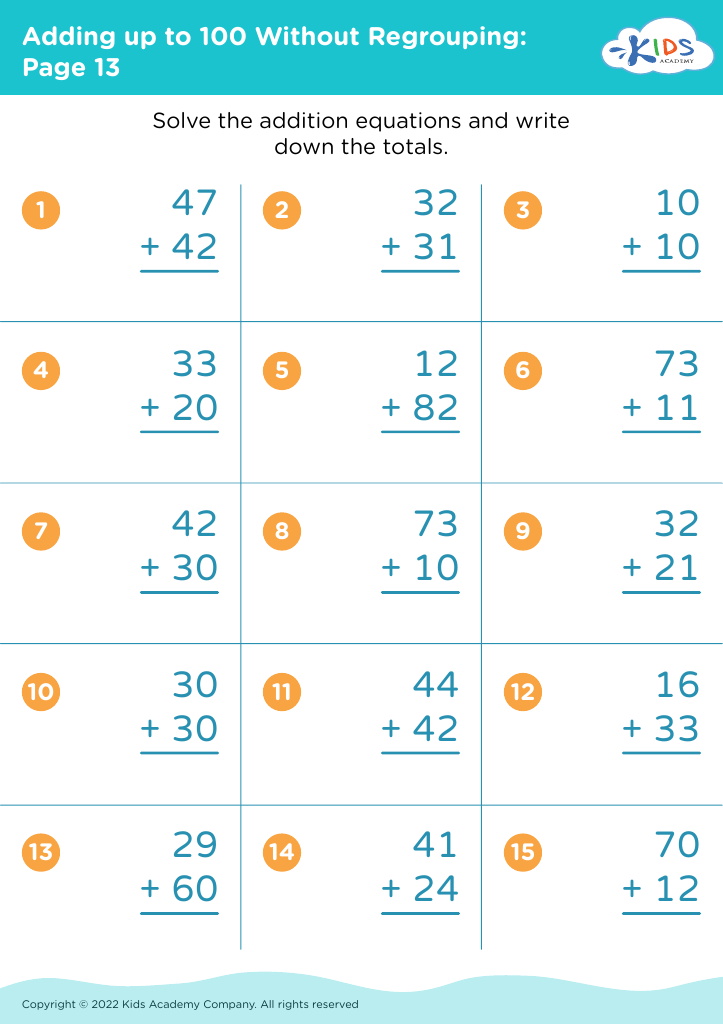
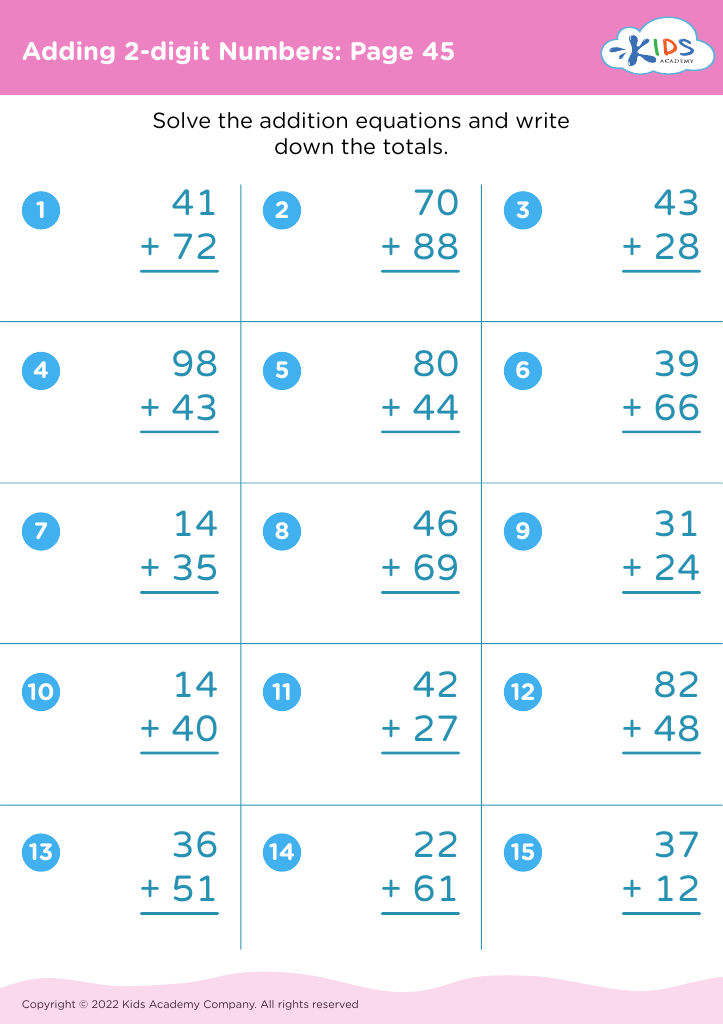
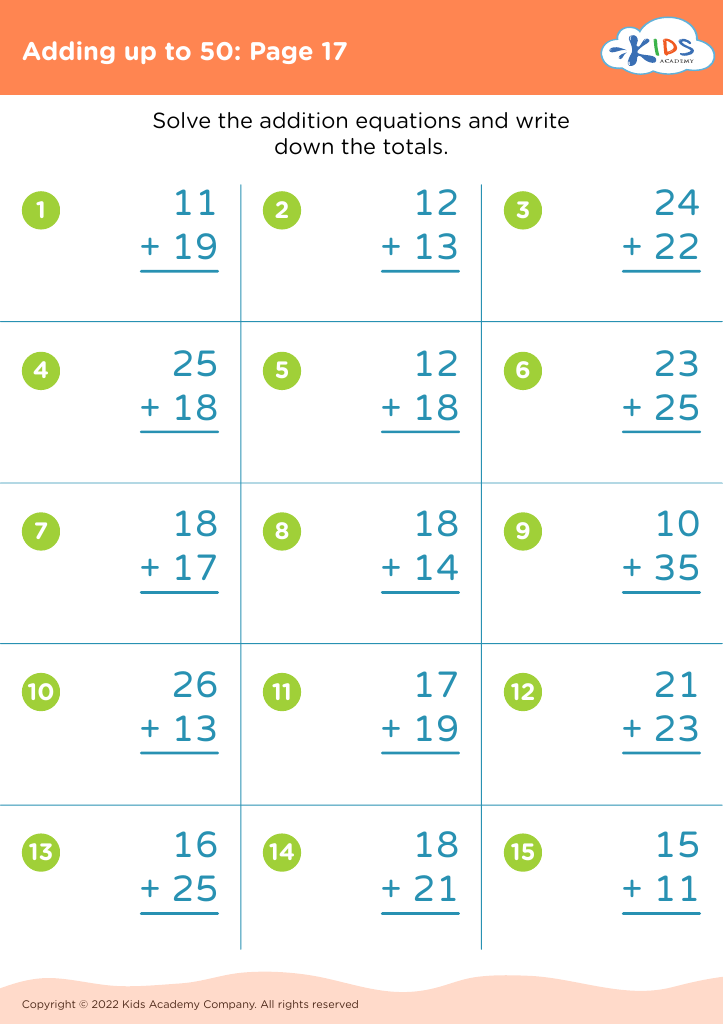
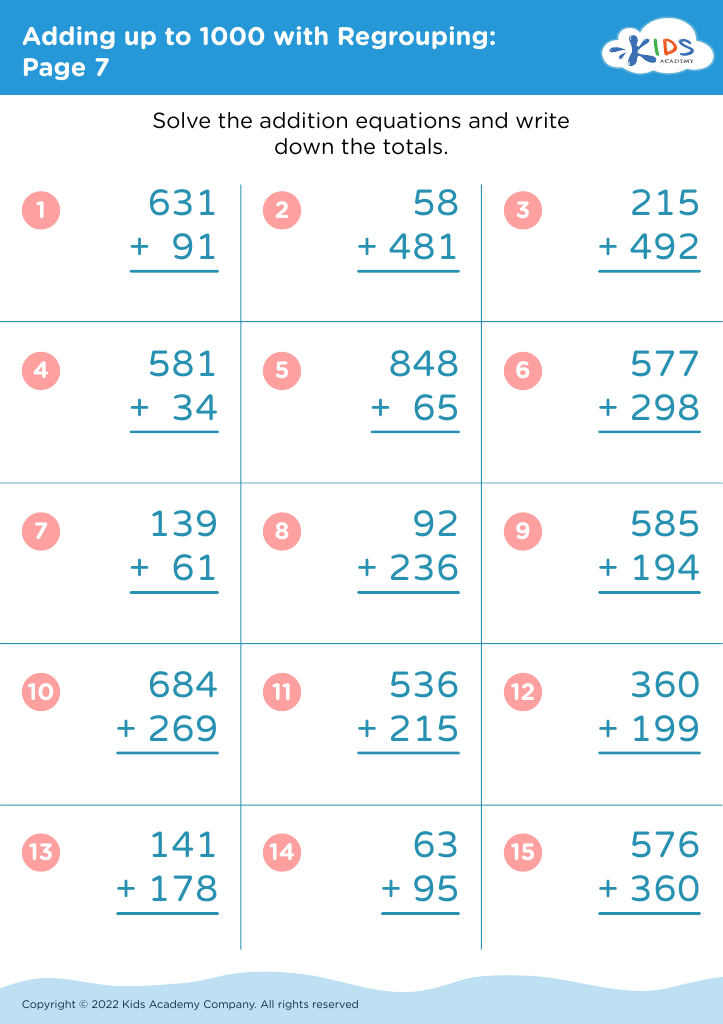








Enhancing vocabulary in math for children aged 5-8 is crucial for their overall academic success and cognitive development. At this early stage, children are forming foundational skills that will serve them throughout their education and everyday life. A strong math vocabulary enables young learners to articulate their thoughts, understand mathematical concepts, and communicate their reasoning effectively.
Parents and teachers should care about this because having an extensive math vocabulary supports comprehension. Children who can recognize and use terms like "sum," "difference," "greater than," and "pattern" are better equipped to solve problems and grasp new concepts. It also fosters confidence and curiosity, encouraging students to engage with math actively instead of feeling intimidated.
Moreover, bridging linguistic gaps in mathematics reduces the risk of misunderstandings and boosts performance in assessments. Engaging children in discussions that revolve around mathematical terms and concepts not only enriches their vocabulary but also strengthens their logical thinking and problem-solving skills. The effort parents and teachers invest in enhancing children’s math vocabulary lays a solid foundation for lifelong learning, enabling children to embrace challenges and cultivate a positive attitude toward mathematics in the future.








