Fine motor skills (drawing) Math Worksheets for Ages 5-8
6 filtered results
-
From - To
Boost your child's math abilities and fine motor skills with our engaging Drawing Math Worksheets for ages 5-8! These carefully designed printables seamlessly combine math exercises with fun drawing activities, helping young learners develop precision and coordination. Each worksheet encourages creativity while reinforcing fundamental math concepts such as counting, addition, and subtraction. Perfect for classroom and home use, these worksheets cater to various learning styles and ensure children stay motivated and confident in their mathematical journey. Give your child the tools they need for academic success with our dynamic and educational math drawing worksheets!
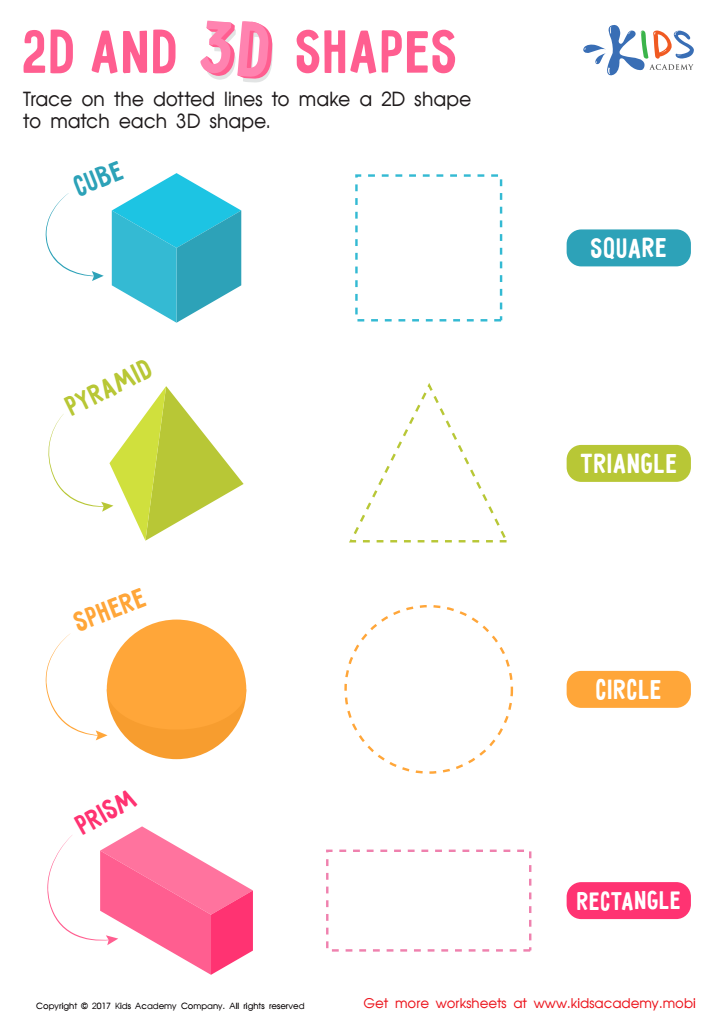
2D and 3D Shapes Worksheet
 Assign to My Students

Make it Even: St. Valentine's Day Worksheet
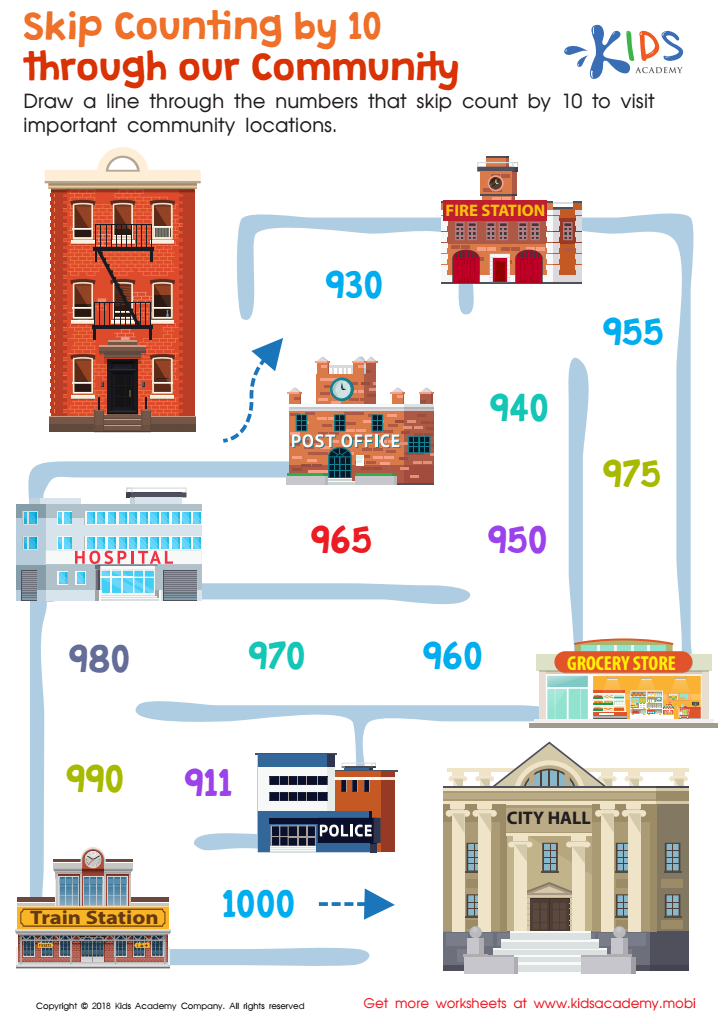
Skip Counting by 10 Through Our Community Worksheet
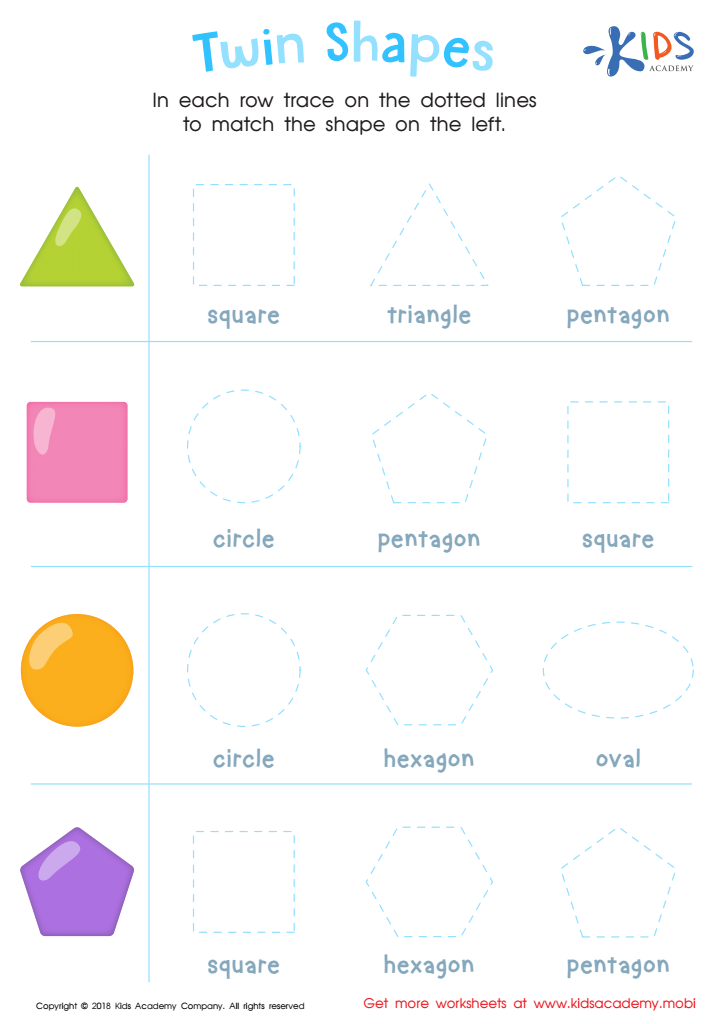
Twin Shapes Dot-to-Dot Worksheet
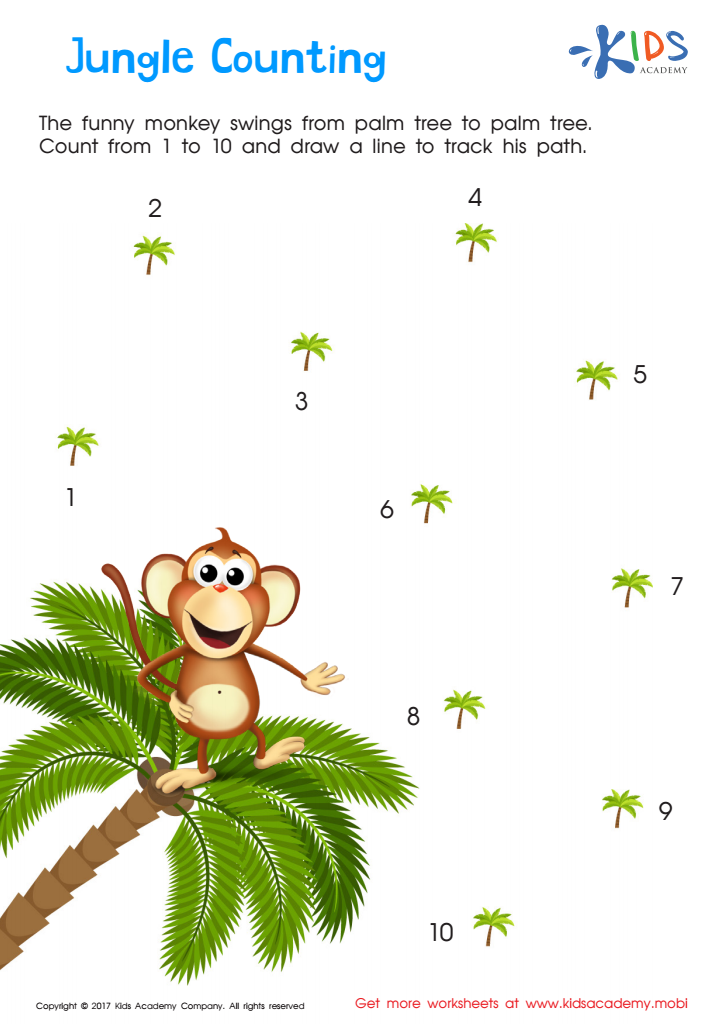
Jungle Counting Connect Dots Worksheet






.jpg)

Fine motor skills and math are foundational elements of early childhood development that parents and teachers should prioritize for children aged 5-8. Fine motor skills involve the coordination of small muscles in actions such as drawing, writing, and manipulating objects. These skills are essential for school success, as they directly impact a child's ability to perform daily classroom tasks like holding a pencil, cutting with scissors, and turning pages in a book. Strong fine motor skills also boost hand-eye coordination and dexterity, setting the groundwork for more advanced physical tasks and artistic expression.
In parallel, foundational math skills at this age equip children with the tools to understand the world logically and analytically. Early exposure to math concepts such as counting, basic arithmetic, shapes, and measurements fosters numerical literacy and problem-solving abilities. These skills are critical not just in academics but in everyday life, helping children make sense of patterns, time, and spatial relationships. Math proficiency in early grades predicts future academic achievement and confidence in STEM fields.
Integrating activities like drawing numbers and shapes can help bridge fine motor development with math learning, making both subjects more engaging and accessible. By nurturing both fine motor and early math skills, parents and teachers offer children a strong start on their educational journey, boosting confidence and paving the way for lifelong success.








