Identifying equivalent fractions Math Worksheets for Ages 5-8
7 filtered results
-
From - To
Explore our engaging and colorful math worksheets designed for ages 5-8 to master the skill of identifying equivalent fractions. Through these thoughtful printables, children will learn to recognize and compare fractions in a fun and interactive way. Our worksheets include a variety of exercises that cater to different learning styles, ensuring that each young learner finds the material accessible and exciting. Help your child build strong foundational math skills with these easy-to-follow activities that enhance their understanding of fractions. Download now to support your child's journey towards becoming a confident math enthusiast!
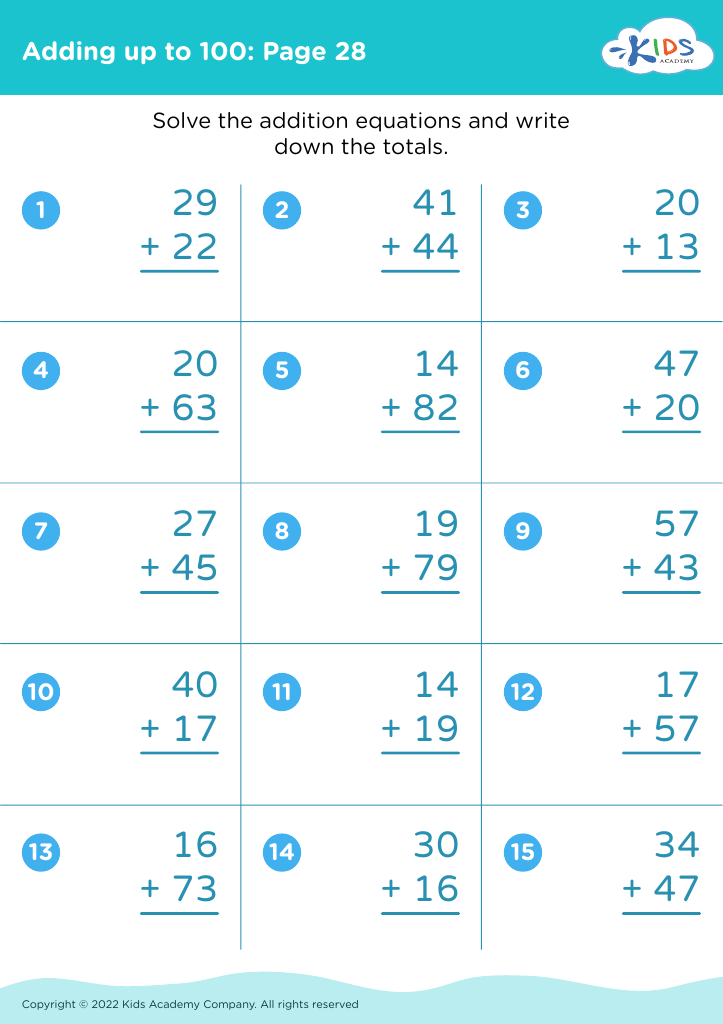
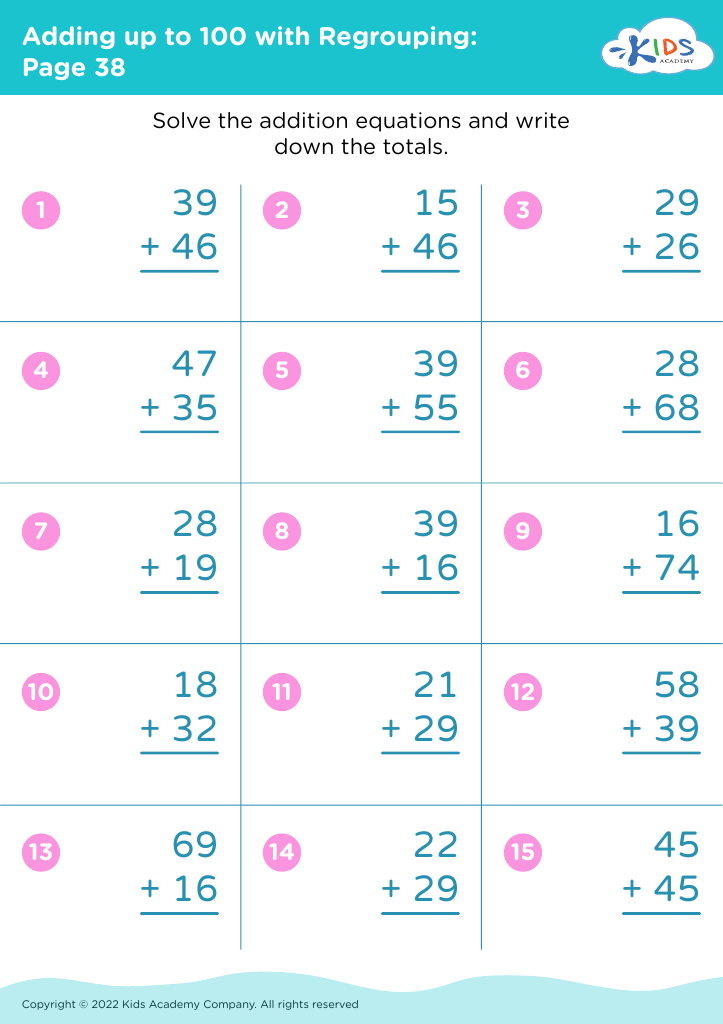
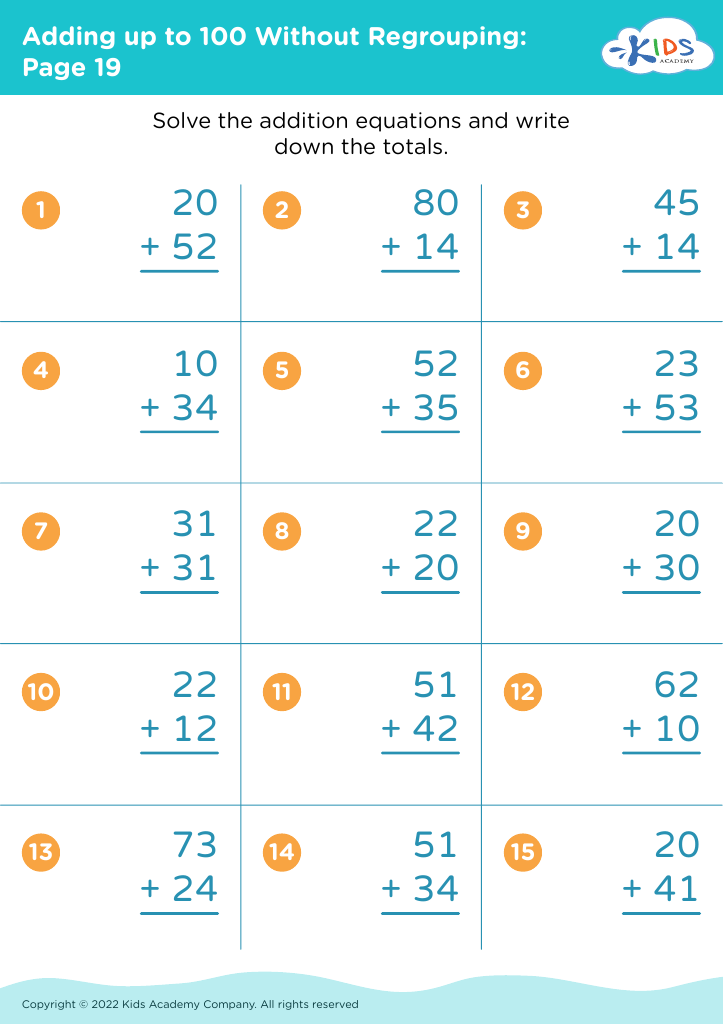
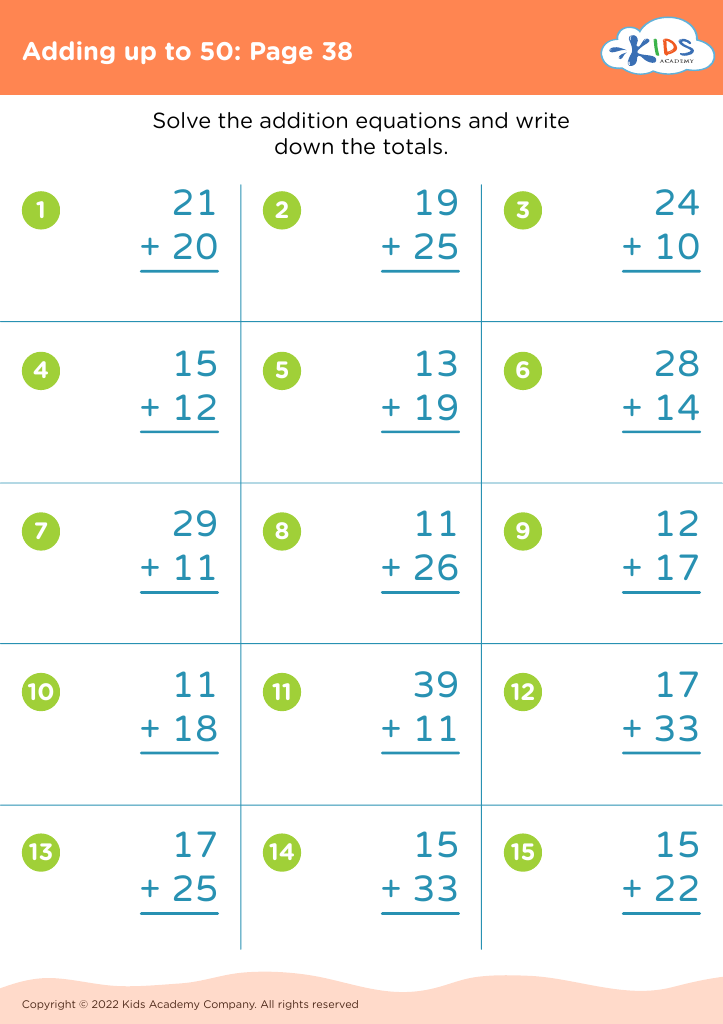
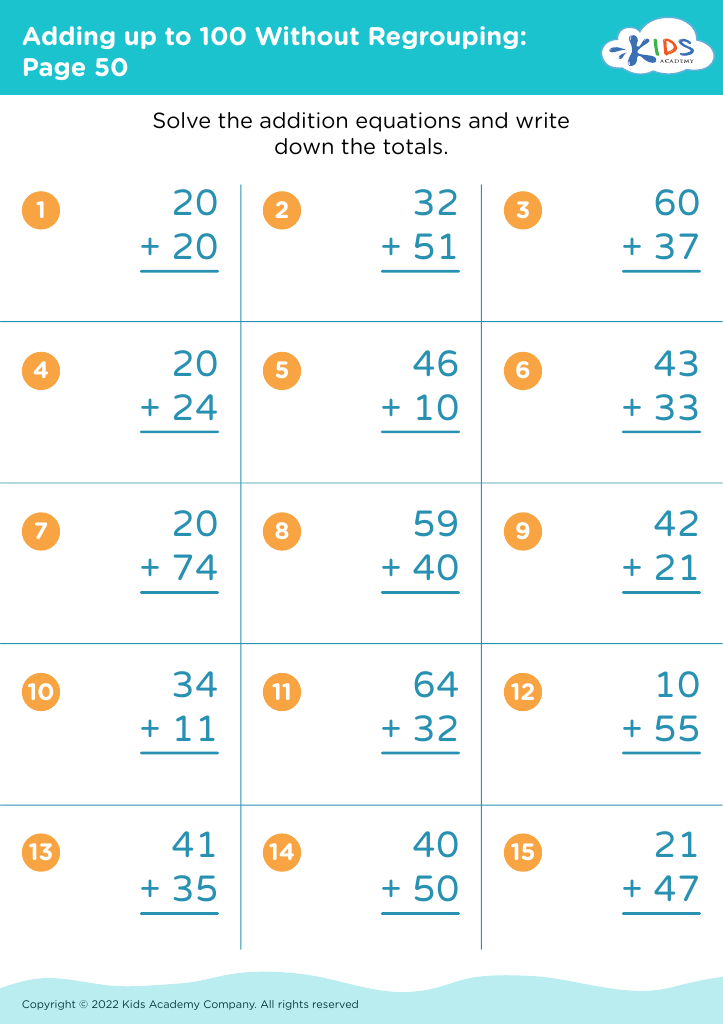
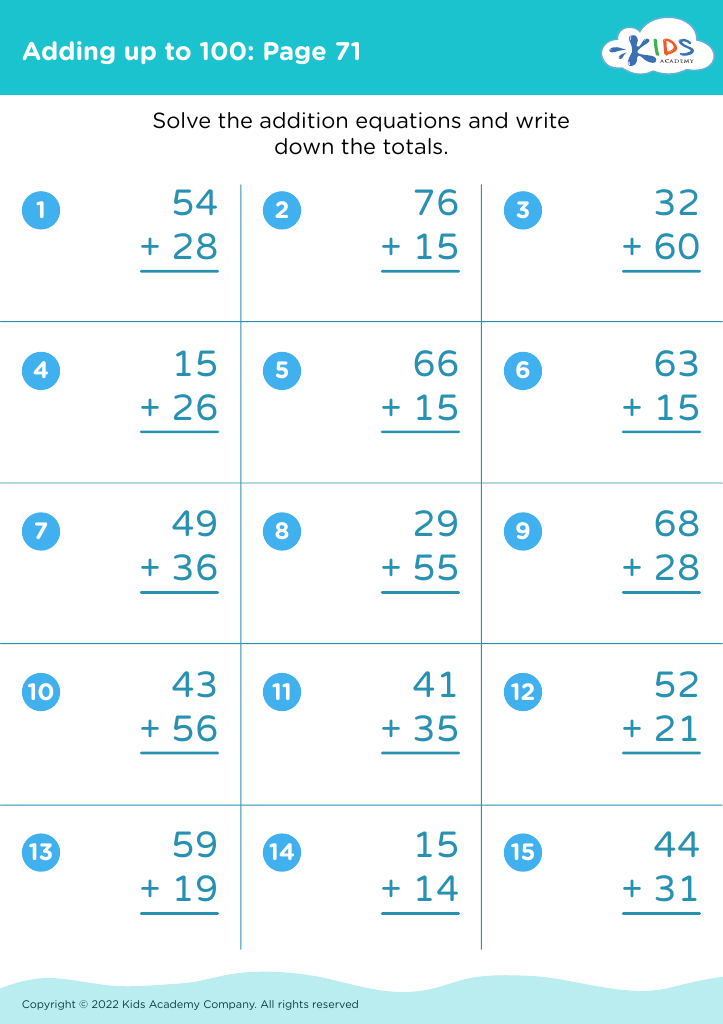
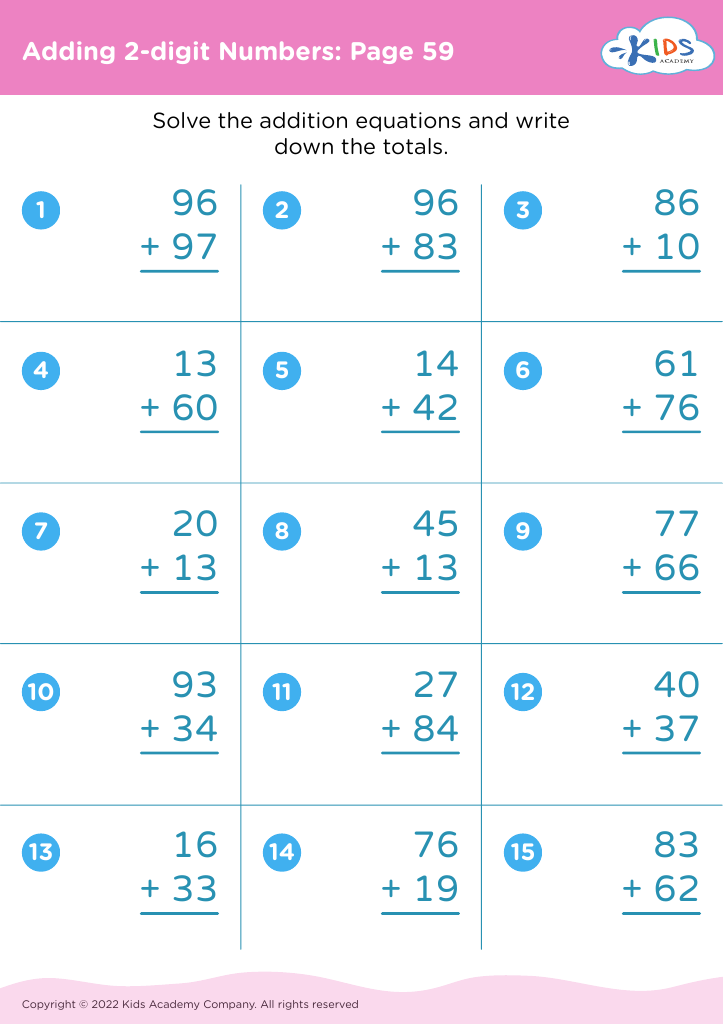







.jpg)
Identifying equivalent fractions is a fundamental math concept that parents and teachers should prioritize for children aged 5-8 because it lays the foundation for a solid understanding of fractions and mathematics. At this young age, children are beginning to grasp the concept of parts and wholes, and learning about equivalent fractions helps them comprehend that different fractions can represent the same quantity.
Understanding equivalent fractions promotes numerical flexibility and enhances problem-solving skills. For instance, recognizing that 1/2 is equivalent to 2/4 or 3/6 helps children visualize and compare fractions more easily. This concept is also crucial for later topics like addition, subtraction, multiplication, and division of fractions, all of which are integral to more advanced math learning.
Beyond mathematics, the ability to identify equivalent fractions can improve critical thinking and reasoning skills. By exploring multiple representations of the same value, children learn that problems can have more than one solution and that various perspectives can lead to the same conclusion.
Lastly, a strong grasp of equivalent fractions ensures that children feel confident in their math abilities, leading to a more positive attitude toward the subject. Early mastery sets the stage for academic success and fosters a love for learning that parents and teachers aim to cultivate.








