Improves number recognition Math Worksheets for Ages 5-8
3 filtered results
-
From - To
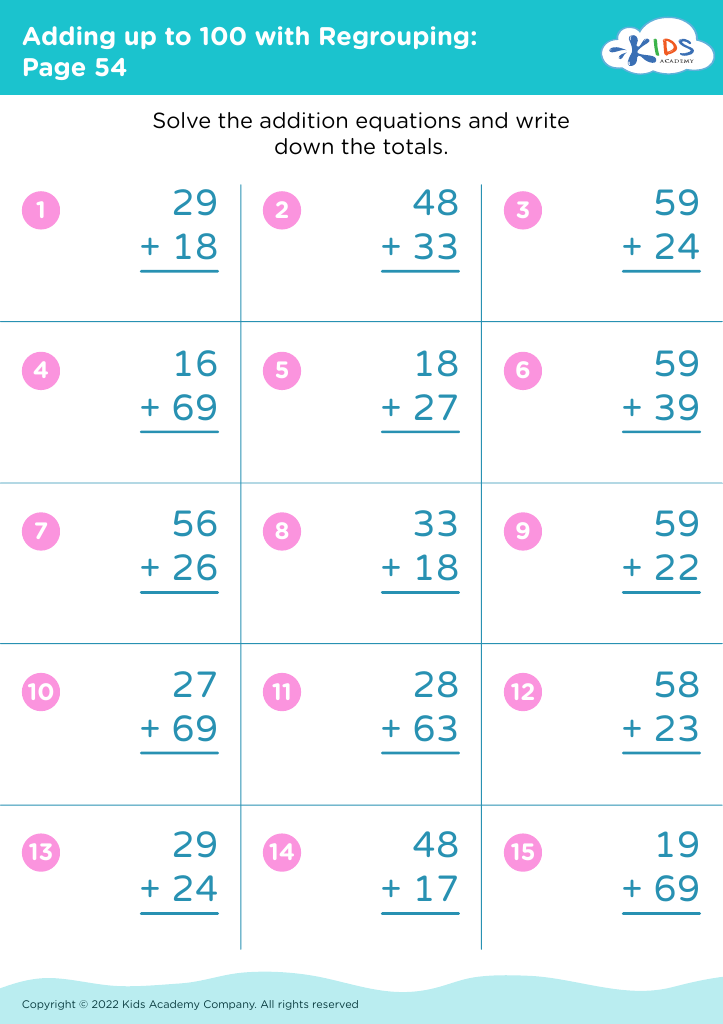
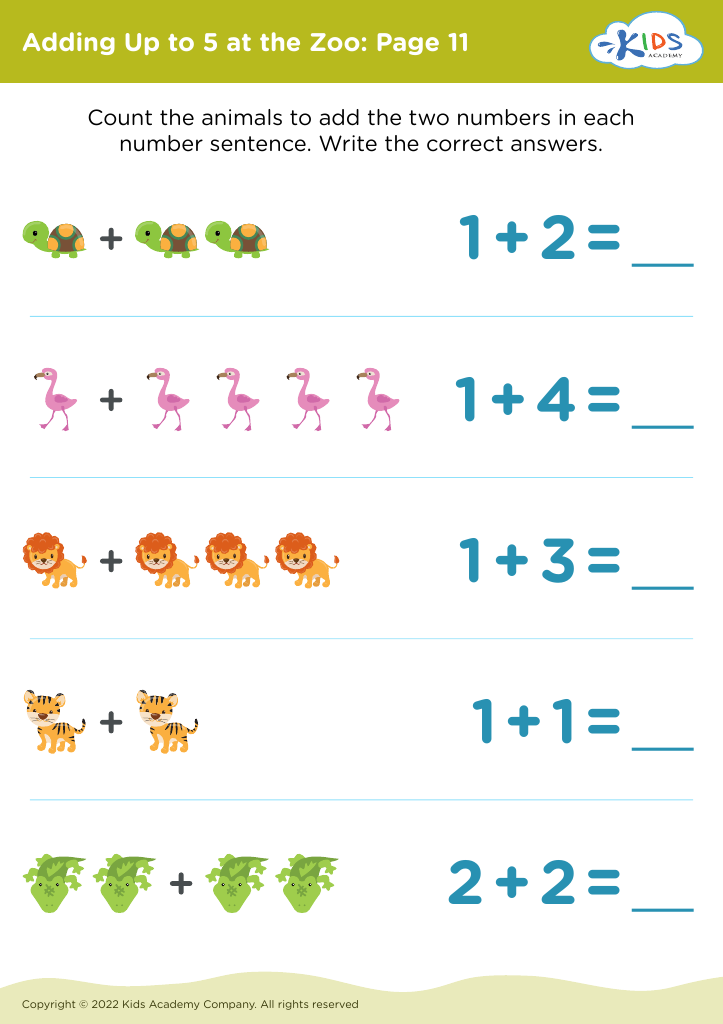
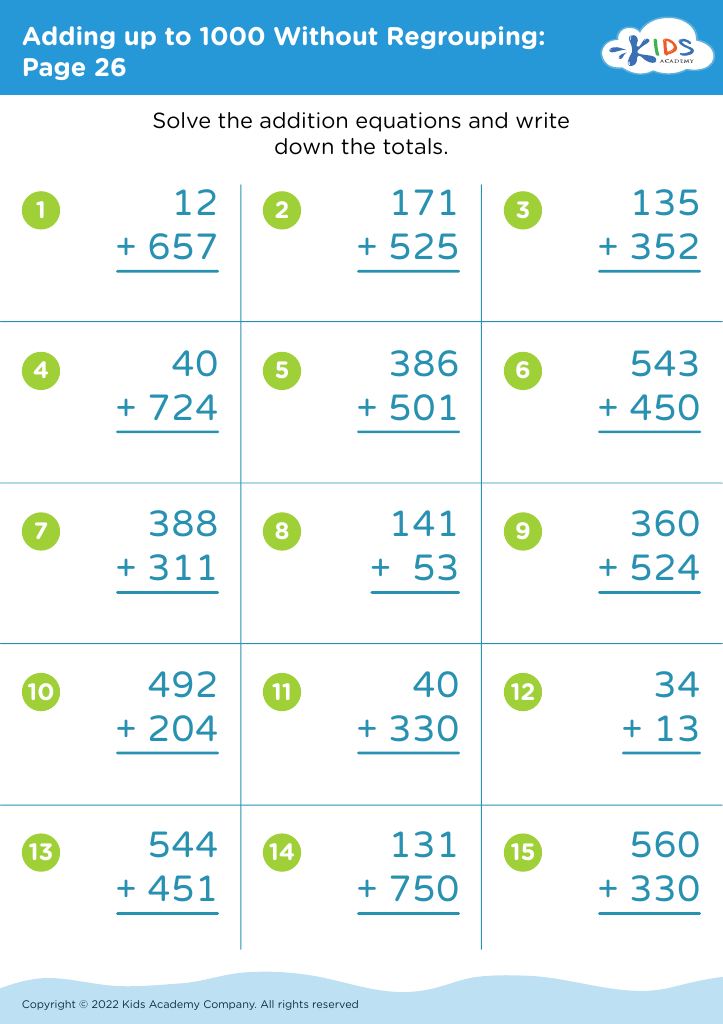
Boost your child’s number recognition skills with our engaging math worksheets designed for ages 5-8. These interactive resources help young learners identify and understand numbers through fun activities and exercises tailored for their developmental stage. Each worksheet features colorful visuals and simple instructions to make math enjoyable and accessible. By practicing number recognition, children lay a strong foundation for future math skills. Perfect for use at home or in the classroom, our worksheets encourage independence and confidence in young mathematicians. Explore the variety of worksheets available and provide your child with the tools they need to succeed in early math learning!






Understanding number recognition is crucial for children aged 5-8, as it serves as the foundational building block for their mathematical skills. Parents and teachers should care about improving number recognition because it directly influences children's confidence and competence in math, impacting their overall academic performance.
Early number recognition helps children identify and understand numerical symbols, which is fundamental for counting, basic addition, and subtraction. Mastering this skill lays the groundwork for more complex math concepts as they progress through their education. Furthermore, early math skills have been linked to future success in higher-level mathematics and critical thinking.
Additionally, fostering strong number recognition can enhance a child's cognitive development, sharpening their problem-solving abilities and analytical thinking. This skill also offers opportunities for parents and teachers to engage children in fun, hands-on activities, promoting a positive attitude towards math.
Moreover, early intervention in number recognition can help identify children who may struggle with math later, ensuring they receive timely support. In essence, prioritizing number recognition in early grades establishes a lifelong appreciation for mathematics and prepares children for academic challenges ahead.








