Recognizing Patterns Math Worksheets for Ages 5-8
27 filtered results
-
From - To
Discover the joy of learning with our "Recognizing Patterns Math Worksheets for Ages 5-8"! Specially designed for young learners, these engaging worksheets help kids build fundamental math skills by identifying and creating patterns. By recognizing sequences and predicting what comes next, children enhance their problem-solving abilities and boost critical thinking. Our vibrant and visually appealing worksheets make learning fun, ensuring kids stay motivated while improving their pattern recognition skills. Perfect for both classroom use and home practice, these worksheets are an excellent resource for parents and teachers aiming to develop a strong math foundation in early learners.
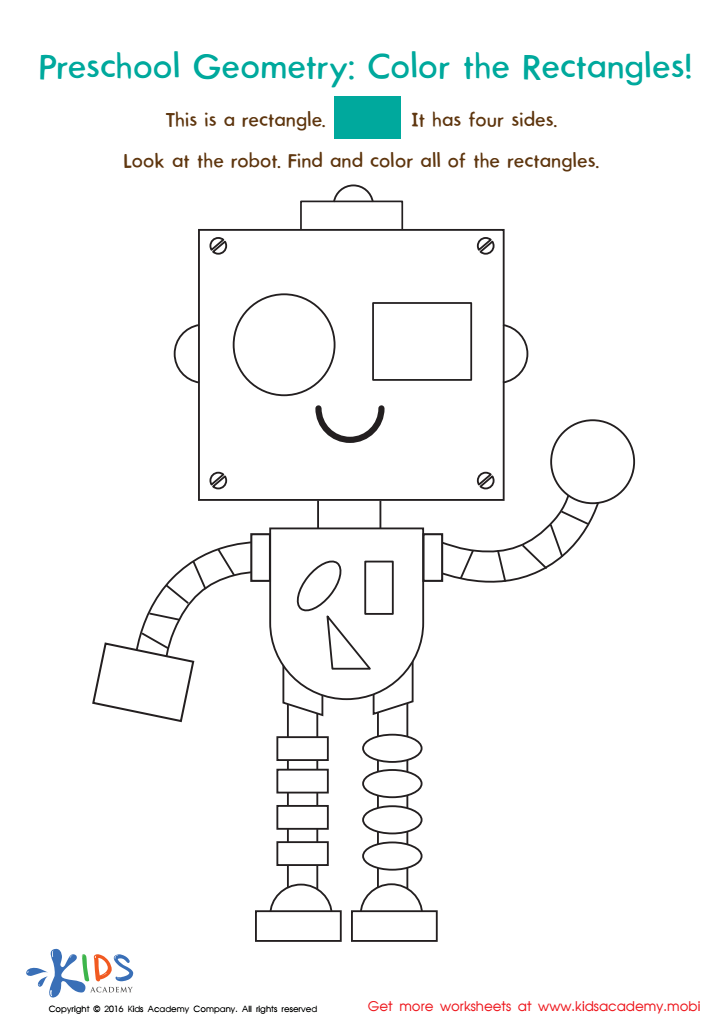
Geometry Worksheet
 Assign to My Students
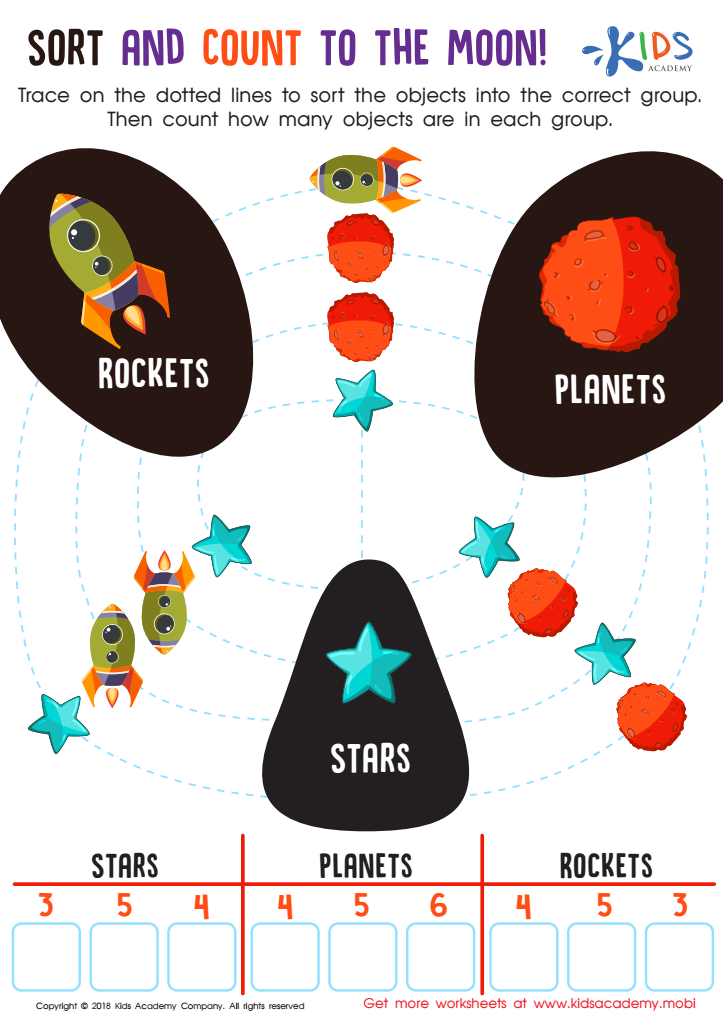
Sort and Count to the Moon Worksheet
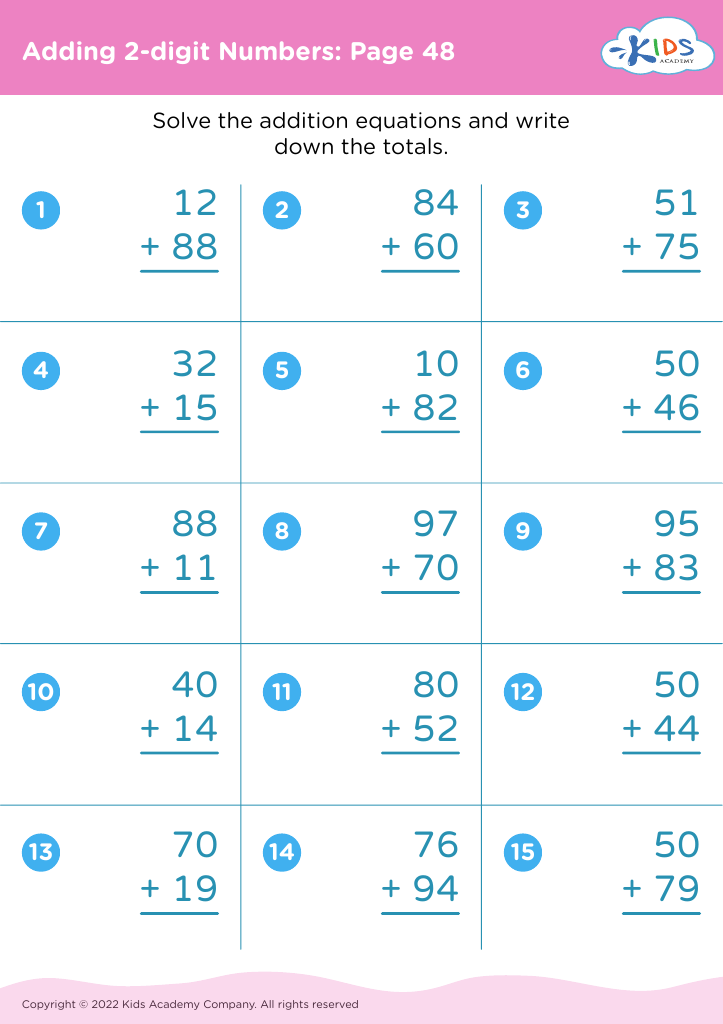
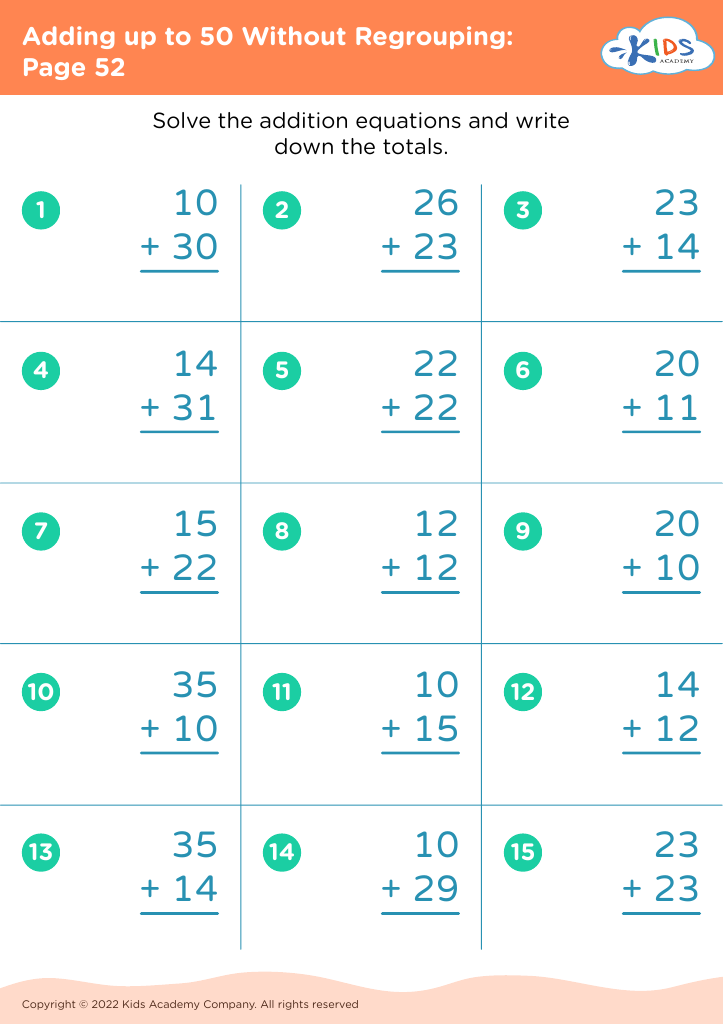
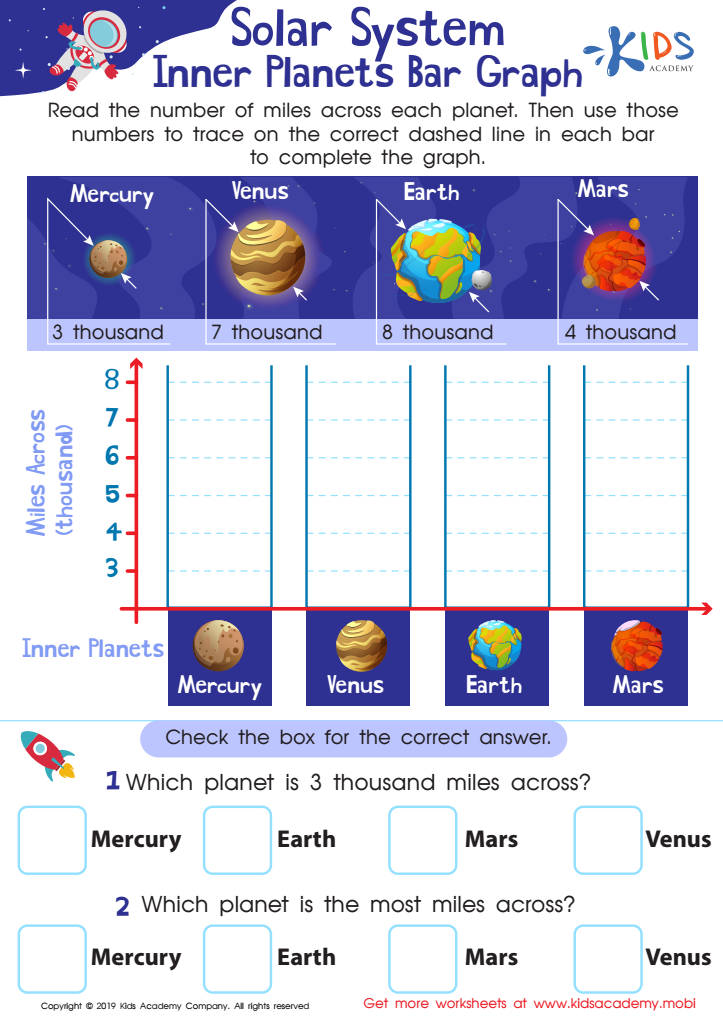
Planets Bar Graph Worksheet
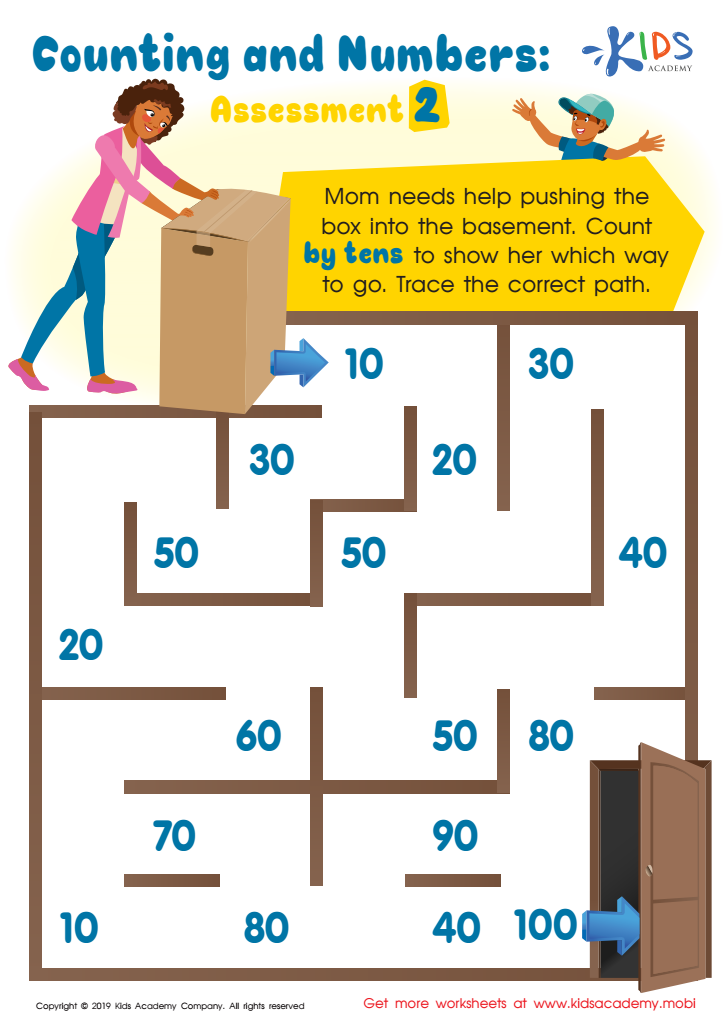
Counting and Numbers: Assessment 2 Worksheet
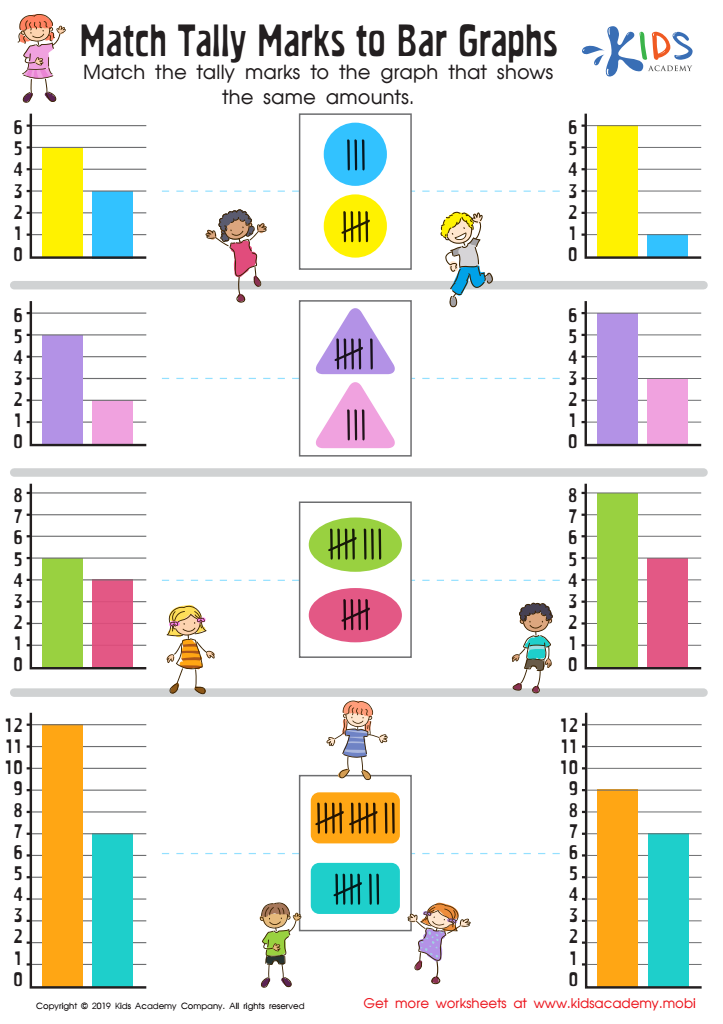
Match Tally Marks to Bar Graphs Worksheet
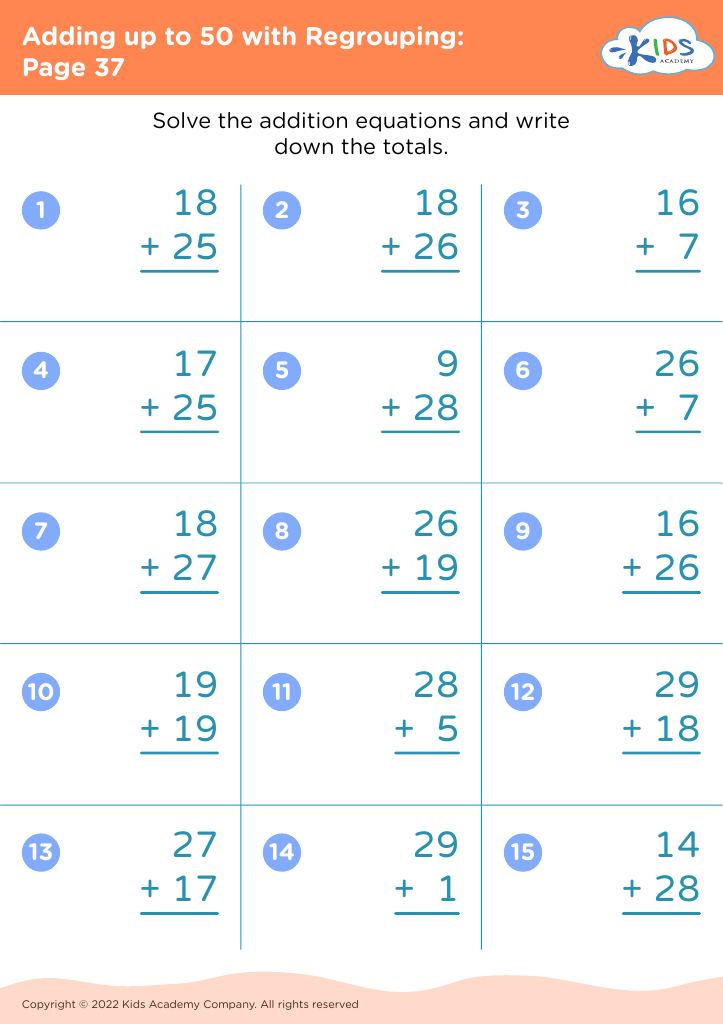
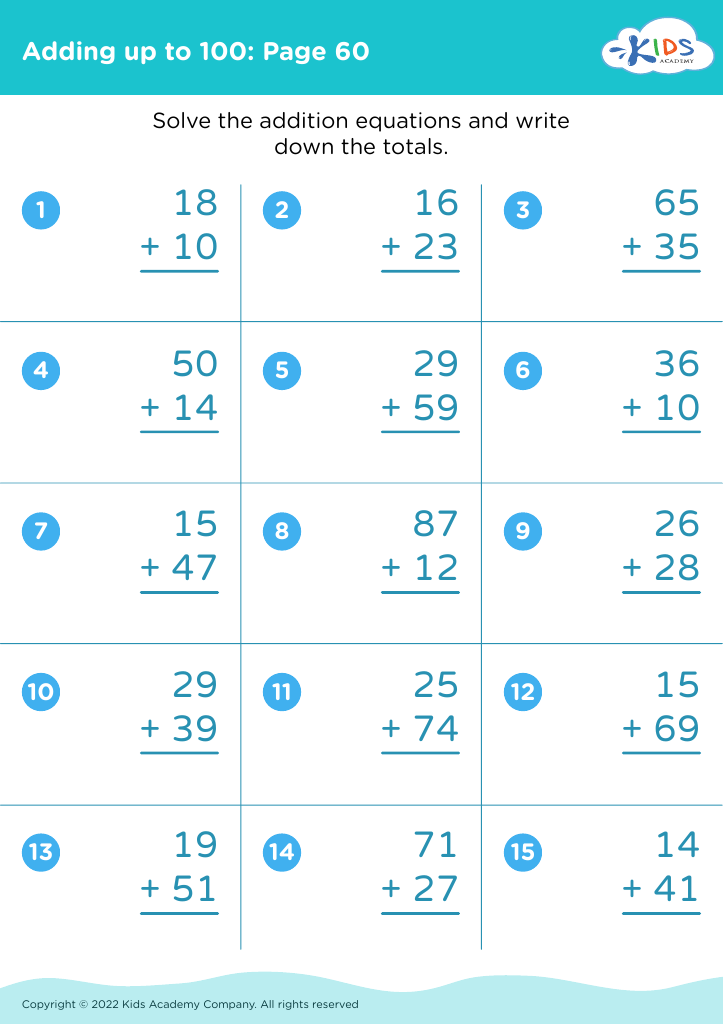
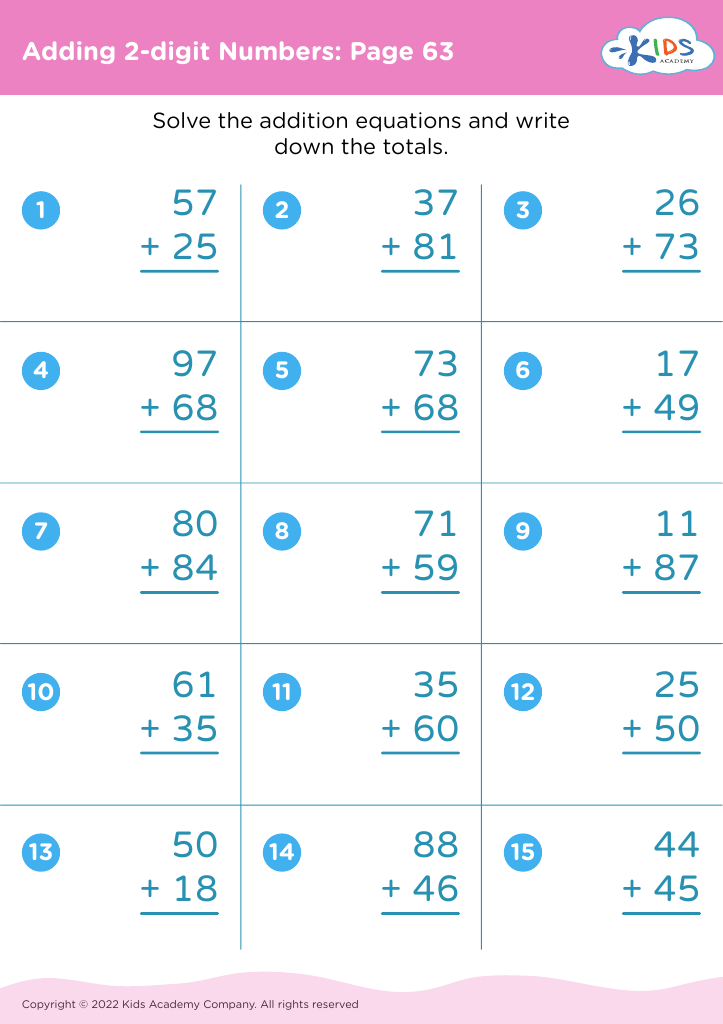
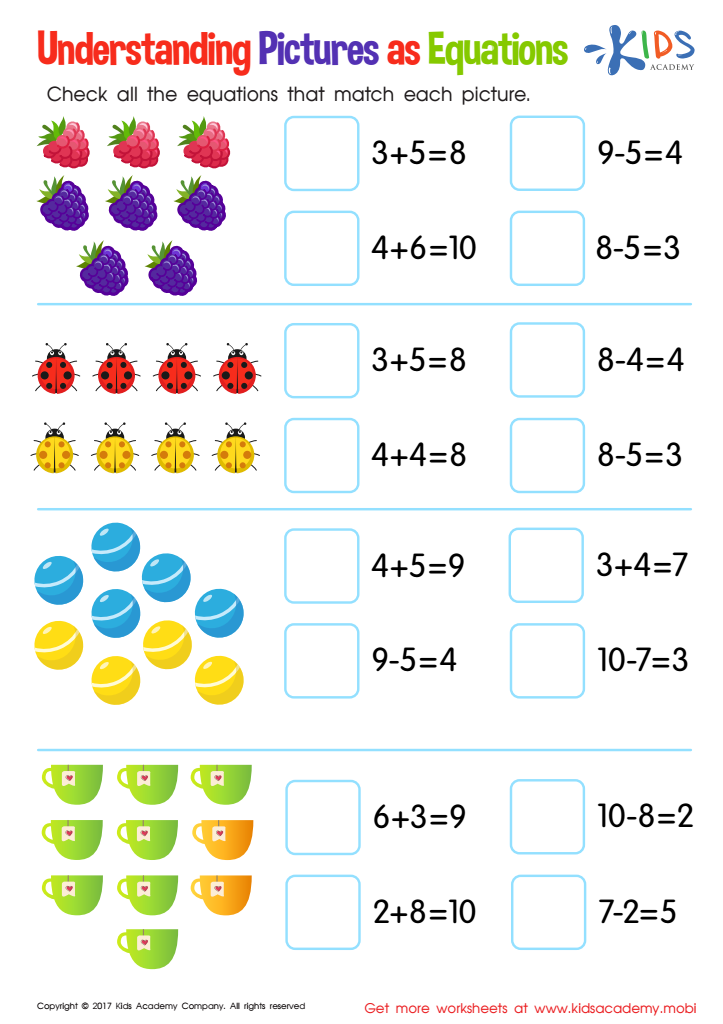
Understanding Pictures as Equations Worksheet






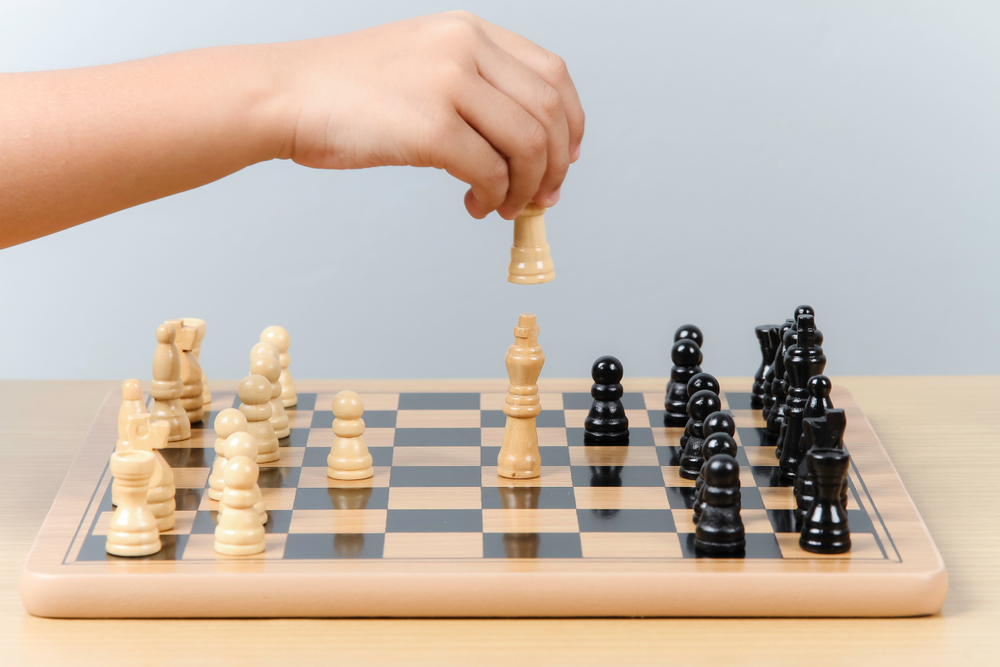

Recognizing patterns is a foundational skill in early childhood mathematics that's crucial for cognitive development in ages 5-8. Patterns form the basis of mathematical thinking and are fundamental to subjects like algebra and sequencing taught in higher grades. For young learners, engaging with patterns enhances their ability to predict, reason, and understand complex concepts coherently.
Patterns also improve problem-solving skills. By recognizing routines and regularities, children develop the ability to tackle problems more strategically. This skill eventually translates to real-world applications, where recognizing patterns can simplify complex problems.
Furthermore, understanding patterns contributes to a child's language and social development. Describing and discussing patterns help to build vocabulary and communication skills. This kind of interaction, whether with teachers or parents, also fosters a learning environment that's collaborative—encouraging teamwork and shared knowledge.
Moreover, pattern recognition helps in other aspects of early learning, like reading and comprehension. For example, phonics and spelling often include repeating sequences that can be more easily understood through pattern recognition.
In essence, encouraging young learners to recognize patterns provides them with a toolkit for both academic achievement and everyday problem-solving. By making pattern recognition an integral part of education, parents and teachers set up children for future success in various fields.








