Check out this FREE Trial Lesson on Math for age 5-8!

Match Exactly the Same

Favorites
With answer key
Interactive
  • 5-8
  • Recognizing shapes
  • Math
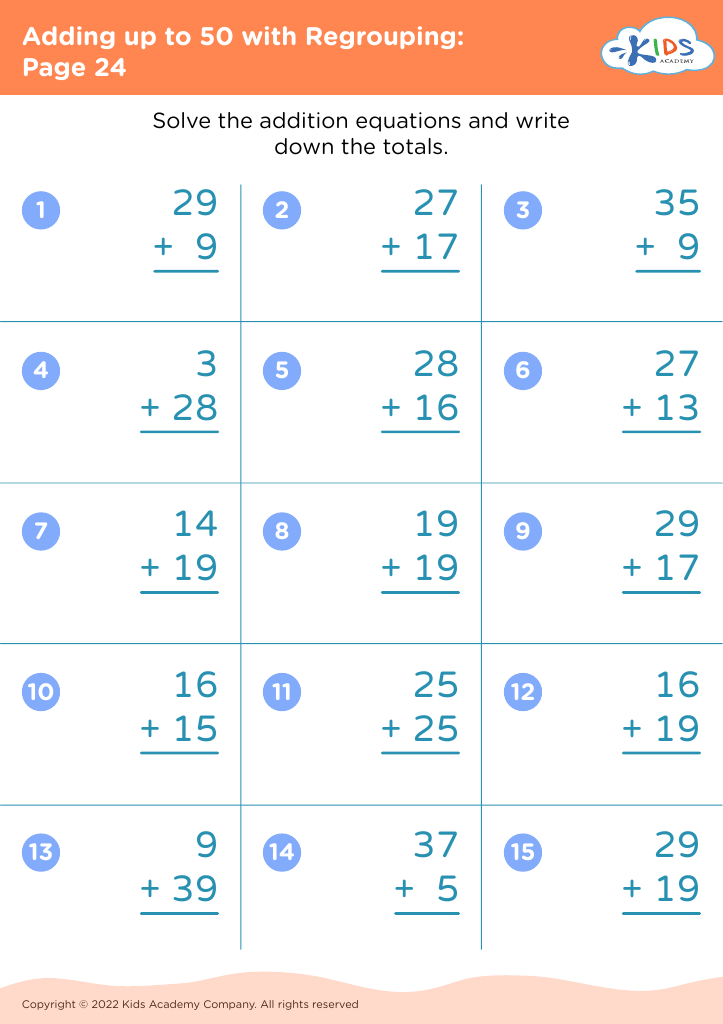
Adding up to 50 with Regrouping: Page 24
Worksheet
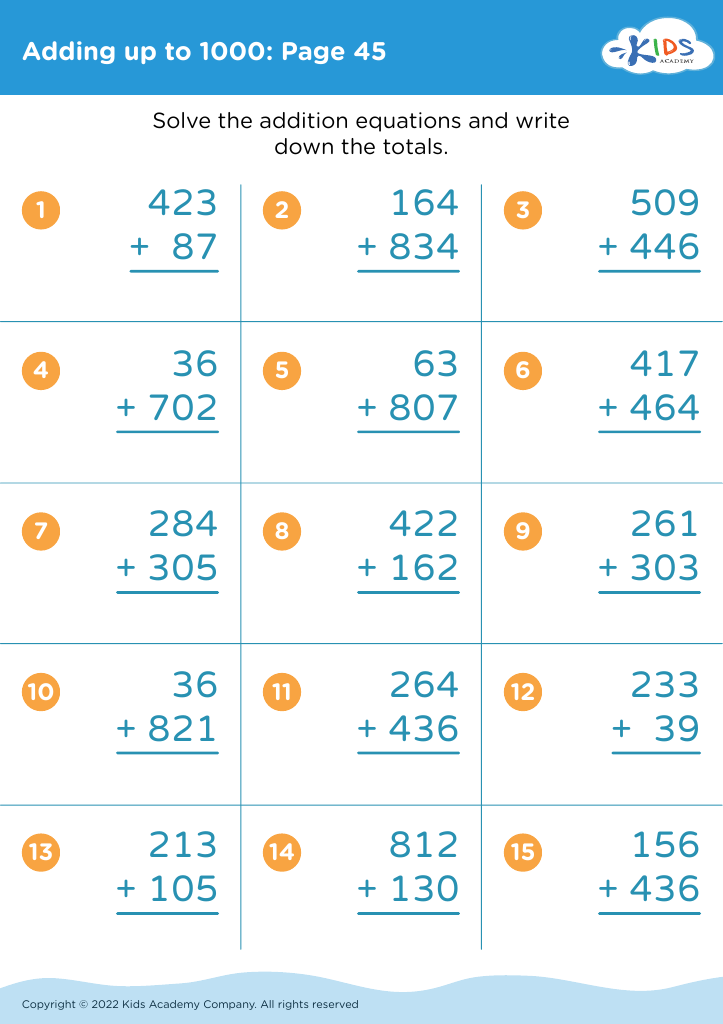
Adding up to 1000: Page 45

Adding up to 1000: Page 45

Adding up to 1000: Page 45
Worksheet
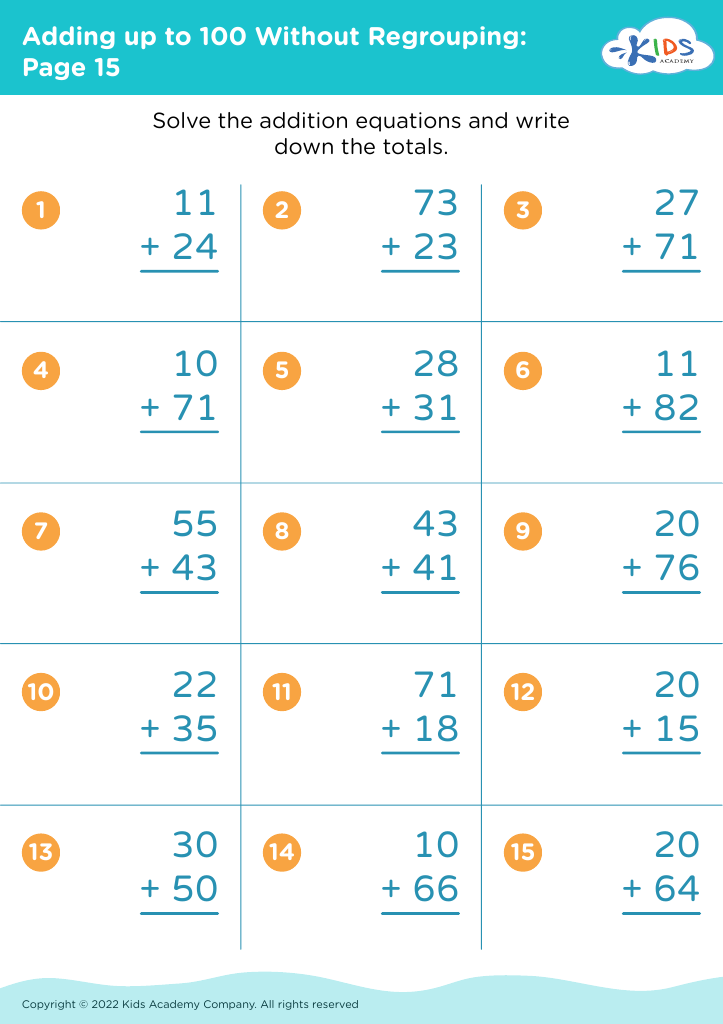
Adding up to 100 Without Regrouping: Page 15
Worksheet
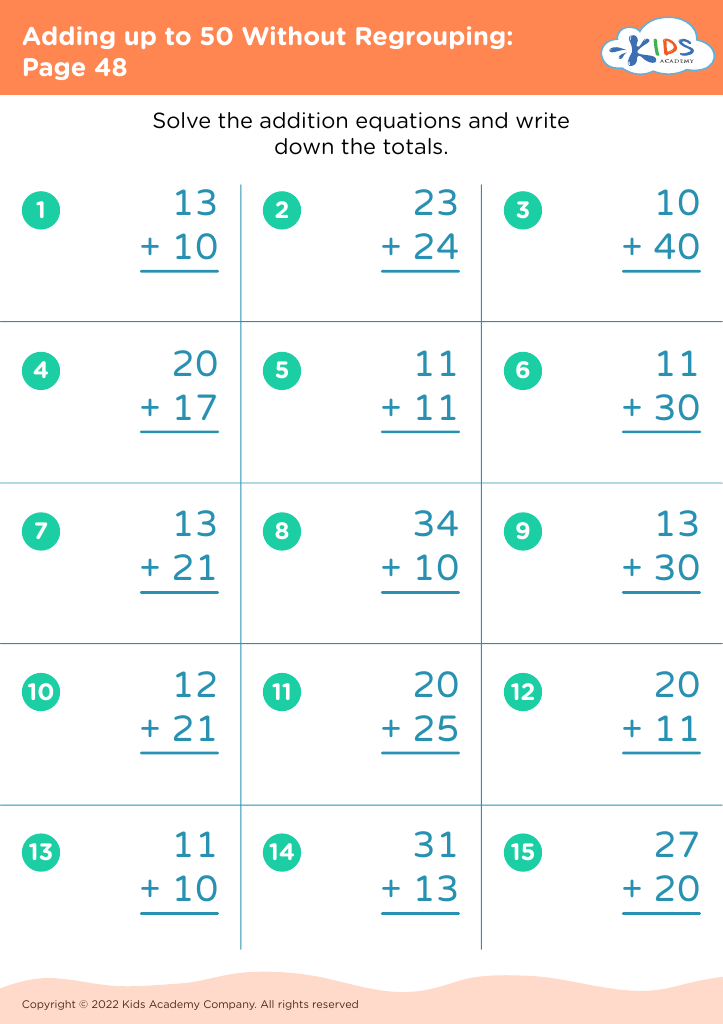
Adding up to 50 Without Regrouping: Page 48
Worksheet
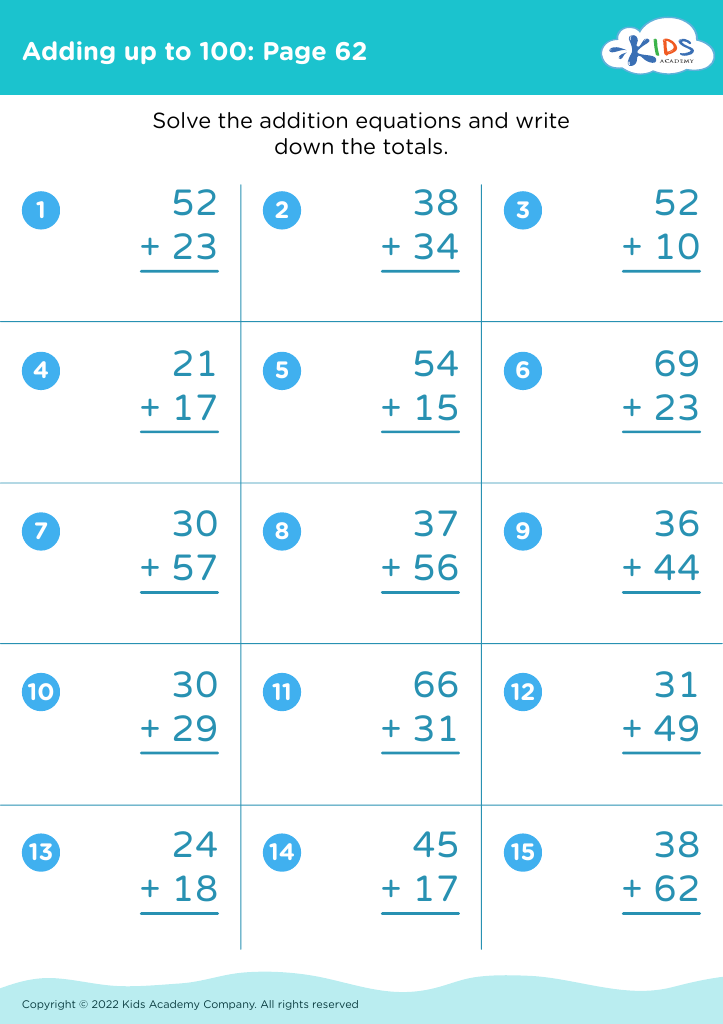
Adding up to 100: Page 62

Adding up to 100: Page 62

Adding up to 100: Page 62
Worksheet
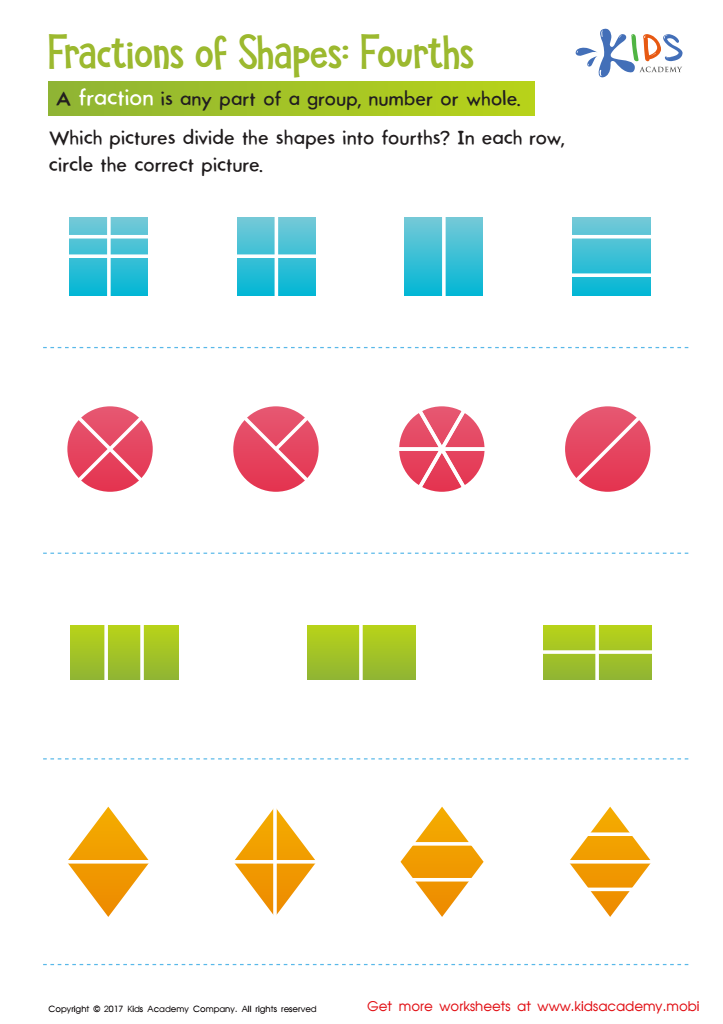
Fractions of Shapes Printable Worksheet

Fractions of Shapes Worksheet

It will also show them how fractions are represented in everyday shapes.
Fractions of Shapes Worksheet
Worksheet
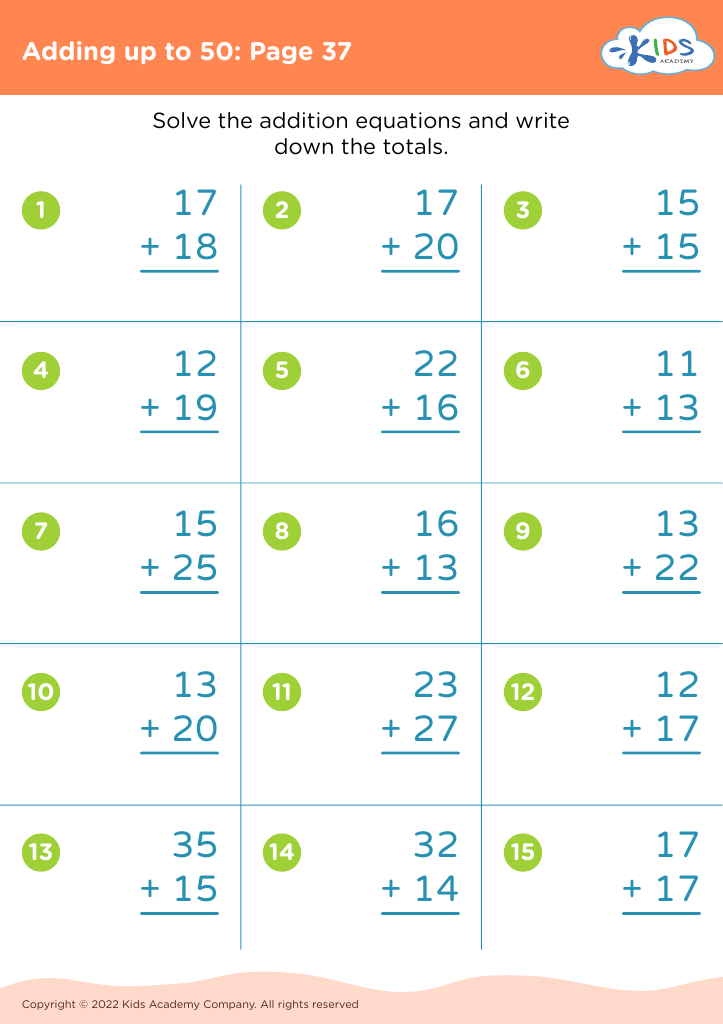
Adding up to 50: Page 37

Adding up to 50: Page 37

Adding up to 50: Page 37
Worksheet
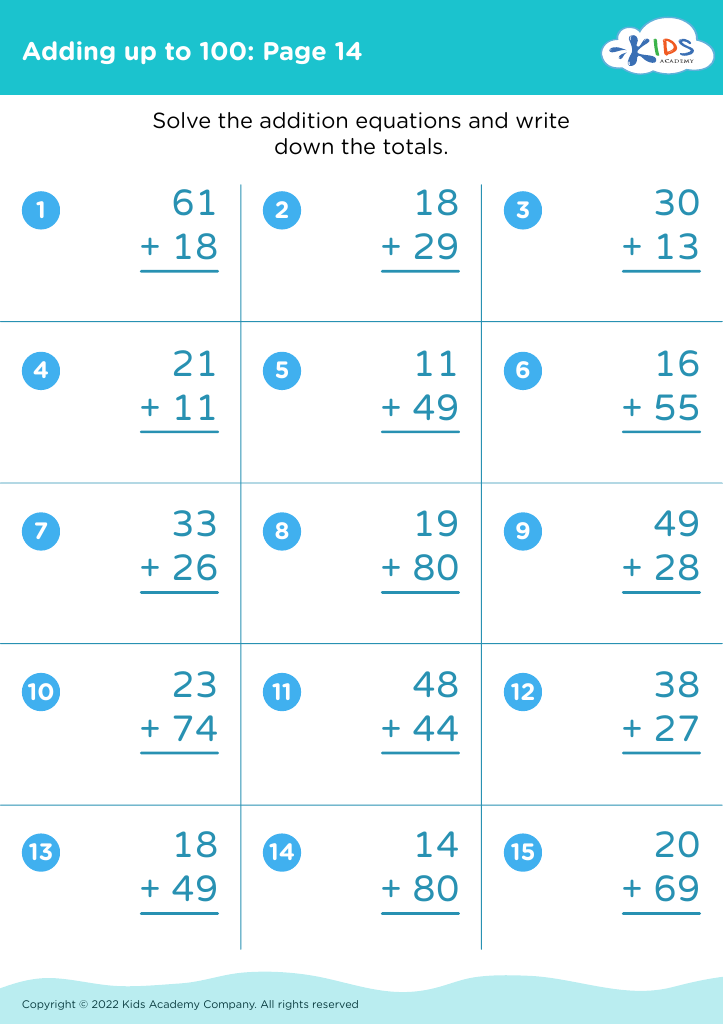
Adding up to 100: Page 14

Adding up to 100: Page 14

Adding up to 100: Page 14
Worksheet
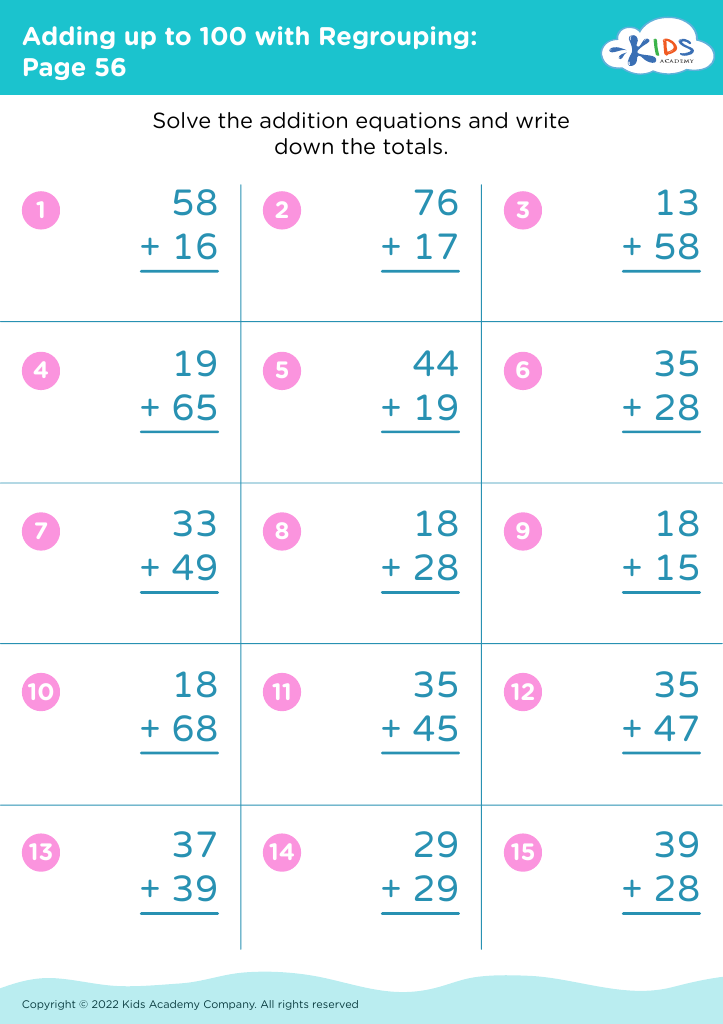
Adding up to 100 with Regrouping: Page 56
Worksheet
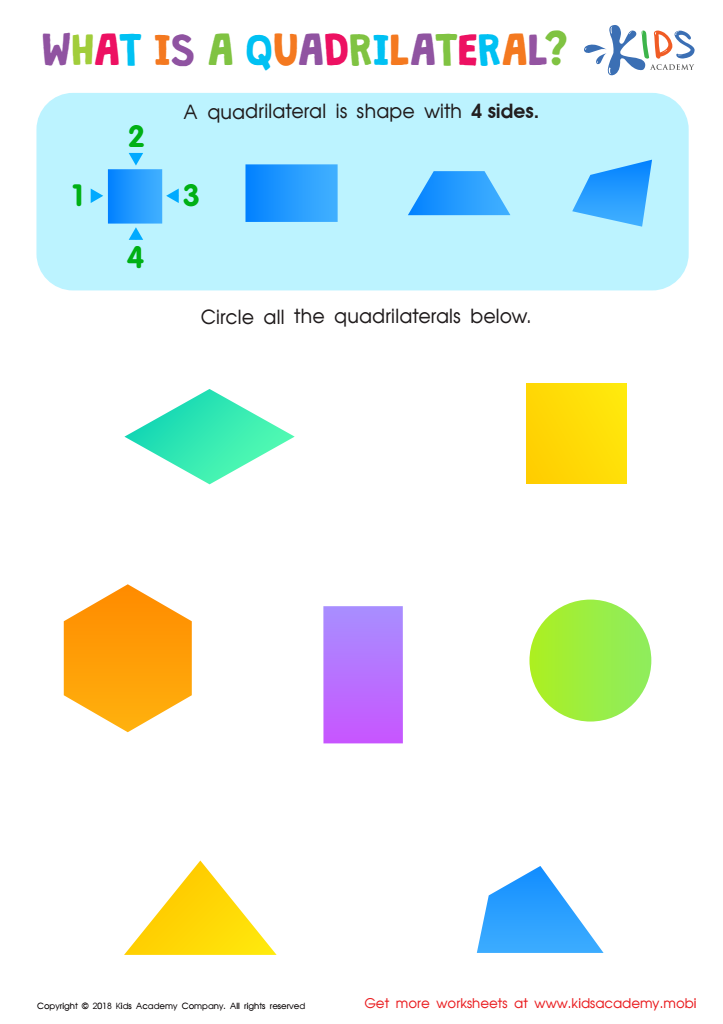
What Is a Quadrilateral? Worksheet

What Is a Quadrilateral? Worksheet

Does your kid know what a quadrilateral is? If not, this worksheet can help teach them. Explain that a quadrilateral is a shape with four sides and give examples, like a square or a rectangle. Then ask them to circle the quadrilaterals in the pictures. If they already know what a quadrilateral is, this task might be too easy.
What Is a Quadrilateral? Worksheet

Worksheet
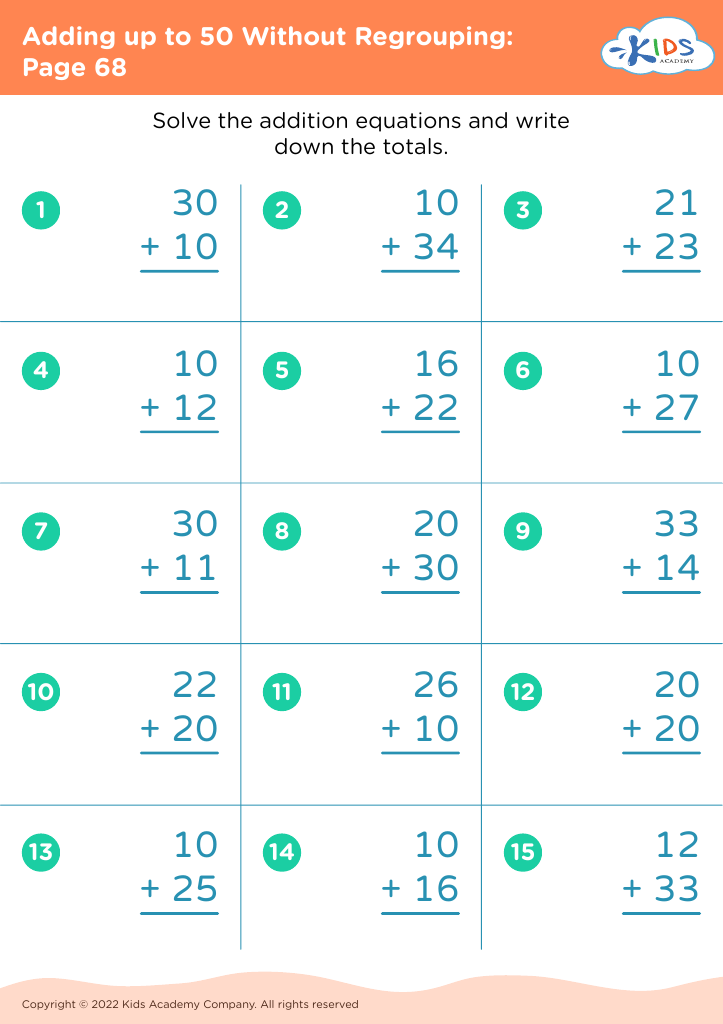
Adding up to 50 Without Regrouping: Page 68
Worksheet


Recognizing shapes is a fundamental math skill for children aged 5-8 and lays the groundwork for their overall cognitive development. Understanding shapes teaches young learners to identify and categorize objects in their environment, which enhances their observation and critical thinking skills. This early mathematical concept builds their spatial reasoning, helping children grasp more complex topics such as geometry and measurement later on.

For parents and teachers, fostering shape recognition is essential in supporting children’s learning styles. It encourages hands-on exploration, creativity, and communication as kids describe and manipulate various shapes. Incorporating shape recognition into daily activities—from playing with building blocks to engaging in arts and crafts—makes learning enjoyable and meaningful.

Moreover, recognizing shapes is integral to developing problem-solving skills. When children learn to distinguish different shapes, they gain the ability to make connections and see patterns, fostering logical reasoning. Inclusive and interactive shape activities can nurture a child's confidence in math and enhance their engagement in the subject.

Supporting shape recognition is not just about math; it enhances observational skills and integrates various areas of learning, ultimately contributing to a well-rounded education. Ensuring children are comfortable with shapes prepares them for future academic success.