Spatial understanding Math Worksheets for Ages 5-8
4 filtered results
-
From - To
Boost your child’s spatial understanding with our engaging math worksheets tailored for ages 5-8! Designed to nurture essential skills, these worksheets encourage young learners to visualize, manipulate, and interpret shapes and spaces. Our carefully crafted activities include fun exercises that enhance comprehension of geometry, patterns, and measurement, all while making math enjoyable. Perfect for home or classroom use, these resources help children develop critical thinking skills, improve problem-solving abilities, and build a strong mathematical foundation. Start exploring today and watch your child's confidence in math flourish with our captivating spatial understanding worksheets! Ideal for young learners ready to explore the world of shapes!
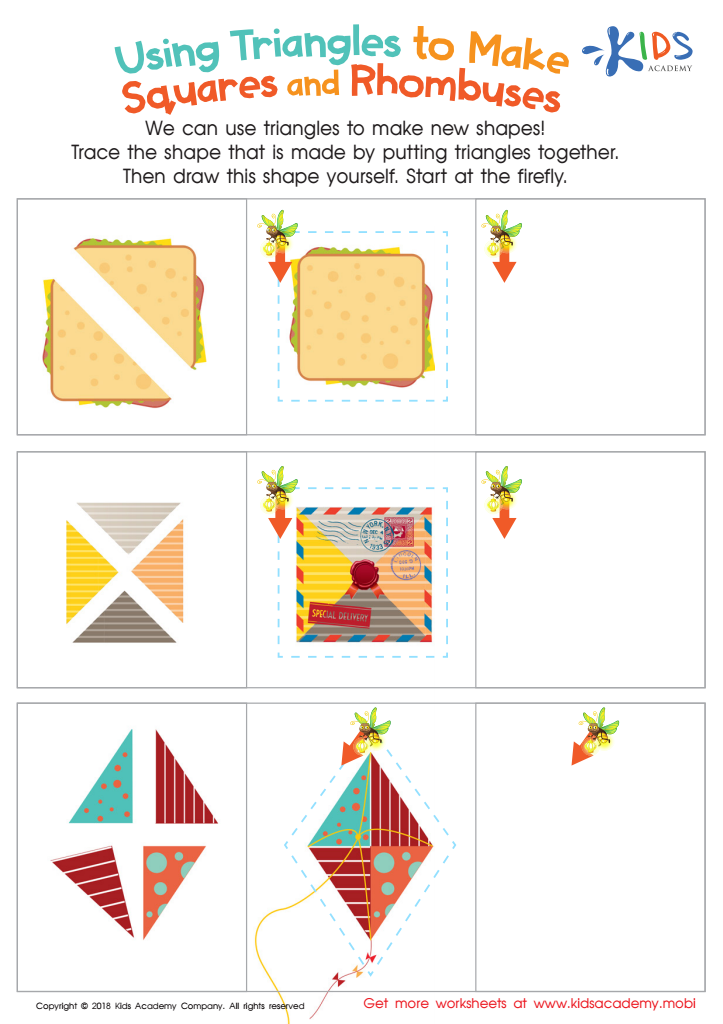
Using Triangles to Make Squares and Rhombuses Worksheet
 Assign to My Students
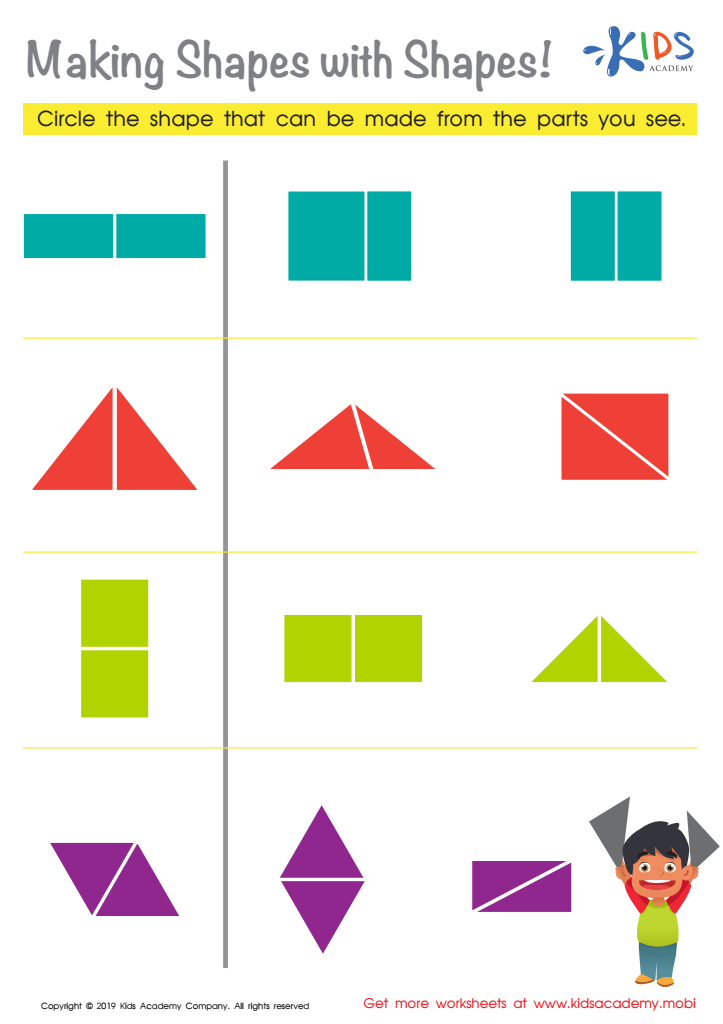
Making Shapes with Shapes Worksheet
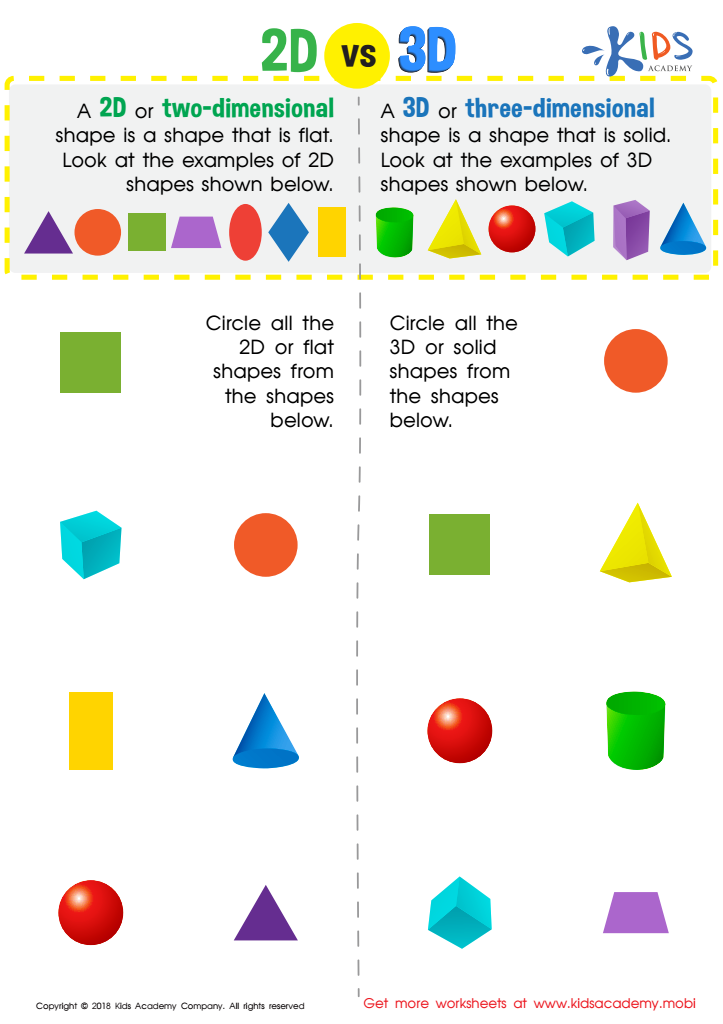
2D vs 3D Shapes Worksheet







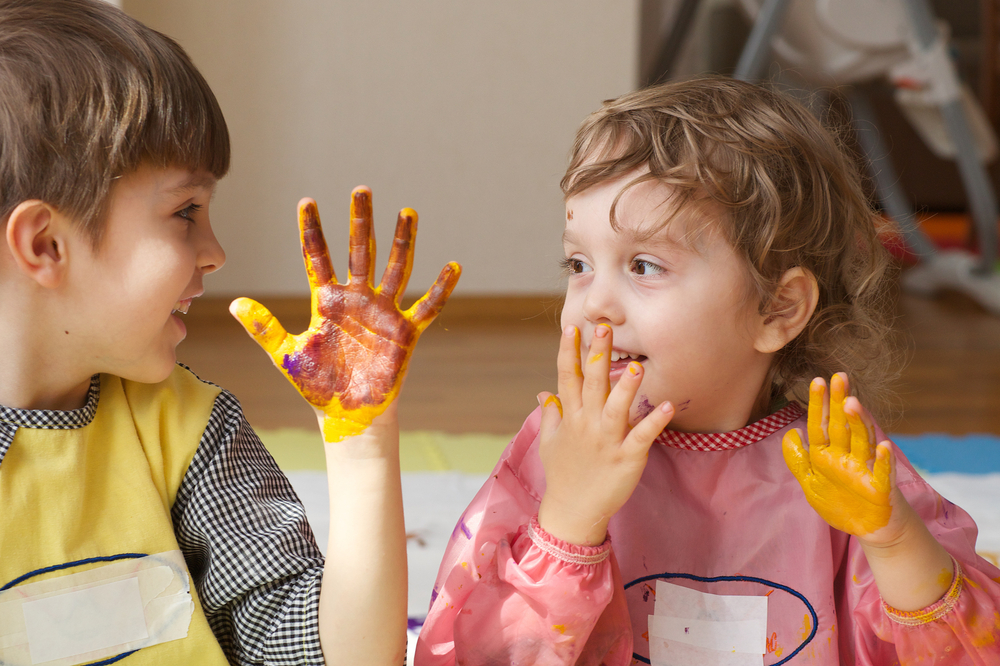
Spatial understanding is a crucial component of early math education for children aged 5-8 as it lays the foundation for many advanced mathematical concepts. At this age, children are developing their abilities to visualize shapes, comprehend distance, and manipulate objects in their minds. Understanding spatial relationships helps them in various areas, such as geometry, measurement, and even algebra later on.
Parents and teachers should care about fostering spatial understanding because it promotes critical thinking and problem-solving skills. Engaging children in activities that encourage spatial reasoning, such as puzzles, building blocks, and drawing, not only makes math more accessible but also more enjoyable.
Furthermore, strong spatial skills have been linked to improved academic performance across subjects, including science and engineering. In today’s increasingly technology-driven world, being adept at spatial understanding can open doors to future opportunities in STEAM (science, technology, engineering, arts, and math) fields.
By prioritizing spatial understanding during these formative years, parents and teachers can support cognitive development, enhance children's self-confidence in math, and nurture a generation of innovative thinkers ready to tackle complex challenges. Ultimately, spatial reasoning skills are integral not only for mathematics but for everyday life and learning.








