
Understanding numbers Math Worksheets for Ages 5-8
6 filtered results
Difficulty Level
Grade
Age
-
From - To
Subject
Activity
Standards
Discover our engaging "Understanding Numbers Math Worksheets for Ages 5-8," designed to make learning fun and effective for young learners. These printable worksheets help children grasp essential number concepts, from counting and comparing to addition and subtraction. Each worksheet uses vibrant illustrations and interactive activities to capture kids' interest and foster a deeper understanding of numbers. Ideal for both classroom and home use, these resources support early math skills development and build a solid foundation for future learning. Boost your child's confidence and math proficiency with our expertly crafted worksheets!
Favorites
With answer key
Interactive
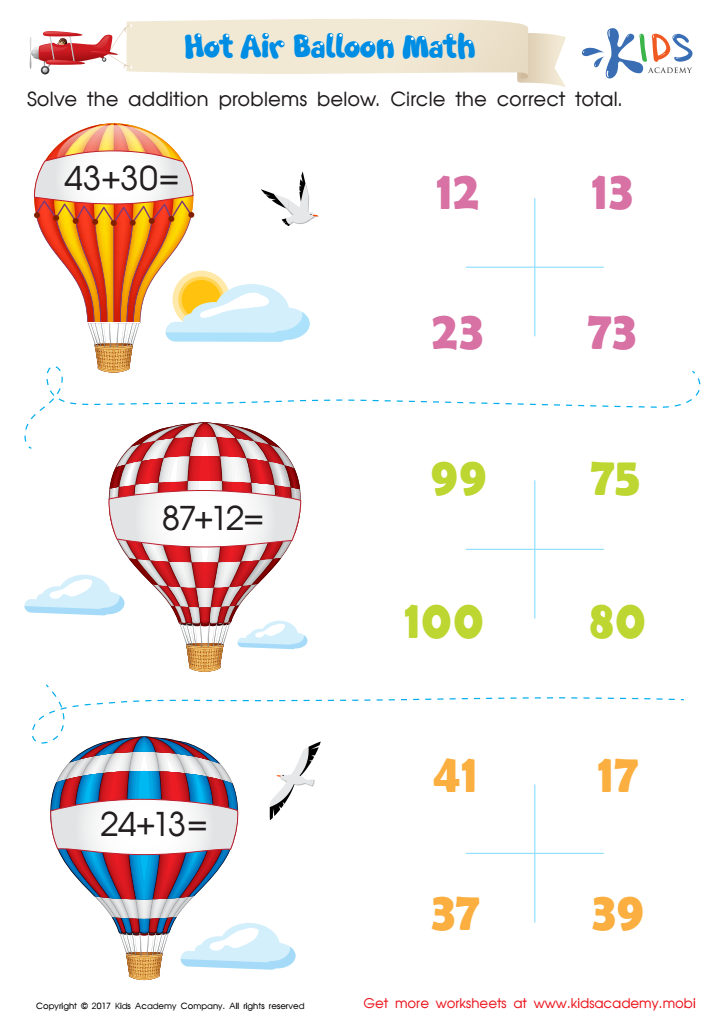
Hot Air Balloon Math Worksheet
It uses engaging pictures and a hot air balloon theme to keep your child interested, and it’s designed to build addition confidence.
 Assign to My Students
Hot Air Balloon Math Worksheet
Worksheet
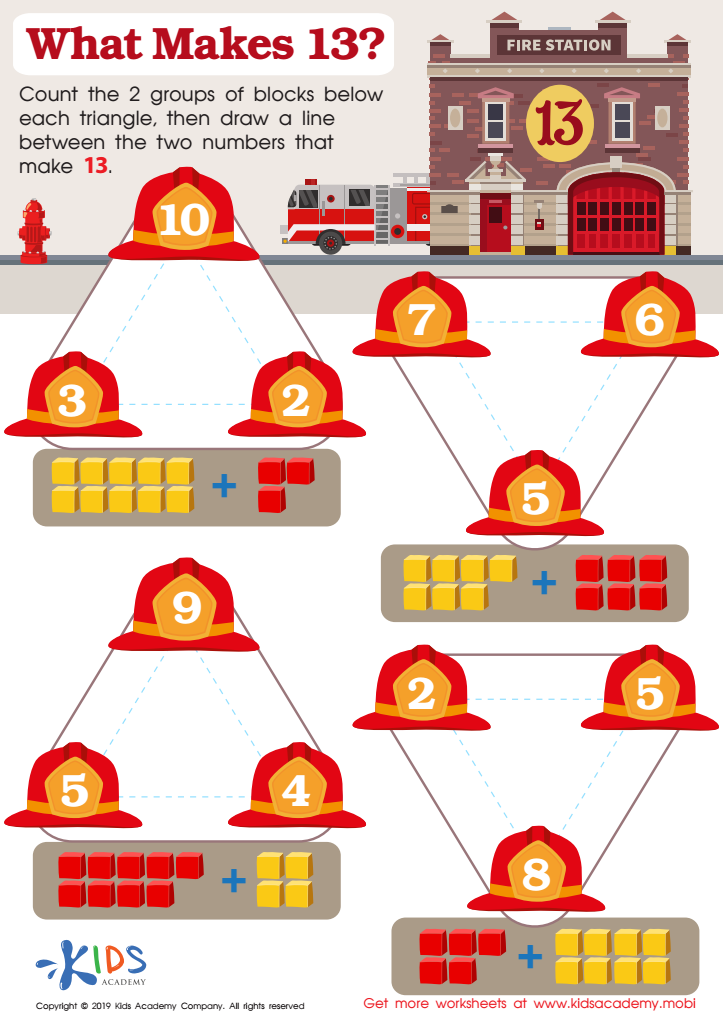
What Makes 13 Worksheet
Help your kids practice maths with this worksheet! With colourful images and simple equations, your kids will be more engaged in learning. Go through the four equations and help them add up the numbers. Then, draw a line between the numbers that make 13. Doing this will aid their learning and understanding.
What Makes 13 Worksheet
Worksheet
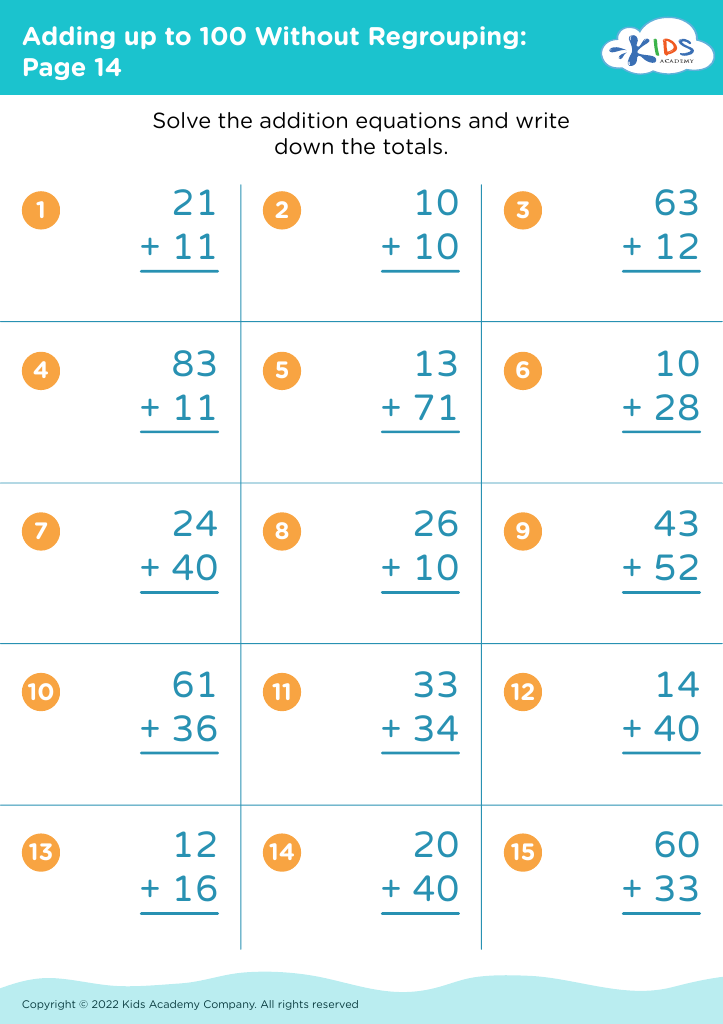
Join Kids Academy for Free
Who is primarily going to use this learning content?








Understanding numbers is fundamental for children aged 5-8 as it forms the groundwork for their entire mathematical education. At this age, their minds are highly receptive and ready to absorb basic mathematical concepts, which are crucial for future academic success and everyday life skills.
For parents, engaging with children’s number learning fosters an early love and confidence in math, transforming what could be a challenging subject into an enjoyable one. Practices like counting objects, recognizing number patterns, and simple arithmetic u build numeracy skills that benefit children's logical thinking and problem-solving abilities.
Teachers, on the other hand, play a vital role by introducing structured, developmentally appropriate activities to explain numbers, arithmetic, and the relationship between numbers. Interactive and playful methods, such as games and visual aids, can help cement these concepts, ensuring various learners comprehend them comfortably.
Mastery of number concepts also enhances children’s abilities in other subjects through improved analytical skills. When children understand numbers, they are better equipped to tackle advanced mathematical topics in later grades, laying a strong foundation for STEM-related fields.
Thus, by paying close attention to understanding numbers at an early age, parents and teachers set children on a path toward academic proficiency, critical thinking, and everyday competence in managing tasks like time, money, and measurements.








