Visual perception Math Worksheets for Ages 5-8 - Page 3
57 filtered results
-
From - To
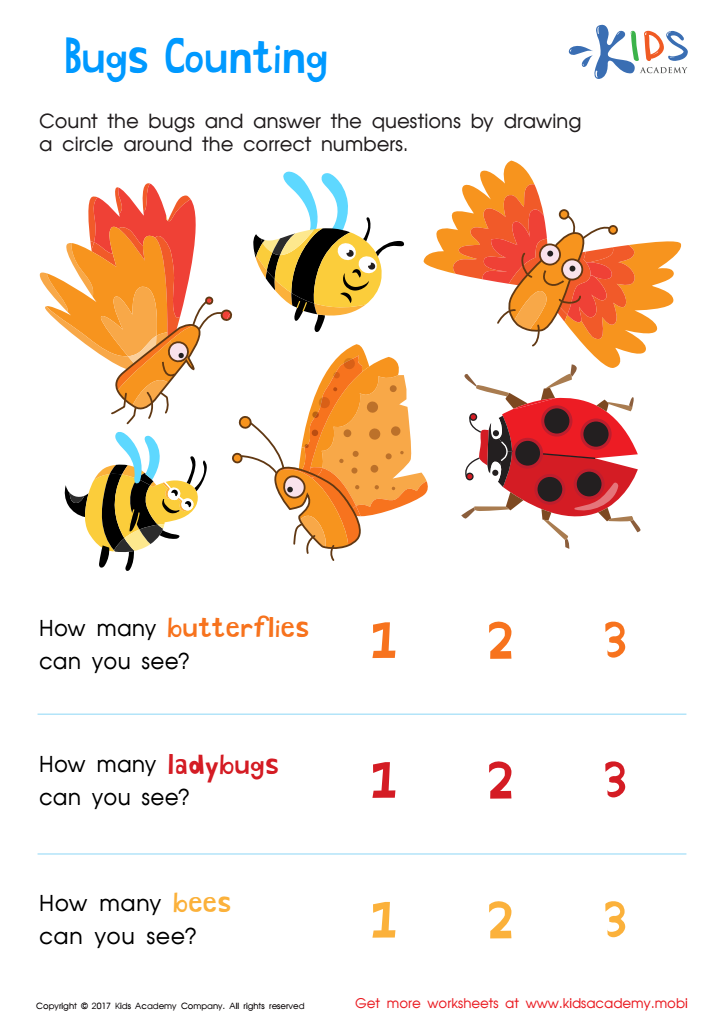
Bugs Counting Worksheet
 Assign to My Students
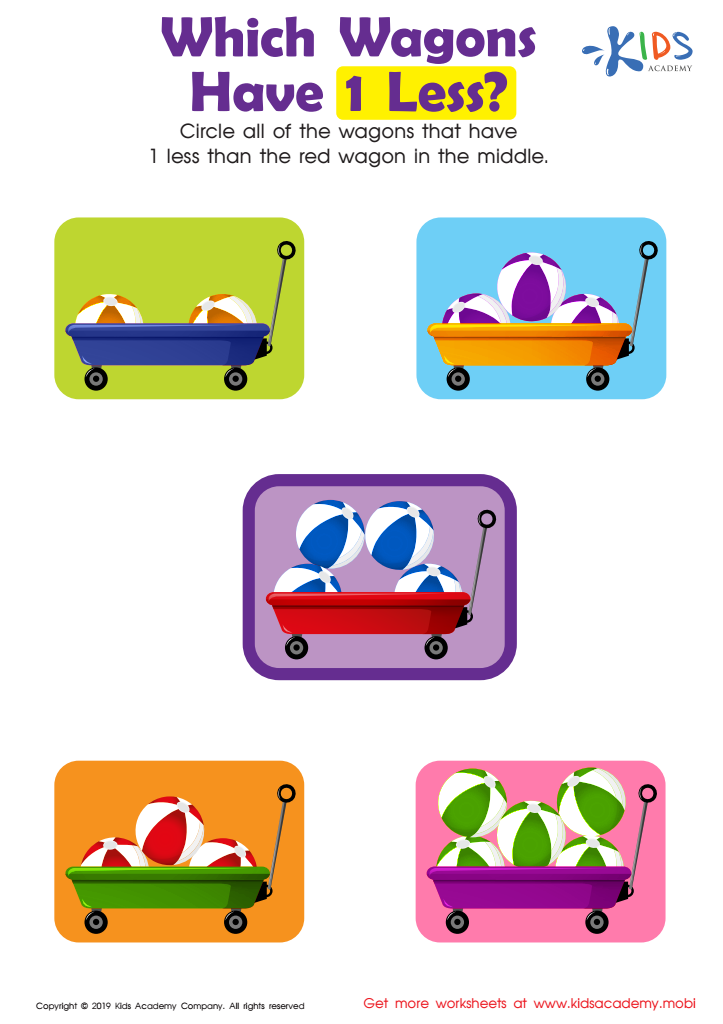
Which Wagons Have 1 Less? Worksheet
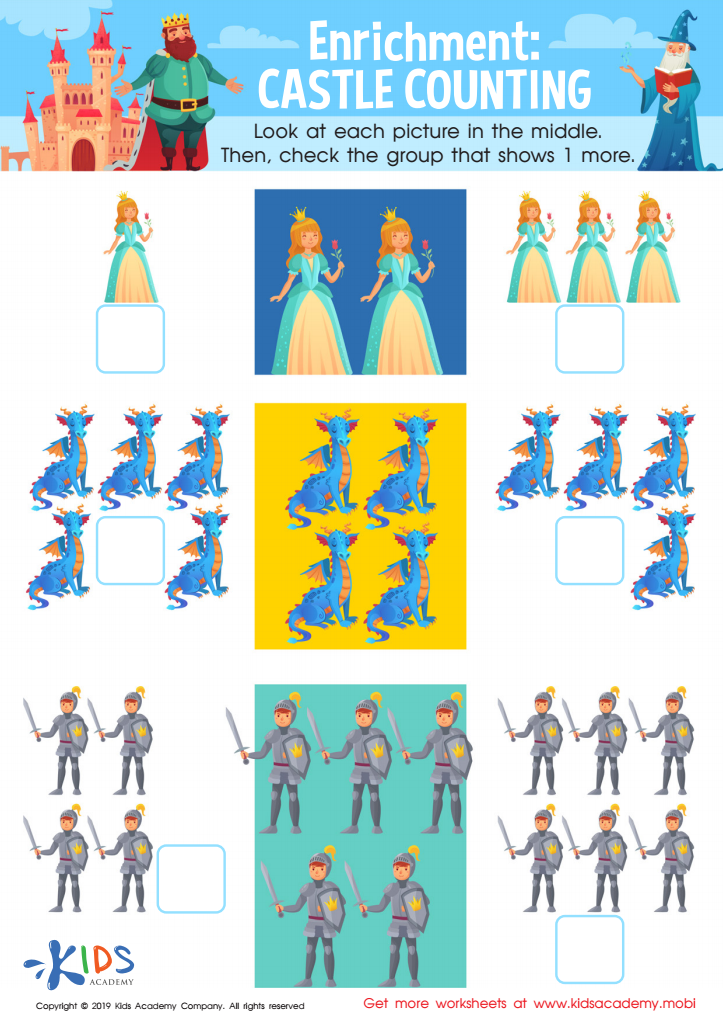
Enrichment: Castle Counting Worksheet
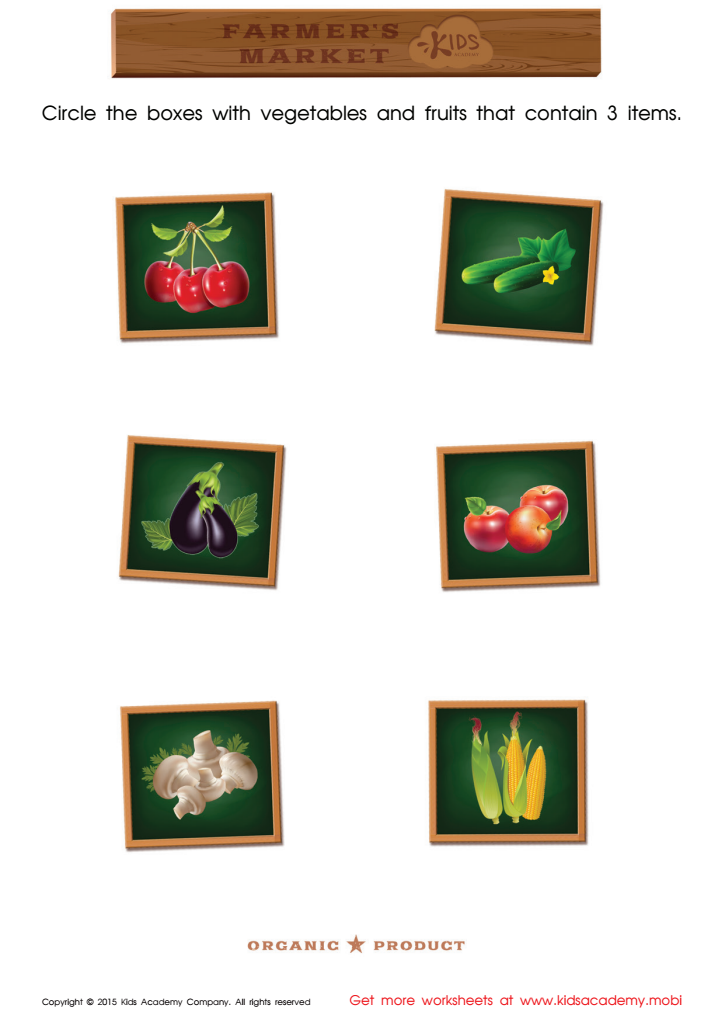
Count and Match Vegetables 1 – 5 Math Worksheet
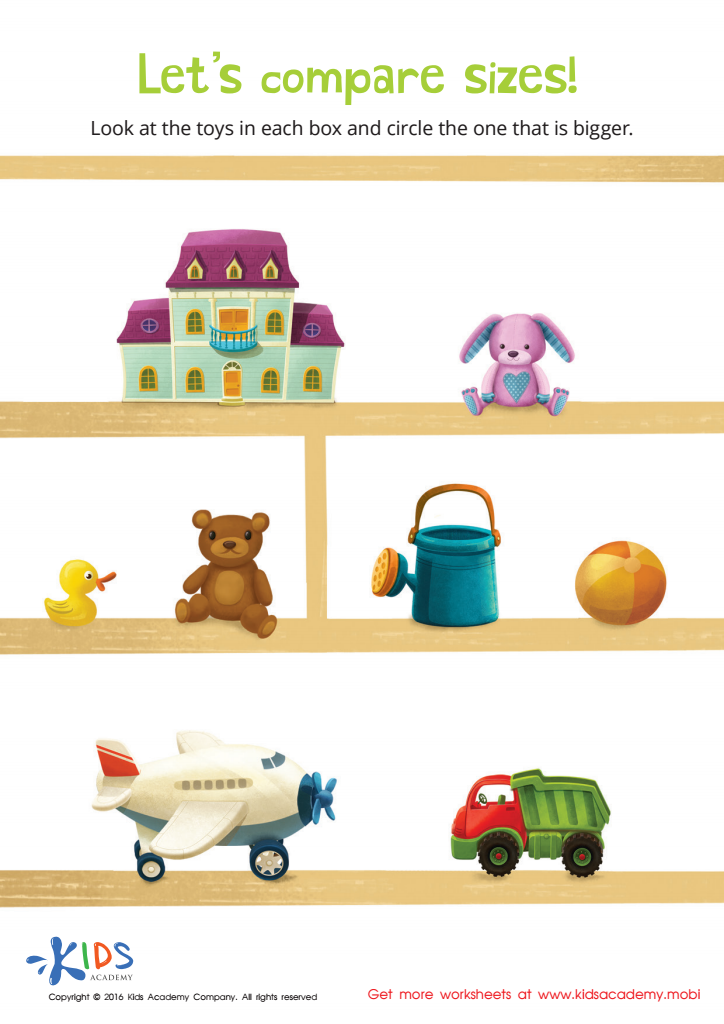
Classifying by Size Sorting Worksheet
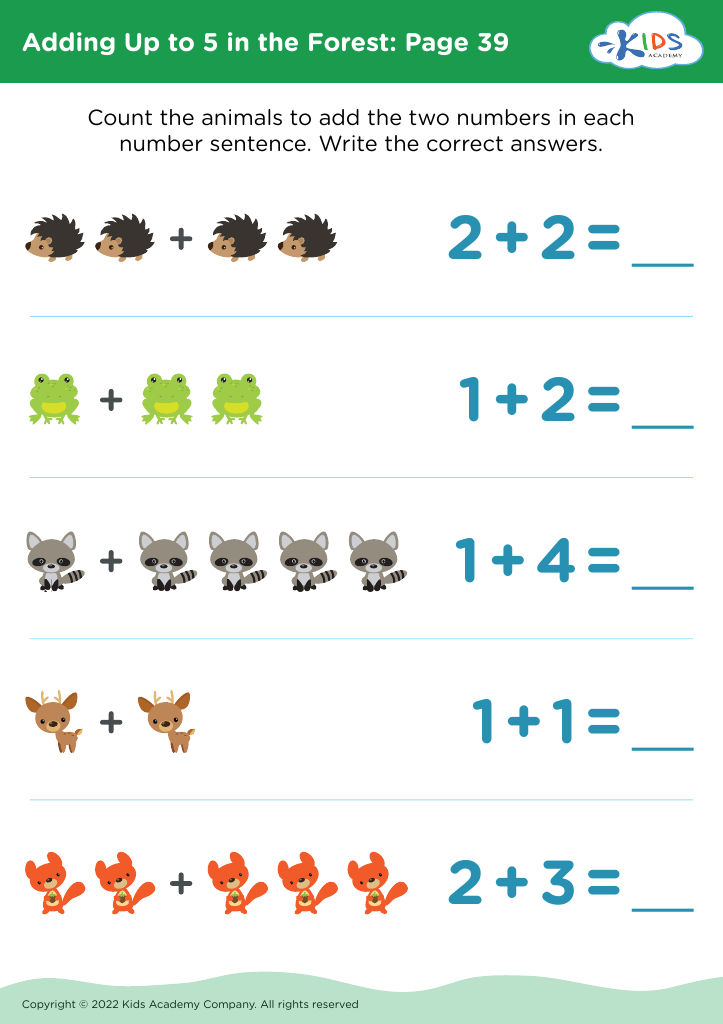







Visual perception involves interpreting and making sense of visual information encountered in the surrounding world. For children aged 5-8, this skill is particularly crucial in mathematical learning. At this developmental stage, kids rely heavily on visual cues to understand abstract concepts and solve problems.
Strong visual perception allows young learners to recognize patterns, identify shapes, and understand spatial relationships. For instance, comprehending how numbers visually relate to each other on number lines or through visual aids like blocks can enhance their ability to grasp addition, subtraction, and basic geometry. These skills are foundational for more complex problem-solving tasks as they advance in their education.
Moreover, fostering visual perception through activities like puzzles, drawing shapes, and playing with building blocks serves to enhance fine motor skills and hand-eye coordination. These exercises make math learning more engaging and interactive, promoting a positive attitude toward the subject.
Teachers and parents should care about visual perception because it paves the way for academic success in math and other STEM fields. Ignoring this aspect of development could lead to difficulties in understanding mathematical concepts later on, potentially impacting a child's overall academic confidence and performance. Supportive, visually-rich learning environments can foster essential lifelong skills in young learners.








