Matching skills Matching Worksheets for Ages 5-8
6 filtered results
-
From - To
Discover engaging Matching Skills Matching Worksheets for ages 5-8 at Kids Academy. Our carefully designed worksheets enhance cognitive and fine motor skills as children match animals, shapes, patterns, and more. These interactive activities support early math and critical thinking, making learning enjoyable and effective. Ideal for classroom and at-home practice, our matching worksheets cater to various educational needs, encouraging active participation and improved attention to detail. Explore a wide array of printable worksheets to boost your child's problem-solving abilities, pattern recognition, and logical reasoning. Make learning fun and productive with Kids Academy’s expert-crafted resources!
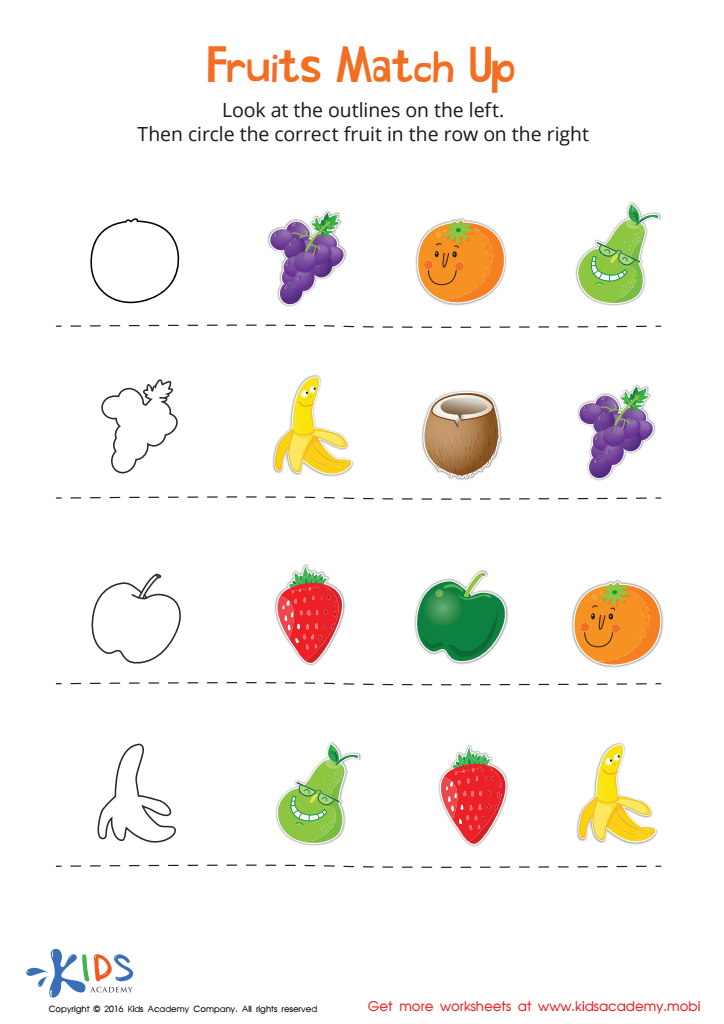
Fruits Match Up Worksheet
 Assign to My Students
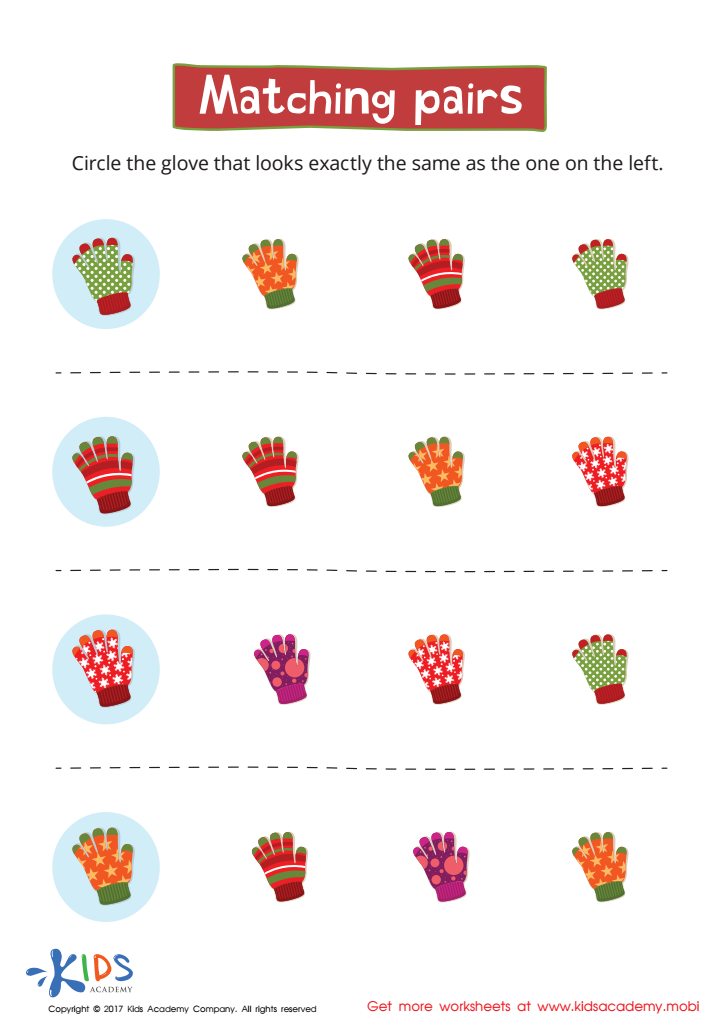
Matching: Matching Pairs Worksheet
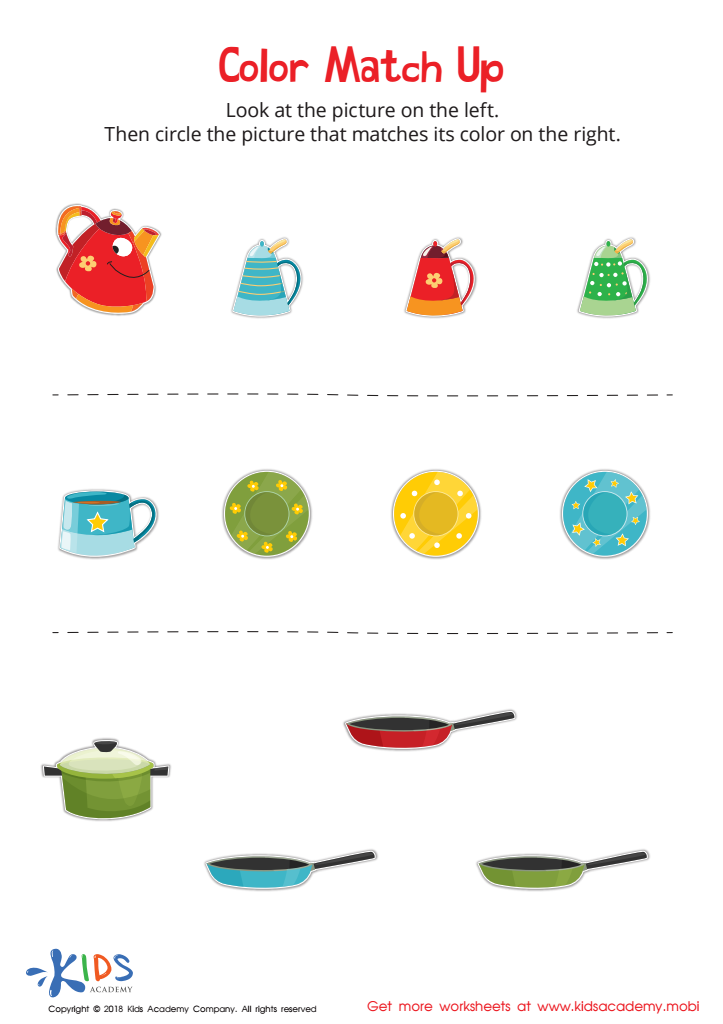
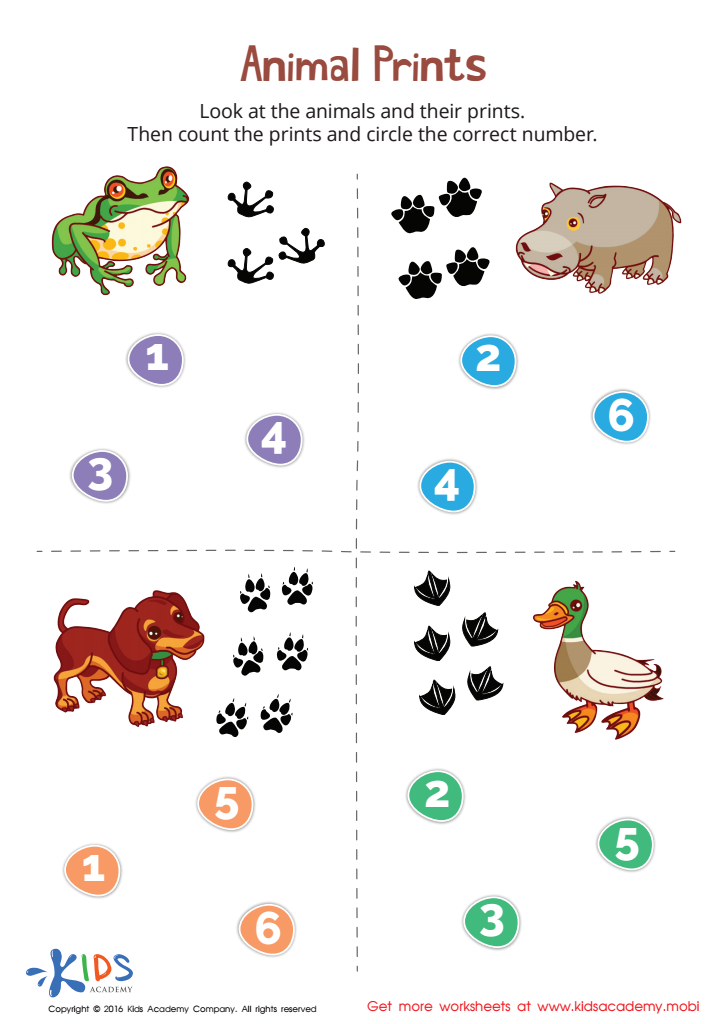
Animal Prints Match-Up Worksheet
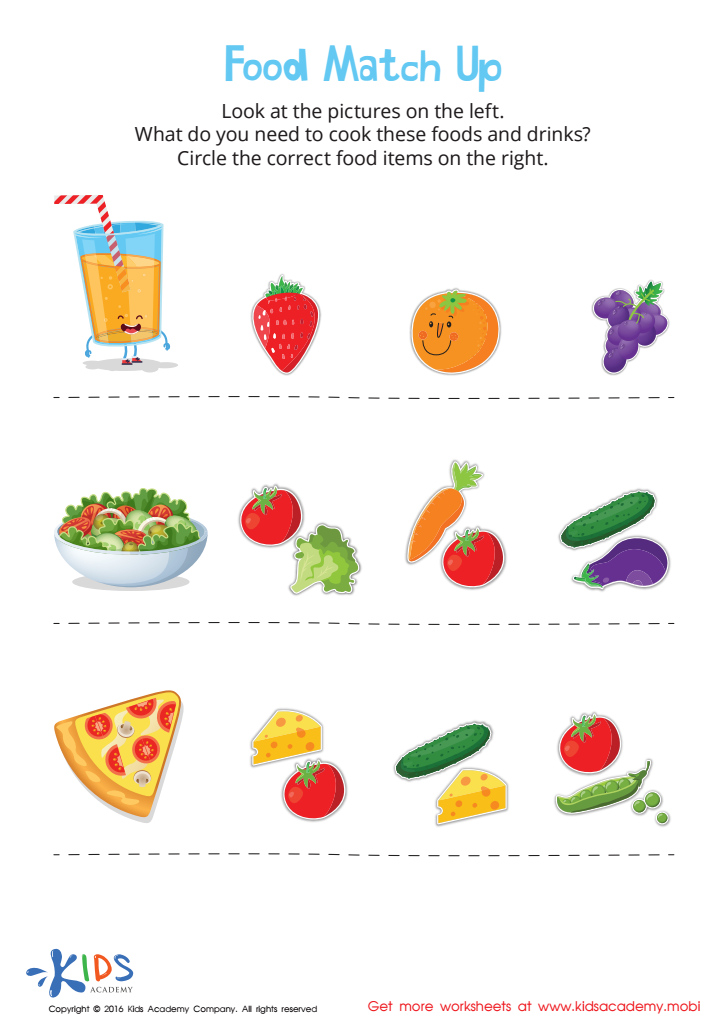
Food Match Up Worksheet

Shapes Worksheet







Parents and teachers should care about developing matching skills for children ages 5-8 because these foundational abilities play a crucial role in cognitive and academic development. Matching skills involve the ability to identify similarities and differences among objects, pictures, symbols, and concepts. This form of visual discrimination enhances memory, attention to detail, and classification capabilities, which are vital for later learning.
When children practice matching, they improve their ability to recognize patterns, which is essential for mathematics, reading, and problem-solving. For instance, recognizing that numbers or letters have specific shapes and are used in specific contexts aids in numeracy and literacy development. Moreover, matching exercises can be a fun and interactive way to reinforce these concepts, keeping children engaged and motivated to learn.
These skills also support language development as children categorize and name objects, thereby expanding their vocabulary. Socially, matching games often involve group activities that promote cooperative play and communication skills. Overall, investing in matching activities provides a rich foundation for future learning and fosters an environment where developmental milestones are met through engaging, age-appropriate tasks. Ensuring children master these skills by age 8 sets them on a path of academic success and lifelong learning appreciation.








