Reading comprehension Multiplication Worksheets for Ages 5-8
8 filtered results
-
From - To
Empower your child's learning journey with our Reading Comprehension Multiplication Worksheets, designed for ages 5-8. These engaging worksheets seamlessly blend multiplication practice with reading comprehension, helping young learners develop crucial math and literacy skills simultaneously. Each worksheet features simple stories and word problems, allowing children to improve their understanding of multiplication in real-world contexts. Our fun and interactive activities keep kids motivated and excited about learning, ensuring they build a solid foundation in both math and reading. Foster a love for learning and boost your child's academic confidence with our expertly crafted educational resources.
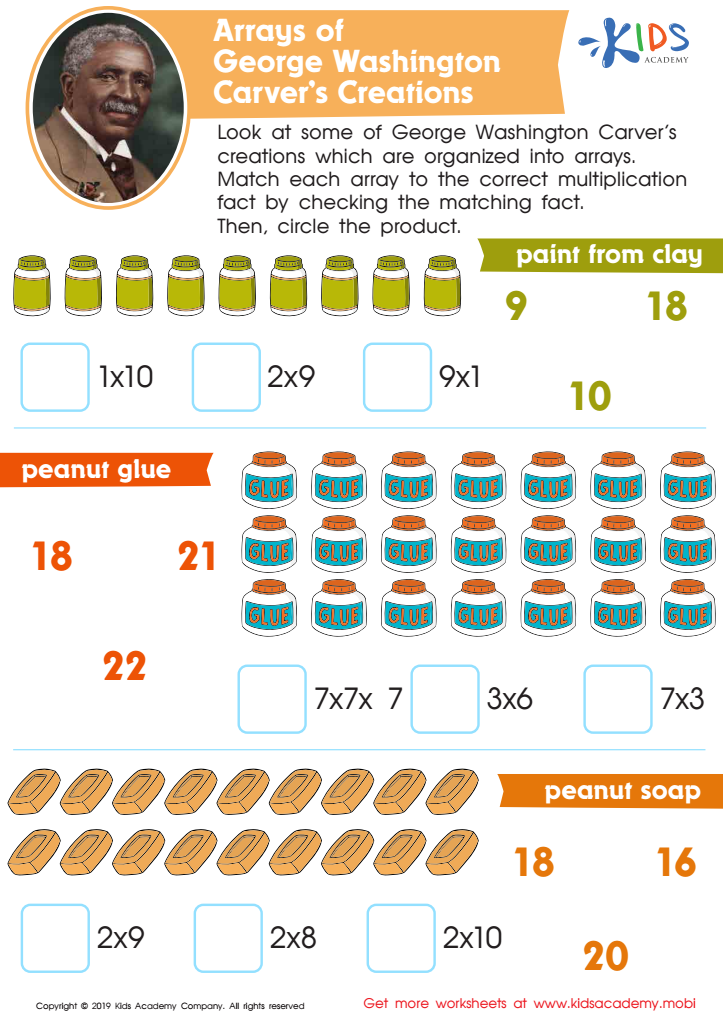
Arrays of George Washington Carver’s Creations Worksheet
 Assign to My Students
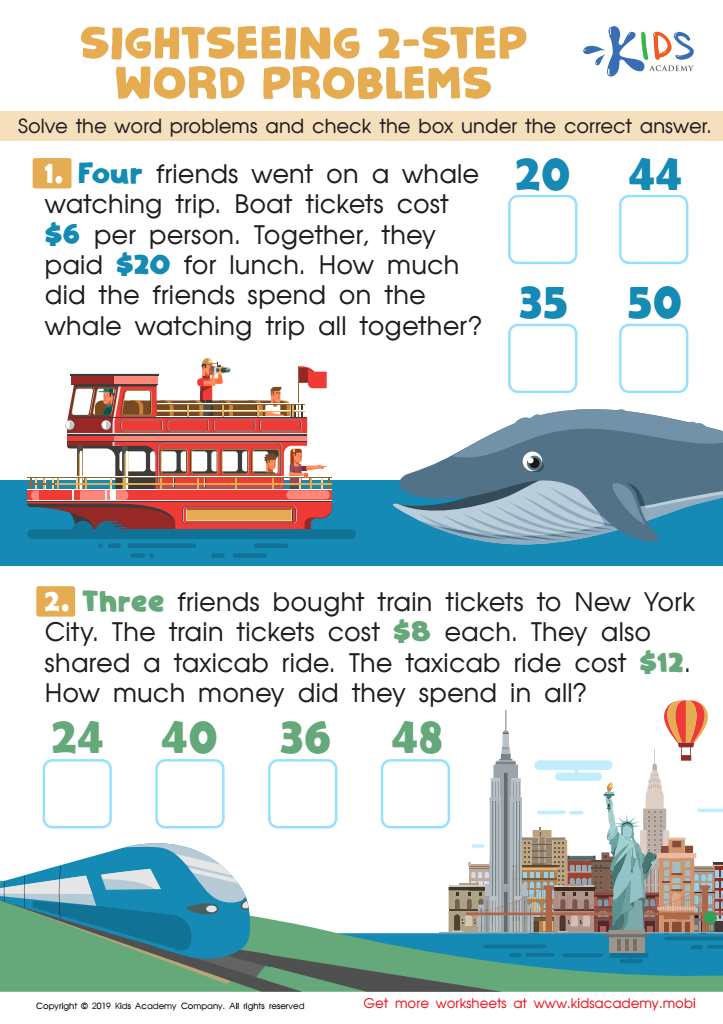
Sightseeing 2-Step Word Problems Worksheet
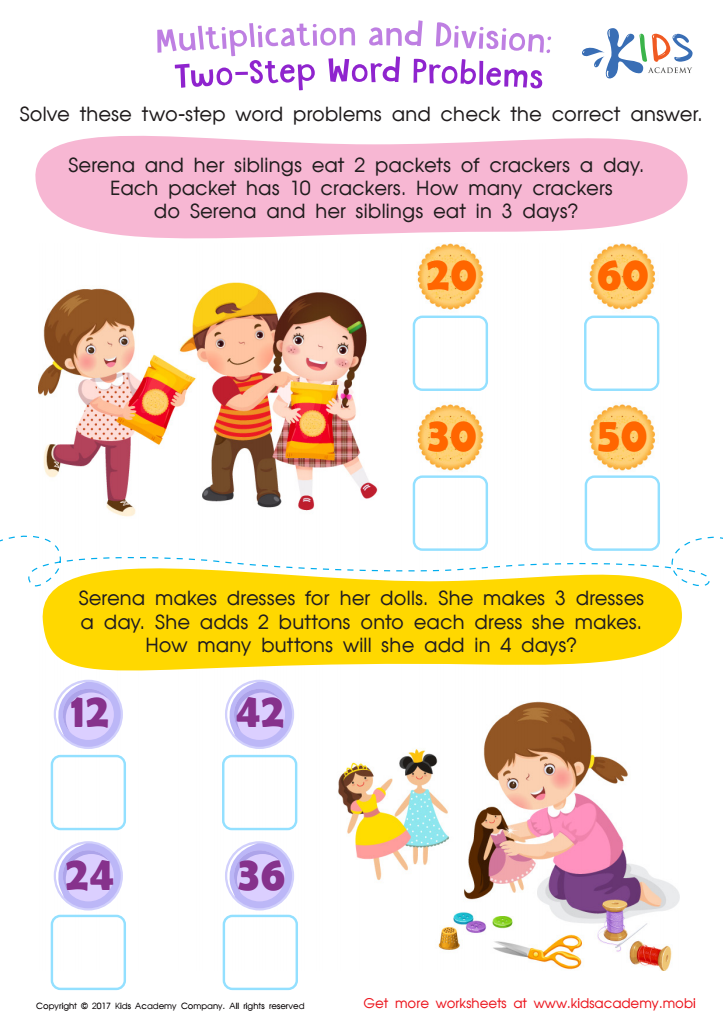
Two Step Word Problems Worksheet
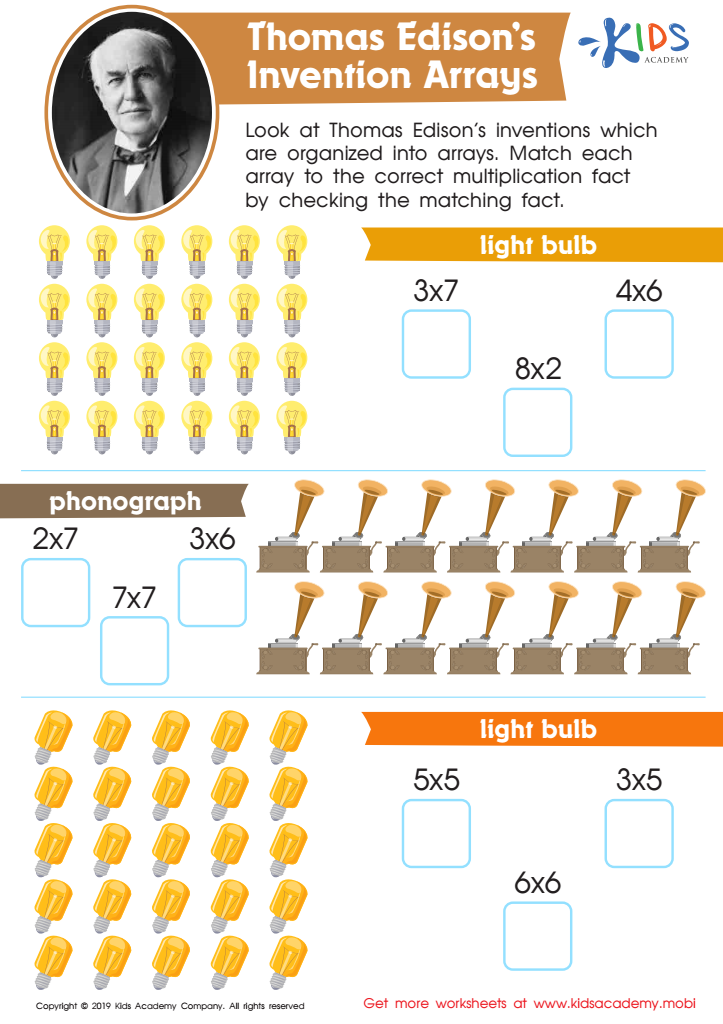
Thomas Edison’s Invention Arrays Worksheet
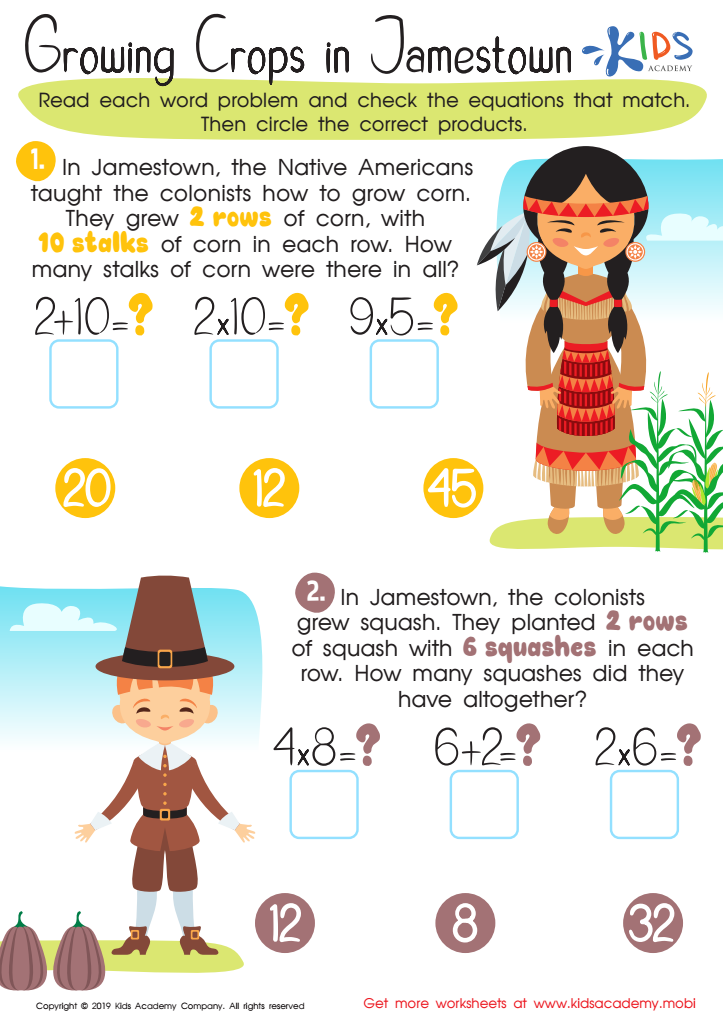
Growing Jamestown Worksheet
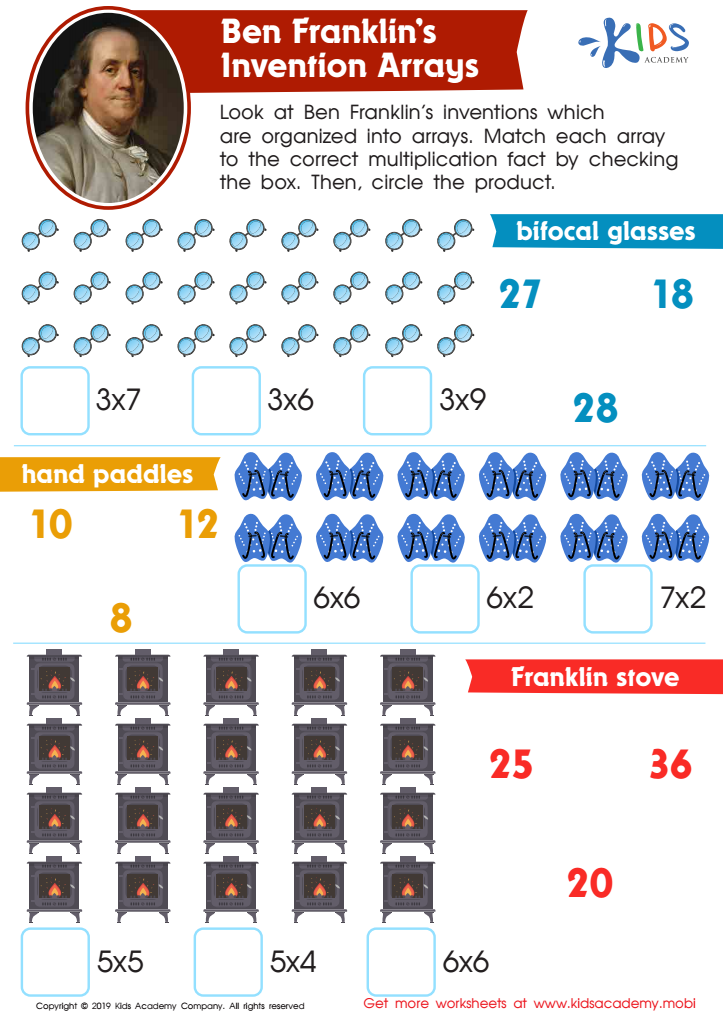
Ben Franklin’s Invention Arrays Worksheet
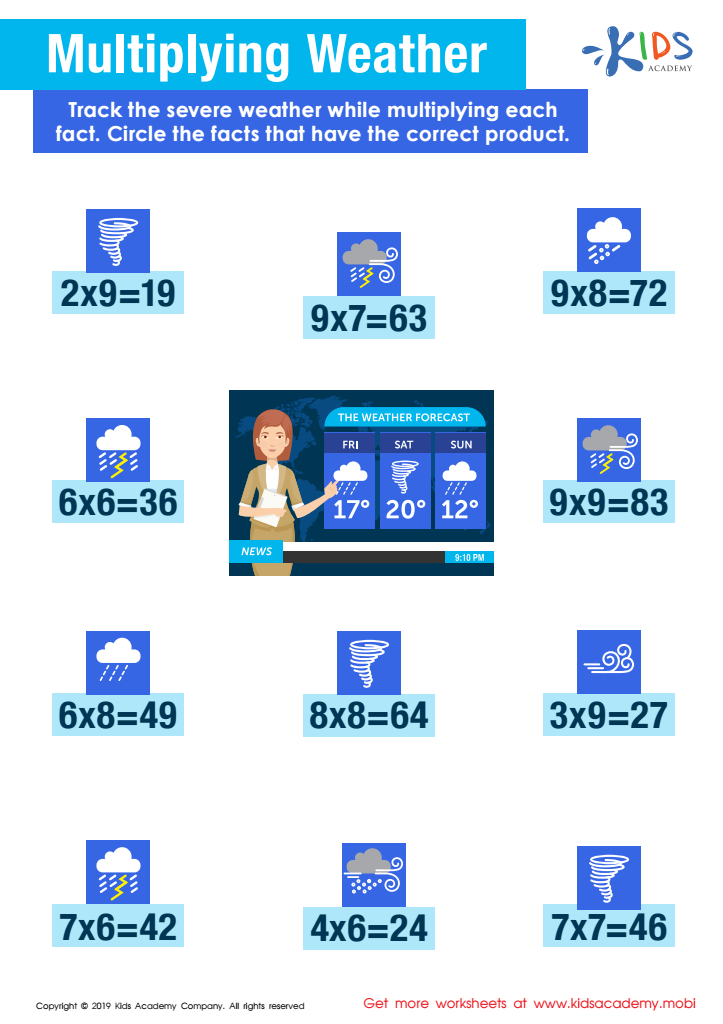
Multiplying Weather Worksheet
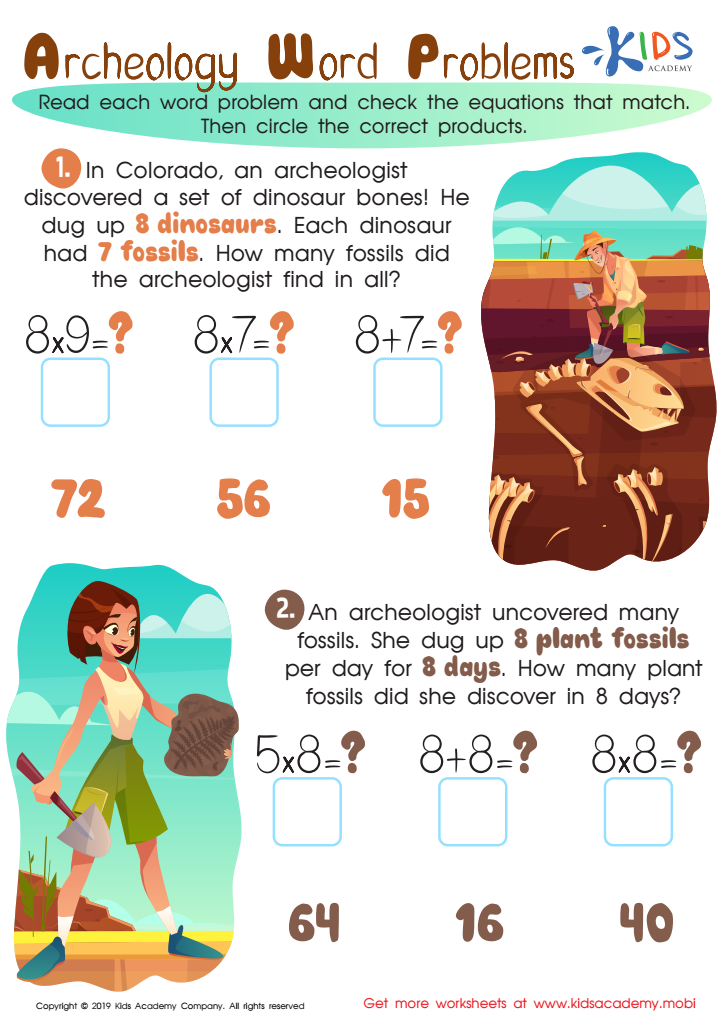
Archeology Word Problems Worksheet








Understanding reading comprehension and multiplication at an early age is crucial for children aged 5-8. First, reading comprehension is the foundation of all academic learning. If children can understand what they read, they can access and absorb information across all subjects, from science to social studies. It also boosts critical thinking, vocabulary, and language skills. Developing strong reading comprehension early on encourages a love for reading and learning, setting children on a path for academic success.
Multiplication, although typically introduced around 2nd or 3rd grade, builds the groundwork for mathematical proficiency. It enhances children’s number sense and problem-solving skills. Mastery of multiplication early on simplifies more advanced math concepts such as division, fractions, and algebra. Teaching multiplication also promotes cognitive development, particularly in logical thinking and pattern recognition.
For parents and teachers, fostering these skills also means customizing instruction to meet each child’s needs, identifying and addressing learning barriers early, and encouraging positive study habits. It can also cultivate confidence and independence in learners, underscoring the importance of dedication and practice. Simply put, investing in reading comprehension and multiplication at this critical age helps create well-rounded, capable, and curious lifelong learners.








