Check out this FREE Trial Lesson on Building Vocabulary for age 5-8!

X

Favorites
With answer key
Interactive
  • 5-8
  • Comparing Fractions
  • Building Vocabulary
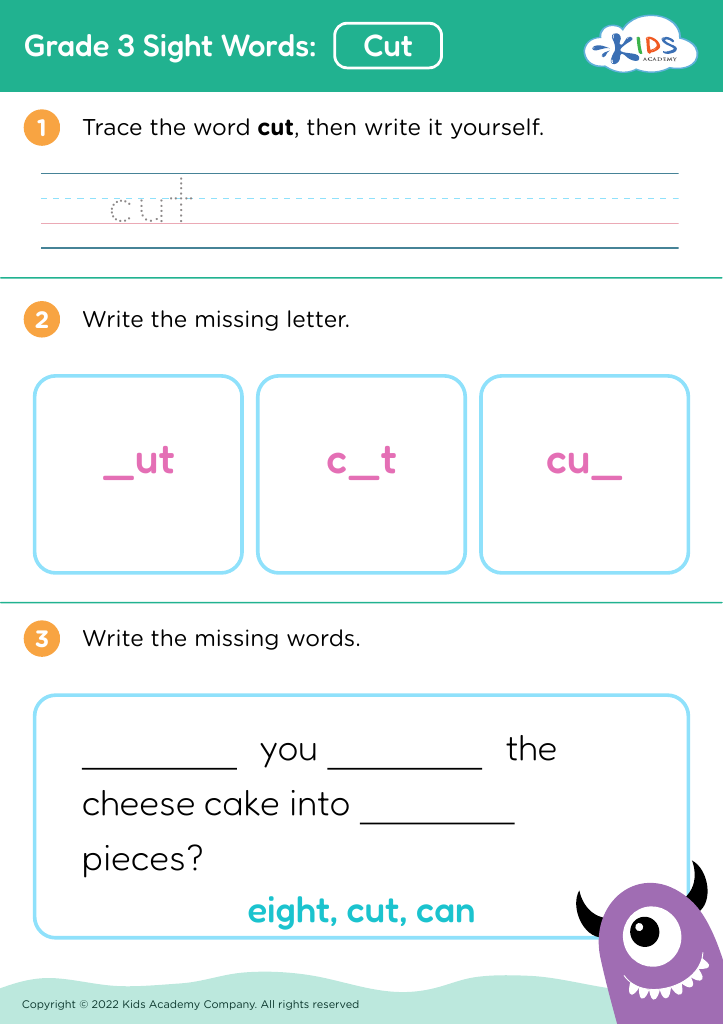
Grade 3 Sight Words: Cut

Grade 3 Sight Words: Cut

Grade 3 Sight Words: Cut
Worksheet
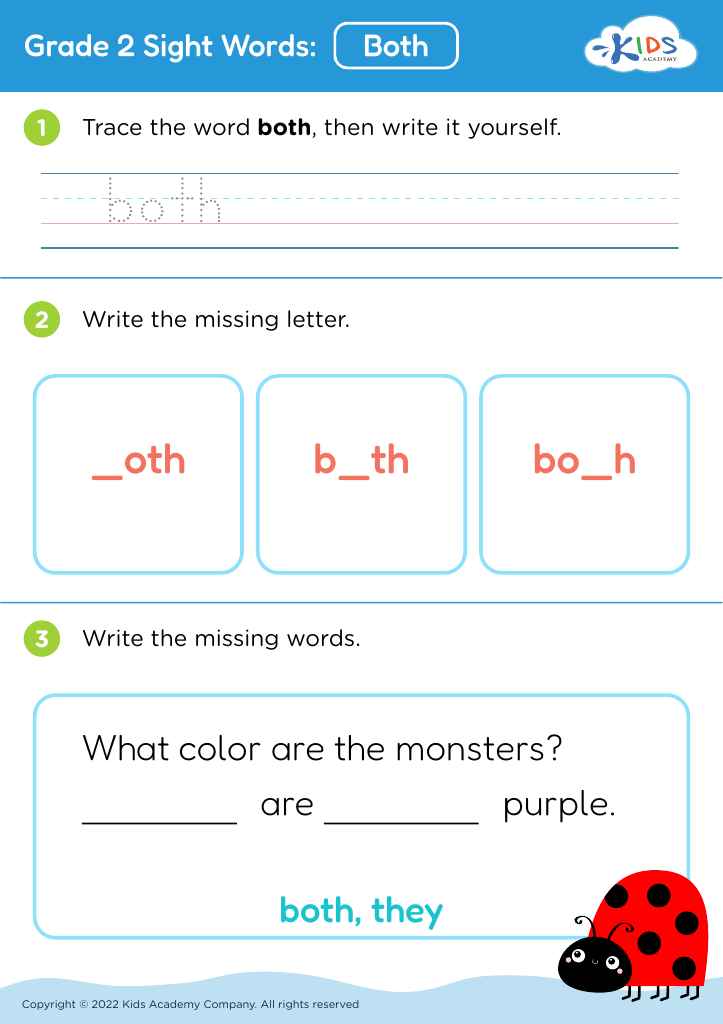
Grade 2 Sight Words: Both

Grade 2 Sight Words: Both

Grade 2 Sight Words: Both
Worksheet
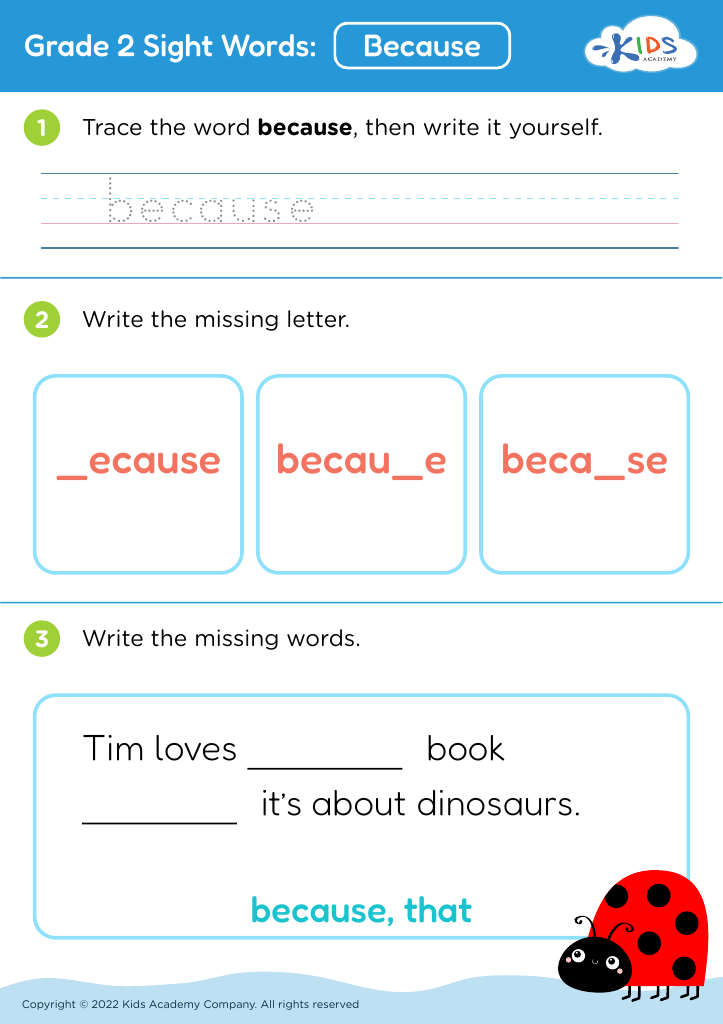
Grade 2 Sight Words: Because

Grade 2 Sight Words: Because

Grade 2 Sight Words: Because
Worksheet
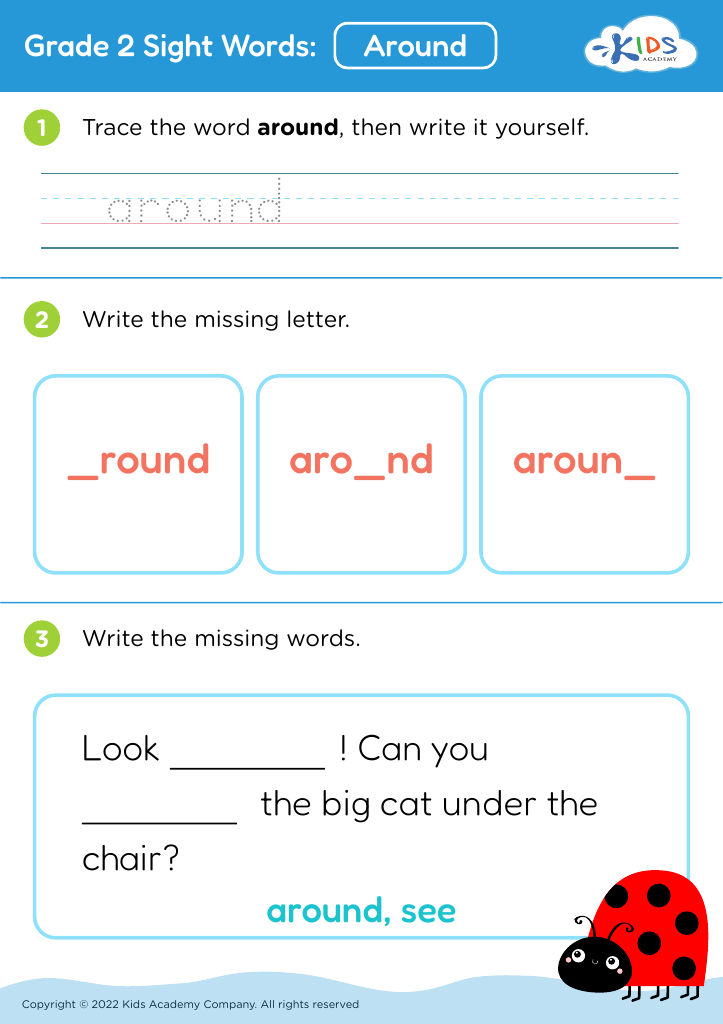
Grade 2 Sight Words: Around

Grade 2 Sight Words: Around

Grade 2 Sight Words: Around
Worksheet
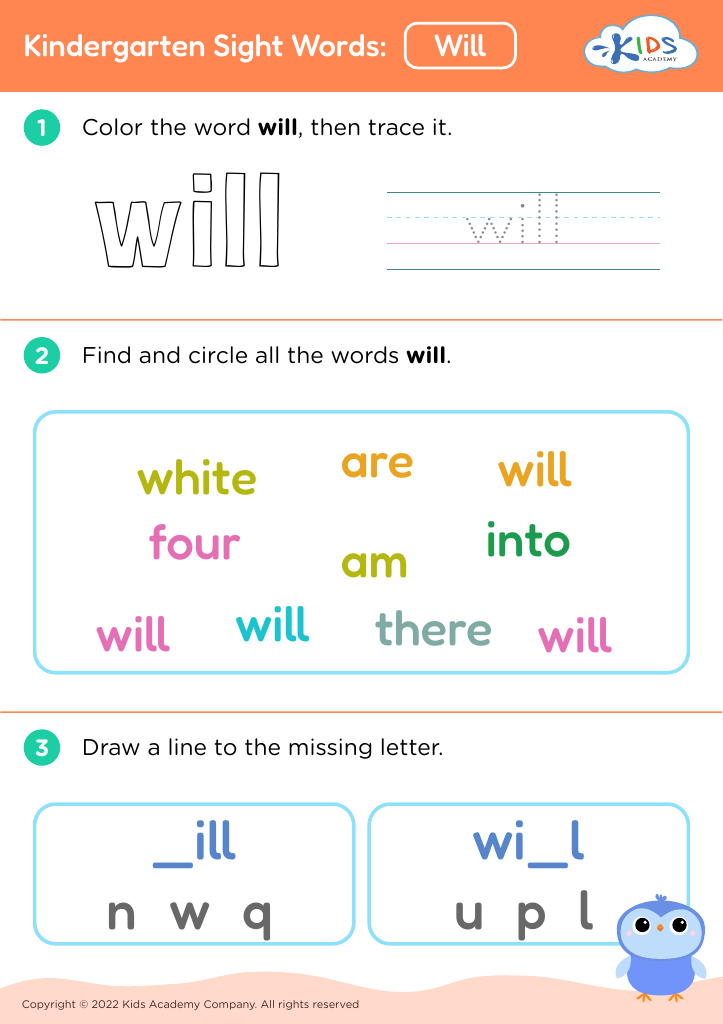
Kindergarten Sight Words: Will

Kindergarten Sight Words: Will

Kindergarten Sight Words: Will
Worksheet
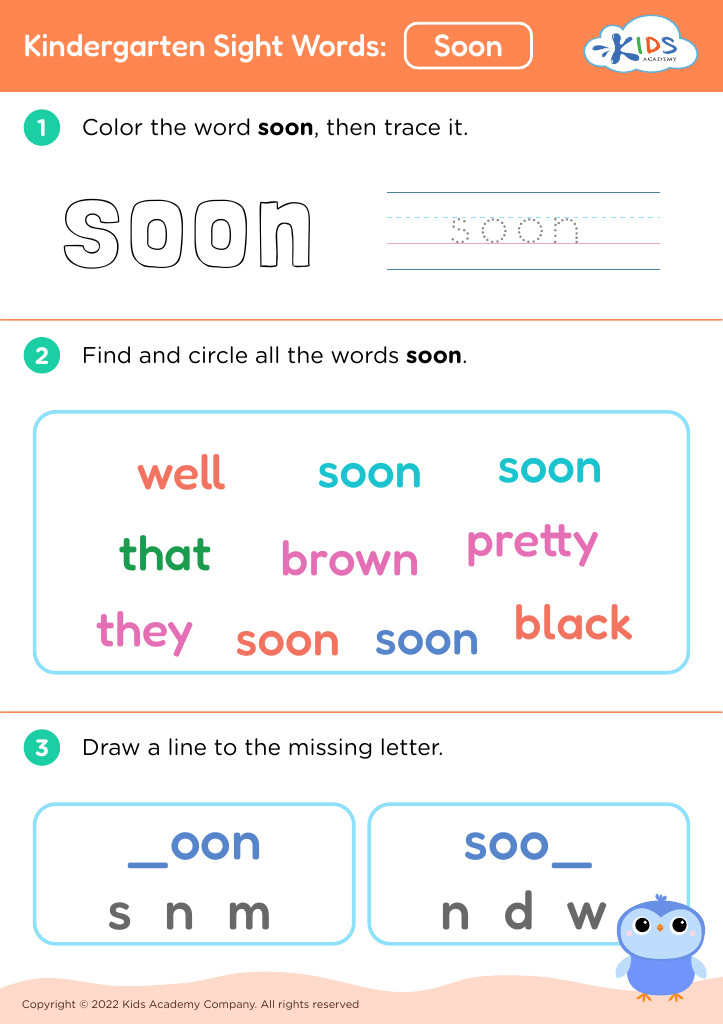
Kindergarten Sight Words: Soon

Kindergarten Sight Words: Soon

Kindergarten Sight Words: Soon
Worksheet
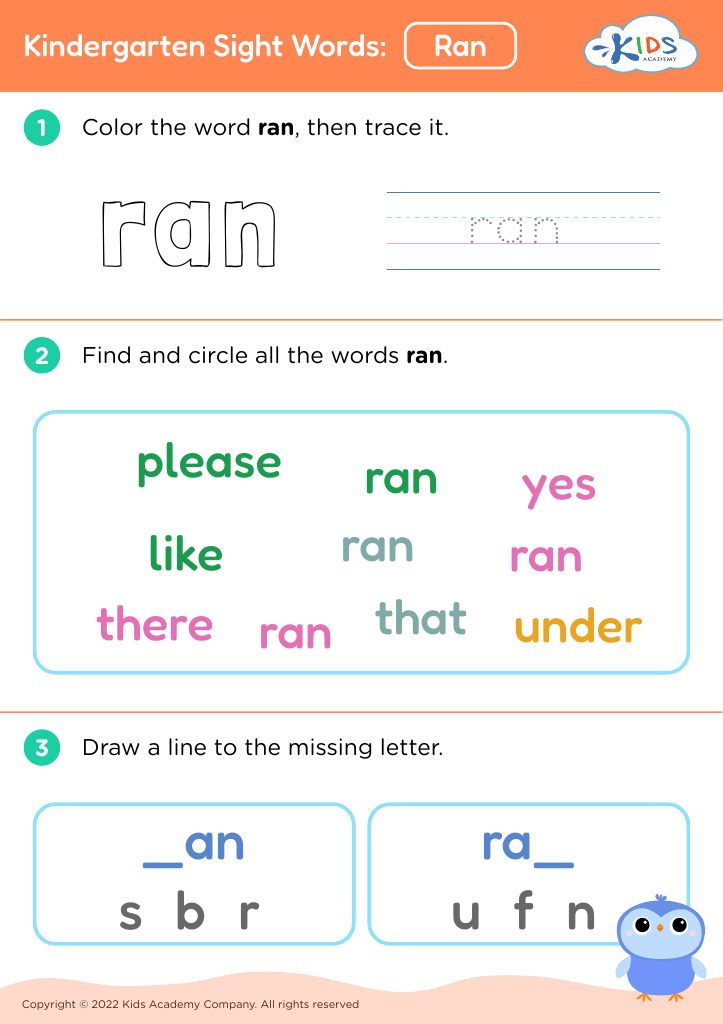
Kindergarten Sight Words: Ran

Kindergarten Sight Words: Ran

Kindergarten Sight Words: Ran
Worksheet
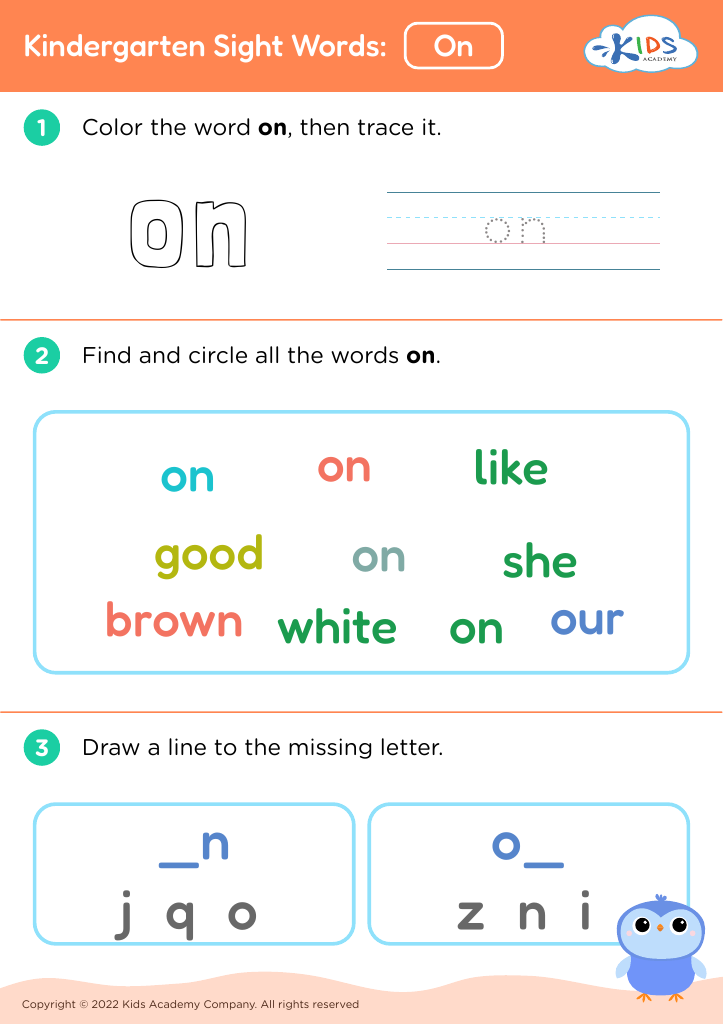
Kindergarten Sight Words: On

Kindergarten Sight Words: On

Kindergarten Sight Words: On
Worksheet
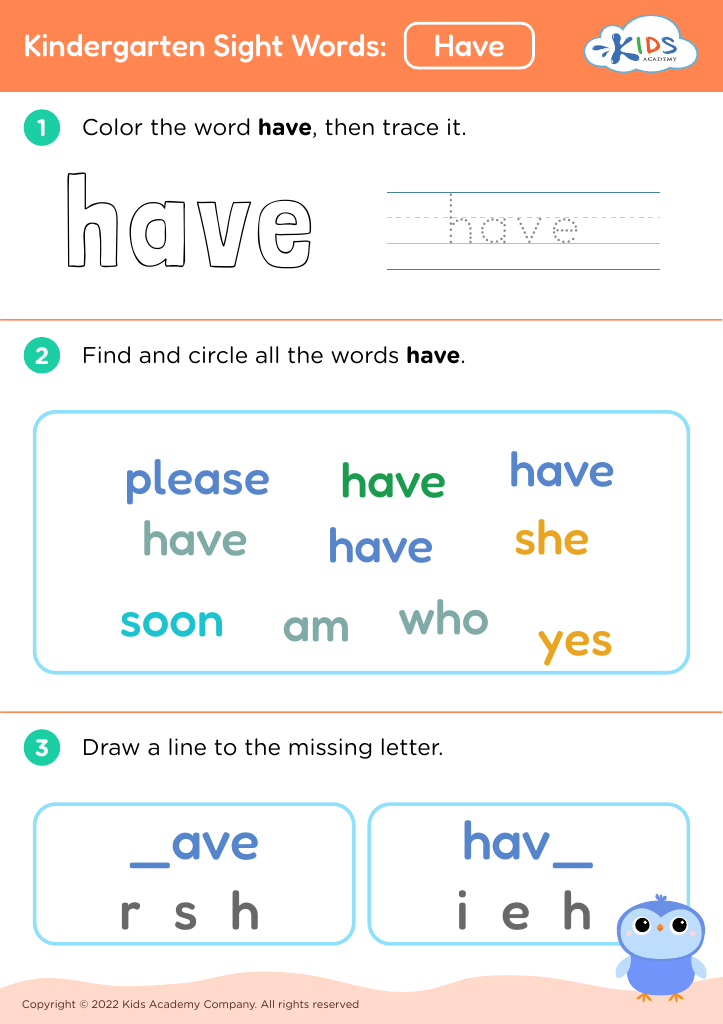
Kindergarten Sight Words: Have

Kindergarten Sight Words: Have

Kindergarten Sight Words: Have
Worksheet
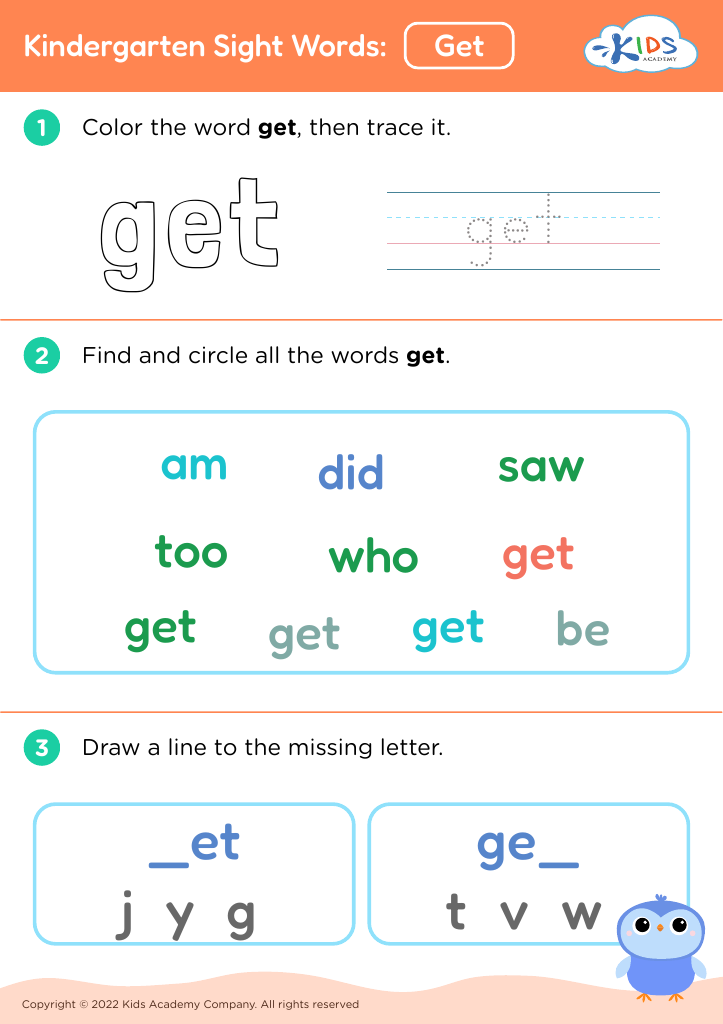
Kindergarten Sight Words: Get

Kindergarten Sight Words: Get

Kindergarten Sight Words: Get
Worksheet
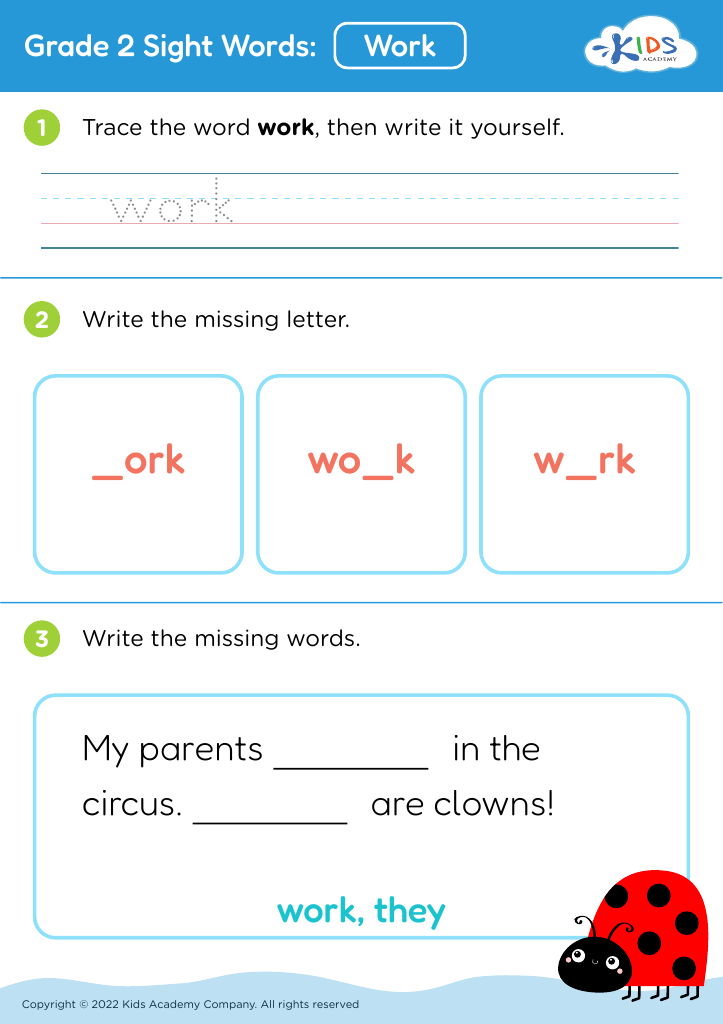
Grade 2 Sight Words: Work

Grade 2 Sight Words: Work

Grade 2 Sight Words: Work
Worksheet
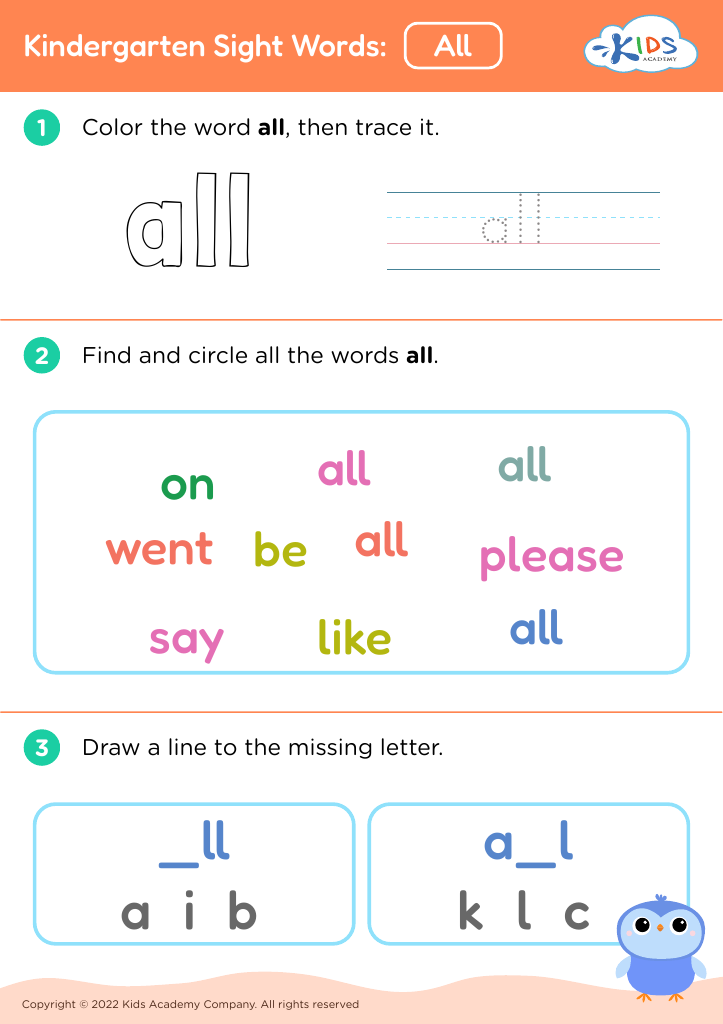
Kindergarten Sight Words: All

Kindergarten Sight Words: All

Kindergarten Sight Words: All
Worksheet


Comparing fractions is a fundamental skill in early mathematics, and building vocabulary around this topic is crucial for young learners aged 5-8. Parents and teachers should care because a strong foundation in comparing fractions not only enhances mathematical understanding but also fosters critical thinking skills.

Understanding fractions teaches children how to recognize and articulate relationships between numbers. The vocabulary associated with fractions—such as numerators, denominators, and equivalent—is essential for effective communication of mathematical ideas. When children can discuss fractions confidently, they are not just learning math, but also developing language skills that support problem-solving and reasoning.

Additionally, comparing fractions lays the groundwork for more complex mathematical concepts in the future, such as addition, subtraction, and understanding ratios. Encouraging children to compare and articulate their thoughts cultivates a deeper understanding, making abstract concepts more tangible.

Involving parents in this learning process reinforces the importance of math at home, providing opportunities for engagement beyond the classroom. When parents and teachers collaborate to build both mathematical skills and vocabulary, they empower children to become confident and proficient in mathematics, setting them on a path for lifelong learning.