Math problem-solving Building Vocabulary Worksheets for Ages 5-8
6 filtered results
-
From - To
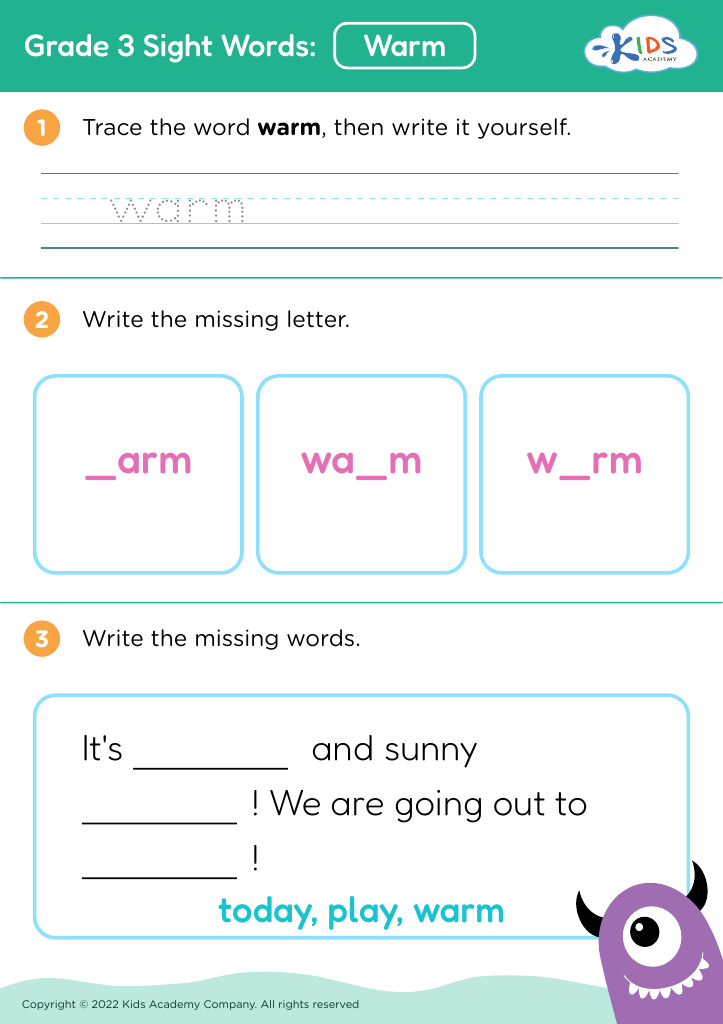
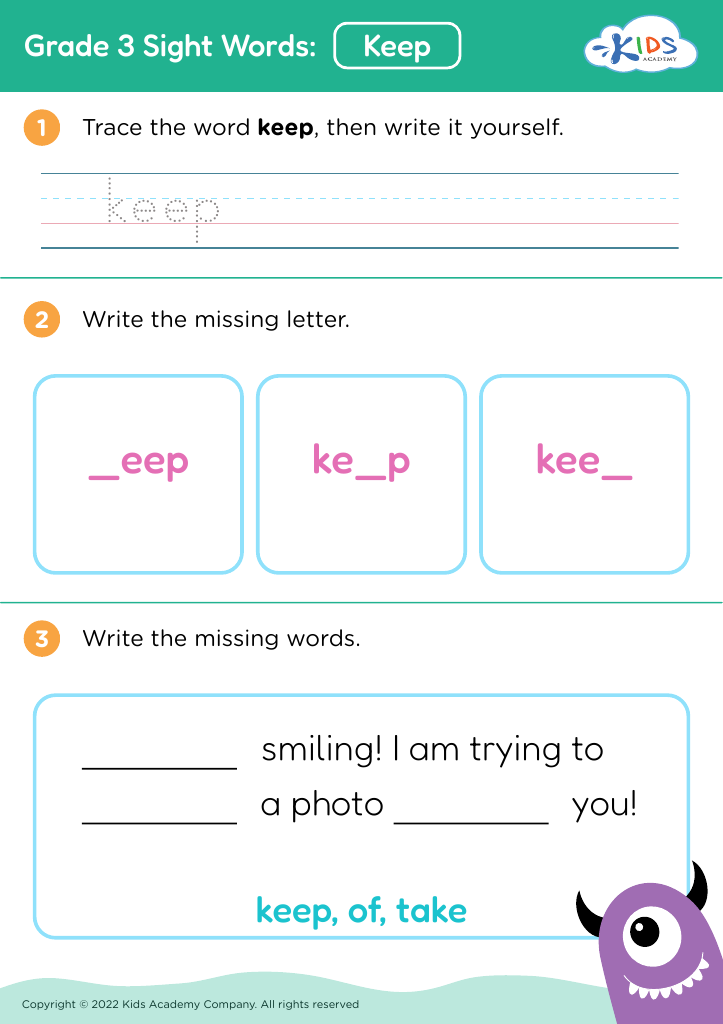
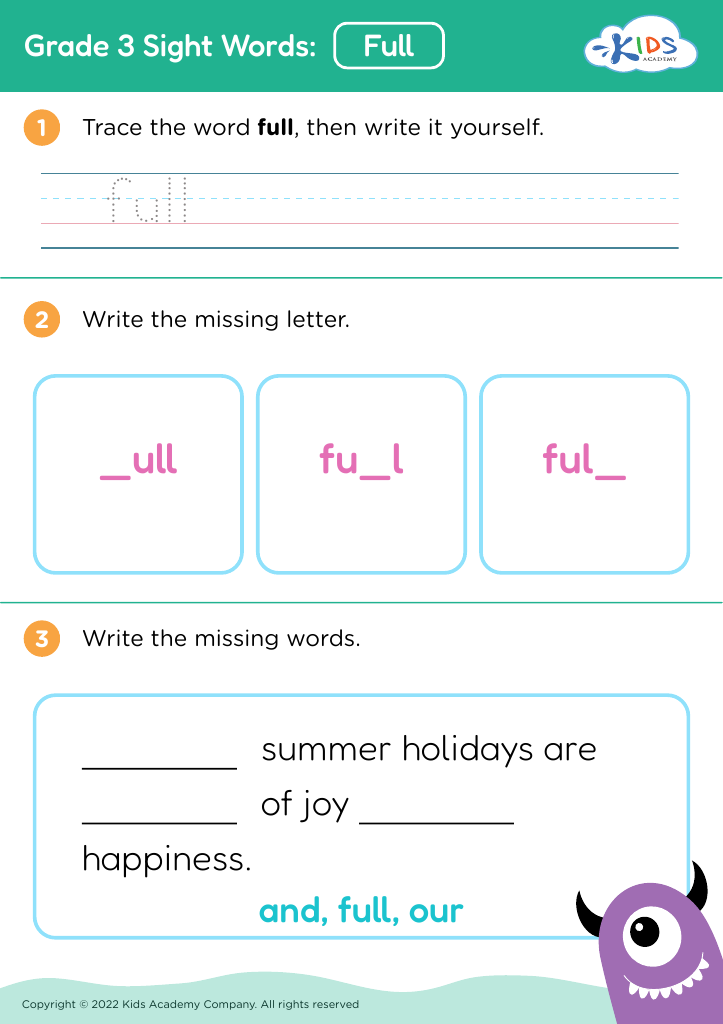
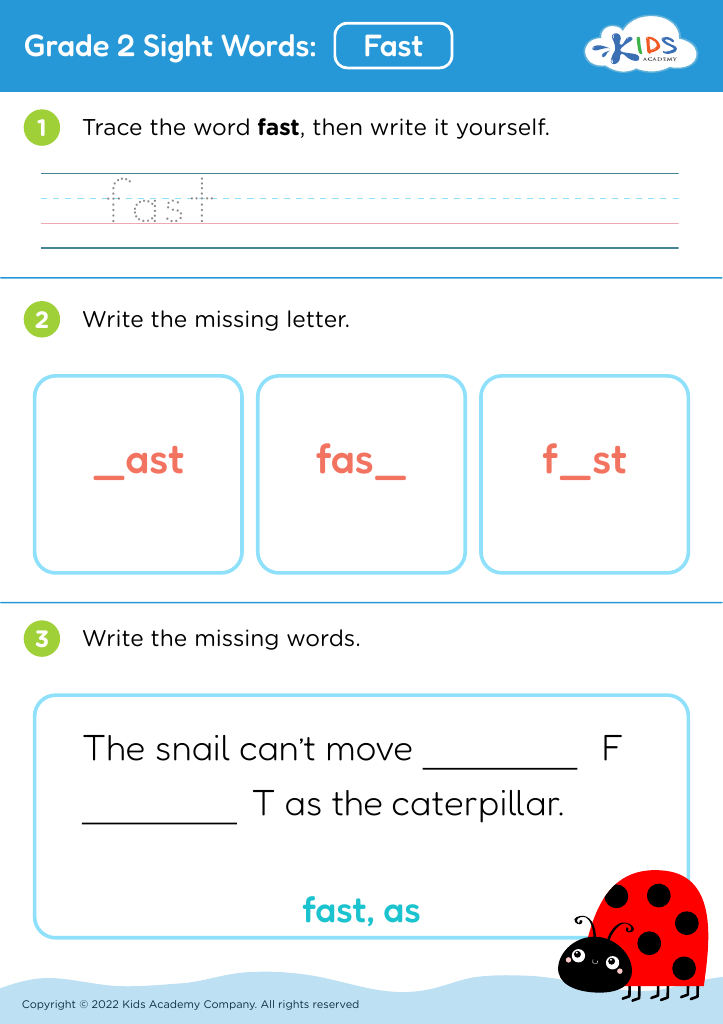
Unlock your child's potential with our "Math Problem-solving Building Vocabulary Worksheets" designed for ages 5-8. These engaging resources seamlessly blend vocabulary enrichment with foundational math skills. Kids will strengthen their language and think critically while solving fun, age-appropriate math problems. Each worksheet is structured to boost confidence and understanding, using engaging activities like word searches, matching exercises, and illustrative problems. Tailored to develop both math and reading skills, our worksheets offer a holistic approach to learning. Perfect for classroom use or at-home practice, set your child on the path to academic success with delightful and effective learning tools.













.jpg)





Building vocabulary for math problem-solving in young children, ages 5-8, is crucial for several reasons. Firstly, a strong math vocabulary enhances comprehension. When children understand terms like "add," "subtract," "greater than," and "less than," they can follow instructions more easily, grasp concepts faster, and solve problems more accurately. Without this foundational knowledge, word problems become confusing puzzles of unfamiliar words, hindering their ability to learn and progress.
Secondly, a solid math vocabulary fosters confidence and encourages participation. Children who are familiar with the language of math are more likely to engage in classroom discussions and demonstrate their problem-solving strategies. This involvement not only reinforces their understanding but also makes math challenging yet exciting, fostering a positive attitude towards the subject.
Moreover, math vocabulary is integral to developing critical thinking and reasoning skills. By interpreting and using math terms correctly, children practice logical thinking and form connections between different concepts, enhancing their overall analytical abilities.
Lastly, mastering math vocabulary at a young age sets the stage for future academic success. As math becomes more abstract and complex in higher grades, a robust foundational vocabulary enables students to tackle advanced problems with confidence. Thus, both parents and teachers should prioritize building this essential language component, ensuring a strong mathematical and cognitive development.








