
Multiplication practice Building Vocabulary Worksheets for Ages 5-8
5 filtered results
Difficulty Level
Grade
Age
-
From - To
Subject
Activity
Standards
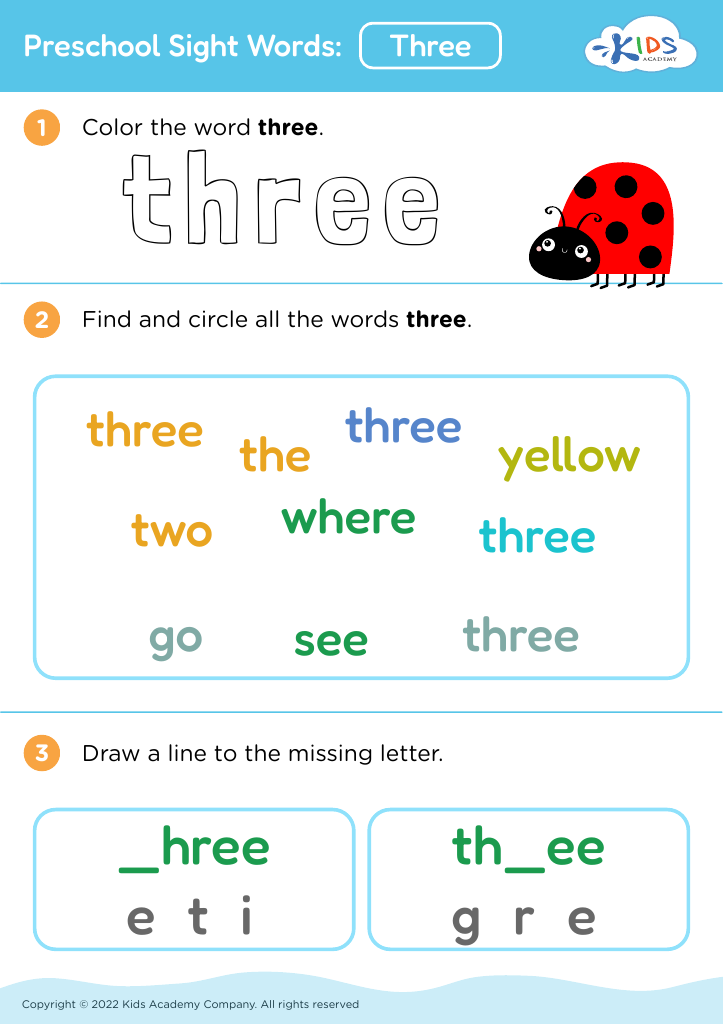
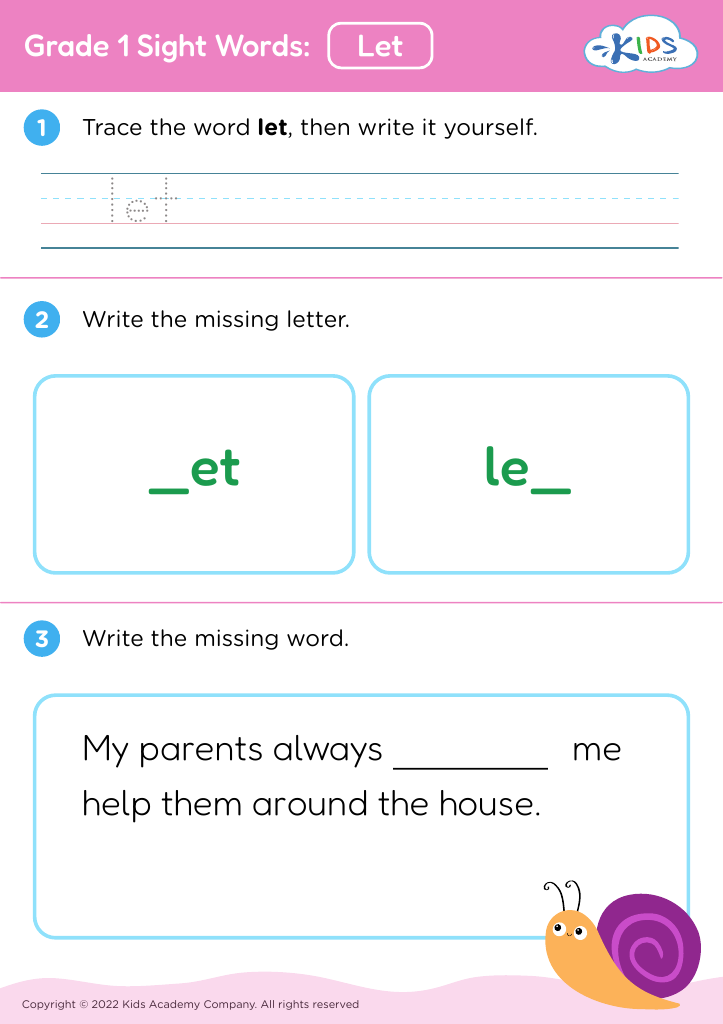
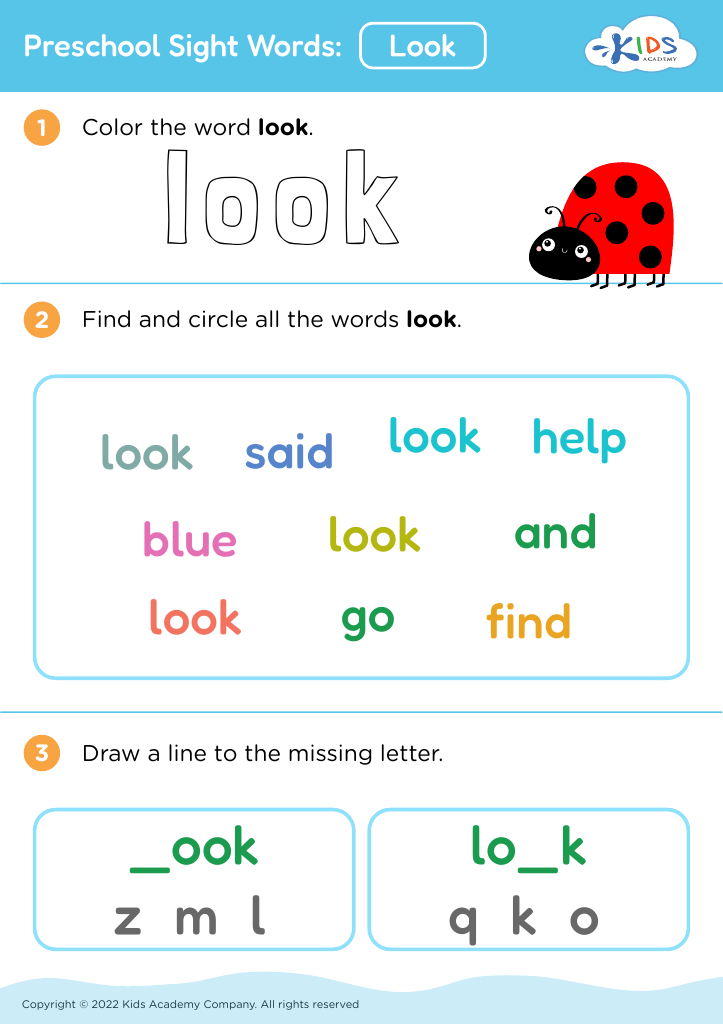
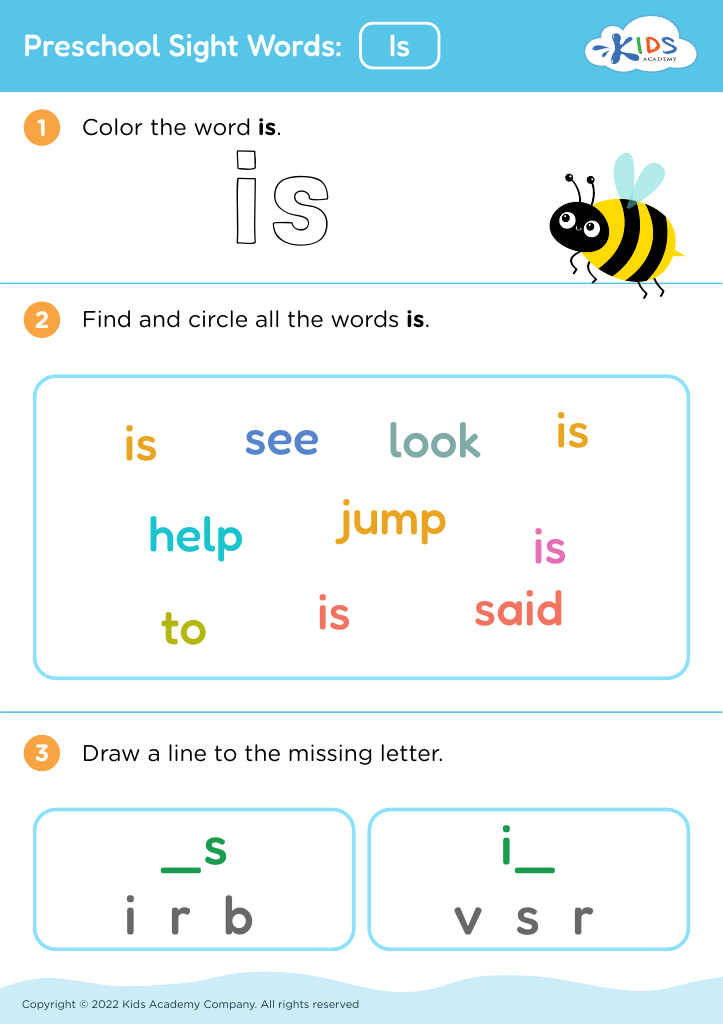
Unlock the joy of learning with our Multiplication Practice and Building Vocabulary Worksheets designed specifically for ages 5-8! These engaging worksheets combine essential multiplication skills with vocabulary development, allowing young learners to master math concepts while enhancing their language abilities. Each worksheet is thoughtfully crafted to encourage critical thinking and foster a love for learning. As students work through fun exercises, they build confidence in their multiplication skills and vocabulary knowledge. Ideal for both classroom settings and home practice, our worksheets provide a comprehensive approach to early education. Discover the perfect tools to enrich your child’s learning experience today!
Favorites
With answer key
Interactive











Join Kids Academy for Free
Who is primarily going to use this learning content?






.jpg)

Multiplication practice is a crucial component of early mathematical development for children aged 5-8, laying the foundation for more complex arithmetic concepts. Parents and teachers should care about this practice because it enhances not only computational skills but also boosts overall confidence in problem-solving. At this age, children are naturally curious and open to learning; therefore, instilling multiplication understanding early helps in their academic journey.
Moreover, integrating multiplication practice with vocabulary building multiplies its benefits. When children learn mathematical terms while developing multiplication skills, they better understand the language of math, enriching their ability to communicate numerical concepts clearly. This dual emphasis on both math and language supports cognitive development and reinforces the idea that math is not just about numbers, but also about verbal expression.
Additionally, frequent practice and usage of terms such as "factors," "products," and "multiples" in various contexts can make learning more engaging. By incorporating games, songs, and interactive activities, parents and teachers can create a comprehensive learning environment. This holistic approach not only prepares children for future math challenges but also fosters a love for learning, making it a fundamental area for developmental focus.








