
Numerical problem solving Building Vocabulary Worksheets for Ages 5-8
3 filtered results
Difficulty Level
Grade
Age
-
From - To
Subject
Activity
Standards
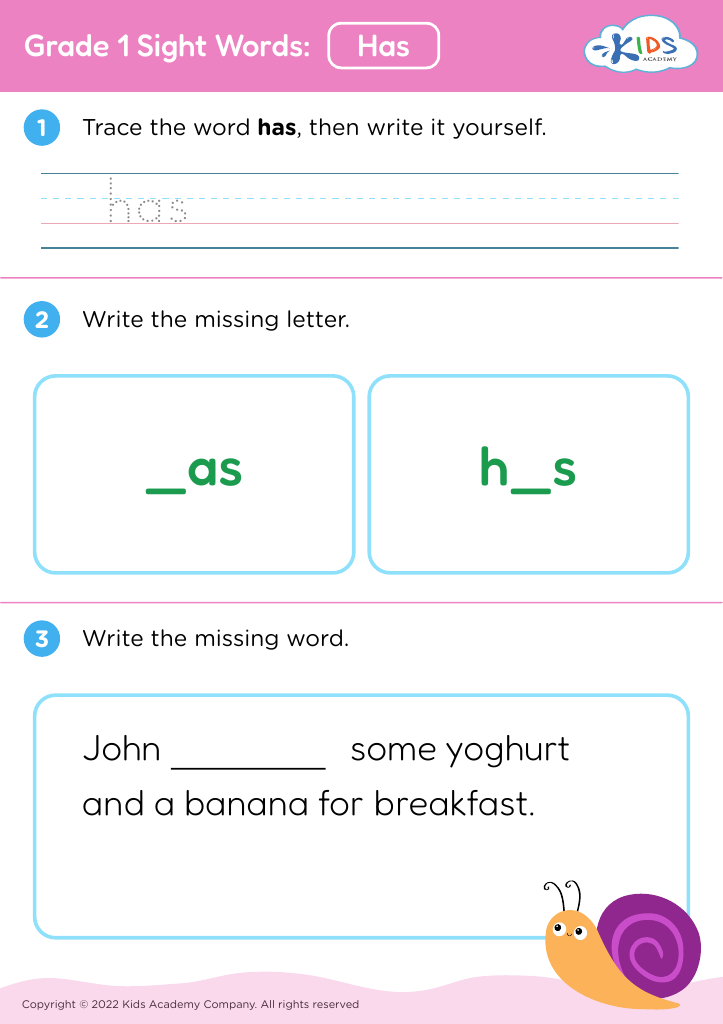
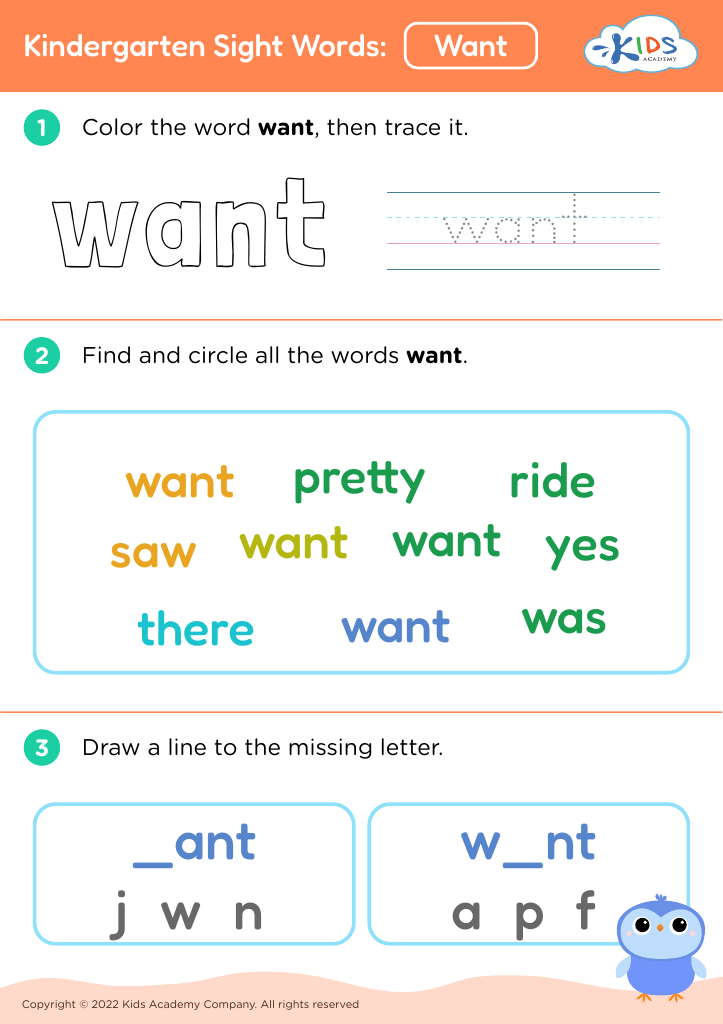
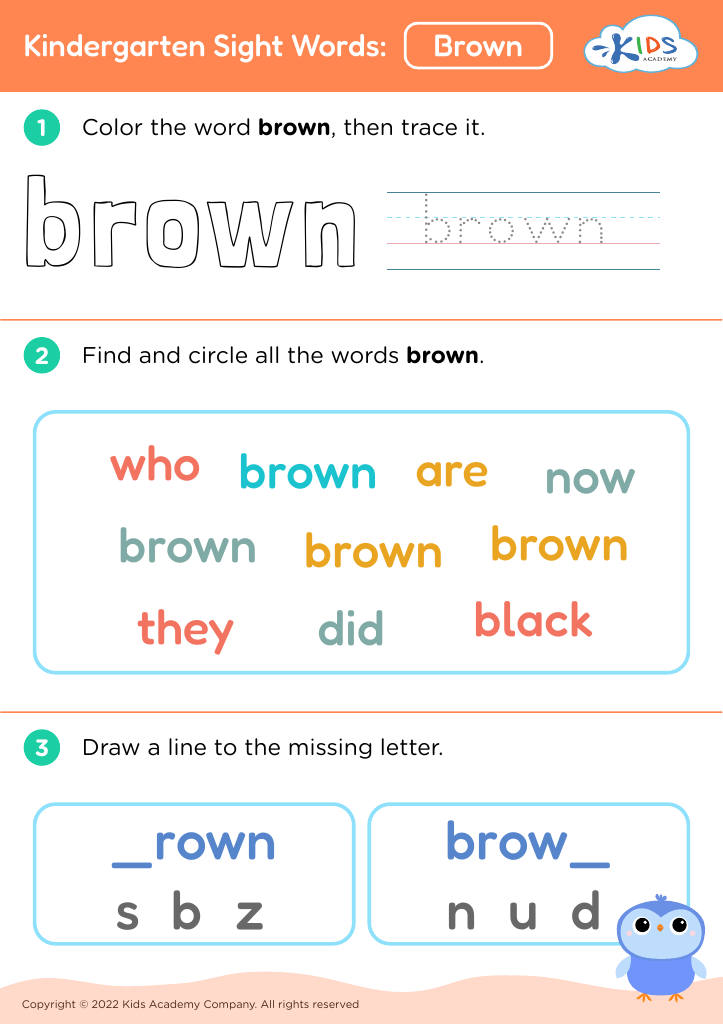
Unlock your child's potential in numerical problem-solving with our engaging Building Vocabulary Worksheets for ages 5-8! Designed to enhance both math skills and vocabulary comprehension, these worksheets encourage young learners to tackle numbers and words through fun, interactive activities. Each worksheet focuses on essential concepts like addition, subtraction, and word problems while introducing relevant vocabulary in context, making learning enjoyable and effective. With colorful illustrations and child-friendly language, these resources keep students motivated and excited about mastering numerical concepts and building a robust vocabulary. Perfect for home or classroom use, they provide a solid foundation for future academic success!
Favorites
With answer key
Interactive











Join Kids Academy for Free
Who is primarily going to use this learning content?



.jpg)




Parents and teachers should prioritize numerical problem-solving and vocabulary building for children ages 5-8 for several compelling reasons. First, these skills form the foundation for future academic success. Numerical problem-solving promotes critical thinking and analytical skills, essential not only in mathematics but also in sciences and everyday decision-making. Engaging students in solving local problems helps them apply mathematical concepts practically, enhancing their understanding and retention.
Building vocabulary during these formative years is equally vital, as language is the basis of communication and comprehension. A robust vocabulary enables children to express their thoughts clearly and understand complex concepts in various subjects. These skills contribute to better reading comprehension, allowing children to thrive in academic settings.
Moreover, integrating numerical problem-solving with vocabulary development fosters a more holistic approach to learning, encouraging interdisciplinary connections. For instance, discussing math problems using rich language helps students articulate their thought processes and enhances their reasoning skills.
Lastly, both skill sets promote confidence and resilience. By overcoming challenges in numerical tasks and expanding their vocabulary, children learn persistence and celebrate successes, setting a positive tone for lifelong learning. Thus, investing in these areas is essential for nurturing well-rounded individuals prepared for future challenges.








