Phonics recognition Building Vocabulary Worksheets for Ages 5-8
5 filtered results
-
From - To
Explore our engaging Phonics Recognition Building Vocabulary Worksheets designed specifically for children ages 5-8! These interactive worksheets help young learners develop essential phonics skills while enhancing their vocabulary. Through fun activities, kids will practice recognizing sounds, blending letters, and decoding words, setting a solid foundation for reading success. Our well-structured exercises are perfect for at-home practice or classroom assignments, ensuring children stay motivated and excited about learning. Each worksheet aligns with educational standards, making it a valuable resource for early grade teachers and parents alike. Start your child’s reading journey today and watch their confidence soar with our phonics recognition activities!
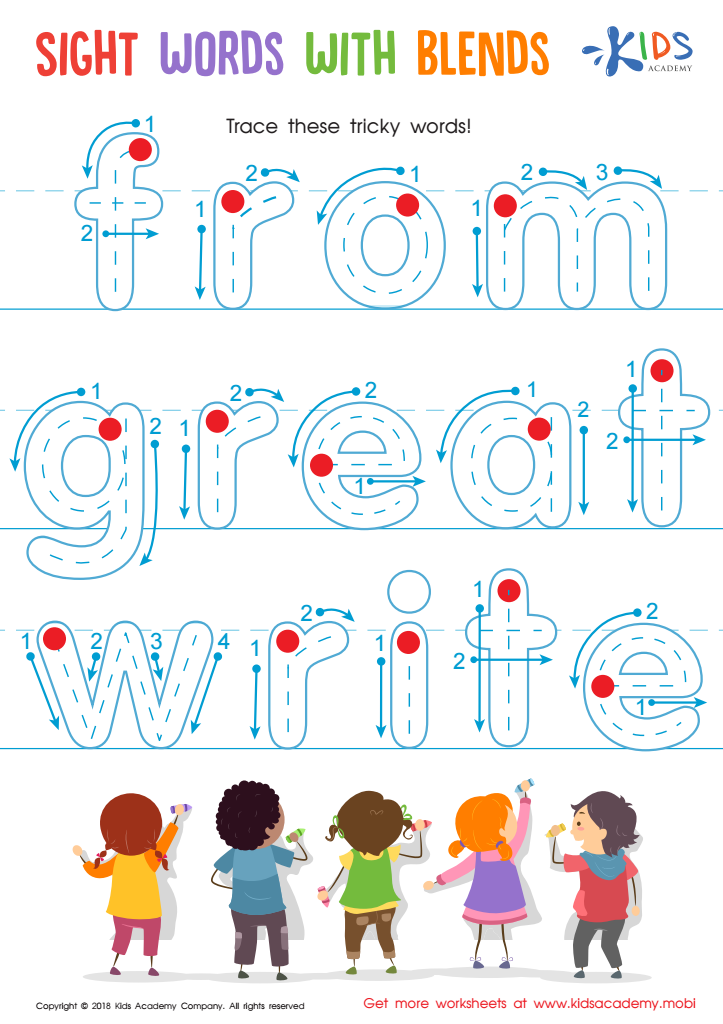
Sight Words with Blends Worksheet
 Assign to My Students











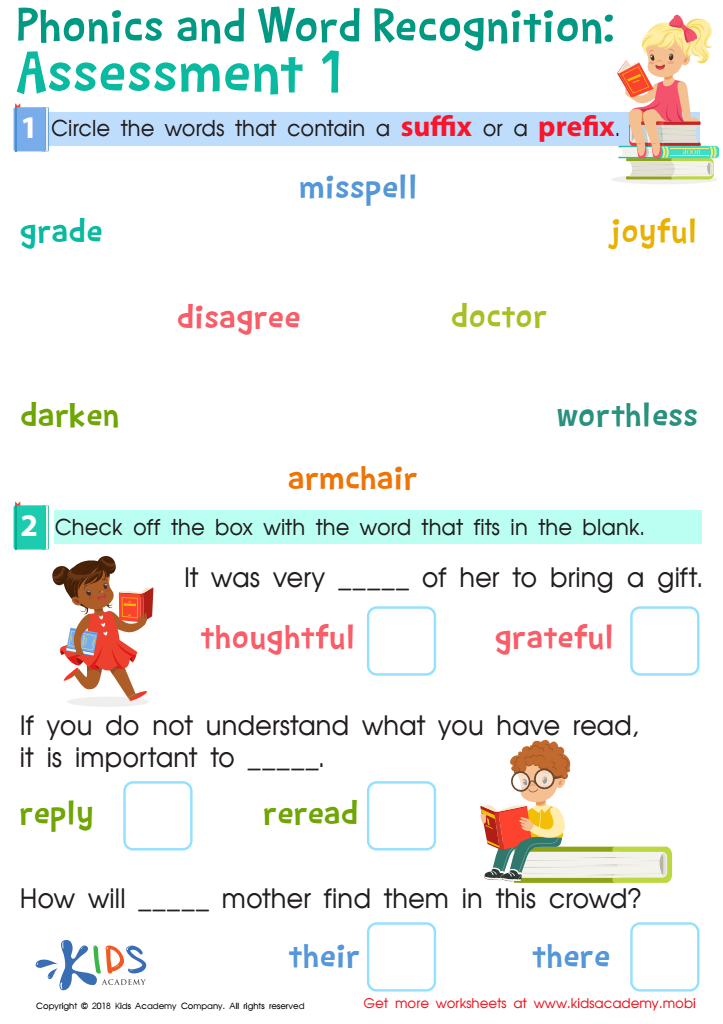
Phonics and Word Recognition: Assessment 1 Worksheet
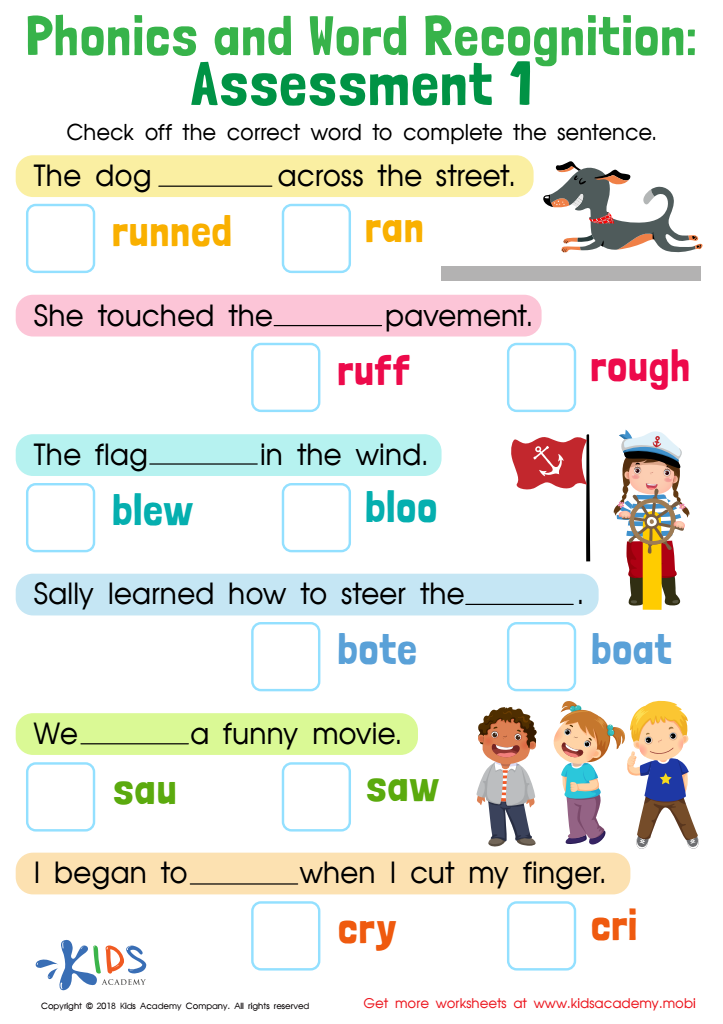
Phonics and Word Recognition: Assessment 1 Worksheet
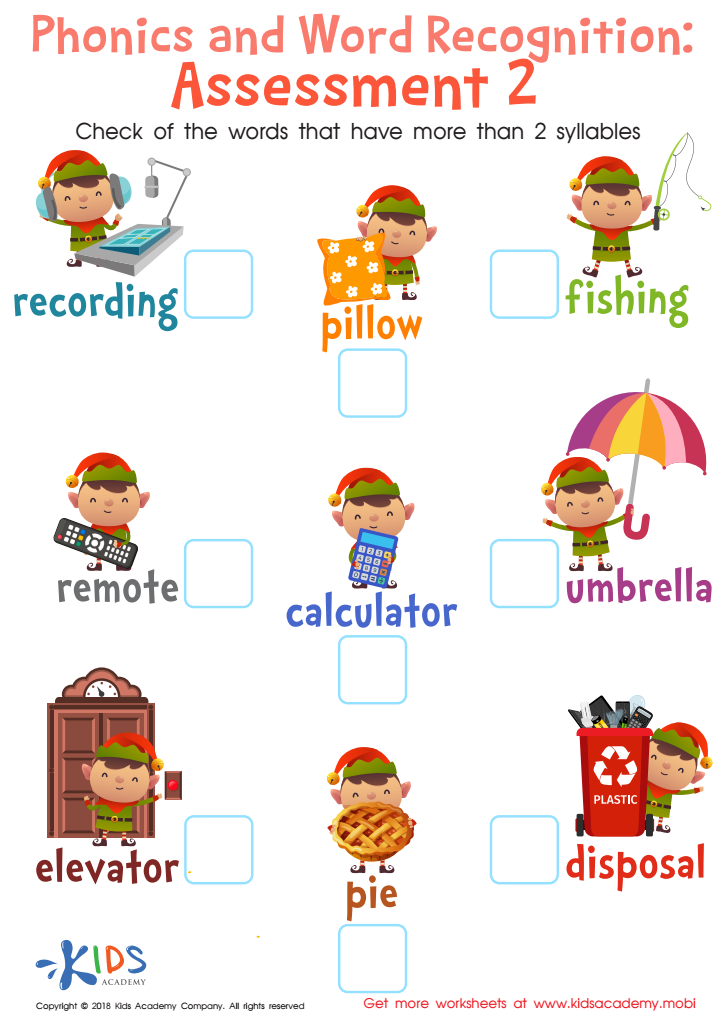
Phonics and Word Recognition: Assessment 2 Worksheet
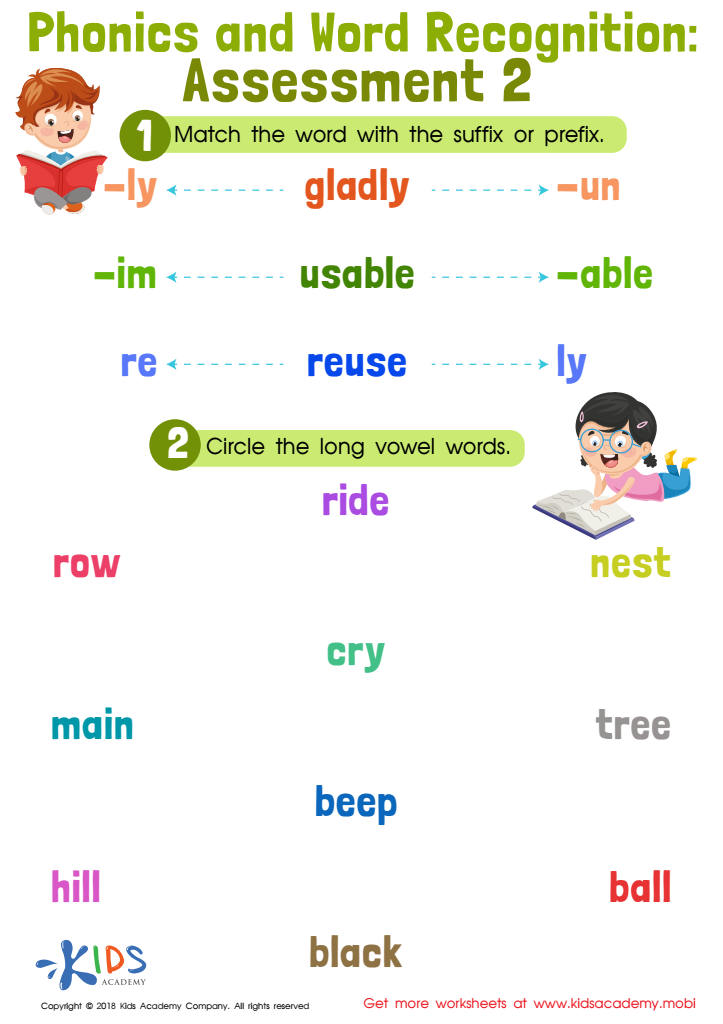
Phonics and Word Recognition: Assessment 2








Phonics recognition and building vocabulary are crucial for children aged 5-8 as they lay the foundation for successful reading and writing skills. During these formative years, children are rapidly developing their language abilities, making it essential for parents and teachers to prioritize phonics and vocabulary development.
Phonics helps children learn the relationship between letters and sounds, enabling them to decode words independently. Proficiency in phonics not only boosts reading fluency but also enhances comprehension. When children can sound out words, they become more confident readers, fostering a love for literature and learning.
Building vocabulary further enriches a child's language skills, exposing them to new concepts and ideas. A robust vocabulary aids in better expression and communication, helping children articulate their thoughts and emotions clearly. Additionally, a well-developed vocabulary contributes to academic success across subjects.
By emphasizing phonics and vocabulary, parents and teachers can create an engaging learning environment that supports the holistic development of children. This foundational literacy not only prepares them for future educational challenges but also equips them with essential skills for lifelong learning. Prioritizing these aspects in early education nurtures insightful, knowledgeable, and confident individuals ready to explore the world around them.








