Story sequencing Building Vocabulary Worksheets for Ages 5-8
5 filtered results
-
From - To
Enhance your child's reading skills with our engaging Story Sequencing Building Vocabulary Worksheets, designed specifically for ages 5-8. These worksheets are perfect for developing essential literacy skills, allowing young learners to practice logical thinking, comprehension, and vocabulary building through interactive storytelling. Kids will love arranging story events in the correct order, enhancing their sequencing abilities while fostering creativity and understanding. Ideal for classroom use or at-home learning, these resources are aligned with educational standards, making learning both fun and effective. Support your child’s reading journey and watch their confidence grow as they master the art of storytelling with these enjoyable, skill-building activities!
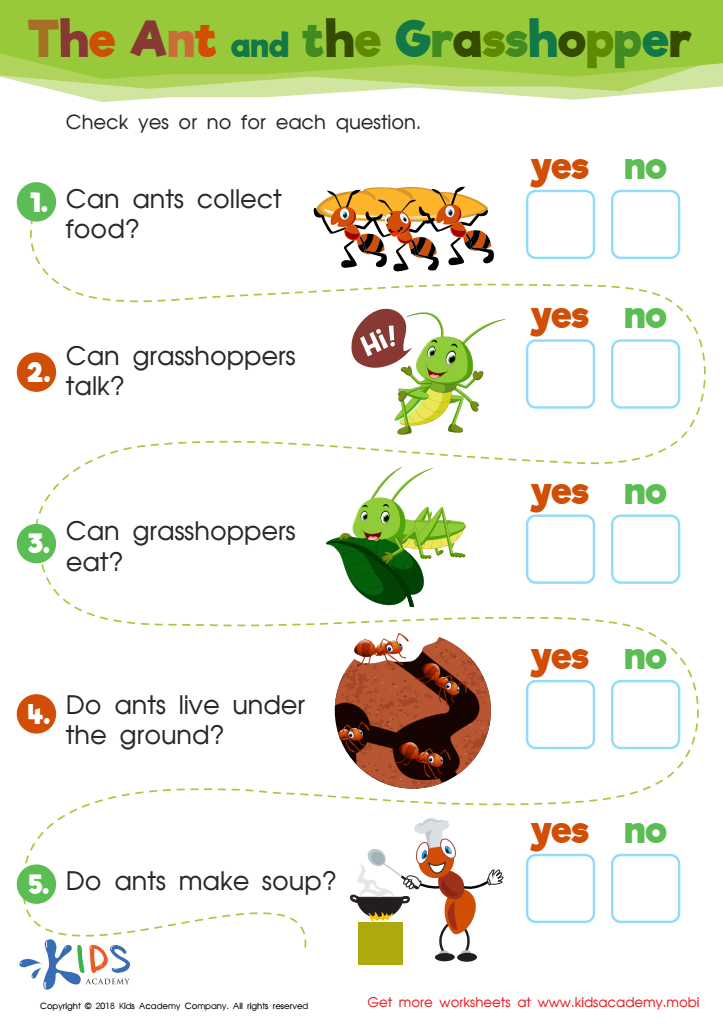
The Ant and The Grasshopper Worksheet
 Assign to My Students











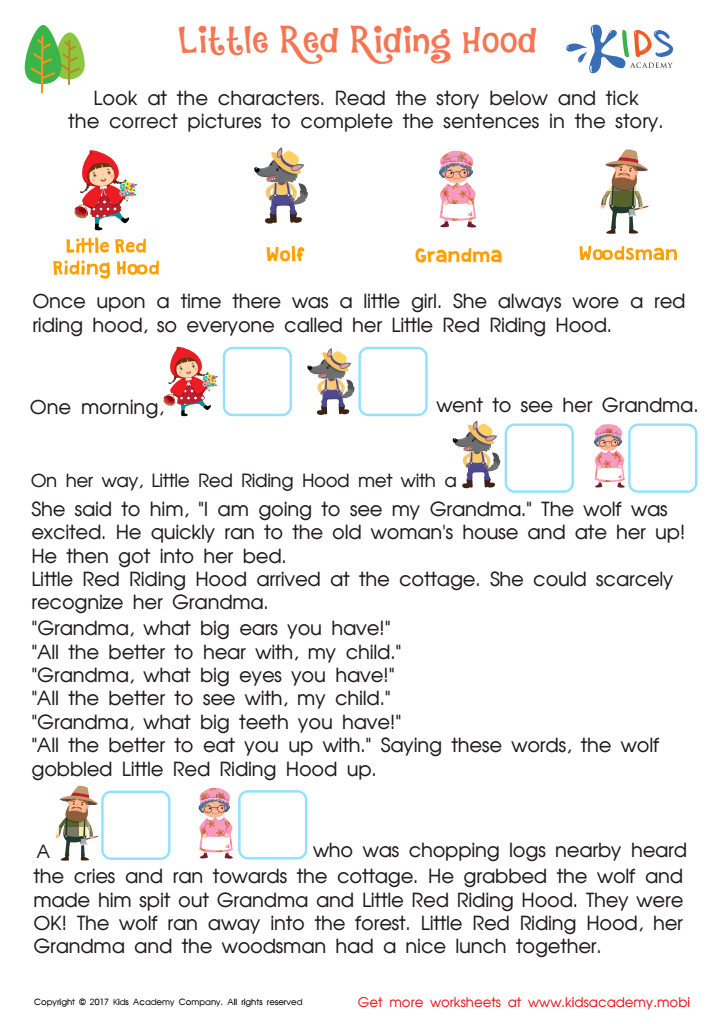
Little Red Riding Hood Printable
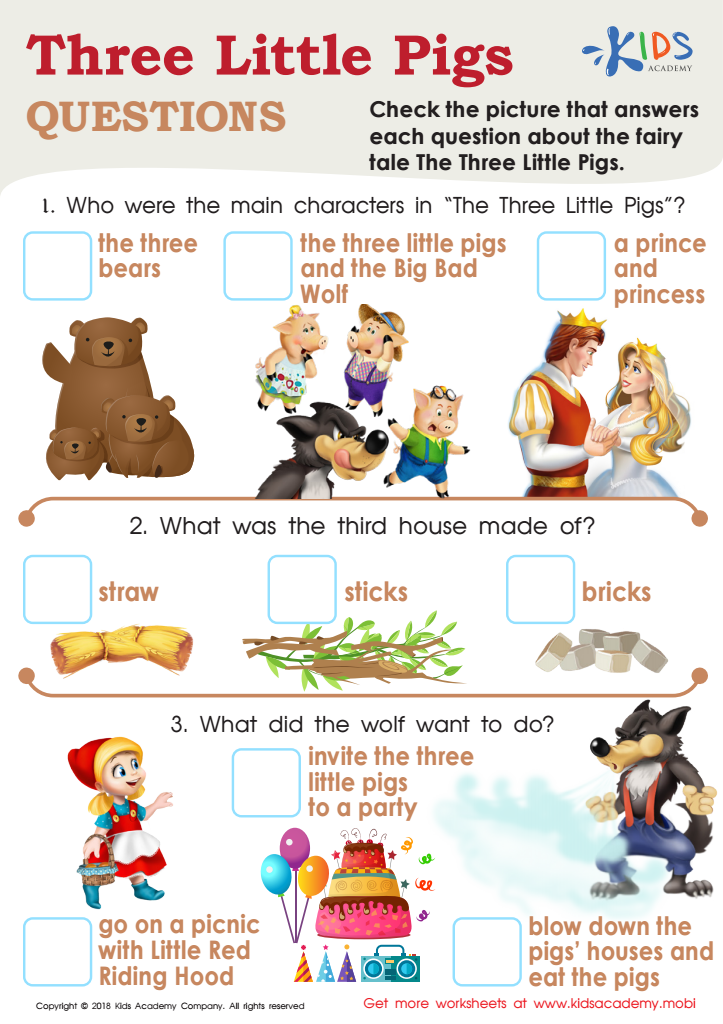
Three Little Pigs Questions Worksheet
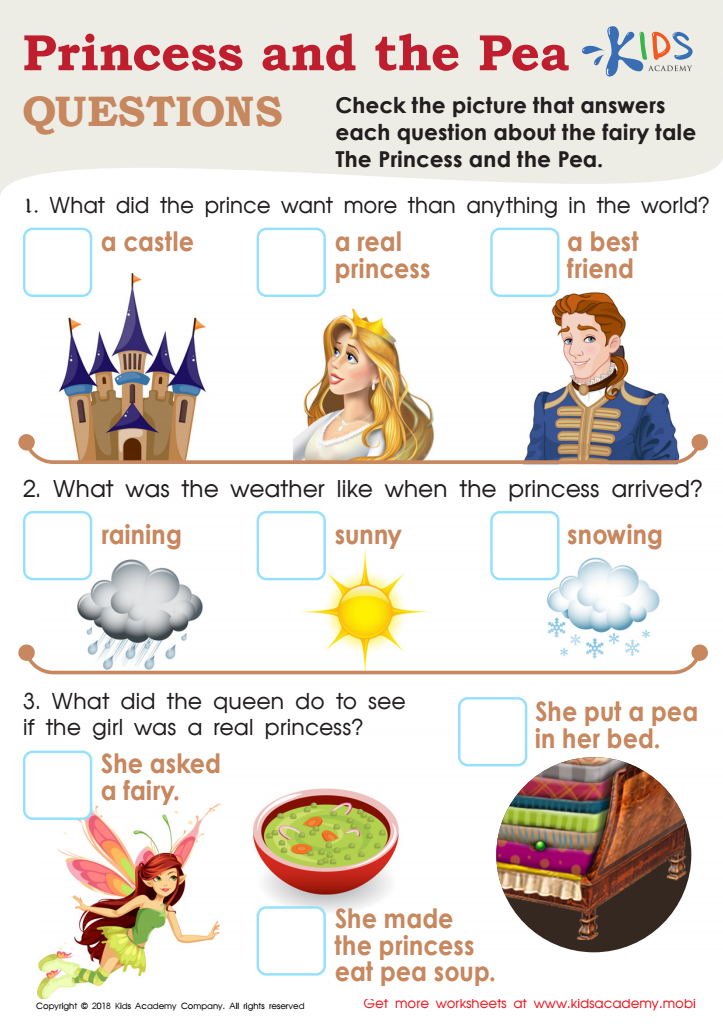
Princess and the Pea Questions Worksheet
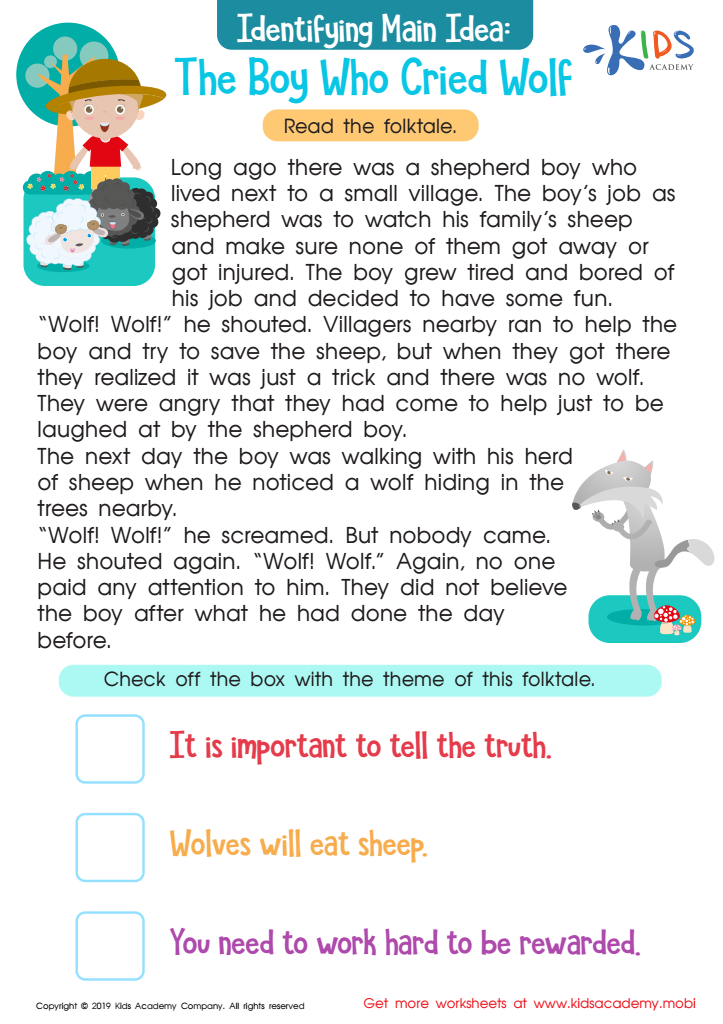
The Boy Who Cried Wolf Part 2 Worksheet








Story sequencing and building vocabulary are essential components of early childhood education, particularly for children aged 5 to 8. For parents and teachers, fostering these skills significantly influences a child’s cognitive and linguistic development.
Firstly, story sequencing helps children understand the structure of narratives. By recognizing the order in which events occur, they become better equipped to comprehend stories, make predictions, and engage in critical thinking. This skill lays the groundwork for stronger reading comprehension as they progress in their education.
Additionally, building vocabulary at this stage is crucial for effective communication. A richer vocabulary allows children to express themselves more clearly and confidently. It also enhances their reading skills, as a broader vocabulary helps them decode words more efficiently and understand texts more deeply.
Together, these skills contribute to a child’s overall academic success and social interactions. Parents and teachers play vital roles in this development by providing engaging storytelling experiences, introducing new words in context, and encouraging discussions about stories. By prioritizing story sequencing and vocabulary building, adults empower children to become enthusiastic readers and articulate communicators, setting the foundation for lifelong learning and effective sharing of ideas.








