Identifying shapes Reading Worksheets for Ages 5-8
10 filtered results
-
From - To
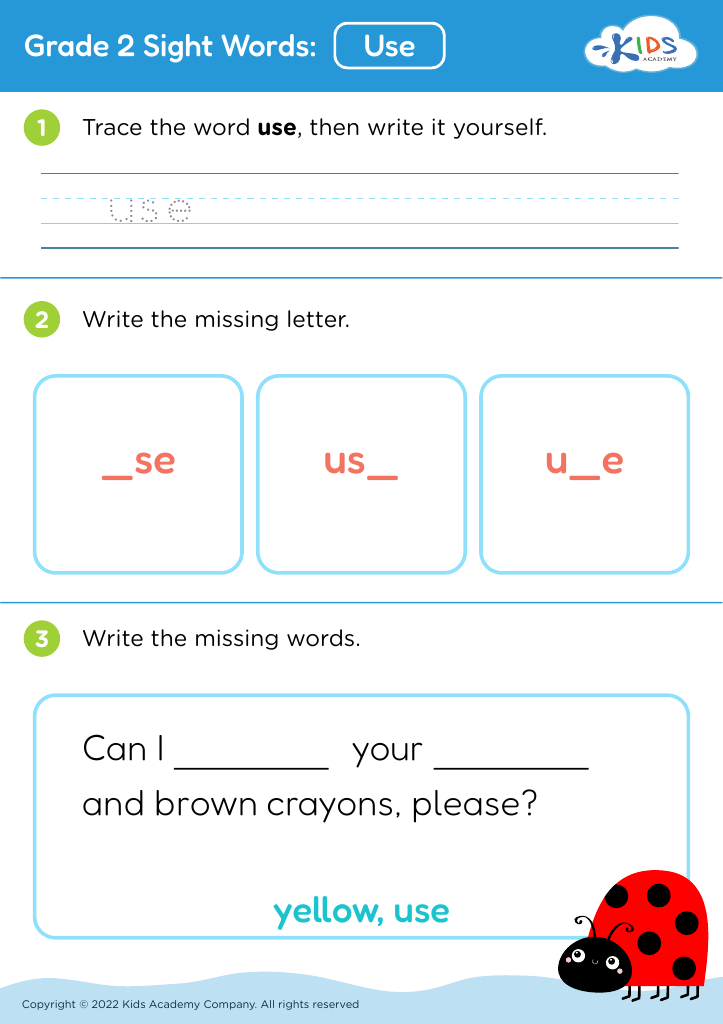
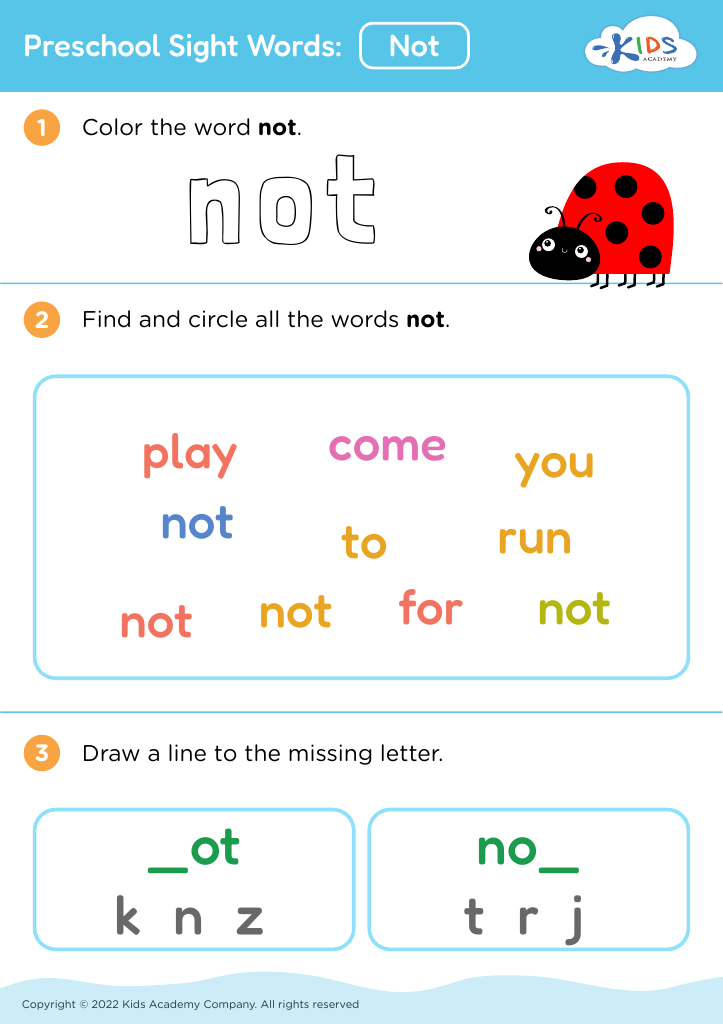
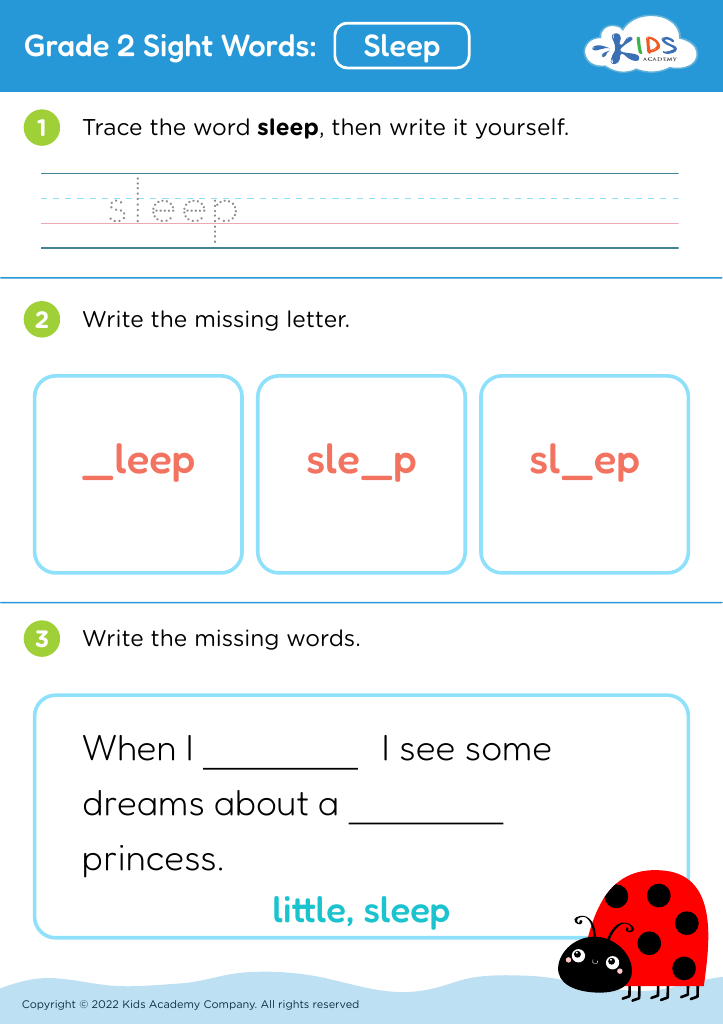
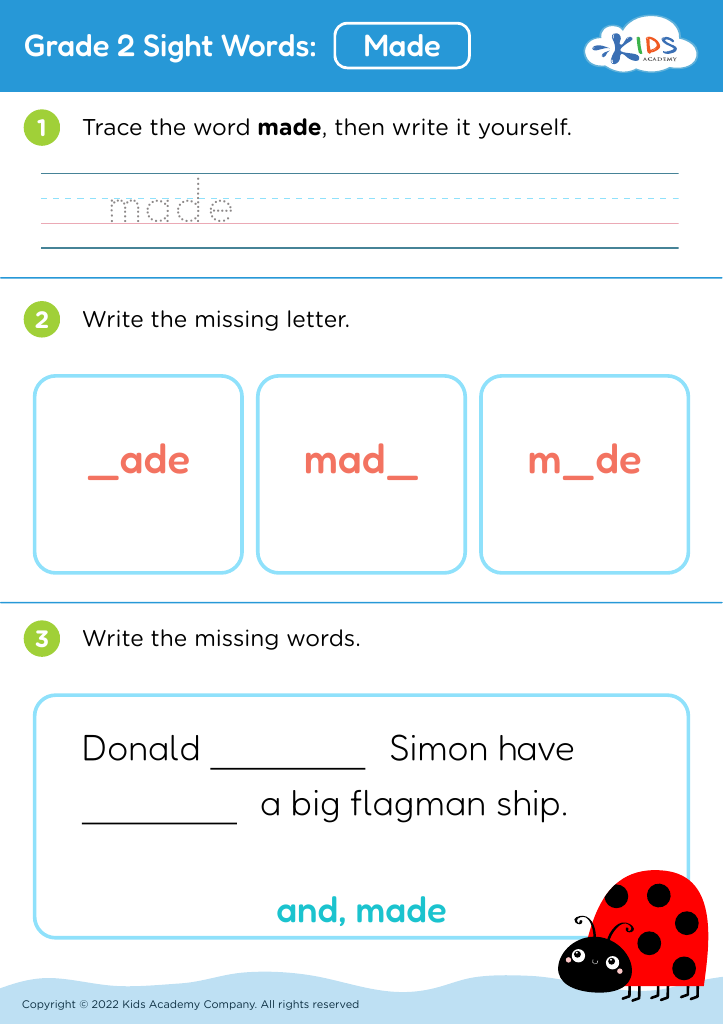
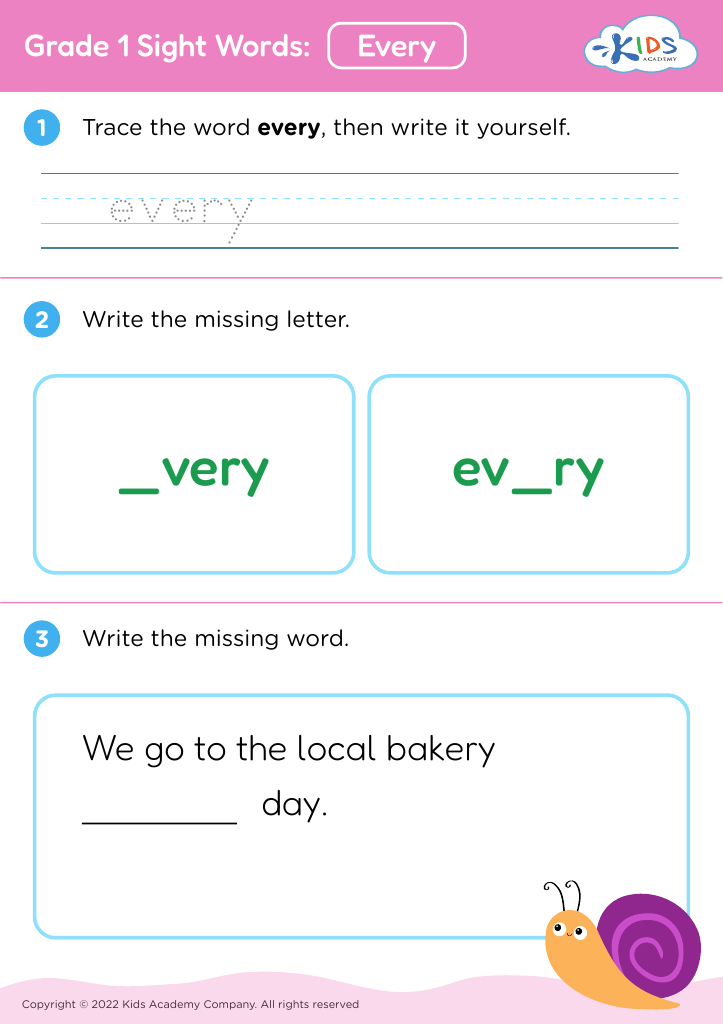
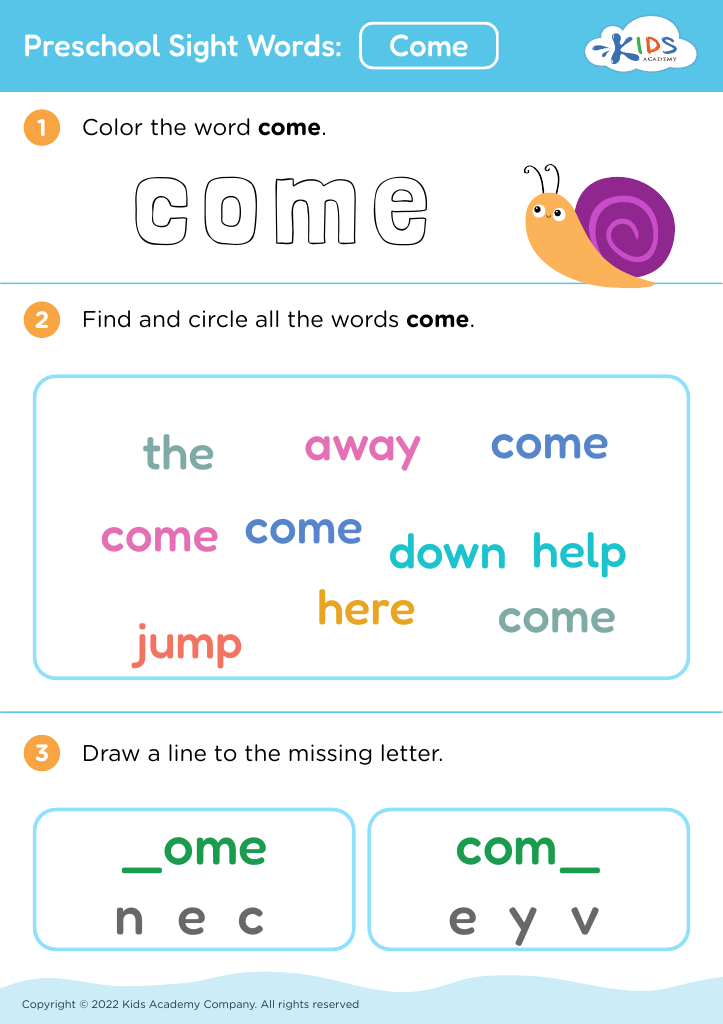
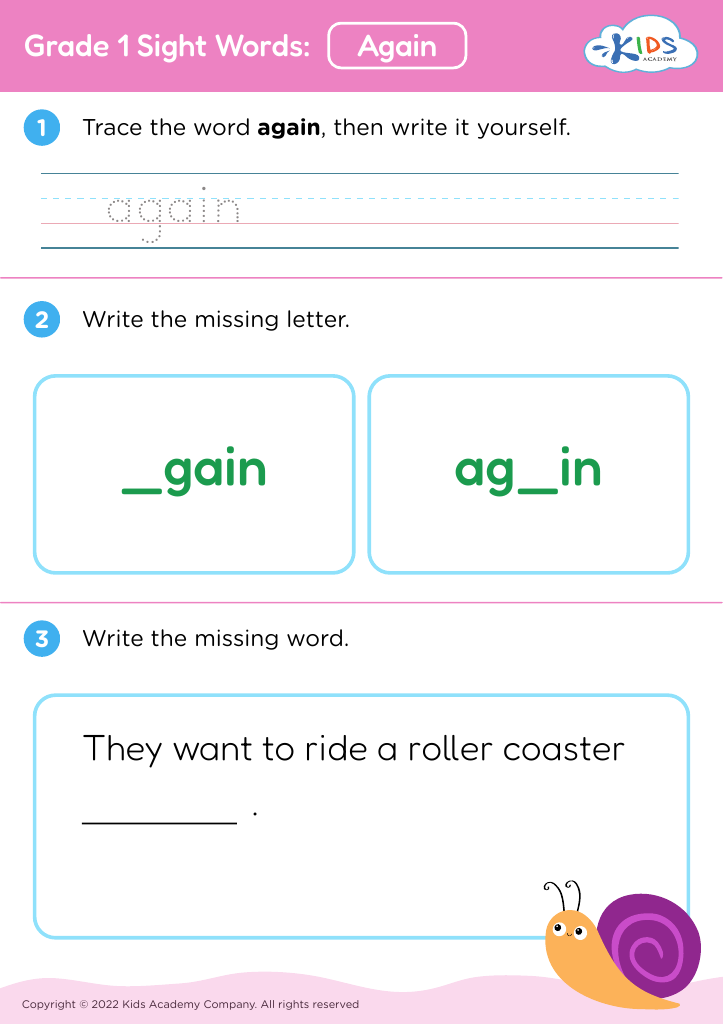
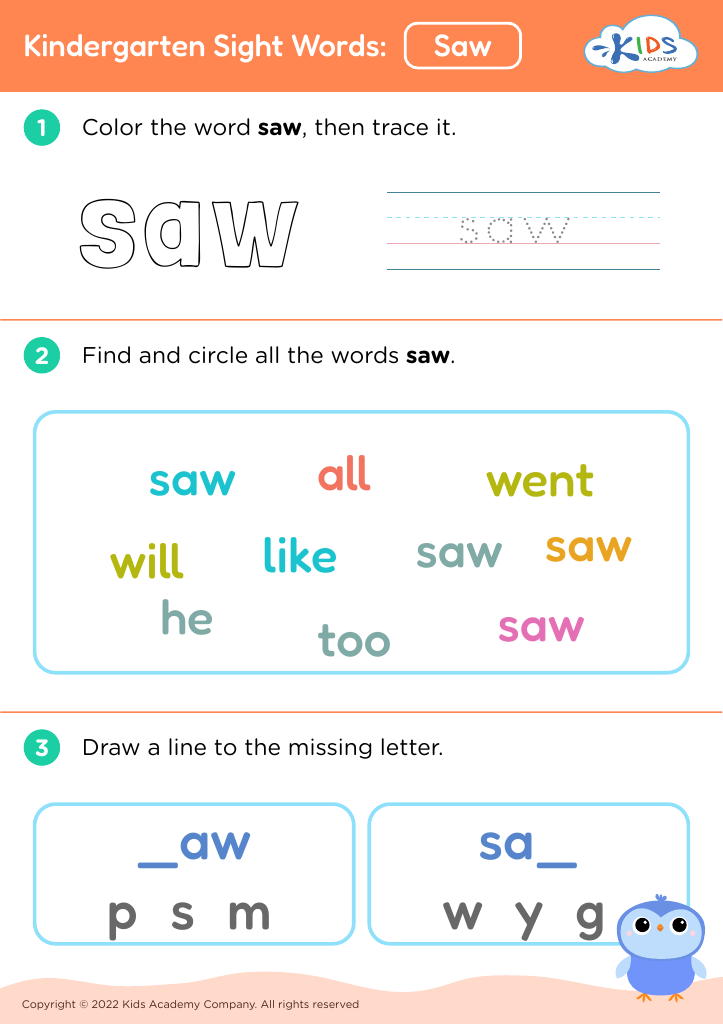
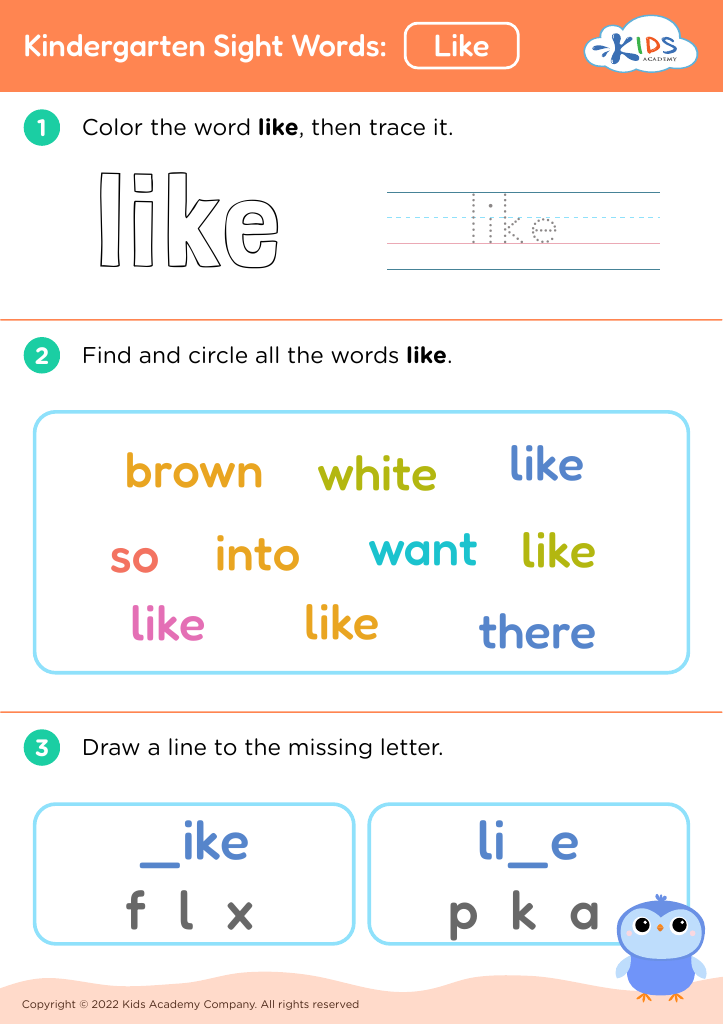
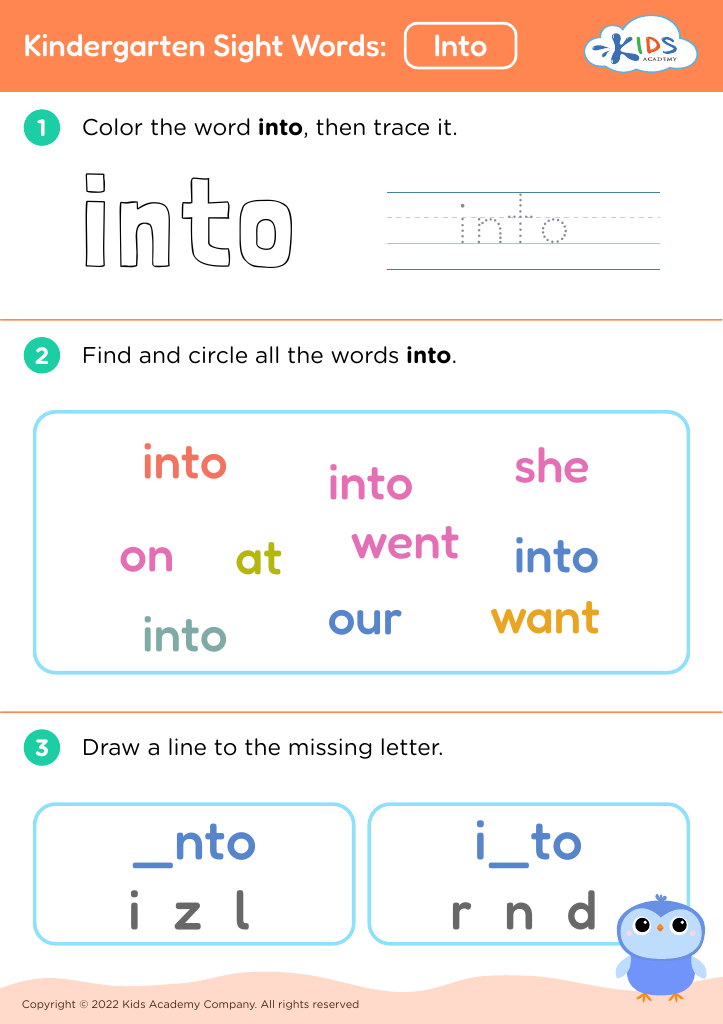
Explore our engaging Identifying Shapes Reading Worksheets, designed for children ages 5-8! These interactive resources help young learners recognize and describe various shapes through fun activities that combine reading and shape identification. Your child will enhance their vocabulary and critical thinking skills as they work through colorful illustrations and playful exercises. Each worksheet is tailored to cater to diverse learning styles, making it easier for kids to grasp concepts of geometry while reinforcing their reading abilities. Perfect for classrooms or at-home learning, these worksheets foster a love for learning in a delightful, supportive environment. Let’s make shape learning enjoyable!






.jpg)

Identifying shapes is fundamental for children aged 5-8 as it builds a strong foundation for various cognitive skills needed in their overall development. At this stage, children are refining their ability to observe and categorize objects, which enhances their spatial awareness—a skill vital for problem-solving in subjects like math and science. Recognizing shapes also helps children with pattern recognition, leading to improved analytical thinking.
Additionally, shape identification plays a crucial role in language development. By learning the names and attributes of different shapes, children expand their vocabulary and enhance their communication skills. This early literacy experience not only improves their reading and writing abilities but also encourages them to express their thoughts and ideas more clearly.
Reading activities centered around shapes can foster an engaging learning environment, stimulating curiosity and encouraging exploration. When teachers and parents emphasize shape recognition through playful interactions—such as storytelling with shape-based illustrations—they make learning enjoyable, thereby inspiring a lifelong love for learning.
Lastly, strong shape recognition skills create a sense of confidence in children, empowering them to approach complex concepts as they grow. Therefore, parents and teachers should prioritize shape identification in early education for holistic development.








