Problem-Solving Skills Reading Worksheets for Ages 5-8 - Page 2
47 filtered results
-
From - To
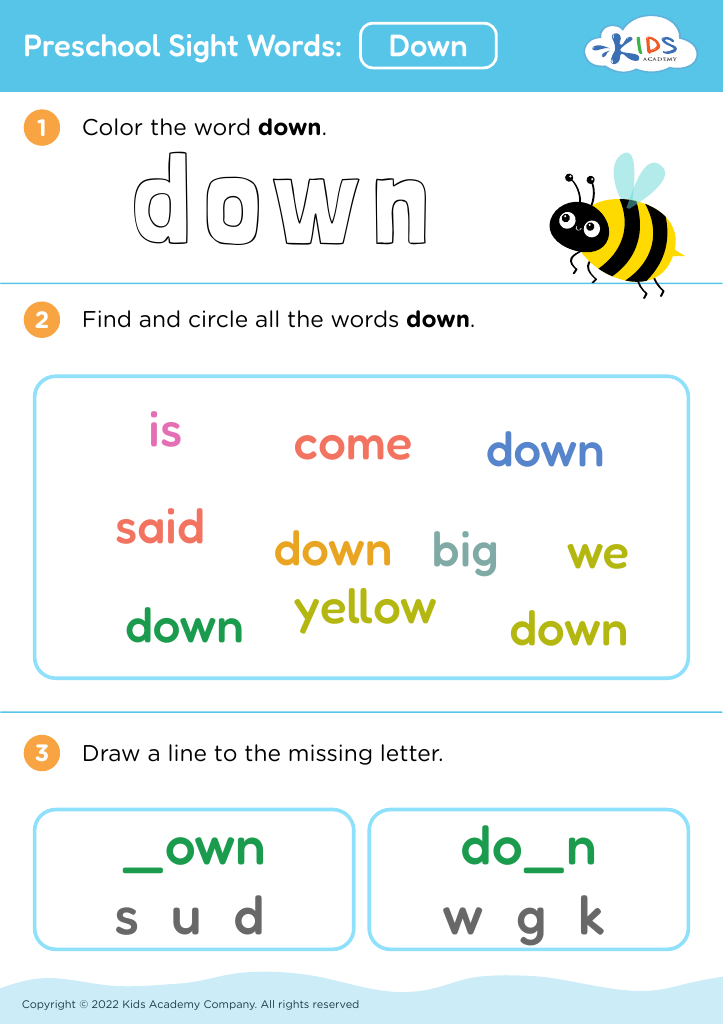
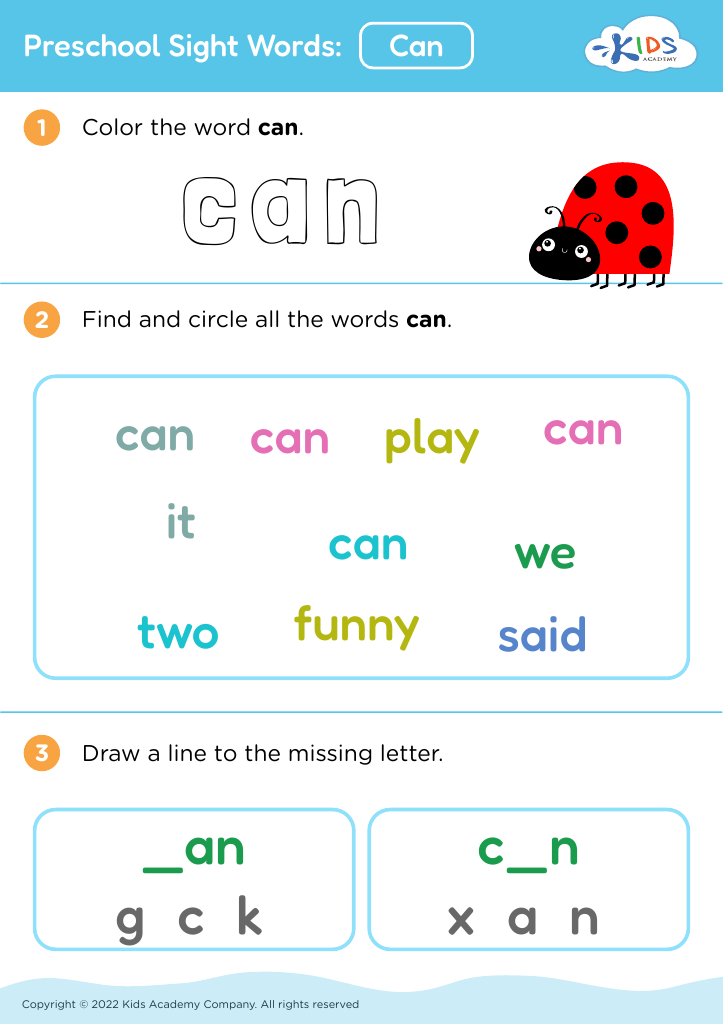
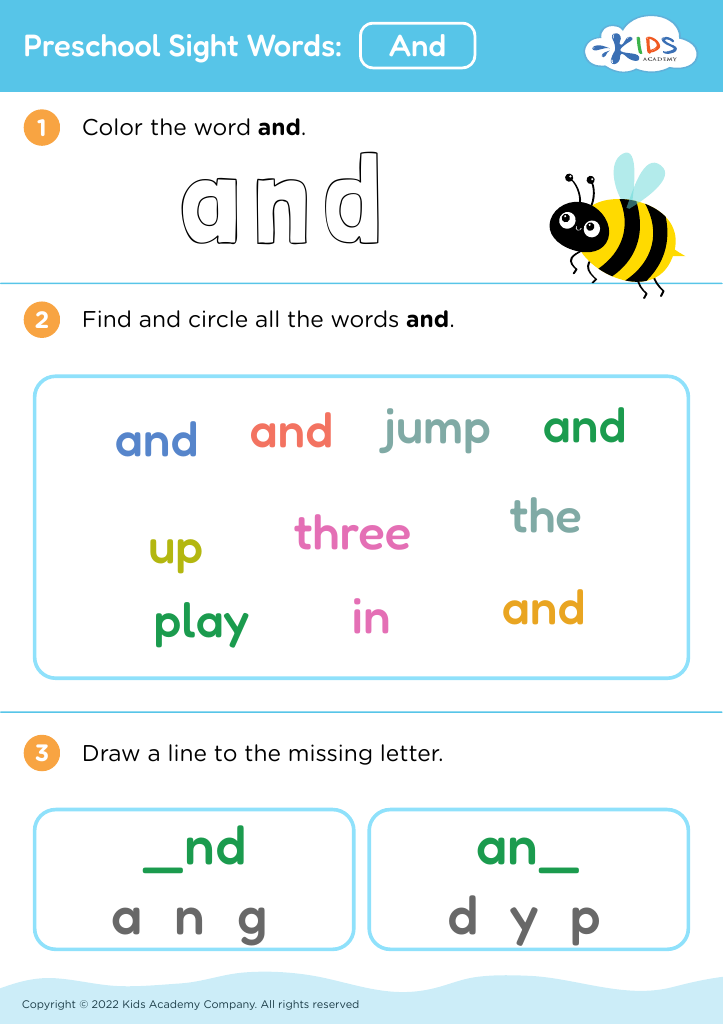
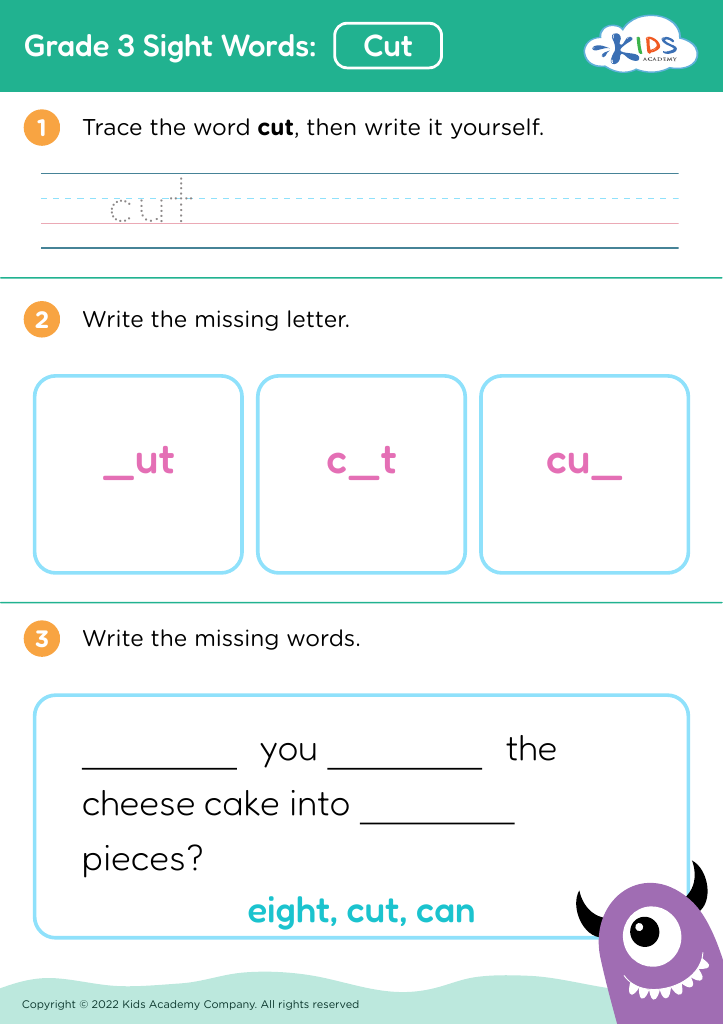
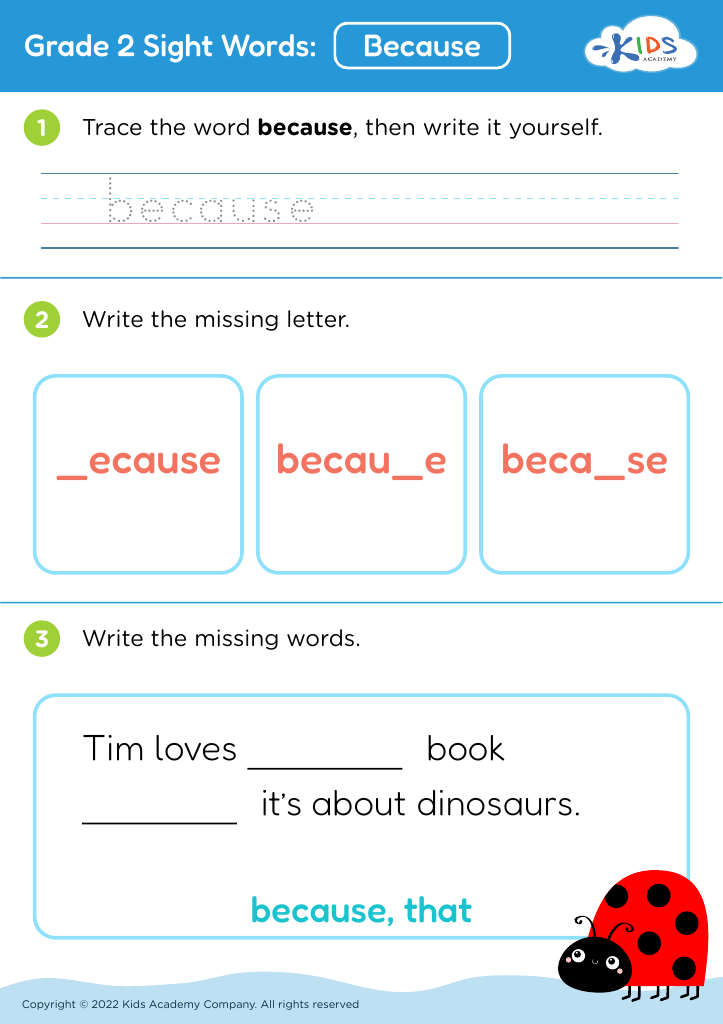
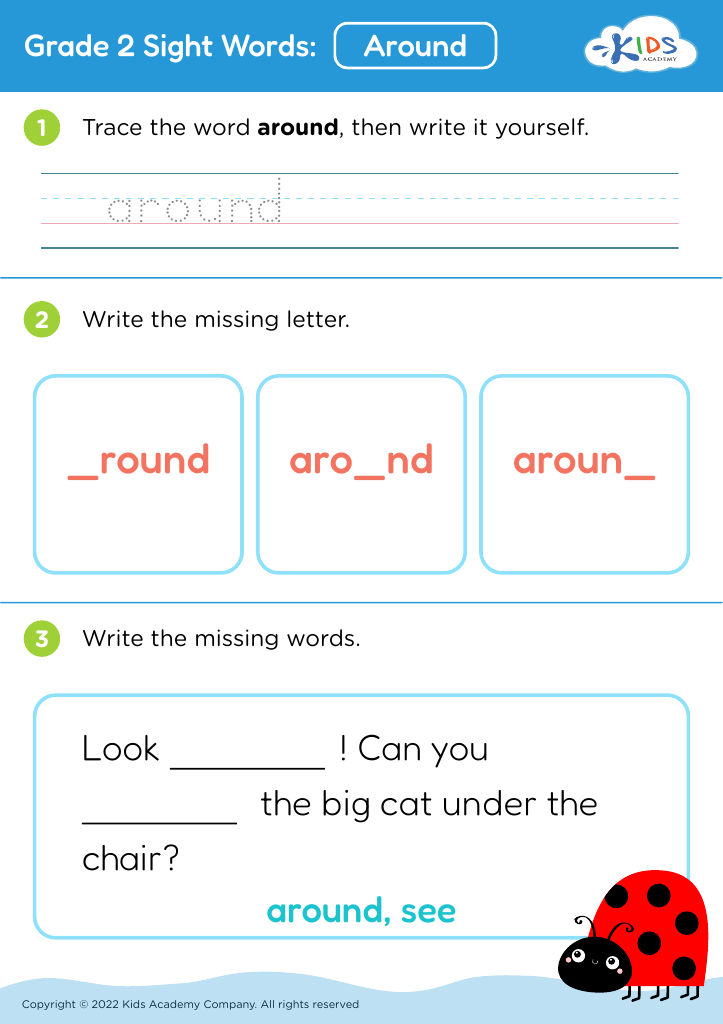
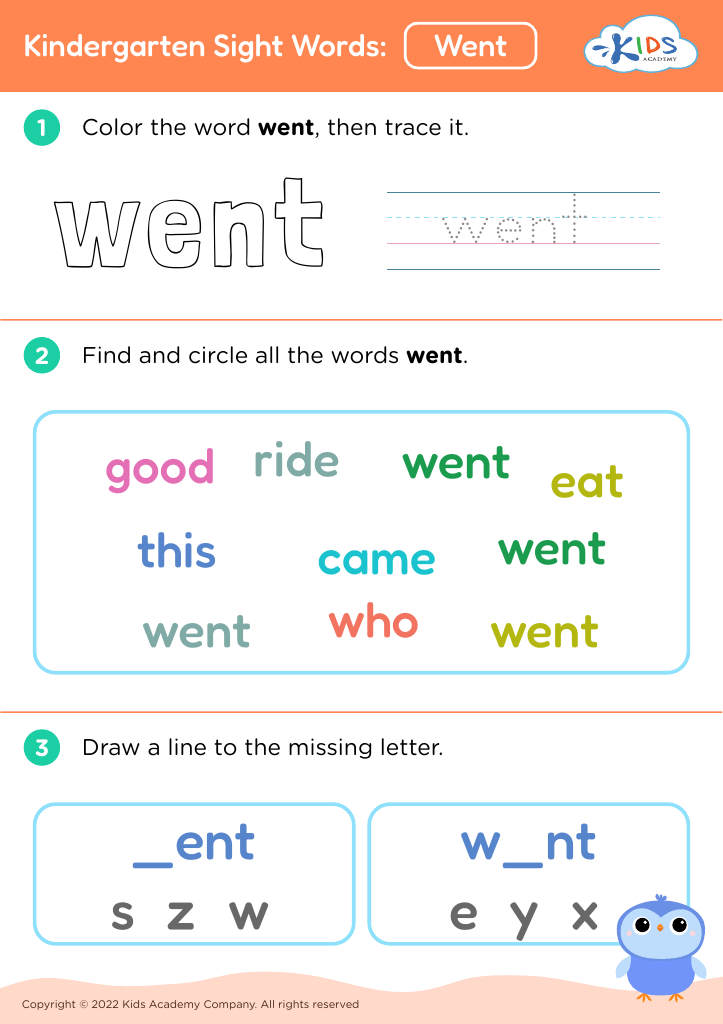
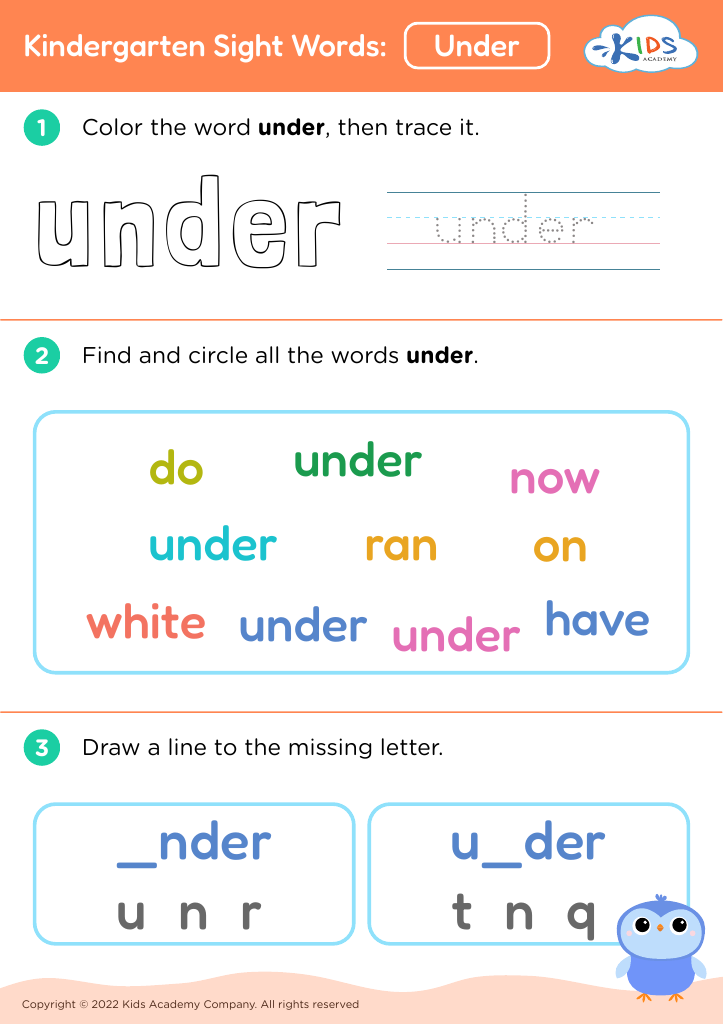
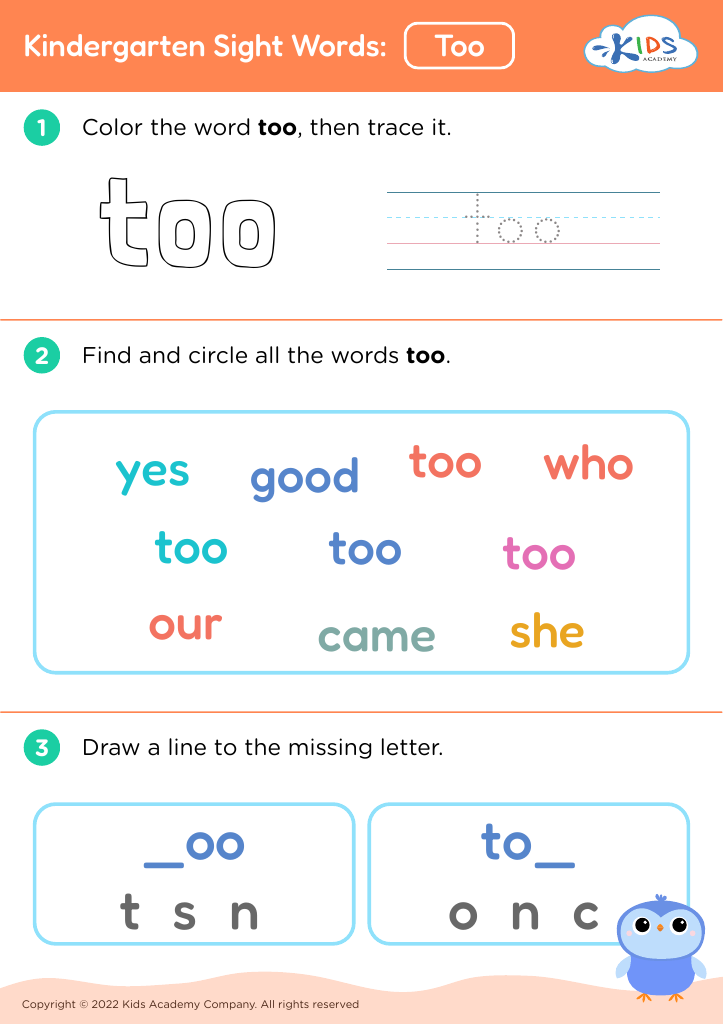
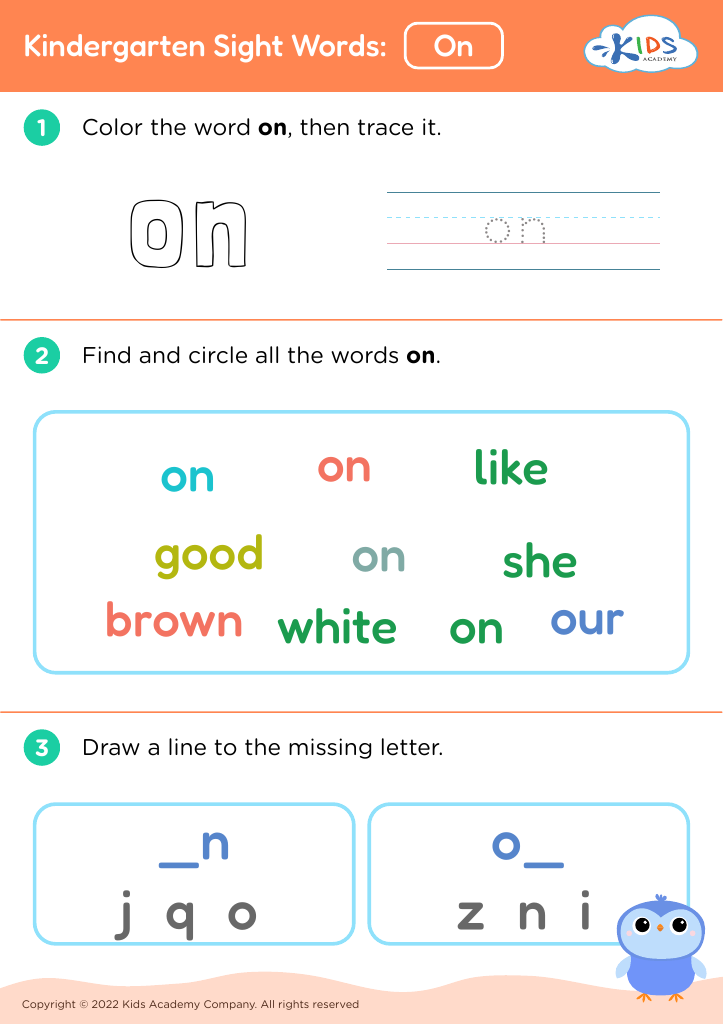
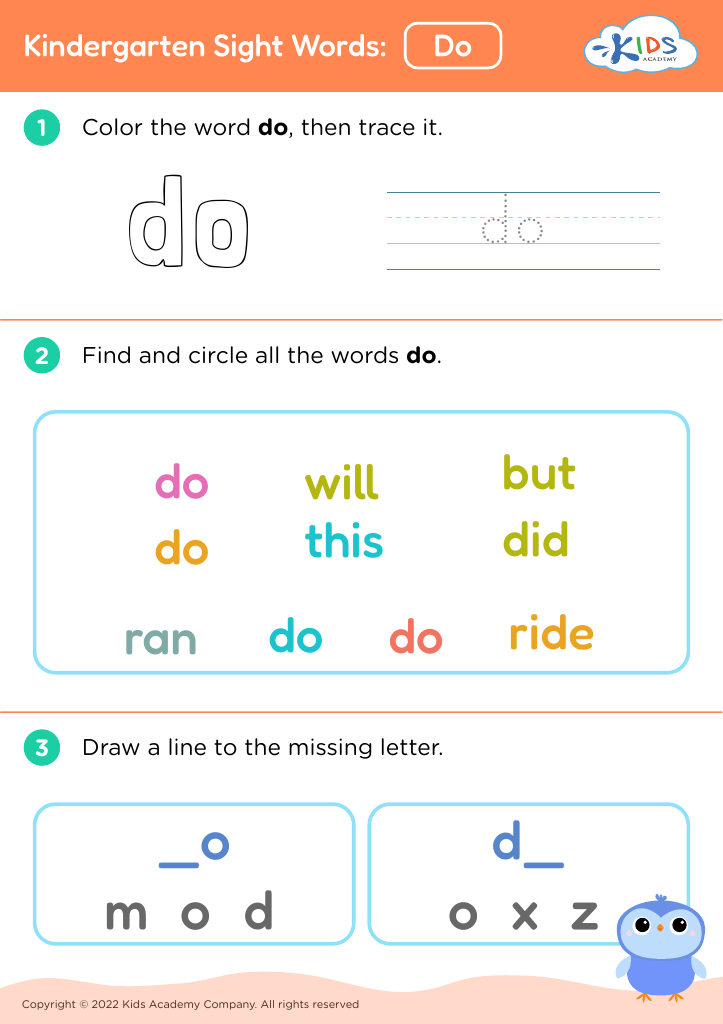
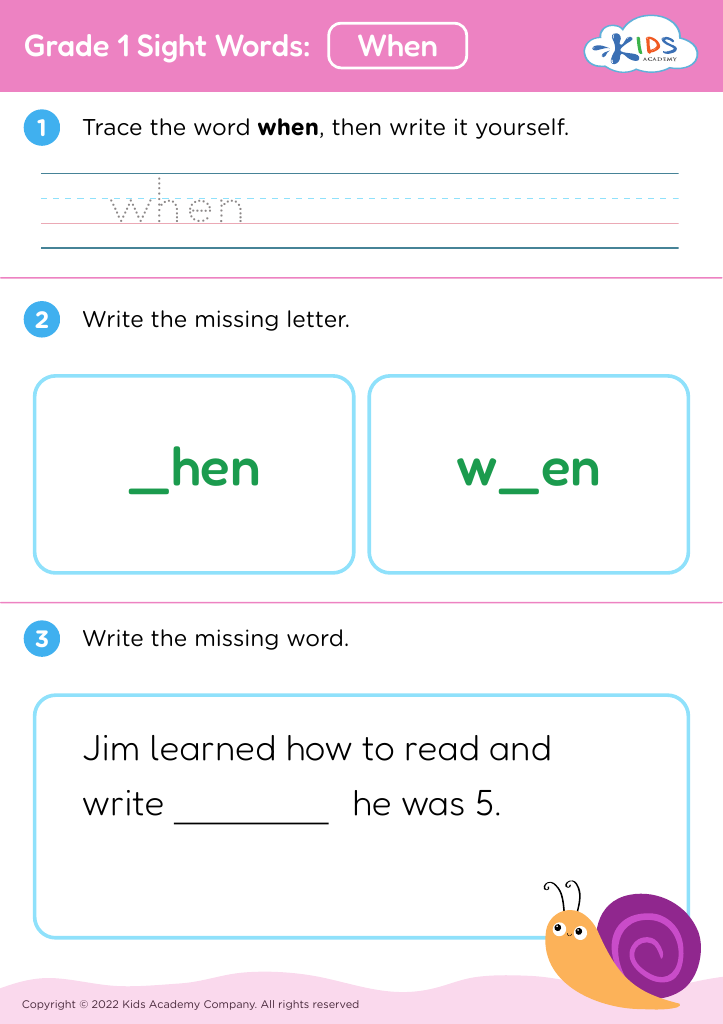
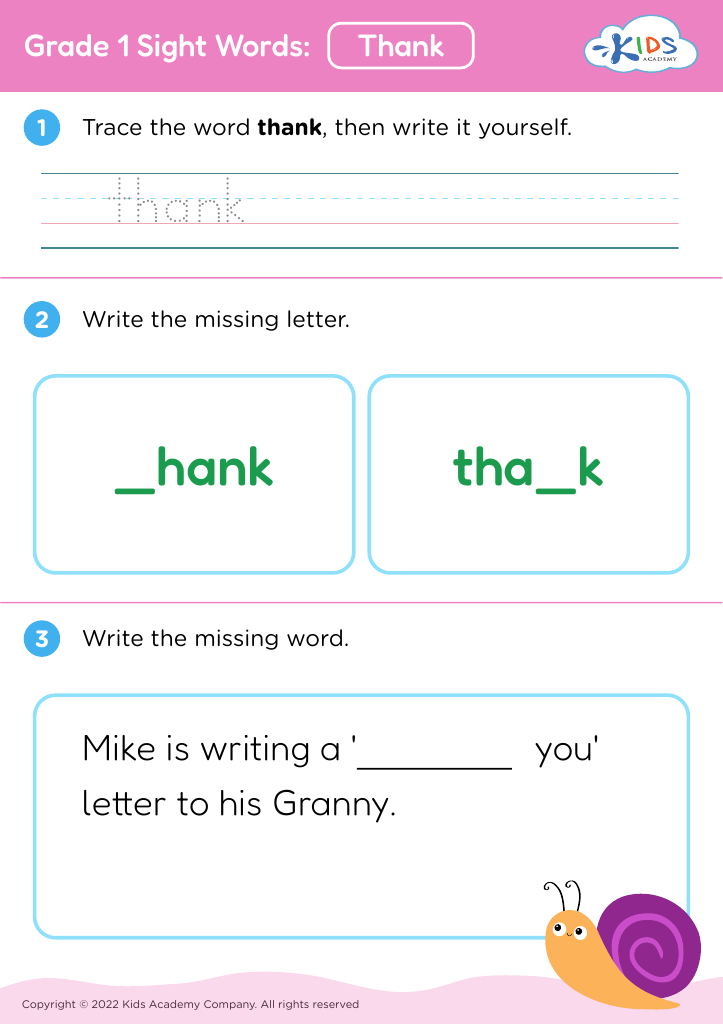
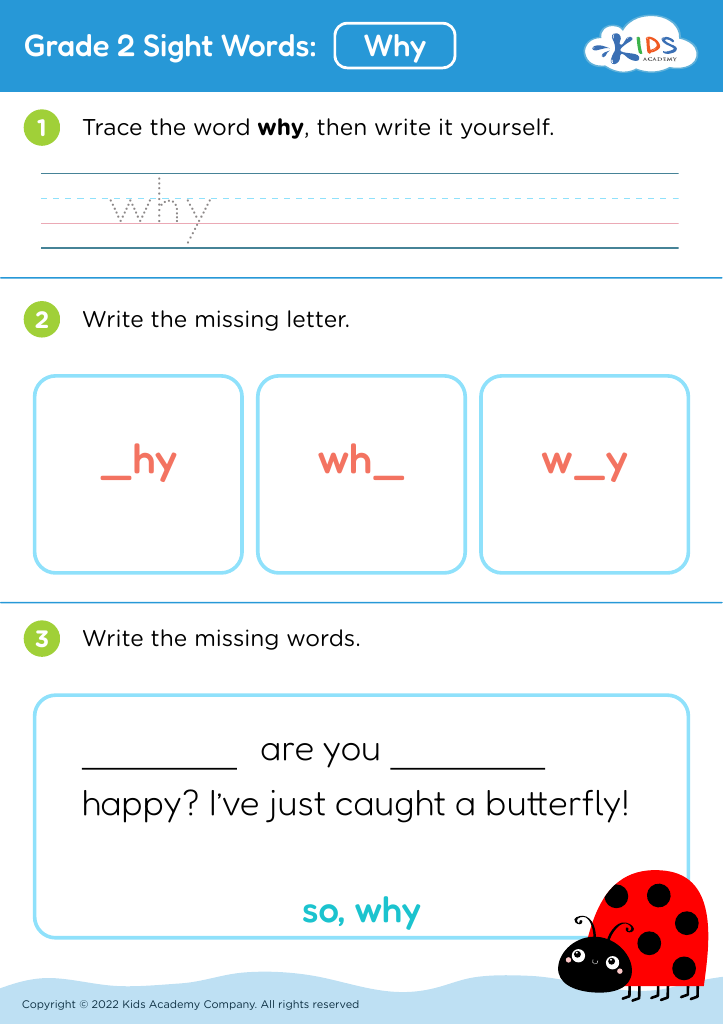
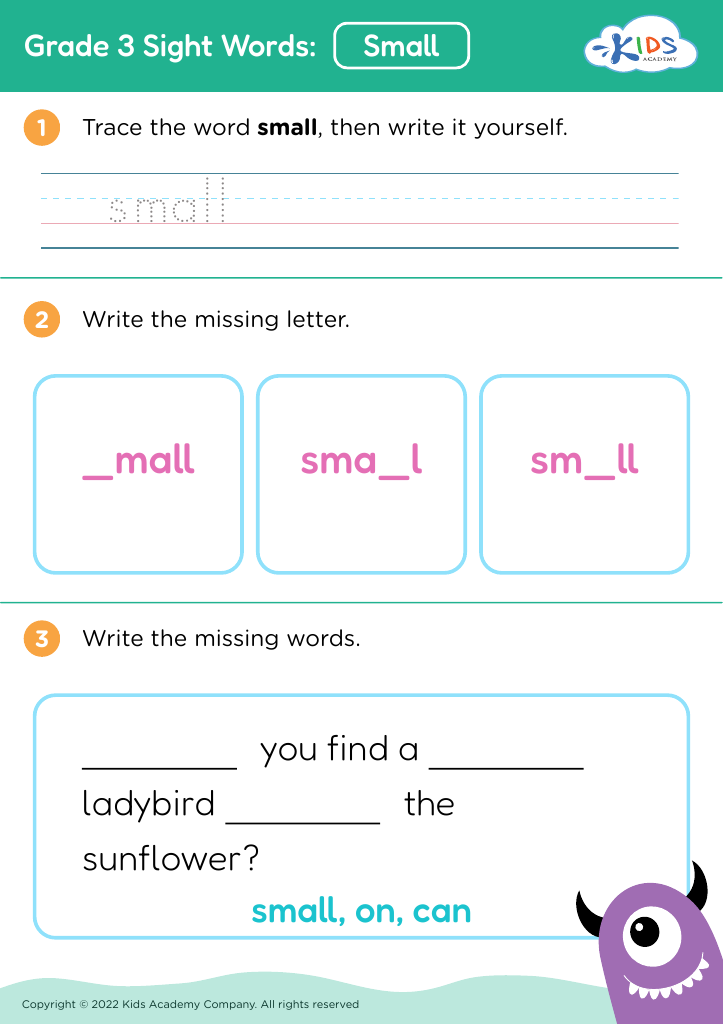








Parents and teachers should prioritize problem-solving skills reading for children aged 5-8 because these vital skills lay the foundation for critical thinking and effective decision-making in daily life. At this age, children are naturally curious and are beginning to navigate their social and academic environments, making it crucial to equip them with strategies to tackle challenges they may encounter.
Engaging in problem-solving reading encourages children to analyze situations, evaluate options, and think creatively about solutions. Exploring stories where characters face dilemmas allows young readers to relate their experiences to the narrative, fostering empathy and understanding. This practice also reinforces comprehension skills, as children learn to identify key elements in a story, such as plot twists or character choices.
Moreover, problem-solving frameworks can enhance collaboration skills. Participating in discussions about various outcomes from a story enables children to share perspectives and clarify ideas, building confidence in verbal communication. Ultimately, incorporating problem-solving skills reading into early education empowers children not only to become independent thinkers but also to approach problems with an adaptive mindset, preparing them for future academic success and real-world challenges. Actors creating a feeling of resilience and resourcefulness is incredibly valuable as they journey through life.








