
Understanding multiplication Reading Worksheets for Ages 5-8
5 filtered results
Difficulty Level
Grade
Age
-
From - To
Subject
Activity
Standards
Dive into the world of math with our "Understanding Multiplication Reading Worksheets for Ages 5-8." Designed to make learning multiplication easy and fun, these engaging worksheets utilize relatable stories and simple illustrations to build foundational skills. Children will grasp key concepts through step-by-step instructions and practical examples. Each worksheet enhances comprehension by intertwining reading practice with math problems, fostering a holistic learning experience. Perfect for early learners, our resources aim to create confident young mathematicians by gently introducing multiplication. Available for download, empower your child’s learning journey today with Kids Academy.
Favorites
With answer key
Interactive
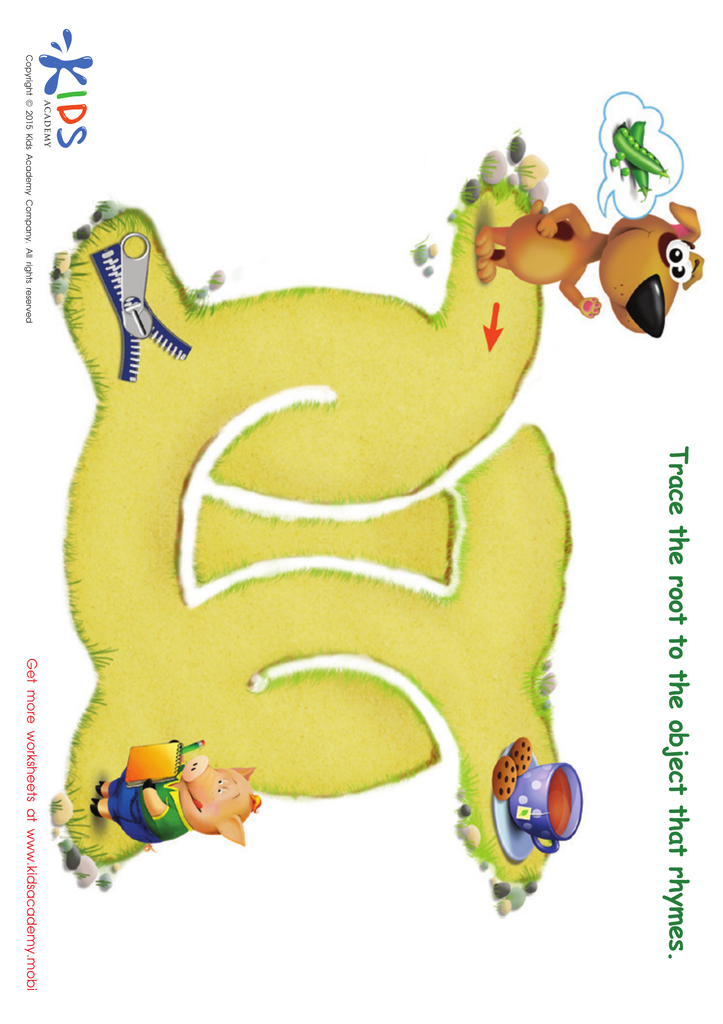
Pea Rhyming Words Worksheet
Check out our free printable worksheet that helps kids learn new words through rhyming. Your child needs to trace the root between the rhyming words and remember them better. Enjoy learning!
Pea Rhyming Words Worksheet
Worksheet
Join Kids Academy for Free
Who is primarily going to use this learning content?







Understanding multiplication at an early age is crucial for a child's mathematical development. For children aged 5-8, learning multiplication lays the foundation for more advanced math topics they will encounter in the future, such as division, fractions, and algebra. It helps kids develop critical thinking and problem-solving skills, essential for everyday life.
When parents and teachers prioritize understanding multiplication, they support a child's confidence in math. Confidence is key because children who feel competent in math are more likely to enjoy the subject and persevere through challenges. This positive attitude toward math can have long-term benefits in both academic and career opportunities.
Children in this age group learn best through play and practical activities. By incorporating multiplication into daily routines and games, parents and teachers can make learning fun and engaging. This hands-on approach helps children grasp abstract concepts more easily and solidifies their understanding through repeated practice.
Moreover, early exposure to multiplication can spark curiosity and a love for learning. When children see the relevancy and applications of math in real life, such as in cooking, shopping, or playing, they are more likely to appreciate its value. In summary, focusing on understanding multiplication in the early grades sets the stage for future success and nurtures a lifelong enthusiasm for learning.








