Sequencing events Reading Comprehension Worksheets for Ages 5-8
3 filtered results
-
From - To
Enhance your child's reading comprehension with our engaging Sequencing Events Worksheets, specifically designed for ages 5-8. These educational resources help young readers understand the order of events in texts, boosting critical thinking and narrative skills. Each worksheet features fun and relatable stories tailored to captivate young minds, with interactive elements to promote active learning. By practicing sequencing, children will improve their ability to retell stories, identify key moments, and draw connections between events. Perfect for home or classroom use, these worksheets make learning enjoyable while laying a strong foundation for effective reading comprehension. Empower your young reader today!
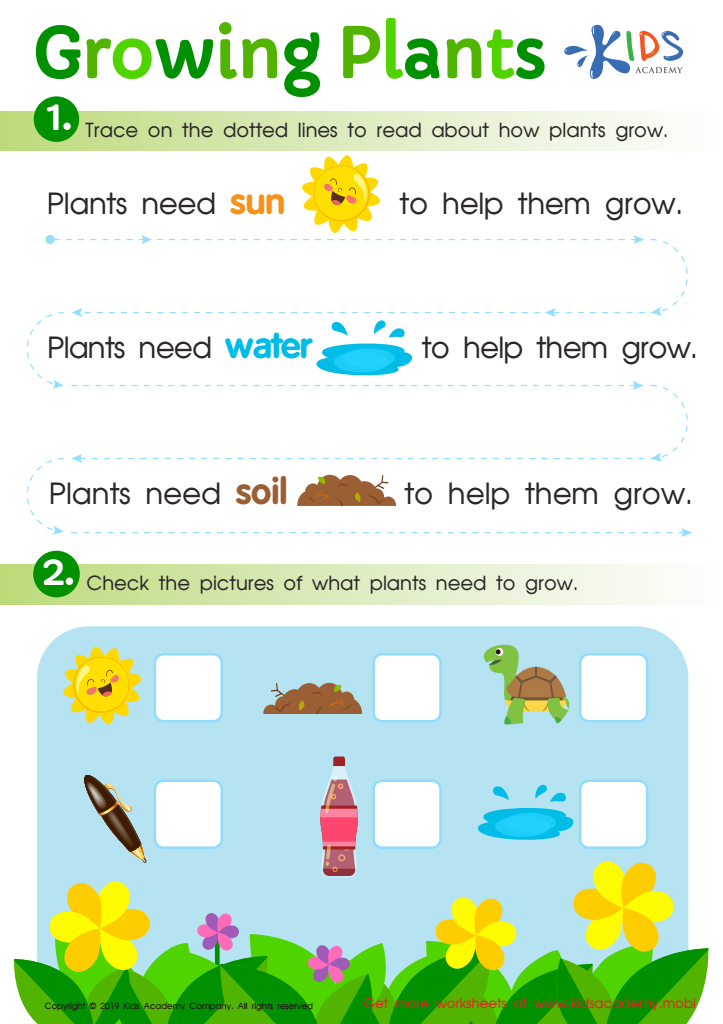
Growing Plants Worksheet
 Assign to My Students
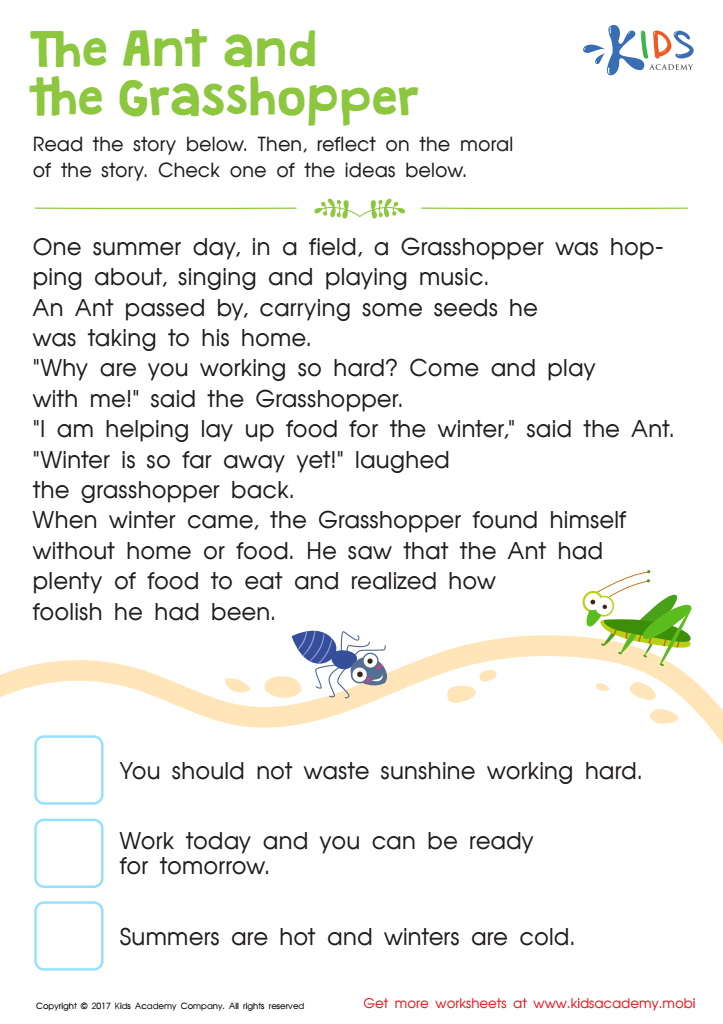
The Ant and The Grasshopper Printable
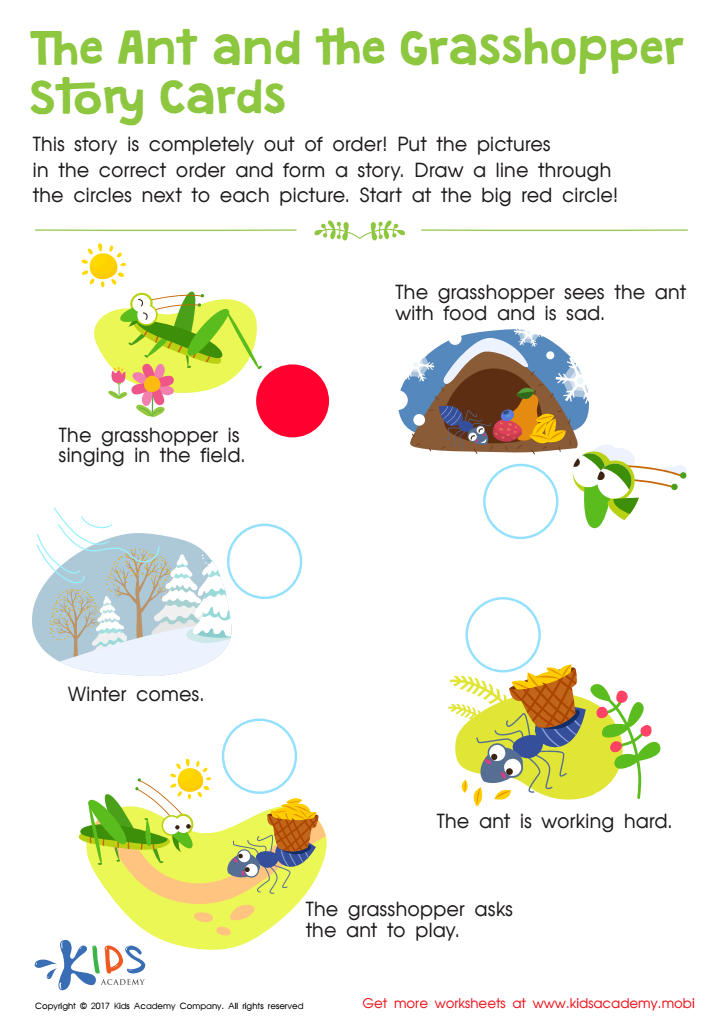
The Ant and The Grasshopper Worksheet








Sequencing events in reading comprehension is crucial for students aged 5-8, as it lays the foundation for their overall literacy skills and cognitive development. During these formative years, children are learning to recognize how narratives are structured, which enhances their understanding of stories and improves their memory retention. When children can effectively identify the order of events, they gain a clearer grasp of cause-and-effect relationships, character motivations, and plot development. This understanding not only aids in enjoying and analyzing literature but also in processing everyday information.
Moreover, mastering sequencing skills can enhance critical thinking abilities. It prompts children to predict outcomes, infer meanings, and draw connections between different concepts. For parents and teachers, focusing on sequencing can ultimately lead to deeper discussions about stories, encouraging children to express their thoughts and feelings. Engaging children in sequencing activities, such as retelling stories or utilizing graphic organizers, makes learning interactive and enjoyable. This approach fosters a love of reading and enhances communication skills, both of which are vital as they progress into more complex texts. By emphasizing sequencing events, adults can instill a sense of confidence in children's reading abilities, setting them up for successful lifelong learning.








