
Color recognition Reading Fiction Worksheets for Ages 5-8
6 filtered results
Difficulty Level
Grade
Age
-
From - To
Subject
Activity
Standards
Enhance your child's learning experience with our engaging Color Recognition Reading Fiction Worksheets designed for ages 5-8! These fun and interactive worksheets blend fiction with color recognition, making learning enjoyable and effective. Young readers will explore colorful stories while identifying different colors, improving their reading skills and cognitive development simultaneously. Our resources include captivating illustrations and age-appropriate content, ensuring children stay interested and motivated. Perfect for home or classroom use, these worksheets help develop literacy and color perception skills through imaginative narratives. Spark creativity and foster a love of reading while building essential knowledge – download our Color Recognition Reading Fiction Worksheets today!
Favorites
With answer key
Interactive
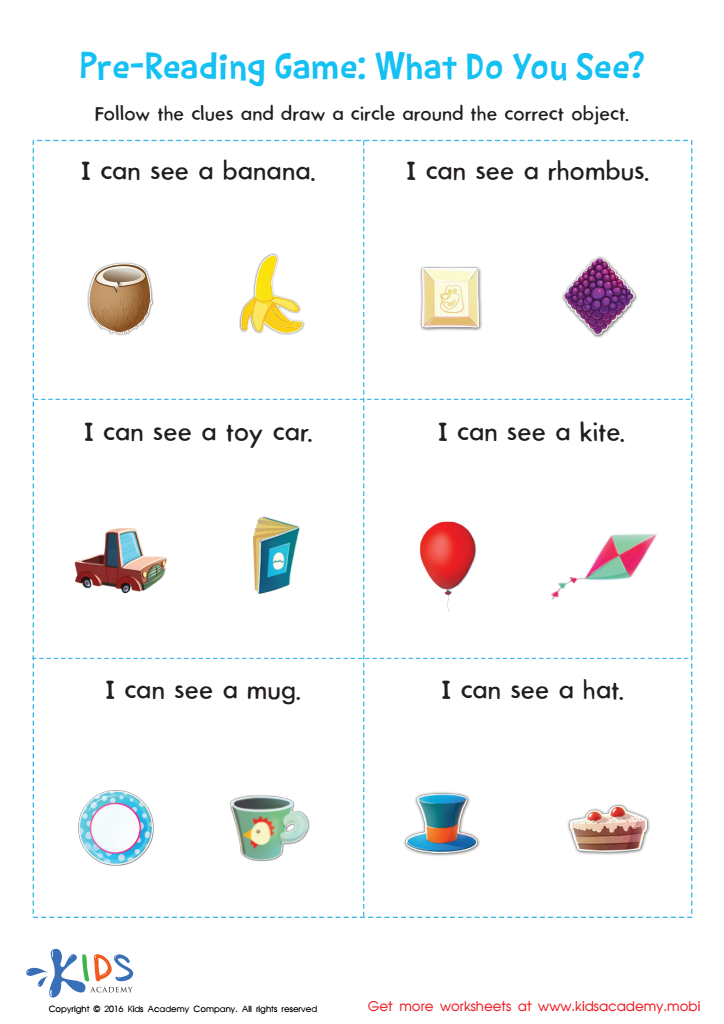
Pre–reading Worksheet: What Do You See?
Get started with this pre-reading worksheet to build your child's early literacy skills. Model, read aloud, and provide consistent repetition for successful learning.
Pre–reading Worksheet: What Do You See?
Worksheet
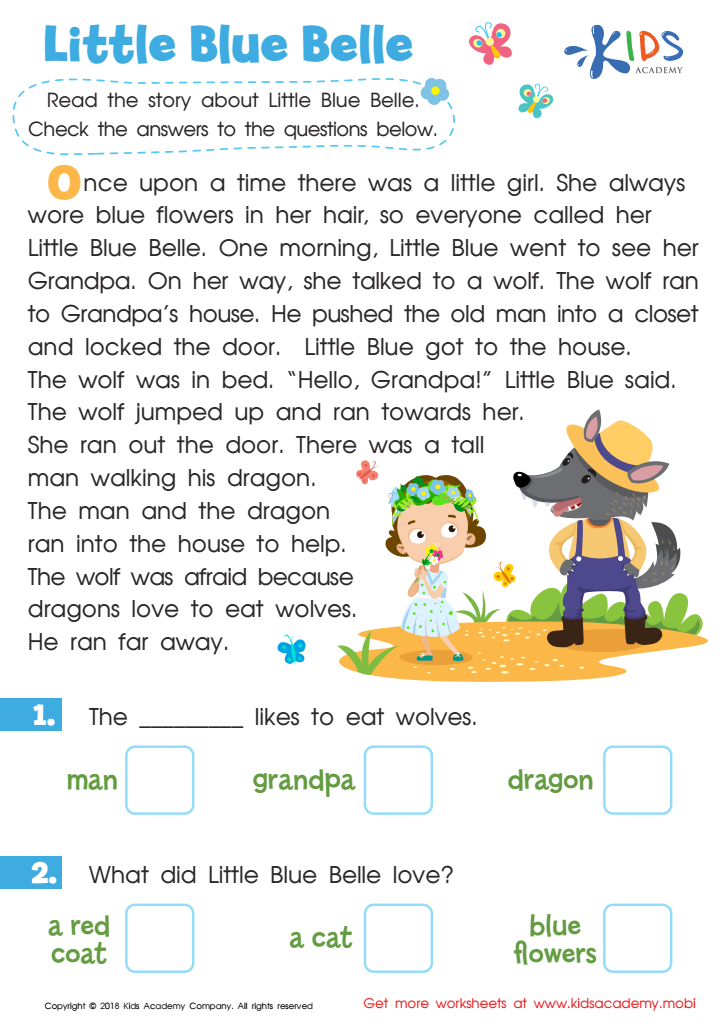
Little Blue Belle Worksheet
Check comprehension of fiction read in class by asking questions. Some students may struggle, so provide extra practice with a reading worksheet. Students read a story and answer questions at the bottom. A handy resource for reading classrooms!
Little Blue Belle Worksheet
Worksheet
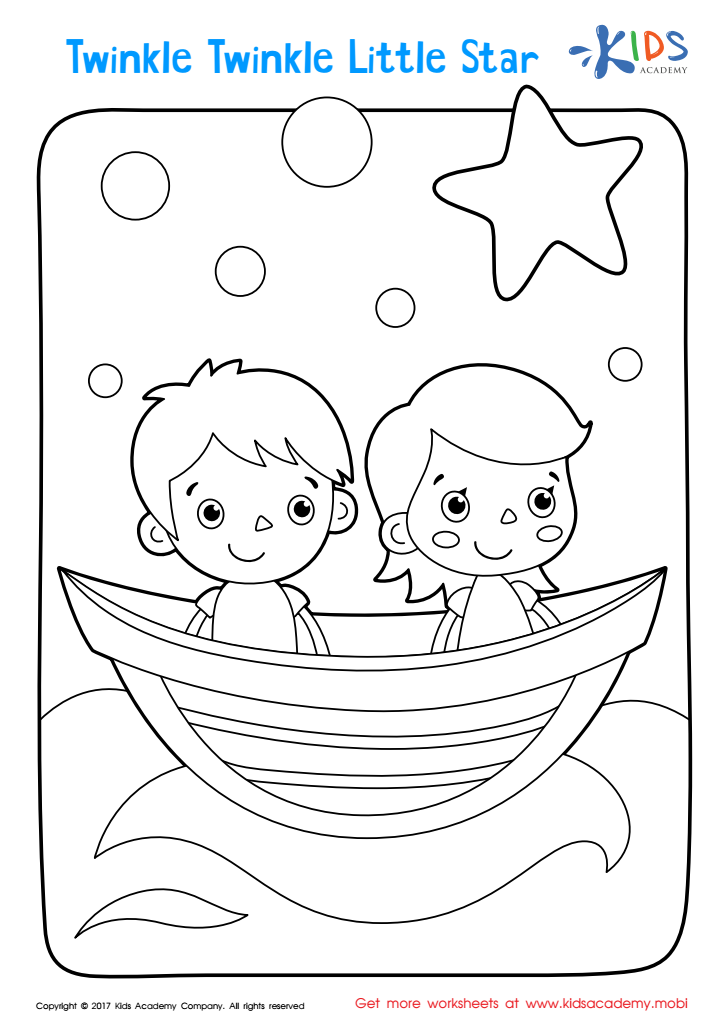
Twinkle Twinkle Little Star Coloring Page
Let your child wish upon a star as they color this scene of boy and girl stargazing. Sing Twinkle Twinkle Little Star while they choose colors to show the star twinkling in the night sky.
Download (PDF)
 Assign to My Students
Assign to My Students
Twinkle Twinkle Little Star Coloring Page
Worksheet
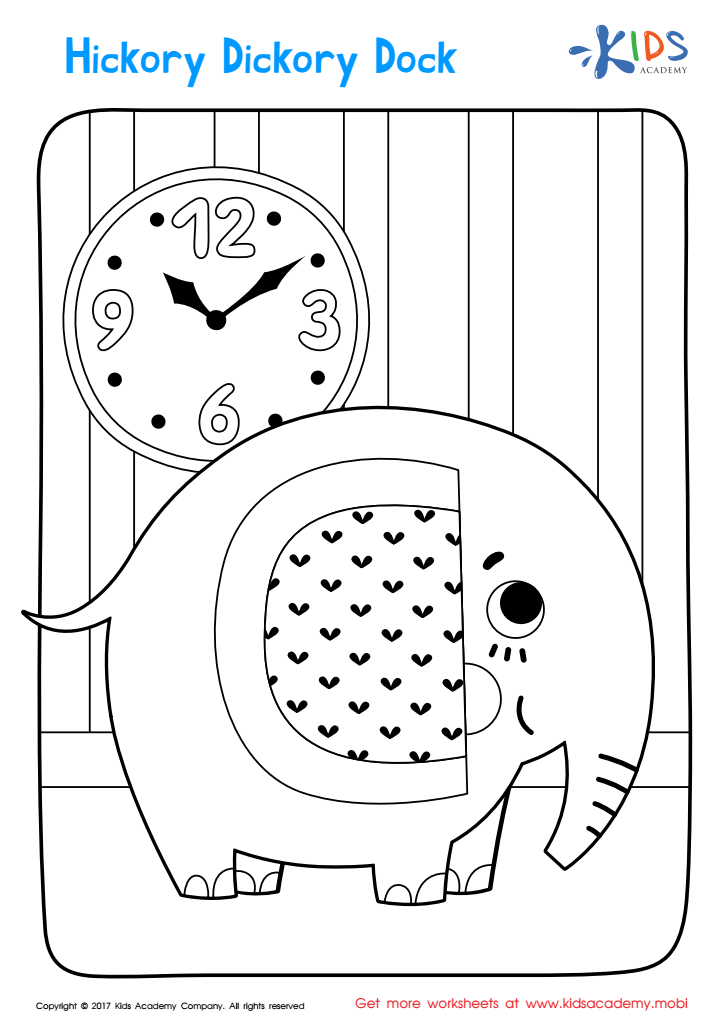
Hickory Dickory Dock Coloring Page
Sing and color with your child! Enjoy the classic nursery rhyme Hickory Dickory Dock as they color this fun printable. Watch the elephant climb and crash down the clock in the final part of the song. It's sure to bring smiles and giggles!
Download (PDF)
Assign to My Students
Assign to My Students
Hickory Dickory Dock Coloring Page
Worksheet
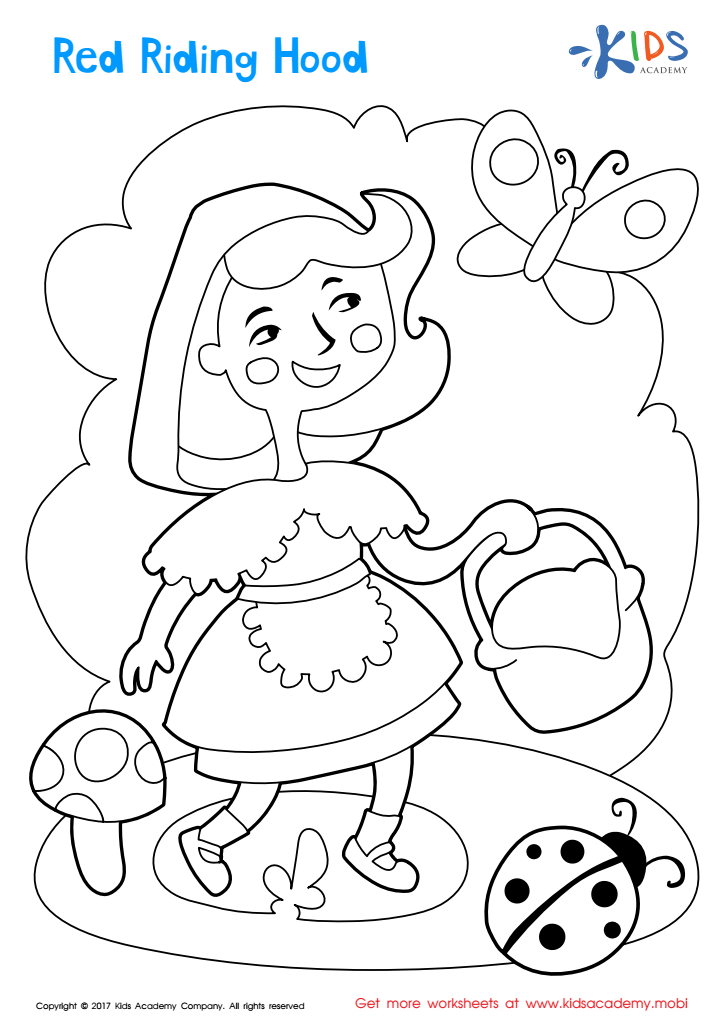
Red Riding Hood Coloring Page
Red Riding Hood awaits in the woods, with a butterfly, mushroom, and ladybug around her. Let your child bring the story to life with this magical printable coloring page. Fairytale fun for all!
Download (PDF)
Assign to My Students
Assign to My Students
Red Riding Hood Coloring Page
Worksheet
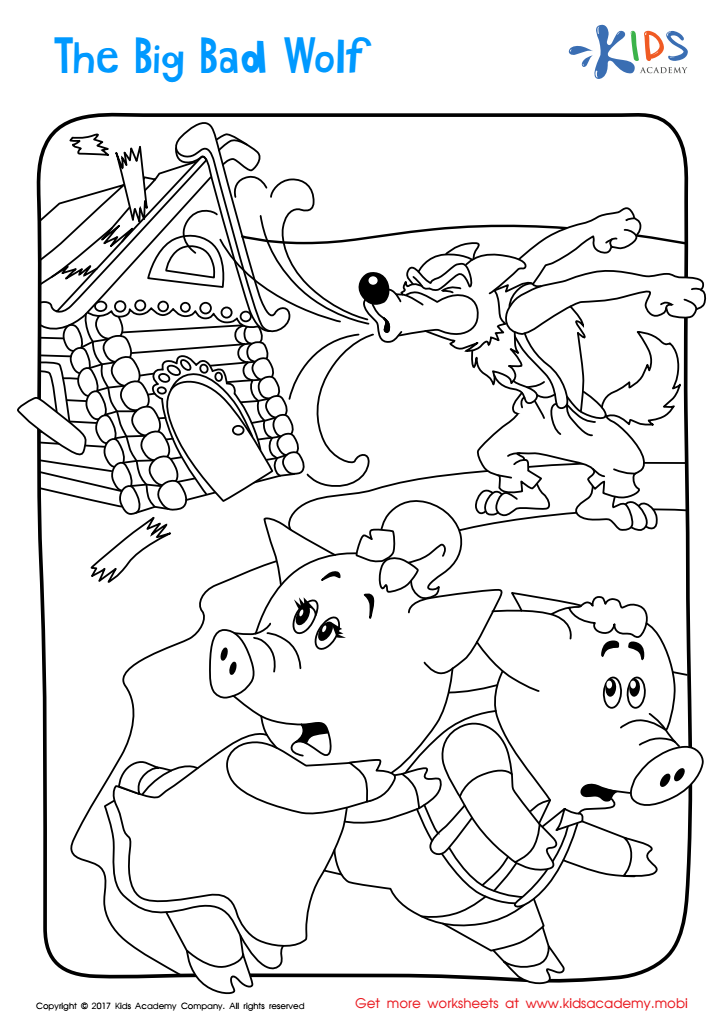
Big Bad Wolf Printable Coloring Page
Let your child have fun coloring the Big Bad Wolf blowing down the little pig's house! This printable coloring page introduces the classic tale, helping to develop reading comprehension skills.
Download (PDF)
Assign to My Students
Assign to My Students
Big Bad Wolf Printable Coloring Page
Worksheet
Join Kids Academy for Free
Who is primarily going to use this learning content?


.jpg)





Color recognition reading fiction for children aged 5-8 is vital for several reasons. First and foremost, it enhances a child's cognitive skills and creativity. By exposing kids to a world rich in colors through stories, they learn to associate visual stimuli with vocabulary, enriching their language development. Understanding colors also helps with emotional literacy, as colors can symbolize different feelings—like red for anger or blue for calmness—helping children articulate their emotions.
Moreover, reading fiction provides a context in which color recognition is naturally integrated, enriching thematic storytelling and deepening comprehension skills. Engaging stories involving colorful characters and settings stimulate imagination, fostering a love for reading that can last a lifetime.
Additionally, recognizing and naming colors is a key developmental milestone in early childhood. It is foundational for other learning areas, including mathematics—through counting objects of different colors—and science—by observing and categorizing the natural world.
Ultimately, supporting expertise in color recognition through reading fiction not only benefits literacy but also nurtures overall emotional and cognitive growth, providing a holistic approach to early education. Parents and teachers who prioritize this skill contribute greatly to a child's readiness for future challenges in both academic and social settings.








