Moral understanding Reading Fiction Worksheets for Ages 5-8
5 filtered results
-
From - To
Discover our engaging Moral Understanding Reading Fiction Worksheets designed specifically for young learners aged 5-8! These interactive worksheets encourage children to connect with fictional stories while exploring essential morals and values. Through age-appropriate narratives, kids will enhance their reading skills and develop empathy by reflecting on characters' choices and consequences. Each worksheet promotes critical thinking and discussions about right and wrong, helping children grasp complex ideas in a relatable way. Perfect for classroom use or at-home learning, our worksheets foster a love for reading while instilling important life lessons. Start your child's journey towards moral understanding with these fun and insightful activities!
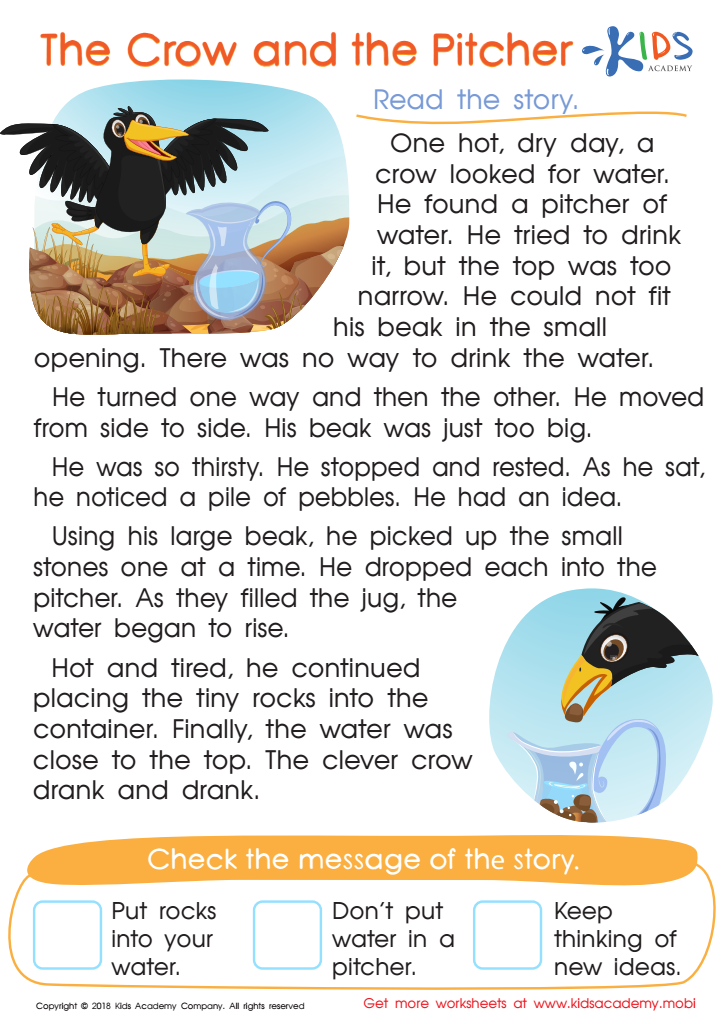
The Crow and the Pitcher Worksheet
 Assign to My Students
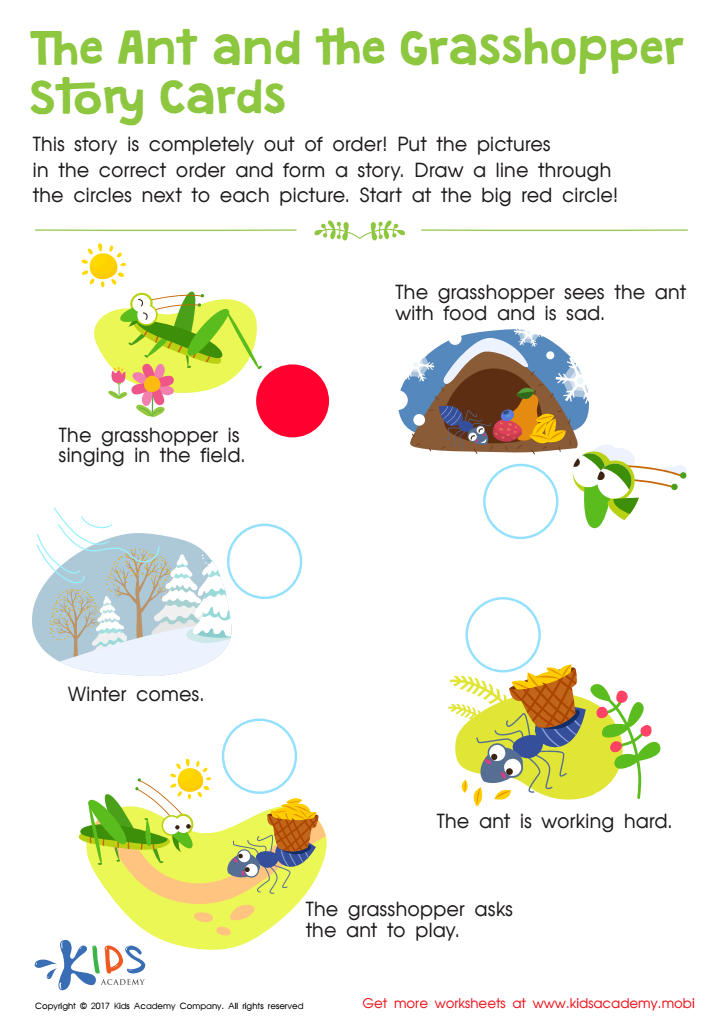
The Ant and The Grasshopper Worksheet
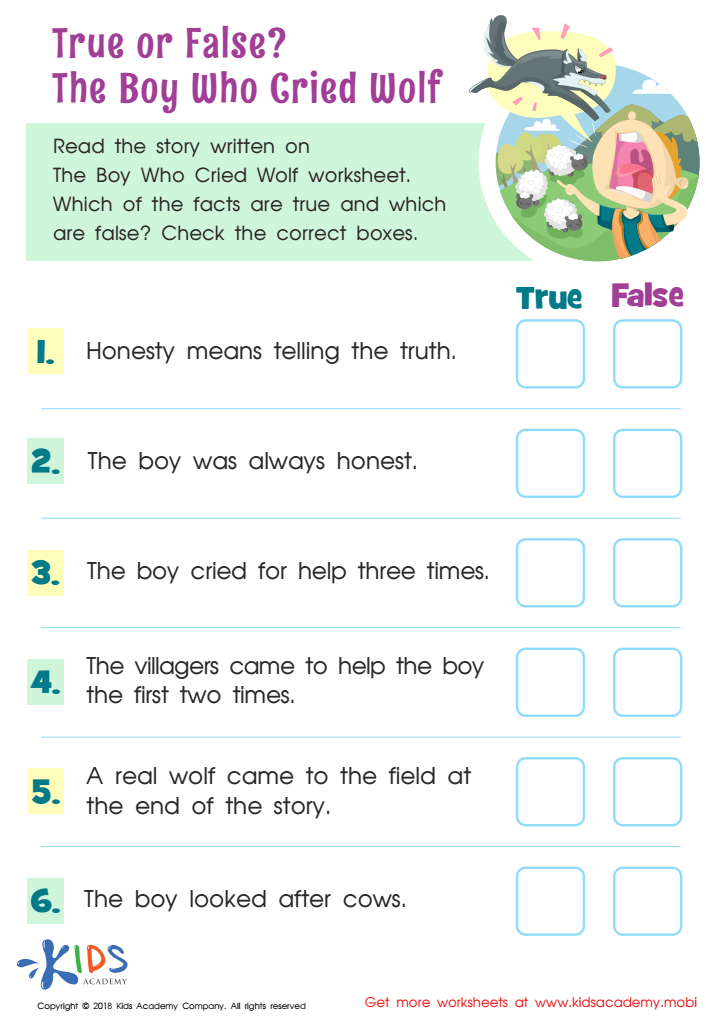
True or False? The Boy Who Cried Wolf Worksheet
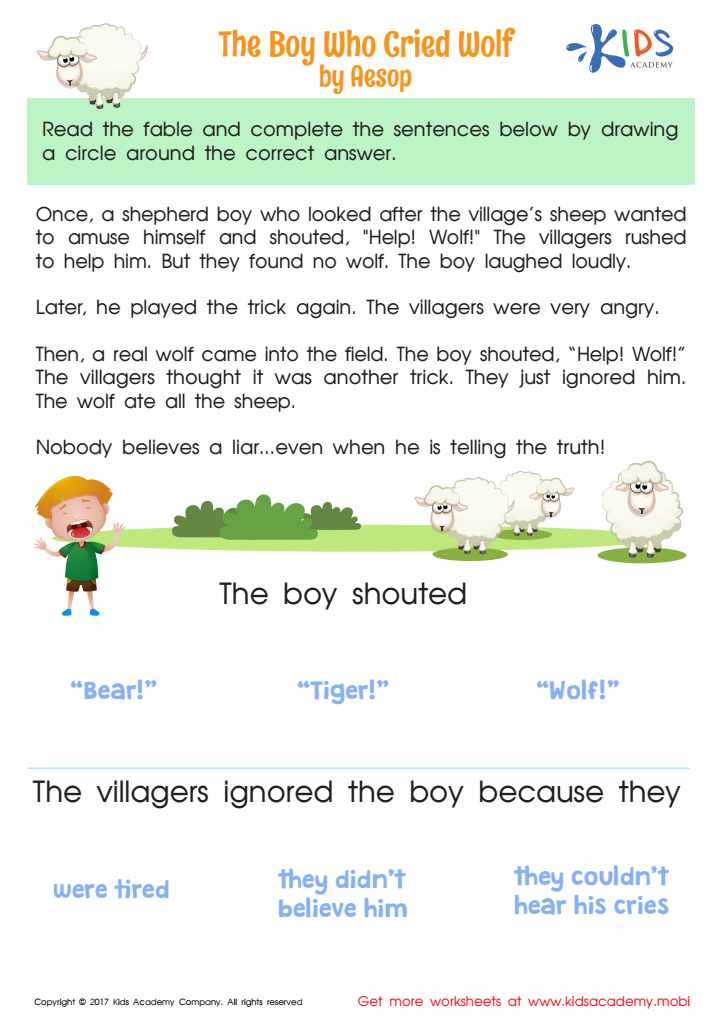
The Boy Who Cried Wolf Worksheet
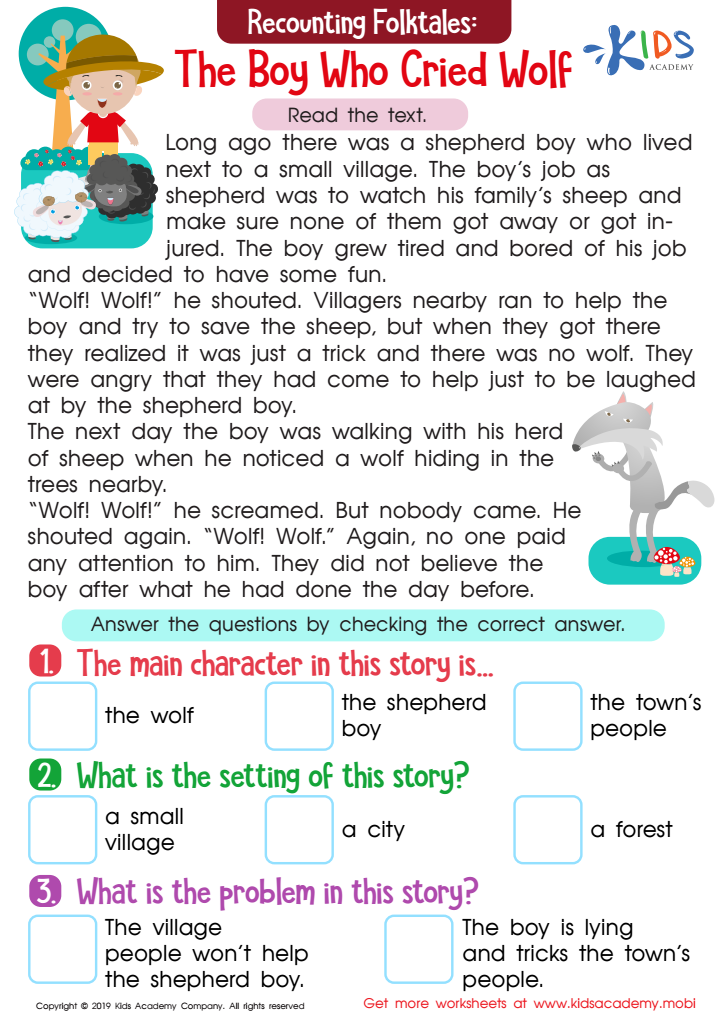
The Boy Who Cried Wolf Part 1 Worksheet








Parents and teachers should prioritize moral understanding through reading fiction for children ages 5-8 because it fosters critical social and emotional skills essential for their development. Engaging with stories allows young readers to explore complex themes such as empathy, kindness, honesty, and fairness in a safe and relatable context. When children encounter characters facing moral dilemmas, they learn to recognize the importance of their choices, understand diverse perspectives, and consider the consequences of their actions.
Fiction also provides a platform for discussing values, helping children internalize moral lessons while enhancing their communication skills. This verbal exploration encourages them to articulate their thoughts, feelings, and moral judgments, promoting emotional intelligence. Additionally, reading shapes a child's imagination and creativity, enabling them to conceptualize different scenarios and outcomes, which can deepen their moral understanding.
Moreover, literature often introduces children to various cultures and life experiences, fostering tolerance and respect for others. By stimulating conversations around morality in stories, parents and teachers can create a supportive environment where children feel comfortable expressing their ideas and values, ultimately guiding them towards becoming thoughtful, responsible individuals. By investing time in reading fiction, caregivers are laying the foundation for a compassionate and ethically aware society.








